

P0022 on 2006-2012 Ford Fusion 3.0L V6: Causes and Fixes for Over-Retarded Cam Timing
For the 3.0L V6 Fusion, code P0022 is most often caused by low or dirty engine oil, or a failing Variable Camshaft Timing (VCT) solenoid on Bank 2. Always check your oil level and condition first. Replacing the VCT solenoid (Motorcraft Part No. 8L3Z-6M280-B) is a common fix with a DIY difficulty of 3/5.
- Start with the simplest fix: check your engine oil level and condition. Low or dirty oil is a primary cause of P0022.
- The most likely failed part is the Bank 2 (front) VCT solenoid. Swapping it with the Bank 1 (rear) solenoid is a great no-cost diagnostic step.
- If the oil and solenoid are good, the problem is likely a more serious mechanical issue like a bad cam phaser or worn timing chain, which are significantly more expensive to repair.
- This 3.0L V6 engine has a known weakness with camshaft cap bolts loosening over time, which can cause this code. It's a rare but important check if other diagnostics fail.
What's Unique About the 2006-2012 Ford Fusion
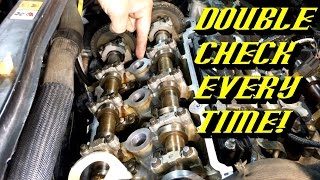
While the causes for P0022 are common across many vehicles, the 3.0L Duratec V6 has a specific mechanical issue to be aware of. The bolts holding the camshaft bearing caps can loosen or even break over time. This can cause the camshaft to lift slightly, leading to improper valve operation, misfires, and timing-related codes like P0022. It's a crucial inspection point if you ever have 🎬 Watch: How to inspect the 3.0L Duratec camshaft cap bolts. the valve cover off for another repair. Forum discussions on sites like 'BobIsTheOilGuy.com' and 'Ford Contour Enthusiasts Group' corroborate this as a known, albeit uncommon, flaw of this engine design.
Symptoms You May Notice
- Check Engine Light is on
- Rough idle or stalling
- Engine hesitation or lack of power during acceleration
- Decreased fuel mileage
- Hard starting
- Engine rattling or clinking noises, especially if related to timing chain or phaser failure
- Replacing the camshaft position sensor first. While it's a sensor-related code, the problem is more often the oil-controlled VCT solenoid or the mechanical phaser, not the sensor itself.
- Assuming a timing chain replacement will fix all timing codes. A user on an F-150 forum reported having the code P0022 return even after replacing cam phasers twice, suggesting the root cause could be oil pressure or a separate issue.
Most Likely Causes
- Low or Dirty Engine Oil 🔴 High Probability The VCT system is entirely dependent on clean oil at the correct pressure to function. The 3.0L Duratec can consume oil, and delayed oil changes can lead to sludge that clogs the small passages in the VCT solenoids.
How to confirm: Check the engine oil dipstick. The level should be in the safe range and the oil should not look excessively dark or sludgy.
Typical fix: Perform an oil and filter change using the manufacturer-specified grade of oil (typically 5W-20). Clear codes and re-test.
Est. part cost: $30-$60 - Failing VCT Solenoid (Oil Control Valve) 🔴 High Probability → Shop Engine Variable Valve Timing (VVT) Solenoid These solenoids cycle thousands of times and are a common failure point. They can get clogged with debris from dirty oil or fail electrically. Ford issued TSB 12-10-12 specifically for the 2012 3.0L Fusion, which directly recommends replacing the Bank 2 VCT solenoid if P0022 is present.
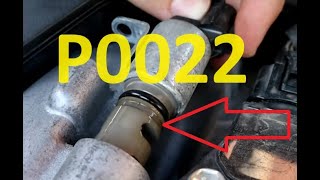
How to confirm: Swap the Bank 2 (front, by the radiator) VCT solenoid with the Bank 1 (rear, by the firewall) solenoid. Clear the codes and drive the vehicle. If the code changes to P0012 (Bank 1), the solenoid is confirmed bad. You can also test the solenoid's resistance with a multimeter; it should be between 6.9 and 7.9 ohms.
Typical fix: Replace the faulty VCT solenoid for Bank 2. The OEM part is Motorcraft 8L3Z-6M280-B, which supersedes 8L3Z-6M280-A.
Est. part cost: $25-$70 - Failing Camshaft Phaser 🟡 Medium Probability → Shop Engine Camshaft The phaser is the mechanical actuator on the camshaft. It can get stuck in the retarded position due to internal wear or oiling issues. There are documented cases of phaser failure on this engine, sometimes even after a timing chain job if the phaser itself was not replaced or was faulty.
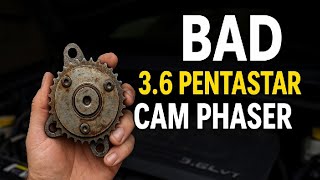
How to confirm: This is difficult to confirm without ruling out the VCT solenoid first. Advanced diagnostics involve commanding the phaser position with a high-level scan tool and observing the response. Physical inspection 🎬 Watch: A mechanic explains how to tell if a phaser is bad. requires removing the valve cover.
Typical fix: Replace the camshaft phaser, which is a labor-intensive job that often includes replacing the timing chain and related components at the same time.
Est. part cost: $100-$250 for the phaser alone - Worn Timing Chain, Guides, or Tensioner ⚪ Low Probability → Shop Engine Timing Chain This is primarily an issue on high-mileage (150,000+ miles) engines. A stretched chain or failed tensioner can cause the cam timing to be consistently retarded. A user on a Reddit forum with a 140k mile Fusion reported P0022 and a high-pitched startup noise, which can be indicative of timing component wear.
How to confirm: Listen for a persistent rattling noise from the front of the engine (timing cover area). Confirmation requires significant disassembly to inspect the components.
Typical fix: Replace the timing chains, tensioners, and guides. This is a very involved and costly repair.
Est. part cost: $200-$500 for a full kit
Rare But Worth Checking
- Loose or Broken Camshaft Cap Bolts: → Shop Engine Camshaft This is a known issue on the 3.0L Duratec. If a bolt loosens or breaks, the camshaft can lift, affecting valve lift and timing. It's worth checking the torque on these bolts (89 lb-in) anytime the valve cover is removed for another service. A technician on a forum noted seeing an '08 Escape with this engine wear out its cam caps before the first oil change due to a related issue.
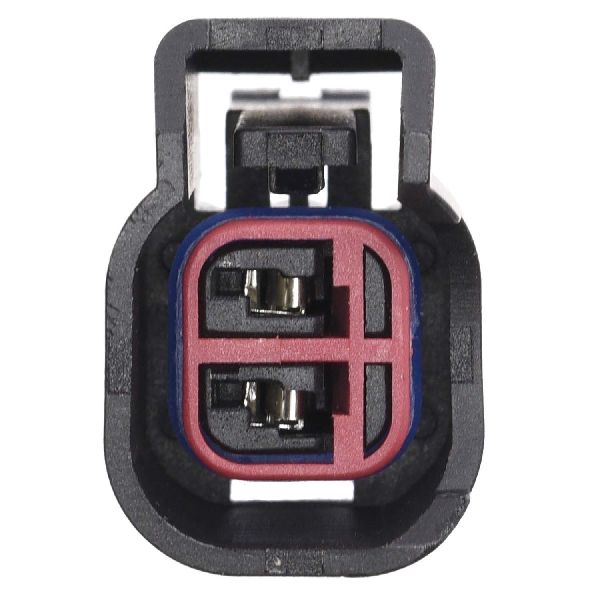
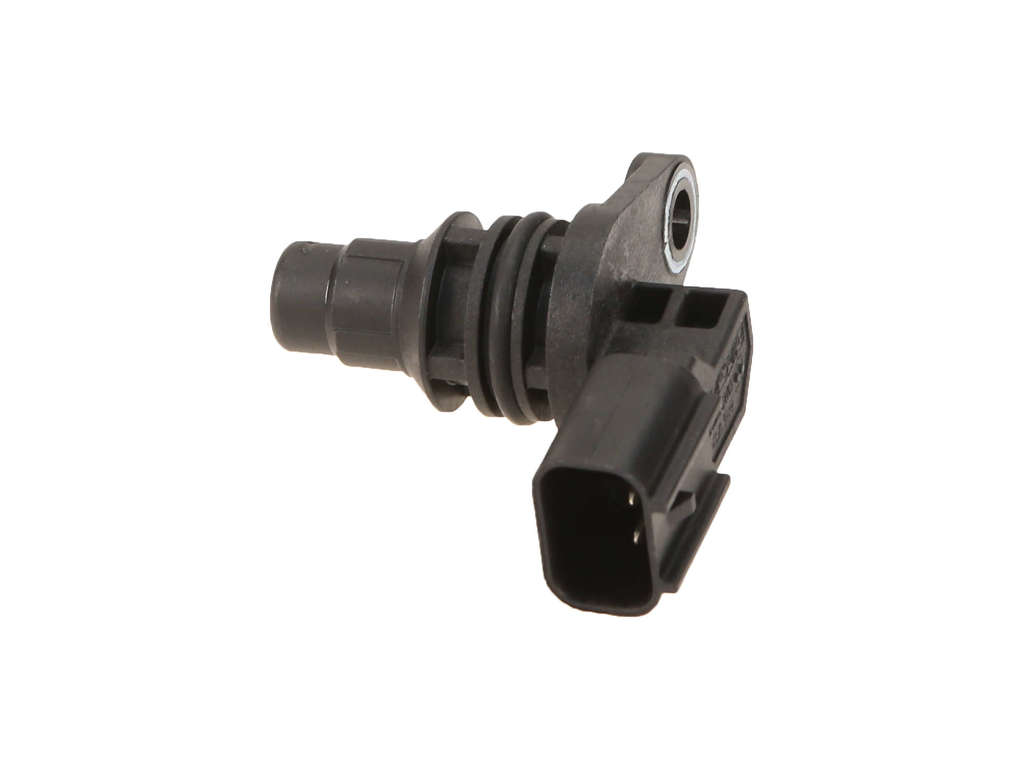
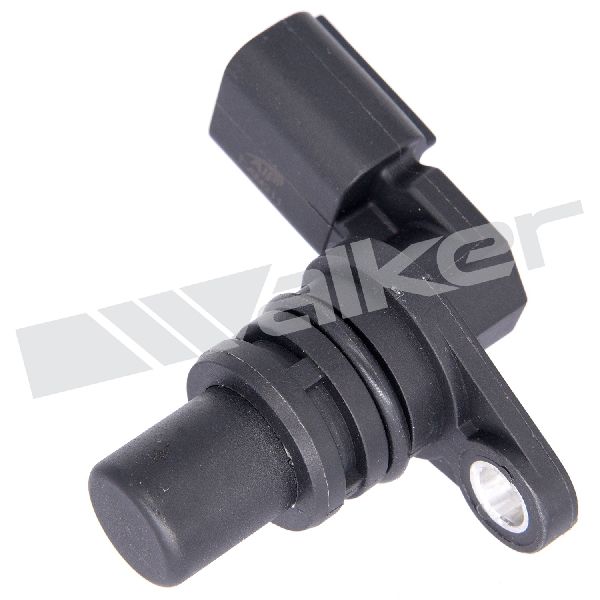
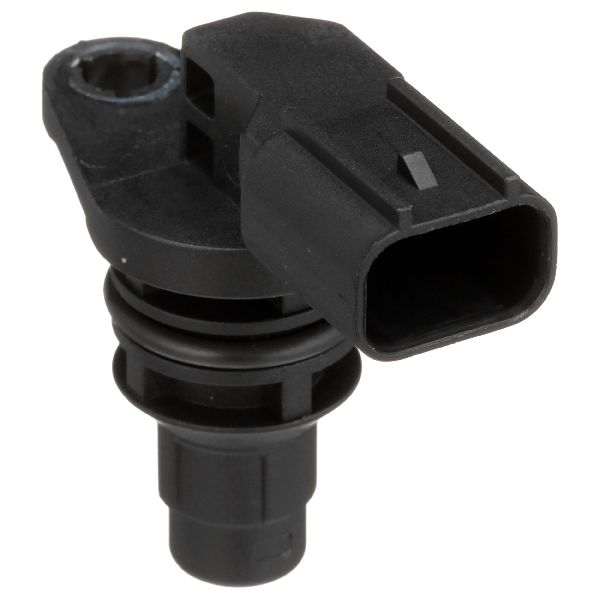
- Faulty Camshaft Position (CMP) Sensor: → Shop Engine Camshaft Position Sensor While possible, it's less common for this code. P0022 usually indicates an actual mechanical timing problem, not a sensor signal fault. However, if the sensor provides an erratic signal, it could contribute to the code. TSB 12-10-12 notes that P0022 may be accompanied by CMP sensor DTCs.
Diagnosis Steps
- Check the engine oil level and condition. Top off or change the oil and filter if necessary. Use the recommended 5W-20 oil. Clear the code and see if it returns.
- Scan for any other pending or active trouble codes. Diagnose all Camshaft Position (CMP) sensor DTCs first, as per Ford's diagnostic aids.
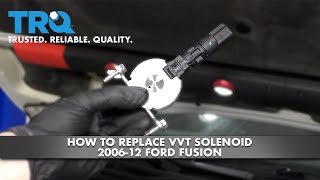
- Inspect the wiring harness and connector for the Bank 2 (front) VCT solenoid for any visible damage, corrosion, or loose connections. The solenoid is located on the front valve cover, near the oil fill cap. 🎬 See this walkthrough on how to replace the VCT solenoid.
- The most effective DIY diagnostic step is to swap the VCT solenoids. The Bank 2 solenoid is on the front valve cover, and the Bank 1 solenoid is on the rear. If the code moves to P0012 (Bank 1), you have a bad solenoid.
- If the code does not move, test the resistance of the suspect VCT solenoid using a multimeter. A reading outside of 6.9-7.9 ohms indicates a faulty solenoid.
- If the solenoid and oil are good, the next likely culprits are the cam phaser or the timing chain itself. This level of diagnosis typically requires professional tools and may involve removing the valve cover for inspection of cam cap bolts and timing components.
Parts You'll Likely Need
- Variable Camshaft Timing (VCT) Solenoid
(OEM #8L3Z-6M280-B (Supersedes 3L3Z-6M280-EA, 8L3Z-6M280-A))— This is the most common part to fail for this code, as it gets clogged with debris or fails electrically. TSB 12-10-12 directly calls for its replacement.
Trusted brands: Motorcraft, Dorman, Standard Motor Products
OEM price range: $50-$90
Aftermarket price range: $25-$70 - Camshaft Phaser — If the VCT solenoid is not the cause, a stuck or broken phaser is the next most likely mechanical failure.
Trusted brands: Motorcraft, Cloyes
OEM price range: $150-$250
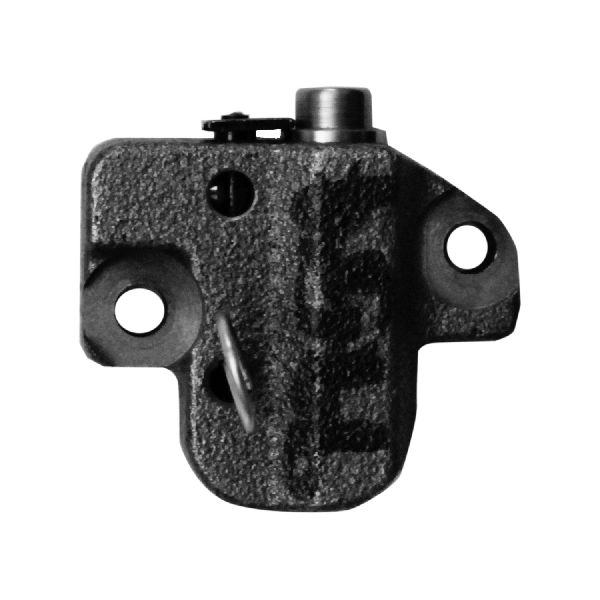
Aftermarket price range: $80-$150 - Timing Chain Kit — On high-mileage engines, a stretched chain or failed guides/tensioners can cause this code. A full kit is replaced as a set.
Trusted brands: Motorcraft, Cloyes, Melling
OEM price range: $400-$600
Aftermarket price range: $200-$450
Related Codes That Often Appear With This One
- P0346 — Camshaft Position Sensor 'A' Circuit Range/Performance (Bank 2). This code can appear with P0022 because if the camshaft is not where it's supposed to be, the sensor's reading will be out of the expected range. TSB 12-10-12 confirms these codes can appear together.
- P0012 — 'A' Camshaft Position - Timing Over-Retarded (Bank 1). If both codes are present, it suggests a more systemic problem like low/dirty oil affecting both banks, or a stretched timing chain. TSB 12-10-12 advises replacing both VCT solenoids if both codes are present.
- P0021 — 'A' Camshaft Position - Timing Over-Advanced (Bank 2). Seeing this with P0022 is rare but could indicate an extremely erratic VCT solenoid or phaser that is failing in both directions.
Technical Service Bulletins (TSBs) & Recalls
- TSB 12-10-12: Specifically for 2012 Fusion and Escape 3.0L engines, advises replacing the Bank 2 VCT solenoid if DTC P0022 is present.
- SSM 49821 / 47170: While for newer models, these TSBs for various Ford/Lincoln vehicles establish a pattern of VCT codes (including P0022) being caused by small debris in the oil causing the solenoids to stick.
Platform-Specific Known Issues
- The 3.0L Duratec engine can suffer from camshaft bearing cap bolts loosening or breaking. A Ford technician noted this is a unique flaw of this engine. This can cause various issues, including timing codes, and should be inspected by checking bolt torque (89 lb-in) if the valve cover is removed.
Mechanic-Grade Diagnostic Values
- VCT Solenoid Resistance — expected: 6.9 to 7.9 Ohms. Failure: A reading outside this range, or an open/infinite reading, indicates a failed solenoid coil.
- VCT Solenoid Connector Voltage — expected: Battery Voltage (approx. 12V). Failure: No voltage on the power supply pin (with key on) indicates a wiring or fuse issue upstream.
- Scan Tool PID: VCT_ERR or VCT_INT_DIF2 — expected: Should hover around 0° at a stable hot idle.. Failure: A sustained deviation of more than +/- 5 degrees indicates a control fault. Wild fluctuations point to a sticking solenoid or failing phaser.
- Engine Oil Pressure (Mechanical Gauge) — expected: Minimum 15 PSI at hot idle.. Failure: Pressure below 15 PSI at idle indicates a base oiling problem (e.g., worn pump, clogged pickup tube) that is starving the VCT system.
Hidden / Shadow Codes Worth Checking
- Mode 6, Test ID $81: Monitors the Bank 2 variable camshaft timing position during the last drive cycle. Failing this test can indicate an emerging problem before the PCM sets a continuous P0022 code. (see via Requires a professional scan tool with Mode 6 data capability.)
- Mode 6, Test ID $A2+: Monitors misfire counts for each individual cylinder. While not a direct timing code, elevated misfire counts on Bank 2 cylinders (4, 5, 6) can be a symptom of the incorrect cam timing caused by P0022. (see via Requires a professional scan tool with Mode 6 data capability.)
Scan Tool Commands That Help
- Ford IDS / FORScan: VCT Solenoid On/Off Cycle Test — As a first diagnostic step after an oil change. This command rapidly cycles the VCT solenoid about 10 times to dislodge small debris or sludge. If the code clears and does not immediately return, it confirms the issue was a temporarily stuck solenoid, potentially avoiding a part replacement.
- Ford IDS / FORScan: Live Data PID Monitoring (VCT_INT_ACT2, VCT_INT_DIF2) — To confirm a live fault. By graphing the desired vs. actual cam angle (or the difference between them), a technician can see if the phaser is physically lagging behind the PCM's command, confirming a mechanical or hydraulic issue rather than a sensor glitch.
Wiring & Ground Locations
- Bank 2 VCT Solenoid Connector — On the front valve cover (closer to the radiator), connected to the VCT solenoid.. This is the connection point for the component that controls cam timing. Pin 1 (typically a Blue/Green wire) should have 12V+ power with the key on. Pin 2 is the control wire, which the PCM provides a ground to in order to actuate the solenoid. A fault at this connector or in its wiring will prevent the solenoid from functioning.
Real Owner Repair Stories
- Ford F150 Forum user (Ford F-150 (similar VCT system)) — Engine misfire/shudder, rough idle, and stalling at stoplights, but only after the engine gets very hot (2+ hours of driving). Code P0022 was present.
❌ Tried (didn't work) Initial diagnosis was unclear between a phaser or solenoid issue.
✅ What actually fixed it The user captured FORScan data showing the PID for VCT_INT_DIF2 (Bank 2 Intake Difference) swinging wildly by over 40 degrees, indicating a total loss of control. Forum experts identified this as a classic symptom of a failing VCT solenoid, not a phaser. The recommendation was to replace the Bank 2 solenoids with OEM Ford parts to resolve the issue. - Reddit user r/MechanicAdvice (2008 Ford Fusion V6, 140k miles) — P0022 code, high-pitched noise on startup.
❌ Tried (didn't work) Oil change, Replacing both VVT solenoids
✅ What actually fixed it The final fix was not posted by the user, but the combination of symptoms (code returning after solenoid replacement, high mileage, and startup noise) strongly pointed to a more significant mechanical issue, such as a stretched timing chain or failing tensioners, which was the next diagnostic step suggested by other users.
OEM Part Supersession History
8L3Z-6M280-A→8L3Z-6M280-B— Part revision and improvement by the manufacturer.
Model Year Variations Within This Range
- 2006-2009: These models feature a 221 hp version of the 3.0L V6 mated to an Aisin TF-80 6-speed automatic transmission.
- 2010-2012: Following a mid-cycle refresh, these models have an updated 3.0L V6 producing 240 hp and are paired with Ford's 6F35 6-speed automatic transmission. While the VCT solenoid part number appears consistent, PCM software and transmission behavior are different from earlier models.
Diagnostic Flowchart
Used vs. New Parts: Buying Guide for This Vehicle
When a used part is the smart pick: For this repair, buying a used VCT solenoid from a junkyard is not recommended. The failure modes (internal clogging, electrical coil failure) are not visible, and the cost of a new aftermarket part is low enough that the risk of installing a faulty used part is not worthwhile.
OEM-only on this vehicle (don't cheap out):
- VCT Solenoid
- Camshaft Phaser
Aftermarket brands forum-validated for this vehicle:
- Standard Motor Products
Brands owners have reported issues with on this vehicle:
- Dorman (for VCT solenoids specifically, as some owners report higher failure rates compared to OEM for this component on Ford vehicles)
Real Owner Stories
Aggregated from forums and TSBs cited above. Mileages and costs reflect what owners reported in those sources.
2008 Ford Fusion 3.0L V6 — 140000 miles
Symptoms: The P0022 code returned even after performing an oil change and replacing both VVT solenoids.
What fixed it: The issue was not resolved by replacing the solenoids; the problem was suspected to be a deeper mechanical issue like a worn timing chain or a failing cam phaser.
Source hint: Reddit r/MechanicAdvice: '08 Fusion V6 P0022 Code
Ford Fusion 3.0L (2006-2012)
Symptoms: Heard a clinking noise from the engine and found the oil level was extremely low, though the low oil light never came on. A mechanic diagnosed the P0022 code.
What fixed it: The engine required a full timing system repair because the cam phaser had broken off, teeth on the camshafts were damaged, and the timing chain was stretched.
Cost: $4500-$4500
Source hint: CarComplaints.com
2008 Ford Escape 3.0L V6
Symptoms: Owner was experiencing timing-related problems.
What fixed it: The cause was identified as a known issue for the 3.0L Duratec engine where the camshaft cap bolts back themselves off, requiring them to be re-torqued.
Source hint: BobIsTheOilGuy.com: Under Valve Cover Pics- 2008 Ford Escape 3.0 V6
Related OBD-II Codes
Frequently Asked Questions
I have a 2012 Ford Fusion with code P0022. Is there a specific TSB for this?
Where is the Bank 2 VCT solenoid located on my 3.0L Fusion?
What's the easiest way to test if my VCT solenoid is bad without special tools?
What kind of oil should I use in my 3.0L Duratec V6 to help prevent P0022?
I'm replacing the VCT solenoid. Is there a specific part number I should look for?
I heard about bolts coming loose inside this engine. Could that cause a P0022 code?
At what mileage does the timing chain typically become a problem on the 3.0L Fusion?
Helpful Videos
We Have This Part in Stock


The information in this article is provided for general reference and educational purposes only. Vehicle specifications, procedures, and part compatibility can vary by production date, trim level, and region. Always consult your vehicle's factory service manual and verify part numbers before purchasing or performing repairs. Safety-critical components such as airbags, seat belts, and braking systems should be installed by a qualified professional.
- Ford Fusion:
- 🧭 Diagnostic Flowchart
- 🎬 Helpful Videos
- 🛍️ Shop This Part
- What's Unique About the 2006-2012 Ford Fusion
- Symptoms You May Notice
- Most Likely Causes
- Rare But Worth Checking
- Diagnosis Steps
- Parts You'll Likely Need
- Related Codes That Often Appear With This One
- Technical Service Bulletins (TSBs) & Recalls
- Platform-Specific Known Issues
- Mechanic-Grade Diagnostic Values
- Hidden / Shadow Codes Worth Checking
- Scan Tool Commands That Help
- Wiring & Ground Locations
- Real Owner Repair Stories
- OEM Part Supersession History
- Model Year Variations Within This Range
- Used vs. New Parts: Buying Guide for This Vehicle
- Real Owner Stories
- 2008 Ford Fusion 3.0L V6 — 140000 miles
- Ford Fusion 3.0L (2006-2012)
- 2008 Ford Escape 3.0L V6
- Related OBD-II Codes
- Frequently Asked Questions
- 🎟️ Get 5% Off