

P0022 on 2017-2019 Ford Fusion Sport 2.7L: Causes and Fixes for Over-Retarded Camshaft Timing
On a 2017-2019 Ford Fusion Sport with the 2.7L EcoBoost V6, code P0022 is most often caused by low or dirty engine oil, or a faulty Variable Camshaft Timing (VCT) solenoid on Bank 2. An oil change and a new VCT solenoid can often resolve the issue, with a DIY cost of around $50-$100.
- P0022 on a Fusion Sport 2.7L points to the intake camshaft timing on the driver's side bank being too retarded.
- The most likely causes are low/dirty engine oil or a faulty VCT solenoid. Always check your oil first.
- Ford TSBs confirm that debris in the oil is a known issue that can cause VCT solenoids to stick.
- Replacing the Bank 2 intake VCT solenoid is a common, affordable, and DIY-friendly repair.
- Do not immediately assume a major mechanical failure like a cam phaser or timing chain without first diagnosing the oil system and VCT solenoids.
What's Unique About the 2017-2019 Ford FUSION Sport
The 2.7L EcoBoost V6 engine in the Fusion Sport uses a sophisticated Twin-Independent Variable Camshaft Timing (Ti-VCT) system that relies heavily on clean oil and correct oil pressure to function. Ford has issued multiple Technical Service Bulletins (TSBs) for this engine family, including SSM 47170 and SSM 50067, which state that P0022 and related codes can be caused by small debris making the VCT solenoid stick. This indicates a high sensitivity to oil quality and maintenance history. TSB SSM 47170 specifically advises technicians to use a scan tool to cycle the affected VCT solenoid 10 times to attempt to clear debris before replacing the component.
Diagnostic Flowchart
Tap your situation to follow the diagnostic path that matches what you're seeing on this vehicle.
Symptoms You May Notice
- Check Engine Light is on
- Rough or unstable idle, sometimes dipping low when stopping
- Engine stalling, particularly when coming to a stop
- Poor acceleration and loss of power
- Decreased fuel economy
- Rattling, knocking, or clicking noises from the engine, sometimes most noticeable at hot idle
- Replacing the camshaft position sensor. While a faulty sensor can cause timing codes, it's far less common for P0022 than issues with the oil or VCT solenoid. The sensor reports the problem; it usually isn't the problem itself.
- Replacing the camshaft phaser before the VCT solenoid. The solenoid is cheaper, easier to replace, and a much more common point of failure. Always diagnose and/or replace the VCT solenoid first.
Most Likely Causes
- Low or Dirty Engine Oil 🔴 High Probability The VCT system is hydraulic and highly sensitive to oil pressure and cleanliness. Contaminated or low oil can prevent the VCT solenoids and phasers from operating correctly, causing them to stick.
How to confirm: Check the oil level on the dipstick and examine its color and consistency. If the level is low or the oil is dark, gritty, or past its change interval, it is the most logical first step.
Typical fix: Perform an engine oil and filter change using the correct full synthetic oil specified by Ford (typically SAE 5W-30 for the 2.7L EcoBoost) and a quality oil filter.
Est. part cost: $40-$80 - Failed Variable Camshaft Timing (VCT) Solenoid 🔴 High Probability → Shop Engine Camshaft Ford TSBs SSM 47170 and SSM 50067 directly cite sticking VCT solenoids due to debris as a common cause for this code on Ford vehicles. The solenoids contain fine mesh screens that can become clogged by oil sludge or debris, restricting oil flow.
How to confirm: After checking the oil, you can test the solenoid. Use a scan tool to command the solenoid on and off while monitoring camshaft position data (PID). TSB SSM 47170 suggests cycling it 10 times to clear debris. You can also swap the Bank 2 intake solenoid with the Bank 2 exhaust solenoid to see if the code changes to P0024. Finally, you can remove the solenoid (held by an 8mm bolt) and inspect it for debris or test its resistance with a multimeter.
Typical fix: Replace the Bank 2 (radiator side) intake VCT solenoid. The 2.7L engine has four VCT solenoids in total, two per bank. It is often recommended to replace them in pairs or all four at once if they are high mileage.
Est. part cost: $30-$70 - Wiring or Connector Issue at VCT Solenoid 🟡 Medium Probability → Shop Engine Variable Valve Timing (VVT) Solenoid Engine vibration and heat can cause wiring to become brittle or connectors to become loose or corroded over time. The locking tabs on the connectors can also become brittle and break.
How to confirm: Visually inspect the wiring harness and connector for the Bank 2 intake VCT solenoid. Check for any frayed wires, loose pins, or signs of corrosion. Gently tug on the wires to ensure they are secure in the connector.
Typical fix: Repair the damaged wiring or clean/replace the connector.
Est. part cost: $5-$50
Rare But Worth Checking
- Failed Camshaft Phaser: → Shop Engine Camshaft The phaser is the mechanical gear that actually adjusts the camshaft. It can get stuck or fail internally, but this is less common than a solenoid failure. A failing phaser often produces a distinct rattling or knocking sound from the top of the engine, especially at hot idle. Replacement is a much more involved and expensive job, often costing thousands of dollars.
- Stretched Timing Chain or Failed Tensioner: → Shop Engine Timing Chain If the timing chain is stretched or a guide/tensioner has failed, the base engine timing will be incorrect, which can trigger this code. This is usually accompanied by rattling noises, especially on startup, and is a major repair. The 2018+ 'Gen 2' 2.7L engine uses a different dual-chain setup than the 2017 'Gen 1' engine.
- Low Oil Pressure: Beyond just low or dirty oil, a failing oil pump or internal engine wear (like worn bearings) can cause system-wide low oil pressure, starving the VCT system and causing codes like P0022. This is a severe mechanical issue requiring in-depth diagnosis.
Diagnosis Steps
- Verify the engine oil level is correct and the oil is clean. If low, dirty, or past its service interval, perform an oil and filter change with full synthetic SAE 5W-30 oil and a new filter. Reset the code and drive to see if it returns.
- Scan for any other DTCs. Address any camshaft position sensor or misfire codes as part of the diagnosis.
- Inspect the electrical connector and wiring for the Bank 2 intake VCT solenoid for any damage, corrosion, or loose connections.
- Using a capable scan tool, monitor the PIDs for Bank 2 desired vs. actual camshaft angle (B2CAMERR). Command the Bank 2 intake VCT solenoid on and off (or cycle it 10 times per TSB SSM 47170) to see if the angle changes as expected.
- If the scan tool test is inconclusive, swap the Bank 2 intake VCT solenoid with the Bank 2 exhaust VCT solenoid. Clear the codes and drive the vehicle. If the code changes to P0024 (Exhaust 'A' Camshaft Position Timing - Over-Retarded), the solenoid is confirmed to be faulty.
- Remove the VCT solenoid (8mm retaining bolt). Inspect it for sludge or debris on the oil screens. Even if it appears clean, it can fail internally. Given the low cost, replacement is often the most efficient fix if it's suspected.
- If a new solenoid and clean oil do not resolve the code, the issue may be mechanical with the camshaft phaser or the timing chain itself. This requires more in-depth diagnosis, often involving checking for engine noise and potentially removing the valve cover for inspection.
Parts You'll Likely Need
- Variable Camshaft Timing (VCT) Solenoid
(OEM #FT4Z-6M280-B)— This is the most common cause of P0022, often due to sticking from oil debris, as noted in Ford TSBs. This part number supersedes the previous version, FT4Z-6M280-A.
Trusted brands: Motorcraft, Dorman
OEM price range: $40-$60
Aftermarket price range: $25-$50 - Engine Oil and Filter — Low or dirty oil is a primary trigger for VCT system faults. An oil change is a critical first step and may resolve the issue on its own. The 2.7L EcoBoost requires a full synthetic SAE 5W-30 oil.
Trusted brands: Motorcraft, Mobil 1, Castrol
OEM price range: $50-$80
Aftermarket price range: $40-$70
Related Codes That Often Appear With This One
- P0021 — P0021 is for 'Intake Camshaft Position Timing - Over-Advanced (Bank 2)'. Seeing both may indicate an erratic VCT solenoid or oil pressure issue causing the camshaft timing to be unstable and fluctuate between over-retarded and over-advanced states.
- P0300, P0304, P0305, P0306 — These are random or specific cylinder misfire codes for Bank 2 (cylinders 4, 5, and 6). Incorrect camshaft timing disrupts the air/fuel mixture and combustion process, leading to misfires on the affected bank.
- P0012 — This is the same 'Over-Retarded' code but for Bank 1 (firewall side). Seeing both P0012 and P0022 simultaneously strongly points to a systemic issue like low/dirty oil, low oil pressure, or using the wrong oil viscosity.
- P052D — This is a more specific code for 'Cold Start Intake (A) Camshaft Position Timing Over-Retarded (Bank 2)'. Seeing this alongside P0022 can indicate the problem is most pronounced during cold starts, potentially pointing to oil viscosity or oil pressure issues when cold.
Technical Service Bulletins (TSBs) & Recalls
- SSM 47170: Notes that various VCT codes, including P0022, may be due to small debris causing the VCT solenoid to stick. Recommends diagnostic cycling of the solenoid before replacement.
- SSM 54366: Directs technicians to Pinpoint Test HK in the service manual for diagnosing various VCT codes including P0022.
- SSM 50067: Also points to small debris causing the VCT solenoid to stick and advises following workshop manual diagnostics before replacing parts.
Platform-Specific Known Issues
- Sticking VCT Solenoids: → Shop Engine Variable Valve Timing (VVT) Solenoid Technical Service Bulletin SSM 47170 notes that vehicles with the 2.7L EcoBoost may exhibit DTC P0022 due to small debris causing the VCT solenoid to stick. It advises cycling the solenoid with a scan tool before replacement.
- Debris in VCT System: Technical Service Bulletin SSM 50067 reiterates the issue of debris causing sticking VCT solenoids and points technicians to specific diagnostic tests in the workshop manual.
- Potential Engine Oil Leaks: TSB SSM 51409 was issued for some 2.7L/3.0L EcoBoost engines regarding potential oil leaks from the engine front cover area. An oil leak can lead to a low oil level, which is a primary cause of VCT-related fault codes like P0022.
Mechanic-Grade Diagnostic Values
- Camshaft Position (CMP) Sensor Signal Voltage — expected: The signal wire should toggle between approximately 5V (or a reference voltage, e.g., 4.8V) and 0V as the engine is manually cranked.. Failure: A signal that is stuck at 0V, stuck at the reference voltage, or shows no change indicates a failed sensor.
- VCT Solenoid Commanded vs. Actual Angle (Scan Tool PID) — expected: During a scan tool actuation test (e.g., holding RPM at 3000), the actual camshaft angle should closely follow the commanded angle (e.g., 10°, 20°).. Failure: A large deviation between the commanded and actual angle, or a slow/non-responsive actual angle, points to a sticking solenoid, clogged oil passage, or failing phaser.
Hidden / Shadow Codes Worth Checking
- P052D: Cold Start Intake (A) Camshaft Position Timing Over-Retarded (Bank 2). This is a more specific version of P0022 that indicates the fault is occurring specifically during cold start conditions. (see via A capable OBD-II scanner like FORScan or a dealer-level tool (IDS). It may be stored as a related or pending code.)
Scan Tool Commands That Help
- Ford IDS / FORScan: VTC Intake Solenoid Bank 2 (VCT21_CMD) — This is a bidirectional control used to command the solenoid on and off to test its mechanical and electrical response. Per TSB SSM 47170, cycling it 10 times may dislodge debris and temporarily fix the issue, which confirms the solenoid is the problem.
- FORScan: Reset All Adaptations (in PCM/TCM module) — After replacing a component like a VCT solenoid or performing a major timing repair, resetting the PCM's learned values can help the engine run correctly with the new parts. Some users also report disabling adaptive learning to resolve related drivability issues.
Wiring & Ground Locations
- Engine Block to Chassis Ground Strap — Typically a braided metal strap connecting the engine block to the vehicle's frame or firewall.. While not a direct cause, a corroded or loose main engine ground can create unstable voltage throughout the electrical system. This can affect PCM operation and the signals sent to the VCT solenoids, leading to erratic behavior that is difficult to diagnose. Ensuring this ground has less than 1 ohm of resistance is a crucial step in any complex electrical diagnosis.
Real Owner Repair Stories
- Reddit user post in r/f150 (2018 F-150 Lariat (engine unspecified, but symptoms align with EcoBoost)) — Check Engine Light came on a week after purchase.
❌ Tried (didn't work) A trusted independent mechanic inspected the vehicle but found nothing wrong; the light had turned off temporarily.
✅ What actually fixed it The Ford dealership diagnosed a 'cam phaser issue' requiring a $5,500 repair. Service records revealed the same code had been flagged two weeks before the vehicle was sold, indicating a pre-existing and severe mechanical problem. - Reddit user post in r/f150 (2016 F-150 3.5L EcoBoost) — Rough idle, Check Engine Light with code P0022.
❌ Tried (didn't work) A Ford dealer performed a $4,000 repair, replacing the main timing chain, tensioner, and 'all VCT units'., The rough idle persisted, so the dealer then replaced the spark plugs for an additional $500, which also did not fix it.
✅ What actually fixed it The issue was never truly resolved. The P0022 code returned 6,000km later. The dealer then quoted another $3,300 to replace the VCT solenoids again, claiming two had failed, despite them being on the original repair invoice. This story serves as a caution that misdiagnosis is common, and even a full timing job may not fix the issue if the root cause (potentially faulty replacement parts or underlying oiling issue) is not addressed.
When the Usual Fixes Don't Work
- While oil changes and VCT solenoid replacement are the most common fixes, there are documented cases where these do not resolve the P0022 code. In one instance, a vehicle owner had the code return even after a dealership performed a complete timing system overhaul, including the chain, tensioner, and all VCT units, at a cost of over $4,000. The dealer then suspected the newly installed solenoids had failed. In another case, the ultimate diagnosis was a failed camshaft phaser, a much more expensive and labor-intensive repair costing over $5,000. These stories show that if the simple fixes don't work, the problem is likely a significant mechanical failure in the timing system.
OEM Part Supersession History
FT4Z-6M280-A→FT4Z-6M280-B— The specific reason is not officially published, but part revisions are typically made to improve durability and address known failure modes, such as the solenoid's internal spool valve sticking due to debris or wear.
Heads up: None. FT4Z-6M280-B is the direct, correct replacement for the original part on 2.7L and 3.0L EcoBoost engines.
Model Year Variations Within This Range
- 2017 vs. 2018-2019: The 2.7L EcoBoost engine was updated from Gen 1 to Gen 2 starting in the 2018 model year. The 2017 Fusion Sport uses the Gen 1 engine, while the 2018-2019 models use the Gen 2. Key differences in the Gen 2 engine include: the addition of port fuel injection (alongside direct injection), a more robust dual-chain timing drive system, and lighter camshafts. These changes, particularly to the timing system, could affect the root cause and diagnosis of timing-related codes like P0022.
Helpful Videos
![How to Fix P0022 Engine Code in 4 Minutes [2 DIY Methods / Only $6.53]](https://img.youtube.com/vi/BO7HzbeFxqo/mqdefault.jpg)

We Have This Part in Stock

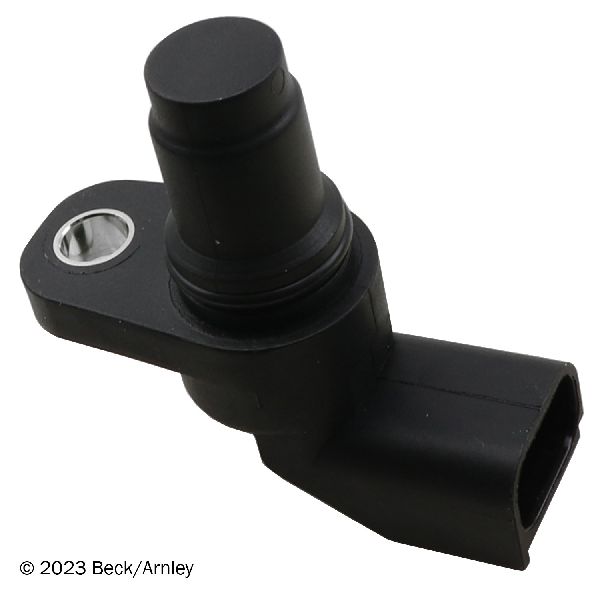
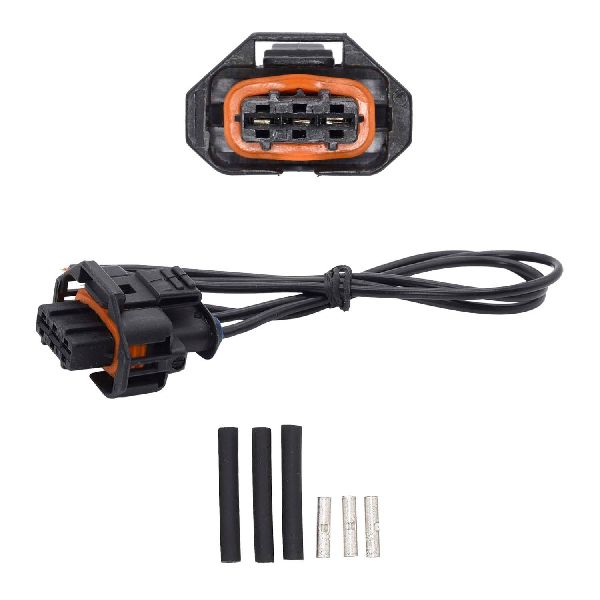
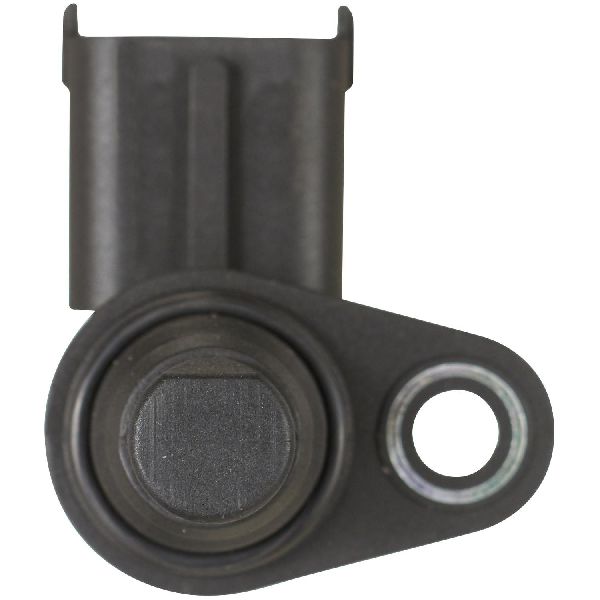

The information in this article is provided for general reference and educational purposes only. Vehicle specifications, procedures, and part compatibility can vary by production date, trim level, and region. Always consult your vehicle's factory service manual and verify part numbers before purchasing or performing repairs. Safety-critical components such as airbags, seat belts, and braking systems should be installed by a qualified professional.
- Ford FUSION:
- 🧭 Diagnostic Flowchart
- 🎬 Helpful Videos
- 🛍️ Shop This Part
- What's Unique About the 2017-2019 Ford FUSION Sport
- Symptoms You May Notice
- Most Likely Causes
- Rare But Worth Checking
- Diagnosis Steps
- Parts You'll Likely Need
- Related Codes That Often Appear With This One
- Technical Service Bulletins (TSBs) & Recalls
- Platform-Specific Known Issues
- Mechanic-Grade Diagnostic Values
- Hidden / Shadow Codes Worth Checking
- Scan Tool Commands That Help
- Wiring & Ground Locations
- Real Owner Repair Stories
- When the Usual Fixes Don't Work
- OEM Part Supersession History
- Model Year Variations Within This Range
- 🎟️ Get 5% Off