

P0022 on 2015-2019 Ford Fusion Energi: Causes and Fixes for Camshaft Timing
On a 2015-2019 Ford Fusion Energi, code P0022 is most likely caused by a sticking Variable Camshaft Timing (VCT) solenoid, often due to dirty or low engine oil. Ford issued a Technical Service Bulletin (TSB) for this issue. Start by checking your oil; the next step is often cleaning or replacing the VCT solenoid, which costs about $30-$80 for the part.
- P0022 on a Fusion Energi indicates a camshaft timing problem, but the code is confusing as the engine has no 'Bank 2'. Treat it as code P0012 for the intake cam on Bank 1.
- The most probable cause is a sticking VCT solenoid due to dirty engine oil, as confirmed by a Ford TSB.
- Always check your engine oil level and condition first; an oil change with the correct 5W-20 synthetic oil might fix the problem.
- Before replacing the VCT solenoid, try the diagnostic procedure of cycling it with a scan tool to clear debris.
- Do not immediately replace the camshaft position sensor; it is rarely the cause of this specific code.
What's Unique About the 2015-2019 Ford FUSION ENERGI
The Ford Fusion Energi uses a 2.0L Atkinson-cycle engine, which relies heavily on precise variable valve timing to achieve its high fuel efficiency. A Ford Technical Service Bulletin (SSM 50067) confirms that code P0022 can appear on this vehicle platform, pointing towards a sticking VCT solenoid as a common cause. This is confusing, as P0022 is for 'Bank 2,' which this engine doesn't have. Ford documentation for its hybrid powertrains acknowledges the use of Bank 2 codes (like P0022) on single-bank engines, indicating a fault that is functionally equivalent to a Bank 1 issue (like P0012). The issue is almost certainly with the intake camshaft timing components on the engine's only cylinder bank.
Diagnostic Flowchart
Tap your situation to follow the diagnostic path that matches what you're seeing on this vehicle.
Symptoms You May Notice
- Check Engine Light is on
- Rough idle
- Engine runs poorly or hesitates
- Reduced fuel economy
- Engine stalling
- Hard starting
- Replacing the camshaft position sensor is a common misdiagnosis. While a sensor can fail, the VCT system codes are more often related to oil flow issues or the VCT solenoid itself. The sensor is just reporting the timing problem, not causing it.
Most Likely Causes
- Sticking Variable Camshaft Timing (VCT) Solenoid 🔴 High Probability → Shop Engine Camshaft A Ford TSB (#SSM 50067) specifically identifies that small debris in the oil can cause the VCT solenoid to stick, triggering this and other related codes. The solenoids are sensitive to contamination, which prevents them from regulating oil flow to the cam phasers correctly.
How to confirm: Use a diagnostic scan tool to perform the 'HK12' pinpoint test, which cycles the solenoid 10 times to attempt to clear debris. If the code clears and performance improves, this was the cause. You can also swap the intake and exhaust solenoids to see if the code changes (e.g., to P0014, exhaust over-retarded), which would confirm a bad solenoid.
Typical fix: Replace the affected VCT solenoid. Per the TSB, this should only be done after attempting to clear the debris with a scan tool. The part is located on the top of the valve cover and is relatively easy to access. 🎬 See this walkthrough on how to replace the VCT solenoid
Est. part cost: $30-$80 - Low or Dirty Engine Oil 🔴 High Probability The VCT system is hydraulic and relies on clean oil at the correct pressure to function. Delays in oil changes can lead to sludge and debris that clog the fine mesh screens on the VCT solenoids.
How to confirm: Check the oil level on the dipstick and inspect its color and consistency. If the level is low or the oil is dark and sludgy, this is a likely contributor. The recommended oil for this engine is typically Motorcraft SAE 5W-20 Synthetic Blend.
Typical fix: Perform an engine oil and filter change using the manufacturer-recommended grade of oil (SAE 5W-20). Clear codes and test drive.
Est. part cost: $40-$75 - Failed VCT Solenoid 🟡 Medium Probability → Shop Engine Variable Valve Timing (VVT) Solenoid
How to confirm: If cycling the solenoid doesn't work, test its electrical resistance with a multimeter (typically 6.9-7.9 ohms, but confirm specs for your specific part) or swap it with the other camshaft's solenoid to see if the code follows.
Typical fix: Replace the VCT solenoid. The OEM part number is often CJ5Z-6M280-A or a superseding number.
Est. part cost: $30-$80
Rare But Worth Checking
- Worn Timing Chain or Failed Camshaft Phaser: → Shop Engine Timing Chain This is a more serious mechanical issue. If the oil and VCT solenoids are confirmed to be good, the problem may lie with the physical timing components, which can stretch or fail over time, causing a constant timing offset that the VCT system cannot correct.
- Damaged Wiring to VCT Solenoid: → Shop Engine Variable Valve Timing (VVT) Solenoid Check the wiring harness and connector for the VCT solenoid for any signs of fraying, corrosion, or damage that could cause an open or short circuit.
- PCM Software Issue: In some cases, Ford has issued PCM software updates to correct overly sensitive diagnostic parameters for timing-related codes. Check with a dealer or use a tool like FDRS to see if an update is available for your vehicle's calibration.
Diagnosis Steps
- Verify the code with an OBD-II scanner.
- Check the engine oil level and condition. If low or dirty, perform an oil and filter change with full synthetic SAE 5W-20 oil, clear the code, and see if it returns.
- Using a capable scan tool, monitor the desired versus actual camshaft position angles to confirm the timing is retarded.
- Follow the procedure in TSB SSM 50067: Use the scan tool's bidirectional controls to activate and cycle the suspect VCT solenoid (Pinpoint Test HK12) multiple times to dislodge any potential debris.
- If the code persists, inspect the VCT solenoid's electrical connector and wiring for any damage.
- Remove the VCT solenoid and inspect its screens for sludge or debris. Clean or replace as necessary.
- If the solenoid is clean, test its resistance with a multimeter. Compare the reading to the manufacturer's specification (typically 3.0-6.0 ohms per Ford service data).
- Consider swapping the intake and exhaust VCT solenoids. If the code changes to P0014 or P0024 (exhaust cam timing), the solenoid is confirmed faulty.
- If the solenoid, wiring, and oil are all good, the issue may be a faulty camshaft phaser or a problem with the timing chain, which requires more in-depth mechanical diagnosis.
Parts You'll Likely Need
- Variable Camshaft Timing (VCT) Solenoid
(OEM #CJ5Z-6M280-A (or superseding part CM5Z-6M280-D/G))— This is the most common failure point for VCT codes, as identified by Ford's own service bulletin (SSM 50067). It can get stuck due to oil debris or fail electrically. Part number CJ5Z-6M280-A is listed for the 2.0L Hybrid engine. CM5Z-6M280-D and G are listed for other Ford 4-cyl engines and may be interchangeable.
Trusted brands: Motorcraft, Dorman, NTK
OEM price range: $50-$90
Aftermarket price range: $28-$80 - Engine Oil and Filter
(OEM #Motorcraft FL-910S (Filter))— The VCT system is dependent on clean oil at the correct pressure. An oil change is a critical first step and may resolve the issue on its own. Use full synthetic 5W-20 oil.
Trusted brands: Motorcraft, Mobil 1, Castrol
OEM price range: $40-$75 (for oil and filter)
Aftermarket price range: $35-$60 (for oil and filter)
Related Codes That Often Appear With This One
- P0011, P0012, P0014, P0015 — These are all VCT-related codes. Seeing them together points strongly to a systemic issue like low/dirty oil or a failing timing component affecting multiple parts of the VCT system. P0012 is the 'correct' code for this fault on a Bank 1 engine.
- P052D — This code for 'Cold Start Intake (A) Camshaft Position Timing Over-Retarded (Bank 2)' specifies that the fault is most apparent during cold starts. Seeing it with P0022 strongly suggests an issue related to oil pressure or viscosity when the engine is cold.
Technical Service Bulletins (TSBs) & Recalls
- SSM 50067: States that various VCT codes, including P0022, can be caused by small debris causing the VCT solenoid to stick. It advises using a scan tool to cycle the solenoid (Pinpoint Test HK12) before replacing it. This TSB applies to a wide range of 2015-2021 Ford and Lincoln vehicles.
Platform-Specific Known Issues
- The 'Bank 2' Code on a 'Bank 1' Engine: The most confusing aspect of this code on a Fusion Energi is that the P0022 refers to 'Bank 2', which the inline-4 engine does not have. Ford's own service literature confirms this is a software quirk and the code should be treated as a P0012 🎬 Watch: Understanding the causes and fixes for the P0012 code (Intake Cam, Bank 1, Over-Retarded). All diagnosis should focus on the single bank of cylinders.
Mechanic-Grade Diagnostic Values
- VCT Solenoid Coil Resistance — expected: 3.0 - 6.0 ohms. Failure: A reading outside this range indicates a faulty solenoid coil.
- VCT Solenoid Circuit Harness Resistance — expected: Less than 5.0 ohms. Failure: Resistance above 5.0 ohms indicates an open or high-resistance in the wiring between the PCM and the solenoid.
- VCT Solenoid Circuit Short to Ground/Power — expected: Greater than 10,000 ohms. Failure: Resistance below 10,000 ohms indicates a short circuit in the harness.
- Engine Oil Pressure at Idle — expected: Minimum 15 PSI at idle. Failure: Oil pressure below 15 PSI at idle can cause the VCT system to malfunction and may indicate a more severe engine problem.
Scan Tool Commands That Help
- Ford IDS (Integrated Diagnostic System) or equivalent: Pinpoint Test HK12 — As recommended by TSB SSM 50067, this bidirectional control cycles the VCT solenoid 10 times to attempt to dislodge small debris causing it to stick, which can potentially fix the issue without part replacement.
- Ford IDS (Integrated Diagnostic System) or equivalent: Monitor VCT PIDs: VCT_ADV_ERR and Solenoid Duty Cycle % — Use the data logger to monitor the VCT advance error PID and the solenoid duty cycle PID. A large error value or a significantly different duty cycle compared to the other bank (if applicable) while the fault occurs confirms a VCT system problem.
Wiring & Ground Locations
- G108 (PHEV) — Located in the right rear of the engine compartment.. This is a specific ground point for the Plug-in Hybrid (Energi) model that serves various engine and control module components. A poor ground connection here can cause erratic sensor readings and control module behavior.
- G100 / G101 / G102 — All located on the left front of the engine compartment, near the battery junction box and strut tower area.. These are primary engine compartment grounds. The PCM and its related sensors, including the VCT system, rely on clean ground connections to operate correctly. Verifying these grounds are clean and tight is a fundamental step in diagnosing electrical faults.
- VCT Solenoid Connector — On the VCT solenoid itself, located at the top front of the cylinder head.. This is the direct electrical connection to the solenoid. It should be inspected for corrosion, pushed-out pins, or damage to the wiring pigtail, which would interrupt the signal from the PCM.
OEM Part Supersession History
CM5Z-6M280-A→CM5Z-6M280-C— Part revision or manufacturer change.
Heads up: This part is primarily listed for the 2.0L DI TIVCT (non-hybrid) Focus and EcoSport. While it may fit, verify compatibility before using on a 2.0L Atkinson-cycle hybrid engine.CM5Z-6M280-D→CM5Z-6M280-G— Part revision or manufacturer change.
Heads up: This part is primarily listed for 1.0L EcoBoost engines and may not be correct for the 2.0L Fusion Energi.
Model Year Variations Within This Range
- 2017-2019: The Fusion platform received a facelift for the 2017 model year, which included updated exterior styling, a rotary gear selector, and the introduction of the SYNC 3 infotainment system. However, the 2.0L Atkinson-cycle hybrid powertrain and its associated VCT system remained fundamentally the same, so the causes and diagnostic procedures for code P0022 are consistent across the 2015-2019 range.
Helpful Videos
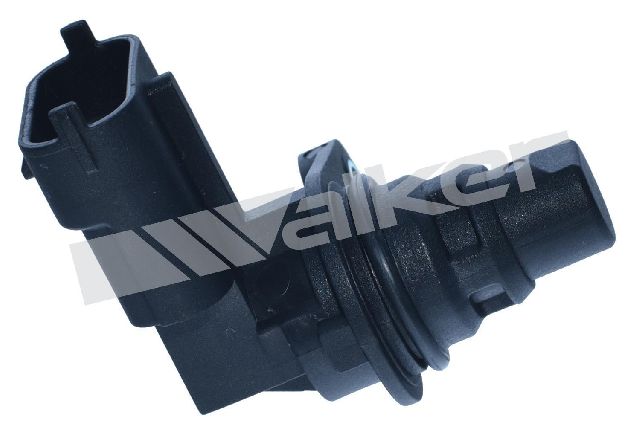
We Have This Part in Stock


The information in this article is provided for general reference and educational purposes only. Vehicle specifications, procedures, and part compatibility can vary by production date, trim level, and region. Always consult your vehicle's factory service manual and verify part numbers before purchasing or performing repairs. Safety-critical components such as airbags, seat belts, and braking systems should be installed by a qualified professional.
- Ford FUSION ENERGI:
- 🧭 Diagnostic Flowchart
- 🎬 Helpful Videos
- 🛍️ Shop This Part
- What's Unique About the 2015-2019 Ford FUSION ENERGI
- Symptoms You May Notice
- Most Likely Causes
- Rare But Worth Checking
- Diagnosis Steps
- Parts You'll Likely Need
- Related Codes That Often Appear With This One
- Technical Service Bulletins (TSBs) & Recalls
- Platform-Specific Known Issues
- Mechanic-Grade Diagnostic Values
- Scan Tool Commands That Help
- Wiring & Ground Locations
- OEM Part Supersession History
- Model Year Variations Within This Range
- 🎟️ Get 5% Off