

P0022 on 2019-2021 Ford Ranger: Causes and Fixes for Over-Retarded Camshaft Timing
On a 2019-2021 Ford Ranger, the P0022 code is most often caused by a sticking Variable Camshaft Timing (VCT) solenoid, frequently due to dirty, low, or incorrect viscosity engine oil. The first step is always to check the oil level and condition. If the oil is correct, replacing the exhaust VCT solenoid is the next most likely and cost-effective repair.
- P0022 on your Ranger points to the exhaust camshaft timing being retarded.
- Before buying any parts, check your oil level and quality. An oil change with the correct full synthetic 5W-30 oil is the cheapest and easiest first step.
- The most common failed part is the exhaust VCT solenoid. You can diagnose it for free by swapping it with the identical intake solenoid and seeing if the code changes to P0012.
- If the problem persists, a rattling noise on startup is a strong clue that the more expensive and difficult-to-replace camshaft phaser is the culprit.
What's Unique About the 2019-2021 Ford RANGER
The 2.3L EcoBoost engine in the Ford Ranger uses a Twin-Independent Variable Camshaft Timing (Ti-VCT) system that relies heavily on clean engine oil and correct oil pressure to hydraulically actuate the camshaft phasers. Ford has issued Technical Service Bulletins (TSBs) for this engine family, acknowledging that small debris in the oil can cause the VCT solenoids to stick, leading to timing codes like P0022. This makes regular oil changes with the correct Ford-specified full synthetic 5W-30 oil (meeting specification WSS-M2C961-A1) absolutely crucial for preventing this issue.
Diagnostic Flowchart
Tap your situation to follow the diagnostic path that matches what you're seeing on this vehicle.
Symptoms You May Notice
- Check Engine Light is on
- Rough or unstable idle
- Engine hesitation or stumbling on acceleration
- Reduced engine power
- Poor fuel economy
- Engine stalling at low speeds or when stopping
- Rattling noise from the engine on startup or at idle
- Replacing the camshaft position sensor. The sensor is almost always doing its job correctly by reporting the timing error; it is not the cause of the error. The code indicates a mechanical timing issue, not a sensor reading issue. 🎬 Watch: 5 common causes and fixes for the P0022 code
Most Likely Causes
- Low, Dirty, or Incorrect Viscosity Engine Oil 🔴 High Probability The VCT system is entirely hydraulic and extremely sensitive to oil quality and pressure. Ford TSBs for this engine family frequently cite oil contamination as a root cause for VCT-related codes, as debris can clog the tiny passages in the solenoids.
How to confirm: Check the engine oil level on the dipstick and examine its condition. If the oil is below the minimum mark, very dark, sludgy, or past its recommended change interval, this is the most likely cause. The recommended oil is a full synthetic 5W-30.
Typical fix: Perform an oil and filter change using a high-quality, full synthetic 5W-30 oil that meets Ford's WSS-M2C961-A1 specification, along with a quality oil filter. Clear the code and see if it returns.
Est. part cost: $50-$100 - Sticking or Failed Exhaust VCT Solenoid 🔴 High Probability → Shop Engine Variable Valve Timing (VVT) Solenoid As noted in Ford TSB #SSM 50067, debris in the engine oil can easily clog the small passages within the VCT solenoid, causing it to stick open or closed and fail to properly regulate oil flow to the phaser. This is the most common mechanical failure for this code.
How to confirm: A reliable DIY diagnostic step is to swap the exhaust VCT solenoid with the intake VCT solenoid, as they are identical parts. They are located on the top front of the engine. After the swap, clear the codes and drive the vehicle. If the code changes to P0012 (Intake Camshaft Position Timing Over-Retarded), the solenoid is confirmed to be faulty.
Typical fix: Replace the faulty exhaust VCT solenoid. It is often recommended to replace both the intake and exhaust solenoids at the same time as a preventative measure. Ensure you also replace the solenoid seal to prevent oil leaks.
Est. part cost: $40-$80 - Failing Camshaft Phaser (VCT Unit) 🟡 Medium Probability → Shop Engine Camshaft The phaser is the mechanical gear that actually adjusts the camshaft's position. It can become worn, damaged, or clogged internally, especially if the vehicle has been driven with low or dirty oil. The locking pin can also fail, causing a rattle.
How to confirm: This is more difficult to diagnose and is usually suspected after clean oil and a new/tested solenoid do not fix the code. A distinct rattling or ticking noise from the front of the engine upon cold startup that lasts for a few seconds is a strong indicator of a failing phaser.
Typical fix: Replace the camshaft phaser. This is a labor-intensive job that requires removal of the valve cover and timing components. It is highly recommended to replace the timing chain, tensioner, and guides at the same time.
Est. part cost: $100-$300 for the part, but labor is significantly higher. 🎬 Watch: A deep dive into the EcoBoost timing and assembly process
Rare But Worth Checking
- Stretched Timing Chain or Failed Tensioner: → Shop Engine Timing Chain While less common on newer vehicles with lower mileage, a stretched timing chain or a failing hydraulic tensioner can cause the base timing to be off, leading to a persistent over-retarded code that won't be fixed by VCT components. This is often diagnosed after all VCT-related parts have been replaced.
- Wiring or Connector Issue to VCT Solenoid: → Shop Engine Variable Valve Timing (VVT) Solenoid Damage to the wiring harness or a poor connection at the VCT solenoid can prevent it from operating correctly. A visual inspection of the wiring for breaks, corrosion, or loose pins is a worthwhile step. A user on a Mustang forum noted that wiring tension in the harness design can lead to premature wire failure at the connector.
Diagnosis Steps
- Verify the engine oil level is correct and the oil is clean and of the proper 5W-30 viscosity. If in doubt, perform an oil and filter change with a full synthetic oil meeting Ford spec WSS-M2C961-A1.
- Use an OBD-II scanner to check for any other pending or active trouble codes. Address any CMP sensor or circuit codes first.
- With a capable scan tool, monitor the desired vs. actual camshaft angle PIDs for the exhaust cam (Bank 2). On Ford, these may be labeled VCT_EXH_DSD vs VCT_EXH_ACT. A significant and consistent lag between desired and actual values confirms the over-retarded condition.
- Inspect the wiring and connector for the exhaust VCT solenoid (top, front of the engine) for any signs of damage, corrosion, or looseness.
- Perform a VCT solenoid swap. The intake and exhaust solenoids are identical and interchangeable. Swap their positions. Clear the codes and drive the vehicle. If the code returns as P0012 (Intake Over-Retarded), the solenoid you moved is faulty and must be replaced.
- If the code remains P0022 after the swap, the problem is not the solenoid. The next step is to suspect the camshaft phaser itself.
- Listen carefully for a brief rattling sound from the front of the engine on a cold start. This 'phaser rattle' is a common symptom of a failing VCT phaser unit.
- If all else fails, the issue could be with the base timing (stretched chain, bad tensioner) or, in very rare cases, a clogged oil passage feeding the VCT system.
Parts You'll Likely Need
- Engine Variable Valve Timing (VVT) Solenoid
(OEM #JT4Z-6C880-A)— This is the most common point of failure for code P0022, often due to sticking from oil debris as noted in Ford TSBs. It is the same part for both intake and exhaust, making the diagnostic swap possible.
Trusted brands: Motorcraft, Bosch, Standard Motor Products, Dorman
OEM price range: $65-$100
Aftermarket price range: $30-$60 - Engine Variable Valve Timing (VVT) Sprocket / Phaser — If a new solenoid and clean oil don't fix the issue, the mechanical phaser is the next likely culprit, especially if a startup rattle is present.
Trusted brands: Motorcraft, Melling, Standard Motor Products
OEM price range: $150-$250
Aftermarket price range: $80-$150
Related Codes That Often Appear With This One
- P0012 — This is the equivalent 'Over-Retarded' code for the intake camshaft (Bank 1). If you swap the VCT solenoids for diagnosis, seeing P0012 appear confirms the solenoid is the fault. If both P0022 and P0012 appear together, it could indicate a systemic problem like very low oil pressure or severe oil contamination.
- P0021 — This is the 'Over-Advanced' code for the same exhaust camshaft. Seeing P0021 and P0022 intermittently can strongly suggest a VCT solenoid or phaser that is sticking and moving erratically, unable to settle in the commanded position.
Technical Service Bulletins (TSBs) & Recalls
- SSM 50067: Notes that P0022 and other VCT codes may be due to small debris causing the VCT solenoid to stick. Recommends cycling the solenoid with a scan tool before replacement.
- SSM 54366: Lists P0022 with other VCT codes and refers to Pinpoint Test HK in the workshop manual.
Platform-Specific Known Issues
- TSB SSM 50067 - Debris in VCT Solenoid: → Shop Engine Variable Valve Timing (VVT) Solenoid Ford Technical Service Bulletin #SSM 50067 notes that various camshaft timing codes, including P0022, may be caused by small debris making the VCT solenoid stick. It advises against immediate component replacement, instead directing technicians to use a scan tool to cycle the affected solenoid 10 times to attempt to clear the debris before replacement.
- TSB SSM 54366 - General VCT Diagnostics: This bulletin lists P0022 among a wide range of VCT codes and directs technicians to a specific diagnostic procedure (Pinpoint Test HK) in the workshop manual, indicating this is part of a well-documented family of potential faults. [NHTSA]
Mechanic-Grade Diagnostic Values
- VCT Solenoid Internal Resistance — expected: 6.9 to 7.9 ohms at 68°F (20°C). Some sources state a broader range of 5-14 Ohms.. Failure: A reading of 0 ohms (short circuit) or OL/infinite (open circuit) indicates a failed solenoid.
- VCT Solenoid Connector Voltage (Key On, Engine Off) — expected: Battery voltage (approximately 12V) at the power supply pin.. Failure: Voltage below 10.5V or no voltage suggests a wiring issue, blown fuse, or problem with the PCM power relay.
- FORScan PID: VCT_EXH_ERR2 (Exhaust Cam Error Bank 2) — expected: Should hover around 0 degrees at idle and during steady-state driving.. Failure: A large, persistent deviation from 0 degrees (e.g., swinging wildly or stuck at a high value) indicates the camshaft is not at its commanded position, confirming the fault.
- Engine Oil Pressure at Hot Idle — expected: Minimum of 15 PSI.. Failure: Pressure below 15 PSI at idle can cause the VCT system to lose control and set timing codes.
Scan Tool Commands That Help
- Ford IDS / FORScan: VCT Solenoid Cycle Test (e.g., Pinpoint Test HK) — As per TSB SSM 50067, this command should be used before replacing a VCT solenoid. It cycles the solenoid on and off rapidly (e.g., 10 times) to dislodge small debris that may be causing it to stick. This can sometimes resolve the P0022 code without requiring part replacement.
- Ford IDS / FORScan: Monitor PIDs: VCT_EXH_DSD2, VCT_EXH_ACT2, VCT_EXH_ERR2 — These Parameter IDs (PIDs) are crucial for live diagnosis. They allow a technician to monitor the PCM's Desired exhaust cam angle (DSD), the Actual angle reported by the sensor (ACT), and the resulting Error (ERR). A large, consistent error value confirms the over-retarded condition reported by P0022.
Wiring & Ground Locations
- VCT Solenoid Connector — On the front of the engine, on top of the valve cover. The exhaust solenoid is one of the two identical solenoids located there.. This is the primary point for electrical testing. One pin should have battery voltage with the key on, and the other is the control wire that the PCM provides a ground to. Checking for voltage here is the first step in diagnosing a circuit fault vs. a mechanical solenoid fault.
- Engine Block to Firewall Ground Strap — Typically a braided strap connecting the engine block/cylinder head to the vehicle's firewall.. This is a primary ground path for the PCM and many engine sensors. A corroded or loose strap can cause erratic sensor readings and unpredictable behavior from PCM-controlled components like the VCT solenoids.
Real Owner Repair Stories
- Ford F150 Forum user 'chackett' (Ford F-150 (year not specified, but with 10R80 transmission, likely similar VCT system)) — Engine shudder, rough idle, and occasional stalling after long highway drives (when very hot). P0022 code was present.
❌ Tried (didn't work) Initial diagnosis was difficult as symptoms only appeared when the engine was extremely hot.
✅ What actually fixed it Forum members analyzed the user's FORScan data, which showed large swings in the VCT error PID (VCT_INT_DIF2, equivalent to VCT_EXH_ERR2 for the Ranger). They concluded the VCT solenoid was slow to react and overcorrecting, confirming a bad solenoid was the cause, not a more serious phaser or timing chain issue.
OEM Part Supersession History
Unknown→JT4Z-6C880-A— This is the current OEM part number for the VCT solenoid that fits the 2.3L EcoBoost in the Ranger, as well as many other Ford engines like the 2.0L, 3.0L, and 5.0L in various applications.
Model Year Variations Within This Range
- 2019-2021: While the 2.3L EcoBoost engine is consistent across these years, it's worth noting that the Ranger version has specific internal differences, such as a forged steel crankshaft and unique rotating assembly, compared to the 2.3L used in the Mustang or Focus RS. However, the VCT system design and common failure points for P0022 remain the same.
Helpful Videos
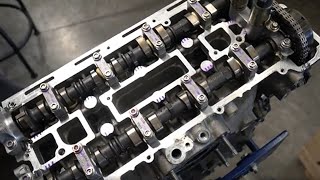
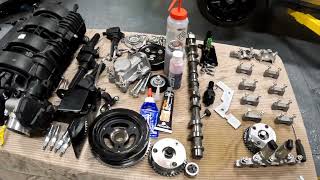
We Have This Part in Stock


The information in this article is provided for general reference and educational purposes only. Vehicle specifications, procedures, and part compatibility can vary by production date, trim level, and region. Always consult your vehicle's factory service manual and verify part numbers before purchasing or performing repairs. Safety-critical components such as airbags, seat belts, and braking systems should be installed by a qualified professional.
- Ford RANGER:
- 🧭 Diagnostic Flowchart
- 🎬 Helpful Videos
- 🛍️ Shop This Part
- What's Unique About the 2019-2021 Ford RANGER
- Symptoms You May Notice
- Most Likely Causes
- Rare But Worth Checking
- Diagnosis Steps
- Parts You'll Likely Need
- Related Codes That Often Appear With This One
- Technical Service Bulletins (TSBs) & Recalls
- Platform-Specific Known Issues
- Mechanic-Grade Diagnostic Values
- Scan Tool Commands That Help
- Wiring & Ground Locations
- Real Owner Repair Stories
- OEM Part Supersession History
- Model Year Variations Within This Range
- 🎟️ Get 5% Off