

P0022 on 2015-2019 Ford Transit 3.7L: Causes and Fixes for Over-Retarded Camshaft Timing
On a 2015-2019 Ford Transit with the 3.7L V6, code P0022 is most often caused by low or dirty engine oil, or a failing Variable Camshaft Timing (VCT) solenoid on the driver's side (Bank 2). An oil change is the first step. If that doesn't work, replacing the VCT solenoid is the next most likely fix, with the part costing around $40-$80 for aftermarket or $70-$150 for OEM.
- Always check your engine oil level and condition first. A simple oil change with 5W-20 synthetic blend oil can sometimes fix P0022.
- The code refers to Bank 2, which is the driver's side of the engine on your Ford Transit.
- The most likely failed part is the intake VCT solenoid on the driver's side, which gets clogged with oil debris.
- Do not immediately assume you have a major timing chain issue; this is a much less common cause than a bad solenoid or dirty oil.
- Replacing the VCT solenoid requires removing the valve cover, so you must also buy a new valve cover gasket.
What's Unique About the 2015-2019 Ford Transit
The 3.7L Cyclone V6 engine, used across many Ford platforms, features a Variable Camshaft Timing (VCT) system that is particularly sensitive to oil quality and level. Ford has acknowledged in technical service bulletins (like SSM 50067) that debris in the oil can cause the VCT solenoids to stick, leading directly to timing codes like P0022. The TSBs even recommend using a scan tool to command the solenoid to cycle multiple times to dislodge debris before resorting to replacement. This makes regular, high-quality oil changes more critical on these engines compared to some others, as it's a primary preventative measure for this specific fault.
Symptoms You May Notice
- Check Engine Light is on
- Rough or unstable idle
- Engine hesitation or lack of power during acceleration
- Decreased fuel economy
- Engine may be hard to start
- Stalling at low speeds or when stopping
- Rattling noise from the engine, especially at idle or on startup.
- Replacing the camshaft position sensor. A sensor failure would typically set a different code (e.g., P0345 or P0349). P0022 indicates the sensor is correctly reading a mechanical timing problem, not a sensor circuit fault.
Most Likely Causes
- Low or Dirty Engine Oil 🔴 High Probability The VCT system uses oil pressure to adjust cam timing. Contaminated or low oil directly impairs the function of the VCT solenoids and phasers, and is the most common trigger for this code.
How to confirm: Check the engine oil dipstick for level and inspect the oil's color and consistency. If it's low, dark, or sludgy, it needs to be changed.
Typical fix: Perform an engine oil and filter change using the manufacturer-specified oil (Ford recommends 5W-20 for the 3.7L).
Est. part cost: $40-$80 - Failing VCT Solenoid (Oil Control Valve) 🔴 High Probability → Shop Engine Variable Valve Timing (VVT) Solenoid This is the most common mechanical failure for this code on the 3.7L engine. The solenoid's internal passages and fine mesh screens can get clogged with oil debris or sludge, causing it to stick. Ford TSBs SSM 47170 and SSM 50067 directly address this failure mode.
How to confirm: After an oil change, if the code persists, swap the Bank 2 (driver's side) intake VCT solenoid with the Bank 1 (passenger's side) intake VCT solenoid. If the code changes to P0012 (Bank 1 over-retarded), the solenoid is confirmed bad. A capable scan tool can also be used to command the solenoid on and off to check for response.
Typical fix: Replace the Bank 2 intake VCT solenoid. This requires removing the driver's side valve cover.
Est. part cost: $40-$150 - Failing Camshaft Phaser ⚪ Low Probability → Shop Engine Camshaft The phaser is the mechanical gear that the VCT solenoid controls. While less common than a solenoid failure, the phaser can get stuck or fail internally, especially with a history of poor oil maintenance or high mileage. A user on a Ford Edge forum with the same 3.7L engine replaced all VCT solenoids but the issue persisted, pointing to a deeper mechanical problem like the phasers.
How to confirm: This is difficult to confirm without advanced diagnostics. If a new VCT solenoid and clean oil do not resolve the code, the phaser is the next likely suspect. This often requires professional diagnosis and may involve removing the timing cover.
Typical fix: Replace the Bank 2 intake camshaft phaser. This is a labor-intensive job that involves removing the timing cover.
Est. part cost: $100-$250
Rare But Worth Checking
- Stretched Timing Chain or Failed Guide/Tensioner: → Shop Engine Timing Chain While rare, excessive slack in the timing chain can cause the camshaft timing to be off enough to trigger this code. This would typically be accompanied by rattling noises from the front of the engine, especially on a cold start.
- Wiring or Connector Issue: A damaged wire or loose connection at the VCT solenoid can prevent it from operating correctly. Visually inspect the harness going to the solenoid on the driver's side valve cover. A video for F-150s notes that the VCT solenoids share a fuse with other engine components, which could be a point of failure. 🎬 See common causes and fixes for Ford V6 engine timing.
Diagnosis Steps
- Verify the code with a reliable OBD-II scanner.
- Check the engine oil level and condition. If low or dirty, perform an oil and filter change with the correct 5W-20 oil. Clear the code and drive to see if it returns. This is the most important first step.
- If the code returns, and you have a professional-grade scan tool, access the PCM diagnostic functions. Per Ford TSB SSM 50067, use the scan tool to cycle the Bank 2 intake VCT solenoid 10 times (often found in pinpoint test HK12) to attempt to clear any internal debris. 🎬 Watch: Two quick DIY methods to fix the P0022 code. Clear codes and re-test.
- If the code still returns, the next step is to test the VCT solenoid itself. The easiest DIY method is to swap the Bank 2 (driver's side) intake solenoid with the Bank 1 (passenger's side) intake solenoid.
- To perform the swap, you will need to remove both valve covers. After swapping the solenoids, clear the codes and drive the vehicle.
- If the trouble code moves to the other bank and becomes P0012, you have confirmed the VCT solenoid is faulty and needs to be replaced.
- If the code P0022 returns after the swap, the problem is not the solenoid. At this point, inspect the wiring and connector for the Bank 2 solenoid for any damage or corrosion.
- If the wiring is good, the issue is likely a more serious mechanical problem, such as a sticking camshaft phaser or a timing chain issue. This level of diagnosis and repair is best left to a professional.
Parts You'll Likely Need
- Variable Camshaft Timing (VCT) Solenoid
(OEM #7T4Z-6M280-C)— This is the most common part to fail and cause P0022. It gets stuck from oil debris or fails electronically. This part number supersedes several previous versions, including 7T4Z-6M280-A, 7T4Z-6M280-AA, and 7T4Z-6M280-B.
Trusted brands: Motorcraft, Dorman, SKP, NTK
OEM price range: $70-$150
Aftermarket price range: $40-$80 - Valve Cover Gasket (Bank 2 / Driver's Side)
(OEM #BR3Z-6584-C)— The valve cover must be removed to access the VCT solenoid. The gasket is considered a one-time-use part and must be replaced to prevent oil leaks.
Trusted brands: Motorcraft, Fel-Pro, Mahle
OEM price range: $40-$70
Aftermarket price range: $20-$40 - Engine Oil and Filter — Dirty or low oil is a primary trigger for this code. An oil change is the first diagnostic step and a required part of the repair.
Trusted brands: Motorcraft Synthetic Blend 5W-20, Motorcraft FL-500S Filter
OEM price range: $50-$90
Aftermarket price range: $40-$70
Related Codes That Often Appear With This One
- P0012 — This code is for 'Intake Camshaft Position Timing - Over-Retarded (Bank 1)'. If you have issues with oil pressure or quality affecting the whole engine, you might see codes for both banks simultaneously. A forum user with a 3.7L engine reported getting P0022, P0012, and P0015 together due to sludged VCT solenoids.
- P0420 / P0430 — These codes indicate 'Catalyst System Efficiency Below Threshold' for Bank 1 and Bank 2, respectively. Incorrect camshaft timing can lead to an improper air/fuel mixture and unburnt fuel entering the exhaust, which can degrade catalytic converter performance over time.
Technical Service Bulletins (TSBs) & Recalls
- SSM 50067: Acknowledges that VCT codes (P0011, P0012, P0021, P0022, etc.) can be caused by debris in the oil. It specifically advises technicians to use a scan tool (PC/ED pinpoint test HK12) to cycle the affected VCT solenoid 10 times to try and clear the debris before replacing the part.
- SSM 47170: Similar to the above, this bulletin addresses a wide range of VCT system faults across various Ford vehicles. It states the cause may be small debris causing the solenoid to stick and recommends a diagnostic procedure (pinpoint test HK11) to cycle the solenoid before replacement.
Platform-Specific Known Issues
- Ford has issued technical service bulletins (e.g., SSM 50067, SSM 47170) related to VCT codes on these engines, often recommending a scan tool be used to cycle the solenoid to dislodge debris before replacement.
- Owner experiences confirm that oil sludge is a significant factor. A user on the Ford Edge Forum with a 3.7L engine found their VCT solenoids were covered in varnish and the internal screens were partially clogged, leading to multiple timing codes including P0022.
Mechanic-Grade Diagnostic Values
- VCT Solenoid Internal Resistance — expected: Between 5.0 and 15.0 Ohms. More specifically, 6.9 to 7.9 Ohms at 68°F (20°C) is often cited.. Failure: A reading of 0 Ohms (short circuit) or infinite/OL (open circuit) indicates a failed solenoid that needs replacement.
- VCT Solenoid Connector Voltage (Key On, Engine Off) — expected: Battery voltage (approximately 12V) should be present on the power supply pin.. Failure: No voltage or significantly low voltage points to a wiring issue, a blown fuse, or a problem with the PCM power relay.
- Engine Oil Pressure at Idle (Hot) — expected: Minimum of 15-25 PSI.. Failure: Pressure below this threshold indicates an oil delivery problem (worn pump, clogged passages, excessive bearing clearance) that is starving the VCT system and must be addressed before replacing VCT components.
- Scan Tool PID: VCT_ERR2 (Bank 2 VCT Error) — expected: Should hover near 0 degrees at stable idle or cruise.. Failure: A sustained deviation of more than +/- 5 degrees while symptoms are present indicates a VCT system fault. Large, erratic fluctuations can point to a sticking solenoid or a failing phaser.
Hidden / Shadow Codes Worth Checking
- Mode 6, Test ID $81: This test monitors the Bank 2 variable camshaft timing position. A failure in this monitor can indicate an intermittent problem with the VCT system on Bank 2 even if a constant P0022 code is not present. (see via A professional scan tool capable of reading Mode 6 data.)
Scan Tool Commands That Help
- Ford IDS / FORScan: VCT Solenoid On/Off Command (Bidirectional Control) — This command is used to directly test the VCT solenoid's mechanical function. When commanding the Bank 2 intake solenoid (VCT21) at idle, the engine should noticeably stumble or run rough. If there is no change in engine operation, it confirms a problem with the solenoid, its wiring, a clogged oil passage, or the phaser itself.
- Ford IDS / FORScan: Clear/Reset Keep Alive Memory (KAM) — This should be performed after replacing VCT solenoids or any timing components. It forces the PCM to relearn the new components' operational characteristics and VCT adaptive values from a clean slate.
OEM Part Supersession History
7T4Z-6M280-A, 7T4Z-6M280-AA, 7T4Z-6M280-B→7T4Z-6M280-C— Standard part revision and improvement by the manufacturer.
Heads up: The newest part number, 7T4Z-6M280-C, is the correct and backward-compatible service part for this application.
Model Year Variations Within This Range
- 2015-2019: There are no significant mechanical changes to the 3.7L Cyclone V6 engine, its timing components, or the VCT system within this specific vehicle's year range that would alter the diagnosis or common causes for P0022.
Diagnostic Flowchart
Used vs. New Parts: Buying Guide for This Vehicle
When a used part is the smart pick: Given the low cost of new aftermarket VCT solenoids and the high risk of a used part being clogged or worn, it is generally not recommended to buy used solenoids. A used part makes sense only for major components like a cylinder head or engine block if a catastrophic failure occurred.
Donor-vehicle mileage cap: roughly under 80000 miles for the part to have meaningful remaining life.
What to inspect on the donor part:
- For any used engine part, request the VIN of the donor vehicle to check its service history.
- Avoid parts from vehicles with signs of sludge in the oil fill cap or signs of a major collision.
- If buying a used solenoid, inspect the mesh screens for tears, clogging, or metallic debris. If any are present, do not buy it.
OEM-only on this vehicle (don't cheap out):
- While not strictly 'OEM-only', using a Motorcraft oil filter is highly recommended by many Ford technicians, as some aftermarket filters have been linked to oil pressure issues on these engines, which directly cause VCT problems.
Aftermarket brands forum-validated for this vehicle:
- Motorcraft (OEM)
- NTK
- Dorman (often includes new gaskets)
- Standard Motor Products (SMP)
Brands owners have reported issues with on this vehicle:
- Unnamed, no-brand solenoids from online marketplaces should be avoided, as their internal coil quality and screen materials are often subpar and can fail quickly.
Real Owner Stories
Aggregated from forums and TSBs cited above. Mileages and costs reflect what owners reported in those sources.
Ford Edge 3.7L V6
Symptoms: Owner experienced multiple timing codes including P0022 and P0012, along with poor idle and acceleration issues. Upon inspection, the VCT solenoids were found to be covered in significant sludge and varnish with partially clogged screens.
What fixed it: Replacing the VCT solenoids improved the idle, but did not completely resolve the acceleration problem, suggesting a deeper issue like failing camshaft phasers or persistent oil pressure problems.
Source hint: Ford Edge Forum thread titled 'P0022 camshaft position timing - 3.7L'
Related OBD-II Codes
Frequently Asked Questions
What is the first and most important step to take for a P0022 code on my Ford Transit 3.7L?
Which side of the engine is Bank 2 on my 2015-2019 Transit?
I heard there are Ford TSBs for this issue. What do they recommend?
How can I confirm the VCT solenoid is bad without just replacing it?
I changed the oil and the VCT solenoid, but the P0022 code is still there. What's next?
Is this P0022 problem common on other Ford vehicles with the 3.7L engine?
Helpful Videos
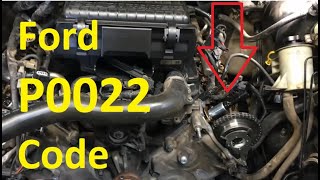
![How to Fix P0022 Engine Code in 4 Minutes [2 DIY Methods / Only $6.53]](https://img.youtube.com/vi/BO7HzbeFxqo/mqdefault.jpg)
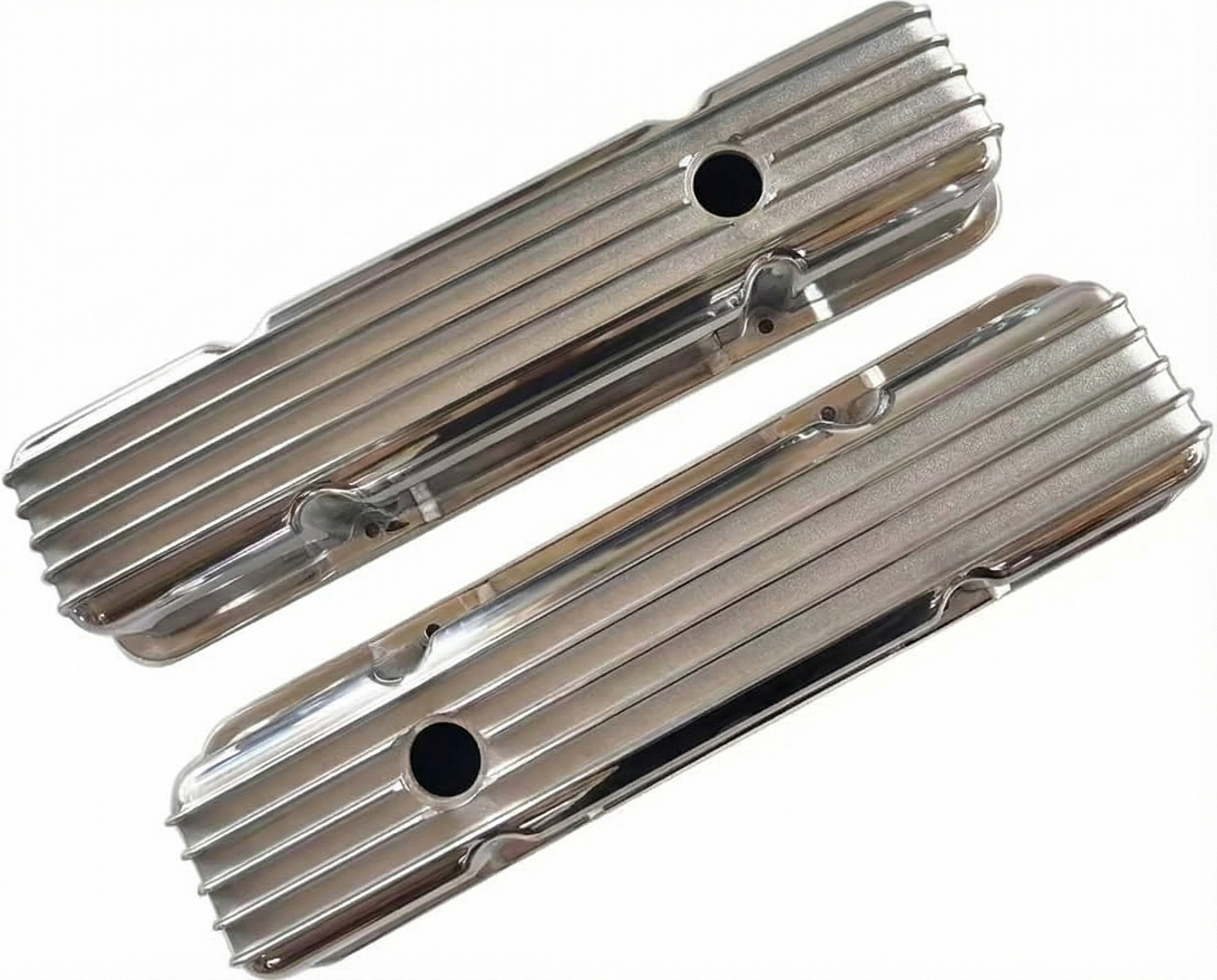
Used OEM Parts in Stock
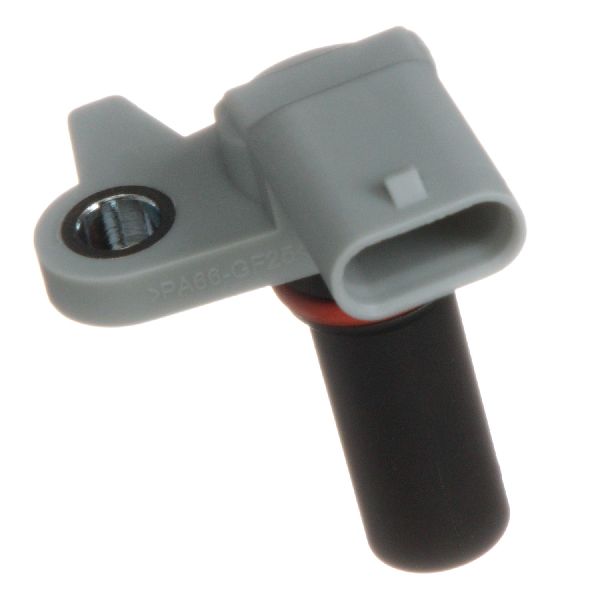
New Aftermarket Parts Available
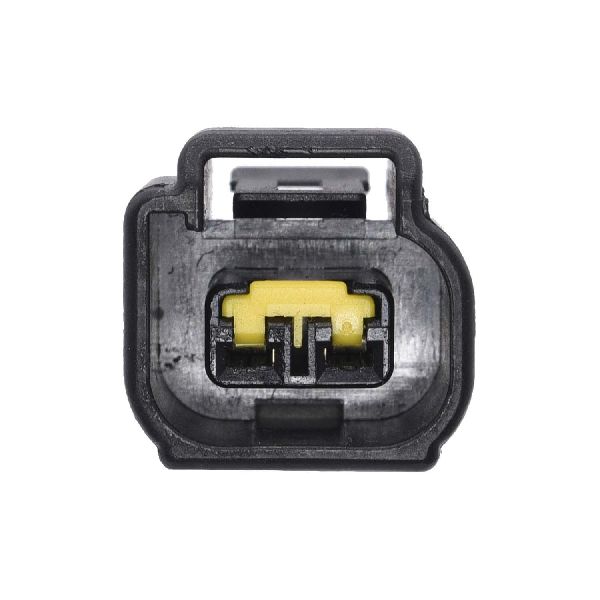


The information in this article is provided for general reference and educational purposes only. Vehicle specifications, procedures, and part compatibility can vary by production date, trim level, and region. Always consult your vehicle's factory service manual and verify part numbers before purchasing or performing repairs. Safety-critical components such as airbags, seat belts, and braking systems should be installed by a qualified professional.
- Ford Transit:
- 🧭 Diagnostic Flowchart
- 🎬 Helpful Videos
- 🛍️ Shop This Part
- What's Unique About the 2015-2019 Ford Transit
- Symptoms You May Notice
- Most Likely Causes
- Rare But Worth Checking
- Diagnosis Steps
- Parts You'll Likely Need
- Related Codes That Often Appear With This One
- Technical Service Bulletins (TSBs) & Recalls
- Platform-Specific Known Issues
- Mechanic-Grade Diagnostic Values
- Hidden / Shadow Codes Worth Checking
- Scan Tool Commands That Help
- OEM Part Supersession History
- Model Year Variations Within This Range
- Used vs. New Parts: Buying Guide for This Vehicle
- Real Owner Stories
- Ford Edge 3.7L V6
- Related OBD-II Codes
- Frequently Asked Questions
- 🎟️ Get 5% Off