

P0022 on 2017-2022 GMC Canyon 3.6L V6: Causes and Fixes for Over-Retarded Timing
On the 2017-2022 GMC Canyon 3.6L, P0022 is most often caused by low or dirty engine oil. Always check oil first. If an oil change doesn't fix it, the next most likely cause is a faulty Bank 2 (driver's side) intake VVT solenoid. The updated ACDelco OEM part is 12679099. This part costs about $40-$70. Ignoring the code can lead to more severe issues, including timing chain damage.
- First, check your oil. Low or dirty oil is the #1 cause of P0022 on this truck.
- If an oil change doesn't work, the Bank 2 (driver's side) intake VVT solenoid is the next most likely part to replace and is a relatively inexpensive, easy DIY job.
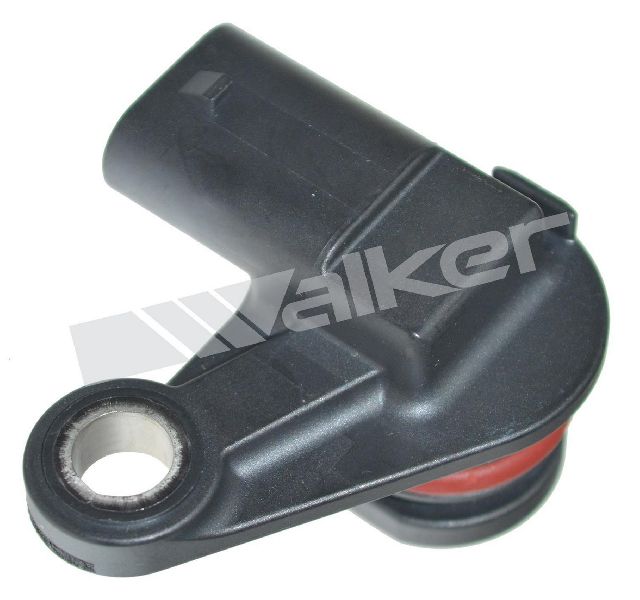
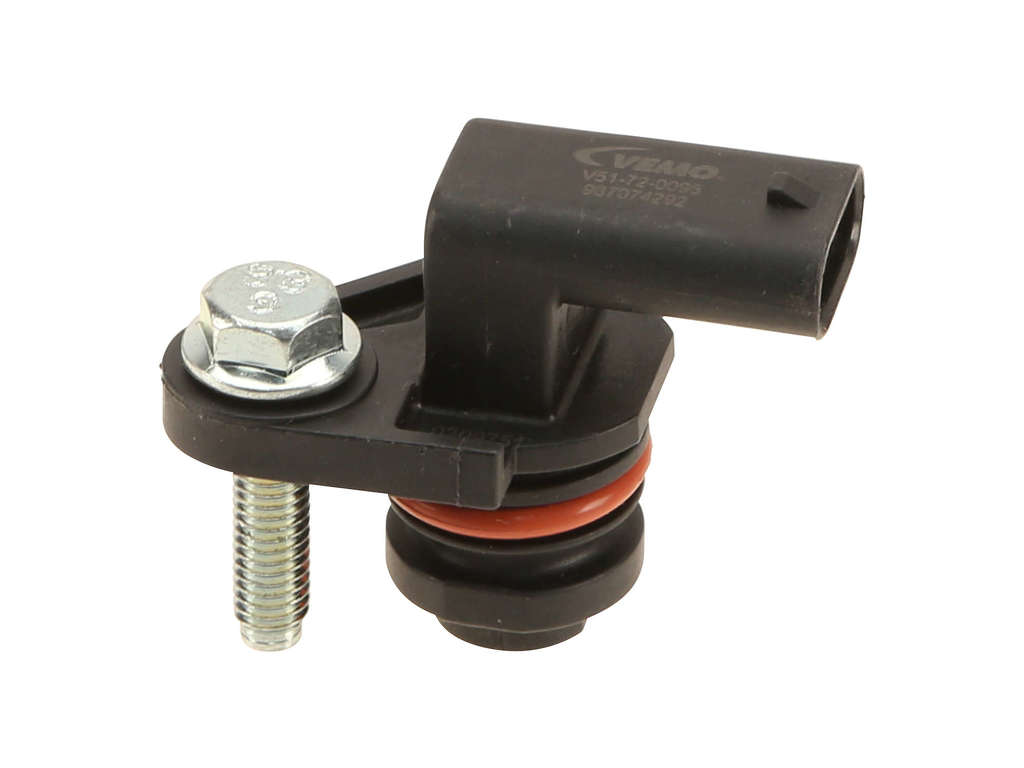
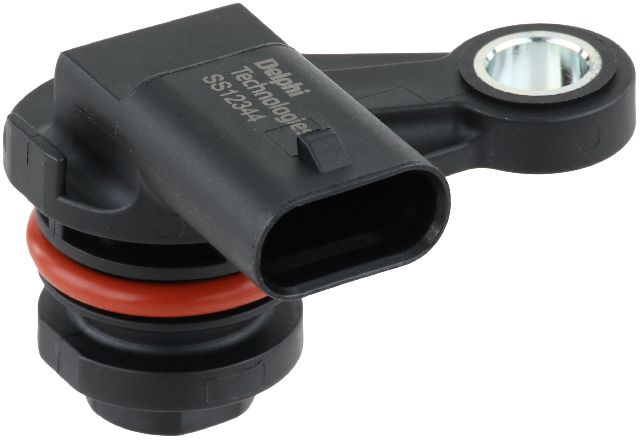
- Do NOT replace the camshaft position sensor; it is almost never the cause of this performance code.
- If you hear a rattling noise or have other timing codes (like P0008/P0009), the problem is likely a stretched timing chain, which is a serious and expensive repair that requires a professional.
What's Unique About the 2017-2022 GMC Canyon
The GM 3.6L V6 engine family (including the LGZ in your Canyon) has a well-documented history of issues related to the timing system. While P0022 is often a simple fix like an oil change or a new solenoid, it can also be an early warning sign of a stretched timing chain, which is a common and significant repair on these engines. The VVT system is entirely dependent on clean oil of the correct viscosity and pressure to function. GM has issued multiple Technical Service Bulletins (TSBs) and even a special coverage program for related solenoid issues on some model years, highlighting the sensitivity of this system.
Symptoms You May Notice
- Check Engine Light is on
- Rough or unstable idle
- Engine stalling, especially when coming to a stop
- Reduced engine power and poor acceleration
- Decreased fuel economy
- Rattling noise from the engine (may indicate timing chain issues)
- Engine may be difficult to start
- Replacing the camshaft position sensor. This sensor is simply reporting the timing problem that it sees. A failure of the sensor itself is rare for this code and would typically set a different, circuit-related code (like P0345).
Most Likely Causes
- Low or Dirty Engine Oil 🔴 High Probability The VVT system is hydraulic and highly sensitive to oil pressure and cleanliness. Extended oil change intervals or using the wrong oil viscosity can easily lead to sludging and blockages in the small passages of the VVT solenoids and phasers.
How to confirm: Check the engine oil level on the dipstick and inspect its color and consistency. If the level is low or the oil is dark, thick, or sludgy, this is the likely cause.
Typical fix: Change the engine oil and filter using a full synthetic oil that meets GM's dexos1 Gen 2 (or newer) specification (5W-30). Reset the code and drive to see if it returns.
Est. part cost: $50-$90 - Faulty Intake Camshaft Position Actuator Solenoid (VVT Solenoid) 🟡 Medium Probability → Shop Engine Camshaft These solenoids control oil flow to the cam phasers. They contain fine mesh screens that can become clogged with debris from dirty oil, or the solenoid can fail electrically. GM issued a special coverage program (N232430470) for the Bank 2 *exhaust* solenoid on 2020 models, indicating a known pattern of solenoid failures on this engine.
How to confirm: Perform a 'swap test'. The Bank 2 intake solenoid (driver's side) can be swapped with the Bank 1 intake solenoid (passenger side). They are identical parts. After swapping, clear the codes and drive the vehicle. If the code changes to P0012 (the Bank 1 equivalent), the solenoid you moved is confirmed to be faulty. You can also test the solenoid's resistance with a multimeter (typically 8-13 ohms).
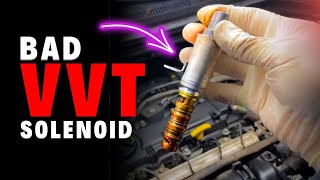
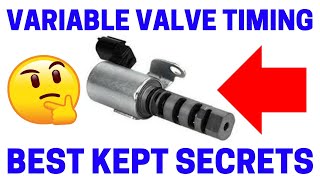
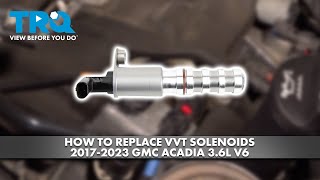
Typical fix: Replace the Bank 2 (driver's side) intake VVT solenoid. It is located on the top of the valve cover and is held in by a single 10mm bolt. It is highly recommended to replace the seal at the same time and apply clean engine oil to the new seal 🎬 Watch this step-by-step VVT solenoid replacement walkthrough for your Canyon. upon installation.
Est. part cost: $40-$70 - Stretched Timing Chain(s) ⚪ Low Probability → Shop Engine Timing Chain The GM 3.6L V6 engine family has a known weakness for premature timing chain stretch. This creates slack in the system, causing the camshafts to lag behind the crankshaft and triggering correlation codes. This issue is often exacerbated by infrequent oil changes.
How to confirm: This is a difficult diagnosis. It's often confirmed when other codes like P0008, P0009, P0017, or P0018 appear alongside P0022. A professional mechanic can use a scan tool to monitor desired vs. actual cam angles or perform a physical inspection, which is labor-intensive.
Typical fix: This is a major repair that involves replacing all three timing chains, all tensioners, and all guides. It is a professional-level job requiring special tools.
Est. part cost: $400-$700
Rare But Worth Checking
- Failed Camshaft Phaser: → Shop Engine Camshaft The mechanical gear on the end of the camshaft can get stuck due to oil sludge or internal failure. This is less common than a solenoid failure but more likely than a sensor failure.
- Clogged Oil Passages: In cases of severe engine sludge, the small oil passages in the cylinder head that feed the VVT system can become blocked, starving the components of oil pressure.
Diagnosis Steps
- Check Engine Oil: Verify the oil level is full and the oil is clean. If low or dirty, perform an oil and filter change with the correct 5W-30 dexos1 Gen 2 (or newer) full synthetic oil, clear the code, and re-test.
- Scan for Other Codes: Check for any other pending or active codes. The presence of codes like P0008/P0009 points towards a more severe timing chain issue.
- Inspect Solenoid Wiring: Visually inspect the wiring and connector for the Bank 2 (driver's side) intake VVT solenoid for any damage, corrosion, or oil contamination.
- Perform Solenoid Swap Test: Swap the Bank 2 intake solenoid with the Bank 1 (passenger side) intake solenoid. Clear the codes and drive the vehicle. If the code returns as P0012 (Bank 1), the solenoid is confirmed to be faulty. This is the most definitive DIY diagnostic step.
- Test Solenoid: If a swap is not possible, remove the solenoid and test its resistance with a multimeter. A reading outside the 8-13 ohm range indicates failure. You can also briefly apply 12V to see if the internal plunger actuates, but be cautious.
- Professional Diagnosis: If the oil is good and the solenoid tests fine (or was replaced) and the code returns, the issue is likely a stretched timing chain or a faulty cam phaser. This requires professional diagnosis with advanced scan tools to monitor camshaft deviation.
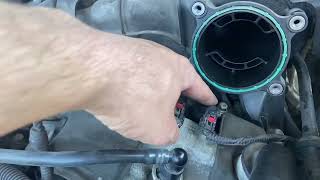
- Owner Experience: A user on YouTube demonstrated the process of replacing the solenoids to fix a P0019 code, a related timing issue. The process is identical for P0022, involving removing the intake, a 10mm bolt, and carefully swapping the part and its seal.
Parts You'll Likely Need
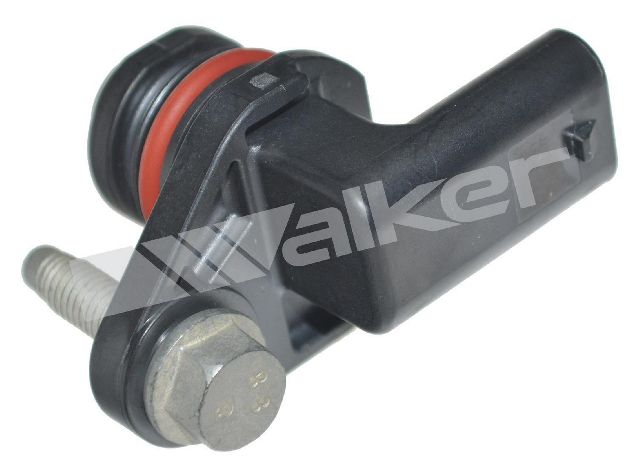
- Intake Camshaft Position Actuator Solenoid
(OEM #12679099)— This is the most common part to fail after ruling out oil issues. It gets clogged with debris or fails electrically. The original part number 12662736 has been superseded by 12679099 for many applications. Always verify with VIN, but 12679099 is the current part for intake, while the exhaust is 12679100.
Trusted brands: ACDelco (GM Genuine), Dorman
OEM price range: $40-$70
Aftermarket price range: $25-$50 - Engine Timing Chain Kit — If the code is caused by a stretched timing chain, a complete kit including chains, guides, and tensioners is required. This is a known issue on the 3.6L V6 engine family.
Trusted brands: ACDelco, Cloyes
OEM price range: $400-$600
Aftermarket price range: $200-$350
Related Codes That Often Appear With This One
- P0012 — Intake Camshaft Position Timing Over-Retarded (Bank 1). If this appears after swapping VVT solenoids between banks for diagnosis, it confirms the solenoid is the faulty part.
- P0008 / P0009 / P0017 / P0018 — These are all timing correlation codes. If P0022 is present with any of these, it strongly suggests a more serious mechanical issue like a stretched timing chain, not just a faulty solenoid.
- P0024 — Exhaust Camshaft Position Timing Over-Advanced (Bank 2). If this code is present, it may indicate a problem with the exhaust solenoid on the same bank, or a more systemic oil pressure issue.
Technical Service Bulletins (TSBs) & Recalls
- N232430470: Special Coverage for failing Bank 2 exhaust camshaft position actuator valve solenoid on 2020 models. Covers the part for 15 years or 150,000 miles.
- 20-NA-085: Identifies a potential missing timing chain guide insert on some 2019-2020 engines that can cause rapid chain wear.
Platform-Specific Known Issues
- The GM 3.6L V6 engine family (LFX/LGZ) is known for premature timing chain stretch, which can manifest as code P0022, often with other timing codes.
- TSB 20-NA-085 notes that some 2019-2020 models may have a missing timing chain guide insert from the factory, causing accelerated wear and timing issues.
- Special Coverage N232430470 was issued for the 2020 model year for a failing Bank 2 *exhaust* camshaft solenoid, indicating a pattern of solenoid issues on this engine. While this TSB is for the exhaust solenoid (P0024), it highlights the general vulnerability of these parts on the LGZ engine.
Mechanic-Grade Diagnostic Values
- VVT Solenoid (Camshaft Actuator) Resistance — expected: 8 to 13 Ohms. Failure: A reading of 0 Ohms (short), infinite/OL (open circuit), or a value significantly outside the expected range indicates a failed solenoid.
- Camshaft Position Sensor Connector Voltage (Key On, Engine Off) — expected: Pin 1 (Varies, often Gray wire): 4.8-5.2V reference. Pin 3 (Varies, often a different color): Near 0V (ground).. Failure: Absence of 5V power or a good ground points to a wiring issue or a problem with the ECM, not the sensor itself. This helps rule out a wiring fault before replacing parts.
Scan Tool Commands That Help
- GDS2 (GM Professional Scan Tool): Camshaft Position Actuator Solenoid Control — This bidirectional test allows a technician to command a specific VVT solenoid on and off while the engine is running. If the engine's idle stumbles or changes when the solenoid is commanded, it confirms the solenoid is mechanically functioning and the oil passages are likely clear, pointing away from a stuck solenoid.
Wiring & Ground Locations
- Engine Wiring Harness (Passenger Side) — The harness may rub against the sharp edge of the passenger side (Bank 1) camshaft cover or cylinder head.. GM TSB #18-NA-307 identifies this chafing can damage wires for cam sensors and solenoids, causing shorts or open circuits. While the TSB focuses on Bank 1 codes, it reveals a design vulnerability in harness routing for the entire engine that could affect Bank 2 wiring as well.
- VVT Solenoid vs. Park Lock Solenoid Connectors — On the front of the engine, near the VVT solenoids.. A GM TechLink bulletin (#PIC6366) notes that on the 3.6L LGZ, it is possible to accidentally swap the connector for the Intake Camshaft Actuator Solenoid with the connector for the Intake Actuator Park Lock Solenoid during reassembly. This would cause the solenoid to be inoperative, immediately setting a fault code despite the part being new.
Real Owner Repair Stories
- YouTube channel 'Average Joe' (2015-2022 Chevrolet Colorado 3.6L (Same LGZ platform)) — Check Engine Light with codes P0017 and P0019 (exhaust side correlation codes, but diagnosis is identical for intake-side P0022).
❌ Tried (didn't work) Replacing the camshaft position sensor did not fix the issue.
✅ What actually fixed it Replacing the Bank 1 and Bank 2 exhaust VVT solenoids resolved the codes and improved gas mileage. The video shows the physical process of removing the throttle body for access and replacing the solenoids and their seals.
OEM Part Supersession History
12662736, 12655420, 12628347, 12578517→12679099— GM consolidates part numbers and makes incremental improvements to address reliability.
Heads up: While 12679099 is the widely accepted current number for the intake solenoid, some 2017 owners have reported part catalog errors. A visual match to the old part is the most reliable method.
Model Year Variations Within This Range
- 2017: This was a transition year between the LFX and LGZ 3.6L engines, leading to potential confusion in parts catalogs for VVT solenoids. Owners report ordering the specified part and receiving one that does not match.
- 2019-2020: TSB 20-NA-085 notes that some engines in this range may have been built with a missing timing chain guide insert, which can cause accelerated chain wear and lead to timing codes.
- 2020: GM issued Special Coverage N232430470 for the Bank 2 *exhaust* camshaft solenoid, covering failure for 15 years/150,000 miles, indicating a known batch of problematic solenoids for this year.
Diagnostic Flowchart
Other Known Issues on This Vehicle
Issues unrelated to this code that are worth knowing about as an owner of this generation:
- 8L45/8L90 Transmission Shudder and Harsh Shifting 🔴 High — Very common on 2017-2019 models. Less common on later models after a fluid reformulation. (Ref: Multiple TSBs, including 16-NA-175 and 18-NA-355, which prescribed a fluid flush and replacement with an updated Mobil 1 Synthetic LV ATF HP fluid.)
- Premature Timing Chain Stretch 🔴 High → Shop Engine Timing Chain — A well-documented issue across the entire GM 3.6L V6 family (LFX/LGZ). Onset can be from 60,000 to 120,000 miles, often accelerated by extended oil change intervals. (Ref: TSB 20-NA-085 (missing guide insert))
- Infotainment System Glitches (Blank Screen, Reboots) 🟡 Low — Commonly reported across various model years. (Ref: TSB 22-NA-085 and 20-NA-012 provided software updates to address stability, resets, and other glitches with the IOR radio system.)
- Thermostat Failure / P0128 Code 🟠 Medium — A common failure item. Symptoms include the temperature gauge dropping to cold and cooling fans running constantly. (Ref: No specific TSB, but a widely known issue. The thermostat is located in the engine valley, making replacement more labor-intensive than on other vehicles.)
- Active Fuel Management (AFM) Lifter Failure 🔴 High — Less common than timing chain or transmission issues, but a known potential failure point on the LGZ engine leading to misfires and engine noise. (Ref: TSB #21-NA-036 notes a related AFM Oil Control Valve solenoid can cause misfires.)
Used vs. New Parts: Buying Guide for This Vehicle
When a used part is the smart pick: For this repair, using a used part is generally not recommended. The most common failure points (VVT solenoid, timing chain) are wear items. A new VVT solenoid is inexpensive, and its internal condition cannot be verified from the outside. A used timing chain should never be installed.
OEM-only on this vehicle (don't cheap out):
- Timing Chain Kit (Chains, Guides, Tensioners): This is a critical, high-labor repair. Using non-OEM parts risks premature failure and catastrophic engine damage. ACDelco is the trusted choice.
- Camshaft Phasers: These are precision hydraulic components. Aftermarket versions have a poor reputation for reliability; stick with OEM (ACDelco).
Aftermarket brands forum-validated for this vehicle:
- Hitachi: Some forums suggest Hitachi may be an OEM supplier for VVT solenoids, and they are generally considered a reliable alternative to ACDelco.
- Standard Motor Products (SMP) / NTK: Generally considered a reputable Tier 1 aftermarket supplier for sensors and solenoids, with better quality control than budget brands.
Brands owners have reported issues with on this vehicle:
- Dorman: Has a very mixed reputation among mechanics for electronic components and solenoids; some report premature failure.
- No-Name/Amazon/eBay Brands: These are a significant gamble. While some users report success, many stories involve parts that are dead-on-arrival or fail within a few months, forcing the job to be done twice.
Real Owner Stories
Aggregated from forums and TSBs cited above. Mileages and costs reflect what owners reported in those sources.
2020 GMC Canyon 3.6L V6 LGZ
Symptoms: The vehicle experienced a failure of the Bank 2 camshaft position actuator solenoid.
What fixed it: Replacement of the Bank 2 camshaft position actuator valve solenoid under Special Coverage N232430470.
Source hint: Special Coverage N232430470
2019 GMC Canyon 3.6L V6 LGZ — ~75000 miles
Symptoms: Rapid timing chain wear and timing-related trouble codes.
What fixed it: Repair involving the timing chain guide, potentially addressing a missing guide insert from the factory.
Source hint: TSB 20-NA-085
2017-2022 GMC Canyon 3.6L V6 LGZ
Symptoms: Owner dealt with a P0019 code, which is a related timing correlation issue on the same engine platform.
What fixed it: Removing the intake and replacing the VVT solenoids and their seals (10mm bolt removal).
Source hint: YouTube demonstration cited in diagnosis_steps
Related OBD-II Codes
Frequently Asked Questions
Is there a special coverage program for the VVT solenoids on my 2020 GMC Canyon?
Can I swap parts to diagnose P0022 on my 3.6L V6 without buying new components?
What specific oil should I use in my 2017-2022 Canyon to prevent VVT issues?
My Canyon has a rattling noise and P0022; could this be the timing chain?
Is there a TSB for timing chain wear on 2019-2020 GMC Canyons?
What is the resistance specification for testing the VVT solenoid on this engine?
Helpful Videos
We Have This Part in Stock

The information in this article is provided for general reference and educational purposes only. Vehicle specifications, procedures, and part compatibility can vary by production date, trim level, and region. Always consult your vehicle's factory service manual and verify part numbers before purchasing or performing repairs. Safety-critical components such as airbags, seat belts, and braking systems should be installed by a qualified professional.
- GMC Canyon:
- 🧭 Diagnostic Flowchart
- 🎬 Helpful Videos
- 🛍️ Shop This Part
- What's Unique About the 2017-2022 GMC Canyon
- Symptoms You May Notice
- Most Likely Causes
- Rare But Worth Checking
- Diagnosis Steps
- Parts You'll Likely Need
- Related Codes That Often Appear With This One
- Technical Service Bulletins (TSBs) & Recalls
- Platform-Specific Known Issues
- Mechanic-Grade Diagnostic Values
- Scan Tool Commands That Help
- Wiring & Ground Locations
- Real Owner Repair Stories
- OEM Part Supersession History
- Model Year Variations Within This Range
- Other Known Issues on This Vehicle
- Used vs. New Parts: Buying Guide for This Vehicle
- Real Owner Stories
- 2020 GMC Canyon 3.6L V6 LGZ
- 2019 GMC Canyon 3.6L V6 LGZ — ~75000 miles
- 2017-2022 GMC Canyon 3.6L V6 LGZ
- Related OBD-II Codes
- Frequently Asked Questions
- 🎟️ Get 5% Off