

P0022 on 2010-2016 Hyundai Genesis Coupe 3.8L: Causes and Fixes for Over-Retarded Camshaft Timing
On the 3.8L Genesis Coupe, code P0022 is most often caused by a faulty intake Oil Control Valve (OCV) on the driver's side (Bank 2), low/dirty engine oil, or a clogged OCV filter screen. Replacing the Bank 2 intake OCV (OEM Part No. 24355-3C100) is labor-intensive as it's located under the upper and lower intake manifolds, costing around $100-$150 for the part and 2-3 hours of labor.
- First, check your engine oil. Low or dirty oil is a very common cause for P0022 and the easiest to fix.
- The most likely failed part is the Bank 2 (driver's side) intake Oil Control Valve (OCV).
- Be aware that replacing the intake OCV on the 3.8L V6 is an involved job that requires removing the intake manifolds.
- To save time and money, diagnose properly by swapping the OCVs between banks to confirm the faulty part before buying a new one.
- Always replace the intake manifold gaskets when performing this repair to avoid future vacuum leaks.
What's Unique About the 2010-2016 Hyundai Genesis Coupe
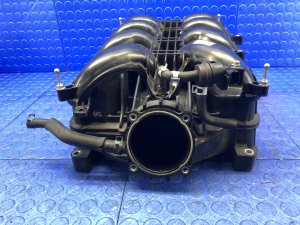
The Hyundai 3.8L Lambda V6 engine's CVVT system is very sensitive to oil pressure and cleanliness, making oil-related issues a primary trigger for this code. What's specific to this platform is the location of the intake Oil Control Valves (OCVs or VVT solenoids). Unlike the easily accessible exhaust OCVs in the valve covers, the intake OCVs are buried beneath the upper and lower intake manifolds. This makes diagnosis and replacement of the most common faulty part, the Bank 2 intake OCV (OEM Part No. 24355-3C100), significantly more labor-intensive than on many other vehicles.
Generation note: The 2010-2016 range covers two generations of the Genesis Coupe: the BK1 (2010-2012) with a Lambda II RS MPi engine and the BK2 (2013-2016) with a more powerful Lambda II RS GDi engine. Both use a 3.8L Lambda V6 with Dual CVVT (D-CVVT). The fundamental CVVT system architecture and the common causes for code P0022 are the same across both generations, though the GDI engines can be more susceptible to carbon buildup which can contaminate oil over time.
Symptoms You May Notice
- Check Engine Light is illuminated
- Rough or unstable engine idle
- Noticeable loss of engine power and sluggish acceleration
- Engine may hesitate or stall, especially at low RPM
- Reduced fuel economy
- A rattling or ticking noise from the engine bay, particularly on a cold start
- Replacing the camshaft position sensor before checking the oil or testing the Oil Control Valve (OCV). The OCV and its filter are more frequent points of failure for this specific code.
- Replacing the timing chain immediately. While a possible cause, it is far less likely than a bad OCV or oil issue and should only be considered after ruling out the simpler components.
Most Likely Causes
- Low or Dirty Engine Oil 🔴 High Probability The CVVT system uses hydraulic pressure from engine oil to adjust cam timing. Sludge, low oil levels, or using the incorrect oil viscosity directly impede its function.
How to confirm: Check the oil level on the dipstick and inspect the oil's color and consistency. If it's low, excessively dark, or sludgy, it needs to be changed. This should always be the first step.
Typical fix: Perform a complete engine oil and filter change using a quality full synthetic oil that meets manufacturer specifications (e.g., 5W-20 for GDI engines). Some owners recommend using an engine flush additive in the old oil before draining to help clean internal passages and VVT components.
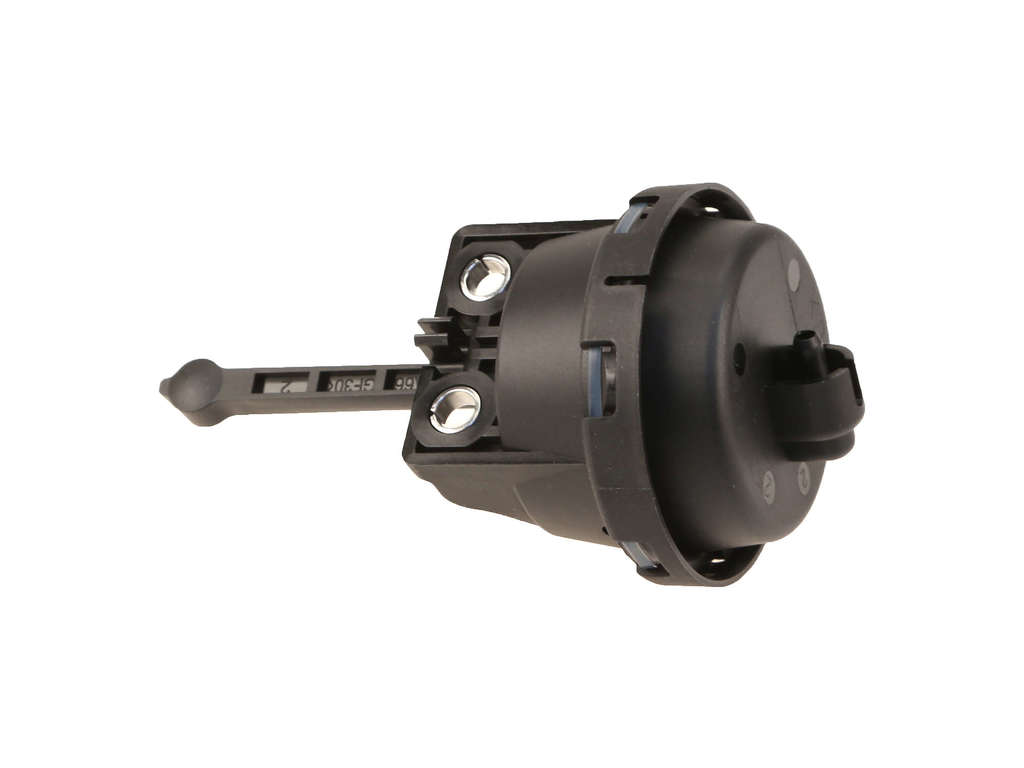
Est. part cost: $40-$80 - Faulty Bank 2 Intake Oil Control Valve (OCV/VVT Solenoid) 🔴 High Probability → Shop Engine Variable Valve Timing (VVT) Solenoid These solenoids can become clogged with oil debris or fail electrically, preventing them from properly directing oil to the cam phaser. This is the most common mechanical failure for this code.
How to confirm: After verifying oil is good, this is the next suspect. A definitive test is to swap the Bank 2 (driver's side) intake OCV with the Bank 1 (passenger's side) intake OCV. If the code changes to P0012 (Bank 1 over-retarded), the solenoid is bad. This requires removing the intake manifolds for access.
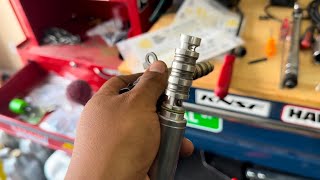
Typical fix: Replace the Bank 2 (driver's side, LH) intake Oil Control Valve. The OEM part number is 24355-3C100. 🎬 Watch: Step-by-step guide to replacing the intake OCV solenoid. It is highly recommended to replace the upper and lower intake manifold gaskets at the same time to prevent vacuum leaks.
Est. part cost: $70-$150 - Clogged OCV Filter Screen 🟡 Medium Probability Small mesh filters protect the OCVs from debris in the oil. These filters can become clogged with sludge, starving the OCV of oil pressure and mimicking a failed solenoid. This can happen even if the solenoid itself is functional.
How to confirm: During OCV inspection or replacement, the filter screen should be visually inspected. If it is clogged with dark, sludgy deposits, it is the likely culprit.
Typical fix: Clean the filter screen thoroughly with brake cleaner and compressed air. If it is damaged or cannot be cleaned, it should be replaced. Several owners have reported that simply cleaning these filters resolved their P0022 code.
Est. part cost: $5-$20 - Faulty Bank 2 Camshaft Position Sensor ⚪ Low Probability → Shop Engine Camshaft Position Sensor
How to confirm: If an OCV swap doesn't move the fault, the sensor that reads the camshaft's position may be failing. It can be tested with a multimeter for proper resistance or by swapping it with the sensor from Bank 1.
Typical fix: Replace the Bank 2 intake camshaft position sensor.
Est. part cost: $50-$100
Rare But Worth Checking
- Stretched Timing Chain or Failed Tensioner: → Shop Engine Timing Chain While less common, the Lambda V6 can experience timing chain stretch over high mileage. This is a major mechanical failure that causes a persistent timing correlation code even after replacing sensors and solenoids. It is often accompanied by a distinct rattling noise. The engine uses a timing chain that is considered maintenance-free for the life of the engine under normal conditions.
- Failed CVVT Cam Phaser (Actuator): → Shop Engine Timing Gear The mechanical gear itself on the camshaft can fail, getting stuck in the retarded position. This is an expensive and labor-intensive repair requiring removal of the timing cover.
Diagnosis Steps
- Read the code with an OBD-II scanner and check for any other related codes.
- Check the engine oil level and condition. If it is low, dirty, or the wrong viscosity, replace the oil and filter. Clear the code and drive to see if it returns.
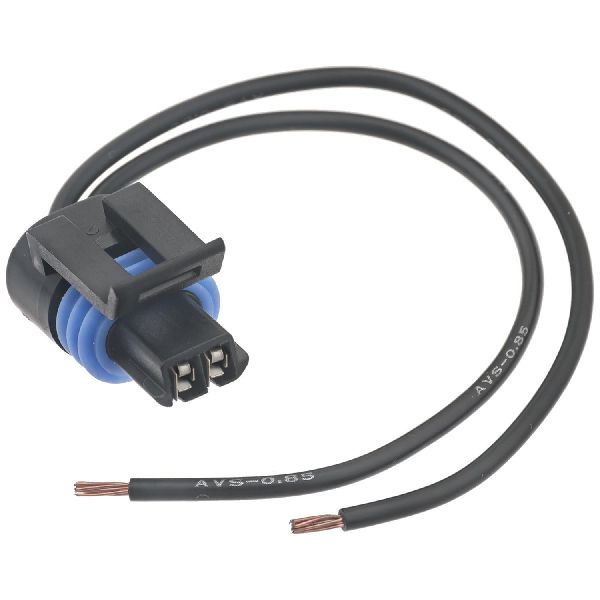
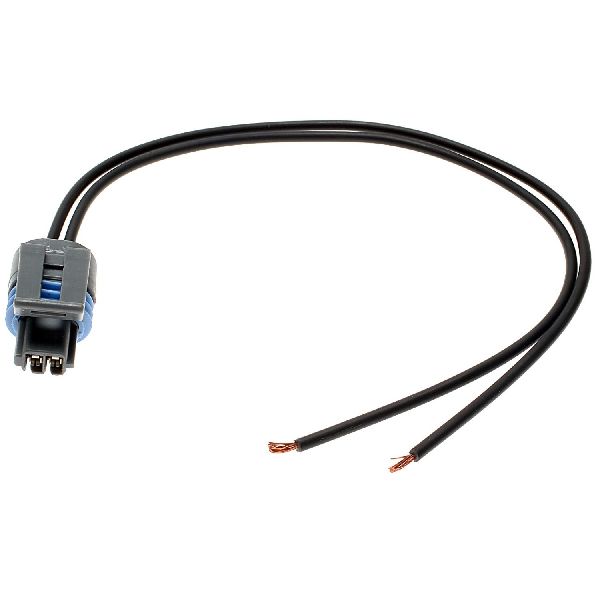
- If the code returns, inspect the wiring and connector for the Bank 2 (driver's side) intake OCV for any signs of damage, corrosion, or loose connections.
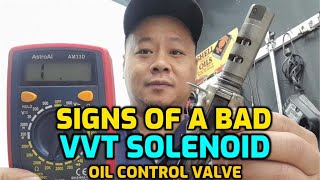
- Test the OCV. You can check its internal resistance with a multimeter (compare to the Bank 1 sensor) or carefully apply 12V to see if the internal plunger clicks, 🎬 See how to test if your VVT solenoid is still working. as advised by a Kia TSB for the Lambda engine.
- For a definitive diagnosis, remove the upper and lower intake manifolds to access both intake OCVs.
- Before swapping, inspect and clean the OCV filter screens. If a screen is heavily clogged, this may be the entire problem.
- If cleaning the screen is not sufficient, swap the Bank 2 (driver's side) intake OCV with the Bank 1 (passenger's side) intake OCV.
- Reassemble the intake using new gaskets, clear the codes, and drive the vehicle. If the code returns as P0012, the OCV you moved is faulty and needs to be replaced.
- If the P0022 code returns, the issue is not the OCV. The next step is to test or swap the camshaft position sensor.
- If all sensors and solenoids are confirmed to be working, the problem is likely mechanical (timing chain, tensioner, or phaser) and requires inspection by a professional.
Parts You'll Likely Need
- Intake Oil Control Valve (VVT Solenoid), Bank 2
(OEM #24355-3C100)— This is the most common component to fail for P0022, either by getting clogged or failing electrically. Bank 2 is the driver's side (LH). The corresponding Bank 1 (RH) part is 24355-3C200.
Trusted brands: Hyundai/Kia Genuine, Aisin, Dorman
OEM price range: $100-$150
Aftermarket price range: $50-$90 - Upper and Lower Intake Manifold Gaskets
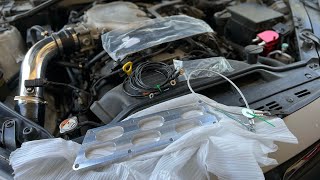
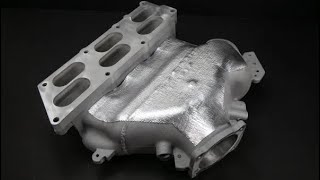
(OEM #Upper (Plenum): 29215-3C710; Lower: 28411-3C720 (RH) & corresponding LH part)— These must be removed to access the intake OCVs on the 3.8L V6 and should always be replaced during reassembly to prevent vacuum leaks. 🎬 Watch this DIY for a walkthrough on removing the intake manifolds.
Trusted brands: Hyundai/Kia Genuine, Fel-Pro, Mahle
OEM price range: $50-$80
Aftermarket price range: $25-$50
Related Codes That Often Appear With This One
- P0012 — This is the equivalent code for Bank 1 ('Intake Camshaft Position Timing - Over-Retarded'). If you swap a faulty Bank 2 OCV to Bank 1 for diagnosis, P0022 will be replaced by P0012. Seeing both P0012 and P0022 simultaneously could point to a systemic oil pressure or sludge problem.
- P0018 — This code indicates a correlation issue between the crankshaft and the Bank 2 camshaft. It can appear alongside P0022 if the timing deviation is significant or points towards a more serious mechanical timing problem like a stretched timing chain.
Technical Service Bulletins (TSBs) & Recalls
- Kia TSB-046 (NHTSA Item Number: 10030365), issued in October 2009, provides diagnostic guidance for Oil Control Valves (OCVs) on Lambda V6 engines experiencing issues like rough idling, poor acceleration, and camshaft timing trouble codes.
Platform-Specific Known Issues
- The intake Oil Control Valves (OCVs) on the 3.8L Lambda V6 are located under the lower intake manifold, requiring several hours of labor to access and replace.
Mechanic-Grade Diagnostic Values
- Intake/Exhaust Oil Control Valve (OCV) Coil Resistance — expected: 6.7 ~ 7.7 Ohms (for Delphi supplied) or 6.9 ~ 7.9 Ohms (for Denso supplied) at 20°C / 68°F.. Failure: A reading of infinity (open circuit) or near zero (short circuit) indicates a failed solenoid.
- Crankshaft Position Sensor (CKPS) Coil Resistance — expected: 630 ~ 770 Ohms at 25°C / 77°F (for BK1 models).. Failure: A reading significantly outside this range suggests a faulty sensor.
- OCV Bolt Torque Specification — expected: 9.8 ~ 11.8 Nm (7.2 ~ 8.7 lb-ft).. Failure: Improper torque can lead to leaks or damage.
- Scan Tool Live Data: Camshaft Position Error — expected: Near 0 degrees when no change is commanded.. Failure: The PCM may store a fault if the difference between the desired and actual cam position exceeds 15-20 Crank Angle Degrees (CAD) for a calibrated amount of time.
Hidden / Shadow Codes Worth Checking
- Mode 6 Data (TID $51, $52, etc.): Hyundai does not use proprietary 'shadow codes' like some German manufacturers. However, a technician can analyze OBD-II Mode 6 data. This mode displays the results of the PCM's self-tests for non-continuously monitored systems, like the CVVT system. It shows the current test value, the minimum passing value, and the maximum passing value. (see via A professional scan tool with Mode 6 capability is required. A technician can see if the CVVT system is performing marginally or is close to the failure threshold, even before the Check Engine Light is triggered.)
Scan Tool Commands That Help
- Hyundai GDS (Global Diagnostic System): Actuation Test for CVVT Solenoid — This bidirectional command allows a technician to force the OCV solenoid to operate with the engine running. If the solenoid and phaser are working, the engine should hesitate or stall. If there is no change in engine operation, it confirms a fault in the OCV, oil passages, or phaser.
- Hyundai GDS (Global Diagnostic System): Vehicle S/W Management -> Resetting Adaptive Values — After replacing a major component like an OCV or cam phaser, or after performing an engine flush, it is best practice to reset the engine's learned adaptive values. This forces the ECM to relearn the CVVT system's operational parameters from a baseline state.
Wiring & Ground Locations
- ECU Ground Strap — On the front of the engine, typically a 10mm bolt securing a ground strap to the chassis near the ECU's location.. A poor ECU ground can cause erratic behavior from sensors and actuators, including the Camshaft Position Sensor and the Oil Control Valve, leading to false or intermittent timing codes.
- Engine Block / Starter Ground — A primary ground cable often connects the engine block to the chassis, frequently at or near one of the starter mounting bolts (typically a 14mm bolt).. This is a main ground path for the engine's electrical system. High resistance here can affect the performance of all engine-mounted sensors and actuators.
- Engine Mount Ground — A smaller ground strap is often located on the engine mount itself.. Provides an additional ground path. All grounds should be checked for corrosion and tightness when diagnosing electrical faults, as a bad ground can mimic a failed component.
Real Owner Repair Stories
- Tacoma World forum user (2019 Toyota Tacoma, 83k miles (Illustrates a similar VVT system issue)) — Check Engine Light with codes P0012 and P0022 (both banks over-retarded), traction light on, and a low oil pressure warning appeared.
❌ Tried (didn't work) Replacing both intake camshaft position sensors.
✅ What actually fixed it A dealer diagnosis found that both VVT intake solenoids (OCVs) had failed AND the oil pump was also failing, causing a systemic low oil pressure condition. The owner was quoted $6,000 for the repair, highlighting how a simple timing code can point to a much larger mechanical issue. - Reddit user with Kia Borrego (Lambda V6 engine) (2009 Kia Borrego (Shares Lambda V6 architecture with Genesis Coupe)) — Intermittent Check Engine Light with code P0018 (Crank/Cam correlation), very slight rough idle, and minor hesitation on acceleration.
❌ Tried (didn't work) A single oil change (the light came back)., Shop diagnostic tested the crankshaft sensor and found it was OK.
✅ What actually fixed it The root cause was extremely low and sludged engine oil from a severely overdue oil change. The Check Engine Light went out after the first oil change but returned. A second oil change was required to further flush the system. This story demonstrates how severe oil contamination can clog passages and cause intermittent timing codes that are not resolved by a single oil change, and can be misdiagnosed as a more severe timing chain issue.
When the Usual Fixes Don't Work
- While replacing the Bank 2 intake OCV is the most common fix, it is not a guaranteed solution. In cases of severe neglect or high mileage, the root cause may be more systemic. For example, if the code returns quickly, the problem may not be the solenoid itself but a lack of oil pressure reaching it. This can be caused by a failing oil pump, which would affect the entire engine, or a localized blockage from sludge in the oil passages of the cylinder head. A technician might replace the OCV, only for the code to return because the new valve is also being starved of oil. In these scenarios, a mechanical oil pressure test is the critical next step before considering more expensive repairs like timing chain replacement.
OEM Part Supersession History
24355-3C100→No major supersession found.— The part appears to be a stable design used across many Hyundai/Kia models with the Lambda V6 engine.
Model Year Variations Within This Range
- 2013-2016 (BK2): The BK2 model features the Gasoline Direct Injection (GDI) version of the 3.8L Lambda engine. While the CVVT system is fundamentally the same, GDI engines are more prone to creating oil contaminants through crankcase blow-by. This can accelerate oil degradation and sludge formation, potentially leading to more frequent clogging of the fine mesh screens in the OCV filters compared to the BK1's MPI engine.
Diagnostic Flowchart
Real Owner Stories
Aggregated from forums and TSBs cited above. Mileages and costs reflect what owners reported in those sources.
Hyundai Genesis Coupe 3.8L
Symptoms: Experienced P0022 and its Bank 1 counterpart P0012 as common issues.
What fixed it: Resolved the codes through oil changes or replacing the Oil Control Valve (OCV).
Source hint: Gencoupe.com
V6 Engine
Symptoms: Experienced both P0012 and P0022 codes simultaneously.
What fixed it: Diagnosed as a faulty cam solenoid after verifying the engine oil was in good condition.
Source hint: Reddit r/MechanicAdvice thread titled 'Need help diagnosing P0022 / P0012'
Toyota 4Runner
Symptoms: Poor idle and acceleration associated with a P0022 code.
What fixed it: Cleaned the clogged OCV filters and used Seafoam in the oil before an oil change, which restored idle and acceleration.
Source hint: Reddit r/4thGen4Runner thread titled 'P0022 code'
Hyundai Genesis Coupe 3.8L
Symptoms: Needed to replace the intake Oil Control Valve Solenoid due to timing issues.
What fixed it: Replaced the intake OCV, noting the difficult location under the lower intake manifold.
Source hint: YouTube - Limitless TV video titled 'Genesis Coupe 3.8 Intake Oil Control Valve Solenoid Replacement'
Related OBD-II Codes
Frequently Asked Questions
Why is replacing the intake OCV on my 3.8L Genesis Coupe so difficult?
What is the OEM part number for the Bank 2 intake OCV on the 3.8L Lambda V6?
Does Kia TSB-046 apply to my Genesis Coupe's P0022 code?
I have a P0022 code; should I just replace the solenoid immediately?
How can I confirm if the Bank 2 intake OCV is actually the problem before buying a new one?
Are there other Hyundai or Kia models that share this exact P0022 issue?
Helpful Videos
Used OEM Parts in Stock
New Aftermarket Parts Available


The information in this article is provided for general reference and educational purposes only. Vehicle specifications, procedures, and part compatibility can vary by production date, trim level, and region. Always consult your vehicle's factory service manual and verify part numbers before purchasing or performing repairs. Safety-critical components such as airbags, seat belts, and braking systems should be installed by a qualified professional.
- Hyundai Genesis Coupe:
- 🧭 Diagnostic Flowchart
- 🎬 Helpful Videos
- 🛍️ Shop This Part
- What's Unique About the 2010-2016 Hyundai Genesis Coupe
- Symptoms You May Notice
- Most Likely Causes
- Rare But Worth Checking
- Diagnosis Steps
- Parts You'll Likely Need
- Related Codes That Often Appear With This One
- Technical Service Bulletins (TSBs) & Recalls
- Platform-Specific Known Issues
- Mechanic-Grade Diagnostic Values
- Hidden / Shadow Codes Worth Checking
- Scan Tool Commands That Help
- Wiring & Ground Locations
- Real Owner Repair Stories
- When the Usual Fixes Don't Work
- OEM Part Supersession History
- Model Year Variations Within This Range
- Real Owner Stories
- Hyundai Genesis Coupe 3.8L
- V6 Engine
- Toyota 4Runner
- Hyundai Genesis Coupe 3.8L
- Related OBD-II Codes
- Frequently Asked Questions
- 🎟️ Get 5% Off