

P0022 on 2007-2012 Hyundai Santa Fe 3.3L: Intake Cam Timing Over-Retarded Causes and Fixes
On the 3.3L V6 Santa Fe, code P0022 is most often caused by low or dirty engine oil, or a failing Bank 2 Oil Control Valve (OCV). An oil change is the first step. If that doesn't work, replacing the Bank 2 OCV is the next logical fix. The OEM part number is 24355-3C100, which has been updated to 24355-3C200, and costs around $50-$120. If a startup rattle is heard, a failing timing chain tensioner is likely the cause.
- First, check your oil. Low or dirty oil is the #1 cause of P0022. An oil change might fix it.
- If oil is fine, the Bank 2 (front/radiator side) Oil Control Valve (OCV) is the next most likely culprit.
- A rattling noise on startup is a major clue that points to a failing timing chain tensioner, a known issue on this engine.
- Do not replace the camshaft position sensor for this code; it's almost always a mechanical or oil pressure-related problem.
What's Unique About the 2007-2012 Hyundai Santa Fe
While P0022 can occur on any vehicle with VVT, the 3.3L Lambda V6 (G6DB) in this generation of Santa Fe has a known weakness in its timing chain tensioners. These hydraulic tensioners can fail to maintain oil pressure when the engine is off, causing a distinct rattle on startup as the chain is momentarily slack. This slack can be enough to throw off the camshaft timing and trigger codes like P0022, even if the primary oil control valve is working correctly. Hyundai issued a Technical Service Bulletin (TSB #06-20-002) for early production 2007 Santa Fe models acknowledging this issue and providing an updated tensioner part (24410-3C300).
Symptoms You May Notice
- Check Engine Light is on
- Rough or unstable idle
- Engine hesitates or stumbles during acceleration
- Reduced engine power
- Decreased fuel economy
- Engine may be hard to start or stall, especially under load.
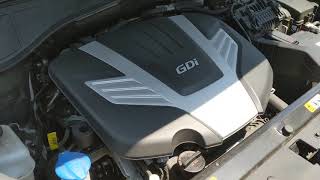
- A rattling noise from the engine for a few seconds on a cold startup (strongly indicates timing chain tensioner issue). 🎬 Watch: Hear what the 3.3L V6 startup rattle sounds like.
- Replacing the Camshaft Position Sensor. A P0022 code indicates a mechanical timing problem (the cam is not where it should be), not an electrical problem with the sensor that reads its position. If the sensor itself or its circuit were bad, you would likely see codes like P0345 or P0346.
Most Likely Causes
- Low or Dirty Engine Oil 🔴 High Probability The CVVT system is entirely dependent on clean oil at the correct pressure to function. Sludge or low levels will starve the system and prevent the cam phasers from adjusting correctly. Using non-OEM oil filters has also been anecdotally linked to CVVT problems.
How to confirm: Check the oil level on the dipstick and inspect its color and consistency. If the level is low or the oil is dark, gritty, or sludgy, it needs to be changed.
Typical fix: Perform a complete oil and filter change using a quality OEM-spec oil filter and the correct viscosity oil (5W-20 or 5W-30 depending on climate, refer to owner's manual).
Est. part cost: $40-$80 - Faulty Bank 2 Oil Control Valve (OCV) 🔴 High Probability → Shop Engine Variable Valve Timing (VVT) Solenoid The OCV is a solenoid that can get clogged with engine sludge or fail electrically over time. It's a very common failure point in the Lambda V6 CVVT system.
How to confirm: Bank 2 is on the radiator side of the engine. You can test the solenoid's resistance with a multimeter. Per Hyundai TSB 09-EM-002, the resistance for the Delphi-made OCV used in the Santa Fe should be 6.9-7.9 Ohms at 68°F (20°C). A simpler method is to swap the Bank 2 OCV with the Bank 1 (firewall side) OCV. If the trouble code changes to P0012 (the Bank 1 equivalent), the OCV is confirmed bad.
Typical fix: Replace the Bank 2 (intake) Oil Control Valve. The original part number 24355-3C100 has been superseded by 24355-3C200.
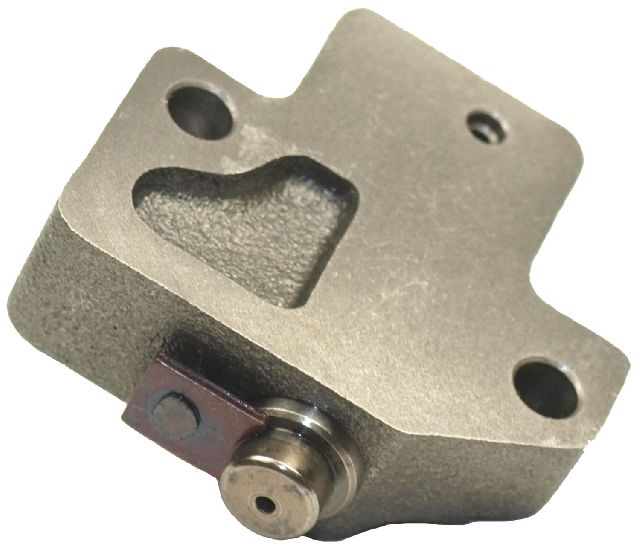
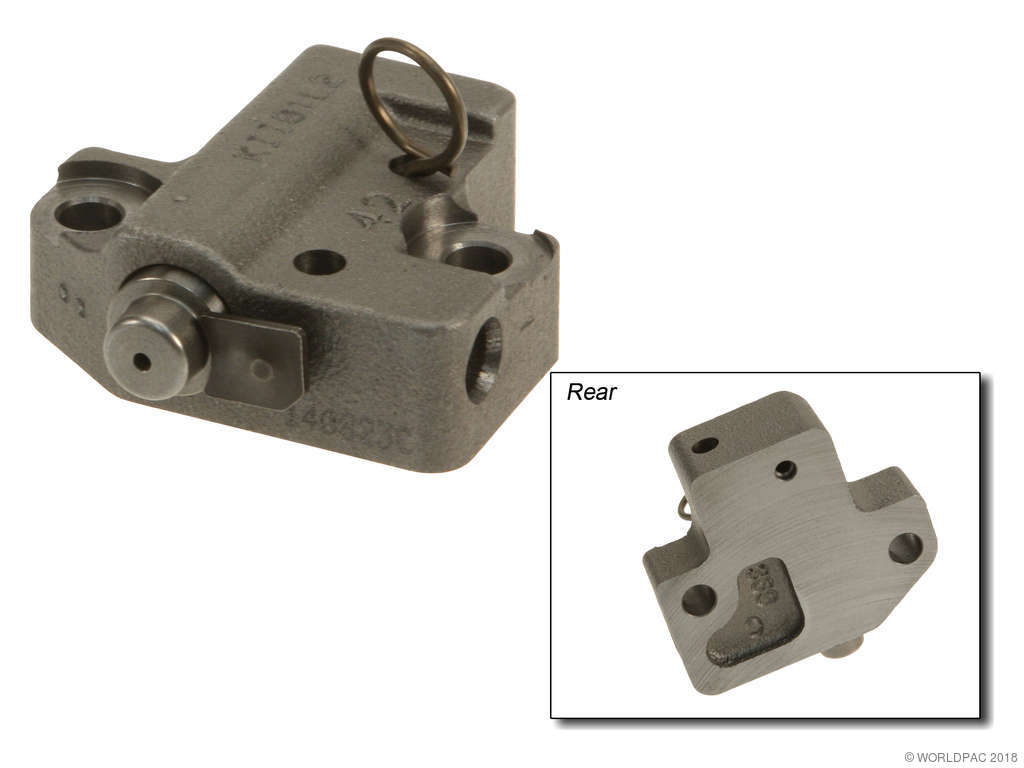
Est. part cost: $50-$120 - Failing Timing Chain Tensioner 🟡 Medium Probability → Shop Engine Timing Chain The original hydraulic tensioners on the 3.3L Lambda V6 are a known weak point. They can bleed down pressure when parked, causing chain slack on startup. TSB #06-20-002 was issued for 2007 Santa Fe models produced before August 4, 2006, to address this with an updated part.
How to confirm: The primary symptom is a distinct rattling or chain-slapping noise from the engine for 2-3 seconds immediately after a cold start. This confirms the tensioner is not holding pressure. Visual inspection requires removing the timing cover.
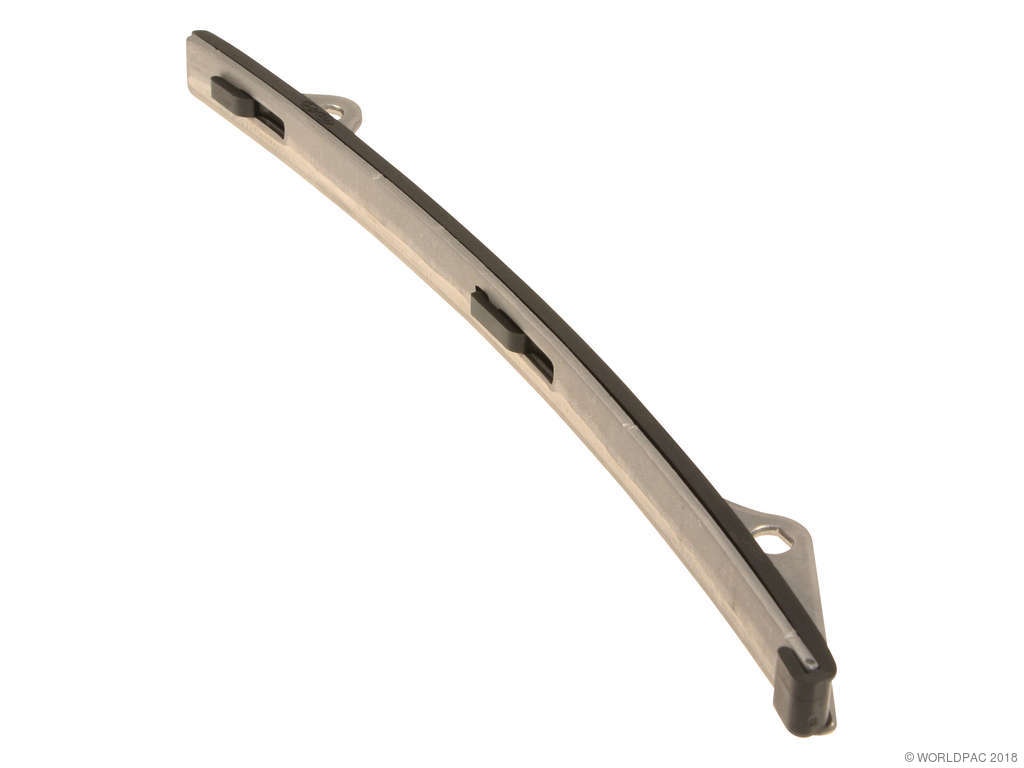
Typical fix: This is a labor-intensive job that involves removing the timing cover to replace the tensioners. It is highly recommended to replace the timing chains, guides, and water pump at the same time. The updated tensioner part number is 24410-3C300. 🎬 See this walkthrough on fixing the timing chain tensioner rattle.
Est. part cost: $200-$400 for a full timing kit
Rare But Worth Checking
- Stretched Timing Chain: → Shop Engine Timing Chain While less common than a tensioner failure, high mileage or poor maintenance can cause the timing chain itself to stretch. This creates slack that the tensioner cannot compensate for, leading to persistent timing codes that an OCV replacement won't fix.
- Failed CVVT Cam Phaser: → Shop Engine Timing Gear The phaser (or actuator) is the gear on the end of the camshaft that actually rotates. It can get stuck, clogged internally, or fail mechanically, but this is usually the last part to suspect after checking oil, the OCV, and timing tensioners.
- Damaged Crankshaft Reluctor Wheel: In rare cases, the reluctor wheel (a toothed ring on the crankshaft that the position sensor reads) can be damaged or shift, causing a mismatch between the crank and cam signals and triggering correlation codes.
Diagnosis Steps
- Check Engine Oil Level and Condition: Pull the dipstick. If the oil is low, top it off, clear the code, and see if it returns. If the oil is old or looks like sludge, perform a full oil and filter change with an OEM filter and correct oil viscosity. This is the cheapest and easiest first step.
- Listen for Startup Rattle: When the engine is cold (after sitting for several hours), start it and listen carefully for a metallic rattling sound from the front of the engine that lasts for 2-3 seconds. If you hear this, a failing timing chain tensioner is a very likely cause.
- Inspect and Test the Oil Control Valve (OCV): Locate the Bank 2 intake OCV on the front of the engine (radiator side). Unplug it and check the wiring for damage. Test its internal resistance with a multimeter. It should be between 6.9 and 7.9 ohms.
- Swap the OCVs: A definitive test is to swap the Bank 2 (front) OCV with the Bank 1 (rear) OCV. They are identical parts, each held by a single 10mm bolt. Clear the codes and drive the vehicle. If the code returns as P0012 (Bank 1 Over-Retarded), you have confirmed the OCV you moved is faulty.
- Inspect Timing Components: If the oil is good, the OCVs test fine, and you suspect a timing issue (especially if you hear a startup rattle), the next step is to remove the timing cover for a visual inspection of the timing chain, guides, and tensioners. This is a complex job and may be best left to a professional.
Parts You'll Likely Need
- Engine Oil Control Valve (OCV)
(OEM #24355-3C200 (supersedes 24355-3C100))— This solenoid directly controls oil flow to the cam phaser and is a common failure point due to sludge or electrical issues. It's the most likely part to fail after ruling out oil problems.
Trusted brands: Hyundai (OEM), Dorman, Standard Motor Products (SMP), Delphi
OEM price range: $80-$120
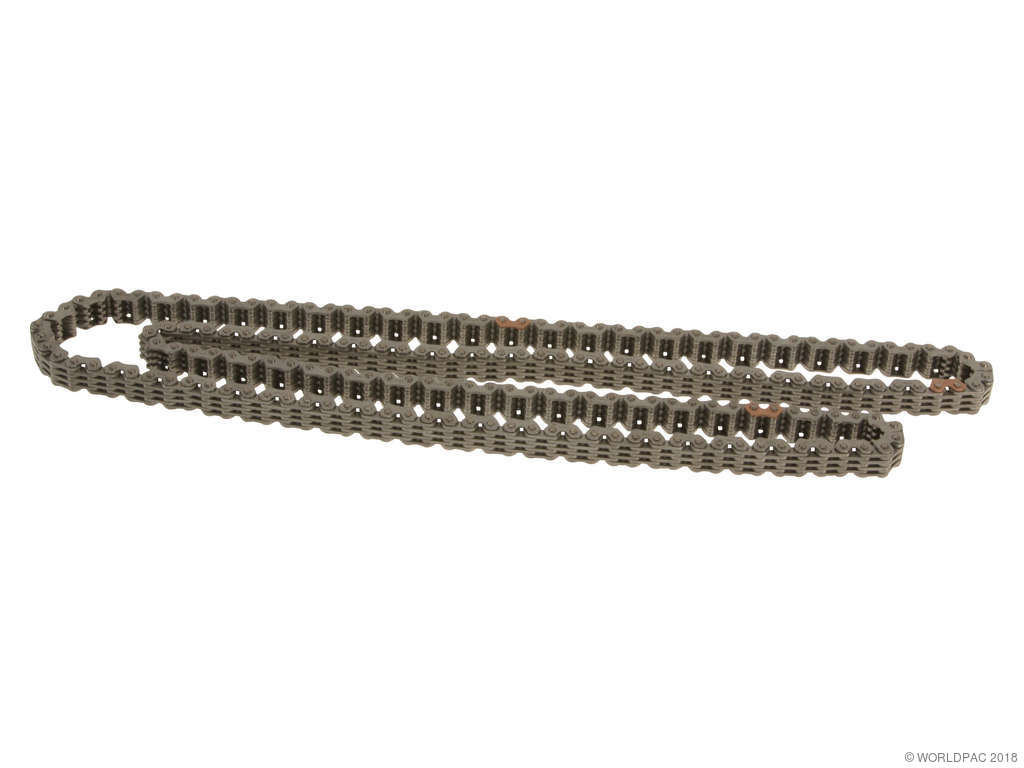
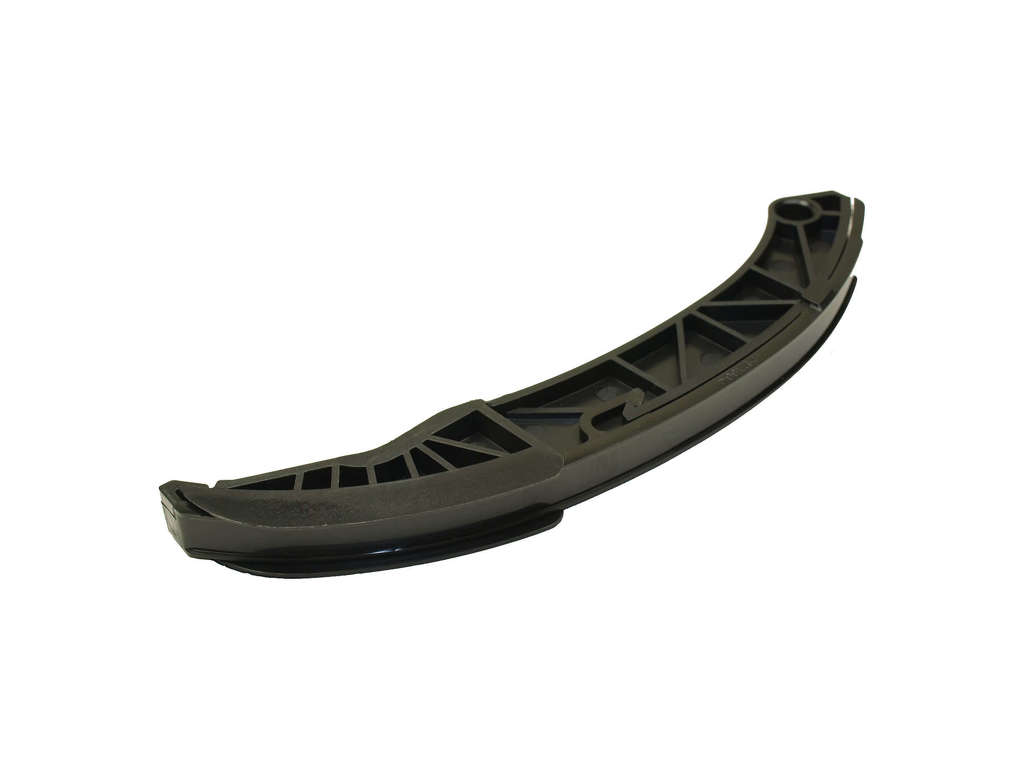
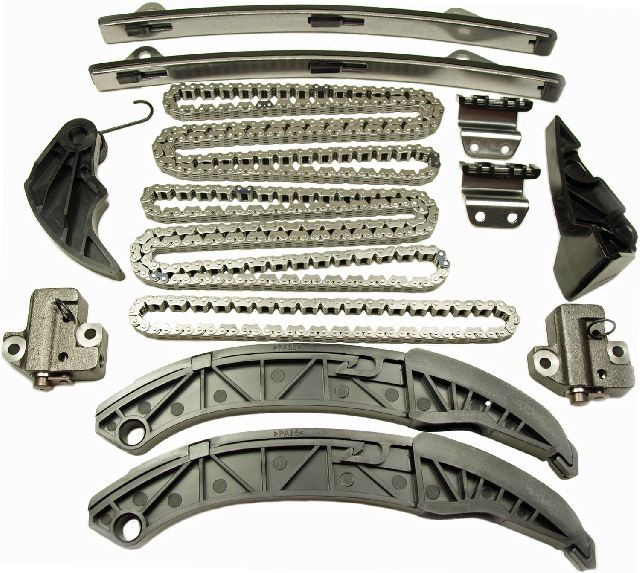
Aftermarket price range: $40-$70 - Timing Chain Kit — If a startup rattle is present, the tensioner has failed. It is best practice to replace the chains, guides, and tensioners as a complete kit due to the high labor cost of accessing these components.
Trusted brands: Hyundai (OEM), Cloyes, Melling
OEM price range: $350-$500
Aftermarket price range: $200-$350
Related Codes That Often Appear With This One
- P0012 — If you swap the Bank 1 and Bank 2 OCVs for diagnosis, the P0022 code will move and become P0012 ('A' Camshaft Position - Timing Over-Retarded Bank 1), confirming the OCV is the faulty part.
- P0021 — This code for 'Timing Over-Advanced' on the same bank can occur if the OCV is sticking intermittently, causing the cam phaser to get stuck in either direction.
- P0300 — A random misfire code can be triggered because the incorrect valve timing on Bank 2 is disrupting the combustion process enough to be detected as a misfire across multiple cylinders.
Technical Service Bulletins (TSBs) & Recalls
- TSB #09-EM-002: Provides the inspection flow diagram and OCV coil resistance specifications for various Hyundai models, including the Lambda V6.
- TSB #06-20-002: Describes the timing chain rattle noise on startup for early production 2007 Santa Fe 3.3L models and introduces an updated timing chain tensioner part to resolve the issue.
Platform-Specific Known Issues
- The hydraulic timing chain tensioners on the 3.3L Lambda V6 are known to lose oil pressure when the engine is off, causing significant timing chain slack. This results in a loud rattle for a few seconds on startup and can cause the cam timing to be incorrect, triggering P0022 or other related timing codes.
- Hyundai TSB #06-20-002 specifically addresses this startup noise for 2007 Santa Fe models produced through August 4, 2006, and provides an updated tensioner part (24410-3C300) as the fix.
Mechanic-Grade Diagnostic Values
- OCV Solenoid Resistance — expected: 6.9 - 7.9 Ohms at 68°F (20°C). Failure: A reading outside this range, or an open/infinite reading, indicates a failed solenoid coil.
- OCV Connector Voltage (Key On, Engine Off) — expected: One pin should have battery voltage (approx. 12.6V), the other is the PCM control wire.. Failure: No voltage on the power pin indicates a fuse or wiring issue. Voltage on the control wire (should be near 0V) suggests a short to power.
- Scan Tool CVVT Actual vs. Desired Angle — expected: The 'Current Position' should closely match the 'Set Point' or 'Desired' angle at idle and under load.. Failure: A significant and persistent deviation between the actual and desired angles confirms a mechanical or hydraulic fault in the CVVT system.
Scan Tool Commands That Help
- Hyundai GDS (Global Diagnostic System): Actuation Test for CVVT Solenoid — This bidirectional command allows a technician to manually command the OCV solenoid on and off while monitoring the camshaft angle PIDs. If the solenoid is commanded on and the cam angle does not change, it points to a stuck solenoid, clogged oil passage, or a faulty phaser. This is a definitive way to test the OCV's function in-situ.
- Hyundai GDS (Global Diagnostic System): Resetting Adaptive Values — After replacing a major component like a CVVT phaser or timing chain, it's good practice to use the 'Reset Adaptive Values' function in the GDS tool. This clears the learned values the PCM has stored for cam timing adjustments, allowing it to re-learn the characteristics of the new parts faster.
Wiring & Ground Locations
- G52 — Left rear of the engine compartment.. This is a primary engine ground point. A loose or corroded G52 ground can cause erratic behavior in various engine sensors and actuators, including the Camshaft Position Sensors and Oil Control Valves, potentially leading to incorrect readings or operation.
- G56 — Left top of the engine.. Another critical engine ground. Poor connection here can affect the electrical components mounted on the top end of the engine, which includes the CVVT system components.
- OCV Connector (Bank 2) — Front of the engine, on the cylinder head for the bank closer to the radiator.. This is the direct electrical connection to the faulty component. Technicians will test for power, ground (via PCM), and resistance at this connector's pins. The wiring harness leading to it can chafe or become damaged.
Real Owner Repair Stories
- Forum discussions and mechanic reports (Multiple Hyundai/Kia models with 3.3L/3.8L Lambda V6) — Persistent P0022 or related timing codes, sometimes with startup rattle.
❌ Tried (didn't work) Oil and filter change., Replacing the Bank 2 Oil Control Valve (OCV) solenoid.
✅ What actually fixed it The small, thimble-sized oil filter screens for the CVVT system were found to be completely clogged with sludge. These screens are located in the cylinder heads, often underneath the OCVs or nearby plugs. They are separate from the main oil filter and the small screens on the OCVs themselves. Replacing these tiny filters restored proper oil flow to the phasers and resolved the code.
OEM Part Supersession History
24355-3C100→24355-3C200— Updated design for improved reliability and performance of the Oil Control Valve.
Heads up: The new part (24355-3C200) is a direct replacement for the old one and is fully compatible.N/A (for early 2007 models)→24410-3C300— The original timing chain tensioner was prone to bleeding down oil pressure. The updated part was released to fix the resulting startup rattle.
Heads up: This is the required replacement part per TSB #06-20-002 for affected vehicles.
Model Year Variations Within This Range
- 2007-2009: These years primarily used the Lambda MPi (G6DB) engine, which featured variable valve timing on the intake camshafts only.
- 2010-2012: Later models began to introduce the Lambda II engine series. While the 3.3L remained an option, a 3.5L (G6DC) version became available. Lambda II engines feature Dual CVVT (variable timing on both intake and exhaust cams), adding more complexity with four OCVs and four cam sensors in total.
Diagnostic Flowchart
Real Owner Stories
Aggregated from forums and TSBs cited above. Mileages and costs reflect what owners reported in those sources.
2009 Hyundai Santa Fe V6
Symptoms: Engine noise and rattle at startup, which the dealer initially claimed was 'normal'.
What fixed it: Identified the need for an updated timing chain tensioner, referencing TSB #08-EM-001-1.
Source hint: Hyundai-Forums.com: '2009 v6 engine noise at startup'
Hyundai Lambda V6 Engine
Symptoms: CVVT system problems and related timing issues.
What fixed it: Switching to OEM-spec oil filters instead of aftermarket non-OEM filters.
Source hint: BobIsTheOilGuy.com: 'Hyundai Engine Oil S'
Related OBD-II Codes
Frequently Asked Questions
Does TSB #06-20-002 apply to my 2007 Santa Fe?
How can I test if the Bank 2 Oil Control Valve (OCV) is causing my P0022 code?
Why do I hear a rattling noise for a few seconds when starting my 3.3L Lambda V6 cold?
Can using an aftermarket oil filter cause the P0022 code on my Santa Fe?
What is the updated part number for the Bank 2 Oil Control Valve?
Helpful Videos

We Have This Part in Stock

The information in this article is provided for general reference and educational purposes only. Vehicle specifications, procedures, and part compatibility can vary by production date, trim level, and region. Always consult your vehicle's factory service manual and verify part numbers before purchasing or performing repairs. Safety-critical components such as airbags, seat belts, and braking systems should be installed by a qualified professional.
- Hyundai Santa Fe:
- 🧭 Diagnostic Flowchart
- 🎬 Helpful Videos
- 🛍️ Shop This Part
- What's Unique About the 2007-2012 Hyundai Santa Fe
- Symptoms You May Notice
- Most Likely Causes
- Rare But Worth Checking
- Diagnosis Steps
- Parts You'll Likely Need
- Related Codes That Often Appear With This One
- Technical Service Bulletins (TSBs) & Recalls
- Platform-Specific Known Issues
- Mechanic-Grade Diagnostic Values
- Scan Tool Commands That Help
- Wiring & Ground Locations
- Real Owner Repair Stories
- OEM Part Supersession History
- Model Year Variations Within This Range
- Real Owner Stories
- 2009 Hyundai Santa Fe V6
- Hyundai Lambda V6 Engine
- Related OBD-II Codes
- Frequently Asked Questions
- 🎟️ Get 5% Off