

P0022 on 2016-2020 Kia Sorento 3.3L V6: Causes and Fixes for Over-Retarded Cam Timing
On the 2016-2020 Sorento 3.3L V6, P0022 is most often caused by low or dirty engine oil, or a failing Bank 2 intake Oil Control Valve (OCV). Always check your oil level and condition first. If the oil is clean and full, the OCV is the next likely culprit, costing around $60-$120 for the part.
- First, check your engine oil. Low or dirty oil is the #1 cause of P0022 on this engine. An oil change may fix the problem cheaply.
- The most likely failed part is the Bank 2 Intake Oil Control Valve (OCV). It's located on the front-facing cylinder bank and is a common, relatively easy DIY replacement.
What's Unique About the 2016-2020 Kia Sorento
The 3.3L Lambda II GDi V6 engine is known to be sensitive to oil quality and maintenance schedules. These engines can consume oil between changes, making low oil level a frequent cause of VVT-related codes like P0022. Furthermore, the Oil Control Valves (OCVs) are a common failure point on this platform. While the 2016-2020 Sorento is generally reliable, it's important to note that earlier models with this engine family had some known timing chain tensioner issues covered by TSBs, and the engine series has been subject to scrutiny for other issues like bearing failures.
Symptoms You May Notice
- Check Engine Light is on
- Rough or unstable idle
- Engine hesitation or stumbling on acceleration
- Reduced engine power
- Worse than normal fuel economy
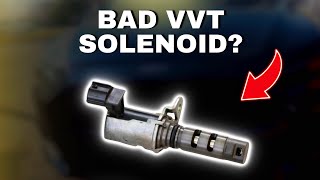
- Engine rattling noise, especially on a cold startup 🎬 Watch: Symptoms of a bad VVT solenoid you should never ignore
- Replacing the Camshaft Position Sensor (CMP). This code indicates a mechanical timing *performance* problem, not an electrical fault with the sensor itself. A bad CMP sensor would typically set a different code related to the sensor's circuit.
Most Likely Causes
- Low, Dirty, or Incorrect Viscosity Engine Oil 🔴 High Probability The Lambda V6's CVVT system is hydraulic and requires clean oil at the correct pressure to function. These engines are also known for some oil consumption, which can lead to low oil levels if not checked regularly.
How to confirm: Check the engine oil dipstick. The oil should be at the full mark, and its color should be amber, not black and thick.
Typical fix: Perform a complete engine oil and filter change using a high-quality OEM filter and the manufacturer-recommended synthetic 5W-20 or 5W-30 oil.
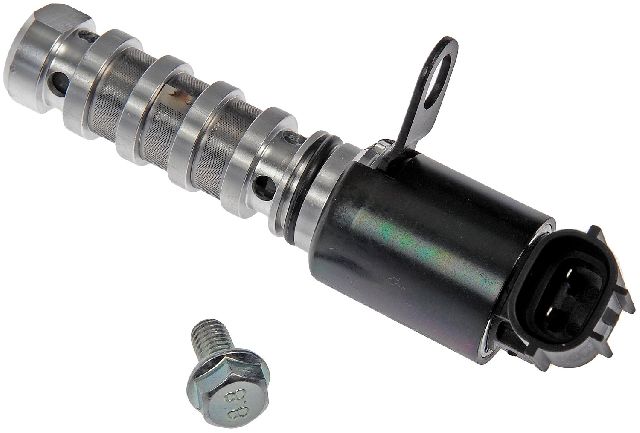
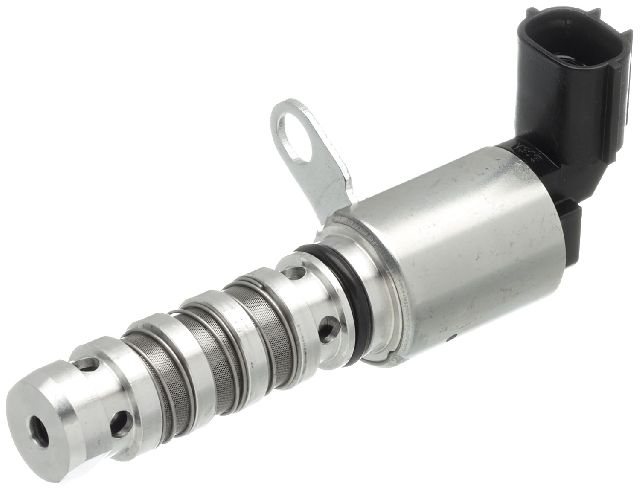
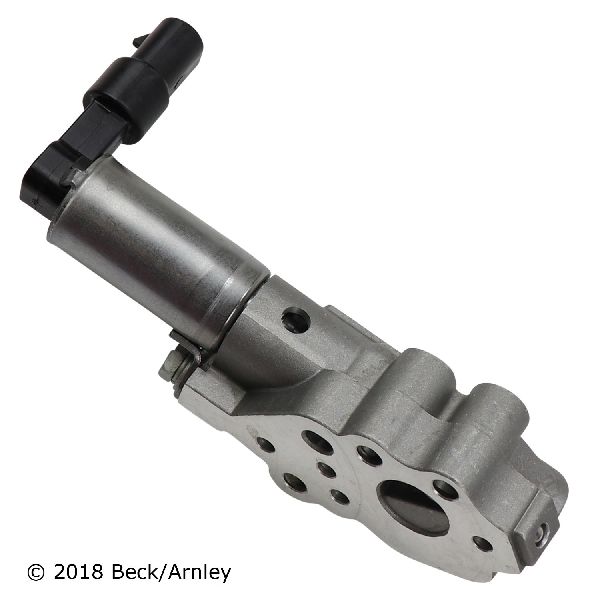
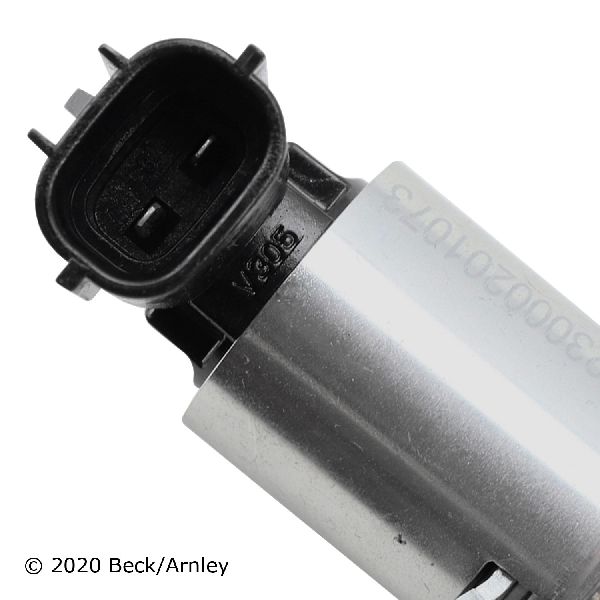
Est. part cost: $40-$80 - Faulty Bank 2 Intake Oil Control Valve (OCV) 🔴 High Probability → Shop Engine Variable Valve Timing (VVT) Solenoid The OCV is a known common failure point on Hyundai and Kia Lambda engines. Its internal passages or filter screen can get clogged with sludge, or the solenoid can fail electrically.
How to confirm: Swap the Bank 2 intake OCV with the Bank 1 intake OCV. Clear the codes and drive. If the code changes to P0011 (the equivalent code for Bank 1), the OCV is confirmed to be faulty. You can also test resistance with a multimeter; it should be around 6.9-7.9 ohms.
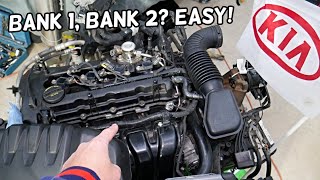
Typical fix: Replace the Bank 2 intake Oil Control Valve. On the Sorento's transverse 3.3L V6, Bank 2 is the cylinder bank located closer to the front of the vehicle (radiator side).
Est. part cost: $60-$120 - Failing CVVT Cam Phaser 🟡 Medium Probability → Shop Engine Timing Gear The phaser can fail mechanically, getting stuck due to internal wear or debris from infrequent oil changes.
How to confirm: This is a more difficult diagnosis. If oil and the OCV are confirmed good but the code persists, especially if accompanied by a startup rattle, the phaser is the next likely suspect. This usually requires professional diagnosis.
Typical fix: Replace the Bank 2 intake CVVT phaser assembly. This is a labor-intensive job that also requires replacing the timing cover gasket and other related seals.
Est. part cost: $150-$300 - Stretched Timing Chain or Worn Tensioner/Guides ⚪ Low Probability → Shop Engine Timing Chain While less common on the 2016-2020 models, the Lambda engine family has had issues with timing chain components on earlier models. Severe oil sludge or very high mileage can accelerate wear.
How to confirm: Listen for a persistent rattling or whirring noise from the timing chain cover area. A mechanic can confirm by removing the valve cover to check for chain slack or by measuring timing deviation with an oscilloscope.
Typical fix: Replace the timing chains, tensioners, and guides. This is a major, expensive repair.
Est. part cost: $400-$700
Diagnosis Steps
- Check Engine Oil: Verify the oil level is correct and the oil is clean. If it is low, dirty, or the wrong viscosity, perform an oil and filter change with a high-quality OEM filter and the correct oil (5W-20 or 5W-30 synthetic). This resolves the issue in a majority of cases.
- Scan for Other Codes: Check for any other related trouble codes that could provide more clues.
- Identify Bank 2: On the Sorento's transverse 3.3L V6, Bank 2 is the cylinder bank closer to the front of the vehicle (radiator side). Bank 1 is closer to the firewall.
- Test the Oil Control Valve (OCV): The easiest way to test the OCV is to swap it. Unplug and unbolt the Bank 2 intake OCV and swap it with the identical Bank 1 intake OCV. Clear the codes and drive the vehicle. If the code returns as P0011 (Bank 1), the OCV is faulty and needs to be replaced.
- Inspect OCV and Wiring: If not swapping, remove the OCV and inspect its filter screen for sludge or metal debris. Check the electrical connector and wiring for any damage, corrosion, or oil saturation.
- Professional Diagnosis: If the oil is good and the OCV tests fine (or was replaced) but the P0022 code returns, the issue is likely more serious. The next steps involve checking the CVVT phaser and the timing chain, which typically require a professional mechanic.
Parts You'll Likely Need
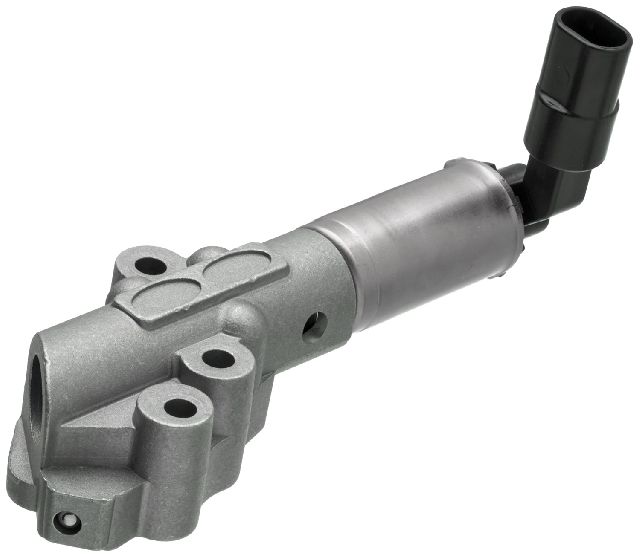
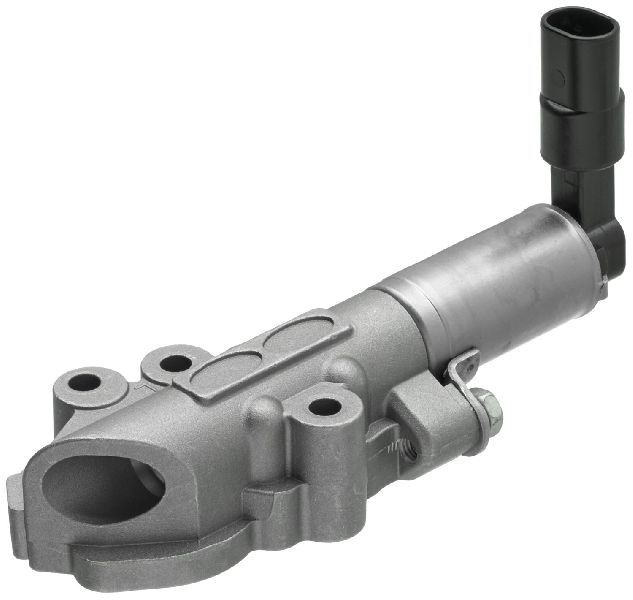
- Engine Oil Control Valve (VVT Solenoid)
(OEM #24350-3C113)— This is the most common hardware failure for P0022 on this engine. It gets clogged with sludge or fails electrically, preventing it from directing oil to the cam phaser.
Trusted brands: Kia Genuine, Hyundai Genuine, Dorman, Standard Motor Products
OEM price range: $90-$140
Aftermarket price range: $50-$90 - Engine Oil and Filter — Low, dirty, or incorrect viscosity oil is the leading cause of all VVT-related fault codes. An oil and filter change is the cheapest and most important first step.
Trusted brands: Kia Genuine Filter, Mobil 1, Pennzoil, Castrol
OEM price range: $50-$90
Aftermarket price range: $40-$70
Related Codes That Often Appear With This One
- P0011 — If you swap a faulty Bank 2 OCV to Bank 1 for diagnosis, P0022 will be replaced by P0011 ('A' Camshaft Position - Timing Over-Advanced or System Performance Bank 1).
- P0300, P0304, P0305, P0306 — If the cam timing is incorrect, it can cause misfires on the cylinders of that bank. Bank 2 consists of cylinders 2, 4, and 6. P0300 is a random misfire code.
Technical Service Bulletins (TSBs) & Recalls
- TSB ENG 148: While for earlier 2014-2015 models, this TSB addresses a 'chatter/rattle noise from engine after cold soak' related to the timing chain tensioner, which is a potential cause of timing codes on the Lambda V6 family.
Platform-Specific Known Issues
- The 3.3L Lambda II GDi engine is known to consume oil, so the oil level should be checked frequently between changes to prevent it from running low, which can trigger this code.
- This engine family has a history of issues that can be exacerbated by poor maintenance, including timing chain wear and, in more severe cases, rod bearing failure. Maintaining a clean and full oil system is critical.
- For 2016-2017 models specifically, there have been investigations and extended warranties related to head bolt failures causing coolant leaks, though this is not directly related to the P0022 code.
Mechanic-Grade Diagnostic Values
- Oil Control Valve (OCV) Coil Resistance — expected: 6.9 - 7.9 Ohms at 68°F (20°C).. Failure: A reading of infinite resistance (open circuit) or zero resistance (short circuit) indicates a failed solenoid.
- Scan Tool Live Data: Desired vs. Actual Camshaft Position (Bank 2 Intake) — expected: The 'Actual' value should closely track the 'Desired' value with a variance of only a few degrees at a steady RPM.. Failure: A consistent large negative variance (e.g., more than 5-7 degrees) between the desired and actual position indicates the cam is lagging (retarded). The code typically sets when the lag exceeds 10 degrees for 5 seconds.
- OCV Power Supply Voltage — expected: Battery voltage (~12V) should be present at one pin of the OCV connector with the Key On, Engine Off.. Failure: No voltage suggests a wiring or ECU power supply issue upstream of the valve.
Scan Tool Commands That Help
- Kia GDS (Global Diagnostic System) or equivalent bidirectional scanner: CVVT Solenoid Activation Test — This function allows a technician to manually command the Bank 2 intake OCV to operate while the engine is idling. If the engine stumbles or runs rough, it confirms the OCV and phaser are mechanically responding to the command. If there is no change in engine operation, it points to a clogged OCV, a stuck phaser, or a blocked oil passage.
- Kia GDS (Global Diagnostic System): Resetting Adaptive Values — After replacing a component like an OCV or performing a major timing job, this function can be used to clear the learned values from the ECU. This forces the system to relearn the operational parameters of the new parts.
Wiring & Ground Locations
- Engine Ground Strap — Connects the engine block/transmission to the chassis to ensure a good ground path for all engine sensors and actuators.. A poor ground can cause erratic voltage readings and incorrect operation of electronically controlled components like the OCV and Camshaft Position Sensor. The specific part number for the 3.3L Lambda 2 engine is 91860-C6020.
- Bank 2 OCV Connector — Located on the front-facing valve cover (Bank 2, radiator side), connecting to the top of the Oil Control Valve solenoid.. This is the primary connection to test for power, ground (via ECU driver), and resistance of the OCV coil. The connector and its wiring are susceptible to oil contamination and heat damage.
OEM Part Supersession History
24355-3C100→24355-3C200— Part was updated for improved durability or performance.
Model Year Variations Within This Range
- 2019-2020: For the 2019 model year refresh, the 3.3L V6 engine was paired with a new 8-speed automatic transmission, replacing the previous 6-speed automatic used in 2016-2018 models. The 2.0L turbo engine option was also discontinued. This does not directly affect the cause of P0022 but is a significant powertrain change within the generation.
Diagnostic Flowchart
Used vs. New Parts: Buying Guide for This Vehicle
When a used part is the smart pick: A used Oil Control Valve (OCV) from a low-mileage, reputable salvage yard can be a cost-effective option, as it is an external bolt-on part that is easy to replace if it fails. It is not a safety-critical component.
Donor-vehicle mileage cap: roughly under 60000 miles for the part to have meaningful remaining life.
What to inspect on the donor part:
- Ask for the VIN of the donor vehicle to verify it didn't have a history of sludge or major engine failure.
- Inspect the OCV's filter screen for any metallic debris or thick, black sludge. A clean screen is a good indicator of a well-maintained donor engine.
- Check the electrical connector for any signs of corrosion, cracking, or oil saturation.
OEM-only on this vehicle (don't cheap out):
- Timing Chains, Tensioners, and Guides: Given the history of timing component wear on this engine family, using new OEM parts is critical for the longevity and reliability of this major repair.
- Camshaft Phasers (CVVT Assemblies): These are complex mechanical parts that rely on tight tolerances and clean oil passages. A used phaser carries a high risk of being clogged or worn, potentially causing the same P0022 code to return.
Aftermarket brands forum-validated for this vehicle:
- Standard Motor Products (SMP)
- Dorman (for OCVs)
Brands owners have reported issues with on this vehicle:
- Unbranded, no-name OCVs from online marketplaces are frequently reported to fail quickly or not meet the precise electronic specifications, leading to persistent codes.
Real Owner Stories
Aggregated from forums and TSBs cited above. Mileages and costs reflect what owners reported in those sources.
Kia Lambda Engine (3.8L variant)
Symptoms: P0022 and other codes appeared following a timing chain replacement.
What fixed it: The issue was traced back to a damaged OCV screen.
Source hint: Reddit r/kia
Related OBD-II Codes
Frequently Asked Questions
Where is Bank 2 located on my 3.3L Sorento V6?
Does TSB ENG 148 apply to my 2016-2020 Sorento?
What specific oil should I use to prevent P0022 in my Sorento?
Can I test the Oil Control Valve (OCV) myself with a multimeter?
Is there a simple way to confirm the OCV is bad without buying a new part?
I heard about head bolt failures on 2016-2017 Sorentos; is that causing my P0022 code?
Helpful Videos

We Have This Part in Stock

The information in this article is provided for general reference and educational purposes only. Vehicle specifications, procedures, and part compatibility can vary by production date, trim level, and region. Always consult your vehicle's factory service manual and verify part numbers before purchasing or performing repairs. Safety-critical components such as airbags, seat belts, and braking systems should be installed by a qualified professional.
- Kia Sorento:
- 🧭 Diagnostic Flowchart
- 🎬 Helpful Videos
- 🛍️ Shop This Part
- What's Unique About the 2016-2020 Kia Sorento
- Symptoms You May Notice
- Most Likely Causes
- Diagnosis Steps
- Parts You'll Likely Need
- Related Codes That Often Appear With This One
- Technical Service Bulletins (TSBs) & Recalls
- Platform-Specific Known Issues
- Mechanic-Grade Diagnostic Values
- Scan Tool Commands That Help
- Wiring & Ground Locations
- OEM Part Supersession History
- Model Year Variations Within This Range
- Used vs. New Parts: Buying Guide for This Vehicle
- Real Owner Stories
- Kia Lambda Engine (3.8L variant)
- Related OBD-II Codes
- Frequently Asked Questions
- 🎟️ Get 5% Off