

P0022 on 2020-2024 Kia Telluride 3.8L V6: Causes and Fixes for Over-Retarded Camshaft Timing
On the Kia Telluride, code P0022 is most often caused by low or dirty engine oil, or a failing Bank 2 (front) intake Oil Control Valve (OCV). An oil change is the first step; if that doesn't work, the OCV is the next likely part to replace, costing around $70-$150 for the OEM part. Check oil levels frequently, as these engines can consume oil.
- First, check your engine oil. A low level or dirty oil is the most common cause of P0022 on the Telluride.
- If the oil is fine, the next most likely culprit is a faulty Bank 2 (front) intake Oil Control Valve (OCV).
- A simple and effective diagnostic is to swap the front (Bank 2) and rear (Bank 1) intake OCVs to see if the code moves to the other bank (P0012).
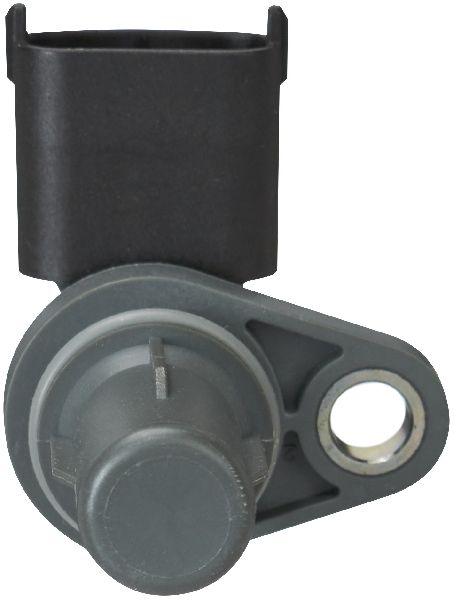
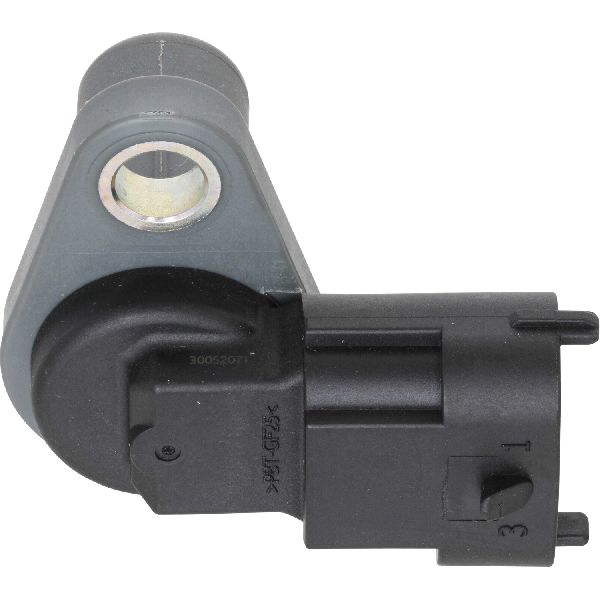
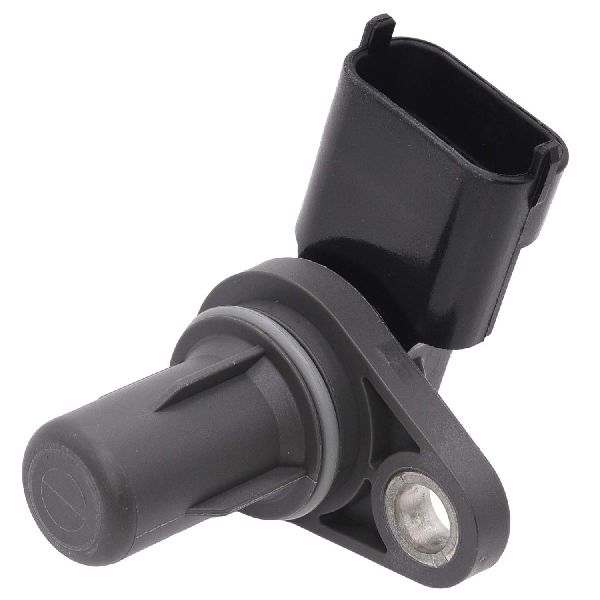
- Do not immediately replace the camshaft position sensor; it is rarely the cause of this specific code.
- If you hear a persistent engine rattle, especially on startup, the problem could be more serious, like a timing chain or phaser issue, which requires professional help.
What's Unique About the 2020-2024 Kia Telluride
The Lambda II 3.8L GDi V6 in the Telluride is a direct-injection engine that, like its sibling in the Hyundai Palisade, can be sensitive to oil level and condition. Many owners have reported significant oil consumption, sometimes as much as a quart every 1,000 miles, which makes regular oil level checks critical, as low oil pressure is a primary cause of this code. While the code itself is generic, its appearance on this platform strongly suggests starting with the most basic and common issue: the engine oil level and condition.
Symptoms You May Notice
- Check Engine Light is on
- Rough or unstable idle
- Poor acceleration or sluggish performance
- Engine stalling at low speeds or when stopping
- Reduced fuel economy
- Rattling or clicking noise from the engine on startup
- Replacing the Camshaft Position Sensor. This code indicates a mechanical timing performance issue, not a problem with the sensor's electrical circuit. A bad sensor would typically set a different code (e.g., P0345-P0349).
Most Likely Causes
- Low, Dirty, or Incorrect Viscosity Engine Oil 🔴 High Probability The CVVT system is entirely dependent on clean oil and proper pressure to function. These engines are known for potential oil consumption issues, making a low oil level a frequent trigger for P0022. Many owners on forums like Reddit report needing to add oil between changes.
How to confirm: Check the oil level on the dipstick and inspect its color and consistency. If the level is low or the oil is dark and sludgy, this is the likely cause.
Typical fix: Perform a complete oil and filter change using the manufacturer-recommended full synthetic 5W-30 oil. Monitor oil levels closely after the change. 🎬 Watch: Step-by-step guide to changing the oil on your Telluride.
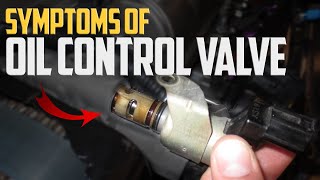
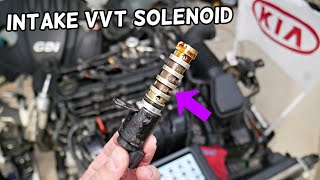
Est. part cost: $50-$100 - Faulty Bank 2 Intake Oil Control Valve (OCV) 🟡 Medium Probability → Shop Engine Variable Valve Timing (VVT) Solenoid The OCV (also called a VVT solenoid) is an electromechanical part that can get clogged with engine sludge or fail electronically. It's a common failure point on many Hyundai/Kia engines.
How to confirm: The most reliable DIY method is to swap the Bank 2 (front/radiator side) intake OCV with the Bank 1 (rear/firewall side) intake OCV. Clear the codes. If the fault code changes to P0012 (Bank 1 Over-Retarded), the OCV is confirmed to be bad.
Typical fix: Replace the faulty Oil Control Valve. On the Telluride, the Bank 2 OCV is on the front of the engine and is relatively easy to access. 🎬 Watch this video to see the VVT solenoid removal and location.
Est. part cost: $70-$150 - Failing Camshaft Phaser (CVVT Assembly) ⚪ Low Probability → Shop Engine Camshaft While less common than an OCV failure, the phaser itself can fail mechanically or become clogged with sludge, preventing it from rotating the camshaft correctly.
How to confirm: This is difficult to confirm without ruling out the oil and OCV first. A persistent rattling noise from the timing cover area on cold starts is a strong indicator. Professional diagnosis is typically required, often involving direct inspection of timing components.
Typical fix: Replace the Bank 2 intake camshaft phaser. This is a labor-intensive job that involves removing the valve cover and timing components.
Est. part cost: $200-$400
Rare But Worth Checking
- Stretched Timing Chain or Worn Guides/Tensioner: → Shop Engine Timing Chain Although less common on a newer vehicle, premature timing chain issues have been noted on the Lambda II engine family. This would typically be accompanied by a rattling noise and possibly other timing correlation codes like P0018.
- Faulty Positive Crankcase Ventilation (PCV) Valve: Some mechanics suggest a faulty PCV valve could contribute to the excessive oil consumption seen in some Kia/Hyundai engines, which in turn leads to low oil levels and can trigger P0022. This is an inexpensive part to consider replacing as preventative maintenance.
Diagnosis Steps
- Check Engine Oil: Verify the oil level is full and the oil is clean. If low, top it off. If old or dirty, perform an oil and filter change. This simple step resolves the code surprisingly often due to the engine's tendency to consume oil.
- Scan for Other Codes: Use an OBD-II scanner to see if any other codes are present that could point to a specific circuit failure (like P0020) or a larger timing issue (like P0018).
- Inspect OCV Connector: Visually inspect the wiring and connector for the Bank 2 intake OCV (front of the engine, on the valve cover) for any damage or oil contamination.
- Swap the Intake OCVs: A highly effective diagnostic step is to swap the Bank 2 (front) intake OCV with the Bank 1 (rear) intake OCV. Clear the codes and drive the vehicle. If the code returns as P0012 (Bank 1), you have confirmed the OCV is the faulty part.
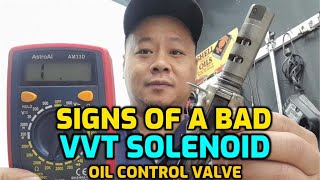
- Test the OCV (Optional): If you don't want to perform the swap, you can remove the suspect OCV and test its resistance with a multimeter. For similar Kia engines, the spec is around 6.9-7.9 ohms at 68°F (20°C). You can also apply 12V to see if the internal plunger actuates. 🎬 See how to test if your VVT solenoid is working properly.
- Advanced Mechanical Diagnosis: If the oil and OCV are good but the code persists, the issue is likely more serious, such as a failing camshaft phaser or a timing chain problem. This requires professional diagnosis.
Parts You'll Likely Need
- Engine Oil Control Valve (OCV)
(OEM #24355-3CAB2)— This solenoid is the most common hardware failure for P0022 after ruling out oil issues. It gets clogged or fails electronically, preventing proper oil flow to the cam phaser.
Trusted brands: Kia/Hyundai Genuine, Hitachi, YEBI
OEM price range: $70-$150
Aftermarket price range: $40-$90 - Intake Camshaft Phaser (CVVT Assembly)
(OEM #24350-3C100)— If the OCV and oil are fine, the mechanical phaser itself may be stuck or damaged, requiring replacement. This is a more complex and expensive repair. Note: This part number is for the intake phaser on similar Lambda engines and should be confirmed with a VIN.
Trusted brands: Kia/Hyundai Genuine
OEM price range: $200-$400
Aftermarket price range: $150-$250
Related Codes That Often Appear With This One
- P0012 — This is the equivalent over-retarded code for Bank 1. It will appear if a faulty Bank 2 OCV is swapped to Bank 1 for diagnostic purposes.
- P0021 — This is the over-advanced code for Bank 2. It can be caused by the same family of parts (OCV, phaser) but indicates the cam timing is stuck ahead of the commanded position.
Technical Service Bulletins (TSBs) & Recalls
- SC296: Safety Recall for Engine Sub-Assembly Replacement on certain 2024 models due to potentially faulty valve springs.
- SC303: Safety Recall Campaign for an Electronic Parking Brake (EPB) software update on 2020-2024 models to prevent roll-away risk.
- SC247: Safety Recall for 2020-2022 models equipped with a 4-pin tow hitch harness due to fire risk.
- SC316: Safety Recall for 2020-2024 models to fix a potential power seat motor fire hazard.
Platform-Specific Known Issues
- A safety recall (SC296) was issued for some 2024 Telluride models for engine valve springs, which could break and cause a loss of power or even a hole in the engine block.
- A safety recall (SC303) was issued for 2020-2024 models for a driveshaft engagement issue that could allow the vehicle to roll away while in Park. The fix is a software update.
- A safety recall (SC247) was issued for 2020-2022 models with a 4-pin tow harness, which could short circuit and cause a fire.
- A safety recall (SC316) was issued for 2020-2024 models because the front power seat motor could overheat from a stuck switch, posing a fire risk.
Mechanic-Grade Diagnostic Values
- Intake Oil Control Valve (OCV) Coil Resistance — expected: 6.9 - 7.9 Ohms at 68°F (20°C). Some sources also list 6.7 - 7.7 Ohms depending on the supplier (Delphi vs. Denso).. Failure: A reading of infinity (OL) indicates an open circuit, while a reading near zero indicates a short circuit. Either requires replacement of the OCV.
- OCV Connector Voltage — expected: Approximately 12V (battery voltage) on one of the two pins with the key on, engine off (KOEO).. Failure: No voltage suggests a problem in the wiring harness or with the power supply from the ECM.
- Scan Tool Live Data: Desired vs. Actual Camshaft Position (Bank 2) — expected: The 'Actual' angle should closely follow the 'Desired' or 'Commanded' angle, staying within a few degrees during engine operation.. Failure: A large, consistent negative difference between the actual and desired angle confirms the over-retarded condition reported by P0022.
Scan Tool Commands That Help
- Kia GDS (Global Diagnostic System) or equivalent advanced bidirectional scanner: CVVT Actuator Test / VVT Solenoid Bi-Directional Control — This command allows a technician to manually activate the Bank 2 intake OCV while the engine is idling. If the solenoid and phaser are working correctly, activating the solenoid will cause the engine to stumble or run rough. If there is no change in engine operation, it strongly points to a stuck/clogged OCV, a blocked oil passage, or a failed cam phaser.
Wiring & Ground Locations
- Bank 2 Intake OCV Connector — On the front (radiator side) of the engine, mounted to the valve cover.. This is the electrical connection for the primary suspect part. The two pins are for 12V power and the ECM ground-side control signal. Check for oil contamination, corrosion, or damage.
- Engine Ground Cable (91861-S9010) — Main battery ground cable for the engine wiring assembly.. A poor engine ground can cause a variety of electrical issues and sensor reading errors, though it is not a primary cause of a specific timing code like P0022. It's part of a comprehensive electrical check if other tests are inconclusive.
OEM Part Supersession History
221103CAB0, 221103CAB0A, 504R53CA00→24355-3CAB2— Part number consolidation and potential minor revisions over time for various 3.3L, 3.5L, and 3.8L Lambda engines.
Heads up: 24355-3CAB2 is the correct and most current part number for this application. Using older numbers from other Lambda engine variants is not advised.
Model Year Variations Within This Range
- 2020-2024: The Telluride received a major cosmetic and technology facelift for the 2023 model year, including new bumpers, grille, and a dual 12.3-inch screen dashboard. However, the core powertrain, the 3.8L Lambda II GDi V6 engine and its CVVT system, remained unchanged. Therefore, the causes and fixes for P0022 are identical across the 2020-2024 model year range.
Diagnostic Flowchart
Other Known Issues on This Vehicle
Issues unrelated to this code that are worth knowing about as an owner of this generation:
- Spontaneous Windshield Cracking 🟠 Medium — Widespread complaints across 2020-2023 models. Cracks can appear without obvious impact. Over 100 NHTSA complaints for the 2020 model alone. (Ref: Kia issued a 'Customer Satisfaction Initiative' for 2020 models offering a goodwill replacement, but no formal recall.)
- Tow Hitch Harness Fire Risk 🔴 High — Affects 2020-2022 models equipped with the genuine Kia 4-pin tow hitch harness. Debris and moisture can short the module, causing a fire while parked or driving. (Ref: Recall SC247 (NHTSA 22V-626). Owners were advised to park outside until a remedy, involving a new fuse and wiring extension, was performed.)
- Roll-Away Risk While in Park 🔴 High — Affects over 427,000 Tellurides from 2020-2024 model years due to potentially improperly engaged driveshafts. (Ref: Recall SC303. The fix involves a software update for the electronic parking brake and inspection/replacement of the intermediate shaft if necessary.)
- Excessive Oil Consumption 🟠 Medium — Numerous owner reports of engines consuming 1 quart of oil per 1,000 miles or more, which can lead to low oil levels and trigger codes like P0022. Some owners have required engine replacement under warranty.
- Power Seat Motor Fire Risk 🔴 High — Affects over 460,000 Tellurides from 2020-2024. A stuck power seat slide knob can cause the motor to overheat. (Ref: Recall SC316. Owners advised to park outside. Dealers will install a bracket for the switch covers and replace the slide knobs.)
- Blank or Malfunctioning LCD Instrument Cluster 🟡 Low — Some 2022-2023 models have experienced blank digital instrument clusters, losing access to speedometer, fuel gauge, etc. (Ref: Kia issued a recall for some 2022 and 2023 models to address the LCD screen issues.)
Used vs. New Parts: Buying Guide for This Vehicle
When a used part is the smart pick: For an Oil Control Valve (OCV), a used part from a low-mileage, verified-running donor vehicle (e.g., a rear-end collision) can be a cost-effective option. Given the relatively low cost of a new aftermarket part, the savings may be minimal.
Donor-vehicle mileage cap: roughly under 50000 miles for the part to have meaningful remaining life.
What to inspect on the donor part:
- Inspect the OCV's mesh screens for any metallic debris or sludge.
- Ensure the electrical connector is clean and free of corrosion or oil.
- If possible, test the resistance with a multimeter before purchase to ensure it's within the 6.9-7.9 ohm specification.
OEM-only on this vehicle (don't cheap out):
- Camshaft Phaser (CVVT Assembly)
- Timing Chain and related components (Tensioners, Guides)
Aftermarket brands forum-validated for this vehicle:
- Delphi (often an OE supplier)
- Aisin
Brands owners have reported issues with on this vehicle:
- Unbranded, 'white-box' parts from online marketplaces should be avoided, as their internal construction and coil windings may not meet OEM specifications for durability and precise operation.
Real Owner Stories
Aggregated from forums and TSBs cited above. Mileages and costs reflect what owners reported in those sources.
2020 Kia Telluride 3.8L V6
Symptoms: The owner experienced excessive oil consumption which eventually led to a situation requiring a full engine replacement under warranty.
What fixed it: Full engine replacement by the dealer.
Source hint: reddit.com/r/KiaTelluride thread titled '2020 Kia Telluride - Engine Replacement Due to Excessive Oil Consumption'
2020-2024 Kia Telluride 3.8L V6
Symptoms: Owners reported the engine consuming 1 quart of oil per 1,000 miles or more, leading to low oil levels.
What fixed it: Monitoring oil levels closely and adding oil between changes to maintain proper CVVT function.
Source hint: reddit.com/r/KiaTelluride thread titled 'Close to buying Telluride, is oil consumption a real issue...'
Related OBD-II Codes
Frequently Asked Questions
Could the safety recall SC296 for engine valve springs be related to my P0022 code on a 2024 Telluride?
Is there a specific oil type I should use for my Telluride to prevent CVVT issues like P0022?
I've heard about Tellurides rolling away in Park; is this related to the engine timing?
Can I test the Oil Control Valve (OCV) on my 3.8L GDi V6 myself?
Is the Bank 2 intake OCV easy to reach on the Telluride?
Does the Telluride have a known issue with oil consumption that triggers P0022?
Helpful Videos

We Have This Part in Stock

The information in this article is provided for general reference and educational purposes only. Vehicle specifications, procedures, and part compatibility can vary by production date, trim level, and region. Always consult your vehicle's factory service manual and verify part numbers before purchasing or performing repairs. Safety-critical components such as airbags, seat belts, and braking systems should be installed by a qualified professional.
- Kia Telluride:
- 🧭 Diagnostic Flowchart
- 🎬 Helpful Videos
- 🛍️ Shop This Part
- What's Unique About the 2020-2024 Kia Telluride
- Symptoms You May Notice
- Most Likely Causes
- Rare But Worth Checking
- Diagnosis Steps
- Parts You'll Likely Need
- Related Codes That Often Appear With This One
- Technical Service Bulletins (TSBs) & Recalls
- Platform-Specific Known Issues
- Mechanic-Grade Diagnostic Values
- Scan Tool Commands That Help
- Wiring & Ground Locations
- OEM Part Supersession History
- Model Year Variations Within This Range
- Other Known Issues on This Vehicle
- Used vs. New Parts: Buying Guide for This Vehicle
- Real Owner Stories
- 2020 Kia Telluride 3.8L V6
- 2020-2024 Kia Telluride 3.8L V6
- Related OBD-II Codes
- Frequently Asked Questions
- 🎟️ Get 5% Off