

P0022 on 2014-2018 Mazda 3: Why This Code is Invalid and How to Fix the Real Problem (P0012)
If your scanner shows P0022 on a 2014-2018 Mazda 3, it's a tool error. The real code is P0012, which is almost always caused by a failing electric intake VVT actuator. Check for TSB 01-007/15 (2014 models) or a needed software update (2018 models) before replacing parts.
- Code P0022 is invalid for your Mazda 3; the real problem is indicated by code P0012.
- Before buying parts, check if your car is covered by Mazda TSB 01-007/15 (for 2014 models) or needs a software update (especially 2018 models).
- The most likely failed part is the electric VVT actuator (phaser) on the intake camshaft, not a simple oil control solenoid.
- Do NOT replace the exhaust oil control valve (OCV) or the camshaft position sensor to fix this code, as they are common misdiagnoses.
- Replacing the VVT actuator is a moderately difficult DIY job (4/5) that requires removing the valve cover.
What's Unique About the 2014-2018 Mazda 3
The Skyactiv-G engine has a unique variable valve timing (VVT) system. Unlike most engines that use oil-pressure-driven solenoids (OCVs) for both camshafts, this engine uses a sophisticated electric motor to control the intake camshaft timing. The exhaust camshaft uses a conventional OCV. This design means that the most common cause for an intake timing code (P0012) is the failure of the electric VVT actuator or its motor, not a simple clogged OCV solenoid or low oil pressure, which are common culprits on other vehicles.
Symptoms You May Notice
- Check Engine Light is on
- Reduced engine power and poor acceleration, sometimes described as 'limp mode'
- Rough or unstable engine idle
- Engine may be difficult to start
- Decreased fuel economy
- Rattling noise from the engine on cold starts (less common, may indicate a timing chain issue)
- Difficulty driving uphill due to power loss
- Replacing the Camshaft Position Sensor: This sensor reports the problem but doesn't cause the mechanical timing lag.
- Replacing the Exhaust VVT Solenoid (Oil Control Valve): The P0012 code is for the intake side, which is controlled by an electric motor on this engine, not the exhaust-side oil solenoid.
Most Likely Causes
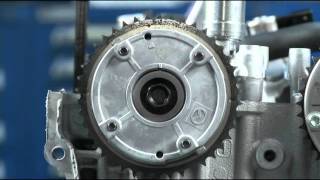
- Failing Electric VVT Actuator (Phaser) 🔴 High Probability Mazda issued TSB 01-007/15 for certain 2014 Mazda 3 models due to VVT actuator spring shaft fatigue, which causes the actuator to fail and get stuck. Across all years, the actuator can mechanically bind or stick in the fully retarded position, a failure demonstrated in detailed diagnostic videos. 🎬 Watch: Diagnostic steps for a stuck VVT actuator
How to confirm: Perform a VVT performance test with a diagnostic scan tool (like Mazda's M-MDS or a capable aftermarket tool like Topdon) to see if the actual intake cam angle (VT IN_ACT) follows the desired angle (VT IN_DES). A significant lag or a value stuck at zero points to a faulty actuator. A temporary fix can sometimes be achieved by removing the VVT motor and manually rotating the phaser to free it, but the problem often returns.
Typical fix: Replace the electric VVT actuator located on the front of the intake camshaft. This requires removing the valve cover and valve cover gasket.
Est. part cost: $300-$550 - Outdated Powertrain Control Module (PCM) Software 🟡 Medium Probability For 2018 models specifically, Mazda released TSB 01-014/19 which indicates that improper PCM logic can falsely trigger a P0012 code. This TSB applies to Mazda 6 and CX-5 models with specific VINs and Mitsubishi-made PCMs, but the logic fix is relevant.
How to confirm: A Mazda dealership or a qualified shop with the proper equipment can check the current software version of your PCM and compare it to the latest available version referenced in the TSB.
Typical fix: Reprogram the PCM with the updated software. This may be the only repair needed and should be performed before replacing hardware on applicable models.
Est. part cost: $0-$200 - Failing Electric VVT Adjust Motor 🟡 Medium Probability
How to confirm: If the VVT actuator (phaser) is confirmed to be good or has been replaced, the motor that drives it can be tested for electrical faults (opens, shorts) or mechanical binding. The motor is a three-phase electric motor that can be removed separately from the phaser. Unplugging the motor's electrical connector should trigger a P0010 code, which can quickly verify the PCM is monitoring the circuit.
Typical fix: Replace the electric VVT motor. This is a separate part from the actuator/phaser and is mounted on the side of the head.
Est. part cost: $90-$200 - Low or Dirty Engine Oil ⚪ Low Probability While the intake VVT system is electric, the rest of the engine, including the exhaust VVT system and timing chain tensioner, relies on clean oil at the correct pressure. Extremely poor oil condition or low levels can contribute to overall timing system sluggishness, though it's rarely the root cause for an intake-specific code on this engine.
How to confirm: Check the oil level on the dipstick and inspect its color and consistency. If it's low, black, or sludgy, it needs to be changed. This should always be the first check. 🎬 See how low oil triggers limp mode and P0012
Typical fix: Perform an engine oil and filter change using the manufacturer-recommended full synthetic oil (e.g., 0W-20).
Est. part cost: $40-$80
Rare But Worth Checking
- Stretched Timing Chain or Failed Tensioner: → Shop Engine Timing Chain While less common on this platform than the VVT actuator failure, significant mileage or poor maintenance can lead to a stretched chain, causing a correlation code like P0016 to appear alongside P0012.
- Wiring or Connector Issue: Damage to the wiring harness for the VVT motor or camshaft position sensor can cause intermittent signals and trigger the code. This can be due to chafing, corrosion, or rodent damage.
- Worn Camshaft or Cam Cap Journal: → Shop Engine Camshaft In very rare cases, particularly on engines with a history of poor maintenance or a very loose timing chain, the camshaft journal where the VVT system receives oil pressure can become scored. This causes an internal oil leak, preventing the system from operating correctly even if all other parts are new.
Diagnosis Steps
- Confirm the Code: Verify the code with a scan tool. If it shows P0022, understand that the true code is P0012.
- Check Engine Oil: Before any other step, inspect the engine oil level and condition. Ensure it is full and clean. If not, perform an oil and filter change with 0W-20 synthetic oil, clear the code, and see if it returns.
- Check for TSBs: This is a critical step. Check if your vehicle's VIN falls under TSB 01-007/15 (for 2014 models). For 2018 models, inquire with a dealer about TSB 01-014/19 for a potential PCM software update, even though the TSB technically lists the Mazda 6 and CX-5.
- Test VVT System Performance: Using a capable scan tool, graph the desired vs. actual intake camshaft angle (PIDs: VT IN_DES and VT IN_ACT). At idle and while revving the engine, the actual angle should closely follow the desired angle. If the actual angle is stuck at or near 0, the actuator is stuck.
- Inspect VVT System Wiring: Check the electrical connectors and wiring to the electric VVT motor and the camshaft position sensor for any visible damage, corrosion, or looseness.
- Manually Check for Binding (Advanced): If comfortable, remove the passenger side engine mount and the electric VVT motor. Attempt to rotate the VVT phaser mechanism by hand. It should move smoothly. If it is stuck or has a tight spot, the phaser has failed internally.
- Replace VVT Components: Based on the tests, replace the electric VVT actuator (phaser) and/or the VVT motor. The valve cover gasket must also be replaced.
- Inspect Timing Chain: If the issue persists after replacing VVT components, a more in-depth inspection of the timing chain for stretching or damage may be necessary, though this is a less likely cause.
Parts You'll Likely Need
- Electric VVT Actuator (Phaser)
(OEM #PE01-12-4X0C)— This is the most common failure point, specifically cited in a Mazda TSB for causing code P0012 due to internal spring fatigue or mechanical binding.
Trusted brands: Mazda (OEM)
OEM price range: $400-$550
Aftermarket price range: $300-$450 - Valve Cover Gasket
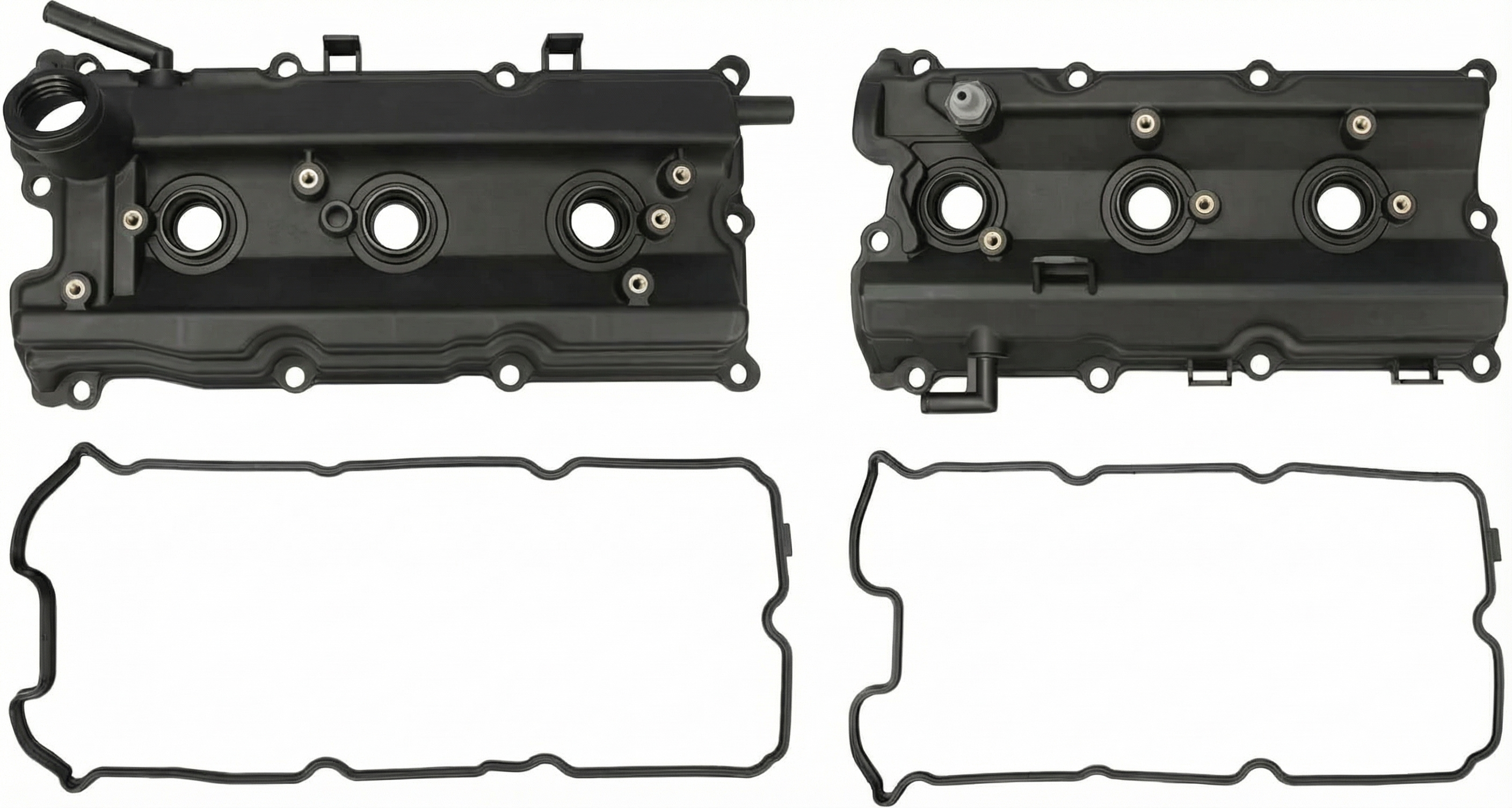
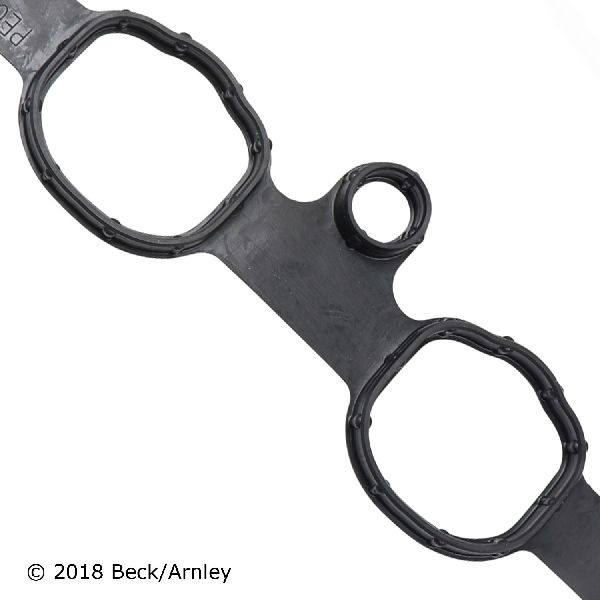
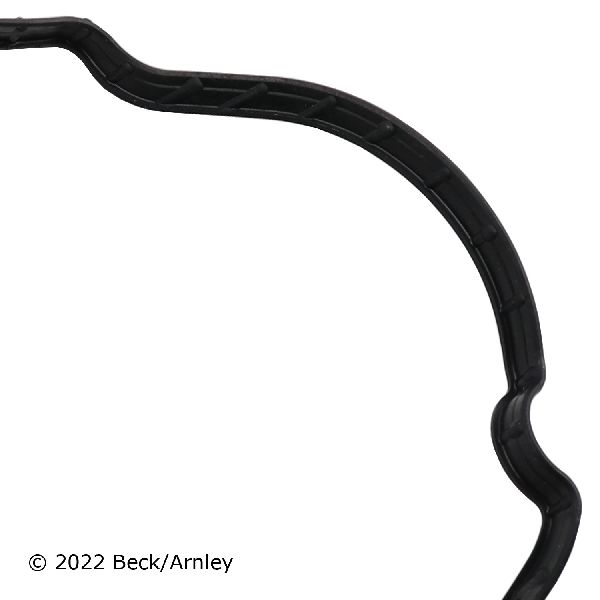
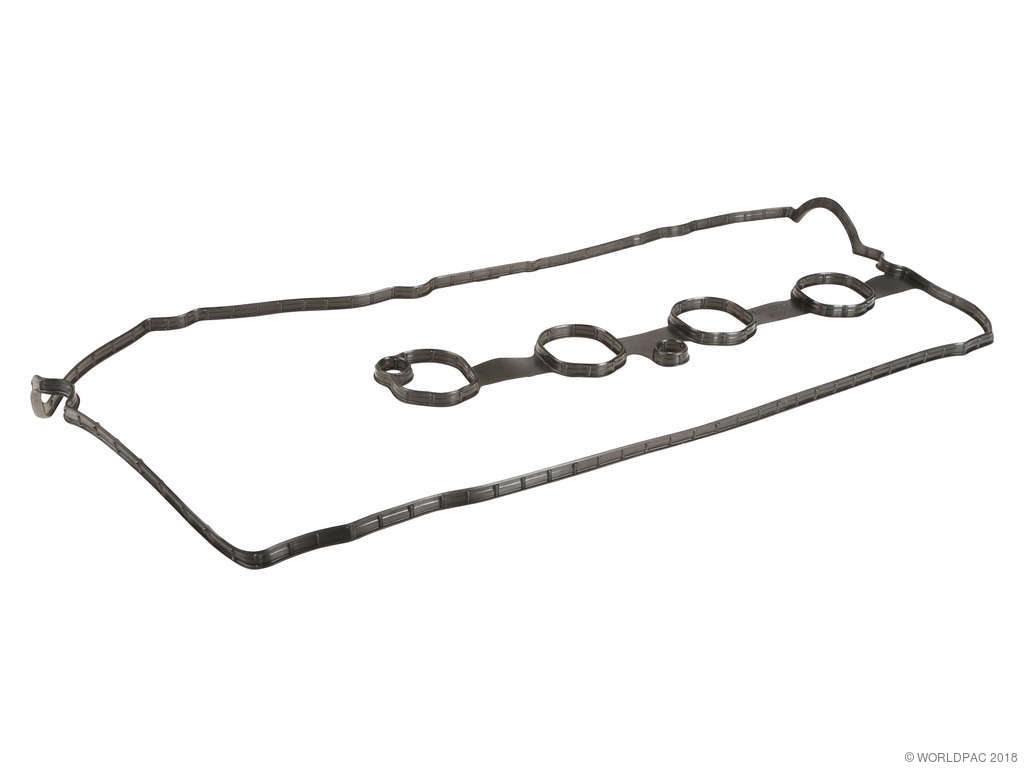
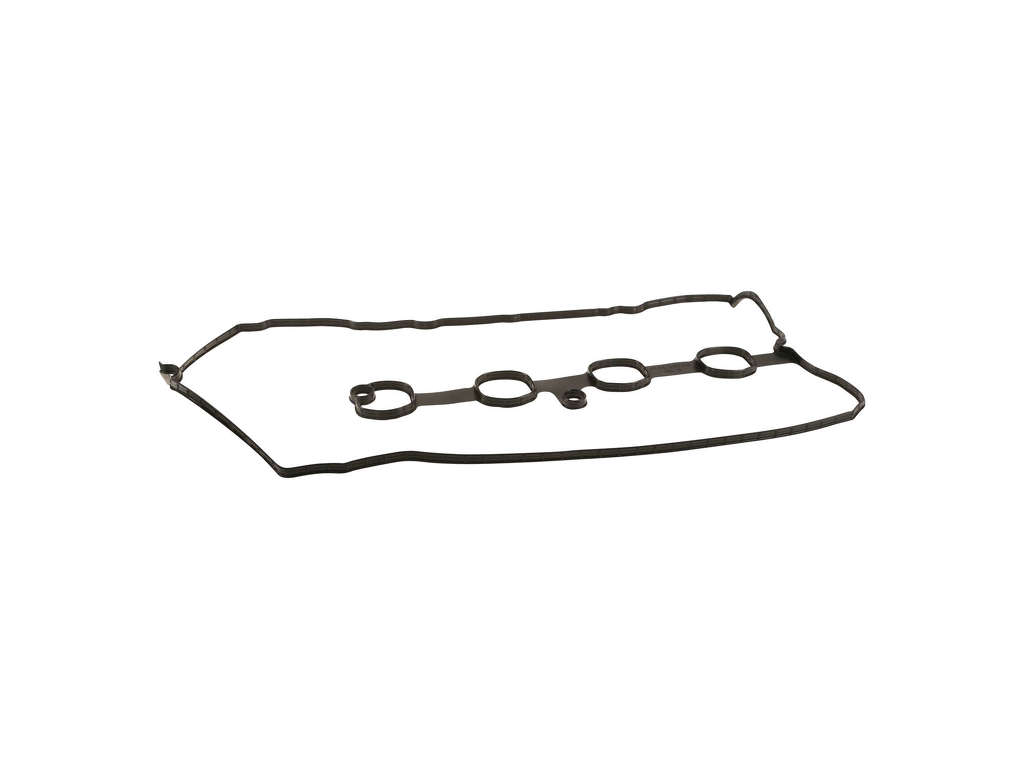
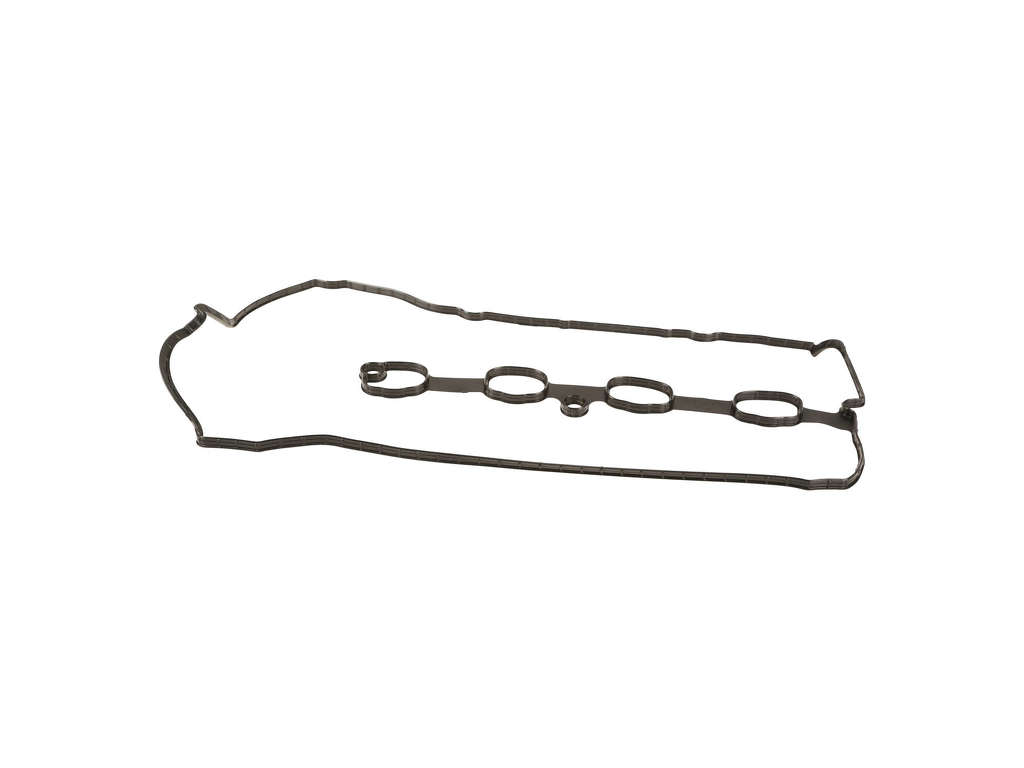
(OEM #PY01-10-235)— This is a one-time-use gasket that must be replaced any time the valve cover is removed to access the VVT actuator. 🎬 Watch: Step-by-step valve cover gasket replacement
Trusted brands: Mazda (OEM), Fel-Pro, Mahle
OEM price range: $30-$50
Aftermarket price range: $20-$40 - Electric VVT Adjust Motor
(OEM #PE01-12-4Z0C)— This motor drives the actuator and can fail electrically or mechanically, preventing timing adjustments. It is a separate part and the second most likely component to fail. This part supersedes older versions PE01-12-4Z0A and PE01-12-4Z0B.
Trusted brands: Mazda (OEM)
OEM price range: $150-$250
Aftermarket price range: $90-$180
Related Codes That Often Appear With This One
- P0011 — This code for 'Timing Over-Advanced' can be caused by the same failing VVT actuator getting stuck in a different position. TSB 01-007/15 covers both P0011 and P0012.
- P0016 — Indicates a 'Crankshaft Position - Camshaft Position Correlation' error. This can appear if the timing is significantly off due to a failing actuator or a stretched timing chain.
- P0300 — A 'Random Misfire' code can be triggered because the incorrect cam timing disrupts the air/fuel mixture and causes engine instability.
Technical Service Bulletins (TSBs) & Recalls
- 01-007/15 - CHECK ENGINE LIGHT ON WITH DTCS P0011:00 AND/OR P0012:00.
- 01-014/19 - (Referenced for 2018 models) False P0012 code triggered by improper PCM logic, fixed by software update.
Platform-Specific Known Issues
- TSB 01-007/15: Affects certain 2014 Mazda 3 models (VINs JM1BM**177872 to 196206) where the electric VVT actuator can fail due to spring shaft fatigue, causing P0011 and/or P0012.
Mechanic-Grade Diagnostic Values
- DTC P0012 Trigger Condition — expected: The PCM detects the actual intake valve timing is over-retarded by 5° or more from the target timing for a continuous period of 5 seconds while the engine speed is below 4,000 RPM.. Failure: If the condition is met in one drive cycle, a pending code is stored. If met in two consecutive drive cycles, the Check Engine Light is illuminated.
- Camshaft Position (CMP) Sensor Resistance — expected: 400-550 ohms between sensor terminals A and B (with sensor disconnected).. Failure: Resistance outside of this range indicates a faulty sensor.
- Live Data: Desired vs. Actual Intake Cam Angle — expected: Using a scan tool (like M-MDS), monitor PIDs 'VT_IN_DES' (desired) and 'VT_IN_ACT' (actual). When revving the engine, 'VT_IN_ACT' should closely follow 'VT_IN_DES'.. Failure: If 'VT_IN_ACT' remains stuck at or near 0 degrees while 'VT_IN_DES' changes, it confirms the VVT actuator (phaser) is physically stuck or the electric motor has failed.
Scan Tool Commands That Help
- Mazda M-MDS (or equivalent): Active Test: Monitoring VT IN_DES vs. VT IN_ACT PIDs — This is the primary method to confirm a P0012 fault. The technician commands engine speed changes while observing if the actual camshaft angle responds to the PCM's desired angle. A lack of response confirms a stuck or failed VVT system.
- Manual Test (verifies PCM circuit): VVT Motor Circuit Integrity Check — To quickly test the PCM's ability to monitor the circuit, a technician can unplug the VVT motor's electrical connector. The PCM should then set a P0010 (Intake 'A' Camshaft Position Actuator Circuit) code, confirming the wiring from the PCM is likely intact.
Wiring & Ground Locations
- G08 — Located on the left rear of the engine.. This is a primary engine ground point. A poor or corroded connection here can cause erratic voltage and faulty operation of various engine sensors and actuators, including the electric VVT motor and camshaft position sensor.
Real Owner Repair Stories
- Pine Hollow Auto Diagnostics (YouTube) (2016 Mazda CX-5 (Same Skyactiv-G engine and VVT system)) — Check Engine Light with code P0012, low power.
❌ Tried (didn't work) The problem was a recurring issue. The code returned after about 1,000 miles.
✅ What actually fixed it The mechanic removed the electric VVT motor and found the actuator (phaser) had a mechanical tight spot, preventing it from moving freely. Manually rotating the actuator back and forth freed the tight spot, which resolved the code temporarily. The root cause is the mechanical failure of the actuator, which eventually requires replacement.
OEM Part Supersession History
PE01-12-4Z0A, PE01-12-4Z0B→PE01-12-4Z0C— Component revision and improvement by the manufacturer.
Heads up: The newest part number (PE01-12-4Z0C) should always be used for replacement to ensure the latest design is installed.
Model Year Variations Within This Range
- 2017-2018: Mazda implemented a mid-cycle refresh for the 2017 model year, which included a new grille, steering wheel, and updated option packages. While the core 2.0L and 2.5L engines did not change, these later models may have different software logic, as evidenced by the 2018-specific TSB for false P0012 codes.
Diagnostic Flowchart
Other Known Issues on This Vehicle
Issues unrelated to this code that are worth knowing about as an owner of this generation:
- Infotainment 'Ghost Touch' and Delamination 🟠 Medium — Very common on 2014-2016 models. The screen may register phantom touches, change settings, or become unresponsive. (Ref: Mazda issued a warranty extension program (SSPB6) for this issue, covering repairs for 7 years from the original warranty start date.)
- Leaking/Failing Serpentine Belt Tensioner 🟠 Medium — A common failure point where the hydraulic tensioner leaks oil, leading to belt noise and eventual failure.
- Intake Valve Carbon Buildup 🟡 Low — As a direct-injection engine, some carbon buildup on intake valves is expected over high mileage (80,000+ miles), potentially causing rough idle or misfires. However, Mazda's design makes it less severe than on other GDI engines. (Ref: TSB 01-012/19 addresses misfire codes (P0300-P0304) due to carbon buildup on earlier Skyactiv models (2012-2013 Mazda 3).)
- Failing Rear Brake Calipers / Parking Brake Actuators 🟠 Medium — The electronic parking brake actuators can fail, causing the parking brake to stick or not engage. (Ref: Recall 1217F was issued for this problem.)
Used vs. New Parts: Buying Guide for This Vehicle
When a used part is the smart pick: Given the high failure rate and specific TSBs related to internal fatigue of the VVT actuator, buying a used actuator or motor is generally not recommended. A used part may have the same defect or a limited remaining lifespan. A used part should only be considered as a last resort or for a temporary, budget-conscious repair if the donor vehicle is known to be very low mileage.
Donor-vehicle mileage cap: roughly under 40000 miles for the part to have meaningful remaining life.
What to inspect on the donor part:
- Verify the donor vehicle's VIN is outside of the range specified in TSB 01-007/15.
- If possible, inspect the donor vehicle's maintenance records for consistent oil changes with 0W-20 synthetic oil.
- Physically inspect the part for any signs of external damage, corrosion, or sludge buildup.
OEM-only on this vehicle (don't cheap out):
- Electric VVT Actuator (Phaser)
- Electric VVT Adjust Motor
Aftermarket brands forum-validated for this vehicle:
- No aftermarket brands are consistently cited as being as reliable as the OEM Mazda parts for the core VVT components (actuator and motor).
Brands owners have reported issues with on this vehicle:
- Generic, unbranded parts from online marketplaces should be avoided, as the precision of VVT components is critical for engine function.
Real Owner Stories
Aggregated from forums and TSBs cited above. Mileages and costs reflect what owners reported in those sources.
2016 Mazda CX-5 2.5L Skyactiv-G
Symptoms: Vehicle entered 'limp mode' with reduced power and poor acceleration immediately following an oil change.
What fixed it: The technician removed the electric VVT motor and manually rotated the VVT phaser mechanism to free it from its stuck retarded position.
Source hint: YouTube: LIMP MODE After Oil Change?? ('16 Mazda CX5: P0012 - ELECTRIC VVT!) - Pine Hollow Auto Diagnostics
2019 Mazda CX-5 Skyactiv-G — ~2485 miles
Symptoms: Camshaft position fault (P0012) occurring on a very low-mileage vehicle.
What fixed it: Diagnosis identified the issue within the electric intake VVT system, distinguishing it from the hydraulic exhaust side.
Source hint: Mazdas247 Forum: P0012 camshaft position fault, 2019 CX-5 with 4000 km
2016 Mazda 6 2.5L Skyactiv-G
Symptoms: Persistent error code accompanied by a significant loss of engine power.
What fixed it: Replacement of the electric VVT actuator, referred to as the 'electromagnetic asterisk'.
Source hint: Mazda6 Forums: Mazda6 (2016), P0012 error - How to fix?
Related OBD-II Codes
Frequently Asked Questions
My scan tool shows P0022 on my Mazda 3, but the article mentions P0012. Which one is it?
Does TSB 01-007/15 apply to my 2014 Mazda 3?
I have a 2018 Mazda 3; could a software update fix my P0022/P0012 code?
Can I just change my oil to fix the P0022 code on the Skyactiv-G engine?
Is the VVT motor and the VVT actuator the same part?
How can I tell if my VVT actuator is actually stuck?
Helpful Videos
Used OEM Parts in Stock
New Aftermarket Parts Available


The information in this article is provided for general reference and educational purposes only. Vehicle specifications, procedures, and part compatibility can vary by production date, trim level, and region. Always consult your vehicle's factory service manual and verify part numbers before purchasing or performing repairs. Safety-critical components such as airbags, seat belts, and braking systems should be installed by a qualified professional.
- Mazda 3:
- 🧭 Diagnostic Flowchart
- 🎬 Helpful Videos
- 🛍️ Shop This Part
- What's Unique About the 2014-2018 Mazda 3
- Symptoms You May Notice
- Most Likely Causes
- Rare But Worth Checking
- Diagnosis Steps
- Parts You'll Likely Need
- Related Codes That Often Appear With This One
- Technical Service Bulletins (TSBs) & Recalls
- Platform-Specific Known Issues
- Mechanic-Grade Diagnostic Values
- Scan Tool Commands That Help
- Wiring & Ground Locations
- Real Owner Repair Stories
- OEM Part Supersession History
- Model Year Variations Within This Range
- Other Known Issues on This Vehicle
- Used vs. New Parts: Buying Guide for This Vehicle
- Real Owner Stories
- 2016 Mazda CX-5 2.5L Skyactiv-G
- 2019 Mazda CX-5 Skyactiv-G — ~2485 miles
- 2016 Mazda 6 2.5L Skyactiv-G
- Related OBD-II Codes
- Frequently Asked Questions
- 🎟️ Get 5% Off