

P0022 on 2006-2010 Mercury Mountaineer 4.6L V8: Causes and Fixes for Over-Retarded Camshaft Timing
On the 4.6L 3V V8, code P0022 is most often caused by a faulty Variable Camshaft Timing (VCT) solenoid on the driver's side (Bank 2) or by low/dirty engine oil. Replacing a VCT solenoid costs about $40-$100 for the part and is a common DIY fix. Always use the correct 5W-20 oil.
- Before buying any parts, check your engine oil. Low, old, or incorrect viscosity (non 5W-20) oil is the #1 cause of P0022 on this engine.
- The most likely part to have failed is the driver's side (Bank 2) VCT solenoid. It's a common DIY repair that costs under $100.
- Do not replace the camshaft position sensor; it is almost never the cause of this code.
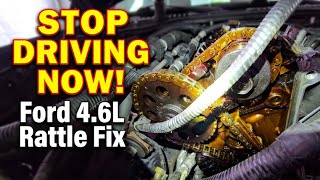
- If you hear a loud, diesel-like rattle from the front of the engine, the problem is likely a more serious and expensive cam phaser failure.
- This is a well-known issue on Ford's 3-valve engines. Use only high-quality replacement parts, with Motorcraft being the highly recommended brand for VCT components.
What's Unique About the 2006-2010 Mercury Mountaineer
The Ford 4.6L 3-Valve V8 engine, shared by the Mountaineer and Ford Explorer, is notorious for issues within its Variable Camshaft Timing (VCT) system. The system is highly sensitive to oil pressure and cleanliness, and components like the VCT solenoids and cam phasers are well-documented failure points. Many problems that trigger a P0022 code on this specific engine are linked to oil sludge from extended oil change intervals, incorrect oil viscosity, or the original design of the timing components which have since been updated by Ford.
Symptoms You May Notice
- Check Engine Light is on
- Rough, shaking idle, especially when warm
- Engine stalling at low speeds or when coming to a stop, sometimes with the idle dropping as low as 250 RPM.
- Poor acceleration and loss of power
- A rattling or knocking noise from the engine, often described as a "diesel sound", most noticeable at hot idle as the phaser fails to lock into its base position.
- Decreased fuel economy
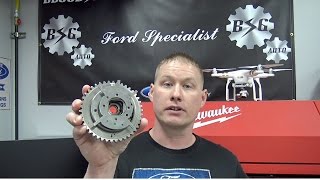
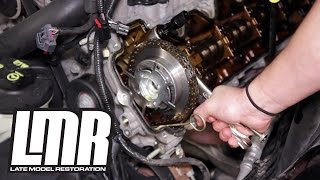
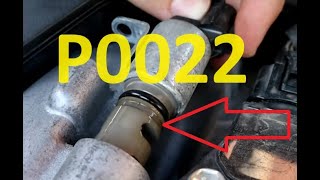
- Replacing the Camshaft Position Sensor. P0022 is a mechanical timing code, not an electrical sensor failure code. The sensor is correctly reporting that the timing is wrong. While the 🎬 Watch: A breakdown of P0022 causes and common fixes. sensor can fail, it typically produces different codes (e.g., P0345, P0349).
Most Likely Causes
- Low, Dirty, or Incorrect Viscosity Engine Oil 🔴 High Probability The 3V VCT system is hydraulically operated and extremely sensitive to oil pressure and flow. Sludge buildup from infrequent oil changes or using oil other than the specified 5W-20 can clog small passages in the VCT solenoids and cylinder heads. In one documented case, a shop using 5W-40 oil instead of the required 5W-20 was the direct cause of a P0022 code.
How to confirm: Check the oil level on the dipstick and note its condition. If it's low, black, or sludgy, this is your starting point. Ensure the correct 5W-20 oil is being used.
Typical fix: Change the engine oil and filter using the correct grade of oil (Motorcraft 5W-20 is recommended) and a quality filter with a proper anti-drainback valve, like the Motorcraft FL-820S.
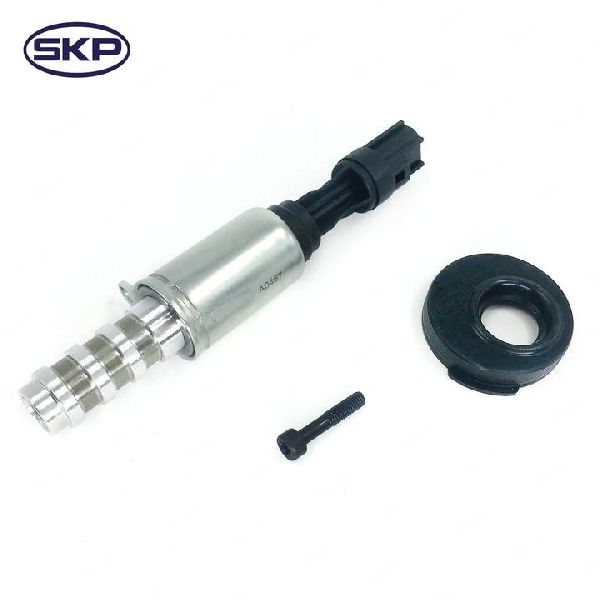
Est. part cost: $40-$80 - Faulty VCT Solenoid (Bank 2) 🔴 High Probability → Shop Engine Variable Valve Timing (VVT) Solenoid The solenoids contain fine mesh screens that get clogged with oil sludge or debris, causing them to stick or fail to direct oil pressure correctly. It's a very common failure point on this engine. The original parts have been superseded by an updated design.
How to confirm: After confirming good oil, the easiest test is to swap the Bank 2 (driver's side) VCT solenoid with the Bank 1 (passenger's side) solenoid. Clear the codes and drive. If the code changes to P0012 (Bank 1 Over-Retarded), the solenoid is confirmed bad.
Typical fix: Replace the Bank 2 VCT solenoid with a new Motorcraft part. This requires removing the driver's side valve cover.
Est. part cost: $40-$100 - Failed Cam Phaser (Bank 2) 🟡 Medium Probability → Shop Engine Timing Gear The original Ford cam phasers were known for internal weaknesses. The internal locking pin can fail or the vanes inside can break apart, causing the phaser to get stuck or rattle uncontrollably. Some aftermarket phasers, such as those from Dorman, have been reported by owners to fail prematurely or be defective out of the box.
How to confirm: This is often diagnosed after replacing the VCT solenoid with no change. A distinct rattling or knocking sound from the front of the valve cover at hot idle is a strong indicator. A mechanic can use a scan tool to monitor commanded vs. actual cam angle.
Typical fix: Replace the cam phaser, ideally with an OEM Motorcraft part. This is a much more involved job that requires removing the valve cover and timing cover.
Est. part cost: $150-$300
Rare But Worth Checking
- Worn Timing Chain Components: → Shop Engine Timing Chain A stretched timing chain, broken plastic guides, or failed tensioners can cause slack and incorrect timing. This is usually accompanied by loud chain slapping noises and is a major repair. Finding pieces of broken plastic guides in the oil pan is a definitive sign.
- Low System Oil Pressure: Beyond just dirty oil, a failing oil pump or worn main/thrust bearings can cause system-wide low oil pressure, starving the VCT system. This is a critical engine failure often indicated by codes P0012 and P0022 appearing together, and may require a complete rebuild.
- Clogged Cylinder Head Oil Passages: In high-mileage engines or those with a history of poor maintenance, oil sludge can clog the small oil galleries within the cylinder head that feed the VCT phaser. In some cases, even after replacing the solenoid and phaser, the code persists due to this oil starvation. This requires extensive cleaning or cylinder head replacement.
Diagnosis Steps
- Check Engine Oil: Verify the oil level is full and the oil is clean. If low or dirty, perform an oil change with 5W-20 synthetic blend oil and a quality filter (e.g., Motorcraft FL-820S). An incorrect oil viscosity can also cause this code.
- Scan Tool Data: Use a scan tool to monitor the commanded vs. actual camshaft position for Bank 2 (CMP2). If there is a significant lag or no response, it confirms a VCT system issue.
- Swap VCT Solenoids: Remove the valve covers and swap the VCT solenoids between Bank 1 (passenger) and Bank 2 (driver). Clear codes and drive. If the code changes to P0012, the solenoid you moved is faulty and needs replacement. This is the most definitive test for a bad solenoid.
- Inspect VCT Solenoid and Wiring: If the code remains P0022 after the swap, inspect the wiring and connector for the Bank 2 solenoid for damage. Test the solenoid for resistance (a good solenoid should read between 6.9 and 7.9 ohms).
- Inspect Cam Phaser: If the solenoid and wiring are good, the issue is likely mechanical. Listen for a distinct knocking/rattling from the Bank 2 cam phaser area at hot idle. This points to a failing phaser.
- Check Mechanical Timing & Oil Pressure: For advanced diagnosis, a mechanic will need to perform a hot oil pressure test at idle to rule out systemic pressure loss. If pressure is low (below 25 PSI at hot idle is a concern, below 15 PSI is critical), the oil pan may need to be dropped to inspect the oil pump pickup tube for debris from broken timing chain guides.
Parts You'll Likely Need
- Engine Variable Valve Timing (VCT) Solenoid
(OEM #8L3Z-6M280-B)— This is the most common failure point. The solenoid gets clogged with sludge and fails to properly regulate oil flow to the cam phaser. This is an updated part that supersedes 8L3Z-6M280-A and 3L3Z-6M280-EA.
Trusted brands: Motorcraft, Dorman
OEM price range: $80-$120
Aftermarket price range: $40-$70 - Engine Variable Camshaft Timing (VCT) Phaser
(OEM #3R2Z-6A257-DA)— If the VCT solenoid replacement doesn't fix the issue, the mechanical phaser itself has likely failed internally. It is highly recommended to use OEM Motorcraft phasers, as some aftermarket versions have been reported to fail quickly.
Trusted brands: Motorcraft
OEM price range: $150-$250
Aftermarket price range: $80-$150 - Valve Cover Gasket Set — The valve covers must be removed to access the VCT solenoids and cam phasers, and the gaskets should always be replaced to prevent oil leaks.
Trusted brands: Fel-Pro, Motorcraft
OEM price range: $50-$80
Aftermarket price range: $30-$50 - VCT Solenoid Seal
(OEM #3L3Z-6C535-AA)— This seal sits in the valve cover around the VCT solenoid. It becomes hard and brittle over time and should always be replaced when servicing the solenoid to prevent oil leaks. It is not reusable.
Trusted brands: Motorcraft
OEM price range: $10-$20
Aftermarket price range: $5-$15
Related Codes That Often Appear With This One
- P0012 — If both P0012 (Bank 1) and P0022 (Bank 2) are present, it strongly points to a systemic issue like low/dirty oil or a failing oil pump affecting the entire engine.
- P0300, P0302, P030x — Misfire codes for cylinders on Bank 2 can occur because the incorrect camshaft timing is causing poor combustion.
- P0316 — This code indicates a misfire on startup. Incorrect cam timing can cause misfires, which are most noticeable during the first 1000 engine revolutions.
- P0345 — This is a Camshaft Position Sensor circuit code for Bank 2. While P0022 is a mechanical problem, a failing sensor or wiring can sometimes accompany it, or be the initial symptom before the mechanical fault becomes clear.
Technical Service Bulletins (TSBs) & Recalls
- TSB 06-19-8: Addresses ticking or knocking noises from the VCT system. It advises technicians on how to diagnose the noise, which is often most noticeable at hot idle (oil temp above 160°F / 71°C), and to check oil type, viscosity, and filter quality before suspecting a hard part failure like a cam phaser.
Platform-Specific Known Issues
- The 4.6L 3V engine is known for developing oil sludge if oil changes are neglected, which is the root cause of most VCT system failures.
- Using an oil filter without the correct anti-drainback valve can cause a delay in oil pressure on startup, accelerating wear on timing components.
- Plastic timing chain guides are a known weak point and can break apart, with pieces falling into the oil pan and potentially clogging the oil pump pickup tube, leading to catastrophic oil pressure loss.
- Owners strongly recommend using only Motorcraft OEM VCT solenoids and cam phasers, as aftermarket parts have a reputation for being unreliable and failing shortly after installation.
Mechanic-Grade Diagnostic Values
- VCT Solenoid Resistance — expected: 6.9 to 7.9 ohms at 68°F (20°C).. Failure: A reading outside this range, or an open (OL) / short (0 ohms) circuit.
- Engine Oil Pressure (Hot Idle) — expected: Greater than 25 PSI.. Failure: Pressure consistently below 25 PSI at hot idle suggests insufficient pressure for the VCT system. Pressure below 15 PSI indicates a severe internal engine problem like worn bearings or failed tensioner seals.
- VCT Solenoid Connector Voltage (Key On, Engine Off) — expected: Battery voltage (approx. 12.6V) on the power supply pin.. Failure: No voltage or low voltage points to a wiring issue, blown fuse, or PCM power relay problem.
- FORScan/IDS Live Data: VCT Error PID (e.g., VCT_ERR2) — expected: Should be close to 0 degrees at idle. A variance of +/- 5 degrees is acceptable.. Failure: A large, consistent, or wildly fluctuating value on the VCT_ERR2 PID indicates the PCM cannot control the Bank 2 camshaft as commanded.
Scan Tool Commands That Help
- Ford IDS / FORScan: VCT Solenoid On/Off Cycle Test — As an initial diagnostic step. Per Ford TSBs, this command rapidly cycles the solenoid to dislodge small debris that may be causing it to stick. If the code clears after this test, it confirms a temporarily stuck solenoid and may avoid unnecessary replacement.
- Ford IDS / FORScan: Live Data Monitoring (VCT PIDs) — To diagnose the VCT system in real-time. Monitor PIDs like VCT_INT_ACT (actual angle), VCT_INT_DSD (desired angle), and VCT_ERR2 (error). A large discrepancy between desired and actual angles, or a high error value, confirms a fault in the system's response.
- Any Scan Tool: Disconnect VCT Solenoids — To isolate noise. If a rattling or knocking is present, unplugging both VCT solenoids forces the phasers into their default (locked) position. If the noise disappears during a test drive, it strongly suggests the noise is from the VCT system (phasers).
Wiring & Ground Locations
- VCT Solenoid Connector — On top of the driver's side (Bank 2) valve cover, plugging directly into the top of the VCT solenoid.. This is the primary point for electrical testing. One pin should have ~12V with the key on, and the other is a pulse-width modulated ground signal from the PCM. Oil can leak into this connector, causing a poor connection.
- PCM Connector C175B, Pin 68 — At the Powertrain Control Module (PCM), which is typically located in the engine bay near the firewall or battery.. This specific pin (for the Bank 2 VCT solenoid) is the control wire from the PCM. If voltage and resistance tests at the solenoid are inconclusive, testing for signal continuity back to this pin can identify a wiring harness break.
Real Owner Repair Stories
- F150online Forums user 'Bimmerod' (Ford F-150 5.4L 3V (mechanically similar VCT system)) — Stalling when hot, rough idle, rattling/clanking noise at hot idle, codes P0012 and P0022.
❌ Tried (didn't work) Replacing Bank 2 VCT solenoid, Replacing all spark plugs, Performing a complete timing job with new OEM phasers, chains, guides, and tensioners, Replacing the oil pump with a new unit, Cleaning the oil pickup tube
✅ What actually fixed it The issue persisted after a complete timing system overhaul. The root cause was determined to be excessive crankshaft end play due to failed/worn thrust washers/main bearings. This caused a system-wide loss of oil pressure at hot idle, starving the new VCT components. The ultimate fix required an engine rebuild or replacement. - Ford F150 Forum user 'jcid' (Ford F-150 5.4L 3V with 180,000 miles) — Low idle (250 RPM), stalling at stops, fluctuating oil pressure, knocking at low idle, codes P0022 and P0345.
❌ Tried (didn't work) Cleaning the throttle body, Replacing spark plugs, Replacing MAF sensor, Replacing throttle body sensor, Replacing VCT solenoids, Changing from Fram to a Motorcraft oil filter, A complete timing job (initially caused the cam to skip a tooth due to lack of oil pressure on startup)
✅ What actually fixed it After a full timing job fixed the oil pressure fluctuation but the P0022 code remained, the final fix was replacing the Bank 2 (driver's side) cam phaser itself. The old phaser was likely mechanically failed internally, which was not resolved by the new solenoid or other timing components. - NHTSA ODI #10628887 (Mercury Mariner - cross-model reference) — An owner reported that their check engine light came on and a diagnosis at a service center identified the P0022 code as being related to the VCT solenoids, even though the engine was still running fine at the time.
When the Usual Fixes Don't Work
- In one documented case on an F-150 with both P0012 and P0022, the owner performed a complete OEM timing job, including a new high-volume oil pump, but the codes and symptoms persisted at hot idle. The issue was not resolved by replacing every component of the VCT system. Disconnecting the VCT solenoids made the truck run smoothly (albeit without variable timing), indicating the underlying problem was the system's inability to handle oil pressure changes when active, even with all new parts. This points towards an issue beyond the common component failures, such as worn cam journals or other internal oil leaks that a standard timing job does not address.
OEM Part Supersession History
3L3Z-6M280-EA→8L3Z-6M280-A, then 8L3Z-6M280-B— Design updates to the VCT solenoid to improve oil flow characteristics and resistance to clogging from debris and sludge.
Heads up: The latest revision, 8L3Z-6M280-B, is fully backward compatible and is the recommended replacement for all 4.6L/5.4L 3V engines.
Model Year Variations Within This Range
- 2006-Mid 2008: Engines in this period used a 2-piece spark plug design (16mm thread) that is notorious for breaking off in the cylinder head during removal.
- Mid 2008-2010: Ford redesigned the cylinder heads to use a more conventional 1-piece spark plug (12mm thread), which resolved the breakage issue. The thermostat location also moved from an inline position to the crossover pipe between the heads around 2007-2008.
Diagnostic Flowchart
Used vs. New Parts: Buying Guide for This Vehicle
When a used part is the smart pick: For this specific repair, using used parts is generally not recommended due to the high failure rate of the key components. A used VCT solenoid or cam phaser carries a significant risk of being clogged or worn out. The only potentially viable used part would be a complete, low-mileage engine assembly from a reputable salvage yard as a last resort if the original engine has catastrophic failure (like worn thrust bearings).
Donor-vehicle mileage cap: roughly under 75000 miles for the part to have meaningful remaining life.
What to inspect on the donor part:
- For a complete engine: Ask for maintenance records, specifically oil change history.
- Remove the oil fill cap and look inside with a flashlight. Avoid any engine with visible thick, black sludge.
- If possible, have the salvage yard perform a compression test or provide oil pressure readings from when the engine was last run.
OEM-only on this vehicle (don't cheap out):
- Cam Phasers
- Timing Chain Tensioners
- VCT Solenoids
Aftermarket brands forum-validated for this vehicle:
- Melling (for high-volume oil pumps, often used as an upgrade during a timing job)
Brands owners have reported issues with on this vehicle:
- Dorman (specifically for Cam Phasers, as they are widely reported on forums to have a very high premature failure rate).
Real Owner Stories
Aggregated from forums and TSBs cited above. Mileages and costs reflect what owners reported in those sources.
2004 Ford F-150
Symptoms: A persistent Check Engine Light with code P0022.
What fixed it: The problem was caused by a dealership using the wrong oil viscosity (5W-40). The issue was resolved simply by changing the oil to the correct 5W-20.
Source hint: Go-Parts.com Blog: Real Owner Stories
Ford F-150
Symptoms: A recurring P0022 code that was difficult to diagnose, even after replacing other parts.
What fixed it: The ultimate fix was replacing the Bank 2 cam phaser with an OEM Ford part. The owner noted that a previously installed aftermarket Dorman phaser had failed internally.
Source hint: Ford F150 Forum: P0022 P0345 getting you down?
2005 Ford Mustang
Symptoms: The P0022 code would not go away even after replacing all the typical VCT system components.
What fixed it: The root cause was discovered to be a clogged oil gallery in the cylinder head, which was starving the VCT components of oil pressure.
Source hint: Go-Parts.com Blog: Real Owner Stories
Ford F-150 5.4L 3V
Symptoms: Codes P0012 and P0022 appeared at hot idle, even after a complete timing job including new phasers, chains, guides, tensioners, and a new oil pump.
What fixed it: The diagnosis pointed to a severe underlying mechanical issue: low systemic oil pressure caused by worn crankshaft thrust washers, a problem beyond the typical VCT components.
Source hint: F150online Forums: P0012 & P0022 - Complete Timing Job done, what now ???
Related OBD-II Codes
Frequently Asked Questions
I'm getting a P0022 code on my Mountaineer. What is the absolute first thing I should check?
I hear a rattling or 'diesel sound' at hot idle. Is this related to the P0022 code?
To save money, can I use aftermarket VCT solenoids or cam phasers on my 4.6L V8?
What specific oil and filter are recommended for the 2006-2010 Mountaineer 4.6L to prevent VCT issues?
Is there an easy way to test if my Bank 2 VCT solenoid is bad without special tools?
Does Ford have a Technical Service Bulletin (TSB) that addresses the engine noises associated with this code?
My mechanic replaced the solenoid and phaser, but the code persists. What else could cause P0022?
Helpful Videos
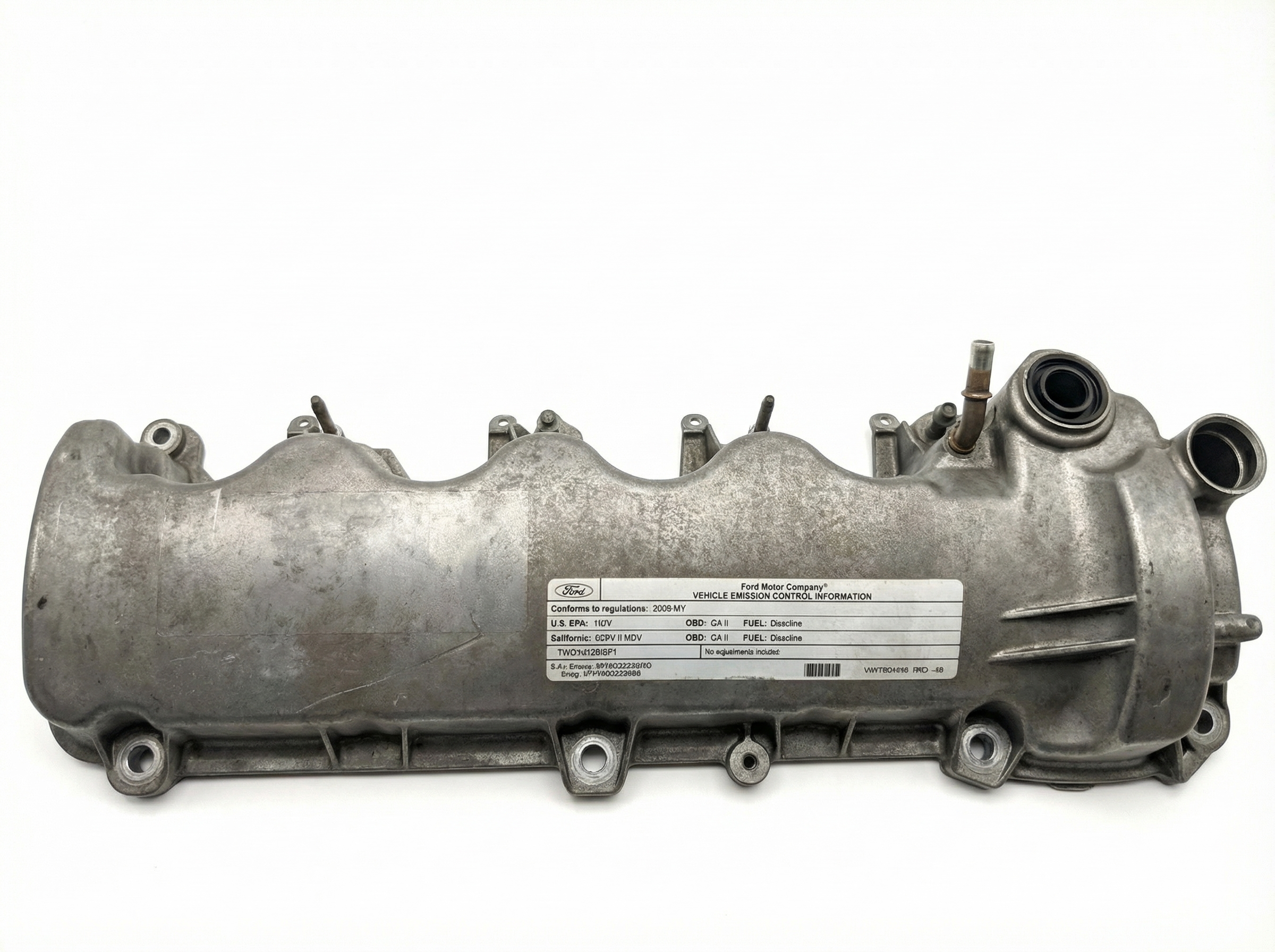
Used OEM Parts in Stock
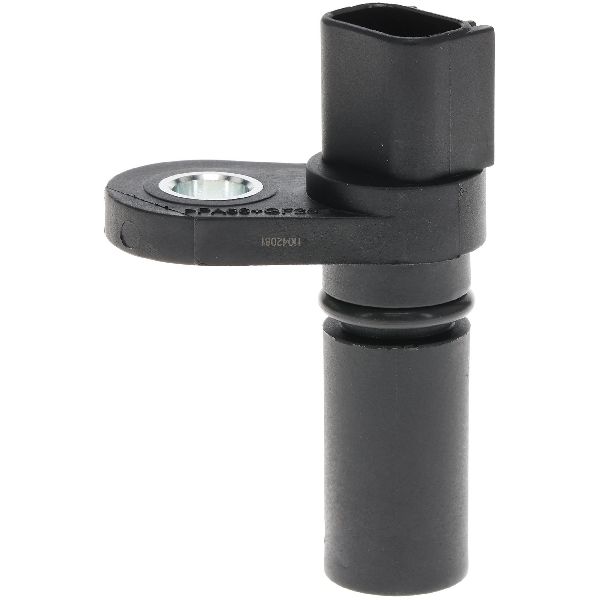
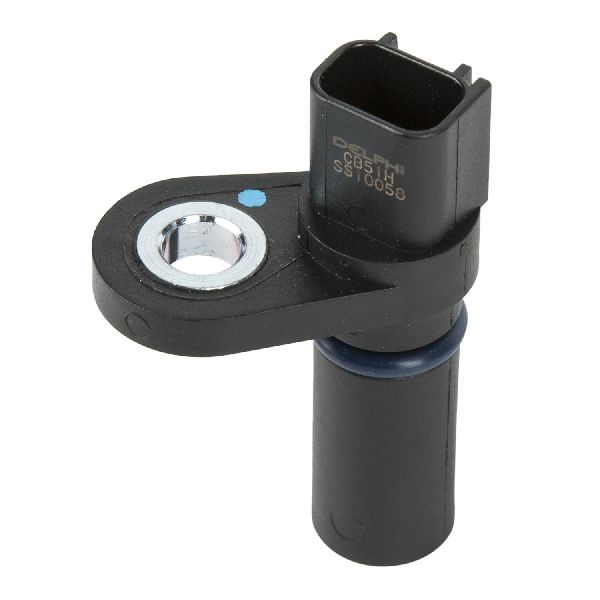
New Aftermarket Parts Available

The information in this article is provided for general reference and educational purposes only. Vehicle specifications, procedures, and part compatibility can vary by production date, trim level, and region. Always consult your vehicle's factory service manual and verify part numbers before purchasing or performing repairs. Safety-critical components such as airbags, seat belts, and braking systems should be installed by a qualified professional.
- Mercury Mountaineer:
- 🧭 Diagnostic Flowchart
- 🎬 Helpful Videos
- 🛍️ Shop This Part
- What's Unique About the 2006-2010 Mercury Mountaineer
- Symptoms You May Notice
- Most Likely Causes
- Rare But Worth Checking
- Diagnosis Steps
- Parts You'll Likely Need
- Related Codes That Often Appear With This One
- Technical Service Bulletins (TSBs) & Recalls
- Platform-Specific Known Issues
- Mechanic-Grade Diagnostic Values
- Scan Tool Commands That Help
- Wiring & Ground Locations
- Real Owner Repair Stories
- When the Usual Fixes Don't Work
- OEM Part Supersession History
- Model Year Variations Within This Range
- Used vs. New Parts: Buying Guide for This Vehicle
- Real Owner Stories
- 2004 Ford F-150
- Ford F-150
- 2005 Ford Mustang
- Ford F-150 5.4L 3V
- Related OBD-II Codes
- Frequently Asked Questions
- 🎟️ Get 5% Off