

P0024 on 2009-2016 Audi A4 2.0T: Exhaust Cam Timing Causes and Fixes
On a 2009-2016 Audi A4 2.0T (Engine: CAEB), P0024 is most often caused by a faulty exhaust camshaft adjuster magnet (solenoid) or low/dirty engine oil. A solenoid replacement is around $50-$200 for the part. However, on 2009-2012 models, this code is a serious warning for a failing timing chain tensioner, a critical issue that can lead to catastrophic engine failure. A full timing chain job can cost $2,500-$4,000 at a shop.
- Always check your engine oil level and condition first; it's the simplest and a very common cause.
- The most likely faulty part is the Camshaft Adjuster Magnet (Solenoid). A quick diagnostic is to swap it with the intake solenoid to see if the code follows.
- For 2009-2012 models, P0024 is a serious warning. You must investigate the timing chain tensioner to rule out imminent failure.
- If you see code P0016 alongside P0024, stop driving the vehicle and have the mechanical timing inspected immediately.
- Replacing a timing chain is a complex and expensive job; replacing the adjuster solenoid is a relatively easy DIY task.
What's Unique About the 2009-2016 Audi A4
The 2.0T TFSI engine in the B8 generation A4 (especially 2009-2012 models with the CAEB engine code) is notorious for two critical design flaws. The first is a timing chain tensioner that can fail without warning, causing the chain to jump and leading to catastrophic engine failure where pistons and valves collide. The second is a mesh screen in the camshaft bridge that can disintegrate, sending debris through oil passages and potentially causing oil starvation or jamming the VVT mechanism. While P0024 can be a simple solenoid issue, it can also be the first warning of these severe mechanical problems, making diagnosis far more urgent than on other vehicles.
Generation note: The 2009-2016 range covers the Audi A4 B8 generation, which includes the 2013 facelift (B8.5). The most critical difference is that pre-facelift models (2009-2012, primarily with the CAEB engine) were equipped with a failure-prone timing chain tensioner that was the subject of a class-action lawsuit. While the P0024 code can appear on any year in this range, it carries a much higher risk of indicating a severe mechanical problem on the earlier models. Post-facelift models (2013+) have an updated tensioner but can still suffer from chain stretch over time.
Symptoms You May Notice
- Check Engine Light illuminated
- Rough or unstable engine idle, sometimes fluctuating
- Engine hesitation or loss of power, especially during acceleration
- Engine stalling, especially at low speeds or when coming to a stop
- Audible rattling or chain-slapping noise from the passenger side of the engine (timing chain area), particularly on cold startup for 2-3 seconds
- Reduced fuel economy
- Engine running in a limp mode with reduced performance
- Replacing the camshaft position sensor when the actual problem is the much more common camshaft adjuster magnet (solenoid). Swapping the intake and exhaust solenoids first is the key diagnostic step to avoid this.
- Assuming the code is only a sensor or solenoid issue on a 2009-2012 model without checking the timing chain tensioner status, potentially leading to engine failure.
Most Likely Causes
- Low, Dirty, or Incorrect Engine Oil 🔴 High Probability The VVT system is hydraulically operated by engine oil and is highly sensitive to pressure and cleanliness. The 2.0T engine can consume oil, and extended oil change intervals can lead to sludge that clogs the small passages in the VVT solenoids and camshaft phasers.
How to confirm: Check the oil level via the MMI system or dipstick (if equipped). Inspect the oil's color and consistency. Ensure the oil used meets the required VW/Audi 502 00 specification. An oil change is often the first and cheapest diagnostic step.
Typical fix: Perform an engine oil and filter change using high-quality, correct specification oil (e.g., Liqui Moly, Castrol EDGE meeting VW 502 00).
Est. part cost: $60-$100 - Faulty Camshaft Adjuster Magnet (VVT Solenoid) 🔴 High Probability → Shop Engine Camshaft This solenoid is a very common failure item. It can become clogged with oil debris or fail electrically, preventing it from correctly regulating oil flow to the camshaft phaser.
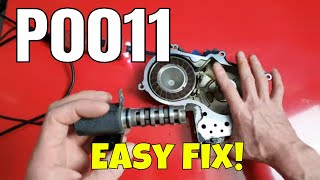
How to confirm: Swap the intake and exhaust camshaft adjuster magnets (they are identical and easily accessible on the upper timing cover). Clear codes and drive. If the trouble code changes to P0011 (intake side), the solenoid is bad. You can also test its resistance with a multimeter; it should be between 6.9 and 7.9 ohms.
Typical fix: Replace the exhaust camshaft adjuster magnet. Some owners attempt to clean the solenoid screen with brake cleaner as a temporary measure.
Est. part cost: $150-$200 - Failing Timing Chain Tensioner / Stretched Timing Chain 🟡 Medium Probability → Shop Engine Timing Chain Models from 2009-2012 (primarily CAEB engine) used a tensioner design that is known to fail without warning, causing the timing chain to jump. Chain stretch is also common across all years as mileage increases.
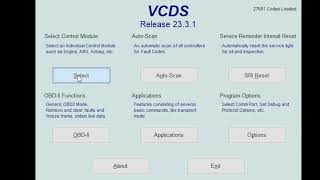
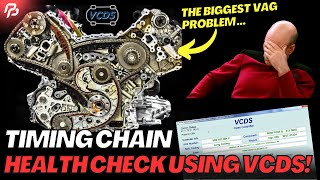
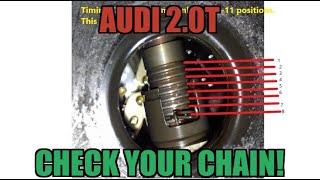
How to confirm: For tensioner style (pre-2013 models): Visually inspect the tensioner through the small inspection port on the lower timing cover to see if you have the old failure-prone style or the updated one. For chain stretch (all models): Use a diagnostic tool like VCDS to read measuring block 093 (or advanced measuring values on newer ECUs). A 'Camshaft adaptation' value approaching or exceeding -5.0° 🎬 Watch: How to check timing chain stretch using VCDS indicates significant stretch, and a replacement should be planned immediately.
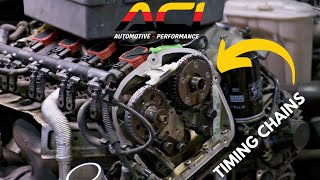
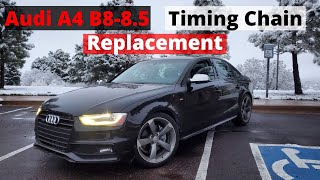
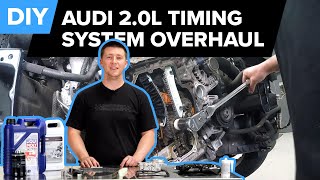
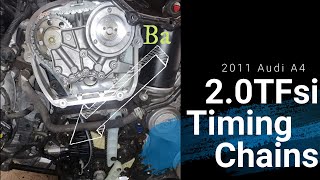
Typical fix: This is a major repair. Replace the timing chain, tensioner, and all related guides and slide rails. It is often recommended to replace the water pump at the same time. This is not a typical DIY job. 🎬 See this in-depth timing chain and system replacement walkthrough
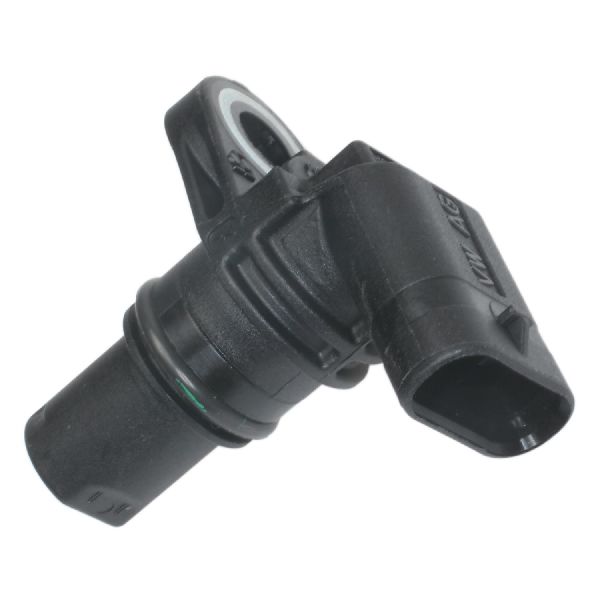
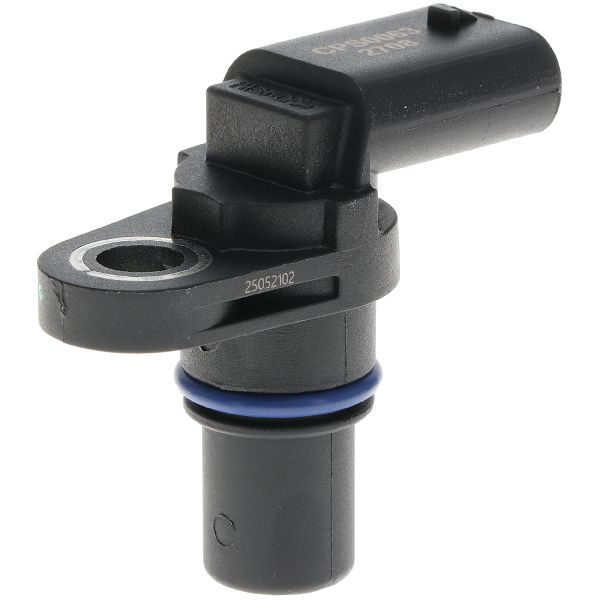
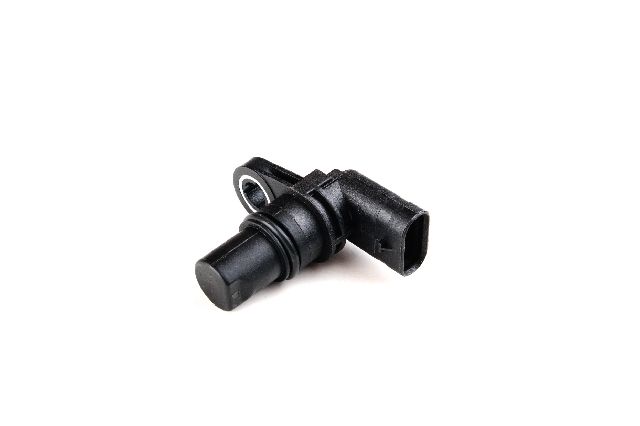
Est. part cost: $400-$700 - Faulty Camshaft Position Sensor (Hall Sensor) ⚪ Low Probability → Shop Engine Camshaft Position Sensor
How to confirm: This is less common than a solenoid failure. Test the sensor by checking for a 5-volt reference at the harness connector with the ignition on. If power is present and all other causes (solenoid, timing) have been ruled out, the sensor may be faulty.
Typical fix: Replace the exhaust camshaft position sensor.
Est. part cost: $40-$80
Rare But Worth Checking
- Clogged or Broken Camshaft Bridge Screen: → Shop Engine Camshaft The camshaft bridge, which supplies oil to the cams, contains a small mesh screen over a check valve. This screen is known to break apart, sending metal debris into the oil passages. This debris can clog the VVT solenoid, jam the camshaft phaser, or cause widespread oiling issues. A VW/Audi TSB actually recommends removing the screen if the bridge is serviced. 🎬 Watch: How to inspect and replace a blown camshaft bridge screen This issue often presents with a P0016 code but can cause any timing-related fault.
Diagnosis Steps
- Check Engine Oil: Verify the oil level is correct and the oil is clean and meets VW 502 00 spec. If the oil is old, low, or of unknown quality, perform an oil and filter change. This simple step resolves the issue in some cases.
- Scan for Other Codes: Use an OBD-II scanner (VCDS is preferred for VW/Audi) to check for other codes. Pay close attention to P0016, which points towards a critical mechanical timing problem.
- Swap Camshaft Adjuster Magnets: Locate the identical intake and exhaust adjuster magnets on the upper timing cover. Swap their positions, clear the codes, and drive the vehicle. If the code changes to P0011 (intake cam), the solenoid you moved is faulty and needs replacement. This is the most effective test for the solenoid.
- Check Timing Chain Stretch (VCDS): Connect a diagnostic tool and access Engine -> Adv. Measuring Values. Search for 'Camshaft adaptation intake bank 1 phase position'. With the engine fully warmed up and at idle, observe the value. If it is at or beyond -5.0°, the timing chain is stretched and requires replacement.
- Inspect Timing Chain Tensioner (Pre-2013 Models): This is a critical step for early B8 models. Remove the small inspection plug on the lower timing cover to visually inspect the tensioner. Search for images of the 'old' vs 'updated' tensioner to identify which is installed. If the old style is present, it should be replaced regardless of extension.
- Inspect Camshaft Bridge: If other steps don't resolve the issue, especially if a P0016 code is also present, the upper timing cover and camshaft bridge should be removed to inspect the oil screen for damage or absence. If the screen is damaged, debris may have contaminated the VVT system.
Parts You'll Likely Need
- Camshaft Adjuster Magnet (VVT Solenoid)
(OEM #06H109257C (Superseded by 06L109257F or 06L109257B))— This is the most common electrical failure point in the VVT system for this code. It gets clogged with debris or fails internally. Note that part numbers have been updated over the years.
Trusted brands: Genuine VW/Audi, Pierburg (OEM supplier)
OEM price range: $160-$200
Aftermarket price range: $50-$120 - Timing Chain Kit (with updated Tensioner)
(OEM #Multiple parts; kits often sold under one number like 06K109158BP)— This is the definitive fix for a stretched chain or failed tensioner, a critical and well-known issue on 2009-2012 2.0T engines. Kits should include the chain, tensioner, and all plastic guides.
Related Codes That Often Appear With This One
- P0016 — Crankshaft/Camshaft Position Correlation. This code strongly suggests a mechanical timing issue, such as a jumped/stretched timing chain or a problem with the camshaft bridge screen. It is a more severe warning than P0024 alone and demands immediate inspection.
- P0300, P0301, P0302, P0303, P0304 — Random or specific cylinder misfire codes can occur because the incorrect cam timing severely disrupts the engine's combustion cycle, leading to instability.
- P0011 — 'A' Camshaft Position - Timing Over-Advanced (Bank 1). If this code appears after swapping the intake and exhaust VVT solenoids, it confirms the solenoid is the faulty component.
Technical Service Bulletins (TSBs) & Recalls
- While no TSB is explicitly for 'P0024', several are highly relevant. A VW/Audi TSB regarding the camshaft bridge recommends the complete removal of the problematic oil screen if the component is ever serviced, acknowledging its design flaw.
- TSB 17-13-01 (and its revisions) addresses excessive oil consumption on the 2.0T engine. High oil consumption and poor oil quality directly contribute to VVT system problems and related fault codes.
- A class-action lawsuit settlement covered the premature failure of the timing chain tensioner on 2008-2013 model year 2.0T TSI engines, which is a primary mechanical cause for timing codes on affected vehicles.
Platform-Specific Known Issues
- Timing Chain Tensioner Failure (2009-2012): → Shop Engine Timing Chain Models from 2009-2012 are equipped with a tensioner that can mechanically fail without warning, allowing the timing chain to go slack and jump teeth. This leads to catastrophic engine damage. A class-action lawsuit was filed over this issue. Visual inspection via the inspection port is highly recommended if the vehicle's service history is unknown.
- Camshaft Bridge Screen Failure (All Years): → Shop Engine Camshaft The camshaft bridge contains a small mesh screen designed to filter oil. This screen is known to fatigue, break, and fall into the engine. The metal debris can clog oil passages, jam the VVT solenoid, or damage timing components, leading to timing faults like P0024. An official TSB from VW/Audi recommends that if the bridge is removed for any service, the screen should be discarded and not replaced.
Mechanic-Grade Diagnostic Values
- Camshaft Adjuster Magnet (Solenoid) Resistance — expected: 6.9 to 7.9 Ohms at 68°F (20°C).. Failure: A reading of infinite resistance (open circuit) or near-zero resistance (short circuit) indicates a failed solenoid.
- Camshaft Position Sensor (Hall Sensor) Connector Voltage — expected: Approximately 5.0 Volts between the outer two pins with the ignition on, engine off.. Failure: No voltage suggests a wiring or ECU power supply issue, not necessarily a bad sensor.
- VCDS Camshaft Adaptation Phase Angle (Measuring Block 093) — expected: Between 0° and -4.0° at warm idle.. Failure: A value approaching or exceeding -5.0° indicates significant timing chain stretch, requiring mechanical replacement.
Scan Tool Commands That Help
- VCDS (VAG-COM): Engine -> Output Tests -> Camshaft Adjustment — This function allows you to directly command the camshaft adjuster solenoid to activate. You should hear a distinct clicking sound from the solenoid if it is working electrically. A lack of sound points to a failed solenoid or a wiring issue. This can be used to confirm if the solenoid is responsive before physically removing it.
- VCDS (VAG-COM): Engine -> Basic Settings -> Group 060 (Throttle Body Alignment) — While not directly for P0024, erratic idle and performance issues can sometimes be related to throttle adaptation. Running a TBA is a quick and easy reset to perform after clearing codes or performing other engine service to ensure the throttle plate position is correctly calibrated.
Wiring & Ground Locations
- G301 - Camshaft Position (CMP) Sensor 4 — On the upper timing chain cover, corresponding to the exhaust camshaft.. This is the sensor that provides the primary signal for exhaust cam position. The wiring harness connector (T3) is a common point to test for the 5V reference signal.
- Main Engine Ground Strap — Typically runs from the chassis frame rail near the passenger side motor mount to a bolt on the engine block or transmission.. A corroded or loose main ground strap can cause a host of intermittent electrical issues and phantom sensor readings. While not a direct cause of P0024, checking its integrity is a crucial step when diagnosing any electrical fault on the engine.
- Ground connection (sensor ground) — There are several sensor ground points bundled within the main engine wiring harness, often designated as '220' or '316' in wiring diagrams. A key physical ground point is located on the cylinder head itself.. A poor sensor ground can cause incorrect readings from the camshaft position sensor, leading the ECU to believe there is a timing issue when the mechanical timing is actually correct.
Real Owner Repair Stories
- YouTube User 'Friendly tech 007' (2009 Audi (Model appears to be a Q7 4.2, but the P0024 code and timing principles are discussed generally)) — P0024 code present.
❌ Tried (didn't work) The video jumps directly to the confirmed fix, implying prior diagnosis led to this conclusion.
✅ What actually fixed it A complete timing chain service. The video shows the engine and transmission removed from the vehicle to replace all timing chains, tensioners, and guides, which resolved the P0024 code.
OEM Part Supersession History
06H109257A→06H109257C, which was later superseded by 06L109257F or 06L109257B.— Revisions to the internal spool valve and electrical components for improved reliability and resistance to clogging from oil debris.
Heads up: While the later revisions are backwards compatible, it is critical to use the latest available part number (e.g., 06L109257F) when replacing, as the older designs are more prone to the failure that causes P0024.06H109467N, 06H109467T (and others)→06K109467K— The original timing chain tensioner designs used a ratchet mechanism that could fail to hold hydraulic pressure, allowing the chain to go slack and jump time. The updated 'K' revision uses a much more robust design to prevent this catastrophic failure.
Heads up: Older part number tensioners should NEVER be used for a repair. Only the latest revision (06K109467K or newer) is considered a permanent fix.
Model Year Variations Within This Range
- 2009-2012 (B8): These models primarily used the CAEB engine code and were fitted with the failure-prone timing chain tensioner. P0024 on these years carries a much higher risk of being a precursor to catastrophic engine failure.
- 2013-2016 (B8.5): These facelift models (engine codes CAED, CPMB, etc.) came with the updated timing chain tensioner from the factory, making sudden failure less likely. However, they can still suffer from chain stretch over high mileage, which will still set a P0024 code. They also feature minor differences like a 3-pin crank position sensor and changes for electro-mechanical steering that are relevant if swapping a complete engine.
Diagnostic Flowchart
Used vs. New Parts: Buying Guide for This Vehicle
When a used part is the smart pick: A used Camshaft Position Sensor (Hall Sensor) can be a cost-effective choice, as they are not a high-failure item and their function is easy to verify. Other simple, external, non-wear components from a low-mileage donor car may also be considered.
Donor-vehicle mileage cap: roughly under 75000 miles for the part to have meaningful remaining life.
What to inspect on the donor part:
- For electrical sensors, check for non-brittle plastic and clean connector pins with no signs of corrosion.
- Verify the donor vehicle did not have timing-related trouble codes or known engine failure.
- Ask for the VIN to check the vehicle's service history if possible.
OEM-only on this vehicle (don't cheap out):
- Timing Chain Tensioner: NEVER use a used or aftermarket tensioner. The risk of catastrophic engine failure is too high. Only a new, Genuine VW/Audi part with the latest part number (06K109467K or newer) should be used.
- Timing Chain and Guides: These are wear items. Installing used parts provides no assurance of longevity and is not worth the labor involved.
- Camshaft Adjuster (Phaser): This is a precision hydraulic component. A used part may be clogged or worn internally. Given the labor to access it, a new part is strongly recommended.
Aftermarket brands forum-validated for this vehicle:
- Pierburg: An OEM supplier for the Camshaft Adjuster Magnet (VVT Solenoid). Often identical to the genuine part without the Audi logo at a lower cost.
- INA: A reputable OEM supplier for various timing components and bearings.
Brands owners have reported issues with on this vehicle:
- Unnamed/"White-box" brands for any timing component or critical sensor. The quality control is often poor, and failure can lead to severe engine damage. Avoid no-name timing kits from online marketplaces.
Real Owner Stories
Aggregated from forums and TSBs cited above. Mileages and costs reflect what owners reported in those sources.
2015 Audi A4 2.0T TFSI
Symptoms: A diagnostic scan showed a camshaft adaptation value of -4.83 degrees, which is very close to the service limit.
What fixed it: The owner was advised by forum members to begin planning for a full timing chain replacement service, as the -5.0 degree value is the widely accepted threshold for replacement.
Source hint: AudiWorld Forums: Timing Chain Issue B8.5 - Discussion on Stretch Values
2009-2016 Audi A4 2.0T TFSI
Symptoms: Owner required a timing chain replacement and received a dealer quote of $8,000 for the job along with other repairs.
What fixed it: A full timing chain service, including the chain, tensioner, guides, and slide rails. It was also recommended to replace the water pump at the same time.
Cost: $2000-$3000
Source hint: Reddit r/Audi: Repair estimate: Valve Cover, Timing Chain, and Water Pump replacement. 8k?
2009-2012 Audi A4 2.0T TFSI
Symptoms: The original timing chain tensioner can fail suddenly, causing the chain to jump teeth and leading to catastrophic engine damage.
What fixed it: Proactive replacement of the failure-prone original tensioner with the updated design, which can be identified through a small inspection port on the lower timing cover.
Source hint: Vehicle Specific Issue: Timing Chain Tensioner Failure (2009-2012)
2009-2016 Audi A4 2.0T TFSI
Symptoms: A P0016 code appeared, indicating a critical timing issue.
What fixed it: The immediate advice was to stop the engine and inspect the timing chain tensioner to prevent catastrophic engine damage.
Source hint: AudiWorld Forums: Oil Consumption & Timing chain issue - what to do next?
Related OBD-II Codes
Frequently Asked Questions
My 2011 A4 has a P0024 code. Should I be worried about the timing chain tensioner?
How can I easily test the Camshaft Adjuster Magnet (VVT Solenoid) on my A4?
How can I check if my timing chain is stretched without taking the engine apart?
My Audi is consuming a lot of oil. Could this be related to my P0024 code?
What does the official TSB say about the camshaft bridge oil screen?
What specific engine oil should I use to help prevent P0024?
Helpful Videos

We Have This Part in Stock


The information in this article is provided for general reference and educational purposes only. Vehicle specifications, procedures, and part compatibility can vary by production date, trim level, and region. Always consult your vehicle's factory service manual and verify part numbers before purchasing or performing repairs. Safety-critical components such as airbags, seat belts, and braking systems should be installed by a qualified professional.
- Audi A4:
- 🧭 Diagnostic Flowchart
- 🎬 Helpful Videos
- 🛍️ Shop This Part
- What's Unique About the 2009-2016 Audi A4
- Symptoms You May Notice
- Most Likely Causes
- Rare But Worth Checking
- Diagnosis Steps
- Parts You'll Likely Need
- Related Codes That Often Appear With This One
- Technical Service Bulletins (TSBs) & Recalls
- Platform-Specific Known Issues
- Mechanic-Grade Diagnostic Values
- Scan Tool Commands That Help
- Wiring & Ground Locations
- Real Owner Repair Stories
- OEM Part Supersession History
- Model Year Variations Within This Range
- Used vs. New Parts: Buying Guide for This Vehicle
- Real Owner Stories
- 2015 Audi A4 2.0T TFSI
- 2009-2016 Audi A4 2.0T TFSI
- 2009-2012 Audi A4 2.0T TFSI
- 2009-2016 Audi A4 2.0T TFSI
- Related OBD-II Codes
- Frequently Asked Questions
- 🎟️ Get 5% Off