

P0024 on 2012-2018 Audi A6 3.0L Supercharged V6: Causes and Fixes for Exhaust Cam Timing
On the Audi A6 3.0L Supercharged V6, code P0024 is most often caused by a faulty camshaft adjuster magnet (solenoid) on the driver's side (Bank 2) or simply low or dirty engine oil. An oil change is the first step. If that doesn't work, a new solenoid costs between $50 and $150 and is a common, straightforward DIY replacement. The solenoid swap test is a definitive way to confirm the fault before buying parts.
- Always check your engine oil level and condition first. An oil change with VW 502 00 specification oil is the easiest and often the correct first step.
- The most likely failed component is the Bank 2 (driver's side) exhaust camshaft adjuster magnet (solenoid).
- A simple and effective DIY diagnostic is to swap the driver's side and passenger's side exhaust solenoids. If the code changes from P0024 to P0014, the solenoid is faulty.
- Do not immediately assume a catastrophic timing chain failure. While possible, solenoid or oil issues are far more common for this code on the 3.0T engine.
What's Unique About the 2012-2018 Audi A6
The 3.0L Supercharged V6 (3.0T) in the C7 generation A6 has a robust, chain-driven variable valve timing system. Unlike some other VAG engines (like the 2.0T), this code on the 3.0T is less commonly associated with catastrophic timing chain tensioner failure and more often points to issues with the hydraulic control of the VVT system. The system's accuracy is highly dependent on clean engine oil of the correct specification (VW 502 00). Therefore, oil-related issues or a failed control solenoid are the most frequent culprits.
Symptoms You May Notice
- Check Engine Light is on
- Rough or unstable idle
- Reduced engine power and hesitation during acceleration
- Engine may be hard to start
- Decreased fuel economy
- Rattling or knocking noises from the engine, especially on startup.
- Replacing the camshaft position sensor repeatedly without testing it. Forum users report replacing the sensor multiple times when the actual issue was the VVT solenoid or an oil quality problem.
- Immediately assuming a catastrophic timing chain failure before performing the simple oil check and solenoid swap diagnostic steps.
Most Likely Causes
- Low, Dirty, or Incorrect Viscosity Engine Oil 🔴 High Probability The VVT system is operated by oil pressure. Sludge from infrequent oil changes or using oil that doesn't meet Audi's VW 502 00 specification can clog passages and impede the function of the solenoids and adjusters. This is the most common cause and the first thing to check.
How to confirm: Check the engine oil level and condition. If the oil is low, dark, or its service history is unknown, this is the most likely starting point. An oil change is a diagnostic step in itself.
Typical fix: Perform an engine oil and filter change using a high-quality full synthetic oil that meets the VW 502 00 specification.
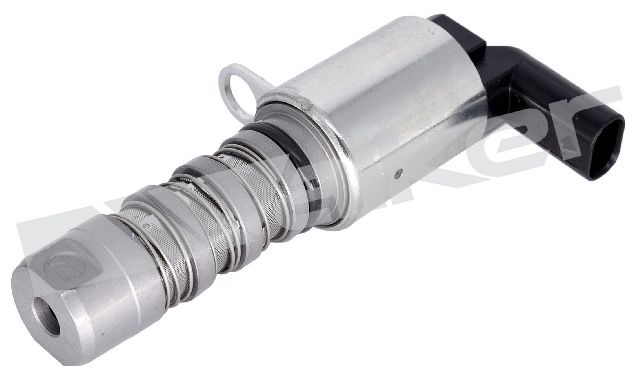
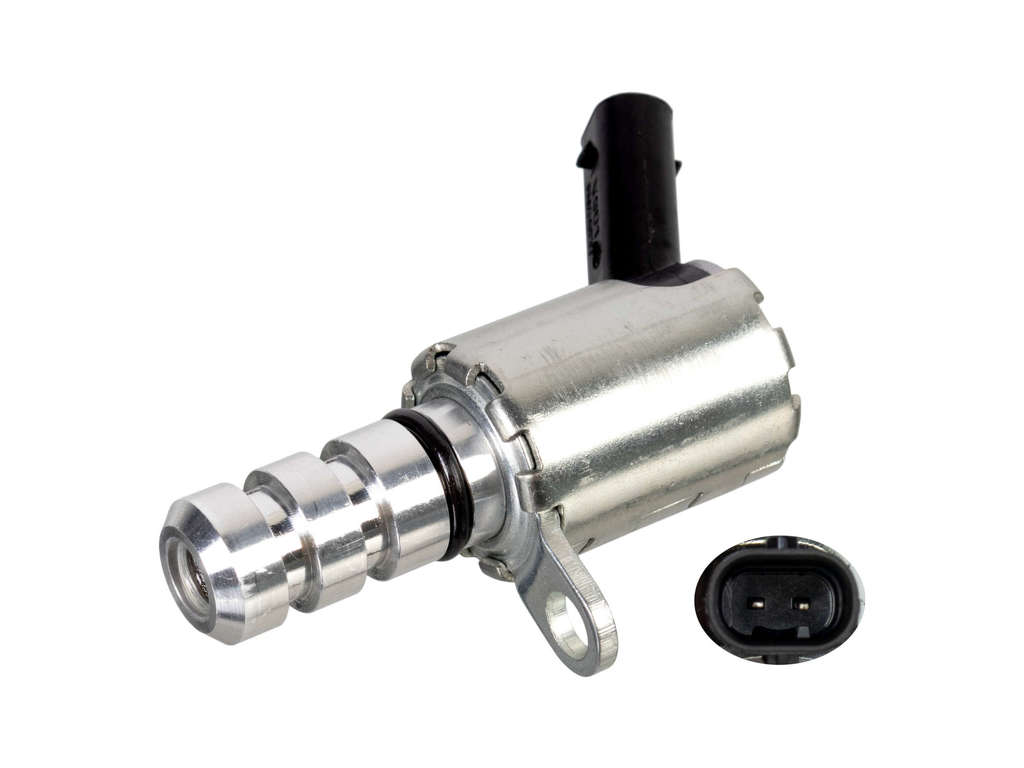
Est. part cost: $80-$150 - Faulty Camshaft Adjuster Magnet (VVT Solenoid) 🔴 High Probability → Shop Engine Camshaft These solenoids, also known as N205 valves, control oil flow to the camshaft phasers. They can get clogged with debris from dirty oil or fail electrically over time, causing them to stick in an open or closed position.
How to confirm: A highly effective diagnostic is to swap the Bank 2 (driver's side) exhaust solenoid with the Bank 1 (passenger's side) exhaust solenoid. They are identical parts. Clear the codes and drive. If the code changes to P0014 (the equivalent code for Bank 1), the solenoid is confirmed to be faulty. You can also test the solenoid's resistance with a multimeter; it should be between 6.9 and 7.9 ohms.
Typical fix: Replace the faulty camshaft adjuster magnet for Bank 2 Exhaust. The part is located on the front of the upper timing cover and held by a single Torx screw.
Est. part cost: $50-$150 - Faulty Camshaft Position Sensor (CPS) ⚪ Low Probability → Shop Engine Camshaft Position Sensor While less common than a solenoid failure for this specific code, the sensor that reads the camshaft's position can fail and send incorrect data to the ECM, tricking it into setting a timing fault.
How to confirm: Swap the Bank 2 exhaust camshaft position sensor with the one from Bank 1. If the code follows the sensor and changes to P0014, the sensor is bad. This test is similar to the solenoid swap.
Typical fix: Replace the Bank 2 exhaust camshaft position sensor.
Est. part cost: $40-$100
Rare But Worth Checking
- Stretched Timing Chain or Failed Tensioner: → Shop Engine Timing Chain While less common on the 3.0T engine compared to others, significant wear in the timing chain system can cause the physical cam timing to be off, triggering this code. This is a much more serious and labor-intensive repair, often requiring engine removal. This is often accompanied by rattling noises, especially on cold startup that lasts more than a few seconds. A VCDS scan checking 'Camshaft adaptation phase position' can help identify this; values greater than 5-7 degrees suggest mechanical wear.
- Clogged Oil Passages or Camshaft Phaser Issue: → Shop Engine Camshaft Severe oil sludge can clog the small oil passages leading to the camshaft phaser (the mechanical adjuster). In rare cases, the phaser itself can seize in an advanced position. This usually requires significant disassembly to clean or replace and may be accompanied by startup rattle.
Diagnosis Steps
- Check Engine Oil: First, verify the oil level is full and the oil is clean and of the correct VW 502 00 specification. If in doubt, perform an oil and filter change, clear the code, and see if it returns.
- Scan for Other Codes: Use an OBD-II scanner to confirm P0024 and check for any other codes that could guide your diagnosis.
- Inspect Wiring: Visually check the wiring harness and connector for the Bank 2 (driver's side) exhaust camshaft adjuster solenoid and camshaft position sensor. Look for any signs of damage, corrosion, or loose connections. The exhaust solenoid is on the front of the engine.
- Swap Camshaft Adjuster Solenoids: Swap the Bank 2 exhaust solenoid with the Bank 1 exhaust solenoid. Clear the codes and drive the vehicle. If the fault code changes to P0014, you have confirmed the solenoid is the problem. This is the most definitive and cost-effective diagnostic step.
- Swap Camshaft Position Sensors: If the code remains P0024 after the solenoid swap, return them to their original positions. Perform the same swap test with the camshaft position sensors. If the code moves to P0014, the sensor is faulty.
- Check VVT Oil Screen: Some VVT systems have a small mesh filter screen before the solenoid. Check if this screen is clogged with debris, which would indicate a larger oil sludge problem.
- Mechanical Inspection: If none of the above steps resolve the issue, the problem is likely mechanical. This could be a clogged oil passage, a faulty camshaft phaser, or a stretched timing chain. This level of diagnosis should be performed by a professional, potentially using VCDS to check camshaft adaptation values.
Parts You'll Likely Need
- Camshaft Adjuster Magnet (VVT Solenoid)
(OEM #06E109257P)— This solenoid is the most common part to fail, either by getting clogged or failing electrically. It directly controls the oil flow that adjusts the camshaft timing. Previous versions include 06E109257F and 06E109257J.
Trusted brands: Genuine VW/Audi, Pierburg, INA, URO Parts
OEM price range: $120-$180
Aftermarket price range: $50-$100 - Engine Oil and Filter — Low, old, or incorrect-spec oil is a primary cause of VVT system faults. An oil change is the first and most important diagnostic and maintenance step. Must meet VW 502 00 specification.
Trusted brands: Liqui Moly, Mobil 1, Castrol EDGE
OEM price range: $100-$150
Aftermarket price range: $80-$120 - Camshaft Position Sensor
(OEM #06E907641)— This sensor can fail and provide incorrect readings to the ECM, though it is less common than a solenoid failure for this specific code.
Trusted brands: Bosch, Genuine VW/Audi
OEM price range: $80-$120
Aftermarket price range: $40-$70
Related Codes That Often Appear With This One
- P0014 — This is the equivalent code for Bank 1 (passenger side). It will typically appear only after you have swapped a faulty Bank 2 solenoid over to Bank 1 as a diagnostic step.
- P0021 — This code is for the intake camshaft on the same bank (Bank 2). If seen together with P0024, it could point to a larger oil pressure problem affecting the entire cylinder head or a potential mechanical timing issue.
- P0304, P0305, P0306 — These are cylinder misfire codes for Bank 2. Incorrect exhaust cam timing disrupts the engine's combustion process and can lead to misfires on the affected bank.
- P0023 — This code relates to the electrical circuit for the Bank 2 exhaust camshaft adjuster. Seeing it with P0024 strongly points to an electrical failure of the solenoid itself or a wiring/connector issue.
Technical Service Bulletins (TSBs) & Recalls
- While no TSB is specifically for P0024, TSB 2027909 (for a different engine) discusses camshaft adjuster noise and timing faults, recommending checking oil pressure and the adjusters themselves. The principles apply here, emphasizing oil health and solenoid function as primary diagnostic paths.
Mechanic-Grade Diagnostic Values
- Camshaft Adjuster Magnet (N205/N319) Resistance — expected: 6.9 to 7.9 Ohms at 68°F (20°C). Some sources allow for a broader 5.0 to 8.0 Ohms.. Failure: A reading of 0 ohms (short), infinite resistance (open), or a value significantly outside the specified range indicates a faulty solenoid.
- VCDS Advanced Measuring Values - Camshaft Adaptation Phase Position — expected: A value between 0.0° and -5.0° at warm idle is considered healthy. New chains are typically 0° to -2°.. Failure: A value consistently exceeding -5.0° to -7.0° suggests timing chain stretch. Values approaching or exceeding -8.0° strongly indicate the need for timing chain service.
- Camshaft Position Sensor (CPS) Harness Voltage — expected: Approximately 5.0V DC between the signal wire and ground with the key on, engine off.. Failure: No voltage or significantly lower voltage may indicate a wiring issue or a problem with the ECM's 5V reference circuit.
- Camshaft Adjuster Solenoid (N205) Harness Voltage — expected: Battery voltage should be present at terminal 1 of the harness connector (to ground) with the ignition on.. Failure: If battery voltage is not present, check wiring back to the Motronic Engine Control Module (ECM) Power Supply Relay (J271).
Hidden / Shadow Codes Worth Checking
- P164D00: Oil Pressure Switch for Reduced Oil Pressure Malfunction. This code is not a direct VVT fault but can be a critical clue. It can be triggered by oil pressure issues, such as using an incorrect (too short) oil filter, which in turn can cause VVT codes like P0024. (see via VCDS or other Audi-specific diagnostic scan tools.)
Scan Tool Commands That Help
- VCDS (VAG-COM): Basic Settings - Group 094 (or equivalent in Advanced Measuring Values) — This function attempts to run the camshaft adjusters through their full range of motion. It can help determine if an adjuster is physically stuck or responding slowly. A failure or inability to complete the test points towards a mechanical or hydraulic issue rather than just a sensor.
- VCDS (VAG-COM): Advanced Measuring Values - 'Camshaft adaptation phase position' — This is the primary method for diagnosing mechanical timing chain stretch without disassembling the engine. Monitor the phase position value for Bank 2 at warm idle. Consistently high negative values (e.g., more negative than -5°) indicate the ECM is constantly compensating for chain slack.
Wiring & Ground Locations
- Ground Connection 12 — In the engine compartment, on the left (driver's side) frame rail, near the suspension strut tower area.. This is a primary engine ground point. A loose or corroded connection here can cause intermittent and difficult-to-diagnose electrical faults for various engine sensors and actuators, including the camshaft position sensors and adjuster solenoids which rely on a stable ground reference.
- N319 Connector (Camshaft Adjustment Valve 2) — On the front of the Bank 2 (driver's side) cylinder head, connecting to the exhaust camshaft adjuster solenoid.. This is the direct electrical connector for the component most likely to cause P0024. Check for oil contamination from a leaking solenoid, damaged wiring, or a loose connection. A P0023 code alongside P0024 points directly to a problem in this circuit.
Real Owner Repair Stories
- AudiWorld.com forum thread (2012 Audi A6 3.0T, 30,000 miles) — P0021 (intake equivalent, but same diagnostic principle) returned after dealer attempted fixes.
❌ Tried (didn't work) Swapping the control solenoids (VVT solenoids) from one bank to the other.
✅ What actually fixed it The final resolution was the replacement of the mechanical Bank 2 camshaft adjuster (phaser) itself. The repair was covered by Audi as a goodwill gesture, indicating it's a known, albeit less common, failure point.
OEM Part Supersession History
06E109257F→06E109257J, then 06E109257P— Revisions to improve reliability and material durability of the solenoid and its internal components.
Heads up: All versions (F, J, P, and the latest T) are generally considered interchangeable for this application, but it is always best practice to use the latest available revision (06E109257P or 06E109257T) when replacing.
Diagnostic Flowchart
Other Known Issues on This Vehicle
Issues unrelated to this code that are worth knowing about as an owner of this generation:
- Water Pump & Thermostat Failure 🔴 High — Very common, especially on 2012-2015 models. Can occur as early as 25k miles but is frequent around 60k-80k miles. The plastic components become brittle and leak coolant. (Ref: Subject of a class-action lawsuit investigation.)
- PCV Valve Failure 🟠 Medium — Common failure item, often after 50k miles. The diaphragm tears, causing a loud whistling noise, high idle, vacuum leaks, and potential for subsequent oil leaks. (Ref: Audi has released updated PCV valve versions to address oil consumption concerns related to the system.)
- Carbon Buildup on Intake Valves 🟠 Medium — A known issue for all direct-injection engines. Typically requires cleaning (walnut blasting) every 60k-80k miles to restore performance and prevent misfires. Less of an issue on 2016+ 'C7.5' models with the updated CREC engine, which added port injection.
- Motor Mount Failure 🟡 Low — The fluid-filled engine mounts can leak and collapse over time, leading to increased engine vibration in the cabin. More common on higher mileage vehicles (>80k miles).
- Timing Chain Tensioner Rattle on Startup 🟠 Medium → Shop Engine Timing Chain — While full chain failure is rare, a brief rattle on cold starts can develop at higher mileage (>100k miles) as tensioners wear. Audi considers a rattle of <3 seconds to be normal, but it can be a precursor to more significant wear.
Used vs. New Parts: Buying Guide for This Vehicle
When a used part is the smart pick: For this repair, buying a used Camshaft Adjuster Magnet (solenoid) or Camshaft Position Sensor from a reputable salvage yard can be a cost-effective diagnostic step. If swapping a used part resolves the code, you can then decide to purchase a new part for long-term reliability.
Donor-vehicle mileage cap: roughly under 80000 miles for the part to have meaningful remaining life.
What to inspect on the donor part:
- For solenoids, inspect the mesh screens for any tears, clogging, or debris. Avoid any with visible sludge.
- For sensors and connectors, check for clean electrical pins with no signs of corrosion or oil contamination.
- Ask for the donor vehicle's VIN to verify it had a clean history and wasn't in a major front-end collision.
OEM-only on this vehicle (don't cheap out):
- Mechanical Camshaft Adjuster (Phaser): If this part is diagnosed as the failure, it is a labor-intensive job. Using a new, genuine OEM part is critical to avoid repeat failure and ensure longevity.
Aftermarket brands forum-validated for this vehicle:
- Pierburg (often the OEM supplier for VVT solenoids)
- INA
- Bosch (for sensors)
Brands owners have reported issues with on this vehicle:
- Unnamed, 'white-box' parts from online marketplaces with no brand reputation or warranty. These often have high failure rates.
Real Owner Stories
Aggregated from forums and TSBs cited above. Mileages and costs reflect what owners reported in those sources.
2013 Audi A6 3.0T
Symptoms: The owner was diagnosing vacuum-related components and dealing with fault codes, utilizing systematic part-swapping to isolate the issue.
What fixed it: Systematic diagnostic approach involving part-swapping (similar to the recommended solenoid/sensor swap procedure).
Source hint: AudiWorld Forums: 'Audi a6 3.0T 2013 getting P2006 & P2007 fault codes'
Audi A6 3.0L V6
Symptoms: Experienced P0024 along with multiple other codes, leading to a diagnostic process focused on the camshaft position sensor.
What fixed it: Diagnostic investigation of the camshaft position sensor (CPS) after experiencing multiple related faults.
Source hint: AudiWorld Forums: '3.0 ASN camshaft position sensor'
Related OBD-II Codes
Frequently Asked Questions
Does TSB 2027909 apply to my 2012-2018 Audi A6 3.0L with P0024?
I'm seeing P0024 on my A6; is this likely a timing chain failure like on the 2.0T engines?
What specific oil should I use to prevent VVT issues like P0024 in my Audi A6?
Where is the part responsible for P0024 located on the 3.0L Supercharged V6 engine?
Can I test the Bank 2 exhaust solenoid myself before buying a new one?
Is the P0024 code on my A6 related to the common PCV valve failures?
Helpful Videos
![How to Fix AUDI P0024 Engine Code in 4 Minutes [1 DIY Method / Only $19.45]](https://img.youtube.com/vi/xiuPoPnsSC8/mqdefault.jpg)
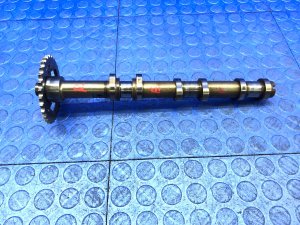
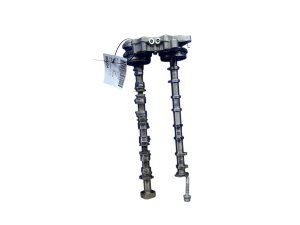
Used OEM Parts in Stock
New Aftermarket Parts Available

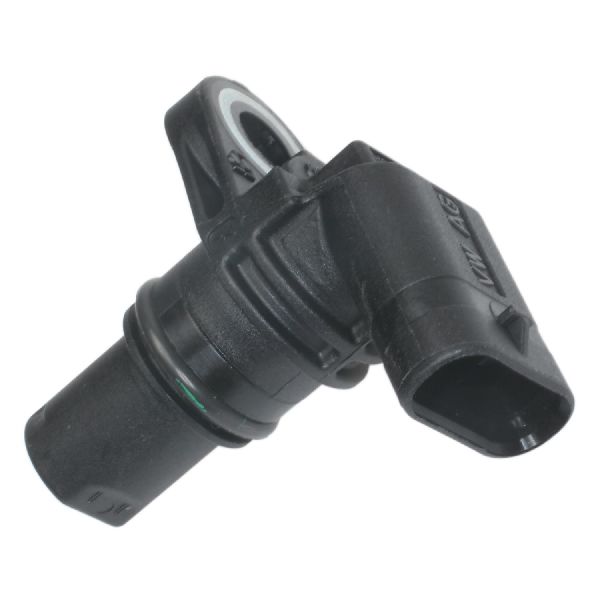
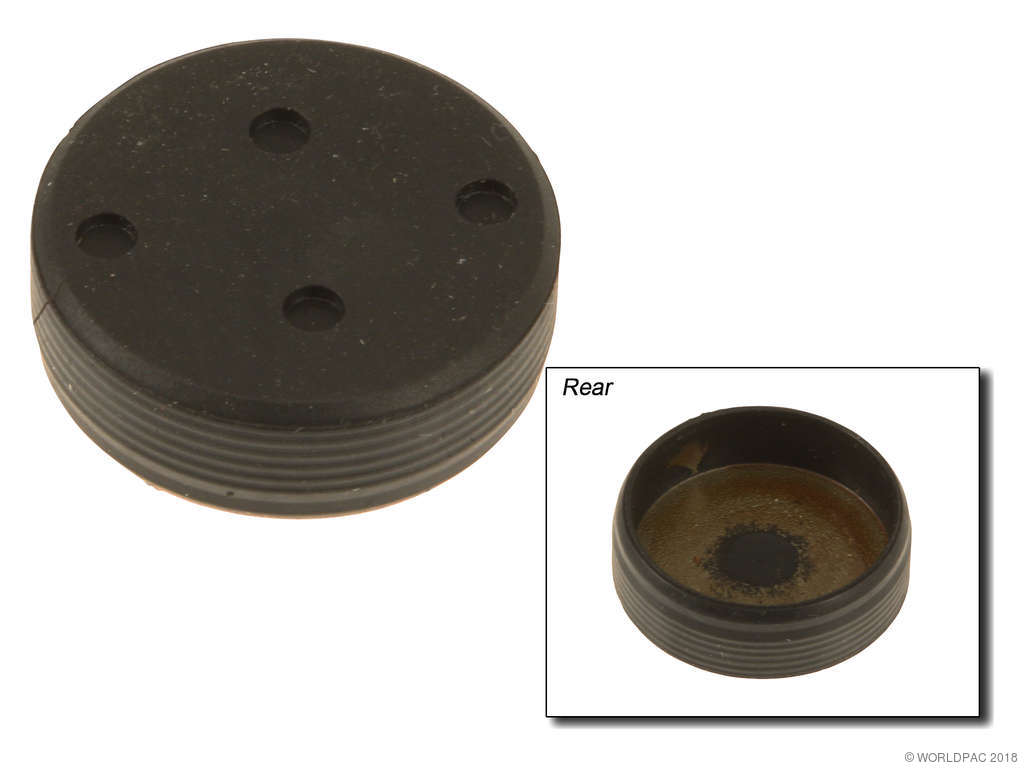

The information in this article is provided for general reference and educational purposes only. Vehicle specifications, procedures, and part compatibility can vary by production date, trim level, and region. Always consult your vehicle's factory service manual and verify part numbers before purchasing or performing repairs. Safety-critical components such as airbags, seat belts, and braking systems should be installed by a qualified professional.
- Audi A6:
- 🧭 Diagnostic Flowchart
- 🎬 Helpful Videos
- 🛍️ Shop This Part
- What's Unique About the 2012-2018 Audi A6
- Symptoms You May Notice
- Most Likely Causes
- Rare But Worth Checking
- Diagnosis Steps
- Parts You'll Likely Need
- Related Codes That Often Appear With This One
- Technical Service Bulletins (TSBs) & Recalls
- Mechanic-Grade Diagnostic Values
- Hidden / Shadow Codes Worth Checking
- Scan Tool Commands That Help
- Wiring & Ground Locations
- Real Owner Repair Stories
- OEM Part Supersession History
- Other Known Issues on This Vehicle
- Used vs. New Parts: Buying Guide for This Vehicle
- Real Owner Stories
- 2013 Audi A6 3.0T
- Audi A6 3.0L V6
- Related OBD-II Codes
- Frequently Asked Questions
- 🎟️ Get 5% Off