

P0024 on 2013-2018 Cadillac ATS: Causes and Fixes for Exhaust Camshaft Timing
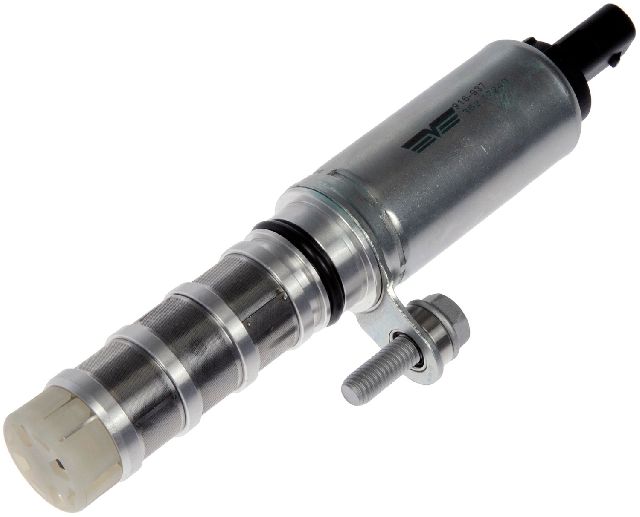
On a 2013-2018 Cadillac ATS with the 3.6L V6 engine, code P0024 is most often caused by a faulty Bank 2 exhaust camshaft position actuator solenoid (VVT solenoid) or low/dirty engine oil. Bank 2 is the driver's side of the engine. Replacing the solenoid (Part No. 12679100) is a common DIY fix costing around $40-$80.
- Always check the engine oil level and condition first; it is the easiest and a very common fix.
- The most likely failed part is the Bank 2 exhaust camshaft position actuator solenoid (VVT solenoid), which is relatively inexpensive and accessible for DIY replacement.
- This code is part of a group of four camshaft codes that GM has acknowledged can appear together, pointing to a systemic issue.
- If the solenoid and oil are fine, the problem could be a more serious and expensive timing chain issue, a known weakness for this engine family.
- Consult TSB #PIP5096C, as a specific diagnostic procedure involving an engine sticker may apply to your vehicle.
What's Unique About the 2013-2018 Cadillac ATS
For the 3.6L V6 engine in the Cadillac ATS, this code is particularly noteworthy. GM has issued specific Technical Service Bulletins (TSBs) addressing this and related camshaft timing codes (P0011, P0014, P0021). These bulletins suggest a known sensitivity and point technicians toward unique diagnostic steps. For example, TSB PIP5096C instructs technicians to check an engine sticker (EUN) and replace the solenoid with an updated part from a different supplier if certain conditions are met, explicitly stating not to simply swap solenoids from another position. This indicates a platform-specific tendency for these faults that goes beyond typical component failure 🎬 Watch: Understanding the causes and fixes for the P0024 code. and points to a known manufacturing tolerance issue.
Diagnostic Flowchart
Tap your situation to follow the diagnostic path that matches what you're seeing on this vehicle.
Symptoms You May Notice
- Check Engine Light is on
- Rough or unstable idle
- Engine hesitation or stumbling on acceleration
- Reduced engine power or sluggish feeling
- Decreased fuel economy
- Engine may be hard to start
- Engine stalling at low speeds or when stopping
- Replacing the camshaft position sensor when the problem is the actuator solenoid. This is a common mistake as a user on YouTube noted they replaced the sensor first, only for the light to return, before correctly identifying the solenoid as the issue.
- Replacing the timing chain when the issue is a simple solenoid or oil problem. Due to the engine's reputation, some may jump to the conclusion of a stretched chain before performing proper diagnostics on the VVT solenoids.
- Replacing only one solenoid when multiple are failing or when a TSB recommends using an updated part.
Most Likely Causes
- Low or Dirty Engine Oil 🔴 High Probability The VVT system is hydraulically operated by engine oil pressure and is highly sensitive to oil level, viscosity, and cleanliness. The GM 3.6L engine is known to be sensitive to oil maintenance schedules, and dirty oil or sludge can easily clog the small passages in the VVT solenoids.
How to confirm: Check the oil level on the dipstick and inspect the oil's condition. If it is low, dark, or appears sludgy, it needs to be changed. Ensure the correct oil viscosity (e.g., 5W-30 full synthetic) is being used.
Typical fix: Perform an oil and filter change using the manufacturer-specified grade. In some cases, an engine oil flush may be recommended before the oil change to help clear sludge.
Est. part cost: $50-$100 - Faulty Camshaft Position Actuator Solenoid (VVT Solenoid) 🔴 High Probability → Shop Engine Camshaft These solenoids can become clogged with sludge or fail electrically. TSB PIP5096C specifically points to replacing this part with an updated version from a different supplier to resolve the issue on some vehicles, suggesting a known issue with the original part.
How to confirm: A professional scan tool can command the solenoid to check for response. For DIY diagnosis, inspect the solenoid's screen for debris upon removal. A common method is to swap the suspect solenoid (Bank 2 Exhaust) with an identical one (e.g., Bank 2 Intake). If the code changes to P0021, the solenoid is faulty. However, TSB PIP5096C advises against this swap and recommends direct replacement if other criteria are met.
Typical fix: Replace the Bank 2 exhaust VVT solenoid. Clean the surrounding area thoroughly before removal to prevent debris from entering the engine. The retaining bolt is often a 10mm or an E-Torx socket.
Est. part cost: $40-$80 - Stretched Timing Chain 🟡 Medium Probability → Shop Engine Timing Chain The GM 3.6L V6 engines, particularly the earlier LFX version (2013-2015), had well-documented issues with premature timing chain stretch, which can cause camshaft correlation codes. While the LGX (2016-2018) has an improved design, it is not entirely immune with high mileage.
How to confirm: This is a complex diagnosis. A mechanic uses a scan tool to compare desired vs. actual cam angles; a significant, consistent deviation across multiple cams that doesn't resolve with solenoid replacement points to a timing issue. Definitive confirmation requires physical inspection and measurement of chain slack, which is labor-intensive.
Typical fix: Replace the primary and secondary timing chains, tensioners, and guides. This is a very labor-intensive and expensive job, often costing between $2,000 and $4,000 at a repair shop.
Est. part cost: $400-$800 - Faulty Camshaft Position Sensor ⚪ Low Probability → Shop Engine Camshaft Position Sensor
How to confirm: The sensor provides the position data to the ECM. While less common to fail than the solenoid, it can be tested for proper signal output with a multimeter or oscilloscope. Swapping with a known good sensor is also a valid diagnostic step. A failing sensor will often throw its own specific circuit code in addition to a timing code.
Typical fix: Replace the Bank 2 exhaust camshaft position sensor.
Est. part cost: $30-$70
Rare But Worth Checking
- Failed Camshaft Phaser: → Shop Engine Camshaft The phaser is the mechanical gear at the end of the camshaft that actually adjusts the cam timing. It can get stuck due to sludge, low oil pressure, or internal mechanical failure, but this is less common than solenoid failure.
- Clogged Oil Passages: In cases of severe engine sludge from lack of maintenance, the small oil passages leading to the VVT solenoids and cam phasers can become blocked, starving them of the oil pressure needed to operate.
Diagnosis Steps
- Verify the engine oil level and condition. If low, dirty, or of the incorrect viscosity, perform an oil and filter change with 5W-30 full synthetic oil, clear the code, and re-test.
- Use a diagnostic scan tool to check for other related DTCs. The presence of codes for other camshafts is a significant clue to the scope of the problem (e.g., one bank vs. whole engine).
- Monitor live data for desired vs. actual camshaft position angles for the Bank 2 exhaust camshaft. A large, persistent discrepancy confirms the fault.
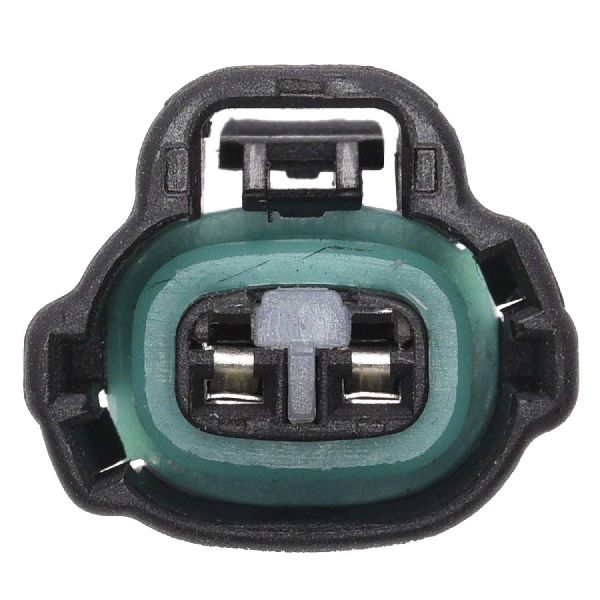
- Locate the Bank 2 (driver's side) exhaust camshaft position actuator solenoid. It is on the front of the cylinder head. Inspect the wiring and connector for damage, corrosion, or oil contamination.
- Per TSB PIP5096C, if no drivability issues are present, check the engine EUN sticker. If it has an 'A', replace the solenoid with the updated service part rather than swapping it.
- If the TSB does not apply, you can swap the Bank 2 exhaust solenoid with the Bank 2 intake solenoid. Clear codes and drive. If the code changes to P0021 (Intake Cam Position Timing - Over-Advanced, Bank 2), the solenoid you moved is confirmed faulty.
- When removing the solenoid (typically with a 10mm or E-Torx socket), clean the area first. Inspect the old solenoid's screens for metallic debris. Debris can indicate a more serious internal engine problem.
- If the code remains P0024 after swapping/replacing the solenoid, the issue is likely mechanical (stuck cam phaser, timing chain stretch) or a wiring/ECM problem, which requires more advanced diagnostics.
Parts You'll Likely Need
- Camshaft Position Actuator Solenoid (VVT Solenoid)
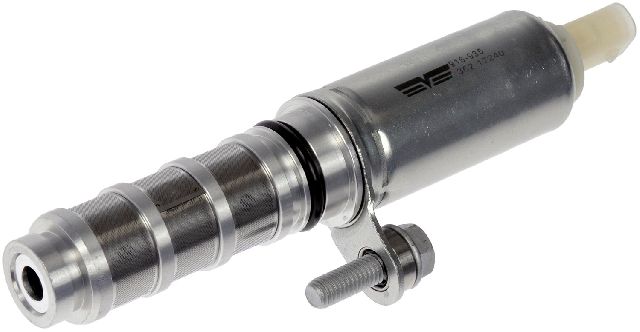
(OEM #12679100)— This part is the most frequent point of failure for VVT timing codes due to its vulnerability to oil sludge and electrical malfunction. TSBs also point to this as a common solution. This part number supersedes several previous numbers including 12628348, 12646784, and 12655421.
Trusted brands: ACDelco (GM Genuine), Delphi
OEM price range: $60-$90
Aftermarket price range: $40-$70 - Camshaft Position Sensor
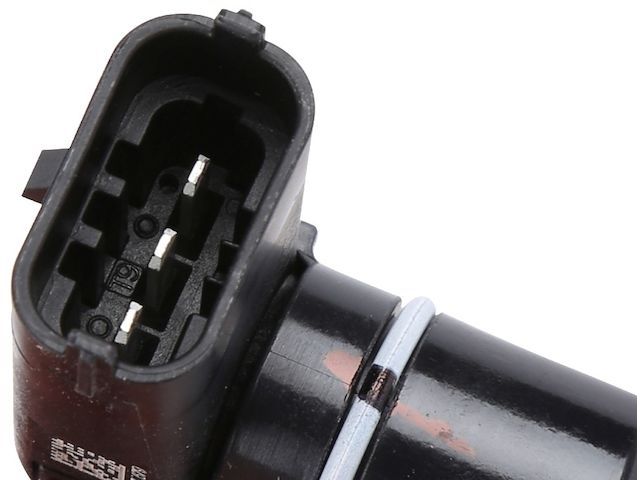
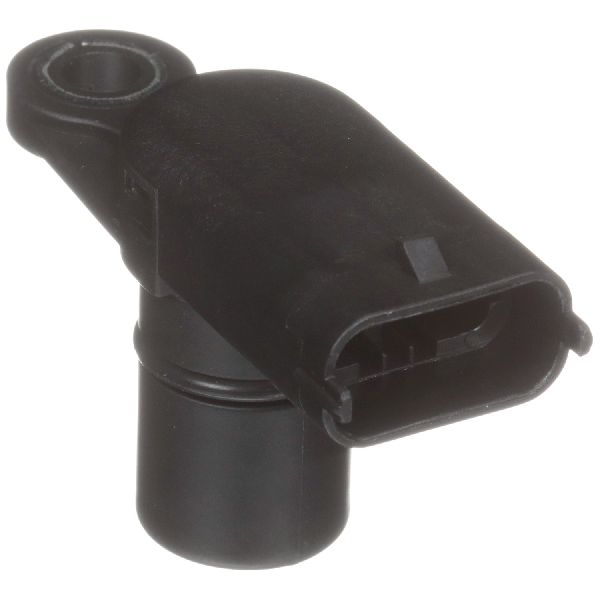
(OEM #12680833 (Verify with VIN))— Often misdiagnosed for the solenoid. It's listed here to help users differentiate. This part reads the camshaft's position, while the solenoid controls the oil flow to move it. Failure is less common for this code.
Trusted brands: ACDelco, Bosch
OEM price range: $35-$60
Aftermarket price range: $25-$5
Related Codes That Often Appear With This One
- P0014 — This is the same fault (Exhaust Cam Timing Over-Advanced) but for Bank 1 (passenger side). Seeing both P0014 and P0024 together strongly points to a systemic issue like low oil pressure, dirty oil, or an out-of-date ECM calibration.
- P0021 — This is for the Intake camshaft on the same bank (Bank 2). The provided TSBs specifically mention these codes often appear in groups. Seeing P0021 and P0024 together points to a problem isolated to Bank 2, such as both solenoids on that bank failing. [Bulletin #PIP5568E]
- P0011 — This is for the Intake camshaft on Bank 1. Seeing all four cam codes (P0011, P0014, P0021, P0024) strongly points to a systemic problem like severe oil quality/pressure issues or a stretched primary timing chain affecting all camshafts. [Bulletin #PIP5568E]
Technical Service Bulletins (TSBs) & Recalls
- PIP5568E: Communicates an ongoing GM investigation into why DTCs P0011, P0014, P0021, and P0024 often set together or in pairs, suggesting a common underlying cause.
- PIP5096C: Provides a specific diagnostic path for vehicles with these codes but no drivability concerns, involving checking an engine EUN sticker and replacing the VVT solenoid with an updated part from a new supplier. It explicitly warns against swapping solenoids as a diagnostic test if the sticker has an 'A'.
- PIP5568B: An earlier version of PIP5568E, also noting the investigation into this group of codes.
Platform-Specific Known Issues
- TSB PIP5096C: The 'A' Sticker Rule: TSB #PIP5096C provides a very specific diagnostic path. If P0024 (or related codes) appears without drivability issues, technicians are instructed to inspect the engine EUN sticker. If there is an 'A' before the sequence number, the official fix is to replace the camshaft actuator solenoid with an updated service part from a different supplier. The TSB explicitly warns *not* to swap the solenoid with another one from a different location as a diagnostic step in this case, as the issue is a known tolerance problem.
- source — A user on CadillacForums.com with a 2014 ATS 3.6L reported getting codes P0021 and P0024 simultaneously. After an initial oil change didn't solve the problem, they replaced both the intake and exhaust VVT solenoids on Bank 2. This action successfully resolved the codes, highlighting that when one solenoid fails on a bank, it can be efficient to replace both.
- Timing Chain Reputation on LFX Engines: → Shop Engine Timing Chain Across multiple forums, including Reddit, owners of 2013-2015 ATS models with the LFX engine frequently discuss the specter of a stretched timing chain when cam codes appear. While the solenoid is a more common and cheaper fix, the known weakness of the LFX timing system means that a persistent P0024 code after solenoid replacement is often correctly diagnosed as a stretched chain, requiring a costly repair.
Mechanic-Grade Diagnostic Values
- Camshaft Position Actuator Solenoid (VVT Solenoid) Resistance — expected: 6.9 to 7.9 Ohms at 68°F (20°C). Some sources indicate a wider acceptable range of 8-13 Ohms.. Failure: A reading of 0 Ohms indicates a short, while a very high or infinite (O.L.) reading indicates an open circuit. A reading outside the specified range suggests a faulty solenoid.
- Camshaft Position Variance (Scan Tool Live Data) — expected: Less than 2-3 degrees of variance between desired and actual camshaft angle at idle.. Failure: A consistent variance greater than 3-4 degrees, especially one that spikes during throttle changes, points to a lazy solenoid or a mechanical timing issue.
- VVT Solenoid Supply Voltage — expected: Battery voltage should be present at the solenoid's power supply pin with the ignition on.. Failure: No voltage indicates a problem with the wiring or the engine main relay that supplies power.
Scan Tool Commands That Help
- GDS2 (GM Global Diagnostic System 2): Camshaft Position Actuator Test — This bidirectional control allows a technician to command the VVT solenoid to a specific percentage while the engine is running. By observing the 'desired vs. actual' camshaft angle data, you can confirm if the solenoid and phaser are mechanically responding to the ECM's command. This is the most effective way to test the entire VVT circuit's function.
- GDS2 (or high-end aftermarket scanner): VVT Solenoid Actuator Test / Output Control — A simpler on/off test that commands the solenoid to activate. A technician can listen for an audible click from the solenoid, or if the engine is running, it should cause the engine to hesitate or stall. This quickly verifies if the solenoid is completely dead or seized.
Wiring & Ground Locations
- G104 — On the front of the right cylinder head (Bank 1 side, but relevant for overall engine electronics).. The ECM and various engine sensors rely on clean ground connections. A corroded or loose main engine ground can introduce electrical noise and voltage drops, potentially affecting sensor readings and actuator performance, leading to spurious codes.
- G109 — On the front of the right cylinder head (Bank 1 side).. Similar to G104, this is a primary engine ground point. Ensuring all engine-to-chassis grounds are clean and tight is a crucial step in diagnosing any electronic control issue, including VVT faults.
- ECM Connector — The Engine Control Module (ECM) connectors are a potential point of failure. On some GM vehicles, poor pin tension or corrosion at the ECM can cause intermittent VVT codes.. The ECM sends the control signal to the VVT solenoid. A bad connection at the source (the ECM pin) will prevent the solenoid from operating correctly, even if the solenoid and wiring are good. Inspecting the ECM connectors for corrosion or damage is a valid, though advanced, diagnostic step.
Real Owner Repair Stories
- YouTube channel 'Bo Knows Cars' (Vehicle with GM 3.6L V6 (similar VVT system)) — Check Engine Light with codes P0014 and P0024. Scan tool showed a cam variance of up to 7 degrees on throttle changes.
❌ Tried (didn't work) An initial oil flush with Seafoam and an oil change improved the variance from 7 degrees down to about 3-4 degrees, but did not completely resolve the issue or clear the codes.
✅ What actually fixed it After the oil change showed limited improvement, both the Bank 1 and Bank 2 exhaust VVT solenoids were replaced. After replacement, the camshaft variance dropped to less than 3 degrees under all conditions, fixing the problem. The root cause was determined to be lazy/failing solenoids likely exacerbated by poor oil change history.
OEM Part Supersession History
12578518, 12628348, 12646784, 12655421→12679100— Standard part evolution, likely for improved reliability, material changes, or manufacturing process updates. GM regularly updates parts to integrate new technologies.
Model Year Variations Within This Range
- 2013-2015 (LFX) vs. 2016-2018 (LGX): The 2016+ LGX engine is a significant redesign. While both are 3.6L V6s, the LGX has different bore/stroke, a stiffer block, improved VVT system with 'intermediate park' feature, and a rear-mounted timing chain design considered more durable than the LFX's front-mounted chain. These changes mean that while the P0024 code has similar causes, the LGX is less prone to the timing chain stretch issues that plagued the LFX.
Helpful Videos
We Have This Part in Stock


The information in this article is provided for general reference and educational purposes only. Vehicle specifications, procedures, and part compatibility can vary by production date, trim level, and region. Always consult your vehicle's factory service manual and verify part numbers before purchasing or performing repairs. Safety-critical components such as airbags, seat belts, and braking systems should be installed by a qualified professional.
- Cadillac ATS:
- 🧭 Diagnostic Flowchart
- 🎬 Helpful Videos
- 🛍️ Shop This Part
- What's Unique About the 2013-2018 Cadillac ATS
- Symptoms You May Notice
- Most Likely Causes
- Rare But Worth Checking
- Diagnosis Steps
- Parts You'll Likely Need
- Related Codes That Often Appear With This One
- Technical Service Bulletins (TSBs) & Recalls
- Platform-Specific Known Issues
- Mechanic-Grade Diagnostic Values
- Scan Tool Commands That Help
- Wiring & Ground Locations
- Real Owner Repair Stories
- OEM Part Supersession History
- Model Year Variations Within This Range
- 🎟️ Get 5% Off