

P0024 on 2017-2022 Chevrolet Colorado 3.6L: Exhaust Cam Timing Causes and Fixes
On the 2017-2022 Colorado 3.6L, code P0024 is most often caused by a faulty Bank 2 exhaust camshaft actuator solenoid. Low or dirty oil is the second most likely cause. A solenoid replacement is a common, affordable DIY fix, costing about $40-$80 for the part. GM has acknowledged this issue with a Special Coverage program for 2020 models.
- P0024 points to an over-advanced exhaust camshaft on the driver's side (Bank 2).
- Before buying any parts, check your engine oil level and condition. A simple oil change is a very common fix.
- The most likely failed part is the Bank 2 exhaust VVT solenoid (actuator). A special coverage program exists for 2020 models for this exact issue.
- A common DIY diagnostic is to swap the exhaust and intake solenoids on Bank 2 to see if the code follows the part (changing to P0021).
- While less likely on this specific engine generation, do not completely rule out a timing chain issue, especially if other timing correlation codes are present.
What's Unique About the 2017-2022 Chevrolet Colorado
The 3.6L V6 engine family (LFX/LGZ) has a known history of VVT system and timing chain issues. For the 2020 model year specifically, GM issued a Special Coverage bulletin (N232430470) for failing Bank 2 exhaust camshaft actuator solenoids, indicating this is a recognized failure point on this platform. This special coverage extends the warranty for this specific part to 15 years or 150,000 miles. Accessing the Bank 2 (driver's side) solenoids on the LGZ engine is more involved than Bank 1, requiring removal of the air intake ducting and throttle body to reach the valve cover.
Symptoms You May Notice
- Check Engine Light is on
- Rough idle or engine shaking
- Hesitation during acceleration
- Reduced engine power
- Poor fuel economy
- Engine may be hard to start
- Replacing the camshaft position sensor when the solenoid is the actual problem. The sensor is reporting the timing issue correctly; it is not the cause of it.
Most Likely Causes
- Faulty Exhaust Camshaft Position Actuator Solenoid (Bank 2) 🔴 High Probability → Shop Engine Camshaft GM issued a special coverage program (N232430470) for this specific part on 2020 models, indicating a higher-than-normal failure rate. These solenoids control oil flow and can get stuck or clogged from dirty oil or fail electronically. Multiple owner reports confirm this is the most common fix. NHTSA ODI #11661974 describes a failure of the Bank 2 exhaust camshaft position actuator solenoid as a critical issue on the 3.6L LGZ engine.
How to confirm: Swap the Bank 2 exhaust solenoid with the Bank 2 intake solenoid. They are identical parts. Clear codes and drive. If the code changes to P0021 (Intake Camshaft Position Timing - Over-Advanced, Bank 2), the solenoid is faulty. You can also test its resistance with a multimeter; it should be between 8-13 ohms.
Typical fix: Replace the Bank 2 (driver's side) exhaust camshaft actuator solenoid. This requires removing the engine cover and air intake ducting for access.
Est. part cost: $40-$80 - Low or Dirty Engine Oil 🔴 High Probability The VVT system is entirely dependent on clean oil and correct oil pressure to function. Sludge or low levels can starve the cam phasers and solenoids, causing them to stick. Several owners have reported the code appearing when an oil change was overdue.
How to confirm: Check the oil level on the dipstick and inspect the oil's condition. If it is low, dark, or sludgy, this is a likely cause.
Typical fix: Perform an oil and filter change using the correct viscosity oil specified by Chevrolet (typically SAE 5W-30 full synthetic meeting Dexos1 spec). Clear codes and see if the issue returns.
Est. part cost: $50-$100 - Stretched Timing Chain ⚪ Low Probability → Shop Engine Timing Chain While more common on the previous generation 3.6L (LLT/LFX), the LGZ can still suffer from timing chain stretch, which will throw off the correlation between the crankshaft and camshafts. This is typically a high-mileage issue or a result of neglected oil changes.
How to confirm: This is a difficult diagnosis. It often requires checking camshaft deviation angles with an advanced scan tool. If codes like P0008, P0017, P0018, or P0019 are also present, a timing chain issue is highly likely. A consistent variance greater than 4-5 degrees at idle is a strong indicator.
Typical fix: This is a major repair that involves replacing the timing chains, tensioners, and guides. It is a labor-intensive job that is not recommended for most DIYers.
Est. part cost: $400-$800
Rare But Worth Checking
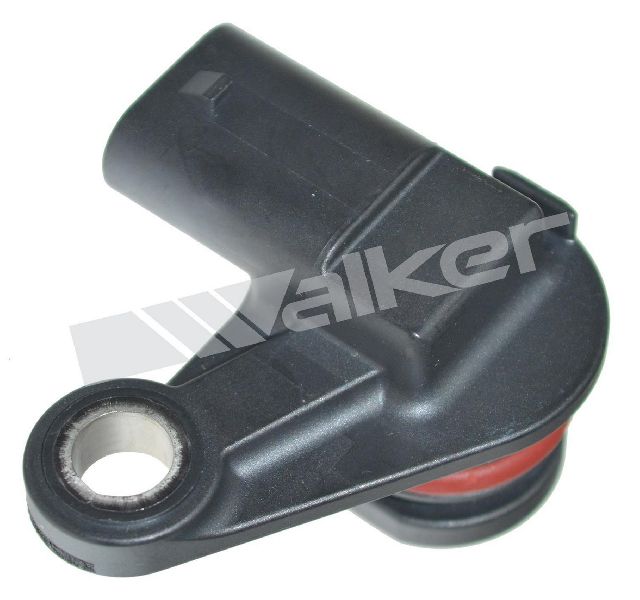
- Faulty Camshaft Position Sensor: → Shop Engine Camshaft Position Sensor This sensor tells the computer the camshaft's position. While it can fail, it's less common than a solenoid failure and would typically be accompanied by other sensor-specific codes (like P0365-P0369). Owners often misdiagnose this part.
- Damaged Camshaft Phaser: → Shop Engine Camshaft The phaser is the mechanical gear that actually rotates the camshaft. It can get stuck in the advanced position due to internal damage or oil pressure issues, but this is less frequent than solenoid or oil problems.
- Low Battery Voltage / Corroded Terminals: In at least one owner-reported case, a P0024 code that appeared intermittently was ultimately traced to a corroded negative battery terminal causing low system voltage. Cleaning the terminal resolved the issue.
Diagnosis Steps
- Check Engine Oil: Verify the oil level is full and the oil is clean. If low or dirty, perform an oil change with Dexos1 spec 5W-30 synthetic oil, clear the code, and see if it returns. This is the simplest and most common fix.
- Scan for Other Codes: Check for any other related trouble codes. Codes like P0017, P0018, or P0019 point towards a more serious timing chain issue.
- Inspect Solenoid Wiring: Visually inspect the wiring and connector for the Bank 2 (driver's side) exhaust VVT solenoid for any damage or loose connections.
- Test the Solenoid: The most common diagnostic step is to swap the Bank 2 exhaust solenoid with the Bank 2 intake solenoid. They are identical parts. Clear the codes and drive the vehicle. If the code changes to P0021, you have confirmed the solenoid is bad and needs replacement.
- Test with a Scan Tool: A professional scan tool can command the solenoid to activate, which should cause a noticeable change in engine idle. If there is no change, the solenoid or its circuit is faulty.
- Check Battery Terminals: Based on owner reports, inspect and clean battery terminals to rule out voltage issues.
Parts You'll Likely Need
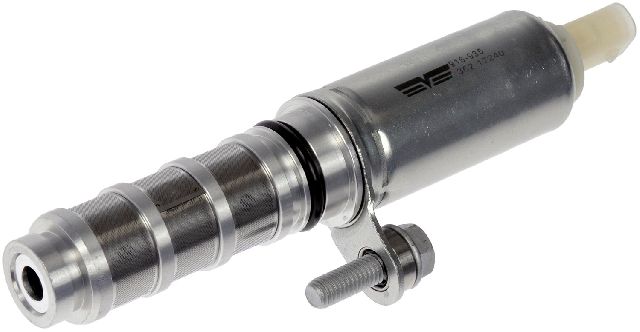
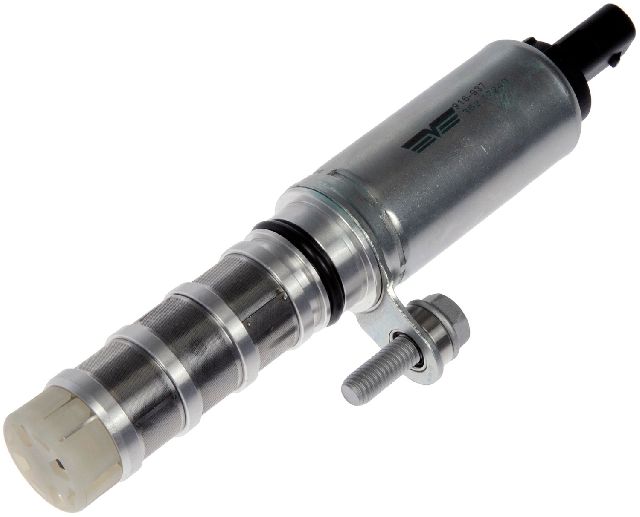
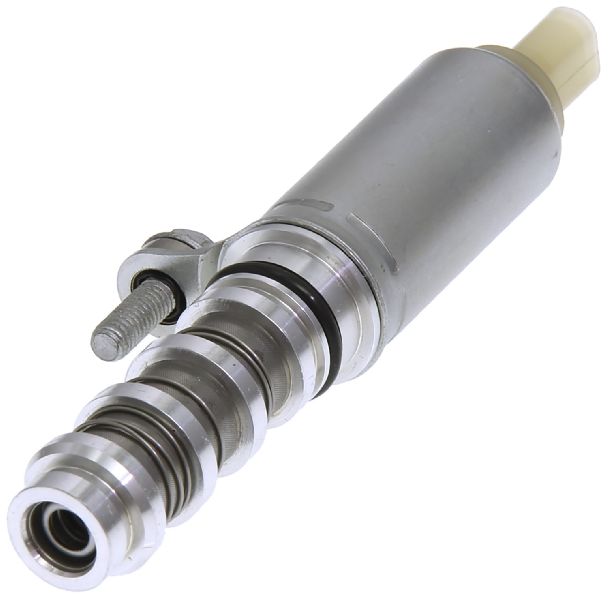
- Camshaft Position Actuator Solenoid (VVT Solenoid)
(OEM #12707054 (superseded by 12732244))— This is the most common failure part for P0024 on this engine, responsible for controlling oil flow to the cam phaser. It can become clogged or fail electronically. Note: GM has updated the part number; 12732244 is the current replacement for the original 12707054.
Trusted brands: ACDelco (Genuine GM), Dorman, Standard Motor Products (SMP)
OEM price range: $50-$90
Aftermarket price range: $30-$60
Related Codes That Often Appear With This One
- P0014 — This is the same fault ('B' Camshaft Position Timing Over-Advanced) but for Bank 1. Seeing both codes together often points to a systemic issue like old/dirty oil affecting the entire engine.
- P0021 — This is an over-advanced code for the *intake* camshaft on the same bank (Bank 2). If you swap the intake and exhaust solenoids for diagnosis and this code appears, it confirms the original exhaust solenoid was faulty.
- P0019 — This code indicates a correlation issue between the crankshaft and the Bank 2 exhaust camshaft. TSB N232430470 explicitly mentions that a failing solenoid can also cause P0019.
Technical Service Bulletins (TSBs) & Recalls
- N232430470 / DCS6776: Special Coverage for Camshaft Position Actuator Valve Solenoid - Bank 2 (Left Side) Exhaust on 2020 models. Covers replacement for 15 years/150,000 miles.
Platform-Specific Known Issues
- GM Special Coverage N232430470: This program was issued for 2020 model year Chevrolet Colorado and GMC Canyon trucks for failure of the Bank 2 exhaust camshaft position actuator valve solenoid. It provides for replacement of the faulty part at no charge for 15 years or 150,000 miles from the vehicle's in-service date.
Mechanic-Grade Diagnostic Values
- VVT Solenoid (Camshaft Position Actuator Solenoid) Internal Resistance — expected: 8 to 13 Ohms. Failure: A reading outside this range, an open circuit (infinite resistance), or a wildly fluctuating reading indicates a faulty solenoid coil.
- Scan Tool 'Camshaft Position Variance' PID — expected: Near 0 degrees at idle and steady RPM.. Failure: A consistent variance greater than 4-5 degrees at idle strongly suggests a mechanical timing issue like a stretched chain.
- VVT Solenoid Connector Voltage (Power Supply Wire) — expected: Approximately 12V (Battery Voltage) with Key On, Engine Off.. Failure: No voltage or significantly low voltage points to a wiring or ECM power supply issue.
Scan Tool Commands That Help
- GDS2 (GM Global Diagnostic System): Camshaft Position Actuator Solenoid Control / Test — Use this bidirectional control to manually command the Bank 2 exhaust solenoid while the engine is running. Observe the 'Desired vs. Actual' camshaft angle PIDs. If the actual angle does not change when the solenoid is commanded, it helps isolate the fault to the solenoid, its circuit, or the mechanical phaser, ruling out the ECM's command logic.
Wiring & Ground Locations
- Engine Wiring Harness Chafing Point — On the back of the passenger side (Bank 1) cylinder head.. Though P0024 is for Bank 2, a documented issue of the engine wiring harness chafing on the back of the cylinder head can cause multiple, seemingly unrelated timing codes. If P0024 appears with other sensor or timing codes, inspecting the entire harness for damage is a critical step.
- SP105 / SP106 (Splice Packs) — Under the hood. SP105 is on the driver's side near the battery; SP106 is on the passenger side behind the engine airbox. (Note: Data from 1st Gen Colorado, but locations are often similar).. These main ground splice packs are known points of failure due to corrosion, leading to various electrical issues. While not directly linked to P0024 in documentation, poor grounds can cause erratic behavior in modules and sensors, making them a valid check for intermittent or hard-to-diagnose electrical faults.
Documented NHTSA Reports
- NHTSA ODI #11540794 — An owner reported having to replace the Bank 1 cam solenoid actuator, followed by a P0024 code a year later requiring another cam actuator replacement. The owner noted the part was on backorder at the time, suggesting a systemic issue.
- NHTSA ODI #11621866 — A report describes a check engine light with code P0024 indicating the Bank 2 exhaust camshaft position, occurring alongside electrical issues with the Apple CarPlay system.
Real Owner Repair Stories
- Reddit user u/CoffinTramp13 (2017 Z71 V6 2WD, 97k miles) — Check Engine Light with code P0024, massive drop in fuel economy to ~15 MPG.
❌ Tried (didn't work) Replacing the camshaft position sensor on Bank 2.
✅ What actually fixed it The user was overdue for an oil change and the oil was low. An oil change and replacement of the Bank 2 exhaust VVT solenoid was performed. The CEL did not return, implying the combination of fresh oil and a new solenoid resolved the code.
OEM Part Supersession History
12707054, 12687167, 12671336, 12647900, 12690515, 12680964→12732244— Standard part evolution, design updates, and material changes by the manufacturer to improve reliability.
Heads up: No incompatibility noted. The latest part number (12732244) is the correct and recommended service replacement for all previous versions on the 2017-2022 LGZ engine.
Model Year Variations Within This Range
- 2017: The 2017 model year marked the introduction of the new LGZ 3.6L V6 engine and the 8L45 8-speed automatic transmission, replacing the previous LFX V6 and 6-speed. The LGZ features an updated VVT system and Active Fuel Management (cylinder deactivation). While the P0024 code applies to the entire 2017-2022 range, the underlying engine architecture is distinct from the 2015-2016 models.
Diagnostic Flowchart
Other Known Issues on This Vehicle
Issues unrelated to this code that are worth knowing about as an owner of this generation:
- 8-Speed Transmission Shudder (TCC Shudder) 🔴 High — Very common on 2017-2019 models with the 8L45 transmission. Feels like driving over rumble strips between 25-80 mph. (Ref: TSB #18-NA-355 instructs dealers to perform a fluid exchange with an updated Mobil 1 Synthetic LV ATF HP fluid.)
- Thermostat and Coolant Temp Sensor Failure 🟠 Medium — Common failure on the LGZ V6, often between 40,000-90,000 miles. Symptoms include cooling fans running constantly and temp gauge dropping to zero.
- Cracked Air Intake Duct 🟠 Medium — The rubber air intake boot is a known failure point, often cracking on the underside and causing lean codes (P0171/P0174). (Ref: TSB 22-NA-171 addresses this specific issue.)
- Timing Chain Stretch 🟡 Low → Shop Engine Timing Chain — Less common on the 2017+ LGZ engine than the prior LFX, but can still occur at higher mileage (>100k miles), especially with poor oil maintenance. Usually presents with codes like P0017, P0018, or P0019.
Used vs. New Parts: Buying Guide for This Vehicle
When a used part is the smart pick: For this repair, buying a used VVT solenoid is generally not recommended. The part is a known failure item and is relatively inexpensive to buy new from reputable aftermarket or OEM sources ($40-$90). The labor to access the Bank 2 solenoid involves removing intake components, making it unwise to risk an early failure with a used part of unknown history.
Donor-vehicle mileage cap: roughly under 50000 miles for the part to have meaningful remaining life.
What to inspect on the donor part:
- Ensure the mesh screens on the solenoid are perfectly clean, intact, and free of any metallic debris.
- Check that the electrical connector pins are straight and free of corrosion.
- If possible, test the resistance with a multimeter before purchase; it should be between 8-13 Ohms.
OEM-only on this vehicle (don't cheap out):
- Timing Chain Components: If the diagnosis leads to a stretched timing chain, it is critical to use a high-quality, complete OEM (ACDelco) or reputable OEM-supplier (e.g., Cloyes) kit. This is a labor-intensive repair, and using cheap, unproven parts is a significant risk.
Aftermarket brands forum-validated for this vehicle:
- ACDelco (Genuine GM)
- Standard Motor Products (SMP)
- Delphi
- Dorman (often a budget-friendly option with acceptable quality for this part)
Brands owners have reported issues with on this vehicle:
- No-name, unbranded solenoids from online marketplaces should be avoided. Failure rates can be high, and a failed solenoid can lead to repeat labor costs.
Real Owner Stories
Aggregated from forums and TSBs cited above. Mileages and costs reflect what owners reported in those sources.
2018 Chevrolet Colorado ZR2 V-6
Symptoms: CEL was lit solid, no flashing. Truck runs fine with no noticeable drop in power or mileage. Oil pressure is normal at around 45#.
What fixed it: Replaced the VVT solenoid and performed an oil change.
Source hint: Reddit r/chevycolorado thread titled 'P0024 code'
2020 Chevrolet Colorado 3.6L V6
Symptoms: Failure of the Bank 2 exhaust camshaft position actuator valve solenoid.
What fixed it: Replacement of the faulty part at no charge under GM Special Coverage N232430470.
Source hint: GM Special Coverage N232430470 / DCS6776
Related OBD-II Codes
Frequently Asked Questions
Is there a recall or special coverage for the P0024 code on my 2020 Chevrolet Colorado?
Can I swap parts to diagnose which solenoid is failing on my LGZ 3.6L V6?
What type of oil should I use in my 2017-2022 Colorado to prevent VVT issues?
My Colorado is shaking at idle and hesitating; could this be related to P0024?
What should the resistance be if I test the VVT solenoid with a multimeter?
Could my P0024 code be caused by a stretched timing chain?
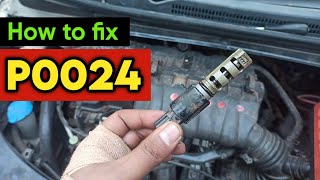
Helpful Videos
We Have This Part in Stock


The information in this article is provided for general reference and educational purposes only. Vehicle specifications, procedures, and part compatibility can vary by production date, trim level, and region. Always consult your vehicle's factory service manual and verify part numbers before purchasing or performing repairs. Safety-critical components such as airbags, seat belts, and braking systems should be installed by a qualified professional.
- Chevrolet Colorado:
- 🧭 Diagnostic Flowchart
- 🎬 Helpful Videos
- 🛍️ Shop This Part
- What's Unique About the 2017-2022 Chevrolet Colorado
- Symptoms You May Notice
- Most Likely Causes
- Rare But Worth Checking
- Diagnosis Steps
- Parts You'll Likely Need
- Related Codes That Often Appear With This One
- Technical Service Bulletins (TSBs) & Recalls
- Platform-Specific Known Issues
- Mechanic-Grade Diagnostic Values
- Scan Tool Commands That Help
- Wiring & Ground Locations
- Documented NHTSA Reports
- Real Owner Repair Stories
- OEM Part Supersession History
- Model Year Variations Within This Range
- Other Known Issues on This Vehicle
- Used vs. New Parts: Buying Guide for This Vehicle
- Real Owner Stories
- 2018 Chevrolet Colorado ZR2 V-6
- 2020 Chevrolet Colorado 3.6L V6
- Related OBD-II Codes
- Frequently Asked Questions
- 🎟️ Get 5% Off