

P0024 on 2012-2015 Chevrolet Equinox: V6 Exhaust Cam Timing Causes and Fixes
On a 2012-2015 Equinox with a V6 engine, code P0024 is most often caused by a faulty exhaust camshaft position actuator solenoid on Bank 2 or low/dirty engine oil. Replacing the solenoid is a common DIY fix, with the part costing between $25 and $60. GM issued a TSB (PIP5096C) for this exact issue, recommending replacement with an updated part and warning against simply swapping solenoids for diagnosis.
- P0024 on a V6 Equinox points to the exhaust camshaft on the front bank (Bank 2) being timed too far advanced.
- Before buying any parts, check your engine oil level and condition. Low or dirty oil is a very common cause.
- The most likely failed part is the Bank 2 exhaust camshaft actuator solenoid, a known issue addressed by GM TSB PIP5096C.
- Replacing the solenoid is a manageable DIY job, but accessing the Bank 2 (front) solenoid is more involved than the Bank 1 (rear) solenoids.
- If new solenoids and clean oil don't fix the code, the problem could be a more serious and expensive timing chain issue.
What's Unique About the 2012-2015 Chevrolet EQUINOX
The GM High Feature V6 engines (3.0L LFW and 3.6L LFX) used in this generation of Equinox and its platform mates are known for issues with their variable valve timing (VVT) systems. Oil consumption or infrequent oil changes can lead to low/dirty oil, a primary cause of VVT faults. More specifically, GM issued Technical Service Bulletin PIP5096C covering these vehicles, which identified a batch of camshaft actuator solenoids with internal clearance issues. The bulletin advises that if P0024 (or related codes P0011, P0014, P0021) appears without other major drivability problems, the specific solenoid should be replaced with an updated 'service' part from a different supplier, not just cleaned or swapped.
Diagnostic Flowchart
Tap your situation to follow the diagnostic path that matches what you're seeing on this vehicle.
Symptoms You May Notice
- Check Engine Light is on
- Rough or unstable idle
- Reduced engine power and sluggish acceleration
- Poor fuel economy
- Engine may be hard to start
- Engine stalling at low speeds or when coming to a stop
- Rattling or knocking noise from the engine
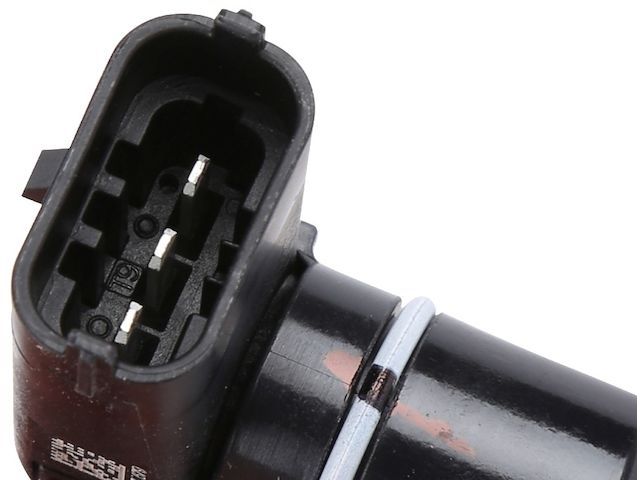
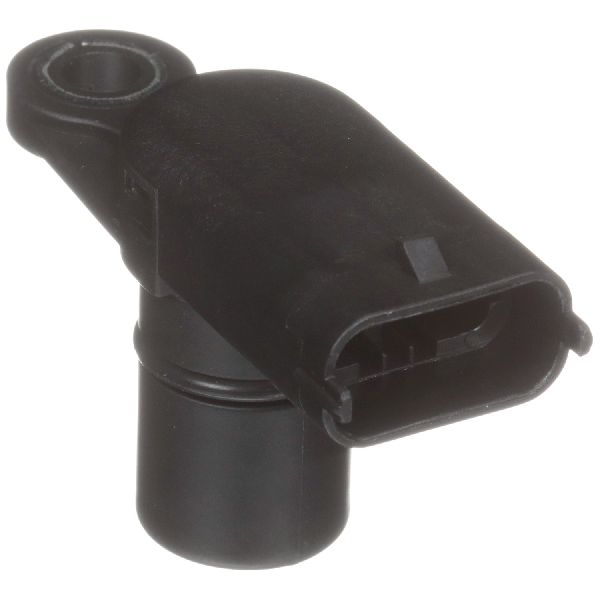
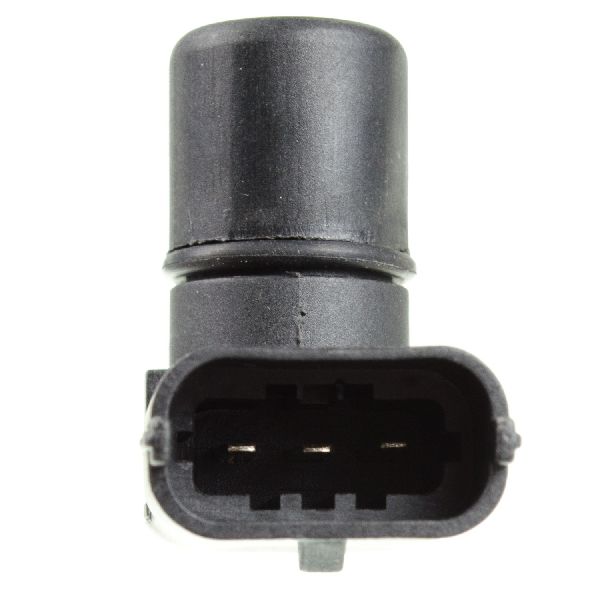
- Replacing the camshaft position *sensor* instead of the camshaft position *actuator solenoid*. The sensor reads the cam's position, while the actuator (solenoid) controls it. P0024 is almost always related to the control side (actuator/oil/mechanical) rather than the sensor itself. A Reddit user with a similar GM 3.6L engine reported changing all four sensors with no effect before learning the actuator was the likely culprit.
Most Likely Causes
- Faulty Exhaust Camshaft Position Actuator Solenoid (Bank 2) 🔴 High Probability → Shop Engine Camshaft GM issued TSB PIP5096C for this exact issue, pointing to a batch of faulty solenoids that need to be replaced with an updated part from a different supplier due to internal clearance problems. Sludge from infrequent oil changes can also clog the solenoid's small oil passages and internal screens, causing it to become lazy or stick.
How to confirm: While a common DIY diagnostic is to swap the suspect solenoid with an identical one (e.g., the intake solenoid on the same bank), TSB PIP5096C explicitly warns *against* this. The official recommendation is to replace the part if the TSB conditions are met. A professional can command the solenoid with a scan tool to check for response. Resistance can also be tested with a multimeter; it should typically be within 8-12 ohms. A reading outside this range indicates a faulty solenoid. 🎬 See how to diagnose and test your VVT solenoids
Typical fix: Replace the Bank 2 exhaust camshaft position actuator solenoid with the updated service part. Bank 2 is the cylinder head closer to the radiator. The exhaust solenoid is the lower of the two solenoids on the head. 🎬 Watch: Step-by-step guide to replacing the exhaust solenoid
Est. part cost: $25-$70 - Low or Dirty Engine Oil 🔴 High Probability The VVT system is hydraulic and relies on clean oil at the correct pressure to function. These engines can consume oil, and if the level drops too low, the system cannot operate correctly. Dirty oil or sludge can block the fine mesh screens on the actuator solenoids, impeding their movement.
How to confirm: Check the engine oil dipstick. The oil level should be in the safe range and the oil should not appear overly dark, thick, or sludgy. Many owners recommend an oil change as the very first step.
Typical fix: Perform an oil and filter change using the manufacturer-specified full synthetic oil (typically 5W-30 dexos1) and a quality filter. If the oil was very dirty, some owners have used an engine flush product like Seafoam or LiquiMoly before the oil change.
Est. part cost: $40-$80 - Stretched Timing Chain 🟡 Medium Probability → Shop Engine Timing Chain The GM 3.6L V6 engine family has a known history of timing chain issues, particularly in earlier model years, though the LFX is improved. A stretched chain can cause the camshaft timing to be physically out of sync with the crankshaft, triggering this code, often after other causes have been ruled out. This is often exacerbated by extended oil change intervals.
How to confirm: This is an advanced diagnosis. It involves checking for cam/crank correlation deviation with a high-end scan tool. A physical inspection of the chain, guides, and tensioners by removing the timing cover is the definitive method. A rattling noise on startup is a common symptom.
Typical fix: Replace the timing chains, tensioners, and guides. This is a significant and costly repair, often costing between $1200 and $2000 at a shop.
Est. part cost: $400-$800
Rare But Worth Checking
- Faulty Camshaft Phaser: → Shop Engine Camshaft The phaser is the gear on the end of the camshaft that actually adjusts the timing. It can get stuck in the advanced position due to internal failure or debris from dirty oil, but this is less common than a solenoid failure. Diagnosis often requires ruling out the solenoid and oil issues first.
- Wiring or Connector Issue: Damage to the wiring harness or a poor connection at the Bank 2 exhaust solenoid can prevent it from operating correctly. Check for frayed wires, oil contamination, or corrosion in the connector. A poor engine ground can also cause erratic electrical behavior for actuators.
Diagnosis Steps
- Verify the code with an OBD-II scanner.
- Check the engine oil level and condition. If low, dirty, or past due for a change, perform an oil and filter change with full synthetic 5W-30 oil. Clear the code and see if it returns.
- Inspect the wiring and connector for the Bank 2 (front/radiator side) exhaust camshaft actuator solenoid for any visible damage, corrosion, or oil saturation.
- Per TSB PIP5096C, if no other drivability issues are present, the recommended step is to replace the Bank 2 exhaust solenoid with a new 'service' part, not to swap it with another solenoid. The old diagnostic trick of swapping the exhaust and intake solenoids is explicitly discouraged by GM for this specific problem.
- If you choose to test the solenoid before replacement, you can check its resistance with a multimeter. A reading between 8 and 12 ohms is typically considered good.
- If a new solenoid and clean oil do not resolve the code, the issue may be a clogged oil passage to the phaser, a faulty camshaft phaser itself, or a more serious mechanical timing issue.
- If a stretched timing chain is suspected, a professional diagnosis is recommended. This involves checking cam/crank deviation data on a scan tool and may require partial engine disassembly for visual inspection.
Parts You'll Likely Need
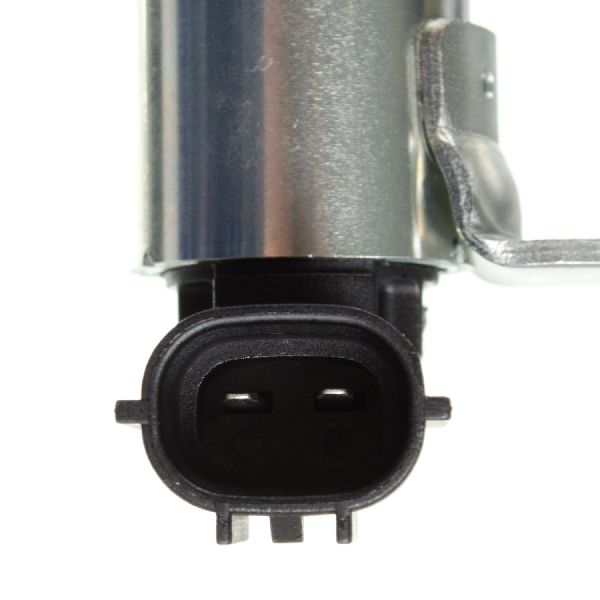
- Camshaft Position Actuator Solenoid (VVT Solenoid)
(OEM #12655421 (Exhaust, may be superseded by 12679100 or 12681018))— This part is the most frequent point of failure for VVT timing codes and is specifically mentioned in GM TSB PIP5096C for this vehicle and code. The original part number 12655421 has several superseded numbers.
Trusted brands: ACDelco (GM Genuine), Delphi, Dorman
OEM price range: $40-$70
Aftermarket price range: $25-$50
Related Codes That Often Appear With This One
- P0014 — This is the same over-advanced timing code but for the exhaust camshaft on Bank 1 (firewall side). It's common to see both if the issue is systemic, like low/dirty oil or a faulty batch of solenoids as described in TSB PIP5096C.
- P0021 — This is an over-advanced code for the *intake* camshaft on the same bank (Bank 2). Seeing them together can point to an oil pressure problem affecting the entire bank or multiple faulty solenoids.
- P0011 — This is an over-advanced code for the *intake* camshaft on Bank 1. TSB PIP5096C lists all four codes (P0011, P0014, P0021, P0024) as being related to the same potential solenoid issue.
Technical Service Bulletins (TSBs) & Recalls
- PIP5096C: DTC P0011, P0014, P0021 Or P0024 Light With No Drivability Concerns.
Platform-Specific Known Issues
- TSB PIP5096C: This bulletin is the most critical piece of information for this code on this vehicle. It applies to 2012-2015 Equinox models with V6 engines and states that if codes P0011, P0014, P0021, or P0024 are present without other drivability issues, a specific batch of camshaft actuator solenoids may be at fault due to internal clearance issues. The official fix is to replace the solenoid with an updated 'service' part from a different supplier and explicitly warns *not* to simply swap solenoids from another position on the engine as a diagnostic test.
- Timing Chain Stretch: The 3.6L LFX engine, while improved over its predecessor (LLT), can still be susceptible to timing chain stretch, especially if oil change intervals are extended or the engine is run low on oil. This is a major repair that can cause P0024 and other related timing codes, and forum discussions place the repair cost in the $1200-$2000 range.
Mechanic-Grade Diagnostic Values
- Camshaft Position Actuator (VVT Solenoid) Resistance — expected: 8 to 12 Ohms. Failure: A reading outside this range, an open circuit (infinite resistance), or a short circuit (very low resistance) indicates a failed solenoid.
- Scan Tool Cam/Crank Variance (Desired vs. Actual) — expected: Near 0 degrees at idle.. Failure: A variance greater than 5-9 degrees that persists for more than a few seconds can set the code. One source noted a 7-degree variance before repair, which dropped to under 3 degrees after.
- VVT Solenoid Circuit Voltage (at connector) — expected: Battery voltage on the power supply pin with ignition on.. Failure: No voltage or low voltage indicates a problem with the wiring or the engine main relay, not the solenoid itself.
Scan Tool Commands That Help
- GDS2 / Professional Scan Tool: Camshaft Position Actuator Control (or similar VVT actuator test) — This bidirectional command allows a technician to manually activate the Bank 2 exhaust solenoid while the engine is running. A functioning solenoid will cause the engine to hesitate or stall, confirming the solenoid and its oil passages are working. If the engine operation does not change, it points to a faulty solenoid, a clog, or a wiring issue.
Wiring & Ground Locations
- G109 (3.6L V6) — Located on the right front of the engine.. This is a primary engine ground. A poor connection here can cause erratic behavior in various engine sensors and actuators, including the VVT solenoids.
- G112 (3.6L V6) — Located on the left rear of the engine.. Another key engine ground point. Ensuring it is clean and tight is a crucial step in diagnosing any electrical fault on the engine.
- Engine Harness Grounds — A video focusing on the 3.6L LFX engine shows three smaller ground connections on the cylinder heads themselves, in addition to the main battery-to-block ground.. These smaller grounds are for the engine wiring harness, which includes the circuits for the VVT solenoids. A loose or corroded ground here can directly impact solenoid operation.
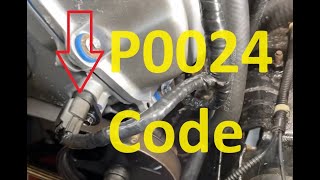
- Q6C Camshaft Position Actuator Solenoid Connector — This is the 2-way female connector for the Bank 2 Exhaust solenoid.. This is the direct connection point for testing voltage and resistance of the solenoid and its circuit. It should be inspected for oil contamination, corrosion, or pushed-out pins.
Real Owner Repair Stories
- YouTube channel 'Fix it Angel' (Vehicle with GM V6 engine (specific model not stated, but procedure is identical for Equinox V6)) — Check Engine Light with codes P0014 and P0024. Scan tool showed a cam/crank variance of up to 7 degrees when letting off the throttle.
❌ Tried (didn't work) The owner had not kept up with maintenance; the oil was black and the oil life monitor was at 0%.
✅ What actually fixed it The mechanic first performed an engine flush with Seafoam, followed by a fresh oil and filter change. This alone did not resolve the issue completely. The final fix was replacing both the Bank 1 and Bank 2 exhaust VVT solenoids. After replacement, the cam/crank variance on the scan tool dropped to a maximum of 3 degrees, resolving the codes. - Chevrolet Forum user (2010 GMC Terrain with 3.0L V6 (platform mate to Equinox)) — Intermittent Check Engine Light, always showing P0024, and sometimes P0014 as well.
❌ Tried (didn't work) Performed a triple engine flush with LiquiMoly and Penzoil Platinum full synthetic oil and multiple new filters. The oil was confirmed to be perfectly clean, but the codes returned.
✅ What actually fixed it The user's post was a request for help after the extensive oil flushes did not work, with the next planned step being the replacement of the solenoids. This story highlights that while dirty oil is a primary cause, clean oil alone may not fix a solenoid that is already mechanically failing or clogged internally.
OEM Part Supersession History
12655421→12679100— Part update/supplier change, likely related to the issues described in TSB PIP5096C.
Heads up: While aftermarket parts list many numbers as compatible, using the latest genuine GM part is the safest bet to resolve the TSB-related issue.12679100→12681018 (per some sources)— Standard part lifecycle update.
Model Year Variations Within This Range
- 2012 only: The 2012 model year LFX engine carried over the timing chain design from its predecessor, the LLT engine, which had a poorer reputation for reliability. For the 2013 model year, the timing chain components were redesigned and improved, making 2013-2015 models less susceptible to premature timing chain stretch, though not entirely immune.
Helpful Videos
We Have This Part in Stock


The information in this article is provided for general reference and educational purposes only. Vehicle specifications, procedures, and part compatibility can vary by production date, trim level, and region. Always consult your vehicle's factory service manual and verify part numbers before purchasing or performing repairs. Safety-critical components such as airbags, seat belts, and braking systems should be installed by a qualified professional.
- Chevrolet EQUINOX:
- 🧭 Diagnostic Flowchart
- 🎬 Helpful Videos
- 🛍️ Shop This Part
- What's Unique About the 2012-2015 Chevrolet EQUINOX
- Symptoms You May Notice
- Most Likely Causes
- Rare But Worth Checking
- Diagnosis Steps
- Parts You'll Likely Need
- Related Codes That Often Appear With This One
- Technical Service Bulletins (TSBs) & Recalls
- Platform-Specific Known Issues
- Mechanic-Grade Diagnostic Values
- Scan Tool Commands That Help
- Wiring & Ground Locations
- Real Owner Repair Stories
- OEM Part Supersession History
- Model Year Variations Within This Range
- 🎟️ Get 5% Off