

P0024 on 2005-2014 Ford Expedition 5.4L: Over-Advanced Cam Timing Causes and Fixes
On the 5.4L 3V Triton, P0024 is almost always caused by low/dirty oil, a bad VCT solenoid, or a failing cam phaser on the driver's side. Start with an oil change using 5W-20 oil and a Motorcraft filter. If that fails, the VCT solenoid is the next most likely part, costing around $40-$80 for an OEM part. If you hear a loud, diesel-like rattle at hot idle, the issue is likely deeper, involving the cam phasers and timing components, which is a significantly more expensive repair.
- Always start diagnosis by checking the engine oil. An oil and filter change with Ford-spec 5W-20 oil and a Motorcraft filter is the cheapest and easiest first step.
- The most likely failed component is the Bank 2 (driver's side) exhaust VCT solenoid. Swapping it with another solenoid on the engine is a free and effective way to confirm if it's bad.
- A loud, diesel-like rattling noise from the engine when warm at idle is a definitive sign of cam phaser failure, which requires an expensive and labor-intensive timing job.
- Do not replace the camshaft position sensor; it is almost never the cause of this code on the 5.4L 3V engine.
- When replacing parts, using OEM Motorcraft components, especially for the VCT solenoids and cam phasers, is highly recommended for longevity.
What's Unique About the 2005-2014 Ford Expedition
The Ford 5.4L 3V Triton engine is infamous for its VCT system problems, which are the root cause of code P0024. The system is highly sensitive to oil pressure and cleanliness. Over time, oil passages can clog, VCT solenoids fail, and camshaft phasers wear out, leading to a distinct ticking or rattling noise often called the '5.4L death rattle'. Unlike many other engines where this code might be a simple sensor issue, on the 5.4L 3V, it often signals a deeper mechanical problem related to oil flow that requires a specific diagnostic approach.
Generation note: This guide covers the second generation (2005-2006) and third generation (2007-2014) of the Ford Expedition. Both generations used the 5.4L 3V Triton V8 engine, and the causes and fixes for code P0024 are identical as the issue is specific to the engine design, not the vehicle chassis.
Symptoms You May Notice
- Check Engine Light is on
- Rough, unstable, or low idle, often dropping when put in gear
- Engine stalling, especially when warm and at idle (e.g., at a stoplight)
- Noticeable loss of power and poor acceleration
- A rattling, ticking, or diesel-like knocking sound from the engine, particularly at hot idle, that may quiet down around 1200 RPM.
- Reduced fuel economy
- Replacing the camshaft position sensor. The sensor is usually reporting the problem correctly; it is not the cause of the problem. Replacing it will not fix a P0024 code on this engine.
Most Likely Causes
- Low, Dirty, or Incorrect Viscosity Engine Oil 🔴 High Probability The 5.4L 3V VCT system has very small oil passages that are easily clogged by sludge or varnish from old oil or extended oil change intervals. This is the single most common cause of VCT-related codes.
How to confirm: Check the oil level on the dipstick and examine its condition. If the oil is dark, thick, or below the 'add' line, this is the likely starting point.
Typical fix: Perform an engine oil and filter change. Use the manufacturer-recommended 5W-20 viscosity oil and a high-quality filter, preferably a Motorcraft FL-820S, as its anti-drainback valve is critical for preventing dry starts and maintaining pressure.
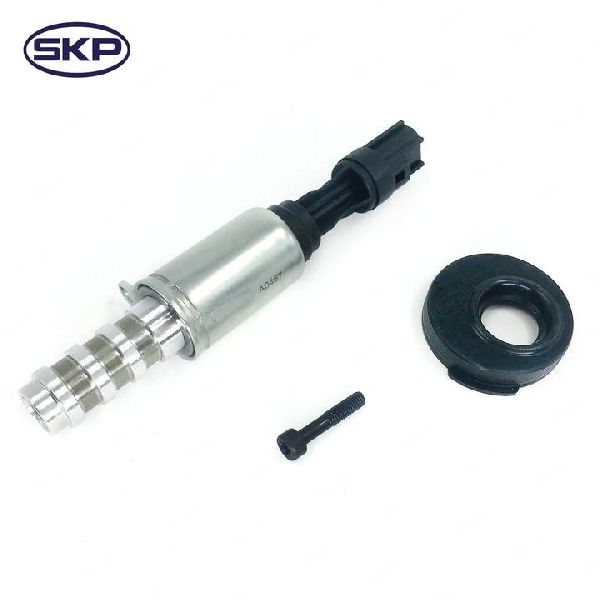
Est. part cost: $40-$80 - Failing VCT Solenoid (Oil Control Valve) 🔴 High Probability → Shop Engine Variable Valve Timing (VVT) Solenoid The solenoids are a known weak point. Debris in the oil clogs their internal screens, or the screens can tear, causing the solenoid to stick and send incorrect oil pressure to the phaser. Ford has released updated versions of these solenoids to improve durability.
How to confirm: Swap the Bank 2 (driver's side) exhaust VCT solenoid with the intake solenoid on the same bank. They are identical and located on the front of the valve cover. Clear the codes and drive. If the code changes to P0021 (intake), the solenoid is confirmed bad. You can also test resistance with a multimeter (should be within OEM spec).
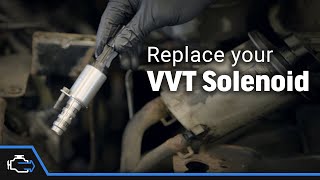
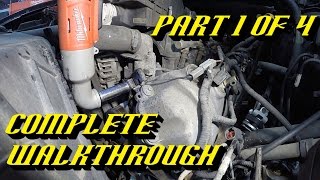
Typical fix: Replace the VCT solenoid on the driver's side valve cover. It is highly recommended to use an OEM Motorcraft part 🎬 See this walkthrough on how to replace the VCT solenoid. (8L3Z-6M280-B). This involves removing the valve cover.
Est. part cost: $40-$80 - Failing Camshaft Phaser 🟡 Medium Probability → Shop Engine Camshaft The original phasers are prone to failure due to low oil pressure. The internal locking pin can break or the hydraulic chambers can wear out, causing them to get stuck or rattle loudly at idle. Aftermarket phasers are widely reported to fail prematurely, making OEM parts essential for this repair.
How to confirm: A loud, diesel-like rattle from the front of the engine at hot idle is the classic sign of a bad phaser. A diagnostic technique involves unplugging both VCT solenoids; if the noise continues or changes, it points strongly to the phasers themselves. This diagnosis usually follows ruling out the oil and VCT solenoid.
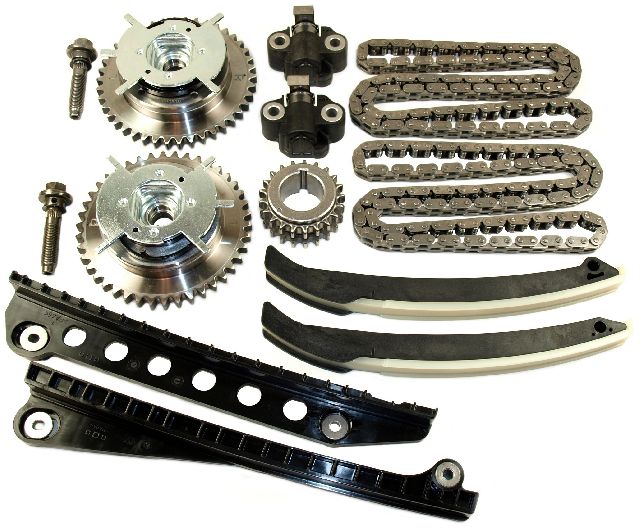
Typical fix: This is a major repair that involves replacing the cam phaser, timing chains, guides, and tensioners, often called a 'timing job'. Many mechanics also recommend replacing the oil pump with a high-volume unit (like the Melling M340HV) at the same time. Some owners opt for 'phaser lockout' kits, which is a cheaper but controversial fix that eliminates the variable timing function.
Est. part cost: $400-$1000 for a full OEM timing kit. - Low Oil Pressure (Worn Tensioners/Oil Pump) ⚪ Low Probability The seals on the back of the timing chain tensioners are made of plastic and are known to blow out, causing a major internal oil pressure leak. This starves the VCT system, especially at the cylinder heads, leading to phaser and timing issues.
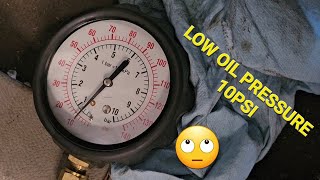
How to confirm: Perform a manual oil pressure test with a mechanical gauge. Ford's revised minimum spec is 15 PSI at hot idle, though many mechanics prefer to see at least 20-25 PSI. At 2000 RPM, pressure should be 40-60 PSI. If it's lower, there is a base oil pressure problem.
Typical fix: This requires a full timing job to replace the leaking tensioners. It is strongly recommended to also replace the stock oil pump with a high-volume Melling M340HV or M360HV pump to ensure adequate pressure for the VCT system.
Est. part cost: $500-$1200 for a full timing kit plus a high-volume oil pump.
Rare But Worth Checking
- Faulty Alternator Diode: Ford TSB 06-19-12 notes that a malfunctioning diode in the alternator can create electrical interference ('noise') that disrupts the camshaft position sensor signal, leading to false timing codes like P0340/P0345. While less common for P0024, it's a documented electronic cause worth considering if mechanical causes are ruled out.
Diagnosis Steps
- Check Engine Oil: Verify the oil level is full. Check the oil's condition and smell. If it's low, dirty, or past its change interval, perform an oil and filter change with 5W-20 oil and a Motorcraft FL-820S filter. Clear the code and see if it returns.
- Scan for Other Codes: Check for any other pending or active codes that could provide more clues (e.g., codes for the other bank, misfires, or oil pressure codes like P0521).
- Inspect VCT Solenoid: Unplug the Bank 2 (driver's side) exhaust VCT solenoid, located on the front of the valve cover. Inspect the connector for oil intrusion or corrosion. Clean as needed.
- Swap VCT Solenoids: A definitive test is to swap the Bank 2 exhaust solenoid with the Bank 2 intake solenoid. They are identical parts. Clear the codes and drive the vehicle. If the code changes to P0021 ('A' Camshaft Position Over-Advanced), the solenoid is faulty and must be replaced.
- Listen for Engine Noises: With the engine fully warmed up, listen for a loud ticking or diesel-like rattle at idle. If this 'death rattle' is present, it strongly indicates worn cam phasers and timing components. Unplugging the VCT solenoids can help isolate the noise.
- Check Oil Pressure: If the above steps don't resolve the issue, use a mechanical gauge to test engine oil pressure at hot idle. The test port is near the oil filter housing. Pressure below 15-25 PSI indicates a serious internal issue like a failing oil pump or blown tensioner seals, requiring a full timing job.
Parts You'll Likely Need
- Engine VVT Solenoid (VCT Solenoid)
(OEM #8L3Z-6M280-B)— This is the most common point of failure after incorrect oil. It gets clogged with debris and sticks, preventing proper oil flow to the cam phaser. Ford has updated this part from its original design.
Trusted brands: Motorcraft
OEM price range: $40-$80
Aftermarket price range: $25-$50 - Camshaft Phaser
(OEM #3R2Z-6A257-DA)— This is the mechanical actuator that fails due to oil starvation, causing the infamous 'death rattle' and getting stuck in an over-advanced position. It is typically replaced as part of a full timing job. Using OEM phasers is critical as aftermarket versions are known to fail quickly.
Trusted brands: Motorcraft
OEM price range: $150-$250 each
Aftermarket price range: $50-$120 each - Timing Chain Kit
(OEM #TCRK1 (example kit number))— Required when cam phasers have failed or if low oil pressure is diagnosed due to blown tensioner seals. A complete kit ensures all wear items are replaced at once.
Trusted brands: Motorcraft, Melling
OEM price range: $400-$800
Aftermarket price range: $250-$500 - High-Volume Oil Pump
(OEM #M340HV or M360HV)— A highly recommended upgrade during a timing job to provide better oil pressure to the VCT system, preventing future phaser and solenoid issues. The Melling M340HV or M360HV are the most commonly cited upgrades.
Trusted brands: Melling
OEM price range: N/A (Upgrade)
Aftermarket price range: $100-$200
Related Codes That Often Appear With This One
- P0014 — This is the same over-advanced timing code but for Bank 1 (passenger side). Seeing both P0014 and P0024 together strongly points to a systemic issue like very low oil pressure or severe oil sludge affecting the entire engine.
- P0022 — This is for an 'over-retarded' condition on the same camshaft (Bank 2 Exhaust). Seeing both codes can indicate a VCT solenoid or phaser that is sticking or moving erratically.
- P0345 / P0349 — These codes indicate a problem with the camshaft position sensor circuit for Bank 2. While the sensor itself is rarely the root cause of P0024, a severe timing chain or phaser issue can cause the cam signal to become so erratic that it also triggers a sensor circuit fault.
Technical Service Bulletins (TSBs) & Recalls
- TSB 06-19-12: Notes that electrical noise from a faulty alternator diode can cause false camshaft position sensor codes.
Platform-Specific Known Issues
- The 5.4L 3V engine is well-documented for having an oiling problem where plastic timing chain guides break apart, sending debris through the engine and clogging oil pickup tubes and VCT solenoid screens.
- The original-design timing chain tensioners use a seal that is prone to blowing out, causing a significant loss of oil pressure to the upper engine and VCT system.
- Due to these oil pressure issues, many mechanics recommend upgrading to a high-volume oil pump (e.g., Melling M340HV) during any timing job to ensure longevity of the new components.
Mechanic-Grade Diagnostic Values
- VCT Solenoid Internal Resistance — expected: 6.9 to 7.9 ohms at 68°F (20°C). Some sources state a broader range of 6 to 12 ohms is acceptable.. Failure: A reading outside the specified range, or an open/infinite reading, indicates a faulty solenoid coil.
- Engine Oil Pressure (Hot Idle) — expected: Ford's revised minimum specification is 15 PSI at hot idle in neutral. However, many experienced technicians prefer to see 20-25 PSI or higher to ensure robust VCT system operation.. Failure: Pressure consistently below 15 PSI at hot idle points to significant internal wear, such as blown tensioner seals or a failing oil pump.
- Engine Oil Pressure (Hot, at 2000 RPM) — expected: Approximately 40-60 PSI or higher.. Failure: Pressure significantly below this range under load indicates poor oil pump performance or severe internal leaks.
- Scan Tool PID: VCT Advance Error (VCT_ADV_ERR) — expected: Should be close to 0 degrees (+/- 5 degrees) at stable idle in closed loop.. Failure: A large, persistent error value (e.g., consistently more than 5-10 degrees) that doesn't return to zero confirms a timing control problem on that bank.
- Scan Tool PID: VCT Solenoid Duty Cycle (VCT_DC) — expected: The duty cycle for both banks should be relatively similar under the same conditions.. Failure: If the PCM is commanding a significantly higher duty cycle on one bank compared to the other with little to no change in cam angle, it suggests a restriction or a sticking component on the problematic bank.
Scan Tool Commands That Help
- Ford IDS (or FORScan, other professional scanners): VCT Solenoid Actuator Test / Bidirectional Control — This command allows the technician to directly cycle the VCT solenoid on and off at idle. A functional solenoid and clear oil passages will cause a noticeable change in engine idle (stumble or stall). If there is no change, it points to a failed solenoid, clogged passages, or a wiring issue.
- Ford IDS (or FORScan, other professional scanners): Datalogger with VCT PIDs (VCT_ADV, VCT_ADV_ERR, VCT_DC) — Used to monitor the desired cam angle vs. the actual angle and the duty cycle being commanded to the solenoid. This is crucial for diagnosing intermittent issues or determining if a phaser is responding slowly or sticking, versus a solenoid that isn't activating at all.
Wiring & Ground Locations
- Engine-to-Firewall Ground Strap — On the passenger side of the engine bay, the strap runs from the firewall (near the PCM) to a double-threaded stud on the back of the passenger-side cylinder head. This stud also often secures the heater core tube.. A poor ground connection can cause erratic behavior in sensors and actuators controlled by the PCM, including the CMP sensors and VCT solenoids. While not a primary cause, ensuring all engine grounds are clean and tight is a critical step in diagnosing any electronic fault code.
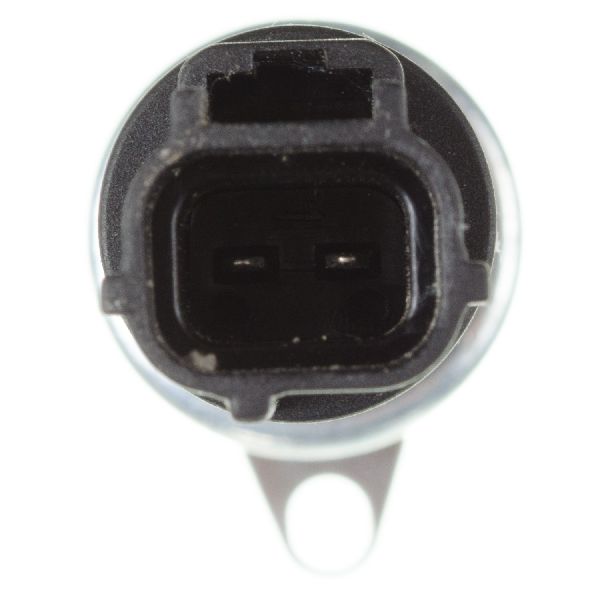
- VCT Solenoid Connector — On the front of the Bank 2 (driver's side) valve cover, under the power steering reservoir. The connector has two wires: one is a power supply (often shared with other components like fuel injectors) and the other is the ground-side control wire from the PCM.. The connector itself can become contaminated with oil from a leaking VCT solenoid seal, causing a poor connection and mimicking a failed solenoid. The wiring should be inspected for damage or corrosion.
Real Owner Repair Stories
- Ford F150 Forum user (Ford F-150 with 5.4L 3V engine) — Inconsistent power, hesitation from a stop, inconsistent fuel economy, intermittent brief rattle on cold start, and a strong smell of burning oil at stops.
❌ Tried (didn't work) Initial thought was failed timing chain tensioner seals, but this was not investigated first.
✅ What actually fixed it The root cause was found to be severely leaking VCT solenoid seals, particularly on the driver's side. The leaking oil dripped onto the exhaust manifold, causing the burning smell, and the accumulated sludge and oil on the valve cover and connector likely interfered with the solenoid's electrical connection. Replacing both VCT solenoids and, critically, the VCT solenoid seals resolved all symptoms.
OEM Part Supersession History
3R2Z-6A257-AA (and others like 3L3Z-6256-DA/EA/FA)→3R2Z-6A257-DA— The cam phaser was updated to improve durability and address premature failure and noise issues common in the early 5.4L 3V engines.
Heads up: Using non-OEM phasers is widely reported on forums to lead to rapid failure. It is critical to use the latest revision of the Motorcraft OEM part for this repair.Unknown early part number→8L3Z-6M280-B— The VCT solenoid was redesigned to be more robust against failure from oil varnish and debris. The updated design may feature different sized oil passages.
Model Year Variations Within This Range
- 2007-2014: On some 2007 and later models, the valve covers were changed, making it more difficult to replace the VCT solenoids. Unlike some earlier models where a larger seal allowed for external replacement, these later models require removing the entire valve cover to access the single bolt holding the solenoid.
- 2008-2014: Starting in the 2008 model year, the cylinder heads were revised to use a different, more conventional spark plug design (SP-546) that was less prone to breaking off in the head during removal. The cam phasers and VCT solenoids were also reportedly improved around this time.
Diagnostic Flowchart
Other Known Issues on This Vehicle
Issues unrelated to this code that are worth knowing about as an owner of this generation:
- Spark Plug Breakage During Removal 🔴 High — Extremely common on 2004-2008 model year 5.4L 3V engines. The original two-piece spark plug design allows carbon to build up, causing the plug to seize in the cylinder head and break when removal is attempted. (Ref: Ford TSB 08-7-6 outlines a specific removal procedure to minimize breakage.)
- Fuel Pump Driver Module (FPDM) Failure 🔴 High — Very common, especially in regions with road salt. The aluminum module is mounted directly to the steel frame, causing galvanic corrosion that destroys the electronics, leading to a crank-no-start or stalling condition.
- Ignition Coil Failure 🟠 Medium — Common issue, often due to excessive spark plug gap or moisture intrusion, leading to engine misfires, rough idle, and a flashing Check Engine Light.
- Air Suspension Leaks / Compressor Failure 🟠 Medium — Common on models equipped with the rear air suspension. The rubber air springs develop dry rot and leak, causing the rear of the vehicle to sag and the compressor to run excessively until it burns out.
- Cracked PCV Hose Elbow 🟡 Low — A common and simple failure point. A rubber elbow in the PCV hose system, often at the back of the intake manifold, cracks and creates a vacuum leak, causing a rough idle and sometimes a lean code.
Used vs. New Parts: Buying Guide for This Vehicle
When a used part is the smart pick: For this specific P0024 repair, using used parts is generally not recommended due to the nature of the failures. The only potential exception would be for major static components like a cylinder head or valve cover if the original is physically damaged, but even then, the condition of the cam journals on a used head would be a major gamble.
Donor-vehicle mileage cap: roughly under 80000 miles for the part to have meaningful remaining life.
What to inspect on the donor part:
- For a cylinder head: Insist on seeing clear photos of the camshaft journals and caps. Any scoring, discoloration, or galling means the head is junk.
- Check for evidence of sludge. Remove the oil fill cap on the donor engine; heavy, thick, black deposits are a red flag for poor maintenance and likely VCT system issues.
- Ask for the maintenance history of the donor vehicle if available. Regular oil changes are the best indicator of a healthy engine.
OEM-only on this vehicle (don't cheap out):
- Camshaft Phasers: Aftermarket phasers for the 5.4L 3V are notorious for failing within months or even weeks. Only use Motorcraft (part #3R2Z-6A257-DA).
- VCT Solenoids: While some high-quality aftermarket brands may exist, the cost savings are minimal and the risk is high. Stick with Motorcraft OEM solenoids (part #8L3Z-6M280-B) to ensure compatibility with the PCM's control strategy.
- Timing Chain Tensioners: The OEM tensioners with plastic bodies are a known weak point due to their seals blowing out. If replacing, use new OEM parts, not used ones. Some users retrofit earlier metal-bodied tensioners, but this is a modification, not a direct replacement.
Aftermarket brands forum-validated for this vehicle:
- Melling: For the oil pump. The Melling M340HV or M360HV high-volume oil pumps are considered a mandatory upgrade by many specialists during a timing job to prevent repeat failures.
Brands owners have reported issues with on this vehicle:
- Dorman (for Cam Phasers/Solenoids): While Dorman makes a wide range of parts, their VCT components for this engine have a poor reputation on owner forums compared to OEM.
Real Owner Stories
Aggregated from forums and TSBs cited above. Mileages and costs reflect what owners reported in those sources.
2012 Ford Expedition 5.4L 3V — ~150000 miles
Symptoms: Owner seeking help for P0024 and other timing codes on a higher mileage vehicle.
What fixed it: The context indicates this diagnosis typically requires checking oil pressure and potentially a full timing job if pressure is below 15-25 PSI.
Source hint: https://www.expeditionforum.com/threads/2012-expy-timing-code-help.20930/
2009 Ford Expedition 5.4L 3V
Symptoms: Drastic drops and returns of oil pressure.
What fixed it: Diagnosing with a mechanical gauge to verify if internal components like tensioner seals or the oil pump have failed.
Source hint: https://www.expeditionforum.com/threads/drastic-drops-returns-of-oil-pressure-5-4l-3v-2009.49202/
2005 Ford F-150 5.4L 3V
Symptoms: Cam phaser knock and noise at idle.
What fixed it: Upgrading to a Melling high-volume oil pump (M340HV or M360HV) during a timing job to ensure longevity of new components.
Source hint: https://www.ford-trucks.com/forums/1523992-2005-5-4-3v-mellings-m360hv-or-m340hv.html
Related OBD-II Codes
Frequently Asked Questions
Could a bad alternator cause a P0024 code on my 2005-2014 Ford Expedition?
Which specific oil filter should I use for my 5.4L 3V Triton to prevent VCT issues?
Can I test the Bank 2 exhaust VCT solenoid by swapping it with another part?
What is the minimum oil pressure required for the 5.4L 3V engine to operate the cam phasers correctly?
Is there a specific VCT solenoid part number recommended for the Ford Expedition 5.4L 3V?
Why is the 5.4L 3V Triton engine so prone to P0024 and other timing codes?
Helpful Videos
We Have This Part in Stock

The information in this article is provided for general reference and educational purposes only. Vehicle specifications, procedures, and part compatibility can vary by production date, trim level, and region. Always consult your vehicle's factory service manual and verify part numbers before purchasing or performing repairs. Safety-critical components such as airbags, seat belts, and braking systems should be installed by a qualified professional.
- Ford Expedition:
- 🧭 Diagnostic Flowchart
- 🎬 Helpful Videos
- 🛍️ Shop This Part
- What's Unique About the 2005-2014 Ford Expedition
- Symptoms You May Notice
- Most Likely Causes
- Rare But Worth Checking
- Diagnosis Steps
- Parts You'll Likely Need
- Related Codes That Often Appear With This One
- Technical Service Bulletins (TSBs) & Recalls
- Platform-Specific Known Issues
- Mechanic-Grade Diagnostic Values
- Scan Tool Commands That Help
- Wiring & Ground Locations
- Real Owner Repair Stories
- OEM Part Supersession History
- Model Year Variations Within This Range
- Other Known Issues on This Vehicle
- Used vs. New Parts: Buying Guide for This Vehicle
- Real Owner Stories
- 2012 Ford Expedition 5.4L 3V — ~150000 miles
- 2009 Ford Expedition 5.4L 3V
- 2005 Ford F-150 5.4L 3V
- Related OBD-II Codes
- Frequently Asked Questions
- 🎟️ Get 5% Off