

P0024 on 2015-2019 Ford Flex: Exhaust Cam Timing Over-Advanced Causes and Fixes
On a 2015-2019 Ford Flex, code P0024 is most often caused by low/dirty engine oil or a sticking Variable Camshaft Timing (VCT) solenoid on Bank 2. An oil change and a new Motorcraft VCT solenoid (~$30-$60) is the most likely fix. Accessing the Bank 2 solenoid requires removing the upper intake manifold, adding significant labor.
- P0024 on a Ford Flex means the exhaust camshaft on the rear cylinder bank (Bank 2) is too far advanced.
- The most common cause is not a bad sensor, but either low/dirty engine oil or a sticking VCT solenoid.
- Always start by checking your oil. An oil change is the cheapest and easiest first step.
- If the oil is fine, the Bank 2 exhaust VCT solenoid is the next most likely culprit. Replacing it is a DIY-friendly job for the front bank, but requires more work for the rear bank.
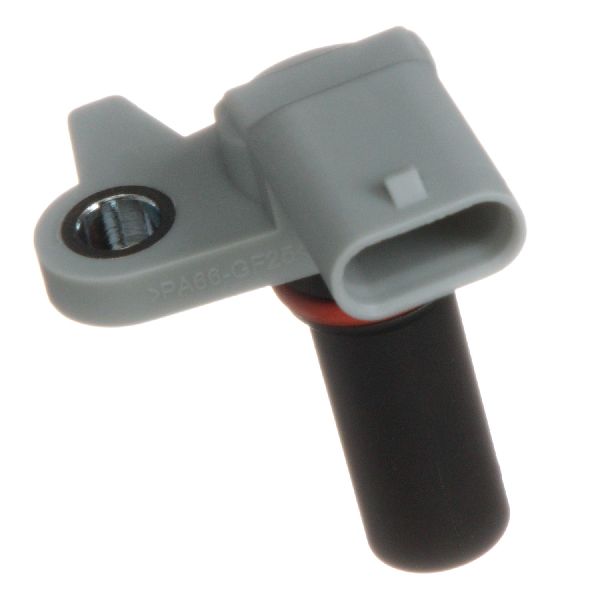
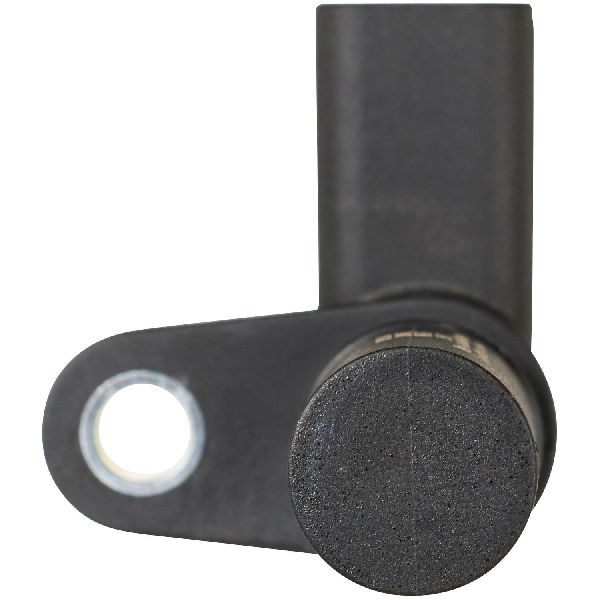
- Do not replace the camshaft position sensor; it is almost never the cause of this specific code.
What's Unique About the 2015-2019 Ford FLEX
The 3.5L V6 engine family (Cyclone) in the Ford Flex is known for being sensitive to oil condition and level. Ford has issued multiple Technical Service Bulletins (TSBs) for this engine across various models, including the Flex, pointing to small debris in the oil causing the VCT solenoids to stick. This makes regular, high-quality oil changes especially critical for preventing this specific code. 🎬 Watch: Quick VVT solenoid test for Ford Flex owners. Some owners on related platforms have even had success with dealer-performed engine flushes using ATF to clear sludge from VCT components.
Diagnostic Flowchart
Tap your situation to follow the diagnostic path that matches what you're seeing on this vehicle.
Symptoms You May Notice
- Check Engine Light is on
- Rough or uneven idle
- Engine hesitation or stalling, especially at low speeds
- Reduced engine power and sluggish acceleration
- Decreased fuel economy
- Rattling or knocking noises from the engine, especially on cold startup
- Hard-starting engine
- Replacing the camshaft position sensor. The P0024 code indicates the sensor is working correctly; it is accurately reporting a timing problem. The code means there is a correlation fault between where the cam *is* and where it *should be*, not that the sensor reading is invalid.
Most Likely Causes
- Low or Dirty Engine Oil 🔴 High Probability The VCT system is hydraulically operated and highly sensitive to oil pressure and cleanliness. Sludge or debris can easily clog the small passages in the VCT solenoids or the mesh screens that protect them.
How to confirm: Check the engine oil dipstick for a low level or dark, sludgy oil. If the oil hasn't been changed in over 5,000 miles, this is a likely culprit. This should always be the first step.
Typical fix: Perform an engine oil and filter change using the manufacturer-specified grade of oil (typically 5W-20 or 5W-30 Synthetic Blend for the 3.5L). Clear codes and perform a drive cycle.
Est. part cost: $40-$80 - Failing Variable Camshaft Timing (VCT) Solenoid 🔴 High Probability → Shop Engine Camshaft Ford TSBs SSM 50067 and SSM 47170 directly state that small debris can cause the VCT solenoid to stick, triggering this code. It's a well-documented issue on this engine platform.
How to confirm: A diagnostic scan tool can command the solenoid to activate. Per TSB SSM 50067, a technician may first try cycling the solenoid 10 times with a scan tool to dislodge debris. A more practical DIY method is to swap the Bank 2 exhaust VCT solenoid with the Bank 1 exhaust VCT solenoid. If the code changes to P0014 (Bank 1 over-advanced), the solenoid is confirmed bad.
Typical fix: Replace the Bank 2 exhaust VCT solenoid. Since accessing the rear bank requires removing the upper intake manifold, many mechanics and DIYers recommend replacing all four solenoids at the same time, along with the valve cover and intake gaskets.
Est. part cost: $30-$60 for one solenoid, $120-$250 for a set of four. - Failing Camshaft Phaser 🟡 Medium Probability → Shop Engine Camshaft The phasers themselves can fail internally or get stuck due to oil contamination, preventing them from returning to the base position. This is a more complex and expensive repair than a solenoid.
How to confirm: This is typically diagnosed after confirming the oil is clean and the VCT solenoids are functioning correctly. A distinct startup rattle that lasts for a few seconds is a very common symptom of a failing phaser, as documented by many owners.
Typical fix: Replace the Bank 2 exhaust camshaft phaser. This is a labor-intensive job that involves removing the valve cover and timing components. It is often done as part of a full timing chain service.
Est. part cost: $100-$250 per phaser
Rare But Worth Checking
- Stretched Timing Chain: → Shop Engine Timing Chain While less common than a solenoid failure, a stretched timing chain can cause camshaft timing to be physically out of sync with the crankshaft, leading to over-advanced codes. This is usually accompanied by a rattling noise, especially on cold starts, and is a known issue on higher-mileage 3.5L engines.
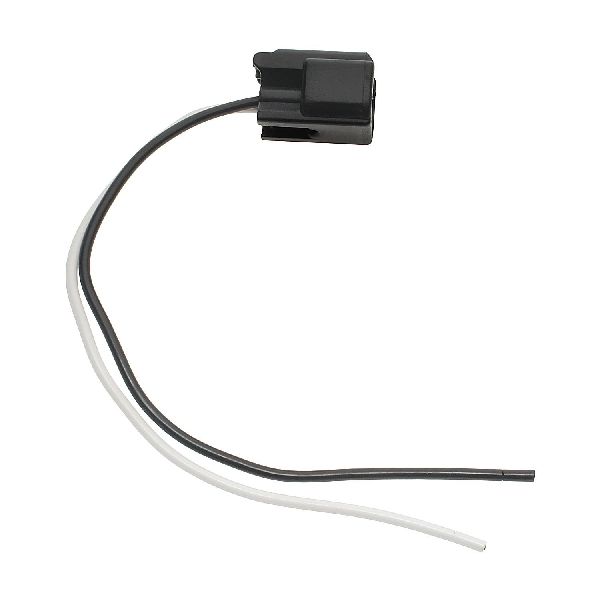
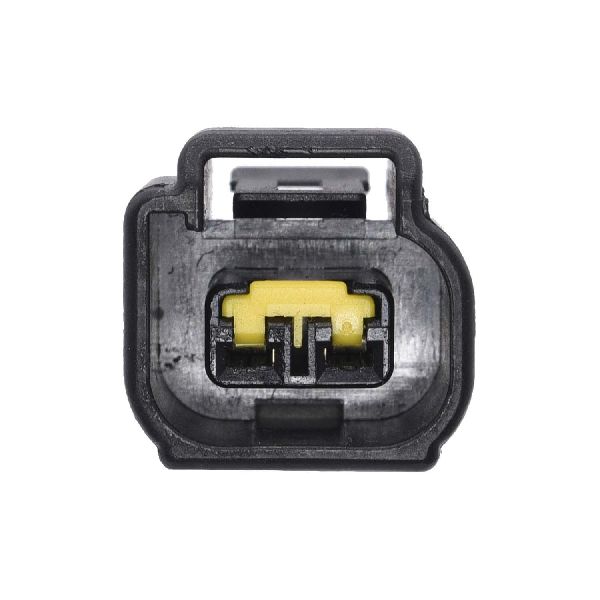
- Wiring or Connector Issue: Damage to the wiring harness (rodent damage is not unheard of) or a poor connection at the VCT solenoid can prevent the PCM from controlling it properly. Inspect the connector for corrosion or damage before replacing parts.
- Clogged VCT Solenoid Oil Filter Screen: → Shop Engine Variable Valve Timing (VVT) Solenoid Some engines have small, thimble-like filter screens in the oil passages leading to the VCT solenoids. These can become clogged with sludge, starving the solenoid and phaser of oil pressure, even if the solenoid itself is functional. Checking and cleaning these may be possible during solenoid replacement.
Diagnosis Steps
- Check Engine Oil: Verify the oil level is correct and the oil is clean. This is the number one cause. If low or dirty, perform an oil and filter change, clear the code, and see if it returns.
- Scan Tool Analysis: Use an OBD-II scanner to view live data for the commanded vs. actual camshaft position for Bank 2 (CMPADV2). This can help confirm the over-advanced condition in real-time.
- TSB Diagnostic Procedure: If you have a capable scan tool, follow the procedure in TSB SSM 50067: use the actuator test function to cycle the Bank 2 exhaust VCT solenoid 10 times to attempt to clear any internal debris.
- Inspect VCT Solenoid Connector: Check the electrical connector and wiring for the Bank 2 exhaust VCT solenoid for any visible damage, corrosion, or loose pins.
- Test the VCT Solenoid: The most effective DIY test is to swap the Bank 2 exhaust solenoid with the Bank 1 exhaust solenoid (if they are identical and accessible). Clear the codes and drive the vehicle. If the code returns as P0014, the solenoid is faulty and needs replacement.
- Advanced Diagnostics: If the oil is good and the solenoid tests fine, the issue may be a clogged oil passage, a failing camshaft phaser, or a stretched timing chain. A startup rattle is a strong indicator of a phaser or chain issue. These issues typically require professional diagnosis and significant labor to repair.
Parts You'll Likely Need
- Variable Camshaft Timing (VCT) Solenoid
(OEM #AT4Z-6M280-B)— This part is the most common point of failure for P0024, often due to sticking from oil debris, as noted in Ford TSBs. This part number is confirmed for the 3.5L V6 engine. Do not confuse with 8L3Z-6M280-B, which is for older V8 engines.
Trusted brands: Motorcraft, Dorman, Standard Motor Products (SMP)
OEM price range: $40-$70
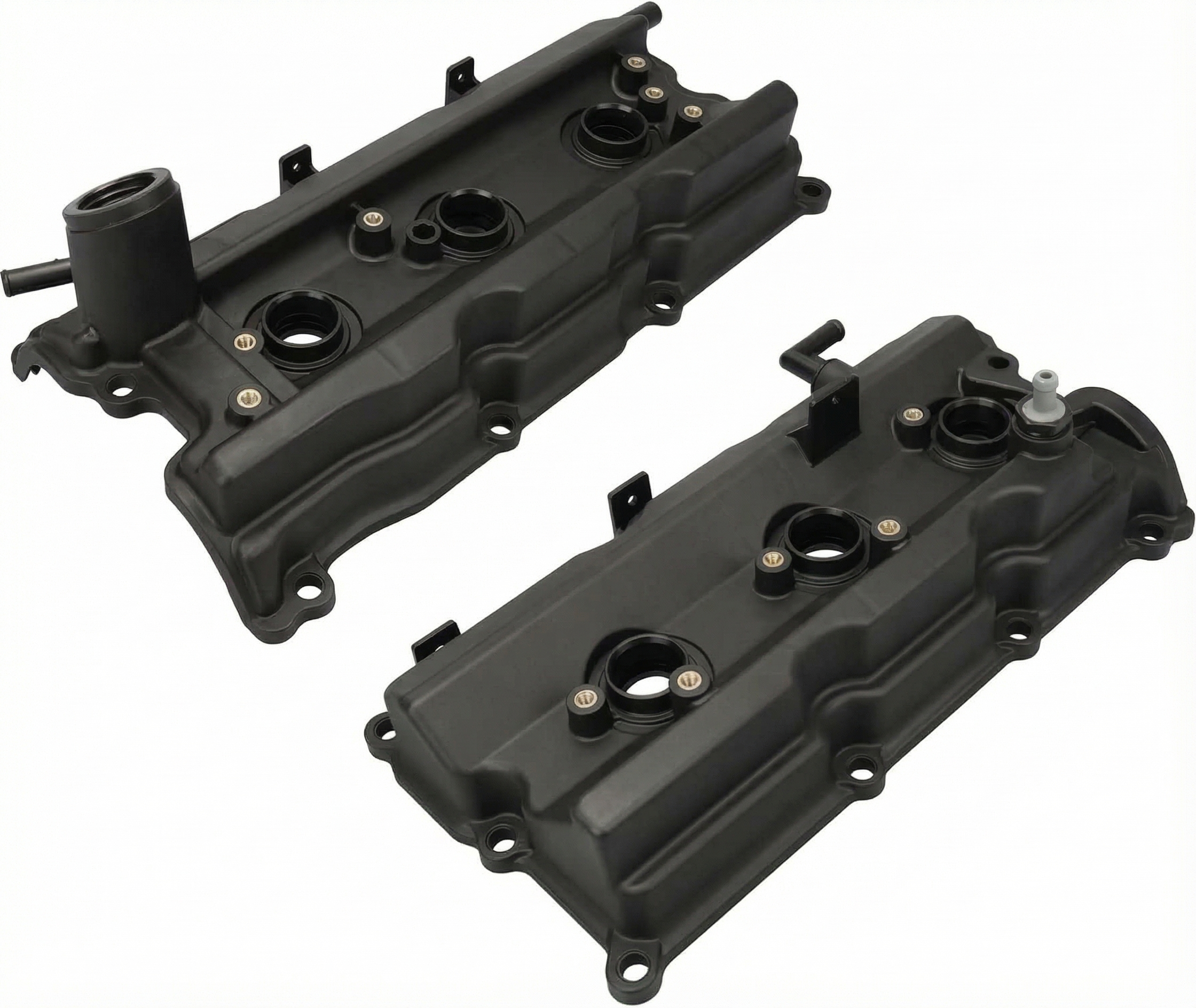
Aftermarket price range: $25-$50 - Valve Cover Gasket Kit — The VCT solenoids are located under the valve covers. The gaskets must be replaced when the covers are removed to access the solenoids. The kit should include the main gasket and spark plug tube seals.
Trusted brands: Fel-Pro, Mahle, Motorcraft
OEM price range: $50-$90
Aftermarket price range: $30-$60 - Upper Intake Manifold Gaskets — To access the Bank 2 (rear) valve cover and VCT solenoids, the upper intake manifold must be removed. Its gaskets are single-use and should be replaced during reassembly to prevent vacuum leaks.
Trusted brands: Fel-Pro, Motorcraft
OEM price range: $20-$40
Aftermarket price range: $10-$25
Related Codes That Often Appear With This One
- P0014 — This is the equivalent code for the exhaust camshaft on Bank 1. If you swap solenoids for diagnosis and this code appears, it confirms the solenoid is the problem. Seeing both P0014 and P0024 at the same time could point to a systemic issue like oil sludge.
- P0021 — This code is for 'Intake Camshaft Position Timing - Over-Advanced (Bank 2)'. Seeing them together can point to a more significant oil pressure or supply issue affecting the entire cylinder head, or multiple failed components.
- P0349 — This code indicates a circuit malfunction for the Bank 2 camshaft position sensor. It may appear if there is a wiring issue affecting both the sensor and the VCT solenoid.
- P0018 — Crankshaft Position - Camshaft Position Correlation (Bank 2, Sensor A). This code indicates a more fundamental timing misalignment between the crank and the cam, often pointing towards a stretched timing chain or incorrectly set timing.
Technical Service Bulletins (TSBs) & Recalls
- SSM 50067: Notes that various VCT codes, including P0024, may be due to small debris causing the VCT solenoid to stick. Recommends using scan tool to cycle the solenoid before replacement.
- SSM 47170: An earlier version of the same bulletin, also pointing to debris in the VCT solenoid as the cause for P0024 and other timing codes.
- SSM 54366: Mentions P0024 and updates to the pinpoint tests in the official workshop manual for diagnosing VCT issues.
Platform-Specific Known Issues
- Ford has issued multiple Technical Service Bulletins (TSBs) like SSM 50067 and SSM 47170 that directly address P0024 and related codes. They state the cause is often small debris causing the VCT solenoid to stick. Crucially, TSB SSM 50067 recommends a specific diagnostic step before replacing parts: use a scan tool to cycle the affected VCT solenoid 10 times to attempt to clear the debris.
Real Owner Repair Stories
- f150forum.com ()
- f150forum.com ()
Helpful Videos


![How to Fix P0024 Engine Code in 4 Minutes [2 DIY Methods / Only $6.74]](https://img.youtube.com/vi/0tbOM7HEJsQ/mqdefault.jpg)

Used OEM Parts in Stock
New Aftermarket Parts Available


The information in this article is provided for general reference and educational purposes only. Vehicle specifications, procedures, and part compatibility can vary by production date, trim level, and region. Always consult your vehicle's factory service manual and verify part numbers before purchasing or performing repairs. Safety-critical components such as airbags, seat belts, and braking systems should be installed by a qualified professional.
- Ford FLEX:
- 🧭 Diagnostic Flowchart
- 🎬 Helpful Videos
- 🛍️ Shop This Part
- What's Unique About the 2015-2019 Ford FLEX
- Symptoms You May Notice
- Most Likely Causes
- Rare But Worth Checking
- Diagnosis Steps
- Parts You'll Likely Need
- Related Codes That Often Appear With This One
- Technical Service Bulletins (TSBs) & Recalls
- Platform-Specific Known Issues
- Real Owner Repair Stories
- 🎟️ Get 5% Off