

P0024 on 2015-2018 Ford Focus: A Guide to a Confusing Code
P0024 technically refers to 'Bank 2,' which your Focus's inline engine doesn't have. This code is rare and almost always a scanner error, pointing to the fault for code P0014. The issue is an over-advanced exhaust camshaft, most often caused by a sticking VCT solenoid due to dirty or low engine oil. Always check your oil level and condition first, then inspect and likely replace the exhaust VCT solenoid.
- P0024 is a 'ghost code' for a Ford Focus; the real issue corresponds to code P0014, affecting the exhaust camshaft.
- Before buying any parts, check your engine oil. Low, old, or dirty oil is the most frequent trigger for this problem.
- The most likely failed component is the exhaust VCT solenoid, which gets stuck. It's a relatively inexpensive part and is accessible for DIY replacement.
- A simple diagnostic test is to swap the intake and exhaust VCT solenoids to see if the trouble code follows the part.
What's Unique About the 2015-2018 Ford FOCUS
The main point of confusion with P0024 on a Focus is that the car's inline engine physically cannot have a 'Bank 2'. The issue is almost certainly on the single bank's exhaust camshaft, which would normally trigger a P0014 code. Ford has issued multiple Technical Service Bulletins (TSBs), including SSM 47170 and SSM 50067, that acknowledge that debris in the engine oil is a common reason for the underlying Variable Camshaft Timing (VCT) solenoid to stick, causing these types of timing faults across many models. Ford TSB #SSM 47170 specifically recommends attempting to clear debris by cycling the solenoid with a scan tool 10 times before replacing it.
Diagnostic Flowchart
Tap your situation to follow the diagnostic path that matches what you're seeing on this vehicle.
Symptoms You May Notice
- Check Engine Light is on
- Rough or unstable idle
- Engine hesitation or stalling, especially at low speeds
- Reduced engine power and acceleration
- Decreased fuel economy
- Hard starting
- Engine makes a rattling or ticking noise on startup
- Replacing the camshaft position sensor when the actual fault is a sticking VCT solenoid.
- Replacing the VCT phaser (a major repair) before ruling out the much more common and cheaper VCT solenoid and oil quality issues.
- Assuming the code means a Bank 2 component needs replacement, which doesn't exist on this engine.
Most Likely Causes
- Sticking or Failed Exhaust VCT Solenoid 🔴 High Probability → Shop Engine Variable Valve Timing (VVT) Solenoid Ford TSBs #SSM 47170 and #SSM 50067 directly state that small debris in the oil can cause the VCT solenoid to stick, which is a known sensitivity of the Ford Ti-VCT system. The solenoids are oil-pressure activated, and sludge or contaminants can easily clog their small internal passages.
How to confirm: Use a capable scan tool to command the exhaust VCT solenoid on and off while the engine is running; a noticeable change in idle quality should occur. A definitive DIY test is to swap the exhaust and intake VCT solenoids (they are identical parts) and see if the fault code changes to P0011 (intake cam). If it does, the solenoid is bad.
Typical fix: Replace the exhaust VCT solenoid. It's often recommended to change the engine oil and filter at the same time to remove the debris that caused the failure. The solenoids are located under the valve cover. 🎬 Watch: How to replace VVT solenoids on a Ford Focus
Est. part cost: $30-$80 - Low, Dirty, or Incorrect Viscosity Engine Oil 🔴 High Probability The VCT system is operated by oil pressure. Ford's own TSBs point to oil debris as a primary cause of VCT issues. Using oil that is not the manufacturer-specified viscosity (typically 5W-20 for the 2.0L GDI) can also prevent proper system operation. Forum users on F-150 forums with similar engines have reported that oil sludging was the direct cause of these codes, fixed only by an aggressive cleaning/flush and more frequent oil changes.
How to confirm: Check the engine oil level on the dipstick and inspect its color and consistency. If it's low, black, or sludgy, it needs to be changed. This should be the very first check performed.
Typical fix: Perform an engine oil and filter change using the correct OEM-specified oil viscosity (e.g., Motorcraft 5W-20 Synthetic Blend). Some owners recommend an engine flush product before the oil change to help clear sludge.
Est. part cost: $40-$70 - Faulty Exhaust Camshaft Position Sensor ⚪ Low Probability → Shop Engine Camshaft Position Sensor
How to confirm: The sensor provides the timing data to the PCM. If the solenoid and oil are good, the sensor is the next suspect. Testing involves checking its signal with an oscilloscope or swapping it with the intake sensor to see if the code changes to an intake-related code.
Typical fix: Replace the exhaust camshaft position sensor. This is often misdiagnosed; the VCT solenoid is a much more common failure point.
Est. part cost: $25-$60
Rare But Worth Checking
- Worn Timing Chain or VCT Phaser: → Shop Engine Timing Chain This is a more serious mechanical issue, usually seen at higher mileage. It often presents with other symptoms like a rattling noise from the engine on startup. A stretched chain or a failed VCT phaser (the gear itself) can cause timing to be physically out of range.
- Clogged Oil Passages: In cases of severe engine sludge, the small oil passages that feed the VCT system can become blocked. This may require more extensive engine cleaning or repair. A forum user reported a Ford technician used ATF in the oil and ran the engine to clear sludge, which resolved the codes.
- Wiring or Connector Issue: Damage to the wiring harness or a corroded connector for the VCT solenoid or camshaft position sensor can interrupt the signal, causing the code. Oil leaking from a faulty valve cover gasket can also contaminate the connectors.
Diagnosis Steps
- Verify the code with an OBD-II scanner. Note if any other codes are present. Acknowledge that P0024 on this car means P0014.
- Check the engine oil level and condition. If low, dirty, or overdue for a change, perform an oil and filter change with the manufacturer-specified oil (e.g., Motorcraft 5W-20). Clear the codes and test drive to see if the code returns.
- If the code returns, inspect the wiring and connectors for the exhaust VCT solenoid for any signs of damage, corrosion, or oil contamination.
- Using a bidirectional scan tool, access the PCM functions and command the exhaust VCT solenoid on and off (or cycle it 10 times as suggested by TSB 47170). Listen for a clicking sound from the solenoid and watch for a change in engine RPM. No change suggests a failed solenoid or blockage.
- A highly effective DIY test is to swap the exhaust VCT solenoid with the intake VCT solenoid. They are identical parts located under the valve cover. Clear the codes. If the code changes to P0011 (Intake Camshaft Position Timing Over-Advanced), the solenoid is confirmed to be faulty.
- If the solenoid appears to work, you can test the camshaft position sensor by swapping it with the intake sensor and checking if the code follows, though this is a less likely cause.
- If all above steps fail, the problem may be mechanical, such as a worn VCT phaser or stretched timing chain, which typically requires professional diagnosis and may be accompanied by engine rattling noises.
Parts You'll Likely Need
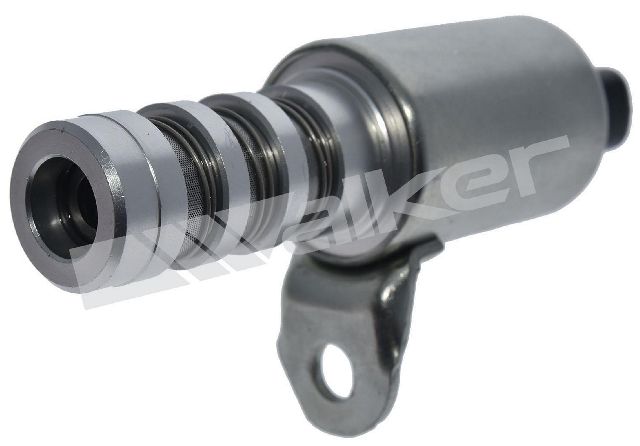
- Engine Variable Valve Timing (VVT) Solenoid
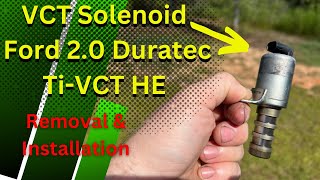
(OEM #CM5Z-6M280-C (supersedes CM5Z-6M280-A, CM5E-6B297-CB))— This is the most common failure point for this code, often sticking due to oil debris as noted in Ford TSBs. The intake and exhaust solenoids are identical 🎬 Watch: Step-by-step VCT solenoid removal and installation guide and interchangeable for testing.
Trusted brands: Motorcraft, Dorman, Delphi, TRQ
OEM price range: $46-$66
Aftermarket price range: $30-$60 - Engine Oil and Filter
(OEM #Motorcraft FL-910S (Filter for 2.0L))— Clean oil of the correct viscosity is critical for the VCT system to function. This should always be the first step in addressing this code.
Trusted brands: Motorcraft, Mobil 1, Valvoline, Castrol
OEM price range: $50-$80
Aftermarket price range: $40-$70 - Valve Cover Gasket — Required for replacing the VCT solenoids, which are located under the valve cover on the 2.0L engine.
Trusted brands: Fel-Pro, Motorcraft, Mahle
OEM price range: $30-$50
Aftermarket price range: $20-$40
Related Codes That Often Appear With This One
- P0014 — This is the 'correct' code for an over-advanced exhaust camshaft on Bank 1, which is the physical location of the fault on a Focus engine.
- P0011 — This code indicates an over-advanced intake camshaft. It can appear if there are widespread oil pressure or sludge issues affecting both VCT solenoids, or if the solenoids were swapped for diagnosis.
- P0012, P0015 — These are codes for over-retarded camshaft timing. Their presence alongside P0024/P0014 could point to a very erratic VCT system or a failing timing chain.
Technical Service Bulletins (TSBs) & Recalls
- SSM 54366: Notes P0024 and refers to specific diagnostic tests in the workshop manual.
- SSM 47170: States that small debris may cause the VCT solenoid to stick, triggering codes like P0024. Recommends cycling the solenoid with a scan tool to attempt to clear it before replacement.
- SSM 50067: Similar to SSM 47170, points to debris causing a sticking VCT solenoid as a potential cause for P0024.
Platform-Specific Known Issues
- TSB SSM 47170 & SSM 50067: Ford has officially noted that on some vehicles, DTCs including P0024 can be caused by 'small debris causing the VCT solenoid to stick.' The bulletins advise against immediate component replacement, suggesting diagnostics first. TSB 47170 specifically advises using a scan tool to cycle the solenoid 10 times to attempt to clear the debris before replacement.
- TSB SSM 54366: This bulletin also lists P0024 among a series of VCT-related codes and points technicians to a specific diagnostic procedure (Pinpoint test HK) in the workshop manual, indicating this is a well-documented issue.
- Valve Cover Location: → Shop Engine Valve Cover Unlike some engines where VCT solenoids are externally accessible, on the 2.0L GDI engine, the valve cover must be removed to access and replace the solenoids, adding labor time and requiring a new valve cover gasket for the repair.
Mechanic-Grade Diagnostic Values
- VCT Solenoid Internal Resistance — expected: 6.9 to 14 Ohms. A common reading on a good solenoid is around 7.8 Ohms.. Failure: A reading of infinity (OL) indicates an open circuit, while a reading significantly below 7 Ohms suggests a short.
- VCT Solenoid Connector Voltage — expected: ~12V (Battery Voltage) with Key On, Engine Off (KOEO).. Failure: No voltage or significantly low voltage points to a problem in the wiring harness, fuse, or PCM power supply, not the solenoid itself.
- Camshaft Position Sensor Connector Voltage (3-wire Hall Effect) — expected: With KOEO and the connector unplugged, one pin should have ~5V DC (reference voltage), one pin should be 0V (ground), and the third is the signal wire.. Failure: Absence of the 5V reference voltage or ground indicates a wiring or PCM issue.
- VCT Advance Error PID (VCT_ERR) — expected: Should hover around 0 degrees at idle, with an acceptable variance of +/- 5 degrees.. Failure: A consistent, large positive error value indicates the exhaust cam is stuck in an advanced position.
Hidden / Shadow Codes Worth Checking
- VCT_INT_DIF1 / VCT_EXH_DIF1: These are Parameter IDs (PIDs), not codes, that show the difference between the commanded and actual camshaft angle. A large, persistent value on the exhaust PID points directly to the fault location. (see via Ford IDS (Integrated Diagnostic System) or a capable aftermarket scan tool like FORScan.)
- VCT_ERROR: A PID that shows the error in camshaft position in degrees. It's a direct measurement of the problem. (see via Ford IDS or equivalent professional scan tool.)
Scan Tool Commands That Help
- Ford IDS / FORScan: Pinpoint Test HK / VCT Solenoid On/Off State Control — This is a bidirectional command, referenced in Ford TSBs, used to manually cycle the VCT solenoid 10 times. It should be used after checking oil but before replacing the solenoid, as it can dislodge debris and potentially fix the issue without part replacement.
- Ford IDS / FORScan: Datalogger with Histogram for VCT_ERROR PID — Used to graphically monitor VCT error over a drive cycle. The histogram can reveal intermittent anomalies in cam timing that might not be obvious from live data alone, helping to catch a solenoid that is sticking intermittently.
Wiring & Ground Locations
- G107 — Located on the right side of the engine compartment.. This is a primary ground point for multiple engine components. A loose or corroded G107 ground can cause erratic voltage and unpredictable behavior in sensors and actuators controlled by the PCM, potentially leading to incorrect timing codes.
- VCT Solenoid Connector — Under the valve cover, connected to the top of the VCT solenoid.. This is the direct connection point for testing voltage and control signals to the solenoid. The two pins are for power (VPWR) and the control signal, which is ground-side switched by the PCM. Oil contamination is common here if the valve cover gasket fails.
Real Owner Repair Stories
- Reddit user /u/Artistic_Matter_4507 (Ford Focus (Mk3 generation)) — Check engine light with codes P0012 and P0014.
❌ Tried (didn't work) Initial diagnosis was unclear.
✅ What actually fixed it The final diagnosis was a skipped tooth on the timing chain. A complete timing chain replacement resolved both codes. - Fiesta ST Forum user (Ford Fiesta ST (similar 1.6L EcoBoost engine and VCT system)) — P0014 check engine light appeared.
❌ Tried (didn't work) Clearing the code (it returned).
✅ What actually fixed it The Ford dealer diagnosed the issue as a faulty Variable Valve Timing Solenoid. They replaced the part, and the code did not return after 3 weeks. - YouTube channel 'Nathan's DIY Garage' (Vehicle with P0014 code (Chevy Trailblazer, but demonstrates identical VVT solenoid failure principle)) — P0014 code, rough running.
❌ Tried (didn't work) Cleaning the old, gunked-up solenoid provided a temporary fix, but the issue would likely return.
✅ What actually fixed it Replacing the VVT solenoid with a new part. The user confirmed the check engine light did not return after driving over 240 miles.
When the Usual Fixes Don't Work
- While the vast majority of P0024 (and its underlying P0014) faults on the 2.0L Focus are resolved with an oil change and/or VCT solenoid replacement, there are documented cases where the issue was more severe. In one instance, a user with related timing codes (P0012/P0014) ultimately found the cause to be a timing chain that had skipped a tooth, requiring a full timing job to fix. This highlights that if the common, cheaper fixes do not work, a more serious mechanical timing issue should be suspected, especially if accompanied by engine rattling.
OEM Part Supersession History
CM5Z-6M280-A→CM5Z-6M280-C— Part revision by Ford, likely for improved durability or a finer mesh screen to better resist clogging from oil debris.
Model Year Variations Within This Range
- 2015-2018: For the 2.0L GDI engine, the Ti-VCT system, VCT solenoids, and related diagnostics for this code are functionally identical across the 2015-2018 model year range (third generation facelift, Mk3.5). No significant variations in parts or procedures have been noted for this specific fault.
Helpful Videos
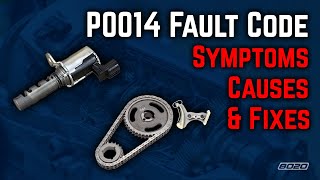
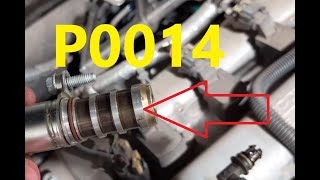
We Have This Part in Stock

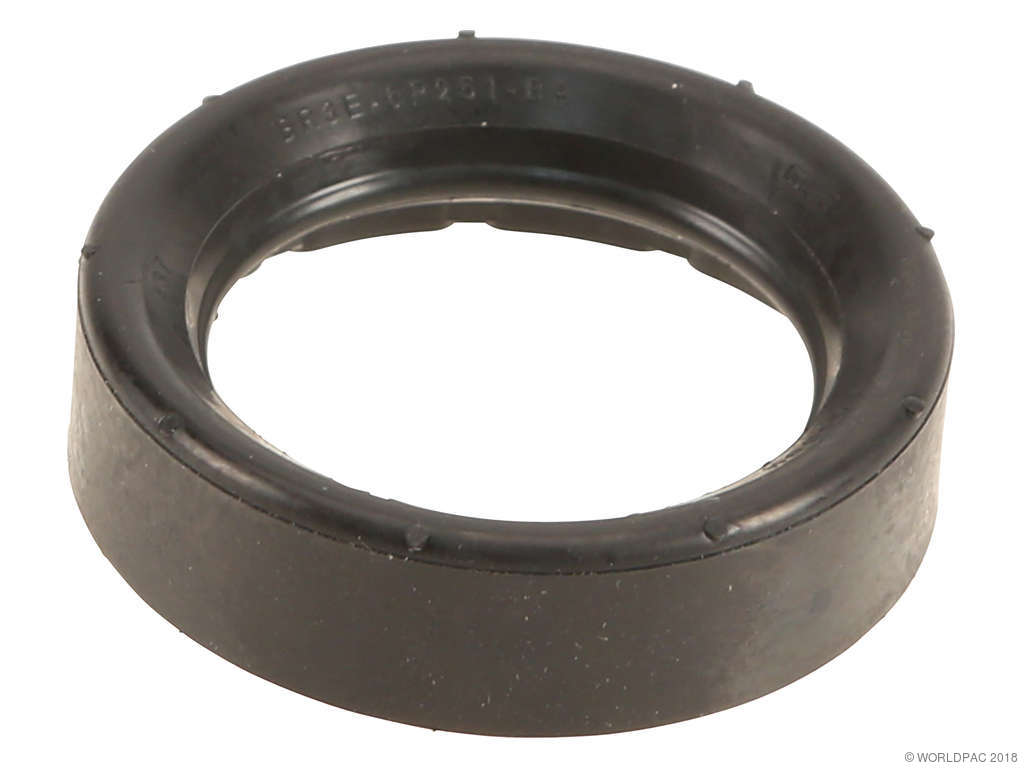
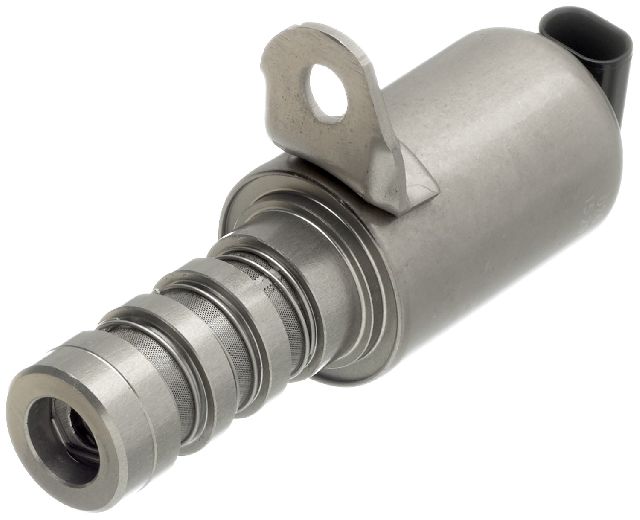

The information in this article is provided for general reference and educational purposes only. Vehicle specifications, procedures, and part compatibility can vary by production date, trim level, and region. Always consult your vehicle's factory service manual and verify part numbers before purchasing or performing repairs. Safety-critical components such as airbags, seat belts, and braking systems should be installed by a qualified professional.
- Ford FOCUS:
- 🧭 Diagnostic Flowchart
- 🎬 Helpful Videos
- 🛍️ Shop This Part
- What's Unique About the 2015-2018 Ford FOCUS
- Symptoms You May Notice
- Most Likely Causes
- Rare But Worth Checking
- Diagnosis Steps
- Parts You'll Likely Need
- Related Codes That Often Appear With This One
- Technical Service Bulletins (TSBs) & Recalls
- Platform-Specific Known Issues
- Mechanic-Grade Diagnostic Values
- Hidden / Shadow Codes Worth Checking
- Scan Tool Commands That Help
- Wiring & Ground Locations
- Real Owner Repair Stories
- When the Usual Fixes Don't Work
- OEM Part Supersession History
- Model Year Variations Within This Range
- 🎟️ Get 5% Off