

P0024 on 2010-2019 Ford Taurus: Exhaust Cam Timing Over-Advanced Causes & Fixes
On a 2010-2019 Ford Taurus with a 3.5L engine, code P0024 is most often caused by a sticking Bank 2 exhaust VCT solenoid due to dirty or low engine oil. An oil change is the first step, but replacing the VCT solenoid (a ~$40-$90 part) is the most common fix, though it requires removing the valve cover.
- Always check your engine oil level and condition first. An oil and filter change is the cheapest and easiest first step.
- P0024 on this engine is most commonly a stuck Bank 2 (radiator side) exhaust VCT solenoid, a fixable but somewhat involved DIY job as the valve cover must be removed.
- A rattling noise on cold starts points to a more serious timing chain or cam phaser issue, which is a costly professional repair.
- On the 3.5L naturally aspirated engine, milky or frothy oil is a major red flag for a failed internal water pump, which requires immediate attention to prevent engine destruction.
What's Unique About the 2010-2019 Ford Taurus
The 3.5L 'Cyclone' V6 engine family is notoriously sensitive to oil quality and maintenance intervals. Ford has issued multiple service bulletins (SSM 47170, SSM 50067) acknowledging that small debris in the oil can cause the VCT solenoids to stick, making P0024 a very common code. More critically, the naturally aspirated 3.5L Duratec V6 features an internal, timing-chain-driven water pump. If this pump fails, it can leak coolant directly into the oil, causing widespread damage to the VCT system and timing components, often triggering timing-related codes like P0024. This water pump issue is a well-documented, significant failure point for this engine.
Symptoms You May Notice
- Check Engine Light illuminated
- Rough idle
- Poor acceleration and loss of power
- Engine hesitation or stalling
- Decreased fuel economy
- Hard starting
- Rattling noise from the engine on startup
- Replacing the camshaft position sensor first. The sensor is typically not the cause, but is correctly reporting a timing issue caused by oil problems, the VCT solenoid, or the phaser.
- Replacing the VCT solenoid without first changing the oil. If the oil is dirty or contaminated, the new solenoid can quickly fail as well.
- Replacing cam phasers without addressing a root cause of oil contamination, such as a failing internal water pump.
Most Likely Causes
- Low, Dirty, or Incorrect Viscosity Engine Oil 🔴 High Probability The VCT system is hydraulic and highly sensitive to oil pressure and cleanliness. Sludge or debris is a primary cause of solenoid failure, a fact acknowledged by Ford in TSBs.
How to confirm: Check the oil level on the dipstick and inspect its condition. If it's low, dark, sludgy, or has a milky/frothy appearance (indicating coolant contamination from the internal water pump), it must be addressed.
Typical fix: Perform an engine oil and filter change using the manufacturer-recommended grade (typically 5W-20 or 5W-30, check your owner's manual). Some owners recommend an engine flush with a product like Seafoam before the oil change if sludge is suspected.
Est. part cost: $40-$80 - Sticking or Failed VCT Solenoid (Oil Control Valve) 🔴 High Probability → Shop Engine Variable Valve Timing (VVT) Solenoid Ford has issued multiple Technical Service Bulletins (SSM 47170, SSM 50067) noting that debris in the oil commonly causes these solenoids to stick. This is the most common component failure for P0024 on this platform.
How to confirm: After an oil change, if the code persists, the solenoid is the next suspect. A diagnostic tool can be used to command the solenoid on and off to check for response, a procedure recommended by Ford TSBs. A common DIY method is to swap the Bank 2 exhaust and intake solenoids; if the code changes to P0021 (Intake Cam Position), the solenoid is confirmed faulty.
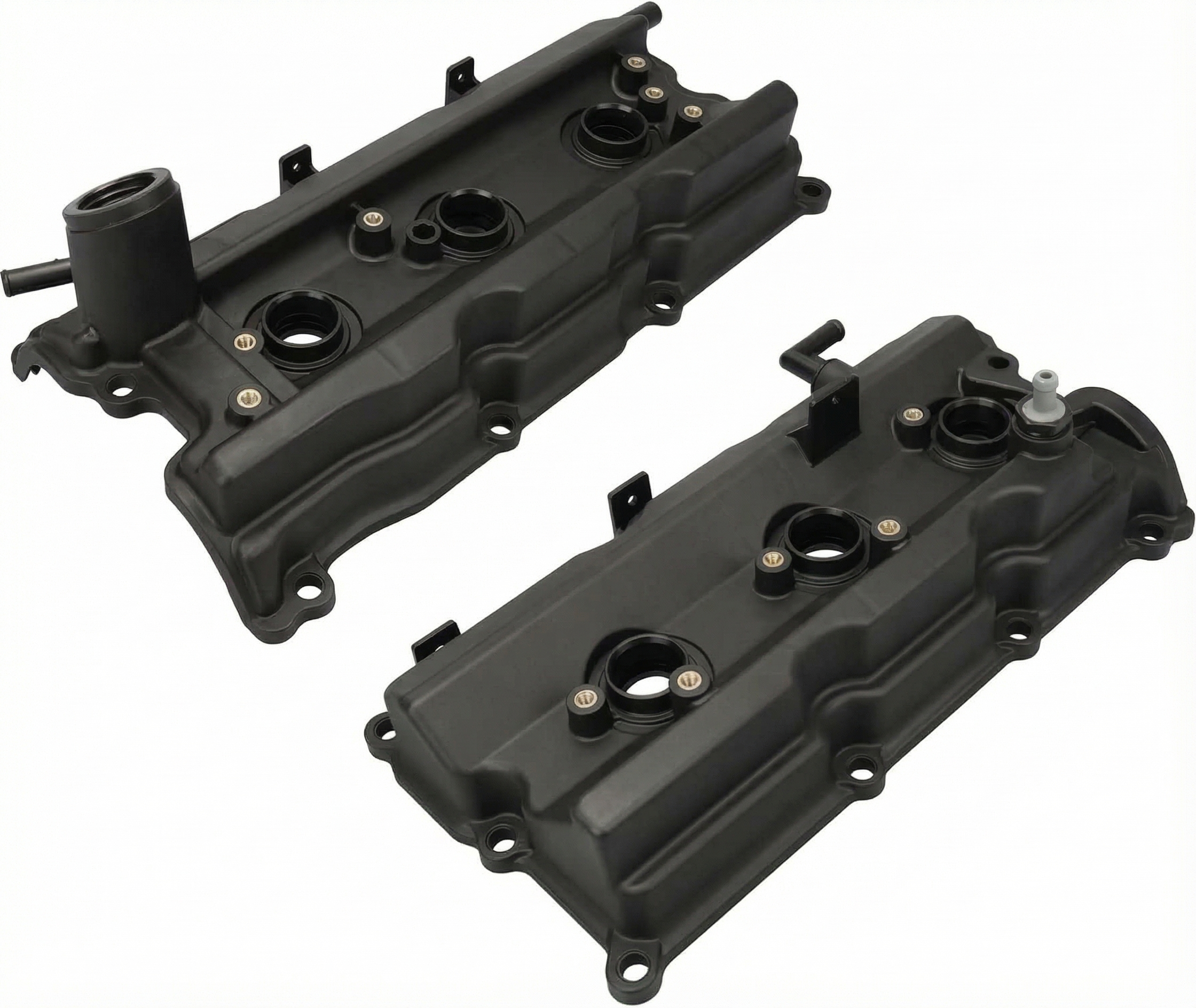
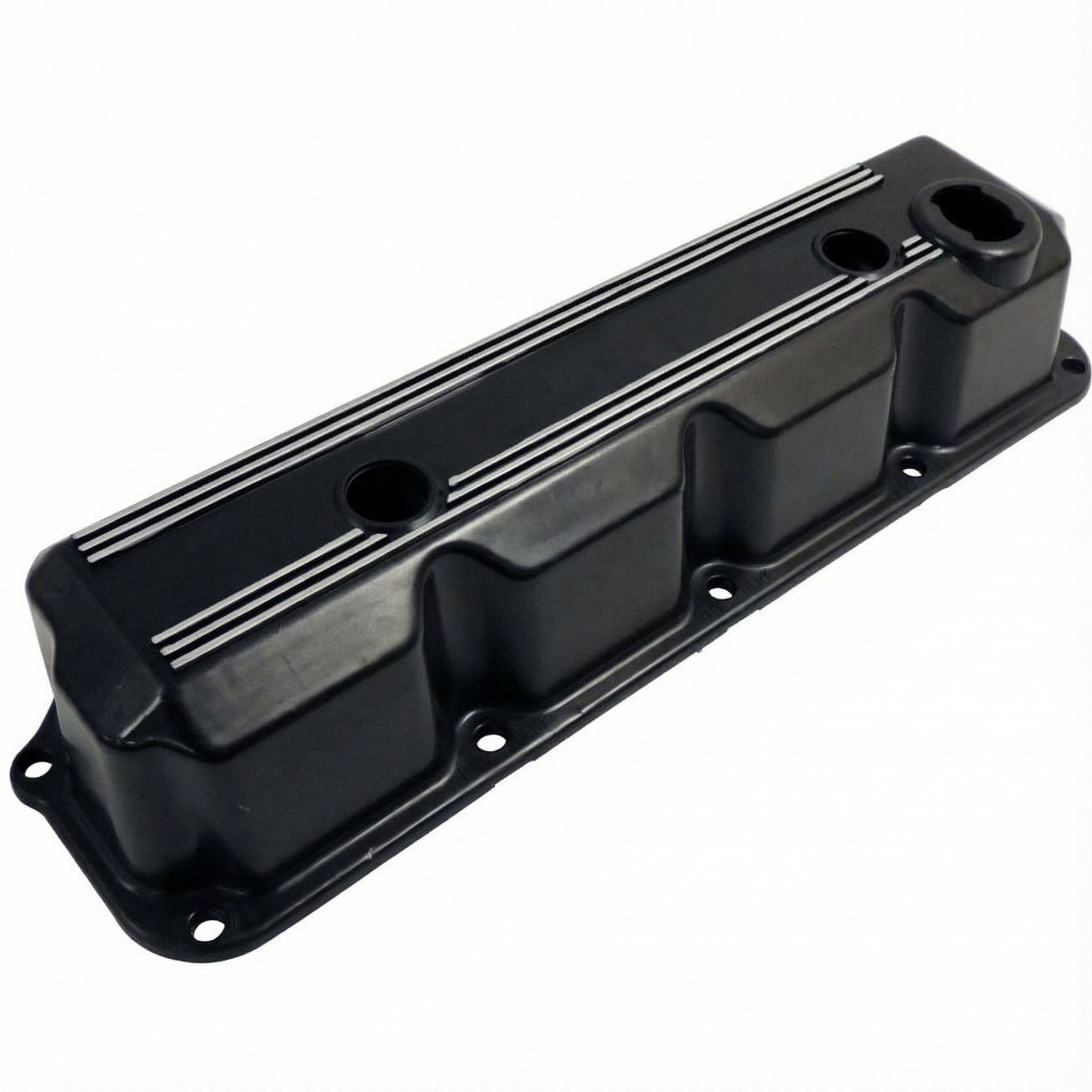
Typical fix: Replace the Bank 2 exhaust VCT solenoid. On the 3.5L Taurus, this requires removing the Bank 2 (front/radiator side) valve cover for access. The valve cover gasket must be replaced as well.
Est. part cost: $40-$150 - Failed Camshaft Phaser 🟡 Medium Probability → Shop Engine Camshaft The phaser can fail mechanically and get stuck in the advanced position. This is a more prominent issue on the 3.5L EcoBoost variant, often accompanied by a distinct startup rattle, which is addressed in TSBs for other models with the same engine.
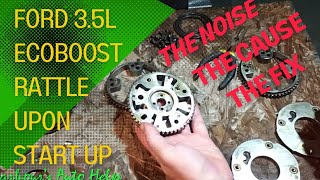
How to confirm: Listen for a loud rattling or ticking noise from the front of the engine for 2-5 seconds on a cold start. This is a strong indicator of phaser failure. 🎬 See this video to hear the specific cam phaser rattle
Typical fix: This is an advanced repair requiring replacement of the camshaft phaser, which also involves disassembling the timing components. It is often done along with a timing chain and water pump replacement.
Est. part cost: $100-$250 per phaser
Rare But Worth Checking
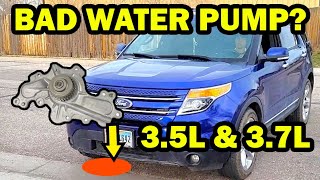
- Failing Internal Water Pump (3.5L Duratec): This is a critical failure point for the naturally aspirated 3.5L engine. The pump is driven by the timing chain and can leak coolant into the oil. This contamination destroys the oil's lubricating properties, leading to VCT solenoid and timing chain failure. If the oil is milky, this is the likely root cause. A weep hole may drip coolant externally as an early warning.
- Stretched Timing Chain or Failed Tensioner: → Shop Engine Timing Chain While less common than a solenoid issue, significant timing chain stretch can cause this code. This is often a secondary failure caused by a bad water pump or severe lack of oil maintenance. A startup rattle is a key symptom.
- Faulty Camshaft Position Sensor: → Shop Engine Camshaft Position Sensor It is rare for the sensor itself to cause an 'over-advanced' code. The sensor is usually accurately reporting a real mechanical timing problem. Do not replace this sensor unless all other mechanical and hydraulic causes have been ruled out.
Diagnosis Steps
- Check Engine Oil: Verify the oil level is correct and the oil is clean. If it's low, top it off. If it's old, dark, or appears milky (coolant contamination), perform an oil and filter change with the correct viscosity oil before proceeding. Consider an engine flush if sludge is suspected.
- Scan for Codes: Use an OBD-II scanner to confirm P0024 is the only code present. If other codes exist (e.g., P0014, P0021), their relationship can help diagnose a systemic vs. localized issue.
- Use a Bi-Directional Scan Tool (if available): Command the Bank 2 exhaust VCT solenoid on and off. Listen for a clicking sound from the solenoid and watch for a change in engine idle. No response suggests a bad solenoid or wiring issue. This procedure is recommended by Ford TSBs (SSM 50067).
- Swap VCT Solenoids: A practical DIY diagnostic step is to swap the Bank 2 exhaust and intake VCT solenoids. They are located next to each other under the valve cover. Clear the codes and drive the vehicle. If the code changes to P0021, the solenoid you moved is faulty and must be replaced.
- Test Solenoid Resistance: Disconnect the solenoid and measure its resistance with a multimeter. A typical reading should be between 5 and 14 ohms. An open or shorted reading indicates a failed solenoid.
- Inspect for Timing Chain/Phaser Issues: Listen for a brief, loud rattle on cold startup. This noise is a classic sign of a worn timing chain or failing cam phasers, which requires a more in-depth mechanical inspection.
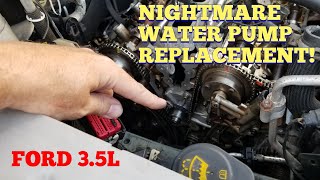
- Inspect for Water Pump Failure (3.5L Duratec): If the oil was milky, the internal water pump has likely failed. Check for coolant drips from the weep hole near the alternator. This requires 🎬 Watch: Everything you need to know about this water pump engine disassembly to confirm and is a major repair that should also include replacing the timing chain and guides.
Parts You'll Likely Need
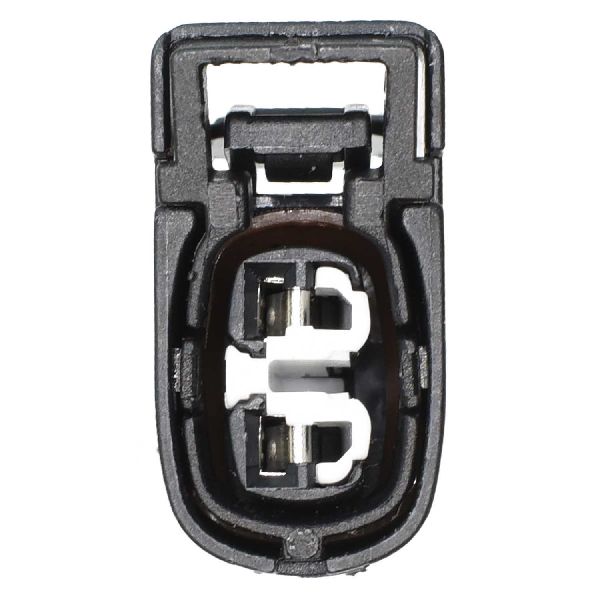
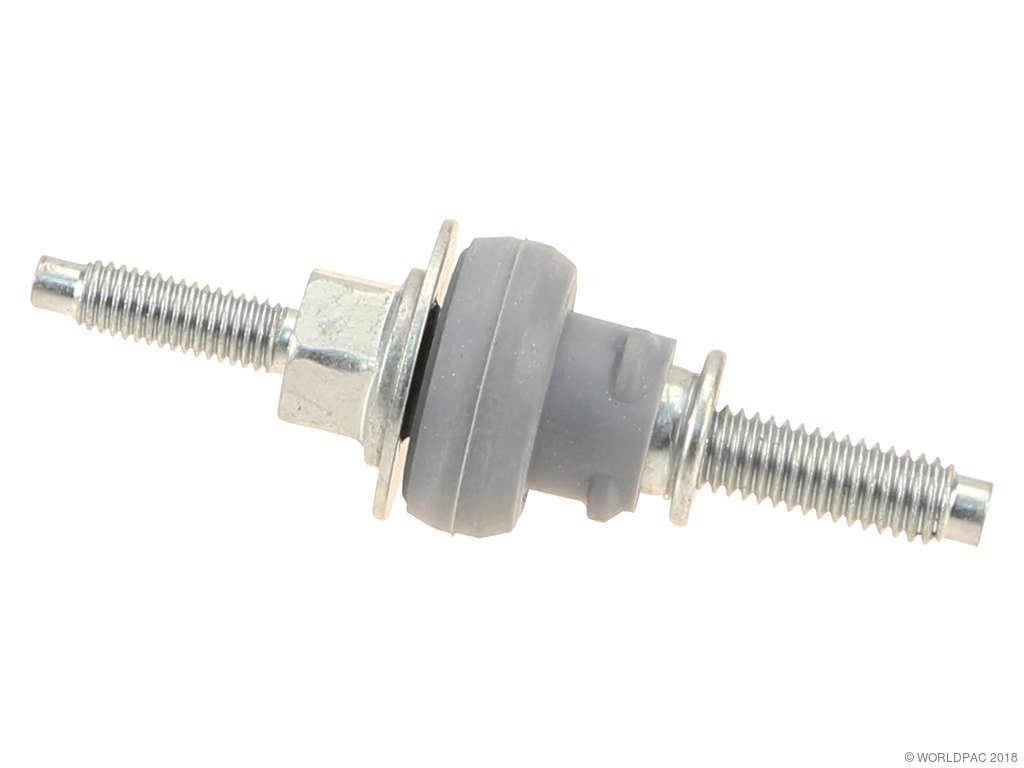
- Engine Variable Valve Timing (VVT) Solenoid
(OEM #7T4Z-6M280-C)— This is the most common part to fail for P0024. It gets stuck due to oil debris, preventing correct camshaft timing adjustment.
Trusted brands: Motorcraft, Dorman, SKP
OEM price range: $70-$150
Aftermarket price range: $40-$90 - Valve Cover Gasket (Bank 2)
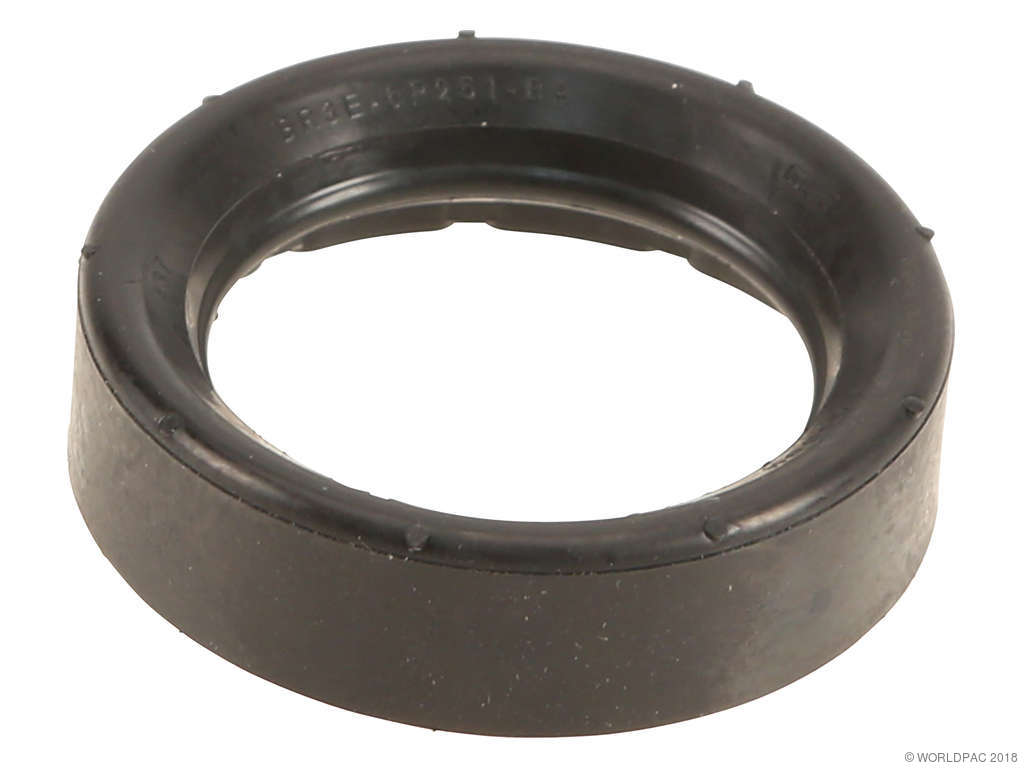
(OEM #7T4Z-6584-B)— The VCT solenoids on the 3.5L V6 are located under the valve cover. The gasket must be replaced anytime the valve cover is removed to prevent oil leaks.
Trusted brands: Motorcraft, Fel-Pro, Mahle
OEM price range: $30-$50
Aftermarket price range: $20-$40 - Engine Oil and Filter — Clean oil of the correct viscosity is critical for VCT system operation and is the first step in any repair attempt.
Trusted brands: Motorcraft, Mobil 1, Pennzoil
OEM price range: $40
Aftermarket price range: $80
Related Codes That Often Appear With This One
- P0021 — 'A' Camshaft Position - Timing Over-Advanced (Bank 2). This code is for the intake camshaft on the same bank. It may appear if there is an oil delivery issue to the entire cylinder head or if you swap a faulty exhaust solenoid to the intake position for diagnosis.
- P0014 — Exhaust 'B' Camshaft Position Timing - Over-Advanced (Bank 1). This is the same code but for the opposite bank (firewall side). If both appear together, it strongly points to a systemic issue like very low oil pressure or severe oil contamination.
- P0012, P0022 — These are codes for over-retarded timing on Bank 1 and Bank 2 respectively. Seeing a mix of over-advanced and over-retarded codes can point to severe oil sludging or low oil pressure causing erratic VCT system behavior.
Technical Service Bulletins (TSBs) & Recalls
- Illuminated Malfunction Indicator Lamp (MIL) With Variable Cam Timing (VCT) DTCs: Affects various 2015-2021 Ford/Lincoln vehicles. States that codes like P0024 may be due to small debris causing the VCT solenoid to stick. Advises technicians to cycle the solenoid with a scan tool to attempt to clear debris before replacing the part.
- Illuminated MIL With Various VCT DTCs: An earlier bulletin with similar advice to SSM 50067, noting that debris can cause VCT solenoids to stick and to diagnose before replacing components.
Platform-Specific Known Issues
- The 3.5L Duratec (naturally aspirated) engine is known for premature failure of its internal, timing-chain-driven water pump. Failure leads to coolant contaminating the engine oil, which can cause VCT codes like P0024 and will eventually lead to catastrophic timing chain failure if not addressed.
- The 3.5L EcoBoost variant is known for timing chain stretch and cam phaser rattle on cold starts, which can also trigger P0024.
Mechanic-Grade Diagnostic Values
- VCT Solenoid (OCV) Internal Resistance — expected: 5.0 to 14.0 Ohms. Some sources cite a tighter OEM spec of 6.9 to 7.9 Ohms at 68°F (20°C).. Failure: A reading of 0 Ohms (short) or OL/infinity (open) indicates a failed solenoid coil.
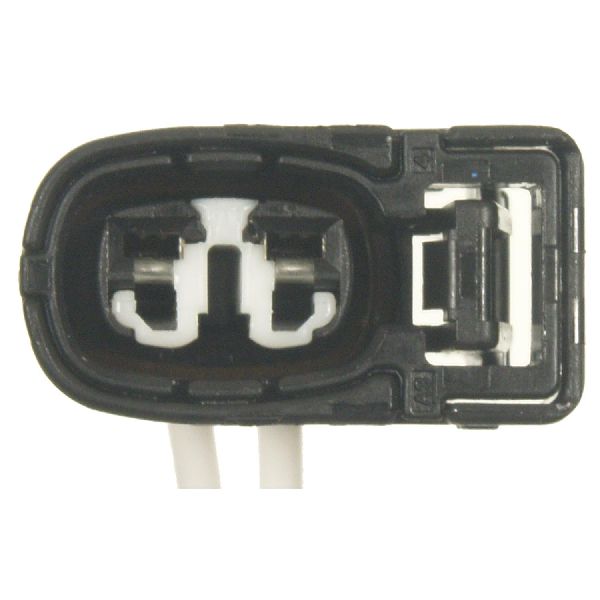
- VCT Solenoid Connector Voltage (Key On, Engine Off) — expected: ~12V (Battery Voltage) on the power supply pin (VPWR circuit).. Failure: No voltage or significantly low voltage points to a wiring, fuse, or PCM power supply problem.
- Engine Oil Pressure at Hot Idle — expected: Minimum 15 PSI, but the VCT system functions optimally at 25 PSI or higher.. Failure: Pressure below 15-25 PSI at hot idle can cause erratic VCT operation and trigger various timing codes.
- FORScan/IDS PID: VCT_EXH_ERR_B2 (Bank 2 Exhaust Cam Angle Error) — expected: Should be near 0 degrees at a stable hot idle.. Failure: A consistent, non-zero value indicates the camshaft is not at its commanded position. For P0024, this value would likely show a positive number, indicating it's advanced.
Hidden / Shadow Codes Worth Checking
- Mode 6, Test ID $53: This test ID relates to cylinder-specific misfire rates. While not directly a timing code, severe timing issues from P0024 can induce misfires. A technician can check this data on a capable scanner to see if the timing fault is causing misfires on the cylinders in Bank 2 (cylinders 4, 5, 6) before a P030x code is set. (see via Any professional-grade scan tool with Mode 6 capability, including Ford's IDS or advanced consumer tools like FORScan.)
Scan Tool Commands That Help
- Ford IDS (Integrated Diagnostic System): Powertrain -> VCT System Test — This is a guided diagnostic routine within the factory scan tool. It will automatically command the VCT solenoids through their range of motion while monitoring the camshaft position sensors to verify the phasers are responding correctly. It can pinpoint if the failure is with the solenoid, phaser, or oil flow.
- Ford IDS / FORScan (or other high-level bidirectional tool): Active Command: VCT Solenoid Duty Cycle (%) — This allows a technician to manually command the Bank 2 exhaust solenoid to a specific duty cycle (e.g., 0%, 25%, 50%) while monitoring the VCT_EXH_ERR_B2 PID. If the error angle doesn't change predictably with the command, it points to a stuck solenoid or phaser. This is a more granular test than a simple on/off command.
Real Owner Repair Stories
- Ford Edge Forum user (2008 Ford Edge 3.5L (transverse layout similar to Taurus)) — Not specified, but related to internal water pump failure.
❌ Tried (didn't work) Early TSB for coolant flush and refill.
✅ What actually fixed it The heater core failed at 105k miles, covered by an extended warranty related to the coolant TSB. This highlights the cascading issues that can stem from the cooling system on this engine family, which are directly linked to the P0024 root cause of oil contamination.
OEM Part Supersession History
7T4Z-6M280-A, 7T4Z-6M280-AA, 7T4Z-6M280-B→7T4Z-6M280-C— Likely revisions to improve durability and resistance to oil debris/sludge, which is the primary failure mode.
Heads up: While the base part number is the same, Ford used different solenoids for intake vs. exhaust on some 3.5L/3.7L applications. For example, TSB 16-0038 calls out different part numbers ending in -A, -B, and -C for specific positions. Always verify the correct part number for the Bank 2 Exhaust position using the vehicle's VIN.
Model Year Variations Within This Range
- 2013-2019: For the 2013 model year facelift, the standard 3.5L Duratec V6 received an update that included Twin Independent Variable Camshaft Timing (Ti-VCT), which increased power from 263 hp to 288 hp. While the fundamental VCT system operation is similar, parts and PCM software may differ from the 2010-2012 models.
- 2014+: A Reddit user notes that around 2014, Ford may have updated the internal water pump design to include a double gasket with a weep hole intended to leak externally to the ground as an early warning, rather than directly into the crankcase. This could make diagnosis easier on later models if coolant is found on the ground near the passenger side of the engine.
Diagnostic Flowchart
Other Known Issues on This Vehicle
Issues unrelated to this code that are worth knowing about as an owner of this generation:
- Internal Timing-Chain-Driven Water Pump Failure 🔴 High → Shop Engine Timing Chain — Common on 3.5L Duratec engines, typically after 80,000-100,000 miles. Failure can cause catastrophic engine damage by leaking coolant into the oil.
- Power Transfer Unit (PTU) Failure (AWD Models) 🔴 High — Common across Ford AWD platforms including the Taurus. The PTU fluid overheats due to proximity to the exhaust, leading to seal and bearing failure. Often noticeable by a grinding noise or burning smell.
- Intake Valve Carbon Buildup (3.5L EcoBoost) 🟠 Medium — Affects first-generation (pre-2017) EcoBoost engines with direct injection only. Buildup occurs over 50,000-100,000 miles, causing misfires, rough idle, and power loss.
- Transmission Failure (6F50/6F55) 🟠 Medium — Some 2010-2016 models can experience issues like loss of specific gears (e.g., Reverse, 3rd, 5th) or complete failure, sometimes requiring a rebuild or replacement.
- Cracked Rear Suspension Toe Links 🔴 High — Affects 2013-2018 models, particularly in regions with high corrosion. A fracture can cause a sudden loss of steering control. (Ref: Recall 19S52 / NHTSA 19V904)
Used vs. New Parts: Buying Guide for This Vehicle
When a used part is the smart pick: For this repair, using a used VCT solenoid is strongly discouraged. The part is sensitive to wear and oil contamination, and its remaining lifespan is unknown. Given the labor to remove the valve cover for access, the risk of a premature failure of a used part outweighs the minimal cost savings.
Donor-vehicle mileage cap: roughly under 50000 miles for the part to have meaningful remaining life.
What to inspect on the donor part:
- If forced to use a used part, source it from a documented low-mileage vehicle.
- Inspect the mesh screens on the solenoid; they must be perfectly clean, intact, and free of any sludge or metallic particles.
- Test the resistance with a multimeter before installation to confirm it is within the 5-14 Ohm range.
OEM-only on this vehicle (don't cheap out):
- VCT Solenoid: While some aftermarket brands are available, the OEM Motorcraft part is highly recommended due to the sensitivity of the system and the labor involved in replacement. A faulty aftermarket part could lead to repeat repairs.
- Internal Water Pump: If this is the root cause, only an OEM or high-quality OEM-equivalent pump should be used due to the catastrophic consequences of a repeat failure.
Aftermarket brands forum-validated for this vehicle:
- Fel-Pro (for valve cover gaskets)
Brands owners have reported issues with on this vehicle:
- Some users report mixed results with Dorman VVT solenoids for Ford applications, with some reviews citing early failure. While they offer a long warranty, the labor for replacement makes using a potentially less reliable part a significant risk.
Real Owner Stories
Aggregated from forums and TSBs cited above. Mileages and costs reflect what owners reported in those sources.
2013 Ford Edge 3.5L V6
Symptoms: Vehicle felt sluggish and threw multiple VCT-related codes including P0012, P0014, P0022, and P0024.
What fixed it: The discussion points toward addressing clogged VVT solenoids caused by poor maintenance and sludge.
Source hint: Ford Edge Forum thread titled 'Sluggish New to me 2013 Edge - Code P0012, P0014, P0022 and P0024'
Ford Edge 3.5L V6
Symptoms: Timing-related issues persisted even after significant mechanical work.
What fixed it: The owner replaced phasers, timing chains, water pump, and VCT solenoids, though the case highlights the complexity of diagnosis when multiple components are involved.
Source hint: Ford Edge Forum thread titled 'Timing codes on 3.5 liter - Ford Edge Forum'
Ford 3.5L V6
Symptoms: P0014 and P0024 codes present due to dirty oil.
What fixed it: An engine oil flush followed by replacement of the VCT solenoids.
Source hint: YouTube video 'P0014 P0024 Diagnosing And Replacing Variable Valve Timing Solenoids'
Related OBD-II Codes
Frequently Asked Questions
Does Ford have a TSB for VCT solenoid issues on the 3.5L engine?
Can I diagnose a bad VCT solenoid on my Taurus without special tools?
Why is my 3.5L Duratec oil looking milky and causing timing codes?
What is the specific resistance range for a Taurus VCT solenoid?
Is the rattling noise on startup related to the P0024 code?
What oil viscosity should I use to prevent VCT issues in my Taurus?
Helpful Videos


Used OEM Parts in Stock
New Aftermarket Parts Available


The information in this article is provided for general reference and educational purposes only. Vehicle specifications, procedures, and part compatibility can vary by production date, trim level, and region. Always consult your vehicle's factory service manual and verify part numbers before purchasing or performing repairs. Safety-critical components such as airbags, seat belts, and braking systems should be installed by a qualified professional.
- Ford Taurus:
- 🧭 Diagnostic Flowchart
- 🎬 Helpful Videos
- 🛍️ Shop This Part
- What's Unique About the 2010-2019 Ford Taurus
- Symptoms You May Notice
- Most Likely Causes
- Rare But Worth Checking
- Diagnosis Steps
- Parts You'll Likely Need
- Related Codes That Often Appear With This One
- Technical Service Bulletins (TSBs) & Recalls
- Platform-Specific Known Issues
- Mechanic-Grade Diagnostic Values
- Hidden / Shadow Codes Worth Checking
- Scan Tool Commands That Help
- Real Owner Repair Stories
- OEM Part Supersession History
- Model Year Variations Within This Range
- Other Known Issues on This Vehicle
- Used vs. New Parts: Buying Guide for This Vehicle
- Real Owner Stories
- 2013 Ford Edge 3.5L V6
- Ford Edge 3.5L V6
- Ford 3.5L V6
- Related OBD-II Codes
- Frequently Asked Questions
- 🎟️ Get 5% Off