

P0024 on 2015-2019 Ford Transit: Causes and Fixes for Camshaft Timing Issues
On a 2015-2019 Ford Transit, code P0024 is most often caused by a sticking Variable Camshaft Timing (VCT) solenoid, often due to dirty or low engine oil. An oil change and replacing the Bank 2 exhaust VCT solenoid is the most common fix, costing around $50-$150 for the part. Bank 2 is the driver's side of the engine.
- P0024 on a Ford Transit means the Bank 2 exhaust camshaft timing is too far advanced.
- The most likely cause is a sticking VCT solenoid or dirty/low engine oil, as confirmed by Ford TSBs.
- Always check your oil level and condition first. An oil change is an inexpensive first step.
- If an oil change doesn't work, the next step is to inspect and likely replace the Bank 2 exhaust VCT solenoid.
- Avoid immediately replacing expensive parts like the camshaft phaser or timing chain unless simpler fixes have been ruled out.
What's Unique About the 2015-2019 Ford TRANSIT
For Ford Transit vans with the 3.5L or 3.7L V6 engines, the Variable Camshaft Timing (VCT) system is sensitive to oil condition and level. Ford has issued multiple Technical Service Bulletins (TSBs) for this platform and year range, specifically mentioning that P0024 can be triggered by small debris causing the VCT solenoid to stick. This suggests that before replacing more expensive components like camshaft phasers, the focus should be on oil quality and the VCT solenoids themselves. The issue is so common across this engine family that many owners of related vehicles like the F-150 and Explorer report the same code with the same root cause.
Diagnostic Flowchart
Tap your situation to follow the diagnostic path that matches what you're seeing on this vehicle.
Symptoms You May Notice
- Check Engine Light is on
- Rough or uneven idle
- Engine may hesitate or stall
- Reduced engine power and poor acceleration
- Decreased fuel economy
- Rattling noise from the engine, particularly on startup
- Hard starting engine
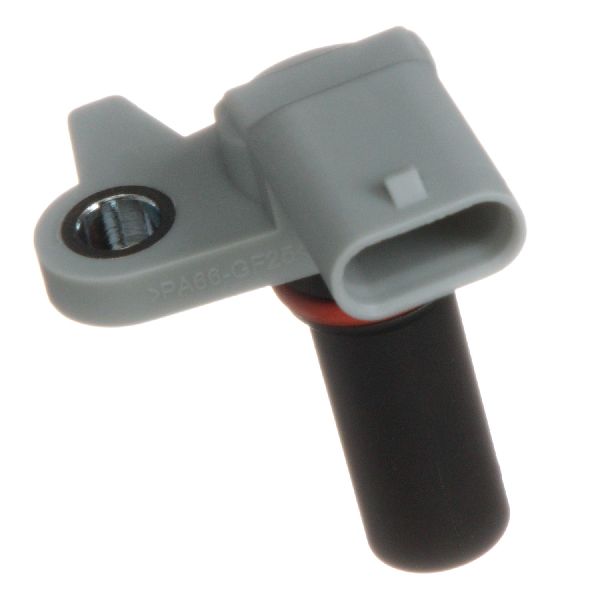
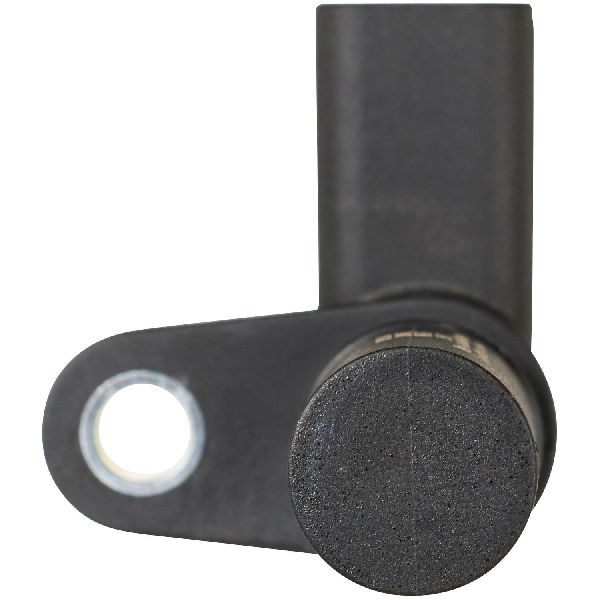
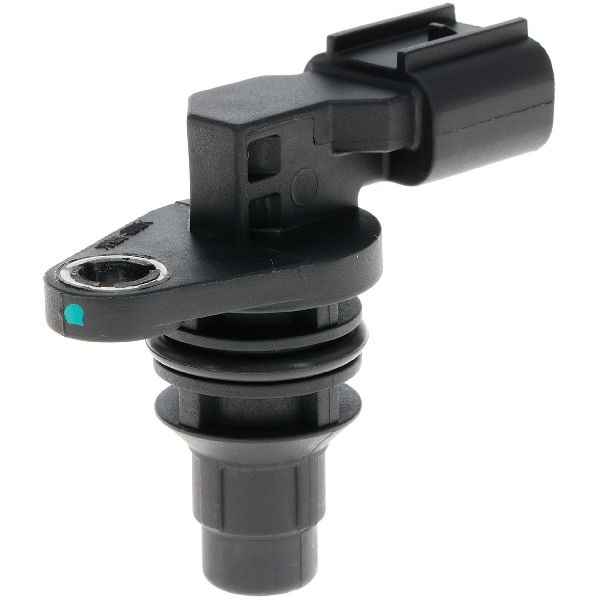
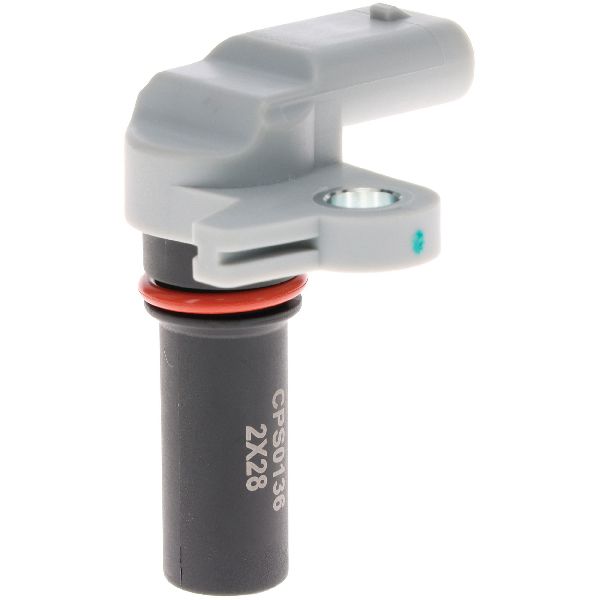
- Replacing the camshaft position sensor. While this sensor reports the timing, it rarely fails in a way that causes an over-advanced code without setting a sensor-specific code. The issue is usually with the mechanical or hydraulic components that control the timing, such as the VCT solenoid.
Most Likely Causes
- Low, Dirty, or Incorrect Viscosity Engine Oil 🔴 High Probability The VCT system is hydraulically operated by engine oil. Ford's TSBs suggest debris in the oil is a primary cause of VCT solenoid issues. [Bulletin #SSM 50067, #SSM 47170] Forum discussions among owners of the same engine family confirm that oil sludge can clog the small screens on the VCT solenoids, causing them to stick.
How to confirm: Check the oil level on the dipstick and inspect its condition. If it's low, dark, or sludgy, it needs to be changed. Note the oil change interval; extended intervals can contribute to sludge buildup.
Typical fix: Perform an engine oil and filter change using the manufacturer-recommended oil viscosity (e.g., SAE 5W-30 for the 3.5L EcoBoost). Some owners report success with an engine flush or using a high-quality synthetic oil to clean out sludge.
Est. part cost: $40-$80 - Faulty Bank 2 Exhaust VCT Solenoid 🔴 High Probability → Shop Engine Variable Valve Timing (VVT) Solenoid As highlighted in multiple Ford TSBs, these solenoids can stick due to small debris in the oil, preventing proper camshaft timing adjustments. [Bulletin #SSM 50067, #SSM 47170] They are a very common failure point for this code across the Ford 3.5L and 3.7L engine platforms.
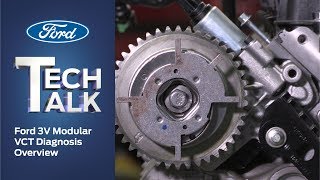
How to confirm: A mechanic can command the solenoid on and off with a bi-directional scan tool to check for response. 🎬 Watch: Ford Tech Talk's professional VCT diagnosis overview. Resistance can also be measured with a multimeter (typically 5-14 ohms is expected). Visually inspect the solenoid's screens for clogging upon removal.
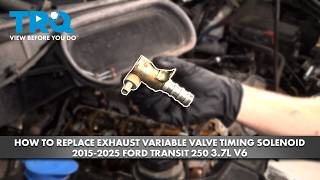
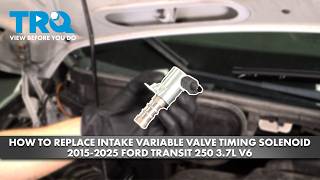
Typical fix: Replace the Bank 2 (driver's side) exhaust VCT solenoid. It is often recommended to replace both the intake and exhaust solenoids on the bank at the same time. 🎬 Watch: How to replace the intake VVT solenoid. The solenoids are located on the front of the valve cover.
Est. part cost: $50-$150 - Failing Camshaft Phaser ⚪ Low Probability → Shop Engine Camshaft The phaser is the mechanical gear that actually adjusts the camshaft. While less common than a solenoid failure, it can get stuck in the advanced position due to internal wear, broken locking pin, or oil pressure issues. This is a known issue on higher-mileage 3.5L EcoBoost engines.
How to confirm: This is a more complex diagnosis, usually performed after ruling out oil issues and VCT solenoids. It involves checking timing marks and may require removing the valve cover for inspection. A startup rattle is a strong indicator of a phaser issue.
Typical fix: Replace the camshaft phaser, which is a labor-intensive job that also typically includes replacing the timing chain, guides, and tensioners.
Est. part cost: $200-$500
Rare But Worth Checking
- Stretched Timing Chain or Worn Guides: → Shop Engine Timing Chain While not the most common cause for just a P0024, a stretched chain can cause the camshaft timing to be physically out of sync with the crankshaft, leading to this code. This is usually accompanied by rattling noises on startup, a known issue for the 3.5L EcoBoost.
- Wiring or Connector Issue: A damaged wire or corroded connector for the Bank 2 exhaust VCT solenoid or camshaft position sensor can interrupt the signal, causing the PCM to log a fault. A visual inspection of the harness is a good first step, especially the connector at the solenoid on the front of the valve cover.
Diagnosis Steps
- Verify the code with a quality OBD-II scanner that can read live data.
- Check the engine oil level and condition. If low, dirty, or past its service interval, perform an oil and filter change with the correct Motorcraft oil and filter. Clear the codes and re-test.
- Locate Bank 2 (driver's side on the Transit) and identify the exhaust VCT solenoid (usually the rearmost solenoid on the valve cover). Inspect the wiring and connector for any damage or corrosion.
- Using a bi-directional scanner, command the Bank 2 exhaust VCT solenoid on and off to see if it operates correctly. Listen for a distinct clicking sound from the solenoid.
- If the solenoid doesn't respond or the code persists, remove and replace the Bank 2 exhaust VCT solenoid. Inspect the old solenoid's screens for metal debris or sludge, which could indicate a larger engine issue.
- If the problem is still not resolved, the issue may be a faulty camshaft phaser or a stretched timing chain. This requires more advanced mechanical diagnosis, often involving removal of the valve cover, and is best left to a professional.
Parts You'll Likely Need
- Variable Camshaft Timing (VCT) Solenoid (Bank 2 Exhaust)
(OEM #AT4Z-6M280-B (or AT4Z-6M280-C))— This is the most frequent point of failure for this code on Ford Transits, often sticking due to oil debris as noted in Ford's TSBs. [Bulletin #SSM 50067, #SSM 47170] The part number may vary slightly by year, so confirming with a VIN is recommended.
Trusted brands: Motorcraft, Dorman
OEM price range: $80-$150
Aftermarket price range: $50-$100 - Engine Oil and Filter
(OEM #Motorcraft FL-500S (Filter))— Clean, correct-viscosity oil is critical for the VCT system to function. Dirty or low oil is a primary cause of VCT-related codes. Using the OEM filter is often recommended as aftermarket filters may have different flow or anti-drainback properties.
Trusted brands: Motorcraft, Mobil 1, Castrol
OEM price range: $50-$90
Aftermarket price range: $40-$70
Related Codes That Often Appear With This One
- P0014 — This is the equivalent code for an over-advanced exhaust camshaft on Bank 1 (passenger side). If oil quality is poor or oil level is low, it can affect both banks simultaneously, often pointing to a systemic oiling issue rather than a single failed component.
- P0021 — This code is for an over-advanced *intake* camshaft on Bank 2. Seeing them together can point to a more systemic issue like low oil pressure or a timing chain problem affecting the entire bank.
- P054C — This code relates to the exhaust camshaft position 'B' on Bank 2. It can appear alongside P0024, further indicating a problem with the exhaust cam timing control on the driver's side bank.
Technical Service Bulletins (TSBs) & Recalls
- SSM 50067: Notes that P0024 may be due to small debris causing the VCT solenoid to stick.
- SSM 47170: Repeats the guidance that P0024 can be caused by a sticking VCT solenoid from debris.
- SSM 54366: Mentions P0024 and directs technicians to updated diagnostic procedures in the workshop manual.
- SSM 49821: A later TSB that includes the 2015-2021 model years and lists P0024 among a group of VCT-related codes, indicating the issue persists on newer models.
Platform-Specific Known Issues
- Ford has issued multiple Technical Service Bulletins (TSBs) like SSM 50067, SSM 47170, and SSM 54366 for 2015-2019 models. They all state that DTCs including P0024 may be caused by small debris making the VCT solenoid stick and advise against immediate component replacement before proper diagnosis.
- The 3.5L EcoBoost engine, in particular, is known for timing chain stretch and phaser rattle on higher mileage examples. While P0024 alone doesn't condemn the chain, if it's accompanied by a startup rattle, a full timing job may be necessary.
Mechanic-Grade Diagnostic Values
- VCT Solenoid (Oil Control Valve) Internal Resistance — expected: Between 5.0 and 14.0 ohms. Some sources cite a tighter range of 6.9 to 7.9 ohms at 68°F (20°C).. Failure: A reading of 0 ohms (short circuit) or infinite resistance/OL (open circuit) indicates a failed solenoid.
- VCT Solenoid Power Supply Voltage — expected: Battery voltage (approx. 12V) should be present at one pin of the VCT solenoid connector with the key on, engine off.. Failure: No voltage suggests a wiring issue, a blown fuse (e.g., F16 in the battery junction box on some models), or a problem with the PCM power relay.
- Ford IDS Live Data: VCT_EXH_ERR_B2 (Bank 2 Exhaust Cam Error) — expected: Should hover around 0 degrees at idle and during steady-state driving.. Failure: A consistent value greater than +/- 5 degrees for an extended period indicates the camshaft is not where the PCM is commanding it to be, confirming a performance fault.
- Ford IDS Live Data: VCT_EXH_DC_B2 (Bank 2 Exhaust Duty Cycle) — expected: The PCM will vary this percentage to control oil flow. It should be comparable to the value for Bank 1 (VCT_EXH_DC_B1).. Failure: If the duty cycle for Bank 2 is significantly higher than Bank 1 while the error PID remains high, it suggests the PCM is trying to command a change but the phaser or solenoid is not responding mechanically.
Scan Tool Commands That Help
- Ford IDS (Integrated Diagnostic System) or FORScan: VCT Solenoid Actuator Test / Output State Control — This bidirectional command allows a technician to directly activate and deactivate the Bank 2 exhaust VCT solenoid while the engine is running. A functional solenoid will produce an audible click and cause the engine to hesitate or run rough, confirming the solenoid is mechanically capable of moving. If there's no change in engine operation, the solenoid is likely stuck or has failed.
- Ford IDS (Integrated Diagnostic System): Data Logger with VCT PIDs (VCT_ADV_ERR, VCT_ADV_DC) — Used during a road test to capture intermittent faults. By recording the VCT error and duty cycle PIDs, a technician can see exactly when the timing deviation occurs relative to engine load and speed, helping to distinguish between a sticky solenoid and a larger mechanical issue.
Wiring & Ground Locations
- Main Engine-to-Chassis Ground — On many Ford Transits, a primary ground strap runs from the gearbox/transmission to the inner wing area, often below the under-hood fuse box.. A poor engine ground can cause floating voltages and erratic signals for all engine sensors, including the Camshaft Position (CMP) sensors and the PCM itself. While not a direct cause of a mechanical timing fault, a compromised ground can lead to incorrect readings and misdiagnosis. Ensuring this connection is clean and tight is a crucial step in ruling out electrical issues.
- VCT Solenoid Connector — Located on the front of the Bank 2 (driver's side) valve cover. The exhaust solenoid is typically the lower or rearmost of the two solenoids on the cover.. This is the direct electrical connection to the component. The connector has two pins: one for the 12V power supply and one for the ground-side control signal from the PCM. Testing for power and signal integrity happens at this connector.
OEM Part Supersession History
AT4Z-6M280-B→AT4Z-6M280-C— Part revision for improved durability or material changes. The -C version is the current replacement.
Heads up: The -B and -C solenoids are generally interchangeable for the Bank 2 exhaust position on this platform. However, it is critical to note that different positions (intake vs. exhaust) and banks may use different solenoids (e.g., AT4Z-6M280-A). Always verify the correct part for the specific position being replaced.
Helpful Videos
We Have This Part in Stock


The information in this article is provided for general reference and educational purposes only. Vehicle specifications, procedures, and part compatibility can vary by production date, trim level, and region. Always consult your vehicle's factory service manual and verify part numbers before purchasing or performing repairs. Safety-critical components such as airbags, seat belts, and braking systems should be installed by a qualified professional.
- Ford TRANSIT:
- 🧭 Diagnostic Flowchart
- 🎬 Helpful Videos
- 🛍️ Shop This Part
- What's Unique About the 2015-2019 Ford TRANSIT
- Symptoms You May Notice
- Most Likely Causes
- Rare But Worth Checking
- Diagnosis Steps
- Parts You'll Likely Need
- Related Codes That Often Appear With This One
- Technical Service Bulletins (TSBs) & Recalls
- Platform-Specific Known Issues
- Mechanic-Grade Diagnostic Values
- Scan Tool Commands That Help
- Wiring & Ground Locations
- OEM Part Supersession History
- 🎟️ Get 5% Off