

P0024 on 2019-2024 Genesis G70 3.3T: Exhaust Cam Timing Over-Advanced Causes and Fixes
On the Genesis G70 3.3T, code P0024 is almost always caused by low or dirty engine oil, or a failing Bank 2 (driver's side) exhaust Oil Control Valve (OCV). Start with an oil and filter change using 5W-30 full-synthetic oil. If that doesn't work, the OCV is the next likely part to replace, costing around $70-$150 for the part. This issue is often linked to the recall for the Bank 2 turbo oil line leak.
- First, check your engine oil and inspect for leaks, especially on the driver's side near the turbo, due to a critical safety recall. This code is very often fixed with a simple oil and filter change.
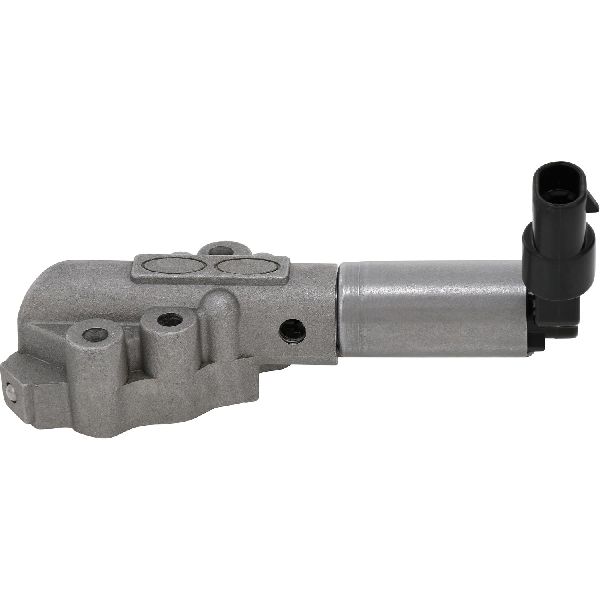
- The second most likely cause is a faulty Bank 2 (driver's side) exhaust Oil Control Valve (OCV), part number 24360-3LBA1.
- A simple diagnostic is to swap the exhaust OCV with the intake OCV on the same side. If the code changes to P0021, you've confirmed the OCV is bad.
What's Unique About the 2019-2024 Genesis G70
The Lambda II 3.3L twin-turbo engine is known for being highly sensitive to oil level and quality. A critical issue for this platform is Safety Recall 019G (NHTSA ID: 24V-191, TSB 24-01-032G) for a potentially cracking left-hand (Bank 2) turbocharger oil supply pipe on 2019-2022 models. A leak from this pipe can lead to rapid oil loss, causing low oil pressure that directly triggers oil-pressure-dependent codes like P0024 on the exact same side of the engine. An oil leak from this recall presents a fire risk as oil can drip onto the hot exhaust manifold. Therefore, an oil level check is the absolute first and most critical diagnostic step.
Symptoms You May Notice
- Check Engine Light illuminated
- Rough engine idle or running
- Reduced engine power and poor acceleration
- Decreased fuel economy
- Engine may hesitate or stall at low speeds
- A rattling or ticking noise from the engine bay may be heard in some cases
- Replacing the Camshaft Position Sensor first. The sensor is usually doing its job correctly by reporting a real timing problem. The P0024 code indicates a performance issue (timing is off), not a sensor circuit failure. Always diagnose the OCV and oil first.
- Replacing the cam phaser before diagnosing the OCV and checking oil. The phaser is an expensive, labor-intensive repair and is far less likely to fail than the oil or the OCV.
Most Likely Causes
- Low, Dirty, or Incorrect Viscosity Engine Oil 🔴 High Probability The CVVT system is hydraulic and extremely sensitive to oil pressure, volume, and cleanliness. Turbocharged engines degrade oil faster. A recall for a leaking Bank 2 turbo oil supply pipe on 2019-2022 models makes low oil a significant and dangerous risk.
How to confirm: Check the engine oil dipstick for level and inspect the oil's color and consistency. If it is low, dark black, or past the recommended service interval, this is the likely cause. Many owners on forums like Reddit report that dealers recommend oil change intervals as low as 3,000-6,000 miles.
Typical fix: Change the engine oil and filter using a high-quality full-synthetic oil that meets Genesis specifications (e.g., 5W-30) and an OEM filter. Clear the code and drive to see if it returns.
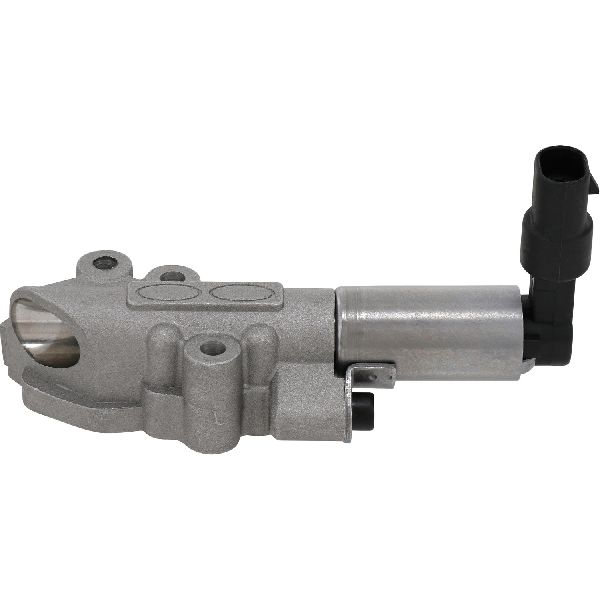
Est. part cost: $50-$100 - Faulty Bank 2 Exhaust Oil Control Valve (OCV) 🟡 Medium Probability → Shop Engine Variable Valve Timing (VVT) Solenoid The OCV is a small solenoid that can become clogged with oil sludge or fail electronically, preventing it from correctly regulating oil flow to the cam phaser. It is a very common failure point for this code across the Hyundai/Kia Lambda engine family.
How to confirm: The Bank 2 exhaust OCV is located on the front of the driver's side valve cover. Swap it with the Bank 2 intake OCV (located nearby on the same valve cover). Clear codes and drive. If the code changes to P0021 ('A' Camshaft Position - Bank 2), the OCV is faulty. Alternatively, test the OCV's resistance with a multimeter; it should be between 6.9 and 7.9 ohms.
Typical fix: Replace the Bank 2 (driver's side) exhaust Oil Control Valve. Some attempt to clean the valve, but replacement is the reliable fix. The part is held in by a single 10mm bolt.
Est. part cost: $70-$150
Rare But Worth Checking
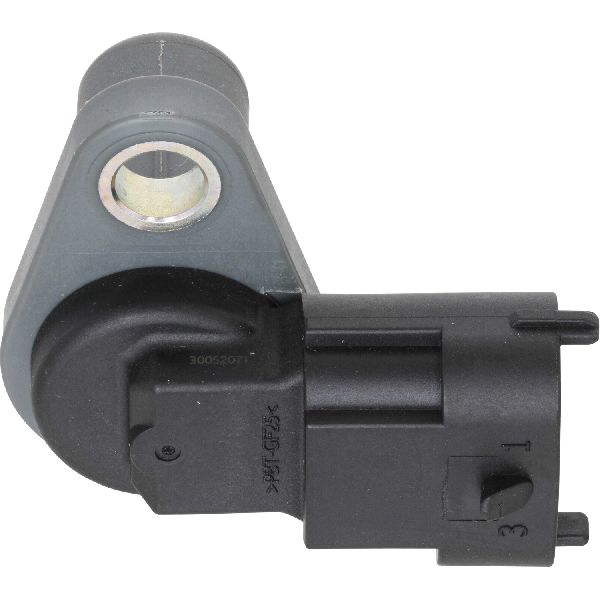
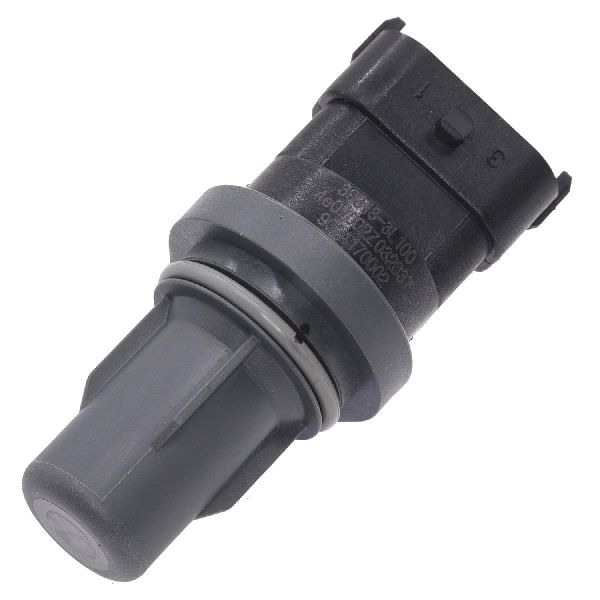
- Faulty Bank 2 Exhaust Camshaft Position Sensor (CMP): → Shop Engine Camshaft Position Sensor This is rare because a failing sensor usually throws a specific sensor circuit code (like P0365-P0369). However, if it sends plausible but incorrect data, it can trigger a performance code like P0024. Can be diagnosed by swapping with the Bank 1 sensor.
- Stretched Timing Chain or Failing Cam Phaser: → Shop Engine Timing Chain This is a major mechanical failure. It's unlikely unless the vehicle has very high mileage, has been poorly maintained, or other timing-related codes (like correlation codes P0017/P0019) are also present.
- Wiring or Connector Issues: Damage or corrosion on the wiring to the OCV or CMP sensor can cause erratic signals. Inspect the harness and connector on the driver's side valve cover for any signs of oil contamination or physical damage.
Diagnosis Steps
- Check Engine Oil & Leaks: Verify the oil level is correct and the oil is clean. If low, top it off. If old or dirty, perform a full oil and filter change with manufacturer-specified 5W-30 oil. Crucially, inspect the area around the driver's side (Bank 2) turbocharger for any signs of an oil leak, which could be related to Recall 019G. Clear the code and test drive.
- Scan for Other Codes: Check if other codes are present that could point to a larger issue (e.g., P0014, P0524).
- Inspect OCV Wiring: Check the connector and wiring to the Bank 2 exhaust OCV (front of driver's side valve cover) for any damage, corrosion, or looseness.
- Test the Oil Control Valve (OCV): Swap the Bank 2 exhaust OCV with the Bank 2 intake OCV. They are physically identical and located near each other. Clear codes. If the fault code changes to P0021, the OCV is bad and needs to be replaced.
- Test the Camshaft Position Sensor (CMP): If the OCV swap doesn't isolate the problem, you can swap the Bank 2 exhaust CMP (rear of driver's side valve cover) with the Bank 1 exhaust CMP. If the code changes to P0014, the sensor is faulty.
- Seek Professional Help: If all the above steps do not resolve the issue, the problem may be a more complex mechanical issue like a faulty VVT cam phaser, clogged oil passages, or timing chain stretch, which requires professional diagnosis.
Parts You'll Likely Need
- Engine Oil and Filter
(OEM #Filter: 26320-3LTA0)— The most common cause of this code is low or degraded engine oil. An oil change is the first and most crucial step. Owners often recommend using OEM filters to avoid any issues.
Trusted brands: Shell (Pennzoil), Mobil 1, OEM Hyundai/Kia Filter
OEM price range: $60-$100
Aftermarket price range: $50-$80 - Bank 2 Exhaust Oil Control Valve (VVT Solenoid)
(OEM #24360-3LBA1 (Verify with VIN, may also be 24360-3CAA2))— This is the second most common failure part. It gets clogged or fails electronically, causing incorrect oil flow to the cam phaser. Bank 2 is the driver's side.
Trusted brands: Hyundai/Kia Genuine
OEM price range: $70-$150
Aftermarket price range: $40-$90 - Bank 2 Exhaust Camshaft Position Sensor
(OEM #39318-3L100)— A less common but possible failure point if the OCV and oil are confirmed to be good. This sensor reports the camshaft's position to the ECM.
Trusted brands: Hyundai/Kia Genuine, Bosch, NTK
OEM price range: $40-$80
Aftermarket price range: $25-$60
Related Codes That Often Appear With This One
- P0014 — This is the same over-advanced exhaust cam code, but for Bank 1 (passenger side). If both P0014 and P0024 are present, it strongly indicates a systemic problem affecting the whole engine, like severe oil sludge or critically low oil pressure.
- P0524 — This code indicates 'Engine Oil Pressure Too Low'. If you see this with P0024, it directly points to the root cause of the cam timing issue and should be treated as a stop-driving-immediately situation.
- P0021 — This is the intake camshaft over-advanced code for Bank 2. It would typically appear if you swapped a faulty exhaust OCV with the intake OCV as a diagnostic step, confirming the OCV is bad.
Technical Service Bulletins (TSBs) & Recalls
- 24-01-032G (Recall 019G / NHTSA 24V-191): Addresses a potential oil leak from the left-hand (Bank 2) turbocharger oil supply pipe, a potential root cause for low oil levels that can trigger P0024.
Platform-Specific Known Issues
- Safety Recall 019G (TSB 24-01-032G / NHTSA 24V-191): Affects 2019-2022 G70 3.3T models produced from May 2018 to September 2021. The left-hand (Bank 2) turbocharger oil supply pipe may crack due to heat degradation and leak oil onto the exhaust manifold. This can cause a low oil condition, which is a direct cause of P0024, and also poses a significant fire risk. The remedy involves replacing the original pipe with an improved full stainless steel assembly.
Mechanic-Grade Diagnostic Values
- Bank 2 Exhaust Oil Control Valve (OCV) Resistance — expected: 6.9 - 7.9 Ohms at 68°F (20°C). Failure: A reading of infinity (open circuit) or near zero (short circuit) indicates a failed solenoid coil.
- OCV Connector Voltage (Key On, Engine Off) — expected: ~12V (Battery Voltage). Failure: No voltage suggests a break in the wiring, a blown fuse, or an issue with the power supply from the engine main relay.
- Live Data: CVVT Actual vs. Desired Angle (Bank 2 Exhaust) — expected: Using a capable scan tool, the 'Actual' and 'Desired' position PIDs should track each other within a few degrees under various engine loads and RPMs.. Failure: A large, persistent gap, or the 'Actual' value being stuck, indicates the camshaft is not moving as commanded. This could be due to a stuck OCV, a faulty phaser, or a hydraulic issue (clogged passage/low pressure).
Scan Tool Commands That Help
- Hyundai GDS (or equivalent advanced scanner): Active Test: CVVT Oil Control Valve — With the engine idling, this bidirectional command manually energizes the Bank 2 exhaust OCV. If the engine stumbles, runs rough, or stalls, it confirms the OCV is mechanically working and the oil passages are likely clear. If there is no change in engine operation, it points to a faulty OCV, a wiring issue, or a clogged oil passage.
- Hyundai GDS (or equivalent advanced scanner): Service Function: Resetting Adaptive Values / VVT Adaptations — This function should be performed after replacing any CVVT system components (OCV, phaser, timing chain). It clears the ECM's learned timing adjustments, allowing it to quickly adapt to the new parts and prevent the code from returning due to old data.
Wiring & Ground Locations
- Bank 2 Exhaust OCV Connector — On the front of the driver's side (Bank 2) valve cover, connected to the outermost CVVT solenoid.. This 2-pin connector provides the control signal from the ECM. A poor connection, corrosion, or damaged wire here will prevent the OCV from functioning, directly causing code P0024 even if the OCV itself is good.
- Bank 2 Exhaust CMP Sensor Connector — On the driver's side (Bank 2) valve cover, connected to the rearmost of the two sensors on that cover.. This 3-pin connector provides power, ground, and signal for the sensor that reports the camshaft's position. A fault here could cause incorrect reporting that might trigger P0024, although a specific sensor code is more likely.
- Main Engine Ground — Typically a heavy gauge wire from the engine block to the chassis, often near the alternator or starter. A secondary ground is often on the cowl, near the brake booster.. A poor engine ground can cause a host of electrical issues and erratic sensor readings. While not a direct cause, it can contribute to control module and sensor misbehavior, and should be checked if multiple, seemingly unrelated electrical faults are present.
Real Owner Repair Stories
- Aggregated from StingerForum.org and r/GenesisG70 (Kia Stinger GT / Genesis G70 with 3.3T Lambda II engine) — Check Engine Light with P0014/P0024, sometimes intermittent.
❌ Tried (didn't work) Performing a standard oil and filter change.
✅ What actually fixed it The issue was only resolved after removing the OCVs, cleaning them directly with carburetor or brake cleaner to dislodge sludge, performing a chemical engine flush, and then refilling with fresh oil. This indicates that in some cases of poor maintenance, sludge can build up to a point where a simple oil change is insufficient to clear the blockage in the OCV screen or oil passages.
OEM Part Supersession History
24360-3CAA2→24360-3LBA1— Likely an internal revision for improved durability or performance. Both part numbers are frequently listed for this application.
Heads up: Parts are generally interchangeable for this application, but it is always best to verify the exact part number with a VIN at a dealership to ensure compatibility.
Model Year Variations Within This Range
- 2022-2024 (Facelift): The 2022 model year introduced a significant facelift with revised exterior styling and a larger 10.25-inch infotainment screen. However, the core powertrain, including the 3.3L Lambda II V6 engine and its CVVT system, remained unchanged. Therefore, the causes and fixes for code P0024 are identical between the pre-facelift (2019-2021) and post-facelift (2022-2024) models.
Diagnostic Flowchart
Other Known Issues on This Vehicle
Issues unrelated to this code that are worth knowing about as an owner of this generation:
- Interior Rattles (Headliner/Sunroof/Console) 🟡 Low — Very common, especially in warmer weather as plastic parts expand. Many owners report creaking from the overhead console or sunroof area.
- Paint Peeling/Chipping 🟠 Medium — Numerous owner complaints, particularly around fender edges and bumpers. Some have had success with warranty claims, while others have been denied.
- Turbocharger Wastegate Rattle 🟠 Medium — A squeaking or rattling noise from the electronic wastegate actuator is a known issue. While sometimes just an annoyance, in some cases it has preceded turbo failure.
- Fuel Pump Failure 🔴 High — Affects 2019-2023 models. A recall was issued because the fuel pump can fail, leading to a loss of drive power. (Ref: NHTSA 24V528000 (Recall 262 / 023G))
- ABS Module Malfunction 🔴 High — Affects 2019-2021 models. The ABS module could short circuit, increasing the risk of an engine compartment fire. (Ref: NHTSA 21V796000)
Used vs. New Parts: Buying Guide for This Vehicle
When a used part is the smart pick: For this repair, used parts are generally not recommended for the primary failure items. However, sourcing a used wiring harness pigtail from a junkyard is a viable option if only the connector is damaged.
Donor-vehicle mileage cap: roughly under 75000 miles for the part to have meaningful remaining life.
What to inspect on the donor part:
- For a wiring pigtail, ensure the plastic is not brittle and the locking tab is intact.
- Check for any signs of corrosion on the pins or melting on the connector body.
OEM-only on this vehicle (don't cheap out):
- Oil Control Valve (OCV) / VVT Solenoid: Given the sensitivity of the system and the relatively low cost of a new OEM part ($70-$150), using a new, genuine part is strongly advised to avoid repeat failures.
- Camshaft Position Sensor: This is a critical sensor. Aftermarket versions can have quality control issues; stick with OEM (Hyundai/Kia) or a trusted OE supplier like Bosch or NTK.
- Engine Oil Filter: Many owners strongly recommend using the OEM Hyundai/Kia filter (26320-3LTA0) to avoid any potential issues with bypass valve pressure or fitment that can affect oil circulation.
Aftermarket brands forum-validated for this vehicle:
- Bosch (for sensors)
- NTK (for sensors)
Brands owners have reported issues with on this vehicle:
- Unnamed, no-brand 'white box' electronic parts from online marketplaces are a significant risk and often fail quickly.
Real Owner Stories
Aggregated from forums and TSBs cited above. Mileages and costs reflect what owners reported in those sources.
2019-2022 Genesis G70 3.3T
Symptoms: Low oil condition and potential oil leak onto the exhaust manifold from the left-hand side of the engine.
What fixed it: Replacement of the original turbocharger oil supply pipe with an improved full stainless steel assembly under Recall 019G.
Source hint: Safety Recall 019G (TSB 24-01-032G / NHTSA 24V-191)
2019-2024 Genesis G70 3.3T
Symptoms: P0024 code persisted after an oil change failed to resolve the issue.
What fixed it: Replacement of the Oil Control Valve (OCV) after identifying it as the culprit.
Source hint: StingerForum.org discussions on the 3.3T engine
2019-2024 Genesis G70 3.3T
Symptoms: Engine throwing VVT-related codes; concerns about maintaining engine health and oil cleanliness.
What fixed it: Adopting a frequent oil change interval of 3,000-6,000 miles using full synthetic 5W-30 and OEM filters.
Source hint: Reddit r/GenesisG70
Related OBD-II Codes
Frequently Asked Questions
Is there a recall for my 2019-2022 Genesis G70 3.3T that could cause the P0024 code?
What oil and filter should I use for my G70 3.3T to prevent VVT issues?
Where is the Bank 2 Exhaust Oil Control Valve located on the 3.3L Twin-Turbo V6?
How can I tell if the OCV is the problem without buying a new part immediately?
What is the recommended oil change interval to avoid P0024 on the G70?
Can a faulty Camshaft Position Sensor cause this code on my Genesis?
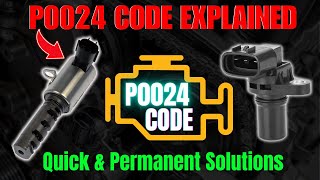
Helpful Videos

We Have This Part in Stock


The information in this article is provided for general reference and educational purposes only. Vehicle specifications, procedures, and part compatibility can vary by production date, trim level, and region. Always consult your vehicle's factory service manual and verify part numbers before purchasing or performing repairs. Safety-critical components such as airbags, seat belts, and braking systems should be installed by a qualified professional.
- Genesis G70:
- 🧭 Diagnostic Flowchart
- 🎬 Helpful Videos
- 🛍️ Shop This Part
- What's Unique About the 2019-2024 Genesis G70
- Symptoms You May Notice
- Most Likely Causes
- Rare But Worth Checking
- Diagnosis Steps
- Parts You'll Likely Need
- Related Codes That Often Appear With This One
- Technical Service Bulletins (TSBs) & Recalls
- Platform-Specific Known Issues
- Mechanic-Grade Diagnostic Values
- Scan Tool Commands That Help
- Wiring & Ground Locations
- Real Owner Repair Stories
- OEM Part Supersession History
- Model Year Variations Within This Range
- Other Known Issues on This Vehicle
- Used vs. New Parts: Buying Guide for This Vehicle
- Real Owner Stories
- 2019-2022 Genesis G70 3.3T
- 2019-2024 Genesis G70 3.3T
- 2019-2024 Genesis G70 3.3T
- Related OBD-II Codes
- Frequently Asked Questions
- 🎟️ Get 5% Off