

P0024 on 2012-2015 GMC Terrain V6: Exhaust Cam Timing Over-Advanced Causes & Fixes
On a 2012-2015 GMC Terrain with a V6 engine, code P0024 is most often caused by a faulty Bank 2 exhaust camshaft actuator solenoid or low/dirty engine oil. The solenoid is a relatively inexpensive part ($30-$60 aftermarket, $70-$120 OEM) and is a common DIY fix. Ignoring the issue can lead to rough running, poor fuel economy, and potentially more severe engine damage over time.
- This code applies ONLY to the 3.0L or 3.6L V6 engines in the 2012-2015 Terrain.
- Always check your engine oil level and condition first. A simple oil change with full synthetic 5W-30 oil can sometimes fix the problem.
- The most likely failed part is the Bank 2 (front/radiator side) exhaust camshaft actuator solenoid. It's an affordable and accessible part for a DIY repair.
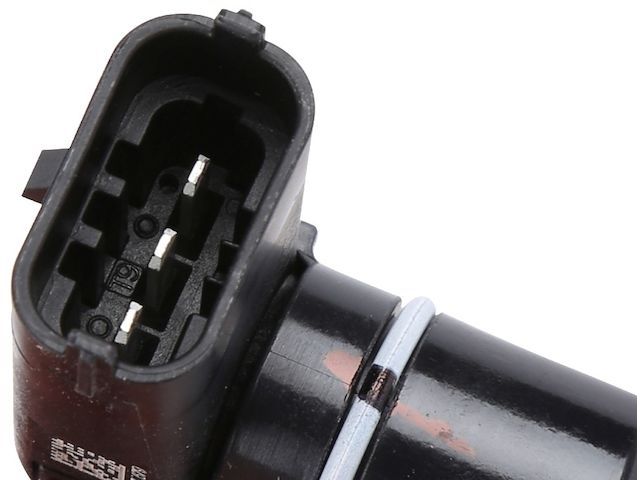
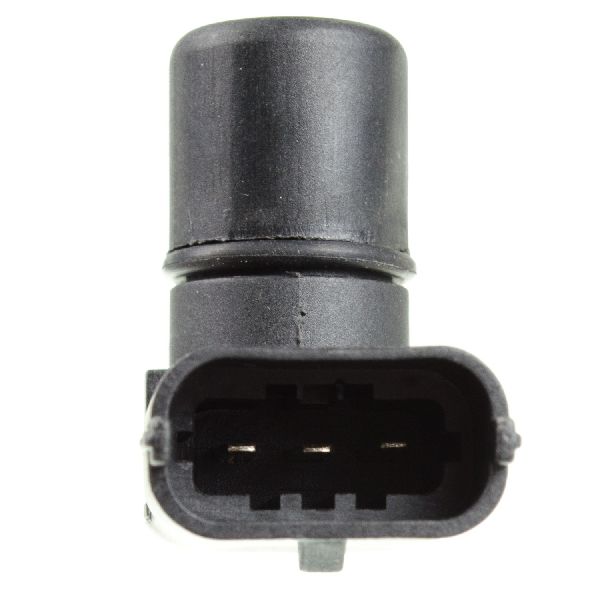
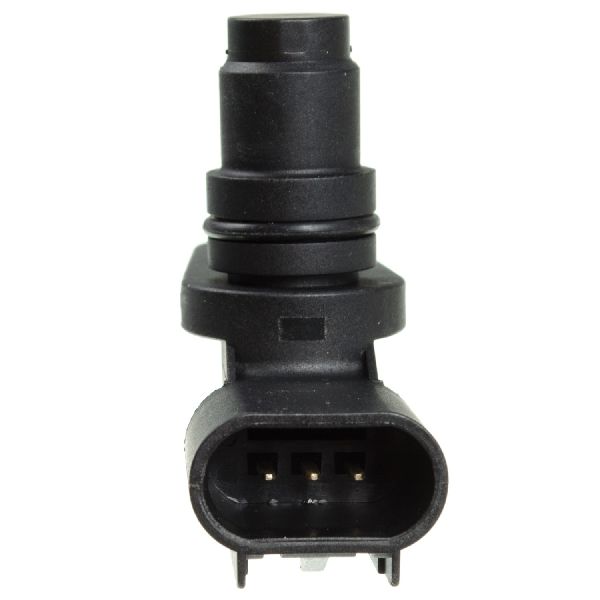
- Do not replace the camshaft position sensor; it is rarely the cause of this code.
- If you hear a rattling noise from the engine on cold starts, especially if you have other codes like P0008 or P0017, the issue is likely a more serious and expensive stretched timing chain.
What's Unique About the 2012-2015 Gmc TERRAIN
This code is specific to the V6 engines (3.0L and 3.6L) in the GMC Terrain, not the 2.4L 4-cylinder. These V6 engines are known for sensitivity to oil quality and have a history of timing chain issues, though solenoid failure is a more common cause for this specific code. GM even issued a technical service bulletin (PIP5096C) acknowledging that some of these vehicles were built with camshaft actuator solenoids that could cause this code due to internal clearance problems, even without other drivability issues. The TSB specifically instructs technicians to replace the solenoid with an updated part rather than swapping it with another one on the engine if certain engine build criteria are met.
Diagnostic Flowchart
Tap your situation to follow the diagnostic path that matches what you're seeing on this vehicle.
Symptoms You May Notice
- Check Engine Light is on
- Rough or unstable idle
- Engine hesitation or stumbling on acceleration
- Engine stalling, especially at low speeds
- Hard starting condition
- Reduced fuel economy
- Engine runs rough
- Replacing the camshaft position *sensor* instead of the camshaft position actuator *solenoid*. The sensor's job is to read the position, while the solenoid controls it. P0024 is almost always caused by the solenoid or a mechanical/oil issue, not the sensor.
Most Likely Causes
- Failed Camshaft Position Actuator Solenoid (Bank 2 Exhaust) 🔴 High Probability → Shop Engine Camshaft These solenoids can get clogged with oil sludge or fail internally. GM issued TSB PIP5096C which points to faulty original solenoids in some vehicles, recommending replacement with an updated service part. The fine mesh screens on the solenoids are susceptible to clogging from dirty oil, restricting oil flow.
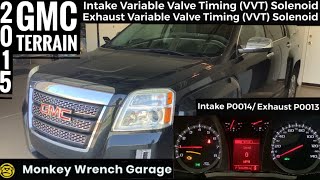
How to confirm: Swap the Bank 2 exhaust solenoid with the Bank 2 intake solenoid (if they are the same part number). Clear the codes and drive. If the code changes to P0021 (Intake Cam Position), the solenoid is bad. 🎬 Watch: How to diagnose and replace these VVT solenoids. However, TSB PIP5096C advises against this swap if the engine has a specific build code, recommending outright replacement instead.
Typical fix: Replace the Bank 2 (front/radiator side) exhaust camshaft position actuator solenoid. 🎬 See this quick walkthrough for replacing the Terrain's solenoids. It is often recommended to replace both the intake and exhaust solenoids on the affected bank at the same time.
Est. part cost: $30-$120 - Low, Dirty, or Incorrect Engine Oil 🔴 High Probability The Variable Valve Timing (VVT) system is hydraulic and relies entirely on clean oil at the proper pressure. These GM V6 engines are known to consume oil, with GM considering up to one quart every 2,000 miles as 'normal'. This, combined with long oil change intervals suggested by the oil life monitor, can lead to low oil levels and sludge formation that clogs the solenoid screens and passages.
How to confirm: Check the engine oil dipstick for low level and inspect the oil's color and consistency on the dipstick and under the oil cap. The oil should be at the full mark and not appear black or sludgy.
Typical fix: Perform an oil and filter change using a high-quality full synthetic 5W-30 oil that meets GM's dexos1 specification. If the oil was very dirty, a short oil change interval or an engine flush may be considered.
Est. part cost: $40-$80 - Stretched Timing Chain 🟡 Medium Probability → Shop Engine Timing Chain The 3.0L and 3.6L V6 engines in this platform are known for premature timing chain stretch, especially on earlier models (pre-2013) or those with a history of infrequent oil changes. The 2012 model year LFX engine carried over a timing chain design from the previous LLT engine, which had a poorer reputation for reliability; the chain was redesigned in 2013. While less common than a solenoid failure for just a P0024 code, it's a significant known issue.
How to confirm: This is a difficult diagnosis. It often presents with a rattling noise on a cold start and is usually accompanied by more serious correlation codes like P0008, P0009, or P0017. Confirmation requires measuring chain deflection, which is a job for a professional.
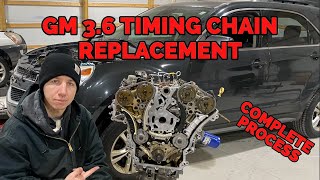
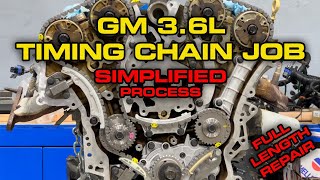
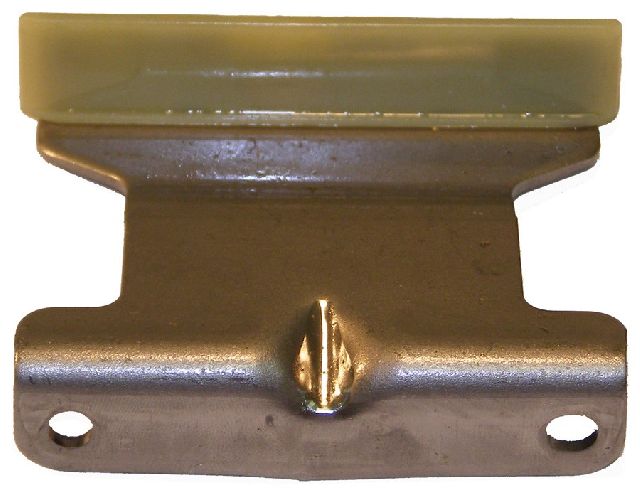
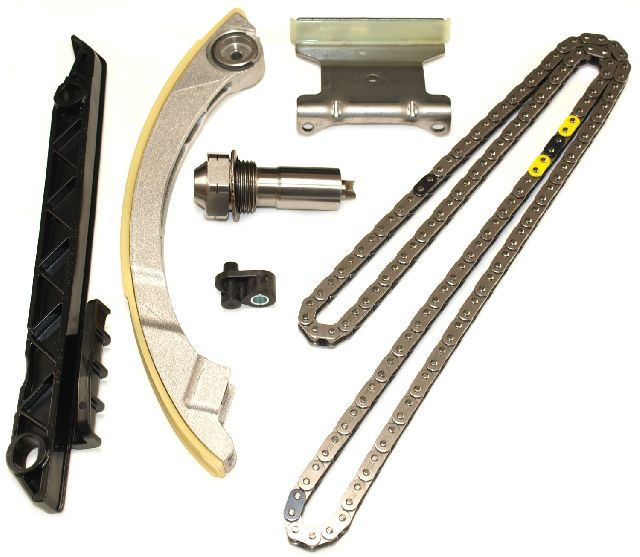
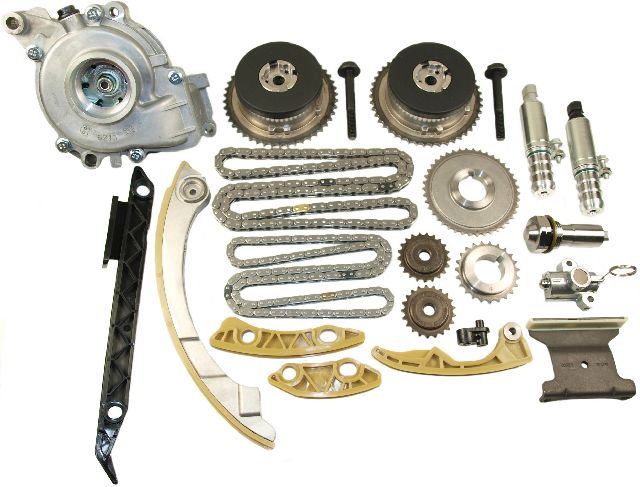
Typical fix: Replace all three timing chains, all tensioners, and all guides. This is a very labor-intensive and expensive repair. 🎬 Watch: Full step-by-step guide for replacing the 3.6L timing chain.
Est. part cost: $400-$800 for a kit
Rare But Worth Checking
- Faulty Camshaft Phaser: → Shop Engine Camshaft The phaser is the mechanical gear that the solenoid controls. It can get stuck or fail mechanically, but this is much less common than a solenoid failure. It's usually diagnosed after the solenoid and oil have been ruled out. Testing may involve applying compressed air to the phaser's oil passages.
- Wiring or Connector Issue: Damage to the wiring harness or a poor connection at the solenoid can cause this code. A visual inspection of the harness leading to the Bank 2 exhaust solenoid is a quick check. The connector itself can also fail.
- Clogged Solenoid Filter Screen: Some GM engines have small, thimble-shaped filter screens in the oil passages leading to the VVT solenoids. These can become clogged with debris and starve the solenoid of oil. While cleaning or replacing them is possible, they are often difficult to access.
Diagnosis Steps
- Check the engine oil level and condition. If it's low, dirty, or not the specified 5W-30 dexos1 synthetic oil, perform an oil and filter change. Clear the code and see if it returns.
- Scan for any other DTCs. Codes like P0014, P0021, or P0008 provide important clues to whether the issue is systemic (oil) or localized.
- Inspect the wiring and connector for the Bank 2 (front) exhaust camshaft actuator solenoid for any visible damage, corrosion, or loose connection.
- Per TSB PIP5096C, inspect the engine EUN sticker (located on the left side of the engine below the head or on the back of the right head). If there is an 'A' before the sequence number, GM recommends replacing the solenoid with a new service part and explicitly states 'DO NOT JUST SWAP FROM ANOTHER LOCATION'.
- If the TSB does not apply, a common DIY diagnostic is to swap the suspect solenoid. Unplug and remove the Bank 2 exhaust solenoid and swap it with the Bank 2 intake solenoid. They are located next to each other on the front of the engine.
- Clear the codes and drive the vehicle. If the code changes to P0021 (Intake Camshaft Position Over-Advanced Bank 2), you have confirmed the solenoid is faulty and needs replacement.
- If the code P0024 returns after the swap, the problem is not the solenoid. The next steps involve checking oil pressure and inspecting the timing chain and phaser, which typically require professional help.
Parts You'll Likely Need
- Camshaft Position Actuator Solenoid (Exhaust, Bank 2)
(OEM #12655421 (Superseded by 12679100))— This is the most common part to fail, causing the P0024 code. It gets clogged with debris from engine oil or fails electronically. GM has updated this part multiple times.
Trusted brands: ACDelco (OEM), Dorman, Delphi
OEM price range: $70-$120
Aftermarket price range: $30-$60 - Timing Chain Kit — If the code is accompanied by rattling noises or correlation codes (P0008/P0017), the timing chains have likely stretched, a known issue on these V6 engines. A full kit includes chains, guides, and tensioners.
Trusted brands: Cloyes, ACDelco
OEM price range: $600-$900
Aftermarket price range: $400-$800
Related Codes That Often Appear With This One
- P0014 — This is the same over-advanced exhaust cam code, but for Bank 1 (firewall side). Seeing both P0014 and P0024 together strongly suggests a systemic problem like dirty oil or low oil pressure affecting both banks.
- P0021 — This is for an over-advanced *intake* camshaft on the same bank (Bank 2). If seen with P0024, it could point to an oil delivery issue affecting the entire cylinder head or a wiring problem common to that bank.
- P0008 / P0009 / P0017 — These are more severe engine timing correlation codes that compare the crankshaft position to the camshaft positions. If you see these along with P0024, it's a very strong indicator of a stretched timing chain requiring immediate attention.
Technical Service Bulletins (TSBs) & Recalls
- PIP5096C: Addresses DTCs P0011, P0014, P0021, or P0024
Platform-Specific Known Issues
- TSB PIP5096C specifically addresses codes P0011, P0014, P0021, and P0024 on these vehicles. It notes that some engines may have been built with camshaft actuator solenoids that had incorrect internal clearances, causing the code without any other symptoms. The fix is to check the engine EUN sticker for an 'A' prefix; if present, replace the solenoid with a new service part (from a different supplier) and NOT to swap it with another one from a different location on the engine.
- The 3.6L LFX engine is known for oil consumption, which can exacerbate issues with the oil-dependent VVT system. Owners must be diligent about checking oil levels between changes.
Mechanic-Grade Diagnostic Values
- Camshaft Actuator Solenoid Resistance — expected: 6.9 - 7.9 Ohms at 68°F (20°C). Failure: A reading outside this range, or an open/short circuit, indicates a faulty solenoid.
- Camshaft Actuator Solenoid Connector Voltage — expected: Battery voltage on one of the two pins with ignition on, engine off.. Failure: No voltage suggests a problem with the power supply from the engine main relay or a wiring issue.
- Scan Tool Camshaft Position Variance — expected: Desired and Actual camshaft position angles should closely match at various RPMs.. Failure: A variance of more than a few degrees between the desired and actual angle for a sustained period triggers the code.
Scan Tool Commands That Help
- GDS2 / Tech2 (or equivalent professional scanner): Actuator Test: Bank 2 Exhaust Camshaft Position Actuator Solenoid — This command allows the technician to manually cycle the solenoid with the engine running. A functional solenoid and phaser will cause the engine to hesitate or stall, confirming the electrical and basic mechanical parts are working. If the engine does not react, it points to a failed solenoid, clogged passage, or stuck phaser.
Wiring & Ground Locations
- Engine Control Module (ECM) — Located at the left front of the engine compartment.. The ECM sends the control signal to the camshaft actuator solenoid. All wiring for the VVT system originates here.
- G112 — A primary engine ground located on the left rear of the engine block.. A poor engine ground can cause erratic behavior in sensors and actuators, including the VVT solenoids, leading to incorrect operation and fault codes.
- Main Battery to Engine Ground — A large ground strap connecting the battery to the engine block, often near the starter motor on the front left side of the engine.. This is the most critical ground for all engine electronics. Corrosion or a loose connection here can cause a wide range of electrical issues, including VVT system faults.
OEM Part Supersession History
12655421→12679100— Likely an updated design to improve reliability and address the issues noted in TSB PIP5096C regarding incorrect internal clearances.12578518→12628348, 12646784, 12655421, 12679100— Represents the full lineage of part number updates for this component across various GM applications.
Heads up: While these parts are often listed together, always verify the exact part number for the specific vehicle VIN, as minor internal differences may exist.
Model Year Variations Within This Range
- 2012 only: The 2012 model year LFX engine used a timing chain design carried over from the previous, less reliable LLT engine. For the 2013 model year, the timing chains were redesigned to improve longevity. As a result, 2012 models are more susceptible to premature timing chain stretch than 2013-2015 models.
Helpful Videos

We Have This Part in Stock

The information in this article is provided for general reference and educational purposes only. Vehicle specifications, procedures, and part compatibility can vary by production date, trim level, and region. Always consult your vehicle's factory service manual and verify part numbers before purchasing or performing repairs. Safety-critical components such as airbags, seat belts, and braking systems should be installed by a qualified professional.
- Gmc TERRAIN:
- 🧭 Diagnostic Flowchart
- 🎬 Helpful Videos
- 🛍️ Shop This Part
- What's Unique About the 2012-2015 Gmc TERRAIN
- Symptoms You May Notice
- Most Likely Causes
- Rare But Worth Checking
- Diagnosis Steps
- Parts You'll Likely Need
- Related Codes That Often Appear With This One
- Technical Service Bulletins (TSBs) & Recalls
- Platform-Specific Known Issues
- Mechanic-Grade Diagnostic Values
- Scan Tool Commands That Help
- Wiring & Ground Locations
- OEM Part Supersession History
- Model Year Variations Within This Range
- 🎟️ Get 5% Off