

P0024 on 2012-2017 Hyundai Azera 3.3L V6: Exhaust Cam Timing Causes and Fixes
On a 2012-2017 Azera 3.3L, P0024 is most often caused by low or dirty engine oil. If the oil is fine, the next most likely cause is a faulty Bank 2 (front) exhaust Oil Control Valve (OCV). An oil change is the first step; replacing the OCV costs about $60-$120 for the part and is a common DIY fix.
- First, check your engine oil. Low, old, or dirty oil is the most common cause for P0024 on this engine. An oil change with a quality OEM filter may fix the issue by itself.
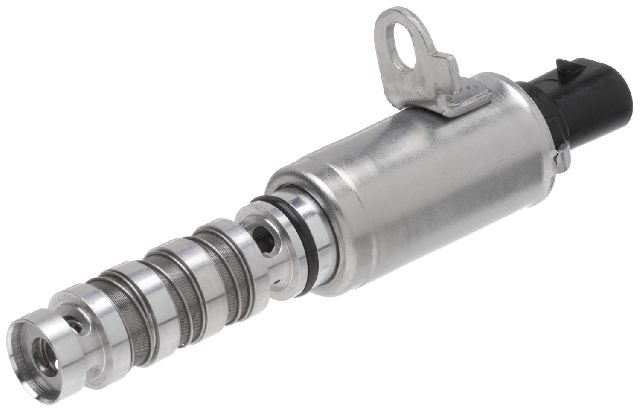
- The next most likely culprit is a bad Bank 2 (front) exhaust Oil Control Valve (OCV), part number 24355-3CAB2. This is a relatively inexpensive part and is accessible for DIY replacement.
- A simple and effective diagnostic step is to swap the exhaust OCV with the intake OCV on the front valve cover. If the code follows the part (changing to P0018), you have confirmed the OCV is faulty.
- If you hear a rattling noise from the engine on cold starts, stop driving and have the vehicle inspected by a professional immediately, as this indicates a likely timing chain problem.
What's Unique About the 2012-2017 Hyundai Azera
The 3.3L Lambda II GDI engine (engine code G6DH) is known for being sensitive to oil maintenance and can suffer from oil consumption. The CVVT system's oil control valves (OCVs) have very small passages that can easily get clogged by oil sludge from delayed oil changes or the use of non-OEM oil filters. This makes low/dirty oil the number one suspect for P0024 on this specific platform. Owners and technicians frequently report that a simple oil and filter change resolves this code. If not, the OCV solenoid itself is the next common failure point.
Symptoms You May Notice
- Check Engine Light is on
- Rough or unstable idle
- Engine hesitation or lack of power during acceleration
- Decreased fuel economy
- Engine may be hard to start
- Engine may stall unexpectedly
- Engine shaking, pulsating, or vibrating
- Replacing the camshaft position sensor before testing the Oil Control Valve. The OCV is a much more common failure point for this code.
- Replacing the timing chain without first confirming the simpler and cheaper causes like oil condition and OCV function.
Most Likely Causes
- Low, Dirty, or Incorrect Viscosity Engine Oil 🔴 High Probability The CVVT system uses hydraulic pressure to function, and the small passages in the solenoids are easily clogged by sludge or contaminants. The Lambda II GDI engine can also consume oil, making low oil levels a frequent problem that can trigger this code.
How to confirm: Check the engine oil dipstick. The level should be between the 'F' and 'L' marks. The oil should be amber/brown, not black, thick, or gritty.
Typical fix: Perform an engine oil and filter change using a full synthetic 5W-30 oil and a genuine Hyundai/Kia (OEM) oil filter. Clear the code and drive to see if it returns.
Est. part cost: $40-$80 - Faulty Bank 2 Exhaust Oil Control Valve (OCV/VVT Solenoid) 🔴 High Probability → Shop Engine Variable Valve Timing (VVT) Solenoid These solenoids are a common failure point on the Lambda engine family. They can fail electrically or become mechanically stuck from oil sludge.
How to confirm: Swap the Bank 2 exhaust OCV with the Bank 2 intake OCV (they are identical and located next to each other on the front valve cover). Clear the codes. If the trouble code changes to P0018 ('A' Camshaft, Bank 2), the OCV is faulty. Alternatively, test the solenoid's resistance with a multimeter; it should be between 6.7 and 7.9 ohms at 68°F. You can also manually apply 12V power to the removed solenoid to see if the internal plunger actuates with a click. 🎬 Watch: Two simple DIY methods to clear the P0024 code.
Typical fix: Replace the Bank 2 exhaust Oil Control Valve. The OEM part number for the Bank 2 (front/radiator side) exhaust OCV is 24360-3CAB2.
Est. part cost: $60-$120 - Incorrect or Improperly Installed Oil Filter 🟡 Medium Probability → Shop Engine Oil Filter Adapter Some aftermarket oil filters can cause oil pressure deviations that trigger CVVT codes. A Reddit user with a 2015 Azera reported that using an OEM filter fixed their P0024 code.
How to confirm: Inspect the oil filter to see if it is a non-OEM brand or if the center pin/cartridge is damaged or missing.
Typical fix: Replace the oil filter with a genuine Hyundai OEM filter and perform an oil change.
Est. part cost: $15-$25
Rare But Worth Checking
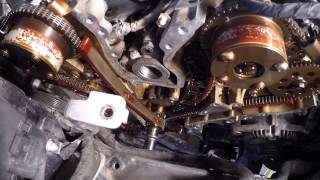
- Stretched Timing Chain or Faulty Tensioner: → Shop Engine Timing Chain This is a more serious mechanical issue and a known weakness on higher-mileage Lambda II engines. A key symptom is a distinct rattling noise from the engine for 2-3 seconds on a cold startup. If you hear this noise, this becomes a high-probability cause that requires immediate attention to prevent severe engine damage. 🎬 Listen to the specific rattle caused by a failing tensioner.
- Failed CVVT Cam Phaser: The mechanical gear that the OCV controls can get stuck in the advanced position. This is typically diagnosed after the oil and OCV have been ruled out as the cause.
- Faulty Camshaft Position Sensor: → Shop Engine Camshaft Position Sensor It's possible for the sensor to fail and send incorrect data, but it's less common than an OCV failure and would often be accompanied by other sensor-specific codes.
Diagnosis Steps
- Check Engine Oil: Verify the oil level is full and the oil is clean and of the correct viscosity (5W-30). If low or dirty, perform an oil and filter change with an OEM filter, clear the code, and re-test.
- Inspect OCV Wiring: Check the electrical connector and wiring to the Bank 2 (front) exhaust OCV for damage, corrosion, or loose connections. Verify battery voltage at the connector with the ignition on.
- Test the Oil Control Valve (OCV): The easiest test is to swap the Bank 2 exhaust OCV with the Bank 2 intake OCV. They are located next to each other on the front valve cover. 🎬 See how to inspect and access the oil control valves. Clear the codes and drive. If the code changes to P0018, the OCV is bad and must be replaced.
- Check for Startup Rattle: Listen carefully when starting the engine cold. A brief rattle strongly points to a timing chain tensioner issue, which is a known problem and requires professional diagnosis.
- Advanced Diagnostics: If the above steps do not resolve the issue, further testing may involve checking the cam phaser for mechanical failure or verifying timing chain alignment, which is best left to a professional.
Parts You'll Likely Need
- Engine Oil Control Valve (VVT Solenoid)
(OEM #24355-3CAB2)— This solenoid is the most common part to fail for this code after an oil change. It gets clogged with sludge or fails electrically, causing it to stick.
Trusted brands: Hyundai (OEM), Bosch, Dorman
OEM price range: $70-$120
Aftermarket price range: $40-$90 - Engine Oil and Filter — Low, dirty, or incorrect oil is the number one cause of this code. Using a high-quality full synthetic oil and an OEM filter is critical for the proper function of the CVVT system.
Trusted brands: Hyundai (OEM Filter)
OEM price range: $40-$80
Aftermarket price range: $30-$60 - Bank 2 Exhaust Oil Control Valve
(OEM #24360-3CAB2)— This is the specific part number for the exhaust OCV on the right (Bank 2) side. While the intake and exhaust OCVs are often swappable for diagnosis, they have different part numbers for replacement.
Trusted brands: Hyundai (OEM)
OEM price range: $70-$120
Aftermarket price range: $50-$90
Related Codes That Often Appear With This One
- P0014 — This is the same over-advanced exhaust cam code, but for Bank 1 (rear bank). If P0014 and P0024 appear together, it strongly suggests a systemic oil problem (low level, low pressure, or severe contamination) affecting the entire engine, not just one faulty part. A 2015 Azera owner on Reddit reported both codes appearing simultaneously.
Technical Service Bulletins (TSBs) & Recalls
- TSB 23-EM-007H: Provides guidelines for combustion chamber cleaning, which can be a related procedure if carbon buildup is suspected of contributing to oil consumption issues.
- TSB 24-EM-003H: Pertains to a warranty extension for the 3.3L Lambda II engine in Santa Fe models for premature wear, indicating known durability issues with this engine family.
Mechanic-Grade Diagnostic Values
- Oil Control Valve (OCV) Solenoid Resistance — expected: 6.7 - 7.9 Ohms at 68°F (20°C).. Failure: A reading of infinity (open circuit) or near-zero (short circuit) indicates a failed solenoid coil.
- OCV Connector Power Supply — expected: Battery voltage (~12V) on one pin with the ignition on, engine off.. Failure: No voltage suggests an issue with the engine main relay or wiring from the fuse box.
- Scan Tool Commanded vs. Actual Cam Angle — expected: The actual camshaft position should closely follow the commanded 'set point' value during engine operation.. Failure: A significant and persistent deviation between the commanded and actual values indicates the phaser is not moving as instructed, pointing to a stuck OCV, a faulty phaser, or an oil pressure problem. A deviation greater than 7 degrees can trigger the code.
Scan Tool Commands That Help
- Hyundai GDS (Global Diagnostic System): Actuation Test for CVVT Solenoid — This bidirectional test is used to directly command the Bank 2 exhaust OCV to operate. With the engine idling, activating the solenoid should cause a noticeable change in engine operation (hesitation, stumbling, or stall). If there is no change, it confirms a fault in the OCV, the cam phaser, or the oil passages supplying them.
Wiring & Ground Locations
- GE03 (Engine Ground) — On the left front of the engine compartment.. A poor engine ground can cause erratic voltage and incorrect readings from the crankshaft and camshaft position sensors, which provide the data for the ECM to detect this timing fault. Ensuring this ground is clean and tight is a crucial step in diagnosing electrical issues.
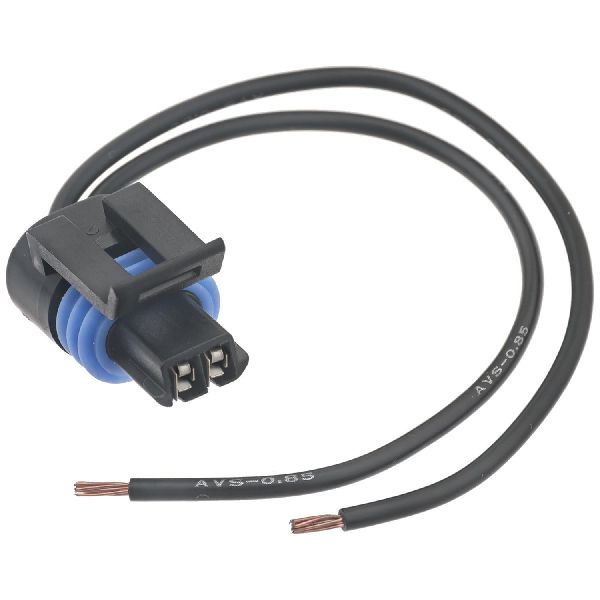
- Bank 2 Exhaust OCV Connector — On the front (radiator side) valve cover, connected to the rearmost of the two solenoids.. This is the direct connection point for testing. One pin should have battery voltage with the key on (power supply), and the other is the control wire that the ECM pulses to ground to activate the solenoid. Checking for power here is the first step in diagnosing an electrical fault.
Real Owner Repair Stories
- Reddit user Aggravating_Hippo921 and tech Hyundaitech00 (2015 Hyundai Azera, 108,000 miles) — Check Engine Light with codes P0024 and P0014 appearing together.
❌ Tried (didn't work) The owner initially planned to just replace solenoids.
✅ What actually fixed it A Hyundai tech advised that when both exhaust bank codes (P0014 & P0024) appear, the cause is likely a systemic oil pressure problem, not two failed solenoids. The tech also recommended checking for a broken/missing pin on the oil filter cartridge. The owner then planned to perform an oil and filter change in addition to replacing the solenoids based on this advice.
When the Usual Fixes Don't Work
- In one documented case for a similar Hyundai, a user replaced both VVT solenoids (the most common fix) but continued to experience intermittent engine hesitation and had the code return. This highlights that while the OCV is the most probable cause, the fault can sometimes lie further in the system, such as intermittent wiring issues, a failing cam phaser, or fluctuating oil pressure that isn't resolved by an oil change alone.
OEM Part Supersession History
24360-3CAB2→No known supersession. This part number remains active.— N/A
Heads up: This part is widely used across Hyundai/Kia models with 3.3L and 3.8L engines from 2012 through 2023+, indicating a stable design.
Diagnostic Flowchart
Other Known Issues on This Vehicle
Issues unrelated to this code that are worth knowing about as an owner of this generation:
- Worn Motor Driven Power Steering (MDPS) Coupler 🟠 Medium — Very common, typically occurs after 60,000 miles. Causes a distinct clicking or clunking noise in the steering column when turning. (Ref: TSB 17-ST-001 describes the replacement procedure for the flexible coupler (Part # 56315-2K000-FFF).)
- Connecting Rod Bearing Failure / Engine Seizure 🔴 High — A known, serious defect in some Lambda II engines, though less prevalent than in the 4-cylinder Theta II. Can occur under 100,000 miles and lead to catastrophic engine failure, often preceded by a knocking noise. (Ref: Related to class-action lawsuits and warranty extensions (e.g., TSB 24-EM-003H for Santa Fe) for premature engine wear.)
- Excessive Oil Consumption 🟠 Medium — Frequently reported by owners of the 3.3L GDI engine. Can lead to low oil levels that trigger timing codes or cause catastrophic damage if not monitored. (Ref: Hyundai has issued general TSBs for oil consumption inspection, such as 21-EM-003H.)
- Carbon Buildup on Intake Valves 🟡 Low — Common to all Gasoline Direct Injection (GDI) engines. Becomes problematic at higher mileage (60,000+ miles), causing misfires, rough idle, and performance loss. Not a defect, but a maintenance consideration.
- ABS Module Internal Short / Fire Risk 🔴 High — Affects a wide range of Hyundai models, including the 2012-2015 Azera. The ABS module can leak brake fluid internally, causing an electrical short and potential fire, even when parked. (Ref: Recall 23V651000 (NHTSA ID) was issued to address this.)
Used vs. New Parts: Buying Guide for This Vehicle
When a used part is the smart pick: A used Oil Control Valve (OCV) from a reputable salvage yard can be a cost-effective way to diagnose the problem. By swapping your current OCV with a used one, you can confirm if the valve is the issue before spending money on a new part. However, due to the part's tendency to fail from sludge, a used part is a risky long-term solution.
Donor-vehicle mileage cap: roughly under 80000 miles for the part to have meaningful remaining life.
What to inspect on the donor part:
- Inspect the fine mesh screen on the solenoid for any tears, punctures, or heavy, caked-on sludge.
- If possible, bring a multimeter to the junkyard and test the resistance. It should be within the 6.7-7.9 ohm range.
- Ask for the donor vehicle's history if available; avoid parts from engines with known sludge problems or severe front-end damage.
OEM-only on this vehicle (don't cheap out):
- Timing Chain Kit: The labor to replace a timing chain is extensive and expensive. Using aftermarket kits with potentially lower-quality tensioners or guides is a significant risk that could lead to catastrophic failure or a repeat job. Always use OEM for internal engine timing components.
- Sensors and Solenoids: Many experienced technicians and owners strongly recommend using OEM OCVs and camshaft/crankshaft sensors. Aftermarket electronic parts can be 'hit or miss' in terms of quality and longevity, potentially causing the code to return or introducing new issues.
Aftermarket brands forum-validated for this vehicle:
- Dorman
- Standard Motor Products (SMP)
- Bosch
Brands owners have reported issues with on this vehicle:
- Unbranded, low-cost solenoids from online marketplaces (e.g., Amazon, eBay) are frequently reported by forum users to fail prematurely or be dead-on-arrival.
Real Owner Stories
Aggregated from forums and TSBs cited above. Mileages and costs reflect what owners reported in those sources.
2015 Hyundai Azera 3.3L V6 — 108000 miles
Symptoms: The owner received both P0024 and P0014 codes simultaneously.
What fixed it: The issue was identified as a systemic oil pressure problem rather than individual solenoid failures, often resolved by ensuring proper oil levels and using an OEM oil filter.
Source hint: Reddit - r/Hyundai - 'Code P0024 and Code P0014'
2015 Hyundai Azera 3.3L V6
Symptoms: Check engine light with code P0024.
What fixed it: Replacing an aftermarket oil filter with a genuine Hyundai OEM filter and performing an oil change.
Source hint: r/Hyundai on Reddit
Related OBD-II Codes
Frequently Asked Questions
Does TSB 24-EM-003H apply to my 3.3L Lambda II Azera?
Can a specific oil filter brand cause the P0024 code on my 2015 Azera?
I have a clicking noise in my steering column; is this related to the P0024 engine code?
How can I tell if my Bank 2 Exhaust Oil Control Valve is actually bad?
Is there a risk of engine fire associated with my 2012-2015 Azera?
My Azera rattles briefly when I start it cold. Is that part of the P0024 problem?
Helpful Videos
![How to Fix P0024 Engine Code in 4 Minutes [2 DIY Methods / Only $6.74]](https://img.youtube.com/vi/0tbOM7HEJsQ/mqdefault.jpg)
We Have This Part in Stock


The information in this article is provided for general reference and educational purposes only. Vehicle specifications, procedures, and part compatibility can vary by production date, trim level, and region. Always consult your vehicle's factory service manual and verify part numbers before purchasing or performing repairs. Safety-critical components such as airbags, seat belts, and braking systems should be installed by a qualified professional.
- Hyundai Azera:
- 🧭 Diagnostic Flowchart
- 🎬 Helpful Videos
- 🛍️ Shop This Part
- What's Unique About the 2012-2017 Hyundai Azera
- Symptoms You May Notice
- Most Likely Causes
- Rare But Worth Checking
- Diagnosis Steps
- Parts You'll Likely Need
- Related Codes That Often Appear With This One
- Technical Service Bulletins (TSBs) & Recalls
- Mechanic-Grade Diagnostic Values
- Scan Tool Commands That Help
- Wiring & Ground Locations
- Real Owner Repair Stories
- When the Usual Fixes Don't Work
- OEM Part Supersession History
- Other Known Issues on This Vehicle
- Used vs. New Parts: Buying Guide for This Vehicle
- Real Owner Stories
- 2015 Hyundai Azera 3.3L V6 — 108000 miles
- 2015 Hyundai Azera 3.3L V6
- Related OBD-II Codes
- Frequently Asked Questions
- 🎟️ Get 5% Off