

P0024 on 2007-2012 Hyundai Veracruz 3.8L: Exhaust Cam Timing Over-Advanced Causes and Fixes
On a 2007-2012 Veracruz, P0024 is most often caused by low or dirty engine oil. If an oil change doesn't fix it, the Bank 2 (radiator side) exhaust Oil Control Valve (OCV) has likely failed. This part is under the valve cover, making replacement a labor-intensive job.
- First, check your engine oil. Low or dirty oil is the #1 cause of P0024 on this engine.
- Inspect the front valve cover (near the radiator) for oil leaks; a known recall issue can cause this code.
- If oil is not the problem, the Bank 2 exhaust Oil Control Valve (OCV) is the next most likely culprit, but its replacement is labor-intensive as it's under the valve cover.
What's Unique About the 2007-2012 Hyundai Veracruz
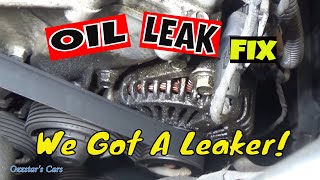
The 3.8L Lambda V6 in the Veracruz is known for its sensitivity to oil maintenance. Unlike many engines where all Oil Control Valves (OCVs) are easily accessible, the exhaust OCVs on this engine are located under the valve covers, making a common failure part significantly more difficult to replace. Furthermore, a specific and widespread recall for a leaking front valve cover gasket (Hyundai Campaign 121) can directly cause the low oil levels that trigger this exact code and can also saturate and destroy the alternator.
🎬 Watch how a leaking gasket ruins the alternatorSymptoms You May Notice
- Check Engine Light is on
- Rough or unstable engine idle
- Engine hesitates or stumbles on acceleration
- Reduced engine power
- Decreased fuel economy
- Engine may stall at stops
- Rattling or ticking noise from the engine, especially on startup.
- Hard starting engine.
- Replacing the Camshaft Position Sensor (CMP). P0024 is a mechanical timing correlation code, not a sensor circuit code. A bad CMP would typically set a different code (e.g., P0345-P0349).
- Replacing the wrong Oil Control Valve. This engine has four OCVs on later models. P0024 is specifically for the EXHAUST valve on BANK 2 (radiator side).
Most Likely Causes
- Low, Dirty, or Incorrect Viscosity Engine Oil 🔴 High Probability The CVVT system is hydraulic and highly sensitive to oil pressure and cleanliness. A well-documented recall for a leaking Bank 2 valve cover gasket (NHTSA #14V415000 / Hyundai Campaign 121) makes this vehicle prone to low oil levels that directly cause this code. In a cross-manufacturer reference, NHTSA ODI #11597363 notes that a P0024 code appeared alongside low oil levels and worsening engine clicking.
How to confirm: Check the oil level on the dipstick. Inspect the oil's color and consistency. If it is low, black, or sludgy, this is the likely cause. Inspect the area around the front valve cover and alternator for signs of a significant oil leak.
Typical fix: Perform an oil and filter change using a high-quality OEM-spec 5W-20 synthetic oil and an OEM filter. Clear the code and drive to see if it returns.
Est. part cost: $40-$80 - Faulty Bank 2 Exhaust Oil Control Valve (OCV/VVT Solenoid) 🔴 High Probability → Shop Engine Variable Valve Timing (VVT) Solenoid These solenoids are a common failure point, often getting clogged with oil sludge or failing electrically. Using non-OEM OCVs has been reported to cause repeat failures. NHTSA ODI #11063653 describes a diagnosis where P0024 was triggered by engine timing solenoids needing replacement due to the camshaft timing being advanced.
How to confirm: After confirming good oil, this is the next step. A professional can command the solenoid with a scan tool. For DIY, you can test resistance (spec is ~6.9-7.9 Ohms). However, since access requires removing the valve cover, swapping the Bank 1 and Bank 2 exhaust OCVs is not a practical diagnostic step. Replacement is often the most efficient approach.
Typical fix: Replace the Bank 2 (radiator side, left) exhaust Oil Control Valve. This requires removing the intake manifold and the Bank 2 valve cover to access the OCV.
Est. part cost: $80-$170 - Stretched Timing Chain or Worn Timing Components ⚪ Low Probability → Shop Engine Timing Chain While a durable design, high mileage or a history of poor oil maintenance can lead to chain stretch or tensioner failure, which throws off the base mechanical timing. This can present as a rattling noise on startup. NHTSA ODI #11438666 reports that P0024 can be associated with crankshaft issues that cause the engine to lose power.
How to confirm: This is a complex diagnosis suspected after oil and OCV issues are ruled out. A mechanic will check camshaft deviation with a scan tool and may need to perform a visual inspection by removing the timing cover. Metal shavings found in the engine oil during an oil change are a strong indicator of a failing chain or guides.
Typical fix: Replace the timing chain, tensioners, and guides. This is a major, labor-intensive repair.
Est. part cost: $400-$800
Rare But Worth Checking
- Failed CVVT Cam Phaser: The gear on the end of the camshaft can become stuck or fail internally. This is an expensive repair and is usually diagnosed only after all other possibilities have been exhausted.
- Clogged OCV Filter Screen: Some engines in the Lambda family have small filter screens in the oil passages leading to the OCVs. These can become clogged with sludge, starving the OCV of oil pressure. If replacing the OCV, it's wise to locate and clean or replace this filter if present.
Diagnosis Steps
- Check Engine Oil: Verify the oil level is full and the oil is clean. If low, top off. If old or dirty, perform an oil and filter change using OEM-spec 5W-20 oil and an OEM filter. Clear the code and test drive.
- Inspect for Oil Leaks: Thoroughly inspect the front (Bank 2) valve cover and the alternator below it for signs of oil leakage. This is a known issue under recall NHTSA #14V415000. A leak here can cause low oil, trigger the code, and damage the alternator, leading to a no-charge condition.
- Scan Tool Analysis: If the code returns, use a scan tool to monitor the desired vs. actual camshaft position for Bank 2 exhaust. A significant deviation (more than 20 degrees) confirms a timing control problem. You can also try to command the OCV on and off to see if the engine note changes.
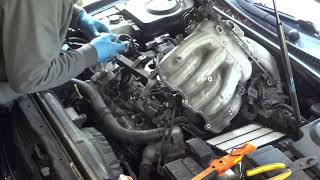
- Test/Replace the Oil Control Valve (OCV): If oil level and quality are good, the Bank 2 exhaust OCV is the primary suspect. Given its location under the valve cover, replacement is often more practical than extensive testing. This involves removing the intake plenum and the valve cover. 🎬 Watch this walkthrough on locating and removing the OCV Always replace the valve cover gasket at the same time. 🎬 See this step-by-step valve cover gasket replacement
- Inspect Timing System: If a new OCV does not resolve the code, the issue is likely more severe. A professional mechanic should inspect the timing chain for stretch and the CVVT phaser for damage. This is an advanced, labor-intensive job.
Parts You'll Likely Need
- Bank 2 Exhaust Oil Control Valve (OCV)
(OEM #24360-3CAA2)— This solenoid is the most common component to fail after ruling out oil issues. It gets clogged or fails electrically, preventing proper control of the camshaft timing.
Trusted brands: Hyundai (OEM), Kia (OEM), Dorman
OEM price range: $80-$170
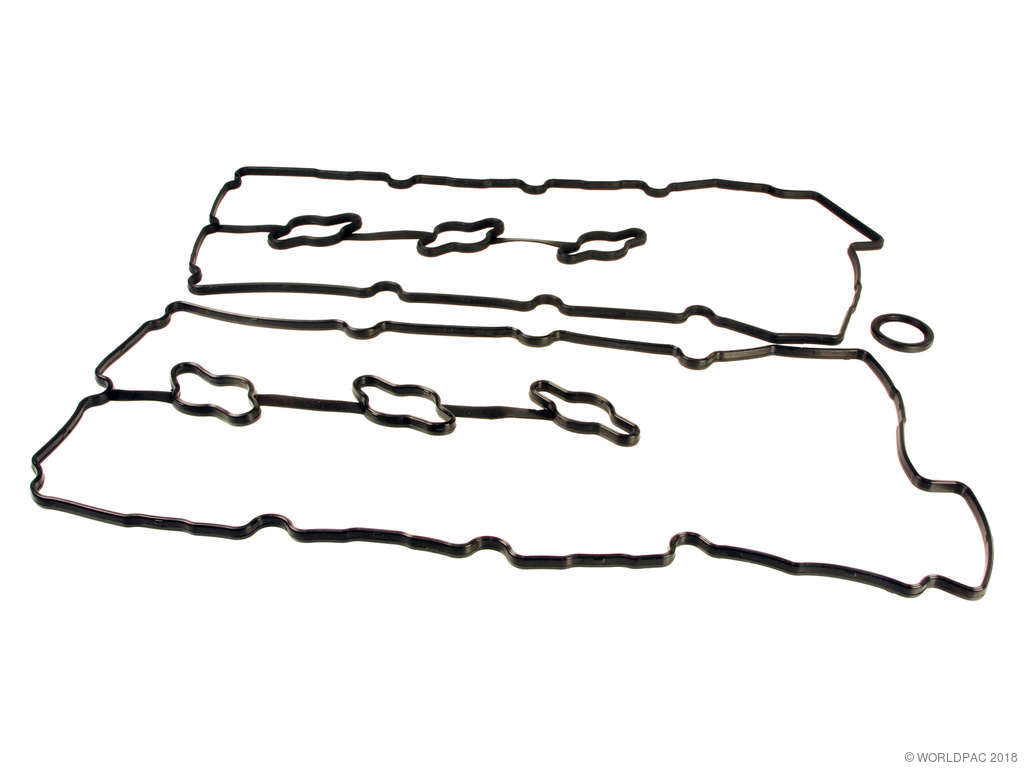
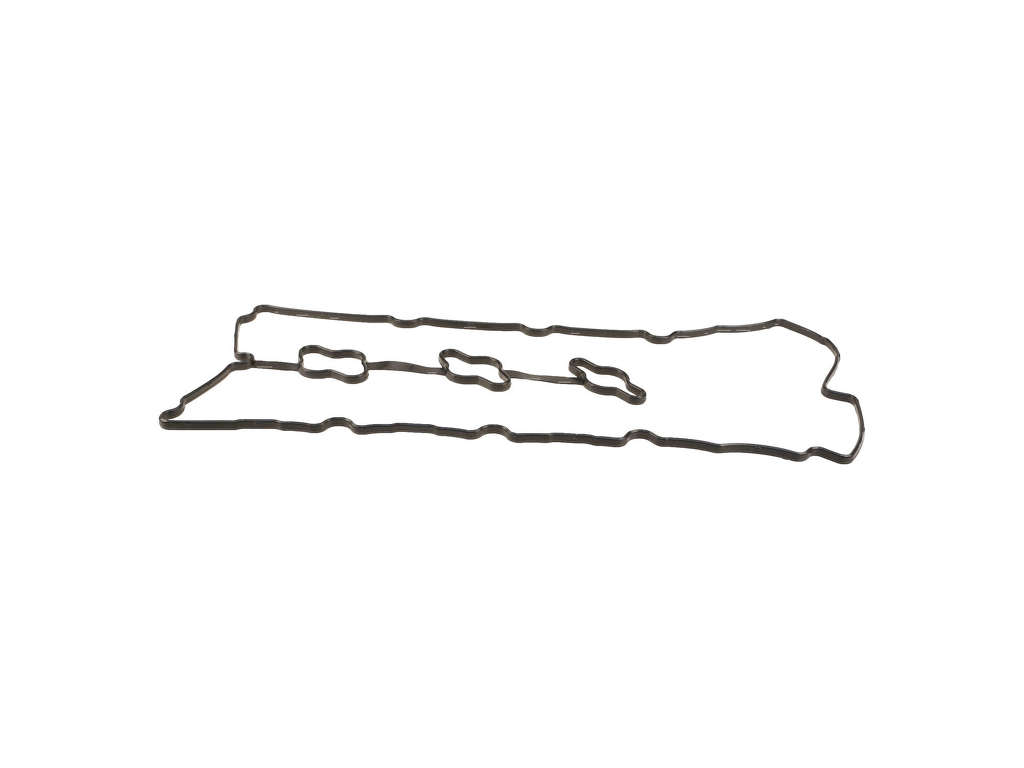
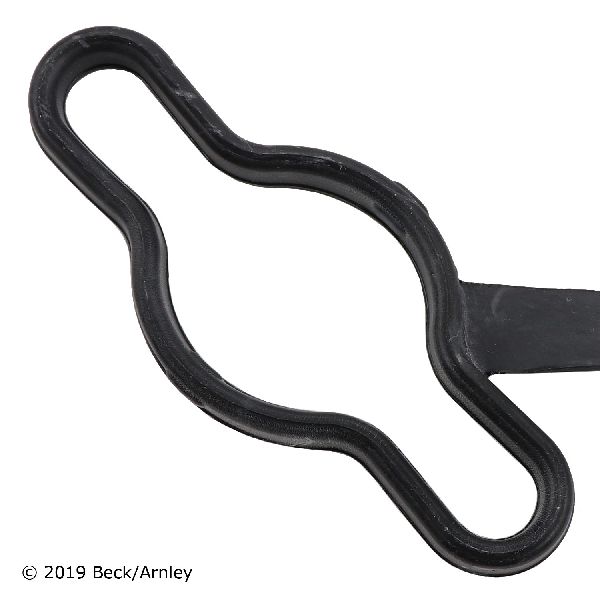
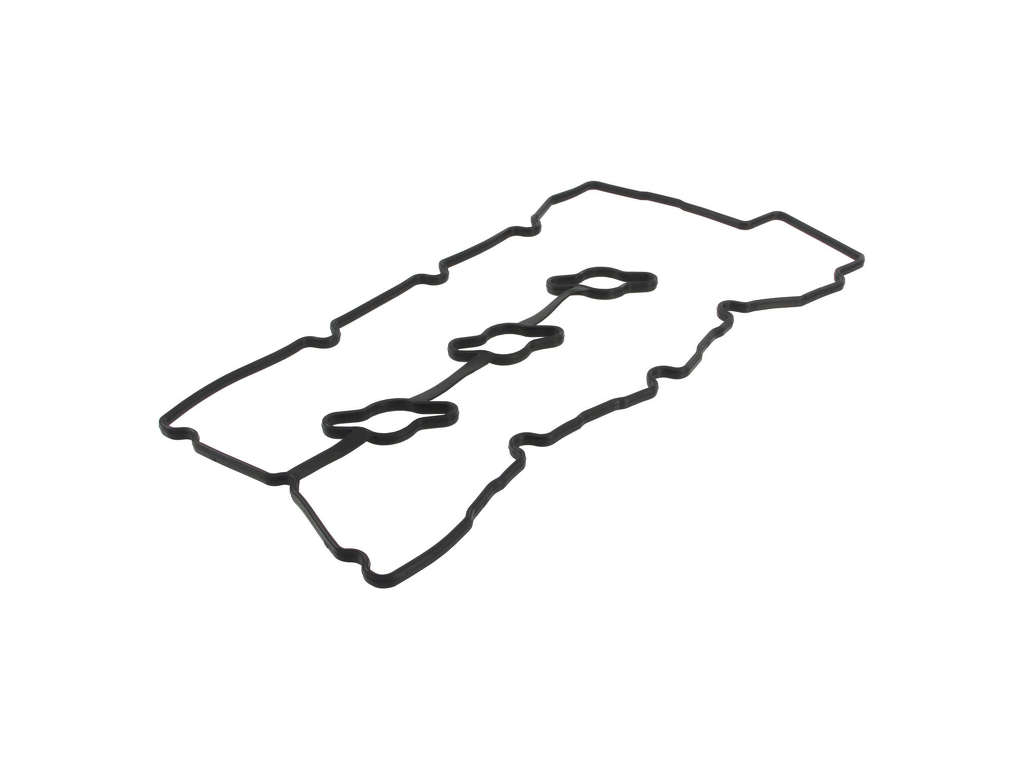
Aftermarket price range: $50-$100 - Valve Cover Gasket (Bank 2 / Front)
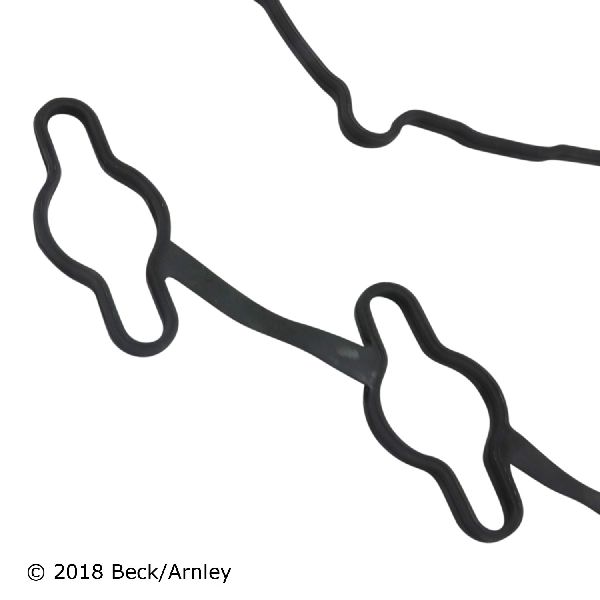
(OEM #22453-3C110 (Replaced by 22453-3C120))— Required for replacing the exhaust OCV, which is located under the valve cover. Also the primary part needed to fix the common oil leak on Bank 2 that can cause this code and damage the alternator.
Trusted brands: Hyundai (OEM), Fel-Pro, Mahle, API
OEM price range: $25-$50
Aftermarket price range: $15-$30
Related Codes That Often Appear With This One
- P0014 — This is the same 'over-advanced' fault but for Bank 1 (firewall side). Seeing P0014 and P0024 together strongly suggests a systemic oil pressure problem (e.g., low/dirty oil, incorrect filter) rather than two OCVs failing at once.
Technical Service Bulletins (TSBs) & Recalls
- NHTSA Campaign ID: 14V415000 (Hyundai Recall 121) - Front valve cover gasket may leak oil, potentially damaging the alternator and causing low oil levels.
- Hyundai TSB #14-01-044 - This is the technical service bulletin that provides dealers with the specific procedure for executing Recall 121, including inspecting/replacing the alternator and replacing the valve cover gasket.
- Hyundai TSB 09-EM-002 - Provides the inspection procedure and coil resistance specifications for the Oil Control Valve (OCV) on Lambda V6 engines.
Platform-Specific Known Issues
- Recall NHTSA #14V415000 / Hyundai Campaign 121 was issued for the front (Bank 2) valve cover gasket leaking oil. This leak can cause low oil levels, which directly triggers CVVT-related codes like P0024. The dripping oil is also known to saturate and destroy the alternator, leading to a loss of charging system function and eventual vehicle stalling. A second recall was issued as the first round of repairs proved insufficient in some cases.
Mechanic-Grade Diagnostic Values
- Oil Control Valve (OCV) Coil Resistance — expected: 6.9 - 7.9 Ohms at 68°F (20°C). Failure: Infinite resistance (open circuit) or near-zero resistance (short circuit).
- OCV Connector Power Supply Voltage (Key On, Engine Off) — expected: Approx. 12.0V - 12.6V (Battery Voltage) on one of the two pins.. Failure: No voltage suggests a wiring issue, blown fuse, or main relay problem.
- Scan Tool Live Data: Commanded vs. Actual Camshaft Position — expected: The 'Actual' position should closely follow the 'Desired' position. The difference should be less than 5 degrees at stable RPM.. Failure: A difference of more than 20 degrees between the desired and actual position will trigger the fault code.
- ECM Power Ground Pins Voltage Drop — expected: Max 50 mV between the pin and the negative battery terminal.. Failure: Higher voltage indicates a poor ground connection for the ECM, which can cause incorrect commands to the OCVs.
- Oil Control Valve (OCV) Bolt Torque — expected: 7.2 ~ 8.7 lb-ft (9.8 ~ 11.8 Nm). Failure: N/A
Scan Tool Commands That Help
- Hyundai GDS (Global Diagnostic System): CVVT Actuator Test / Bidirectional Control — This function allows a technician to manually command the Bank 2 exhaust OCV to a specific duty cycle (e.g., 0%, 50%, 100%) while monitoring the 'Desired' vs. 'Actual' camshaft angle PIDs. If the actual angle does not change as commanded, it confirms a fault in the OCV, oil passages, or the phaser itself, isolating the problem from the sensor or wiring.
- Hyundai GDS (Global Diagnostic System): Flight Record — For intermittent issues, the flight record mode can capture data leading up to the moment the fault occurs during a test drive. This can help diagnose if the timing deviation happens under specific load or temperature conditions.
Wiring & Ground Locations
- GE01 — Left side of engine compartment.. This is a primary ground distribution point for multiple engine components. A corroded or loose connection here could cause erratic voltage to the ECM or OCVs, leading to improper operation and fault codes.
- GE03 — Left rear of engine compartment.. Another key engine ground point. Verifying this ground is clean and tight is a crucial step in diagnosing any electrical fault in the engine management system.
- ECM Power Ground Pins — Pins 3 and 4 on the Engine Control Module (ECM) harness connector, located in the right front corner of the engine compartment.. These are the direct power grounds for the ECM. A poor connection here can cause the ECM to send faulty commands or misinterpret sensor data, potentially triggering a P0024 code when no mechanical fault exists. A voltage drop test is the definitive check for this.
OEM Part Supersession History
22453-3C110→22453-3C120— Improved material or design to address the oil leak issue highlighted in Hyundai Campaign 121.
Model Year Variations Within This Range
- 2007-2008 (approx.): Early 3.8L Lambda engines (G6DA) had variable valve timing on the intake camshafts only (Single CVVT). This means they only have two OCVs and two cam phasers in total.
- 2009-2012 (approx.): Later 3.8L Lambda engines were updated to the Lambda II design, featuring Dual CVVT (D-CVVT) with variable timing on both intake and exhaust camshafts. These engines have four OCVs and four phasers, making the system more complex. P0024 specifically applies to these later D-CVVT engines.
Diagnostic Flowchart
Other Known Issues on This Vehicle
Issues unrelated to this code that are worth knowing about as an owner of this generation:
- Leaking Front Valve Cover Gasket Damages Alternator 🔴 High → Shop Engine Valve Cover — Very common. This was subject to two recalls (NHTSA 14V415000 and a subsequent campaign) because the initial repairs were sometimes ineffective. (Ref: NHTSA #14V415000 / Hyundai Campaign 121 / TSB #14-01-044)
- ABS Module Internal Leak Causing Electrical Short 🔴 High — Widespread enough to cause a major recall. Can occur at any time, leading to a risk of fire while parked or driving. (Ref: NHTSA #20V746000)
- Malfunctioning Stop Lamp Switch 🟠 Medium — Extremely common across many Hyundai models of this era, including the Veracruz. Leads to brake lights not working or cruise control not disengaging. (Ref: NHTSA #13V113000 / Hyundai Campaign 110)
- Excessive Engine Noise on Cold Startup 🟠 Medium — Often reported by owners, can be a precursor to timing chain tensioner issues or related to the CVVT system.
- Interior Door Handles Breaking 🟡 Low — A noted complaint among owners where the plastic door handles can fail and break off.
Used vs. New Parts: Buying Guide for This Vehicle
When a used part is the smart pick: For this repair, used parts are generally not recommended. The primary failure components (OCV, gaskets) are wear items and should be purchased new. A used cylinder head or timing components from a very low-mileage, verified-good donor vehicle could be an option for catastrophic failures, but the risk is high.
Donor-vehicle mileage cap: roughly under 60000 miles for the part to have meaningful remaining life.
What to inspect on the donor part:
- For major components like a cylinder head, look for a vehicle with a documented history of regular oil changes.
- Inspect the area under the oil cap of the donor engine for any signs of sludge or varnish, which indicates poor maintenance.
- Avoid parts from vehicles that show signs of a major front-end collision, which could have damaged engine components.
OEM-only on this vehicle (don't cheap out):
- Oil Control Valve (OCV) / VVT Solenoid: Forum and technician consensus strongly advises using only Hyundai/Kia OEM solenoids. Aftermarket OCVs for this engine family are widely reported to have high premature failure rates, causing the code to return shortly after the labor-intensive repair.
- Timing Chain and Tensioners: Given the critical nature of these parts and the high labor cost of replacement, using OEM components is the only reliable choice to ensure longevity.
Aftermarket brands forum-validated for this vehicle:
- Fel-Pro (Valve Cover Gasket)
- Mahle (Valve Cover Gasket)
Brands owners have reported issues with on this vehicle:
- Unbranded or 'white-box' Oil Control Valves from online marketplaces are frequently cited as unreliable for this application.
Real Owner Stories
Aggregated from forums and TSBs cited above. Mileages and costs reflect what owners reported in those sources.
2007 Hyundai Veracruz 3.8L V6 — 70000 miles
Symptoms: Vehicle breakdown due to alternator failure caused by a valve cover gasket leak.
What fixed it: The shop diagnosed the failure as a valve cover gasket leak that damaged the alternator, which is the same failure mode addressed in the later recall.
Source hint: Car Talk Community: Alternator breakdown due to gasket failure
2007 Hyundai Veracruz 3.8L V6
Symptoms: Owner took the vehicle in for a recall service regarding the valve cover gasket leak and its link to alternator failure.
What fixed it: Replacement of the valve cover gasket and the alternator as part of the official recall procedure.
Source hint: Reddit r/Hyundai: Veracruz recall scam
Hyundai Owner Report — NHTSA ODI #11589365
Symptoms: An owner reported that while trying to make an appointment for repairs, the check engine light displayed codes P0014 and P0024. The light turned off upon restarting but returned within minutes of driving.
Hyundai Owner Report — NHTSA ODI #11513071
Symptoms: A manufacturer service technician recommended a new vehicle after finding codes P0014 and P0024, indicating camshaft position timing was over-advanced.
Related OBD-II Codes
Frequently Asked Questions
How does the Hyundai Recall 121 for the valve cover gasket relate to my P0024 code?
Can I use any 5W-20 oil to fix the P0024 error on my 3.8L Lambda V6?
Is it true that a valve cover leak can also destroy my alternator on the Veracruz?
Where is the Bank 2 Exhaust Oil Control Valve located on the 3.8L engine?
What is the electrical resistance specification for the OCV on the Hyundai Lambda V6?
Why shouldn't I use an aftermarket Oil Control Valve for this repair?
Helpful Videos
We Have This Part in Stock


The information in this article is provided for general reference and educational purposes only. Vehicle specifications, procedures, and part compatibility can vary by production date, trim level, and region. Always consult your vehicle's factory service manual and verify part numbers before purchasing or performing repairs. Safety-critical components such as airbags, seat belts, and braking systems should be installed by a qualified professional.
- Hyundai Veracruz:
- 🧭 Diagnostic Flowchart
- 🎬 Helpful Videos
- 🛍️ Shop This Part
- What's Unique About the 2007-2012 Hyundai Veracruz
- Symptoms You May Notice
- Most Likely Causes
- Rare But Worth Checking
- Diagnosis Steps
- Parts You'll Likely Need
- Related Codes That Often Appear With This One
- Technical Service Bulletins (TSBs) & Recalls
- Platform-Specific Known Issues
- Mechanic-Grade Diagnostic Values
- Scan Tool Commands That Help
- Wiring & Ground Locations
- OEM Part Supersession History
- Model Year Variations Within This Range
- Other Known Issues on This Vehicle
- Used vs. New Parts: Buying Guide for This Vehicle
- Real Owner Stories
- 2007 Hyundai Veracruz 3.8L V6 — 70000 miles
- 2007 Hyundai Veracruz 3.8L V6
- Hyundai Owner Report — NHTSA ODI #11589365
- Hyundai Owner Report — NHTSA ODI #11513071
- Related OBD-II Codes
- Frequently Asked Questions
- 🎟️ Get 5% Off