

P0024 on 2006-2013 Lexus IS350: Exhaust Cam Timing Over-Advanced Causes and Fixes
On a 2006-2013 Lexus IS350, code P0024 is almost always caused by a faulty Bank 2 (driver's side) exhaust Oil Control Valve (OCV) or low/dirty engine oil. Replacing the OCV is a common DIY fix, with the part costing between $50 and $150. The diagnostic is straightforward: swap the Bank 2 and Bank 1 exhaust OCVs and see if the code changes to P0014.
- First, check your engine oil level and condition. This is the simplest and a very common fix.
- The most likely failed part is the Bank 2 (driver's side) exhaust Oil Control Valve (OCV), part number 15340-31020.
- A simple and effective diagnostic is to swap the driver's side exhaust OCV with the passenger's side exhaust OCV to see if the code follows (changes to P0014).
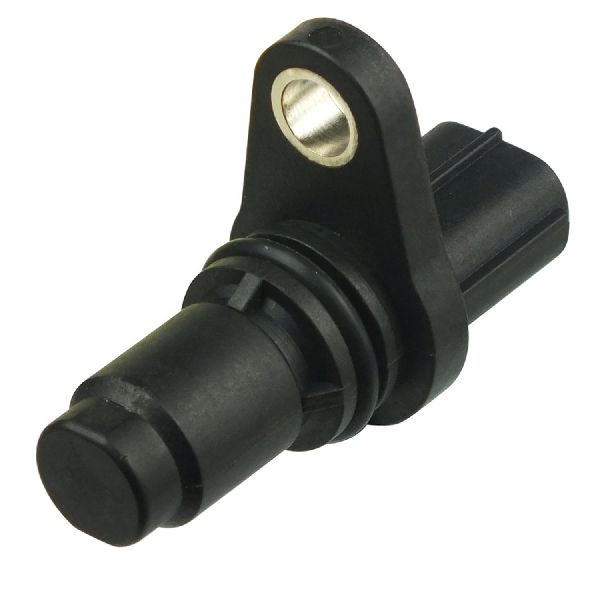
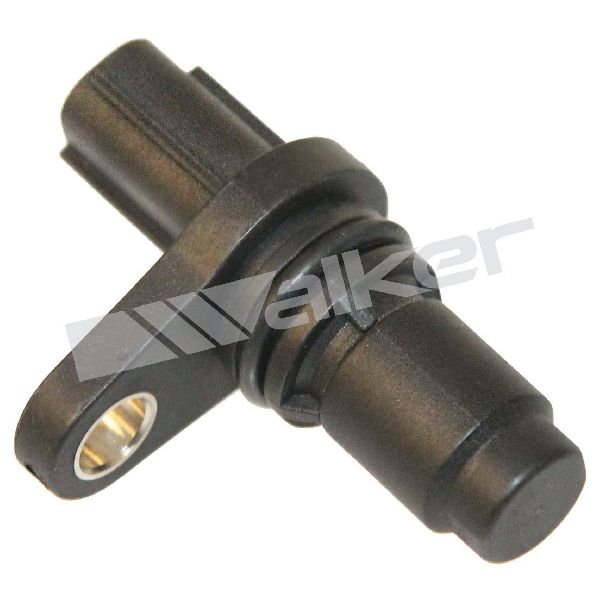
- Do not replace the camshaft position sensor; it is rarely the cause of this code.
- While you have the OCV out, check the small filter screen located under the 14mm bolt next to it for sludge.
What's Unique About the 2006-2013 Lexus IS350
The 2GR-FSE engine in the IS350 is known for its reliability, but its VVT-i (Variable Valve Timing with intelligence) system is sensitive to oil quality and level. While the P0024 code itself points to the exhaust side, it's notable that Lexus issued a safety recall (NHTSA 13V-395) for the *intake*-side VVT gears on these engines due to bolts that could loosen and cause the engine to stop. This highlights that the VVT gear assemblies can be a point of failure, though for P0024, the much more common culprit is a simple Oil Control Valve (OCV) solenoid.
Symptoms You May Notice
- Check Engine Light and/or VSC light is on
- Rough or unstable idle
- Hesitation or stumbling on acceleration
- Reduced engine power
- Worse than normal fuel economy
- Difficulty starting the engine, or hard starting
- Engine stalling
- Rattling or knocking noise from the engine
- Replacing the camshaft position sensor. The P0024 code indicates a problem with the mechanical timing *control* (actuation via oil pressure), not the sensor that *measures* it. 🎬 Watch: P0024 code causes and quick solutions explained Forum discussions and diagnostic guides confirm that the service manual does not list the sensor as a likely cause for this specific code unless accompanied by a sensor-specific code (e.g., P0345).
Most Likely Causes
- Low or Dirty Engine Oil 🔴 High Probability The VVT system uses oil pressure to actuate the cam gears. If the oil is low, dirty, the wrong viscosity, or if oil changes are neglected, it cannot operate the system correctly, leading to sludge that clogs passages and solenoids.
How to confirm: Check the engine oil dipstick for proper level and inspect the oil's color and consistency. If it's low or looks like dark sludge, this is your likely starting point.
Typical fix: Top off the oil to the correct level or perform a full oil and filter change using the manufacturer-specified oil (e.g., 5W-30 synthetic). Clear codes and re-test.
Est. part cost: $40-$80 - Faulty Bank 2 Exhaust Oil Control Valve (OCV) 🔴 High Probability → Shop Engine Variable Valve Timing (VVT) Solenoid The OCV (or VVT solenoid) is an electronic part that can fail electrically or, more commonly, get clogged with oil sludge, causing it to stick in the open or closed position.
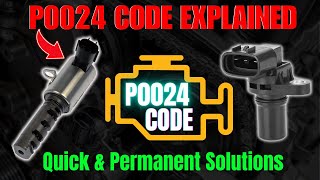
How to confirm: The most effective method is to swap the Bank 2 (driver's side) exhaust OCV with the Bank 1 (passenger's side) exhaust OCV. Clear the codes and drive. If the code returns as P0014 (the Bank 1 equivalent), you have confirmed the OCV is faulty. You can also test the solenoid's resistance with a multimeter; it should be between 6.9 and 7.9 ohms at 68°F (20°C). 🎬 Watch: How to test and fix a P0024 code
Typical fix: Replace the Bank 2 exhaust Oil Control Valve. It is located on the front of the driver's side cylinder head and is held in by a single 10mm bolt.
Est. part cost: $50-$150 - Clogged Oil Control Valve Filter 🟡 Medium Probability → Shop Engine Variable Valve Timing (VVT) Solenoid A small, thimble-shaped screen filter protects the OCV from debris. If oil changes are neglected, this screen can become clogged with sludge, starving the OCV of oil pressure and preventing it from actuating the cam gear correctly.
How to confirm: After removing the OCV, the filter is located under a 14mm bolt right next to the OCV port. Remove the bolt and carefully extract the plastic filter with needle-nose pliers. Check if the screen is clogged with dark, gritty debris.
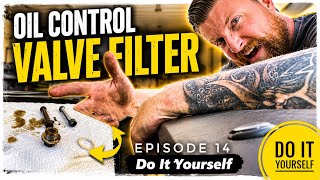
Typical fix: Carefully remove, clean with brake cleaner or WD-40, or replace the OCV filter. Be gentle as the plastic can become brittle. 🎬 Watch: How to locate and clean the VVT-i filter
Est. part cost: $5-$15
Rare But Worth Checking
- Failed VVT Camshaft Gear (Actuator): → Shop Engine Camshaft If an oil change and a new OCV do not resolve the code, the issue may be the VVT gear itself. The internal locking pin or vanes can fail, causing it to get stuck in the advanced position. This is a much more labor-intensive and expensive repair requiring removal of the timing cover.
- Stretched Timing Chain: → Shop Engine Timing Chain While uncommon on the 2GR-FSE, a significantly stretched timing chain can cause camshaft timing to be out of sync with the crankshaft, triggering this code. This would likely be accompanied by rattling noises from the front of the engine, especially on startup.
- Wiring or Connector Issue: Damage to the wiring harness for the OCV solenoid, or corrosion in its connector, can cause an intermittent or permanent fault. A visual inspection of the wiring leading to the Bank 2 exhaust OCV is recommended.
Diagnosis Steps
- Verify the engine oil level is correct and the oil is clean. If low or dirty, perform an oil change with 5W-30 synthetic oil and clear the code to see if it returns.
- If the code returns, locate the Bank 2 (driver's side) and Bank 1 (passenger's side) exhaust Oil Control Valves (OCVs). They are on the front of the engine, on the top of each valve cover, held by a single 10mm bolt.
- Disconnect the electrical connectors and remove the 10mm bolt holding each exhaust OCV.
- Swap the Bank 2 OCV with the Bank 1 OCV. Reinstall them and clear the trouble codes.
- Drive the vehicle. If the code comes back as P0014 (Bank 1 exhaust timing), the OCV you moved to Bank 1 is faulty and needs to be replaced.
- If the code returns as P0024, the problem is not the OCV. Remove the Bank 2 OCV again. Locate the 14mm bolt next to the OCV port, remove it, and carefully extract the small plastic filter screen beneath it. Inspect for sludge or debris. Clean or replace as needed.
- If the filter is clean and the OCV is known to be good, inspect the wiring and connector for the Bank 2 exhaust OCV for any damage or corrosion.
- If all the above steps fail to resolve the issue, the problem may be mechanical with the VVT gear or timing chain, which typically requires professional diagnosis.
Parts You'll Likely Need
- Engine Camshaft Timing Oil Control Valve (OCV/VVT Solenoid)
(OEM #15340-31020)— This solenoid is the most common part to fail or clog, directly causing the P0024 code. It controls oil flow to the VVT gear.
Trusted brands: Denso (OEM supplier), Aisin (OEM supplier), Dorman 917-212
OEM price range: $100-$150
Aftermarket price range: $50-$90
Technical Service Bulletins (TSBs) & Recalls
- NHTSA Campaign ID: 13V395000 (Toyota Recall J0V) - Addresses loosening bolts on the intake-side VVT gear assembly, which can cause an engine stall. While not the direct cause of P0024, it is relevant context for VVT system issues on the 2GR-FSE engine.
Platform-Specific Known Issues
- While not directly for the exhaust side, a safety recall (NHTSA 13V-395) was issued for the intake-side VVT gear bolts on the 2GR-FSE engine, which could loosen and cause engine failure. This points to the VVT system as a potential area of mechanical concern on this platform.
- Some early 2GR-FE engines (a related variant) had a rubber VVT-i oil line that was prone to rupturing, causing catastrophic oil loss. While the IS350's 2GR-FSE does not use this exact part, it underscores the critical role of oil pressure integrity in the VVT system's design.
Mechanic-Grade Diagnostic Values
- Oil Control Valve (VVT Solenoid) Internal Resistance — expected: 6.9 to 7.9 Ω at 20°C (68°F). Failure: A reading outside this range indicates a faulty solenoid coil.
- Oil Control Valve (VVT Solenoid) Manual Activation — expected: When battery voltage is applied to the two terminals, the internal spool valve should move audibly and visibly.. Failure: No movement or a sluggish response indicates the valve is stuck, likely from sludge or debris.
- Live Data: VVT Target vs. Actual Angle (Bank 2 Exhaust) — expected: The 'Actual' angle reported by the cam sensor should closely follow the 'Target' angle commanded by the ECM as engine RPM changes.. Failure: A significant, persistent lag or a stuck 'Actual' angle while the 'Target' angle changes indicates a mechanical or hydraulic problem (stuck OCV or phaser).
Scan Tool Commands That Help
- Toyota Techstream: Active Test: 'Control the VVT System (Bank 2)' — This bidirectional command allows a technician to manually command the Bank 2 exhaust OCV to operate. By observing the 'Target' vs 'Actual' cam angle PIDs while using this test, you can determine if the OCV is responding and if the camshaft phaser is moving correctly, effectively isolating a stuck phaser from a non-responsive solenoid.
- Manual Test (at the component): Apply battery voltage to OCV terminals while engine is running — With the connector unplugged and the engine at idle, applying 12V directly to the OCV terminals should cause the engine to hesitate or stall. This confirms the solenoid is mechanically capable of actuating and affecting oil flow, pointing away from a completely seized valve.
Wiring & Ground Locations
- E1 / E2 — Main engine ground points located on the rear of the engine/cylinder heads.. The ECM and its sensors rely on clean ground connections. A corroded or loose E1 or E2 ground can cause erratic voltage signals from the camshaft position sensor or improper operation of the OCV, potentially mimicking a component failure.
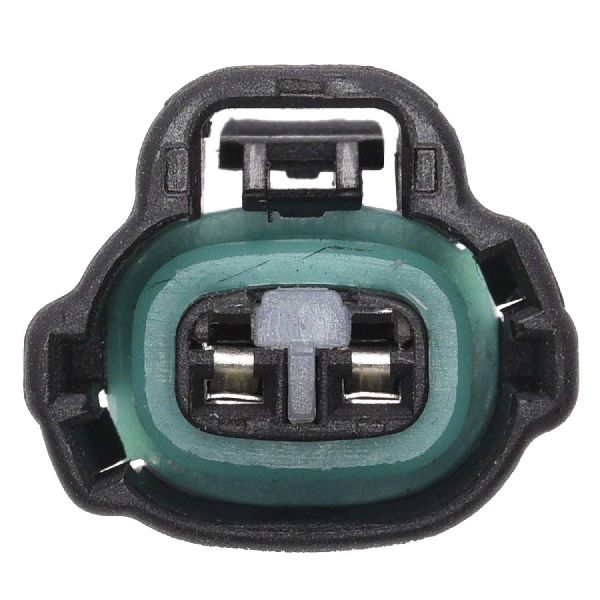
- OCV Connector Pins — The 2-pin connector on the Bank 2 (driver's side) exhaust OCV.. According to service documents, Pin 1 is Battery Positive (+B) and Pin 2 is Ground (GND) controlled by the ECM. Knowing the pinout is critical for correctly testing resistance and for performing a manual activation test without causing a short.
Real Owner Repair Stories
- ClubLexus Forum Consensus (2006-2013 IS350) — Check Engine Light with P0024, sometimes accompanied by rough idle or hesitation.
❌ Tried (didn't work) Clearing the code without performing any repairs (code returns)., Replacing the Bank 2 camshaft position sensor (this rarely fixes a P0024).
✅ What actually fixed it The most commonly reported successful fix involves swapping the Bank 2 (driver side) and Bank 1 (passenger side) exhaust OCVs. The code then changes to P0014 (Bank 1). The user then replaces the confirmed-faulty OCV (now on Bank 1) with a new Denso or Aisin part, which resolves the issue permanently. - ClubLexus user discussion (General Lexus/Toyota V6) — Intermittent P0024 code that would appear and disappear.
❌ Tried (didn't work) Removing the OCV and testing it on a bench with a 12V source. The solenoid clicked and appeared to function normally, leading the owner to believe it was not the cause.
✅ What actually fixed it Replacing the OCV despite it passing the bench test. The underlying issue was that the solenoid would become mechanically sticky only when hot and under the engine's actual oil pressure, a condition not replicated by a simple electrical bench test.
OEM Part Supersession History
15340-31020→15340-0P020— Standard part revision by the manufacturer.
Heads up: The parts are interchangeable and the new part number is the correct replacement for the original.
Diagnostic Flowchart
Other Known Issues on This Vehicle
Issues unrelated to this code that are worth knowing about as an owner of this generation:
- Cracked or Sticky/Melting Dashboard and Door Panels 🟠 Medium — Extremely common, especially in warmer climates. Lexus initiated a Warranty Enhancement Program (ZE6/ZLD) to address this, but the program has since expired for most owners. (Ref: Lexus Warranty Enhancement Program ZE6/ZLD (Expired))
- Water Pump Failure (Leak) 🟠 Medium — Commonly occurs between 60,000 and 100,000 miles. Failure typically presents as a slow coolant leak (pink crust visible) from the weep hole, or a bearing noise.
- Intake Valve Carbon Buildup 🟡 Low — While the 2GR-FSE has both direct and port injection to mitigate this, some owners still report issues, particularly with short-trip driving patterns. Symptoms include rough idle and hesitation. It is far less severe than on the IS250's 4GR-FSE engine.
- Front Timing Cover Oil Leak 🔴 High — A known issue across the 2GR engine family where the sealant for the timing cover fails over time, causing a significant oil leak. This is a very labor-intensive repair, often requiring engine removal.
Used vs. New Parts: Buying Guide for This Vehicle
When a used part is the smart pick: For the Oil Control Valve (OCV) itself, buying used is not recommended. They are a common failure item and can fail intermittently, making a used part a significant gamble for a relatively low-cost new part. For a more expensive, rare failure like the VVT cam gear (phaser), a guaranteed, low-mileage used part from a reputable salvage yard could be a viable, cost-saving option compared to a new OEM part.
Donor-vehicle mileage cap: roughly under 80000 miles for the part to have meaningful remaining life.
What to inspect on the donor part:
- Ask for the VIN of the donor car to verify its mileage and history.
- Inspect the area around the valve covers and oil cap on the donor engine for signs of heavy, dark oil sludge.
- If possible, inspect the part itself for physical damage or signs of being tampered with.
OEM-only on this vehicle (don't cheap out):
- While not strictly 'OEM-only', using an OEM supplier brand for the Oil Control Valve is highly recommended for reliability.
Aftermarket brands forum-validated for this vehicle:
- Denso (OEM supplier)
- Aisin (OEM supplier)
Brands owners have reported issues with on this vehicle:
- Unnamed or generic 'white-box' brands from online marketplaces are a risk due to inconsistent quality control and high failure rates reported in forums for similar electronic parts.
Real Owner Stories
Aggregated from forums and TSBs cited above. Mileages and costs reflect what owners reported in those sources.
2015 Lexus IS250
Symptoms: Experienced an intermittent P0024 code over several months, sometimes without physical symptoms.
What fixed it: Swapping the OCV (Oil Control Valve) was recommended as the primary diagnostic step to confirm if the sensor or OCV was failing.
Source hint: ClubLexus: P0024 Code (Random & Doesn't Stay)
Related OBD-II Codes
Frequently Asked Questions
Does the VVT gear recall (NHTSA 13V-395) apply to my P0024 exhaust timing code?
Where is the Bank 2 Exhaust Oil Control Valve located on the IS350?
Can I clean the VVT filters on my 2GR-FSE instead of replacing them?
Is it true that the camshaft position sensor is often the cause of P0024 on this Lexus?
What is the specific resistance spec for testing the IS350 VVT solenoid?
Does the IS350 suffer from the same rubber VVT-i oil line failures as other 2GR engines?
Helpful Videos
![How to Fix P0024 Engine Code in 4 Minutes [2 DIY Methods / Only $6.74]](https://img.youtube.com/vi/0tbOM7HEJsQ/mqdefault.jpg)

We Have This Part in Stock


The information in this article is provided for general reference and educational purposes only. Vehicle specifications, procedures, and part compatibility can vary by production date, trim level, and region. Always consult your vehicle's factory service manual and verify part numbers before purchasing or performing repairs. Safety-critical components such as airbags, seat belts, and braking systems should be installed by a qualified professional.
- Lexus IS350:
- 🧭 Diagnostic Flowchart
- 🎬 Helpful Videos
- 🛍️ Shop This Part
- What's Unique About the 2006-2013 Lexus IS350
- Symptoms You May Notice
- Most Likely Causes
- Rare But Worth Checking
- Diagnosis Steps
- Parts You'll Likely Need
- Technical Service Bulletins (TSBs) & Recalls
- Platform-Specific Known Issues
- Mechanic-Grade Diagnostic Values
- Scan Tool Commands That Help
- Wiring & Ground Locations
- Real Owner Repair Stories
- OEM Part Supersession History
- Other Known Issues on This Vehicle
- Used vs. New Parts: Buying Guide for This Vehicle
- Real Owner Stories
- 2015 Lexus IS250
- Related OBD-II Codes
- Frequently Asked Questions
- 🎟️ Get 5% Off