

P0024 on 2015-2019 Lincoln MKT: Exhaust Cam Timing Over-Advanced Causes and Fixes
On a 2015-2019 Lincoln MKT, code P0024 is most often caused by a sticking Variable Camshaft Timing (VCT) solenoid, frequently due to dirty or low engine oil. An oil change and replacing the Bank 2 exhaust VCT solenoid is the most common fix. Bank 2 is the cylinder bank closer to the radiator.
- P0024 on your Lincoln MKT points to an over-advanced exhaust camshaft on Bank 2.
- The most likely cause is a sticking VCT solenoid, often due to old or dirty engine oil.
- Always check your oil level and condition first. An oil change with the correct 5W-30 oil may solve the problem.
- If an oil change doesn't work, the next step is to inspect and likely replace the Bank 2 exhaust VCT solenoid.
- Ignoring this code can lead to poor performance, bad fuel economy, and potential long-term engine damage.
What's Unique About the 2015-2019 Lincoln MKT
For this generation of Lincoln MKT with either the 3.7L or 3.5L V6 engine, the VCT system is known to be sensitive to oil condition. Ford/Lincoln has issued multiple Technical Service Bulletins (TSBs) highlighting that small debris in the engine oil can cause the VCT solenoids to stick, leading to this code. [SSM 50067, SSM 47170] This makes regular oil changes with the correct specification oil especially critical for preventing P0024. 🎬 Watch: A breakdown of P0024 causes and common fixes The solenoids are located under the valve covers, making their replacement a more labor-intensive job than on some other engines. Furthermore, 2015-2016 models with the 3.5L EcoBoost use a first-generation timing chain design known to be prone to stretching, which can also cause this code.
Diagnostic Flowchart
Tap your situation to follow the diagnostic path that matches what you're seeing on this vehicle.
Symptoms You May Notice
- Check Engine Light is on
- Rough or fluctuating idle
- Engine hesitation or stalling, especially at low speeds
- Reduced engine power and poor acceleration
- Decreased fuel economy
- Rattling or ticking noises from the engine, especially on startup.
- Hard starting condition.
- Replacing the camshaft position sensor when the actual problem is a sticking VCT solenoid or dirty oil.
- Replacing the camshaft phaser or timing chain before thoroughly diagnosing the VCT solenoids and checking oil quality. TSB SSM 50067 specifically warns against replacing components without first attempting to clear debris by cycling the solenoid.
Most Likely Causes
- Low or Dirty Engine Oil 🔴 High Probability The VCT system uses oil pressure to adjust cam timing. Contaminated or low oil can clog the small passages in the VCT solenoids, causing them to stick. This is a well-documented issue in Ford/Lincoln TSBs. [SSM 50067, SSM 47170] Forum users on F150forum.com with the same engines have reported fixing timing codes by performing an engine flush with ATF or a similar cleaning agent before an oil change to clear sludge.
How to confirm: Check the engine oil level on the dipstick and inspect its condition. If the oil is dark, sludgy, or below the 'add' line, this is the likely starting point.
Typical fix: Perform an engine oil and filter change using the manufacturer-specified oil viscosity (e.g., 5W-30 for the 3.5L EcoBoost). Consider an engine flush if sludge is suspected.
Est. part cost: $50-$100 - Faulty Variable Camshaft Timing (VCT) Solenoid 🔴 High Probability → Shop Engine Camshaft As noted in multiple TSBs, these solenoids are prone to sticking due to debris in the oil. It is the most common mechanical failure for this code. The Bank 2 exhaust solenoid is located on the valve cover closer to the radiator.
How to confirm: After verifying oil level, a scan tool can command the solenoid on and off to check its response. TSB SSM 50067 specifically advises cycling the solenoid 10 times with a scan tool to try and clear debris before replacement. It can also be removed and tested for mechanical binding or electrical failure with a multimeter. The solenoid resistance should be between 7 and 14 ohms.
Typical fix: Replace the Bank 2 exhaust VCT solenoid. Since the valve cover must be removed, it's wise to replace the valve cover gasket and solenoid seal at the same time.
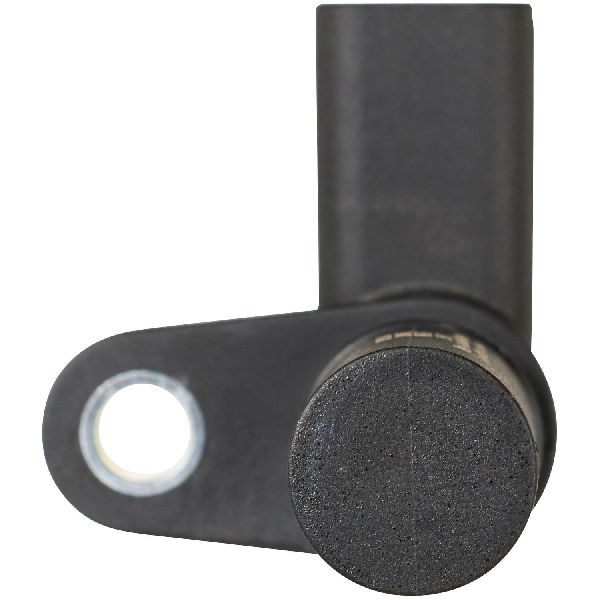
Est. part cost: $40-$90 - Failed Camshaft Position Sensor ⚪ Low Probability → Shop Engine Camshaft Position Sensor While less common than a solenoid failure, the sensor that reads the camshaft's position can fail and send incorrect data to the ECM, triggering the code. This is a less frequent cause for an over-advanced code compared to a mechanical or oil pressure issue.
How to confirm: A diagnostic scan tool can be used to monitor the live data from the sensor to check for erratic or missing signals. Swapping the sensor with the one from the other bank (if accessible) can also help diagnose the issue. With the key on, the power wire should have >10V.
Typical fix: Replace the Bank 2 exhaust camshaft position sensor.
Est. part cost: $25-$60
Rare But Worth Checking
- Stretched Timing Chain or Worn Timing Components: → Shop Engine Timing Chain This is a more severe mechanical issue, particularly known on higher-mileage 3.5L EcoBoost engines from 2015-2016. If you hear a persistent rattling noise from the front of the engine, especially on cold startup, it could indicate a worn timing chain, tensioner, or phaser. An owner on an F-150 forum confirmed a P0024 code was resolved only after a full timing job including the chain and phasers. This is a much more involved and expensive repair.
- Stuck Camshaft Phaser: → Shop Engine Camshaft The phaser is the gear on the end of the camshaft that is physically moved by oil pressure from the VCT solenoid. It can become stuck in the advanced position due to debris or internal failure, causing a constant timing error. This often requires replacement along with the timing chain and is a significant repair.
Diagnosis Steps
- Check Engine Oil: Verify the oil level is correct and the oil is clean. If low or dirty, perform an oil and filter change, clear the code, and see if it returns. This is the most critical first step.
- Scan for Codes: Use an OBD-II scanner to confirm P0024 and check for any other related codes.
- Inspect Wiring: Visually inspect the wiring harness and connector for the Bank 2 exhaust VCT solenoid and camshaft position sensor for any damage, corrosion, or loose connections.
- Test the VCT Solenoid: Following Ford's TSB SSM 50067, use a professional scan tool to command the Bank 2 exhaust VCT solenoid on and off 10 times to attempt to dislodge any debris. Monitor the camshaft angle to see if it responds correctly. If it doesn't respond or the code returns quickly, the solenoid is likely faulty.
- Test the Camshaft Position Sensor: Monitor the sensor's output with a scan tool or oscilloscope to ensure it's providing a steady, consistent signal as the engine runs.
- Inspect Mechanical Timing: If all electronic components are working correctly and the issue persists, the next step is to inspect the base engine timing. This involves removing the valve cover and potentially the engine front cover to check the timing chain for slack and verify the alignment of the camshaft phasers and crankshaft. This is an advanced step best left to professionals.
Parts You'll Likely Need
- Engine Variable Valve Timing (VCT) Solenoid
(OEM #AT4Z-6M280-B)— This is the most common point of failure for code P0024 on these engines, often sticking due to oil contamination as cited in manufacturer TSBs. [SSM 50067, SSM 47170] This part number fits a wide range of Ford/Lincoln vehicles with 3.3L, 3.5L, and 3.7L engines.
Trusted brands: Motorcraft, Dorman
OEM price range: $50-$90
Aftermarket price range: $30-$60 - Camshaft Position Sensor
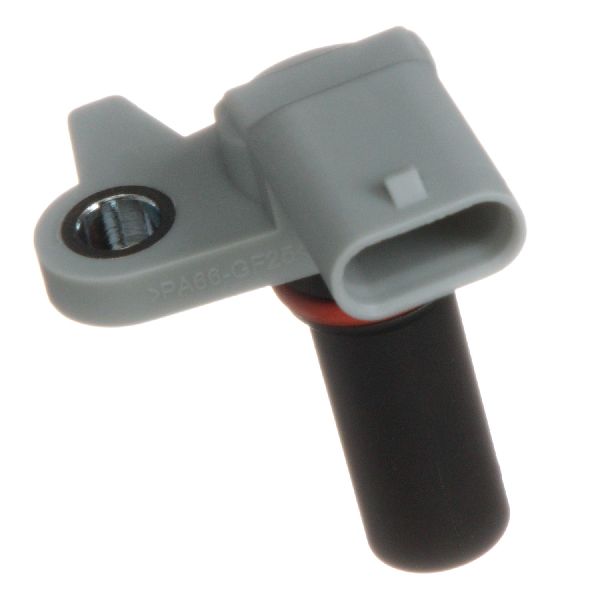
(OEM #DU-90)— Though less common, a faulty sensor can send incorrect data. The Motorcraft DU-90 is a common part number for the 3.5L and 3.7L engines in the MKT.
Trusted brands: Motorcraft, Bosch, NTK
OEM price range: $25-$50
Aftermarket price range: $15-$40 - Engine Oil and Filter — Dirty, low, or incorrect viscosity oil is a primary cause of VCT system faults. An oil change is a critical first step in diagnosis and prevention.
Trusted brands: Motorcraft (Synthetic Blend), Mobil 1, Valvoline
OEM price range: $50-$80
Aftermarket price range: $40-$70
Related Codes That Often Appear With This One
- P0025 — P0025 is for 'Timing Over-Retarded' on the same Bank 2 exhaust camshaft. Seeing both may indicate an erratic VCT solenoid or sensor that is sticking intermittently in both directions.
- P0014 — This is the same 'Over-Advanced' fault but for Bank 1. Seeing P0014 and P0024 together points towards a systemic issue like low/dirty oil, oil pressure problems, or sludge affecting both banks simultaneously.
- P0016, P0017, P0018, P0019 — These are all crankshaft/camshaft position correlation codes. Seeing them together with P0024 strongly suggests a base timing issue, such as a stretched timing chain, rather than a single component failure.
Technical Service Bulletins (TSBs) & Recalls
- SSM 50067: MIL on with various VCT DTCs including P0024, possibly due to sticking VCT solenoid from debris. Advises cycling the solenoid with a scan tool before replacement.
- SSM 47170: Earlier version of the bulletin above, indicating the same issue with VCT solenoids.
- SSM 54366: Mentions P0024 and directs technicians to an updated pinpoint test in the workshop manual.
Platform-Specific Known Issues
- Technical Service Bulletin SSM 50067 notes that vehicles may exhibit this code due to small debris causing the VCT solenoid to stick. It explicitly advises technicians to use a scan tool to cycle the affected solenoid 10 times to attempt to clear debris before replacing any parts.
- Technical Service Bulletin SSM 47170 provides similar guidance, indicating this has been a known issue for several years across multiple Ford and Lincoln models with these engines. [SSM 47170]
- The location of the VCT solenoids underneath the valve covers makes replacement more labor-intensive and costly compared to engines where they are externally accessible. This makes preventative oil changes even more important.
Mechanic-Grade Diagnostic Values
- VCT Solenoid Resistance — expected: 7 to 14 Ohms. Failure: A reading outside this range, or an open/short circuit, indicates a failed solenoid coil.
- Camshaft Position Sensor (CMP) Power Supply Voltage — expected: > 10 Volts DC. Failure: Significantly lower or no voltage indicates a problem with the wiring or the PCM power supply (VBPWR circuit).
- Camshaft Position Sensor (CMP) Signal Voltage (3-wire Hall-effect) — expected: A square wave signal that switches between approximately 5V and 0V as the engine rotates.. Failure: A constant high, constant low, or erratic signal indicates a failed sensor. A simple test is to back-probe the signal wire and see if the voltage drops from ~5V to 0V when a piece of metal passes the sensor tip.
- Scan Tool Live Data: VCT Advance Error (VCTADVERR PID) — expected: Close to 0 degrees at all times.. Failure: A significant, persistent non-zero value indicates the actual cam angle does not match the commanded angle, confirming a system fault.
Scan Tool Commands That Help
- Ford IDS / FORScan / Professional Scan Tool: VCT Solenoid Output State Control / On-Off Test — As per TSB SSM 50067, this command should be used to cycle the suspect solenoid up to 10 times to dislodge small debris. This should be done before component replacement to avoid unnecessary repairs.
- Ford IDS / FORScan / Professional Scan Tool: Reset VCT Adaptations — After replacing VCT solenoids, camshaft phasers, or timing components, it is good practice to reset the learned values in the PCM to ensure the system starts from a clean baseline.
Wiring & Ground Locations
- G104 — Left side of the engine compartment.. This is a primary engine compartment ground point. A poor connection here could potentially affect the engine control sensors, including the CMP and VCT circuits that rely on a clean ground reference.
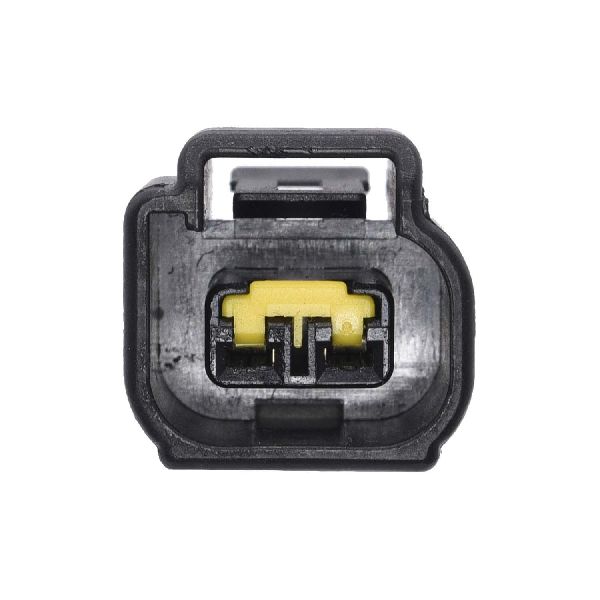
- VCT Solenoid Connector — On top of the VCT solenoid, under the valve cover.. This connector provides power and the control signal from the PCM. The two pins are for VPWR (Vehicle Power) and the control signal (ground provided by PCM). Check for battery voltage on the VPWR pin with key on.
Real Owner Repair Stories
- Ford F150 Forum user '2011_aka_Ticky' (2011 Ford F-150 5.0L (Similar VCT system design)) — Check engine light with codes P0010 and P0012.
❌ Tried (didn't work) Initially installing the new VCT solenoids without realizing the electrical connector had changed.
✅ What actually fixed it The user diagnosed a dead intake VCT solenoid via a resistance test. The critical finding was that the updated replacement VCT solenoids (Part BR3Z-6M280-E for his 5.0L) were a new design with larger connectors than the factory 2011 wiring harness. The fix required purchasing two new connector pigtails (Part WPT-1214) and splicing them in to match the new solenoids. This is a major potential pitfall for this repair.
"I Checked Everything" — The Actual Cause
- A valuable diagnostic step for a suspected stuck VCT solenoid is to disconnect the electrical connectors for both VCT solenoids on a bank and go for a drive. The PCM is now unable to command any timing advance. If scan tool data still shows cam advance (e.g., VCTADV PID > 0) or a large VCT error, it proves the solenoid or phaser is mechanically stuck in an advanced position, as no electrical command is being given.
OEM Part Supersession History
AT4Z-6M280-A→AT4Z-6M280-B— Likely an internal revision for improved durability or resistance to sticking from oil contamination.
Heads up: Unlike some other Ford VCT solenoids from the same era, the change from -A to -B for the 3.5L/3.7L does not appear to require a new electrical connector pigtail. However, it is always wise to compare the new part's connector to the old one before completing installation.
Model Year Variations Within This Range
- 2015-2016 (3.5L EcoBoost): These model years use the first-generation 3.5L EcoBoost timing chain design, which employs a single long primary chain. This design is known to be more susceptible to stretching over time, which can cause timing correlation codes like P0016 and performance codes like P0024.
- 2017-2019 (3.5L EcoBoost): These model years use the second-generation 3.5L EcoBoost timing chain design, which uses two shorter primary chains. This design is more robust and less prone to stretching. However, these later engines became known for a different issue: rattling cam phasers on startup.
Helpful Videos
We Have This Part in Stock


The information in this article is provided for general reference and educational purposes only. Vehicle specifications, procedures, and part compatibility can vary by production date, trim level, and region. Always consult your vehicle's factory service manual and verify part numbers before purchasing or performing repairs. Safety-critical components such as airbags, seat belts, and braking systems should be installed by a qualified professional.
- Lincoln MKT:
- 🧭 Diagnostic Flowchart
- 🎬 Helpful Videos
- 🛍️ Shop This Part
- What's Unique About the 2015-2019 Lincoln MKT
- Symptoms You May Notice
- Most Likely Causes
- Rare But Worth Checking
- Diagnosis Steps
- Parts You'll Likely Need
- Related Codes That Often Appear With This One
- Technical Service Bulletins (TSBs) & Recalls
- Platform-Specific Known Issues
- Mechanic-Grade Diagnostic Values
- Scan Tool Commands That Help
- Wiring & Ground Locations
- Real Owner Repair Stories
- "I Checked Everything" — The Actual Cause
- OEM Part Supersession History
- Model Year Variations Within This Range
- 🎟️ Get 5% Off