

P0024 on 2015-2018 Lincoln MKX: Exhaust Cam Timing Over-Advanced (Bank 2) Causes and Fixes
On a 2015-2018 Lincoln MKX, code P0024 almost always points to a sticking exhaust VCT solenoid on Bank 2, which is often caused by dirty or low engine oil. An oil change and replacing the VCT solenoid is the most common fix, with the part costing between $40 and $90. Bank 2 is the cylinder bank closer to the radiator.
- Before purchasing any parts, check your engine oil level and condition. A simple oil change with the correct grade of oil can sometimes fix the problem.
- The most common cause for P0024 on this vehicle is a sticking Bank 2 exhaust VCT solenoid, an issue documented by Lincoln in multiple service bulletins.
- Bank 2 is the cylinder bank closer to the radiator, making the VCT solenoid relatively accessible for a DIY repair.
- A useful diagnostic trick is to swap the exhaust and intake solenoids on Bank 2. If the code changes to P0021, you have confirmed the solenoid is the faulty part.
- Ignoring this code can lead to poor fuel economy, rough running, and potentially more severe engine damage over time.
What's Unique About the 2015-2018 Lincoln MKX
The V6 engines in the Lincoln MKX, particularly the 2.7L EcoBoost and 3.7L Cyclone, feature a Twin Independent Variable Camshaft Timing (Ti-VCT) system that is hydraulically actuated and extremely sensitive to oil quality, pressure, and cleanliness. Ford/Lincoln has issued multiple Technical Service Bulletins (TSBs), including SSM 47170 and SSM 50067, acknowledging that P0024 can be triggered by small debris in the engine oil causing the VCT solenoids to stick. TSB SSM 50067 explicitly advises technicians to use a scan tool to cycle the affected solenoid 10 times to attempt to clear the debris before replacing any parts, confirming this is a well-known issue that isn't always a hard part failure.
Diagnostic Flowchart
Tap your situation to follow the diagnostic path that matches what you're seeing on this vehicle.
Generation note: The 2015 model year is the last of the first-generation Lincoln MKX, which used the 3.7L V6 engine. The 2016-2018 models are the second generation and were available with either the 3.7L V6 or the 2.7L EcoBoost V6. The P0024 code and its common causes related to the VCT system apply to the V6 engines used across both generations during this period.
Symptoms You May Notice
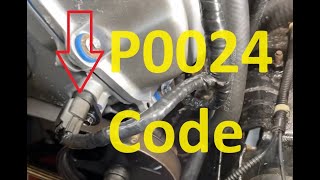
🎬 Watch: A quick overview of P0024 causes and common fixes.- Check Engine Light is on
- Rough idle, engine hesitation, or stalling
- Poor acceleration and loss of power
- Decreased fuel economy
- Hard starting condition
- Engine rattling, ticking, or knocking noises
- Replacing the camshaft position sensor when the root cause is a sticking VCT solenoid or poor oil quality.
- Replacing the cam phaser before thoroughly diagnosing the VCT solenoid and checking oil pressure. TSBs specifically warn against this.
Most Likely Causes
- Sticking or Clogged VCT Solenoid 🔴 High Probability → Shop Engine Variable Valve Timing (VVT) Solenoid Manufacturer TSBs #SSM 47170 and #SSM 50067 directly state that small debris in the oil can cause the VCT solenoid to stick, triggering this code. This is the most widely reported cause in owner forums across multiple platforms with these engines.
How to confirm: Use a bi-directional scan tool to command the solenoid on and off (TSB SSM 50067 recommends cycling it 10 times) to check for a response and attempt to clear debris. A definitive test is to swap the Bank 2 exhaust and intake VCT solenoids (if they are the same part number); if the code changes to P0021, the solenoid is confirmed to be faulty.
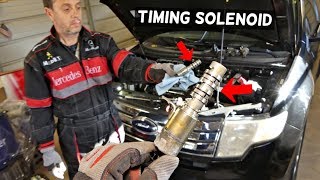
Typical fix: Replace the Bank 2 exhaust VCT solenoid. 🎬 See this walkthrough for replacing VVT solenoids on your MKX. It is highly recommended to perform an oil and filter change at the same time to remove the contaminants that caused the failure.
Est. part cost: $40-$90 - Low, Dirty, or Incorrect Viscosity Engine Oil 🔴 High Probability The VCT system is hydraulic and relies on clean oil with the correct viscosity and pressure to function. Sludgy, thick, or incorrect oil is the primary cause of the sticking solenoid issue and can clog the small passages in the VCT system.
How to confirm: Check the oil level on the dipstick and inspect its condition and change interval. If it is low, black, sludgy, or past its service life, it is the most likely culprit.
Typical fix: Perform an engine oil and filter change using the manufacturer-specified oil (typically a 5W-30 synthetic blend or full synthetic). In some cases, this alone may resolve the issue.
Est. part cost: $50-$100 - Faulty Camshaft Position Sensor ⚪ Low Probability → Shop Engine Camshaft Position Sensor
How to confirm: Monitor the sensor's output with a scan tool for erratic or missing readings. You can also swap the sensor with the one from Bank 1 to see if the trouble code follows, though this is less common than a solenoid swap.
Typical fix: Replace the Bank 2 exhaust camshaft position sensor.
Est. part cost: $25-$60
Rare But Worth Checking
- Worn Timing Chain or Failed Cam Phaser: → Shop Engine Timing Chain While less common for just a P0024 code, a stretched timing chain or a cam phaser stuck in the advanced position can cause this code. This is a more serious mechanical issue that typically involves more significant engine noise (like a startup rattle) and is more expensive to repair.
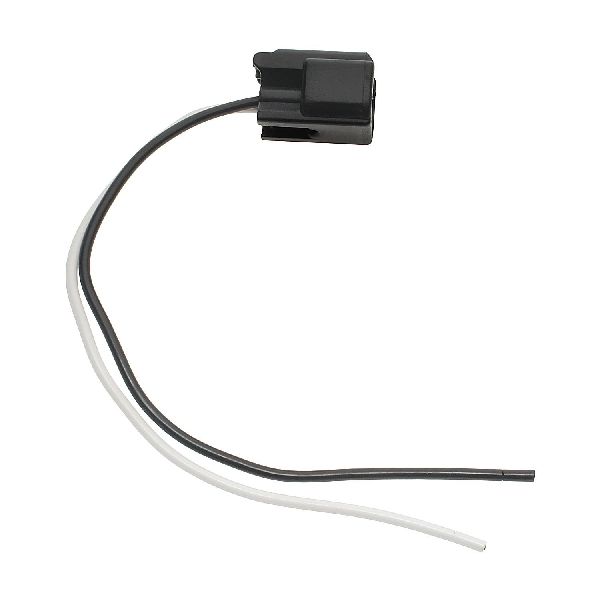
- Wiring or Connector Issue: Damage to the wiring harness or a poor connection at the VCT solenoid or camshaft position sensor can interrupt the signal, leading to the code. One owner on a forum reported a shop had cut the pigtail to the sensor and improperly repaired it with butt connectors, causing the code.
Diagnosis Steps
- Verify the engine oil level and condition. If it is low, dirty, or the wrong viscosity, perform an oil and filter change with OEM-spec oil, clear the code, and see if it returns. This is the most critical first step.
- Connect an OBD-II scanner to check for any other related trouble codes.
- Use the scanner's live data function to monitor the commanded vs. actual camshaft position for the Bank 2 exhaust cam (B2E). A persistent difference of several degrees between desired and actual at idle or during acceleration indicates a problem.
- Inspect the wiring and connector for the Bank 2 exhaust VCT solenoid and camshaft position sensor for any signs of damage, corrosion, or looseness.
- Using a bi-directional scanner, command the Bank 2 exhaust VCT solenoid on and off. Per TSB SSM 50067, cycle it 10 times to attempt to dislodge debris. Listen for an audible click and watch for a change in engine idle.
- For a definitive test, swap the Bank 2 exhaust VCT solenoid with the Bank 2 intake VCT solenoid (they are often the same part). Clear the codes and drive the vehicle. If the code changes to P0021 ('A' Camshaft Position Over-Advanced), the solenoid is faulty and must be replaced.
- If the solenoid and wiring are good, the issue may be with the camshaft position sensor, the cam phaser, or the timing chain itself, which may require more in-depth mechanical diagnosis, including checking oil pressure.
Parts You'll Likely Need
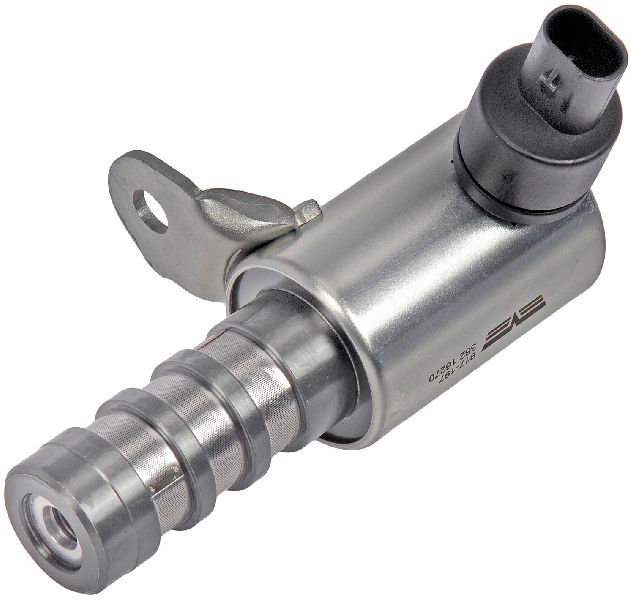
- Engine Variable Valve Timing (VVT/VCT) Solenoid
(OEM #FT4Z-6M280-B, AT4Z-6M280-B (for 3.7L))— This is the most common point of failure for code P0024, as it often gets stuck due to oil contamination, a fact confirmed by manufacturer TSBs.
Trusted brands: Motorcraft, Dorman, Standard Motor Products (SMP), NGK
OEM price range: $60-$90
Aftermarket price range: $30-$60 - Engine Oil and Filter
(OEM #Motorcraft FL-500S (Filter for 3.7L/2.7L))— Dirty, low, or incorrect viscosity oil is the leading cause of VCT solenoid failure and this trouble code. An oil change is a critical first step and preventative measure.
Trusted brands: Motorcraft, Mobil 1, Valvoline, Castrol
OEM price range: $60-$100
Aftermarket price range: $40-$70 - Camshaft Position Sensor
(OEM #DU-90)— Though less common, a faulty sensor can send incorrect timing data to the PCM, triggering the code. It's often misdiagnosed when the solenoid is the real issue.
Trusted brands: Motorcraft, Bosch, Delphi, NTK
OEM price range: $40-$70
Aftermarket price range: $25-$50
Related Codes That Often Appear With This One
- P0014 — This is the same over-advanced fault but for Bank 1. Seeing both codes together strongly suggests a systemic problem like low oil pressure or severely degraded oil affecting the entire engine.
- P0021 — This code is for an over-advanced intake camshaft on the same bank (Bank 2). It can appear if you swap the intake and exhaust solenoids for diagnosis, which is a key step that confirms the solenoid is the problem.
- P0016, P0017, P0018, P0019 — These are crankshaft/camshaft correlation codes. Their presence alongside P0024 may point towards a more serious mechanical timing issue, such as a slipped or stretched timing chain, rather than just a sticking solenoid.
- P0300, P0304, P0305, P0306 — These are misfire codes for Bank 2. An incorrectly timed camshaft can disrupt combustion and cause misfires on the affected cylinders.
Technical Service Bulletins (TSBs) & Recalls
- SSM 54366: Notes P0024 among a list of VCT-related DTCs and points to specific diagnostic procedures in the workshop manual.
- SSM 47170: States that P0024 may be due to small debris causing the VCT solenoid to stick and advises diagnosis before replacement.
- SSM 50067: Supersedes the earlier TSB, expands the vehicle model years, and specifically recommends cycling the solenoid with a scan tool to clear debris before component replacement.
Platform-Specific Known Issues
- TSB SSM 50067: An updated bulletin covering vehicles up to 2021. It states P0024 may be due to small debris causing the VCT solenoid to stick and specifically advises technicians to use a scan tool to cycle the solenoid 10 times (Pinpoint Test HK12) to attempt to clear it before replacement.
- TSB SSM 47170: An earlier bulletin with similar advice, noting that debris can cause the solenoid to stick and to perform diagnostic test HK11 before replacing parts.
- 2.7L EcoBoost vs. 3.7L Cyclone: While both engines are susceptible to VCT issues, the 3.7L Cyclone has a known issue where the water pump, driven internally by the timing chain, can fail and leak coolant into the crankcase. This contaminates the oil and can rapidly lead to VCT solenoid and phaser failures.
Mechanic-Grade Diagnostic Values
- VCT Solenoid Internal Resistance — expected: 6.9 to 7.9 ohms at 68°F (20°C), with a broader acceptable range of 5.0 to 14.0 ohms.. Failure: A reading outside this range, or an open/short circuit, indicates a failed solenoid coil.
- Scan Tool Live Data: VCT_ADV_ERR PID (VCT Error) — expected: Should be near 0 degrees, with an acceptable variance of +/- 5 degrees during stable operation.. Failure: A consistent error value greater than 5 degrees indicates the cam is not reaching its commanded position.
- VCT Solenoid Connector Voltage (Key On, Engine Off) — expected: Greater than 10.5 volts on the power supply pin.. Failure: Low or no voltage points to a problem in the power supply circuit (fuse, wiring) rather than the solenoid itself.
Scan Tool Commands That Help
- Ford IDS (or equivalent like FORScan): Output State Control for VCT Solenoid / VCT Solenoid On/Off Cycle Test — This is the bidirectional command mentioned in TSBs to manually cycle the solenoid. It helps determine if the solenoid is mechanically sticking. If cycling the solenoid temporarily smooths out a rough idle, it strongly suggests the solenoid is the culprit.
- Ford IDS (or equivalent like FORScan): Monitoring PIDs: VCT_ADV_ERR, VCTDC — Monitor these Parameter IDs (PIDs) to see the error between commanded and actual cam angle (VCT_ADV_ERR) and the duty cycle being applied to the solenoid (VCTDC). This helps confirm if the PCM is attempting to correct a deviation and whether the system is responding.
Wiring & Ground Locations
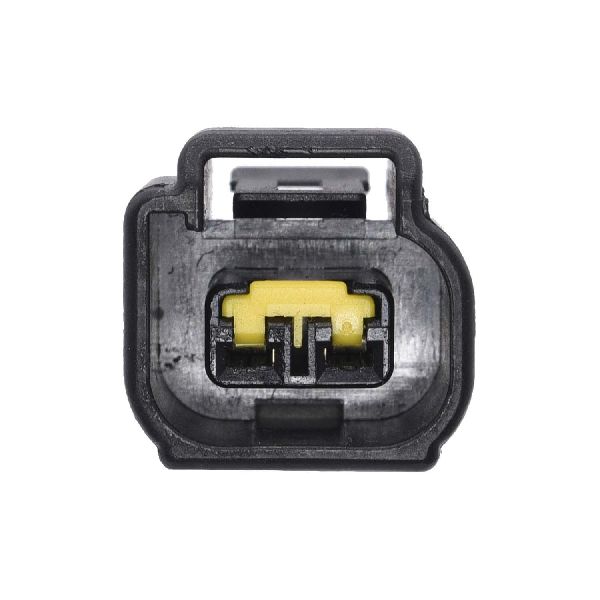
- VCT Solenoid Connector — On the front of the valve cover for Bank 2 (the bank closer to the radiator).. This 2-pin connector and its wiring are exposed to heat and vibration. Damage or corrosion here will cause a loss of control over the solenoid, directly leading to timing codes.
- Engine Ground Strap — A primary ground strap connects the engine block to the chassis. A common location for a ground point is a lug near the battery or on the strut tower.. A poor engine ground can cause erratic behavior in various sensors and actuators, including the VCT solenoids and Camshaft Position Sensors, leading to intermittent and hard-to-diagnose timing codes.
- Fuse F16 (example) — In the battery junction box/underhood fuse panel. The specific fuse number can vary by year and engine.. The VCT solenoids receive power from a fuse in the underhood panel. A wiring diagram should be consulted, but if there is no power at the solenoid connector, this fuse is a primary suspect.
Real Owner Repair Stories
- Reddit user in r/MechanicAdvice (2013 FR-S (Note: Different vehicle, but same code principle and common cause)) — Check Engine Light with code P0024.
❌ Tried (didn't work) The user was asking for advice before attempting repairs.
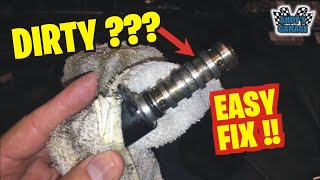
✅ What actually fixed it The top-rated advice, confirmed as a common fix, was that the VCT/OCV solenoid gets stuck due to old, thick oil. The recommended fix was to remove and clean the solenoid, and perform an oil and filter change.
OEM Part Supersession History
FT4Z-6M280-A→FT4Z-6M280-B— Likely an internal revision for improved durability or performance.
Heads up: FT4Z-6M280-B is the correct replacement for the original part and applies to the 2.7L and 3.0L EcoBoost engines.Unknown→AT4Z-6M280-B— This is a long-standing part number used across many Ford V6 engines.
Heads up: Part AT4Z-6M280-B is specified for the 3.7L Cyclone V6 (and 3.5L). It is crucial not to confuse this with the part for the 2.7L EcoBoost, as they are for different engine families.
Model Year Variations Within This Range
- 2016-2018: The introduction of the 2.7L EcoBoost V6 alongside the existing 3.7L Cyclone V6. While both use Ti-VCT and are prone to P0024 from oil issues, they use different VCT solenoid part numbers (FT4Z-6M280-B for 2.7L, AT4Z-6M280-B for 3.7L) and have different engine architectures (e.g., internal water pump on 3.7L).
Helpful Videos
We Have This Part in Stock


The information in this article is provided for general reference and educational purposes only. Vehicle specifications, procedures, and part compatibility can vary by production date, trim level, and region. Always consult your vehicle's factory service manual and verify part numbers before purchasing or performing repairs. Safety-critical components such as airbags, seat belts, and braking systems should be installed by a qualified professional.
- Lincoln MKX:
- 🧭 Diagnostic Flowchart
- 🎬 Helpful Videos
- 🛍️ Shop This Part
- What's Unique About the 2015-2018 Lincoln MKX
- Symptoms You May Notice
- Most Likely Causes
- Rare But Worth Checking
- Diagnosis Steps
- Parts You'll Likely Need
- Related Codes That Often Appear With This One
- Technical Service Bulletins (TSBs) & Recalls
- Platform-Specific Known Issues
- Mechanic-Grade Diagnostic Values
- Scan Tool Commands That Help
- Wiring & Ground Locations
- Real Owner Repair Stories
- OEM Part Supersession History
- Model Year Variations Within This Range
- 🎟️ Get 5% Off