

P0024 on 2012-2016 Mercedes-Benz E-Class: M276 Exhaust Camshaft Timing Causes and Fixes
On a 2012-2016 E-Class with the M276 V6, P0024 is almost always caused by a faulty exhaust camshaft adjuster magnet (solenoid) on the driver's side (Bank 2). This is a common and affordable DIY fix, with the part costing around $30-$80. Checking for oil inside the electrical connector is a key diagnostic step.
- P0024 points to the exhaust camshaft on the driver's side (Bank 2) being too far advanced.
- The most likely cause is a failed camshaft adjuster magnet (solenoid), which is an easy and affordable DIY replacement.
- Always check your oil level and condition first, as the timing system depends on clean oil at the proper pressure.
- When checking the magnet, inspect its electrical connector for oil. If oil is present, the magnet must be replaced.
- A simple way to confirm a bad magnet or sensor is to swap it with an identical part from another position and see if the code follows.
What's Unique About the 2012-2016 Mercedes-Benz E-Class
The M276 engine, like its M272 predecessor, relies heavily on oil pressure to control its four camshaft adjusters. While some timing codes on older Mercedes V6s could point to severe issues like balance shaft failure, P0024 on the M276 is most frequently a simple component failure. The camshaft adjuster magnets (solenoids) are a known weak point, often failing by leaking oil internally or getting clogged, making them the primary suspect for this code.
Symptoms You May Notice
- Check Engine Light is on
- Rough or unstable idle
- Reduced engine power and poor acceleration
- Hesitation when accelerating
- Worse fuel economy
- Engine may stall in some cases
- Replacing the camshaft position sensor when the adjuster magnet (solenoid) is the actual cause. The magnet is the more common failure point and should be checked first.
- Assuming a catastrophic timing chain or phaser failure without first diagnosing the much more common and inexpensive magnets and sensors.
- Replacing only the single faulty magnet. Many technicians recommend replacing all four, as they tend to fail around the same time.
Most Likely Causes
- Faulty Exhaust Camshaft Adjuster Magnet (Solenoid) on Bank 2 🔴 High Probability → Shop Engine Camshaft These solenoids are a common failure item on the M276 engine. They can get stuck, clogged with oil sludge, or fail electrically. A very common sign is oil leaking from the magnet's seal into the electrical connector, which can then wick up the wiring harness.
How to confirm: Inspect the electrical connector for the Bank 2 (driver's side) exhaust camshaft magnet for the presence of engine oil. A simple diagnostic test is to swap the suspected faulty magnet with the intake magnet on the same bank or with the exhaust magnet from Bank 1 (passenger side). Clear the codes and drive the vehicle. If the code changes (e.g., to P0021 for the intake, or P0014 for Bank 1), the magnet is confirmed faulty.
Typical fix: Replace the camshaft adjuster magnet. It is held in by three external-Torx bolts and is accessible from the front of the engine.
Est. part cost: $30-$80 - Low or Dirty Engine Oil 🟡 Medium Probability The variable valve timing system is hydraulic and operates on engine oil pressure. Oil that is low, dirty, or not the manufacturer-specified viscosity (MB 229.5) can clog the small passages in the camshaft adjuster magnets and phasers, preventing them from operating correctly.
How to confirm: Check the engine oil level using the vehicle's electronic oil level monitor. Check the oil's condition and the date/mileage of the last oil change.
Typical fix: Perform an oil and filter change using a high-quality synthetic oil that meets Mercedes-Benz specifications (e.g., MB 229.5).
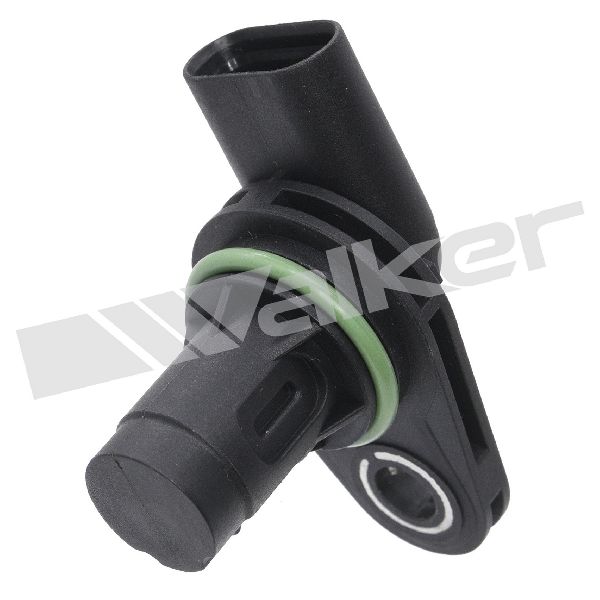
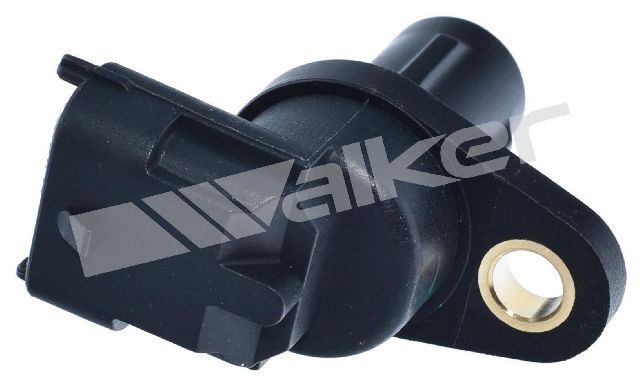
Est. part cost: $80-$150 - Faulty Camshaft Position Sensor (Bank 2, Exhaust) ⚪ Low Probability → Shop Engine Camshaft Position Sensor While less common than magnet failure, the camshaft position sensor can fail and send incorrect data to the ECM, causing it to misinterpret the camshaft's actual position. These sensors can also leak oil into the wiring harness, similar to the magnets.
How to confirm: Swap the Bank 2 exhaust camshaft position sensor with the intake sensor on the same bank or a sensor from Bank 1. If the code follows the sensor's new position, the sensor is bad.
Typical fix: Replace the faulty camshaft position sensor.
Est. part cost: $40-$100
Rare But Worth Checking
- Worn Camshaft Adjuster (Phaser): → Shop Engine Camshaft This is a more serious mechanical failure. It may be accompanied by a rattling noise from the engine, especially on startup, which is a symptom of oil pressure bleed-down. If the rattle is ignored, it can lead to wear on the adjuster and camshaft itself, eventually causing timing codes.
- Stretched Timing Chain: → Shop Engine Timing Chain On higher mileage M276 engines, the timing chain can stretch, but this is considered less common than adjuster failure. It usually sets multiple timing correlation codes (like P0016/P0018), not just P0024 in isolation.
Diagnosis Steps
- Check Engine Oil: Verify the oil level is correct and the oil is clean and of the correct MB 229.5 specification. If the oil is old or dirty, an oil change should be the very first step.
- Scan for Codes: Use an OBD-II scanner to confirm P0024 is the only code present. Note any other codes, as they can guide the diagnosis.
- Inspect the Camshaft Adjuster Magnet: Locate the exhaust camshaft adjuster magnet on Bank 2 (driver's side). Unplug the electrical connector and inspect for any signs of oil inside the connector or on the pins. Oil here is a sure sign the magnet's internal seal has failed.
- Swap Components (Magnet): If no oil is found, swap the Bank 2 exhaust magnet with the Bank 1 exhaust magnet (passenger side). Clear the codes and drive the car. If the code returns as P0014, the magnet is faulty. If the code remains P0024, the magnet is likely not the issue.
- Test the Camshaft Position Sensor: If the magnet swap doesn't isolate the problem, perform a similar swap with the camshaft position sensors. Swap the Bank 2 exhaust sensor with the Bank 1 exhaust sensor. If the code changes to P0014, the sensor is faulty.
- Professional Diagnosis: If the simple component swaps do not resolve the issue, the problem is likely more complex, such as a faulty camshaft adjuster (phaser), a timing chain issue, or a wiring problem. At this point, professional diagnosis with advanced tools is recommended.
Parts You'll Likely Need
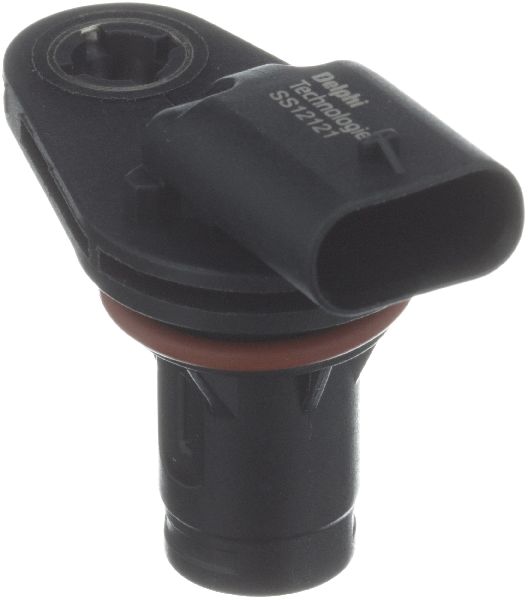
- Camshaft Adjuster Magnet (Solenoid)
(OEM #A2761560790)— This is the most common cause of P0024 on the M276 engine due to its tendency to fail electrically or leak oil.
Trusted brands: Mercedes-Benz (OEM), Pierburg, Bosch
OEM price range: $50-$80
Aftermarket price range: $25-$50 - Camshaft Position Sensor
(OEM #A2769051000)— This is the second most likely part to fail, though much less common than the adjuster magnet. It can also be a source of oil leaks into the harness.
Trusted brands: Mercedes-Benz (OEM), Bosch, Continental
OEM price range: $60-$100
Aftermarket price range: $40-$70 - Camshaft Adjuster Magnet Pigtail Harness
(OEM #A2711500156)— A highly recommended preventative part. This short 'sacrificial' harness connects between the cam magnet and the main engine harness. It stops leaking oil from wicking into the main harness and destroying the expensive Engine Control Unit (ECU).
Trusted brands: Mercedes-Benz (OEM)
OEM price range: $15-$25
Aftermarket price range: $10-$20
Related Codes That Often Appear With This One
- P0014 — 'B' Camshaft Position - Timing Over-Advanced (Bank 1). If you see both P0014 and P0024, it could indicate a systemic issue like oil pressure/quality or that both exhaust cam magnets have failed.
- P0021 — 'A' Camshaft Position - Timing Over-Advanced (Bank 2). This code points to the intake camshaft on the same bank. Seeing them together could point to an oil supply issue for that entire cylinder head or multiple failed magnets on that bank.
Technical Service Bulletins (TSBs) & Recalls
- LI05.10-P-052093: Addresses oil seepage from camshaft adjustment solenoids, recommending replacement and inspection of the wiring harness for oil contamination.
- LI05.10-P-056435: Addresses a rattling noise after engine start. The cause is identified as oil pressure bleed-down from the secondary timing chain tensioners on early M276 engines. The remedy is to install non-return check valves in the cylinder head oil supply passages to the tensioners.
Platform-Specific Known Issues
- Oil Wicking into Engine Wiring Harness: Oil wicking from the camshaft adjuster magnets and camshaft position sensors into the engine wiring harness is a well-documented issue on many Mercedes engines, including the M276. Even if it's not the direct cause of the code, it's critical to inspect for. If oil is found in a connector, the leaking component (magnet or sensor) must be replaced. It is highly recommended to install a short 'pigtail' harness (Part # A2711500156) on all four cam magnets to act as a sacrificial barrier, preventing oil from reaching and destroying the expensive engine control unit (ECU).
Mechanic-Grade Diagnostic Values
- Camshaft Adjuster Magnet (Solenoid) Coil Resistance — expected: 8-13 Ohms at room temperature.. Failure: A reading of infinity (open circuit), zero (short circuit), or a value significantly outside the expected range indicates a faulty magnet.
- Camshaft Adjuster Magnet (Solenoid) Voltage — expected: A pulse-width modulated (PWM) 12V signal when the engine is running and camshaft adjustment is commanded by the ECU. A static voltage check is not sufficient.. Failure: Absence of a PWM signal when one is expected points to a wiring or ECU issue. This is best tested with an oscilloscope or a multimeter with a duty cycle function.
Hidden / Shadow Codes Worth Checking
- P002177, P001685, P001885: Mercedes-specific scanners like XENTRY add two-digit sub-codes. For example, P002177 means 'The position of the intake camshaft (Bank 2) deviates from the specified value.' The sub-code '77' indicates the commanded position is not reachable. '85' indicates a signal implausibility. While P0024 is the generic code, these more specific codes can be stored and provide deeper insight into the failure mode (e.g., slow response vs. incorrect position). (see via Mercedes-Benz XENTRY/DAS diagnostic system or a high-end professional scanner with manufacturer-specific software.)
Scan Tool Commands That Help
- Mercedes-Benz XENTRY/DAS: Camshaft Position Actuation Test — This bidirectional test allows a technician to manually command the Bank 2 exhaust solenoid to activate while the engine is running. By observing live data for the camshaft position angle, you can confirm if the solenoid is working and if the mechanical phaser is responding to commands. If the solenoid clicks but the cam angle doesn't change, the phaser or oil passage is the likely problem.
- Mercedes-Benz XENTRY/DAS: Check position of camshafts relative to crankshaft — This guided function displays the requested vs. actual camshaft position values in degrees for all four cams simultaneously. For P0024, you would look for a significant deviation on the Bank 2 exhaust camshaft that exceeds the specified tolerance, confirming the fault detected by the ECU.
Wiring & Ground Locations
- Y49/7 (Bank 2 Exhaust Camshaft Solenoid) — On the front of the driver's side (Bank 2) cylinder head, it is the outer of the two solenoids.. This is the component being controlled. Pin 1 is the PWM signal from the ECU (ME-SFI control unit), and Pin 2 is the switched 12V power supply. Checking for signal and power here is a key diagnostic step.
- W11 (Combustion Engine Ground Point) — A ground strap connecting the engine block to the chassis frame, typically on the driver's side of the engine bay.. A poor main engine ground can cause a variety of electrical issues, including erratic sensor readings and incorrect actuator operation. While not a common cause for an isolated P0024, it should be checked for corrosion and tightness if multiple, seemingly unrelated electrical faults are present.
- W16/5 (Left Major Assembly Compartments Electronics Ground) — Location is poorly documented in Mercedes literature for the W212, but it is a critical ground point for the engine computer (ECU). It is believed to be on the driver's side frame rail in the engine bay.. As the primary ground for the ECU, a fault at this point could directly impact the ECU's ability to correctly control the camshaft solenoids. This is an extremely rare but possible cause if all other diagnostics fail.
Real Owner Repair Stories
- MBWorld.org Forum User (2013 Mercedes E350 (W212) with M276 engine) — Check Engine Light with code P0024. No other significant symptoms.
❌ Tried (didn't work) Replaced the Bank 2 exhaust camshaft adjuster magnet (solenoid)., Replaced the Bank 2 exhaust camshaft position sensor.
✅ What actually fixed it After replacing both the magnet and sensor, the code persisted. A thorough inspection of the wiring harness revealed that the loom for the Bank 2 magnet had been rubbing against an accessory drive pulley, which had worn through the insulation and was causing an intermittent short circuit. Repairing the damaged wires and re-routing the harness to provide proper clearance permanently resolved the P0024 code. - YouTube Repair Channel (603 MTech Autowerks) (2015 Mercedes C400 with M276 engine, 100,000 miles) — Loud metallic rattle from the driver's side of the engine on cold startup. A stored (not active) code P002177 (Intake Camshaft Position Not Reaching Target) was found.
❌ Tried (didn't work) The diagnosis pointed directly away from simple sensor/solenoid issues due to the mechanical noise.
✅ What actually fixed it The cause was a failed intake camshaft adjuster (phaser) on Bank 2. The mechanical failure of the phaser prevented it from holding oil pressure, causing the startup rattle and the position fault. The fix involved replacing the camshaft adjuster itself and the secondary timing chain tensioner for that bank. The video notes that intake adjusters are more common failures than exhaust adjusters on this engine.
OEM Part Supersession History
A2761560490 (and others)→A2761560790— The design of the camshaft adjuster magnets was updated by Mercedes-Benz, likely to improve the internal seals and prevent the common oil leakage into the electrical connector.
Model Year Variations Within This Range
- 2012 - early 2013 (Engines up to specific serial numbers): Early production M276 engines are susceptible to oil pressure bleed-down from the secondary chain tensioners, causing a startup rattle. TSB LI05.10-P-056435 outlines a fix to install non-return check valves in the cylinder heads. Engines produced after mid-2012 (specifically after engine number 2769xx 30 365996 for the 3.5L NA variant) may have had this addressed from the factory or only require tensioner replacement without the check valves.
Diagnostic Flowchart
Other Known Issues on This Vehicle
Issues unrelated to this code that are worth knowing about as an owner of this generation:
- Timing Chain Rattle on Cold Start 🟠 Medium → Shop Engine Timing Chain — Common on earlier M276 engines. A metallic rattle for a few seconds after startup, caused by oil draining from the secondary chain tensioners. (Ref: TSB LI05.10-P-056435 recommends installing non-return check valves into the tensioner oil supply openings to prevent oil bleed-down.)
- Plastic Coolant Component Leaks (Thermostat/Water Pump) 🟠 Medium — The thermostat housing and water pump are common failure points, leading to coolant leaks. Often replaced together as a preventative measure.
- High-Pressure Fuel Pump (HPFP) Failure 🔴 High — The engine-mounted HPFP can fail, leading to hard starting, stalling, and loss of power. Access for replacement is difficult and often requires intake manifold removal. (Ref: Multiple NHTSA campaigns (e.g., 23V445, 22V955) exist for fuel pump issues, though some relate to the in-tank low-pressure pump which can present similar symptoms.)
- Upper Front Timing Cover Oil Leaks 🟡 Low — The sealant on the upper timing covers degrades over time, causing oil to leak down the front of the engine, often onto the alternator.
- PCV System Failure 🟠 Medium — A faulty PCV valve (oil separator) can cause excessive oil consumption, vacuum leaks, and a whistling noise. An early sign is oil pooling in the air filter housing.
- Intake Valve Carbon Buildup 🟠 Medium — As a direct-injection engine, the M276 is prone to carbon deposits on the intake valves, which are not cleaned by fuel spray. This can lead to rough idle and misfires over time.
Used vs. New Parts: Buying Guide for This Vehicle
When a used part is the smart pick: For this specific repair, using a used part is generally not recommended for the electronic components (magnets, sensors). The cost of new, high-quality aftermarket parts is low, and these components have a known failure rate, making a used part a significant gamble.
Donor-vehicle mileage cap: roughly under 50000 miles for the part to have meaningful remaining life.
What to inspect on the donor part:
- For a magnet or sensor, the electrical connector MUST be perfectly clean and free of any oily residue.
- Ask for the donor vehicle's VIN to verify it did not have open recalls or TSBs related to timing components.
- Visually inspect for any cracks in the plastic housing or corrosion on the pins.
OEM-only on this vehicle (don't cheap out):
- Sacrificial Pigtail Harness (A2711500156): While aftermarket versions exist, the OEM part is inexpensive and a proven solution to prevent oil wicking to the ECU.
- Check Valves (for TSB LI05.10-P-056435): These are precision parts critical to oil pressure management; using OEM is the only reliable option.
Aftermarket brands forum-validated for this vehicle:
- Pierburg: Pierburg is an original equipment manufacturer (OEM) for Mercedes-Benz, and their camshaft adjuster magnets are considered equivalent to the genuine dealer part.
- Bosch: A reputable OEM supplier for many European vehicle sensors, including camshaft position sensors.
Brands owners have reported issues with on this vehicle:
- Unbranded, 'white-box' parts from online marketplaces are frequently cited in forums as having a very high premature failure rate, sometimes within weeks or months of installation.
Real Owner Stories
Aggregated from forums and TSBs cited above. Mileages and costs reflect what owners reported in those sources.
2014 Mercedes-Benz E350 M276 3.5L V6
Symptoms: The owner confirmed oil wicking from both the cam sensors and magnets, noting it as a factual issue for the M276 engine.
What fixed it: Replacement of the leaking components and the installation of pigtail harnesses (Part # A2711500156) as a preventative measure to protect the ECU.
Source hint: MBWorld.org Forum Thread 'M276 issue'
2012-2016 Mercedes-Benz E-Class M276
Symptoms: Metallic rattle for a few seconds after a cold start.
What fixed it: Installation of non-return check valves in the cylinder head oil supply passages to the secondary timing chain tensioners.
Source hint: TSB LI05.10-P-056435
Related OBD-II Codes
Frequently Asked Questions
My 2012 E350 has a metallic rattle for a few seconds when I start it cold. Is this related to P0024?
I found oil inside the electrical connector of my camshaft magnet. Do I need to replace the whole wiring harness?
Which side of the engine should I be looking at for a P0024 code on my E-Class?
Can I use any synthetic oil to clear the P0024 code?
Is there a simple way to test if the magnet is actually bad before buying a new one?
Does the M276 engine have any fuel system issues that cause similar power loss symptoms?
Helpful Videos
We Have This Part in Stock


The information in this article is provided for general reference and educational purposes only. Vehicle specifications, procedures, and part compatibility can vary by production date, trim level, and region. Always consult your vehicle's factory service manual and verify part numbers before purchasing or performing repairs. Safety-critical components such as airbags, seat belts, and braking systems should be installed by a qualified professional.
- Mercedes-Benz E-Class:
- 🧭 Diagnostic Flowchart
- 🎬 Helpful Videos
- 🛍️ Shop This Part
- What's Unique About the 2012-2016 Mercedes-Benz E-Class
- Symptoms You May Notice
- Most Likely Causes
- Rare But Worth Checking
- Diagnosis Steps
- Parts You'll Likely Need
- Related Codes That Often Appear With This One
- Technical Service Bulletins (TSBs) & Recalls
- Platform-Specific Known Issues
- Mechanic-Grade Diagnostic Values
- Hidden / Shadow Codes Worth Checking
- Scan Tool Commands That Help
- Wiring & Ground Locations
- Real Owner Repair Stories
- OEM Part Supersession History
- Model Year Variations Within This Range
- Other Known Issues on This Vehicle
- Used vs. New Parts: Buying Guide for This Vehicle
- Real Owner Stories
- 2014 Mercedes-Benz E350 M276 3.5L V6
- 2012-2016 Mercedes-Benz E-Class M276
- Related OBD-II Codes
- Frequently Asked Questions
- 🎟️ Get 5% Off