

P0024 on 2010-2011 Saab 9-5 2.8L V6: Exhaust Cam Timing Causes and Fixes
P0024 on your Saab 9-5 most often points to a faulty Bank 2 exhaust VVT solenoid or low/dirty engine oil. A solenoid costs ~$50-$120. However, this engine is prone to stretched timing chains, a much more serious repair that can cost over $2,000. This is a well-documented issue in the GM High Feature V6 engine family.
- First, check your engine oil. Low or dirty oil is a simple fix that can cause P0024.
- The most likely failed part is the Bank 2 exhaust VVT solenoid, located on the rear cylinder bank under the intake manifold.
- Be aware that this code can be an early symptom of a stretched timing chain, a known and very expensive problem on this engine. The presence of code P0021 at the same time makes this more likely.
- Do not replace the camshaft position sensor; it is rarely the cause of this specific code.
- Due to the potential for a major mechanical failure, it is critical to have this code diagnosed promptly and accurately by a qualified technician.
What's Unique About the 2010-2011 Saab 9-5
The Saab A28NER engine is a member of the GM High Feature V6 family. This engine series is known to be susceptible to premature timing chain stretch, particularly as they approach and exceed 100,000 miles. The 2.8L V6 uses a complex system of three timing chains, with the center chain being the most prone to stretching. While P0024 can be caused by a simple, inexpensive solenoid, its appearance on this specific engine must be taken seriously as it can be an early warning sign of a stretched timing chain. A stretched chain is a severe mechanical issue requiring an expensive, labor-intensive repair, often requiring engine removal. GM has released several Technical Service Bulletins (TSBs) and even a special coverage warranty extension for timing chain issues on this engine family, underscoring it as a known problem.
🎬 Watch: Why these GM V6 timing chains fail so oftenSymptoms You May Notice
- Check Engine Light is on
- Rough or unstable idle
- Reduced engine power and poor acceleration, especially feeling sluggish from a stop.
- Engine may be hard to start
- Hesitation or stalling, particularly when coming to a stop.
- Decreased fuel economy
- Rattling or ticking noise from the engine, especially on a cold start, that may sound like a 'box of coins'.
- Finding fine metal shavings in the engine oil during an oil change, which are particles from the wearing chain and guides.
- Replacing the camshaft position sensor. While related, a faulty sensor typically generates a specific sensor circuit code (like P0366, P0367, P0368). P0024 points to a performance/positioning problem, which is more often caused by the VVT solenoid or a mechanical timing issue like a stretched chain.
Most Likely Causes
- Low, Incorrect, or Dirty Engine Oil 🔴 High Probability The VVT system is hydraulic and highly sensitive to oil pressure, viscosity, and cleanliness. Infrequent oil changes or using oil that doesn't meet GM dexos specifications leads to sludge that can clog the microscopic passages in the VVT solenoids and phasers, causing them to stick.
How to confirm: Check the engine oil level on the dipstick and inspect its color and consistency. Verify that the oil viscosity meets the manufacturer's specification (GM dexos-approved 5W-30 synthetic). An oil change is the cheapest first step.
Typical fix: Perform an oil and filter change using high-quality, correct specification oil. Clear the code and drive to see if it returns.
Est. part cost: $50-$100 - Faulty Bank 2 Exhaust VVT Solenoid (Camshaft Position Actuator Solenoid) 🔴 High Probability These solenoids are a common failure point across many GM vehicles. They can become clogged with sludge or fail electrically, causing them to stick in one position and not properly regulate oil flow to the phaser.
How to confirm: A mechanic can use a bi-directional scan tool to command the solenoid on and off while monitoring the camshaft angle. The solenoid's electrical resistance can also be tested with a multimeter (typically 7-12 Ohms). Visually inspect the solenoid screens for debris upon removal. A GM diagnostic procedure also suggests 'tickling' the solenoid with a jumper wire to see if it can be unstuck.
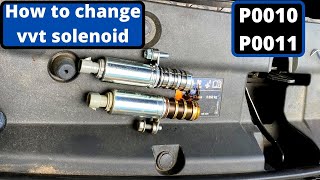
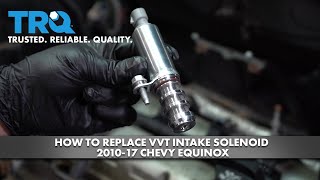
Typical fix: Replace the Bank 2 exhaust VVT solenoid. For the rear bank (Bank 2), this requires removing the upper intake manifold for access. Many owners choose to replace both the intake and exhaust solenoids 🎬 Watch: A step-by-step guide on how to replace a VVT solenoid on Bank 2 at the same time due to the labor involved.
Est. part cost: $50-$120 - Stretched Timing Chain(s) 🟡 Medium Probability → Shop Engine Timing Chain The GM High Feature V6 engine family used in this Saab has a well-documented weakness with timing chains stretching prematurely. This causes the camshaft timing to deviate from what the ECM expects, triggering the code. Lack of frequent oil changes is a primary contributor to accelerated wear.
How to confirm: This is a complex diagnosis. It's often suspected when VVT codes for both intake and exhaust cams on the same bank (e.g., P0021 and P0024) appear together. A mechanic can measure camshaft deviation ('camshaft position variance') with a scan tool or physically inspect the chain tensioner extension and timing marks, which requires significant engine disassembly.
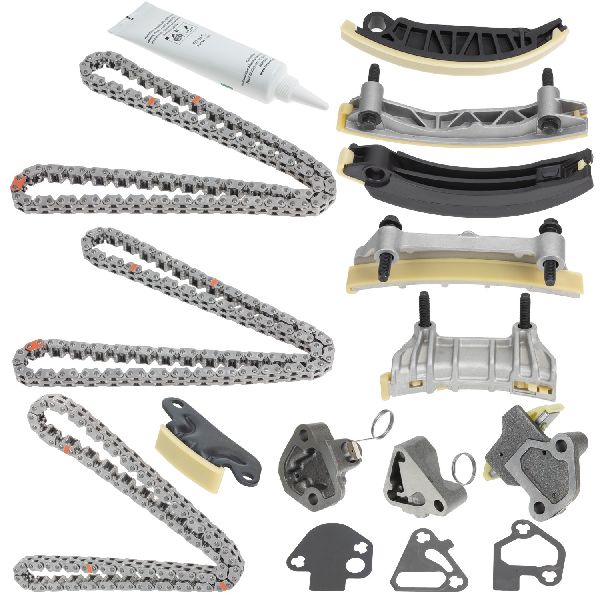
Typical fix: Replace all three timing chains, all guides, and all tensioners using a complete kit. This is a very labor-intensive job, often requiring engine removal.
Est. part cost: $300-$600
Rare But Worth Checking
- Failed Camshaft Phaser (Actuator): → Shop Engine Camshaft The mechanical gear on the end of the camshaft can fail internally or become stuck due to sludge or wear, preventing it from changing timing correctly. This is less common than a solenoid failure but more common than a sensor failure for this code.
- Wiring or Connector Issue: Damage to the wiring harness or corrosion in the connector for the Bank 2 exhaust VVT solenoid can cause an open or short, preventing proper operation.
Diagnosis Steps
- Verify Engine Oil: Check the oil level and condition. Ensure it is full, clean, and of the correct viscosity (GM dexos-approved 5W-30). If in doubt, perform an oil and filter change as the first step.
- Scan Tool Analysis: Connect a professional scan tool. Check for any other stored DTCs, especially other timing codes like P0021 or P0016/P0017. Monitor the live data for Bank 2 desired vs. actual exhaust camshaft angles at idle and while revving the engine. A large, persistent discrepancy confirms the fault. 🎬 See how a pro uses a labscope to diagnose timing issues
- Inspect Solenoid Wiring: Visually inspect the wiring harness and connector for the Bank 2 exhaust VVT solenoid for any signs of damage, corrosion, or loose connections.
- Test the VVT Solenoid: Using a bi-directional scan tool, command the Bank 2 exhaust solenoid ON and OFF. Observe if the actual cam angle changes as commanded. If it doesn't respond, the solenoid is likely faulty or clogged. Some GM procedures suggest this may also un-stick a temporarily stuck solenoid.
- Electrical Test: Disconnect the solenoid and measure its internal resistance with a multimeter. It should be within 7-12 ohms. Also, check for voltage at the harness connector with the ignition on.
- Swap Solenoids (If Applicable): If accessible and identical (check part numbers), you can swap the suspect exhaust solenoid with the intake solenoid on the same bank and see if the trouble code changes to P0021. This confirms a bad solenoid.
- Mechanical Inspection: If the solenoid and wiring test good, the issue is likely mechanical. This points towards a faulty camshaft phaser or, more likely on this engine, stretched timing chains. A mechanic can remove the valve cover to inspect the chain for slack and check the tensioner's position. This is an advanced step.
Parts You'll Likely Need
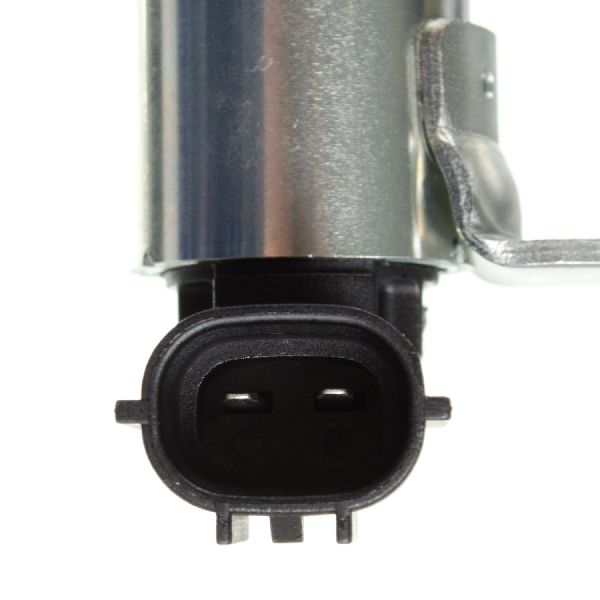
- Engine Variable Valve Timing (VVT) Solenoid
(OEM #12636175 (supersedes 12586722, 12588943, 12615613, 12626012))— This is the most common cause of P0024. It gets clogged with oil sludge or fails electrically, preventing it from controlling the camshaft phaser.
Trusted brands: ACDelco (GM OE), Delphi, Dorman
OEM price range: $80-$120
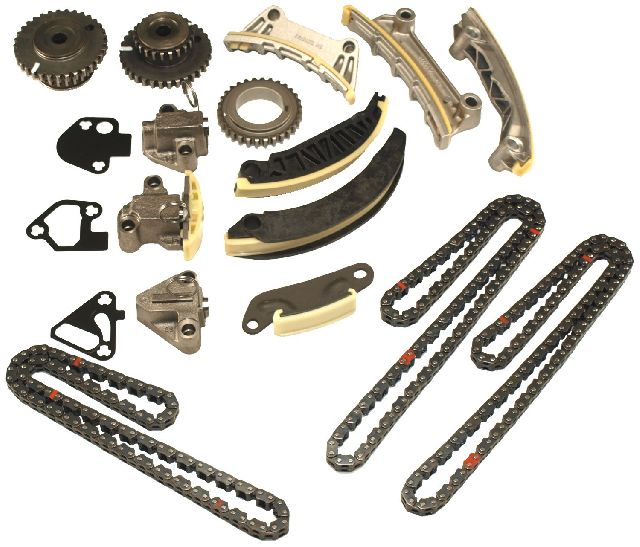
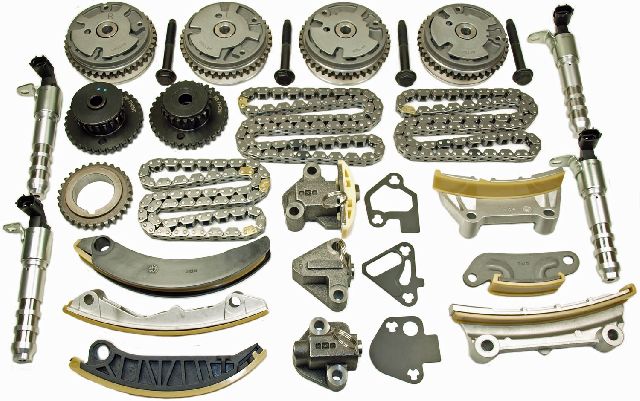
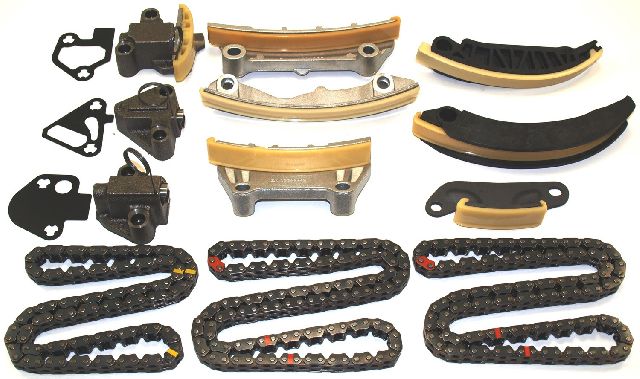
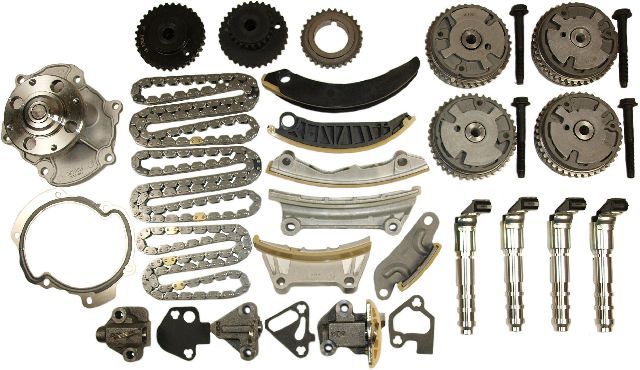
Aftermarket price range: $40-$80 - Timing Chain Kit — A known weak point on the A28NER engine. If the chains stretch, they must be replaced to restore correct engine timing and prevent catastrophic failure. Kits must include all three chains, guides, and tensioners for a complete job.
Trusted brands: INA, Cloyes, Febi, BGA
OEM price range: $400-$600
Aftermarket price range: $250-$450 - Intake Manifold Gasket Set
(OEM #12595277)— Required when replacing the Bank 2 (rear) VVT solenoids, as the upper intake manifold must be removed for access.
Trusted brands: ACDelco, Fel-Pro, Mahle
OEM price range: $30-$50
Aftermarket price range: $15-$30
Related Codes That Often Appear With This One
- P0021 — P0021 is the corresponding code for the *intake* camshaft on Bank 2. If both P0021 and P0024 are present, it strongly suggests a base timing issue on that bank, such as a stretched timing chain, as it's affecting both camshafts.
- P0008, P0009, P0016, P0017, P0018, P0019 — These are all codes related to camshaft/crankshaft correlation errors. Their presence alongside P0024 is a very strong indicator of a stretched timing chain. GM TSBs specifically mention these codes in relation to the timing chain problem.
Technical Service Bulletins (TSBs) & Recalls
- GM TSB #12-06-01-009A/B/C: Information on High Feature V6 Timing Chain Kits and Chain Guide Replacement: → Shop Engine Timing Chain This bulletin addresses premature timing chain wear causing codes like P0008, P0016, P0017, etc. It clarifies that for a stretched chain, only the chains, tensioners, and heavily worn guides need replacement. It advises against replacing idler sprockets and camshaft actuators unnecessarily. This confirms the stretched chain is a recognized issue by GM across this engine family.
- GM Special Coverage #11340C: Timing Chain Wear: → Shop Engine Timing Chain GM issued a special warranty extension for many 2007-2009 vehicles with the High Feature V6 engine, covering timing chain replacement for 10 years or 120,000 miles. While the 2010-2011 Saab 9-5 is not on this specific list, the bulletin demonstrates the severity and prevalence of the issue on the underlying engine platform.
- GM TSB #10-06-01-008E: Engine Oil Consumption: This bulletin addresses excessive oil consumption on some GM V8s but also discusses PCV system issues that can pull oil into the intake. While for a different engine, the principles of PCV malfunction and oil consumption are relevant as they can lead to low/dirty oil conditions that trigger VVT codes like P0024.
Platform-Specific Known Issues
- The GM High Feature V6 engine (A28NER) has a well-documented history of premature timing chain stretch. General Motors issued multiple Technical Service Bulletins, such as #12-06-01-009, providing updated parts and procedures for timing chain service on this engine family. The issue was so prevalent on earlier versions of the engine that GM initiated a special coverage program extending the warranty. For the 2010-2011 Saab 9-5, this code should be treated with high suspicion for a timing chain issue, especially if the vehicle has over 80,000 miles or a poor oil change history.
Mechanic-Grade Diagnostic Values
- VVT Solenoid (Camshaft Position Actuator) Resistance — expected: 8 to 12 Ohms. Failure: A reading of infinite resistance (OL) indicates an open coil, while a reading significantly outside the expected range suggests a fault.
- VVT Solenoid (Camshaft Position Actuator) Resistance (Alternate Spec) — expected: 6.9 to 7.9 Ohms at 68°F (20°C). Failure: A reading outside this specific temperature-calibrated range indicates a likely fault.
Scan Tool Commands That Help
- GM Tech 2 / Saab WIS: Command Camshaft Position Actuator (0 to 20 degrees) — This bi-directional control allows a technician to command the cam phaser through its range of motion while watching live data for 'Camshaft Position Variance'. If the actual position fails to track the commanded position, it confirms a fault in the VVT system (solenoid, phaser, or oil pressure).
Wiring & Ground Locations
- G7 — On a bracket in front of the left-hand (front) end of the V6 petrol engine.. This is a primary engine ground point. A poor connection here could cause erratic behavior or incorrect readings from various engine sensors and actuators, including the VVT system components.
OEM Part Supersession History
12586722, 12588943, 12615613, 12626012→12636175— Part has been updated and consolidated by GM over time for improved reliability or manufacturing changes.
Diagnostic Flowchart
Used vs. New Parts: Buying Guide for This Vehicle
When a used part is the smart pick: For this specific repair, using used parts is generally not recommended. The primary failure parts (VVT solenoids, timing chains) are wear items. The risk of a used part failing shortly after installation outweighs the cost savings, especially considering the significant labor involved.
Donor-vehicle mileage cap: roughly under 60000 miles for the part to have meaningful remaining life.
What to inspect on the donor part:
- If considering a used part like an engine wiring harness, inspect thoroughly for brittle plastic, corrosion on pins, or any signs of previous repair.
- Never purchase used timing chains, guides, or tensioners.
OEM-only on this vehicle (don't cheap out):
- Timing Chain Kit: Given the engine's interference design and known issues with chain stretch, using an OEM (ACDelco) or OE-supplier (INA) kit is the safest choice to prevent catastrophic failure.
Aftermarket brands forum-validated for this vehicle:
- VVT Solenoid: ACDelco (OEM), Delphi
- Timing Chain Kit: Cloyes, INA
Brands owners have reported issues with on this vehicle:
- Unbranded, 'white-box' VVT solenoids and timing kits from online marketplaces should be avoided due to inconsistent quality and high failure rates for these critical components.
Real Owner Stories
Aggregated from forums and TSBs cited above. Mileages and costs reflect what owners reported in those sources.
2010-2011 Saab 9-5 LP9/A28NER 2.8L Turbo V6
Symptoms: The check engine light came back on after previously replacing the camshaft position sensor for bank 2.
What fixed it: The owner planned to replace both the intake and exhaust VVT solenoids on Bank 2, since the intake manifold had to be removed for access anyway.
Source hint: YouTube Commenter Repair Story
Related OBD-II Codes
Frequently Asked Questions
I have a P0024 code on my 2011 Saab 9-5. Is it definitely the timing chain?
Are there any official GM service bulletins for the timing chain problem on this engine?
Does GM's special warranty for timing chains apply to my 2010 Saab 9-5?
My mechanic wants to replace the Bank 2 VVT solenoid. Is this a difficult job?
What kind of engine oil is required to prevent P0024 on my Saab 9-5 2.8L Turbo?
I have codes P0021 and P0024 at the same time. What does that mean?
Helpful Videos
We Have This Part in Stock

The information in this article is provided for general reference and educational purposes only. Vehicle specifications, procedures, and part compatibility can vary by production date, trim level, and region. Always consult your vehicle's factory service manual and verify part numbers before purchasing or performing repairs. Safety-critical components such as airbags, seat belts, and braking systems should be installed by a qualified professional.
- Saab 9-5:
- 🧭 Diagnostic Flowchart
- 🎬 Helpful Videos
- 🛍️ Shop This Part
- What's Unique About the 2010-2011 Saab 9-5
- Symptoms You May Notice
- Most Likely Causes
- Rare But Worth Checking
- Diagnosis Steps
- Parts You'll Likely Need
- Related Codes That Often Appear With This One
- Technical Service Bulletins (TSBs) & Recalls
- Platform-Specific Known Issues
- Mechanic-Grade Diagnostic Values
- Scan Tool Commands That Help
- Wiring & Ground Locations
- OEM Part Supersession History
- Used vs. New Parts: Buying Guide for This Vehicle
- Real Owner Stories
- 2010-2011 Saab 9-5 LP9/A28NER 2.8L Turbo V6
- Related OBD-II Codes
- Frequently Asked Questions
- 🎟️ Get 5% Off