

P0025 on 2015-2020 Ford Explorer: Exhaust Cam Timing Fixes
On a 2015-2020 Ford Explorer with a 3.5L V6 engine, code P0025 is most often caused by low/dirty engine oil or a faulty Variable Camshaft Timing (VCT) solenoid on Bank 2. Start by checking your oil and ensuring it's the correct viscosity. If that's fine, replacing the Bank 2 exhaust VCT solenoid is the next logical step. The part costs around $30-$70 and is a common DIY fix.
- P0025 on a 2015-2020 Explorer almost always points to the Variable Camshaft Timing (VCT) system on Bank 2.
- Before buying any parts, check your engine oil. Low, old, or dirty oil is a very common cause.
- The most likely failed part is the Bank 2 exhaust VCT solenoid, which gets stuck due to debris in the oil. [SSM 50067]
- Replacing a VCT solenoid is a moderately difficult DIY job that involves removing the valve cover.
- Ignoring this code can lead to poor engine performance, bad fuel economy, and potential stalling.
What's Unique About the 2015-2020 Ford EXPLORER
For this generation of Ford Explorer with the 3.5L V6 (Cyclone) engine, the VCT system is known to be sensitive to oil quality, viscosity, and level. Ford has issued multiple Technical Service Bulletins (TSBs) acknowledging that VCT-related codes, including P0025, can be triggered by small debris in the engine oil causing the VCT solenoids to stick. [SSM 50067] This suggests that poor oil maintenance is a primary contributor to this specific code on these vehicles. Additionally, the 3.5L engine family has a known design quirk where the internal water pump is driven by the timing chain; a failure can lead to coolant contaminating the oil, which would severely impact the VCT system and could trigger this code as a secondary symptom of a much larger problem.
Diagnostic Flowchart
Tap your situation to follow the diagnostic path that matches what you're seeing on this vehicle.
Generation note: The 2015-2020 range covers the end of the fifth generation (2011-2019) and the start of the sixth generation (2020). This code primarily applies to the V6 engines (3.5L NA, 3.5L EcoBoost) common in the 2015-2019 models. The 2020 model introduced new V6 options (3.0L EcoBoost, 3.3L Hybrid) which also use VCT technology, so the causes and fixes are likely similar. The underlying 3.5L engine architecture has been in use since 2007 in various Ford models.
Symptoms You May Notice
- Check Engine Light is on
- Rough or unstable idle
- Reduced engine power and poor acceleration
- Engine may be hard to start
- Decreased fuel economy
- Engine stalling, especially at low speeds or when stopping
- Engine knocking or ticking noises
- Replacing the camshaft position sensor when the actual problem is a sticking VCT solenoid or dirty oil.
- Replacing the cam phaser when the issue is just a clogged VCT solenoid or low oil pressure.
- Assuming the timing chain has failed when the issue is electronic or hydraulic (solenoid/oil).
Most Likely Causes
- Low or Dirty Engine Oil 🔴 High Probability The VCT system is hydraulic and highly dependent on oil pressure and cleanliness. TSB SSM 50067 directly links debris in the oil to sticking VCT solenoids, which causes this code. [SSM 50067] Using the wrong oil viscosity can also impede the system's function.
How to confirm: Check the oil dipstick for low level. Inspect the oil's color and consistency; if it is dark, thick, gritty, or smells of coolant (a sign of water pump failure), it needs to be changed.
Typical fix: Perform an oil and filter change using the correct viscosity oil specified by Ford (e.g., 5W-20 or 5W-30 synthetic blend). In some cases, owners report the code appearing after an oil change, which could point to incorrect oil or a dislodged piece of sludge.
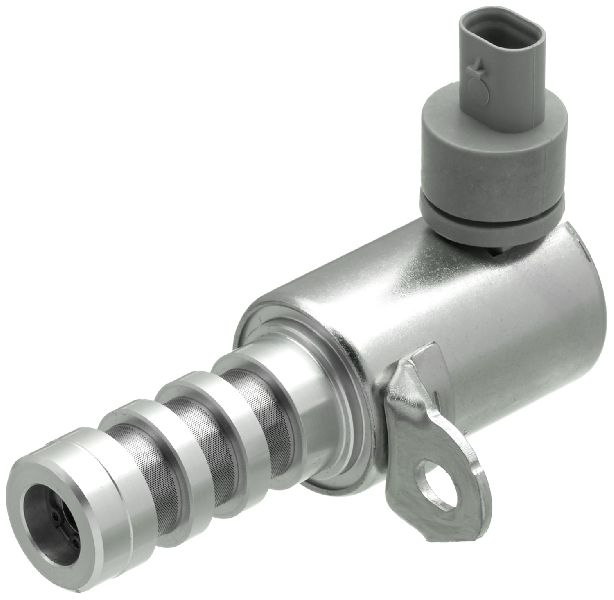
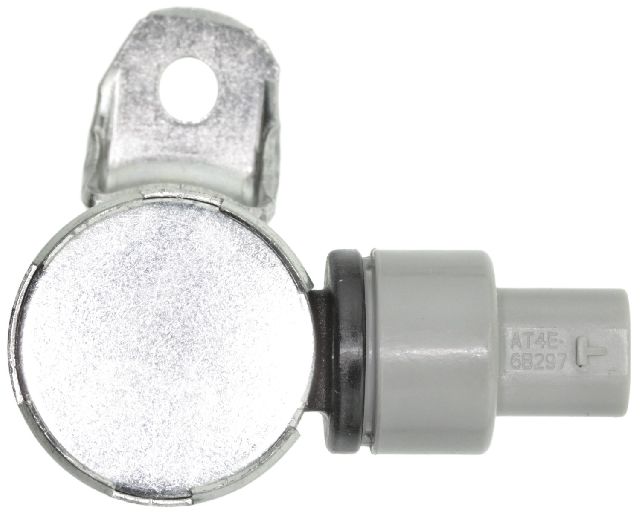
Est. part cost: $40-$80 - Failing VCT Solenoid (Oil Control Valve) 🔴 High Probability → Shop Engine Variable Valve Timing (VVT) Solenoid As noted in TSBs, these solenoids can get clogged with debris or fail electrically, preventing them from properly directing oil flow to the cam phaser. [SSM 50067] They are a very common failure point for this code.
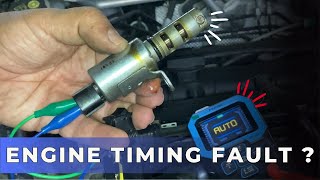
How to confirm: Use a scan tool to monitor commanded vs. actual cam position. You can also swap the Bank 2 exhaust solenoid with the Bank 2 intake solenoid (if they are identical) and see if the code changes to P0022 (Intake side). Resistance should be between 6.9 and 7.9 ohms at 68°F (20°C). Ford dealers have a specific diagnostic, HK12, that cycles the solenoid 10 times 🎬 See how to properly diagnose a failing VCT solenoid. to try and clear debris.
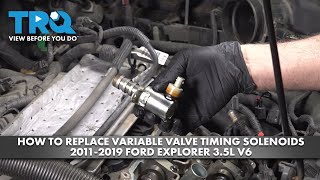
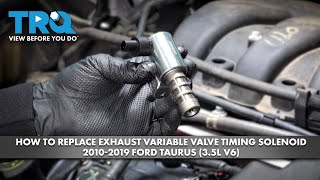
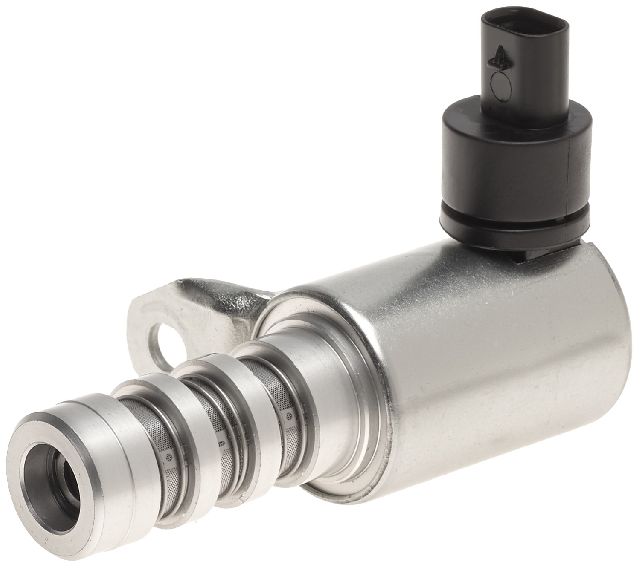
Typical fix: Replace the Bank 2 exhaust VCT solenoid. It is located on the front valve cover (Bank 2). The exhaust solenoid is typically black, while the intake is white/gray. This requires removing the upper intake manifold for access. 🎬 Watch: Step-by-step guide to replacing the VCT solenoids.
Est. part cost: $30-$70 - Faulty Camshaft Position Sensor 🟡 Medium Probability → Shop Engine Camshaft Position Sensor
How to confirm: Test the sensor's output with a multimeter or oscilloscope. Check the wiring and connector for damage or corrosion. However, this is more often misdiagnosed, and the issue is usually the solenoid.
Typical fix: Replace the Bank 2 exhaust camshaft position sensor.
Est. part cost: $25-$50 - Worn Timing Chain or Failed Cam Phaser ⚪ Low Probability → Shop Engine Timing Chain While less common for just this code, significant mileage or poor maintenance can lead to timing chain stretch or phaser failure. The internal water pump on the 3.5L can also fail, contaminating the oil and destroying timing components. A cold start rattle is a common 🎬 Watch: What a failed VCT solenoid sounds like. symptom of failing phasers on the 3.5L engine.
How to confirm: This is a major repair. It often presents with rattling noises on startup. Diagnosis requires removing the valve and timing covers to inspect the components for slack, wear, or damage. This is typically a professional job.
Typical fix: Replace the timing chain, tensioners, guides, and/or the failed cam phaser. If the water pump has failed, a full timing job including the pump is required.
Est. part cost: $400-$1200+
Rare But Worth Checking
- Clogged oil passages in the cylinder head or camshaft, restricting oil flow to the phaser.
- Damaged PCM or outdated software, although this is rare.
- Wiring issues in the VCT solenoid or camshaft position sensor harness, such as corrosion or breaks.
Diagnosis Steps
- Verify the code with an OBD-II scanner. Note any other codes present.
- Check the engine oil level and condition. Ensure it is full, clean, and the manufacturer-specified viscosity (e.g., 5W-20 or 5W-30). If not, perform an oil and filter change, clear the code, and see if it returns.
- Use a scan tool with live data to monitor 'CMP Desired' vs 'CMP Actual' position for Bank 2 Exhaust. A significant, persistent deviation confirms the timing issue. On Ford's IDS, monitor the VCT ADV ERR (Variable Camshaft Timing Advance Error) PID, which should be close to 0 degrees.
- Inspect the wiring and connector for the Bank 2 exhaust VCT solenoid and camshaft position sensor for any damage, corrosion, or loose connections.
- Command the VCT solenoid on and off with a bidirectional scan tool (this is the dealer's HK12 test). Listen for a click from the solenoid. No click suggests a bad solenoid or wiring.
- If possible, swap the suspect VCT solenoid (Bank 2 Exhaust) with an adjacent one (like the intake solenoid on the same bank) to see if the trouble code follows the part (e.g., changes to P0022).
- If the solenoid seems to work but the code persists, remove and inspect it for clogged screens or debris.
- If the solenoid and wiring are good, test the camshaft position sensor.
- If all other tests pass, the issue may be mechanical (cam phaser, timing chain), which requires more invasive inspection.
Parts You'll Likely Need
- Engine Variable Valve Timing (VVT/VCT) Solenoid
(OEM #7T4Z-6M280-C)— This is the most common point of failure, often due to clogging from oil debris, as cited in Ford's own service bulletins. [SSM 50067, 3] This part number supersedes 7T4Z-6M280-B.
Trusted brands: Motorcraft, Dorman, TRQ
OEM price range: $40-$70
Aftermarket price range: $25-$50 - Engine Oil and Filter — Dirty, low, or incorrect viscosity oil is a primary cause of VCT system malfunctions and this code.
Trusted brands: Motorcraft, Mobil 1, Castrol
OEM price range: $50-$90
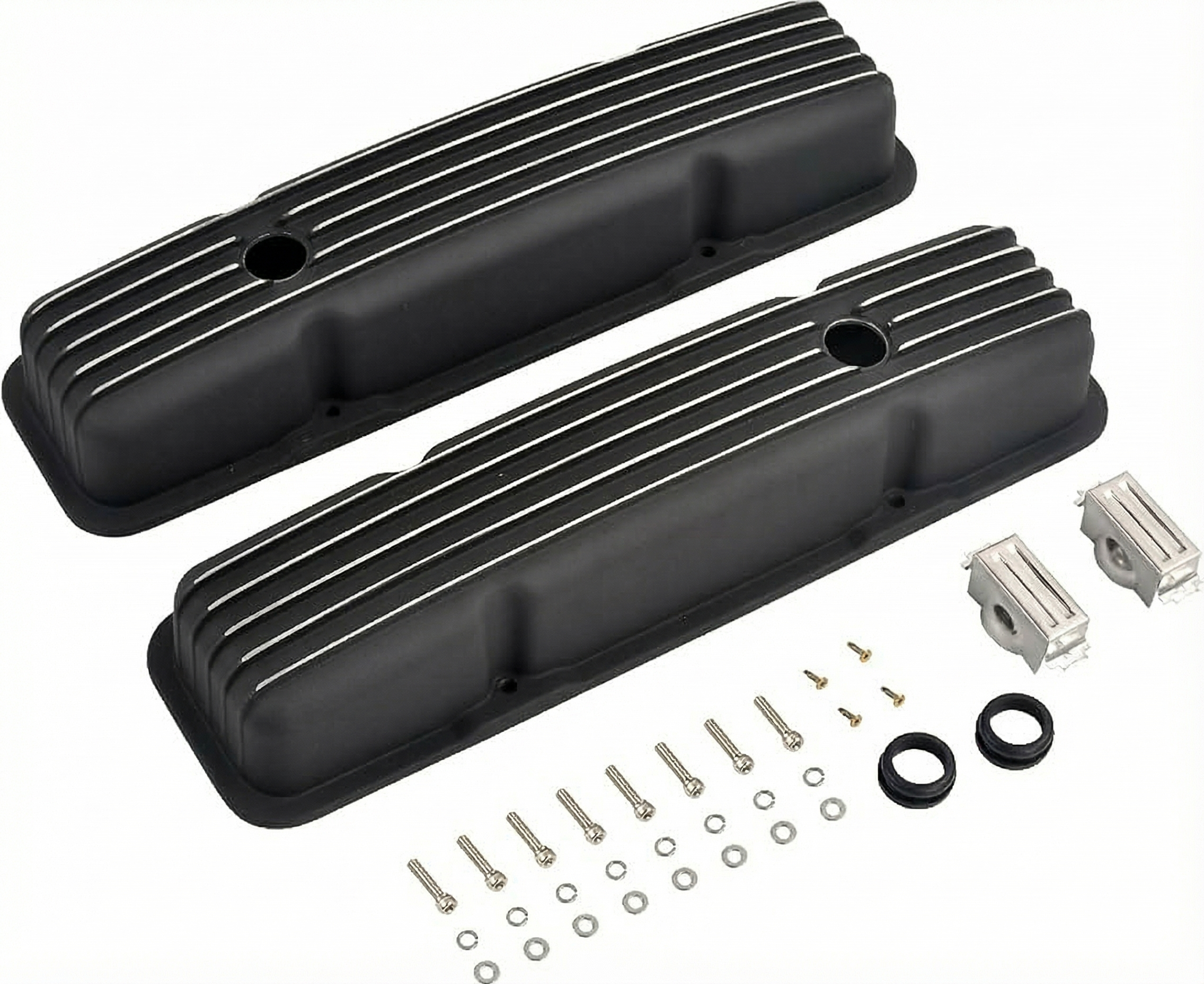
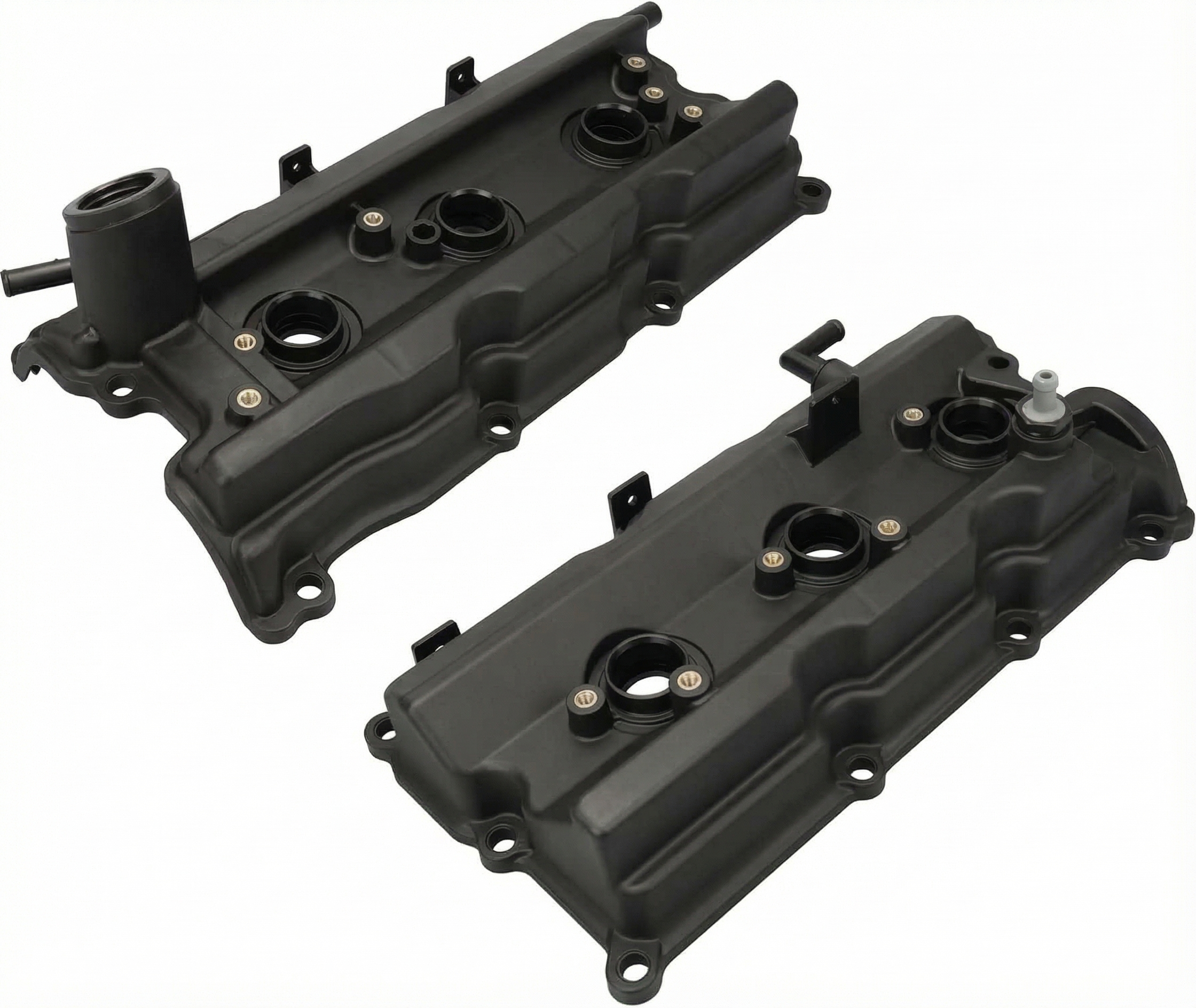
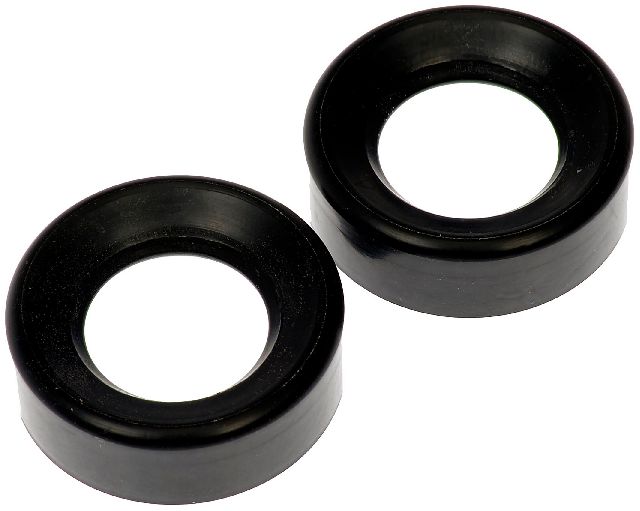
Aftermarket price range: $40-$80 - Valve Cover Gasket Set — Required when replacing the VCT solenoids, as they are located under the valve cover. The set should include spark plug tube seals and VCT solenoid seals.
Trusted brands: Fel-Pro, Motorcraft
OEM price range: $50-$80
Aftermarket price range: $30-$60
Related Codes That Often Appear With This One
- P0019 — This code is for 'Crankshaft Position - Camshaft Position Correlation Bank 2 Sensor B'. It often appears with P0025 because if the cam timing is retarded, its correlation with the crankshaft will also be incorrect. [TSB-16-0093]
- P0015 — This is the equivalent code for Bank 1 ('B' Camshaft Position - Timing Over-Retarded). If both appear, it may point to a systemic issue like old oil or low oil pressure affecting both banks.
- P0024 — This code is for 'B' Camshaft Position - Timing Over-Advanced (Bank 2). Seeing it with P0025 could indicate an erratic VCT solenoid or oil flow problem causing the phaser to move uncontrollably. [SSM 54366]
Technical Service Bulletins (TSBs) & Recalls
- SSM 54366: Notes updated diagnostic tests (Pinpoint Test HK) for a range of VCT codes including P0025.
- SSM 50067: States P0025 may be due to small debris causing the VCT solenoid to stick and advises against immediate component replacement. [SSM 50067]
- TSB-16-0093: Lists P0025 as a potential DTC on low-mileage 2016 3.5L engines.
Platform-Specific Known Issues
- TSB SSM 50067 - Sticking VCT Solenoids: → Shop Engine Variable Valve Timing (VVT) Solenoid Notes that P0025 (and other VCT codes) may be caused by small debris making the VCT solenoid stick. It recommends performing a diagnostic cycling test (Pinpoint Test HK) to clear the debris before replacing the solenoid. [SSM 50067]
- TSB SSM 54366 & TSB-16-0093: These bulletins also list P0025 among a wide range of VCT-related codes that may appear on these vehicles, indicating a known pattern of issues with the cam timing system. [SSM 54366, TSB-16-0093]
Mechanic-Grade Diagnostic Values
- VCT Solenoid (Oil Control Valve) Resistance — expected: 6.9 to 7.9 ohms at 68°F (20°C). Failure: No reading (open circuit) or a significantly different reading indicates a faulty solenoid.
- VCT Solenoid Power Supply Voltage — expected: Battery voltage (approx. 12V) with key on, engine off.. Failure: No voltage suggests a wiring or fuse issue upstream of the solenoid.
- VCT Solenoid Ground Check — expected: No continuity (OL) between either solenoid pin and the solenoid body/engine ground.. Failure: Any continuity reading indicates the solenoid is internally shorted to ground and must be replaced.
- Ford IDS Live Data: VCT Advance Error PID — expected: Should hover around 0° with a difference no greater than +/- 5°.. Failure: Excessive variation while the drivability concern is present suggests the symptoms are related to the VCT system.
Scan Tool Commands That Help
- Ford IDS (Integrated Diagnostic System): VCT Advance Error PID Monitoring — Use this live data parameter to see the real-time difference between the PCM's commanded cam angle and the actual angle. A consistent error outside of +/- 5 degrees points directly to a timing problem on that bank.
- Ford IDS (or equivalent bidirectional scanner): VCT Solenoid Duty Cycle Command — Manually commanding the solenoid to 100% duty cycle while monitoring cam position PIDs can confirm if the solenoid is physically responding to commands from the PCM. This is part of the pinpoint tests recommended by Ford.
- Ford IDS: Disconnect VCT Solenoids (Physical Test) — As a preliminary diagnostic step for engine noise or rough idle, physically disconnecting both VCT solenoids forces the cam phasers into their locked, base-timing position. If the noise or symptom disappears, it strongly suggests the issue is within the VCT system.
Wiring & Ground Locations
- Bank 2 VCT Solenoid Connectors — On the front valve cover (closer to the radiator). The intake solenoid is typically on top (white/gray connector) and the exhaust solenoid is on the bottom (black connector).. This is the primary electrical connection for the component that controls exhaust cam timing on Bank 2. Damage, corrosion, or swapping these connectors by mistake can directly cause code P0025 or related timing codes.
- VCT Solenoid Power Supply — Power is supplied from the PCM Power Relay through a fuse in the Battery Junction Box (under the hood). This circuit often powers other components like fuel injectors.. While a failure of the entire circuit is unlikely (as it would cause other issues), a problem in the specific wire branch to the VCT solenoid could cause it to lose power and fail to operate.
Real Owner Repair Stories
- Ford F150 Forum thread (2017 Ford F-150 3.5L EcoBoost with 99k miles) — Check Engine Light with codes P0021 (Over-advanced) and P0025 (Over-retarded) on the same bank after a full timing job.
❌ Tried (didn't work) Swapping the new VCT solenoids with the original ones., Verifying mechanical timing marks were correct with the valve cover off.
✅ What actually fixed it The wiring harness connectors for the intake and exhaust VCT solenoids on Bank 2 had been accidentally reversed during reassembly. Swapping the connectors to their correct solenoids resolved both codes. - YouTube video by 'Truck Lab' (2019 Ford F-150 3.5L EcoBoost) — Check Engine Light with codes P0018 and P0021, occasional power loss, and a cold start rattle.
❌ Tried (didn't work) Initially suspected failing cam phasers due to the cold start rattle.
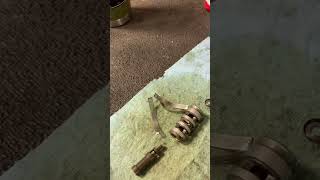
✅ What actually fixed it A VCT solenoid had failed internally; a small piece of an internal control ring had broken off and was jamming the spool valve, preventing it from moving correctly. Replacing all four VCT solenoids as a preventative measure fixed the codes and, surprisingly, also eliminated the cold start rattle.
OEM Part Supersession History
7T4Z-6M280-A, 7T4Z-6M280-AA, 7T4Z-6M280-B→7T4Z-6M280-C— Standard part revision and consolidation by the manufacturer.
Heads up: The different original part numbers (A, B, C) were sometimes designated for specific cam positions (intake/exhaust) on earlier 3.5L engines, but the 'C' revision is now commonly sold as the replacement for all positions on many applications. Always verify fitment with the vehicle's VIN.
Model Year Variations Within This Range
- 2015-2019: These 5th generation models primarily used the 3.5L V6 naturally aspirated and 3.5L EcoBoost V6 engines, where this code is most commonly documented.
- 2020: The 2020 model year marked a new generation on a RWD platform. The 3.5L V6 was replaced by a standard 2.3L I4 Turbo and optional 3.0L V6 EcoBoost and 3.3L V6 Hybrid engines. While these engines also use VCT technology and can experience similar codes, the specific parts and diagnostic procedures may differ from the 3.5L V6.
Helpful Videos
Used OEM Parts in Stock
New Aftermarket Parts Available


The information in this article is provided for general reference and educational purposes only. Vehicle specifications, procedures, and part compatibility can vary by production date, trim level, and region. Always consult your vehicle's factory service manual and verify part numbers before purchasing or performing repairs. Safety-critical components such as airbags, seat belts, and braking systems should be installed by a qualified professional.
- Ford EXPLORER:
- 🧭 Diagnostic Flowchart
- 🎬 Helpful Videos
- 🛍️ Shop This Part
- What's Unique About the 2015-2020 Ford EXPLORER
- Symptoms You May Notice
- Most Likely Causes
- Rare But Worth Checking
- Diagnosis Steps
- Parts You'll Likely Need
- Related Codes That Often Appear With This One
- Technical Service Bulletins (TSBs) & Recalls
- Platform-Specific Known Issues
- Mechanic-Grade Diagnostic Values
- Scan Tool Commands That Help
- Wiring & Ground Locations
- Real Owner Repair Stories
- OEM Part Supersession History
- Model Year Variations Within This Range
- 🎟️ Get 5% Off