

P0025 on 2015-2018 Ford Focus: Causes and Fixes for Exhaust Camshaft Timing
On a 2015-2018 Ford Focus with the 2.0L engine, code P0025 is almost always caused by a sticking exhaust VCT solenoid or low/dirty engine oil. The most common fix is to change the oil and replace the exhaust VCT solenoid, which costs about $40-$90 for the part. This is a common issue across many Ford vehicles with Ti-VCT engines.
- First, check your engine oil. Low or dirty oil is a primary cause of P0025.
- The most likely failed part is the exhaust VCT solenoid, which gets stuck.
- A smart DIY diagnostic is to swap the intake and exhaust solenoids to see if the trouble code follows the part.
- On the 2.0L Focus engine, you must remove the valve cover to access and replace the VCT solenoids.
- Do not replace the camshaft position sensor; it is rarely the cause of this specific code.
What's Unique About the 2015-2018 Ford FOCUS
The 2015-2018 Focus uses a Twin Independent Variable Camshaft Timing (Ti-VCT) system that is sensitive to oil quality and cleanliness. Ford has issued Technical Service Bulletins (like SSM 50067) acknowledging that small debris in the oil can cause the VCT solenoids to stick, leading directly to this code. While the generic code definition mentions 'Bank 2', on the Focus's inline-4 engine (which has only one bank), this code specifically points to the exhaust camshaft timing. The intake camshaft equivalent is P0015.
Diagnostic Flowchart
Tap your situation to follow the diagnostic path that matches what you're seeing on this vehicle.
Symptoms You May Notice
- Check Engine Light is on
- Rough or unstable idle
- Reduced engine power and poor acceleration
- Hesitation when accelerating
- Decreased fuel economy
- Engine may be hard to start
- Stalling at low speeds or when stopping.
- Rattling noise from the engine, especially on startup.
- Replacing the camshaft position sensor. The sensor is almost always doing its job correctly by reporting the timing error. The problem lies within the mechanical VCT system (oil, solenoid, or phaser), not the sensor itself.
Most Likely Causes
- Low or Dirty Engine Oil 🔴 High Probability The Ti-VCT system is hydraulic and extremely sensitive to oil pressure and cleanliness. Ford TSBs confirm that debris or sludge from neglected oil changes can clog the fine mesh screens on the VCT solenoids, causing them to stick.
How to confirm: Check the oil level on the dipstick and examine its color and consistency. If the level is low or the oil is dark, sludgy, or past its recommended change interval, this is a primary suspect.
Typical fix: Perform an engine oil and filter change using the manufacturer-specified 5W-20 synthetic blend oil. Clear the codes and perform a drive cycle to see if the code returns.
Est. part cost: $30-$60 - Failing Exhaust VCT Solenoid (Oil Control Valve) 🔴 High Probability → Shop Engine Variable Valve Timing (VVT) Solenoid As noted in TSB SSM 50067, these solenoids can stick due to small debris in the engine oil, preventing them from correctly adjusting camshaft timing. This is the most common component failure for this code.
How to confirm: A reliable diagnostic step is to swap the intake and exhaust VCT solenoids, as they are identical. If the code changes to P0015 (Intake Camshaft Over-Retarded), the solenoid is confirmed to be faulty. They can also be tested with a scan tool that can command them to cycle (as recommended in TSB SSM 50067) or by checking their internal resistance with a multimeter (should be 6.9-7.9 ohms).
Typical fix: Replace the exhaust VCT solenoid. On the 2.0L engine, this requires removing the valve cover to access the part. It is highly recommended to replace the valve cover gasket at the same time.
Est. part cost: $40-$90 - Damaged Wiring or Connector for VCT Solenoid ⚪ Low Probability → Shop Engine Variable Valve Timing (VVT) Solenoid
How to confirm: Visually inspect the wiring harness leading to the VCT solenoids on top of the engine for any signs of fraying, melting, or corrosion at the connector pins. Check for oil contamination inside the connector.
Typical fix: Repair the damaged section of the harness or replace the connector pigtail.
Est. part cost: $15-$40 - Failing Camshaft Phaser ⚪ Low Probability → Shop Engine Camshaft While less common, the phaser (the gear on the end of the camshaft) can fail mechanically, especially at higher mileage or with a history of poor oil maintenance. The internal locking pin can fail or passages can become clogged.
How to confirm: This is typically diagnosed after ruling out the oil and VCT solenoid. It may cause a distinct rattling noise on startup. Diagnosis requires a more in-depth mechanical inspection of the timing components, often with an oscilloscope to graph cam vs. crank signals.
Typical fix: Replace the exhaust camshaft phaser, which is a significant labor-intensive job involving the timing chain. The cam bolts are torque-to-yield and must be replaced.
Est. part cost: $100-$250
Rare But Worth Checking
- Stretched Timing Chain or Failed Tensioner: → Shop Engine Timing Chain While less common, if the vehicle has very high mileage or a poor maintenance history, a stretched timing chain can cause the cam timing to be off enough to set this code. This is usually accompanied by rattling noises, especially on cold starts.
- Clogged Oil Passages: Severe engine sludge can block the oil passages that feed the VCT solenoids and phasers. If replacing the solenoid doesn't fix the issue, this could be the cause, often requiring a more intensive engine cleaning or flush.
- Powertrain Control Module (PCM) Fault: In very rare cases, the PCM itself can be the source of the problem, but all other possibilities should be exhausted before considering PCM replacement.
Diagnosis Steps
- Check Engine Oil: Verify the oil level is correct and the oil is clean. If low or dirty, perform an oil and filter change with 5W-20 oil, clear the code, and see if it returns. This is the cheapest and easiest first step.
- Scan for Other Codes: Check for any other related DTCs that could provide more clues, such as misfire codes or other VCT codes.
- Inspect Wiring: Examine the connectors and wiring for both VCT solenoids on top of the valve cover. Look for damage, corrosion, or oil saturation.
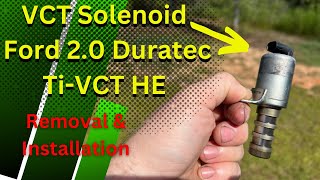
- Swap VCT Solenoids: The intake and exhaust VCT solenoids are identical (Part No. CJ5Z-6M280-A). Label them, swap their positions, clear the codes, and drive the vehicle. If the code changes to P0015 (Intake side), you have confirmed the solenoid you moved is bad. This is the most definitive DIY diagnostic test. 🎬 See this walkthrough on how to replace your VVT solenoids.
- (Optional) Command Solenoid with Scan Tool: As per TSB SSM 50067, a capable scan tool can be used to command the solenoid to cycle 10 times. This may dislodge debris and temporarily fix the issue, which also confirms the solenoid was sticking.
- Replace VCT Solenoid: If the solenoid is confirmed bad, replace it. This requires removing the valve cover on the 2.0L engine. Always install a new valve cover gasket kit during this procedure.
- Advanced Mechanical Checks: If the problem persists after replacing the solenoid, the issue may be a clogged oil passage, a faulty camshaft phaser, or a stretched timing chain. These require more advanced mechanical diagnosis, potentially with an oscilloscope or timing tools.
Parts You'll Likely Need
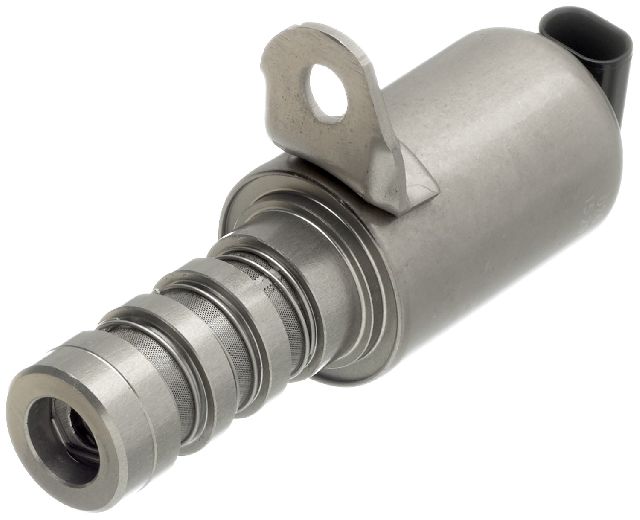
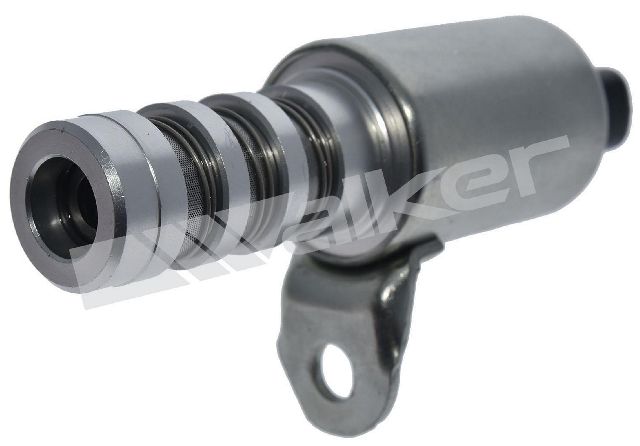
- Engine Variable Valve Timing (VVT) Solenoid
(OEM #CJ5Z-6M280-A)— This solenoid is the most common point of failure for code P0025, often getting stuck due to oil debris as noted in Ford TSBs. Both intake and exhaust solenoids use the same part number.
Trusted brands: Motorcraft, Dorman, Standard Motor Products, NGK
OEM price range: $60-$90
Aftermarket price range: $40-$70 - Valve Cover Gasket Kit
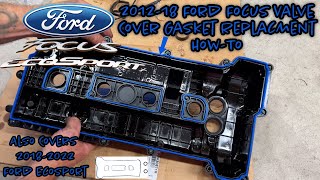
(OEM #CM5Z-6584-A (Gasket Only) or part of a larger kit)— Required for replacing the VCT solenoids on the 2.0L GDI engine, as the valve cover must be removed for access. It is best practice to replace the gasket anytime the cover is removed to prevent future oil leaks. 🎬 Watch: Step-by-step guide to replacing the valve cover gasket. A full valve cover replacement is part number CM5Z-6582-AH for some model years.
Trusted brands: Motorcraft, Fel-Pro, Mahle
OEM price range: $40-$60
Aftermarket price range: $25-$45
Related Codes That Often Appear With This One
- P0015 — This code is for 'B' Camshaft Position - Timing Over-Retarded (Bank 1). On the Focus, this points to the intake camshaft. If you swap a faulty exhaust solenoid to the intake side for diagnosis, P0025 will be replaced by P0015, confirming the solenoid is bad.
- P0024 — This code is for 'B' Camshaft Position - Timing Over-Advanced (Bank 2). It's possible to see this code along with P0025 if the VCT system is behaving erratically or the solenoid is sticking intermittently in different positions.
- P0019 — Crankshaft Position - Camshaft Position Correlation Bank 2 Sensor B. This code can appear alongside P0025 because if the exhaust cam timing is incorrect, its correlation to the crankshaft position will also be flagged as incorrect.
Technical Service Bulletins (TSBs) & Recalls
- SSM 50067: VCT solenoid sticking due to debris.
- SSM 54366: Updated diagnostic procedures for VCT codes. [NHTSA]
- SSM 47170: An earlier TSB that also mentions debris causing VCT solenoids to stick across various Ford models.
Platform-Specific Known Issues
- TSB SSM 50067: States that DTCs P0011, P0012, P0014, P0015, P0021, P0022, P0024 and/or P0025 may be caused by small debris causing the VCT solenoid to stick. It advises against immediate component replacement, instead recommending using a scan tool to cycle the affected solenoid 10 times to attempt to clear the debris.
- TSB SSM 54366: Notes that the pinpoint diagnostic tests for this family of VCT codes have been updated in the official workshop manual, indicating this is a well-documented and common issue for Ford. [NHTSA]
- Owner Experience: Many owners on forums like focusfanatics.com and Reddit report that the solenoid swap test is the easiest way to confirm the failure. A significant number of users report that a simple oil change with the correct 5W-20 oil can resolve the code, reinforcing the system's sensitivity to oil condition.
Mechanic-Grade Diagnostic Values
- VCT Solenoid Internal Resistance — expected: 6.9 to 7.9 ohms at 68°F (20°C). Some sources state a wider range of 7 to 14 ohms is acceptable.. Failure: A reading of infinity (OL) indicates an open circuit, while a very low reading suggests a short. A reading outside the specified range indicates a faulty solenoid.
- VCT Solenoid Power Supply Voltage — expected: Battery voltage (approx. 12V) at Pin 1 of the solenoid connector with the key on.. Failure: No voltage suggests a wiring issue, a blown fuse (related to the PCM power relay), or a problem with the PCM power relay itself.
- FORScan Live Data PID: VCT_EXH_ERR (Bank 2 Exhaust Cam Error) — expected: Should hover close to 0 degrees at idle and during steady-state driving.. Failure: Consistently high positive or negative values, or values that do not respond to changes in engine RPM, indicate a timing control problem. Large, erratic swings can point to a sticking solenoid or failing phaser.
- FORScan Live Data PID: VCT_EXH_DIF (Bank 2 Exhaust Difference) — expected: This value should be minimal and stable, typically less than +/- 1 degree at hot idle.. Failure: Large, unstable swings (e.g., +/- 40 degrees) indicate the VCT system has lost control of the camshaft position, often due to a misbehaving solenoid.
Scan Tool Commands That Help
- Ford IDS / FORScan: VCT Solenoid On/Off Command or Duty Cycle Control — As mentioned in TSB SSM 50067, this bidirectional control is used to cycle the solenoid multiple times (e.g., 10 times) with the engine off to dislodge small debris that may be causing it to stick. If cycling the solenoid temporarily resolves the code, it confirms the solenoid was the issue.
Wiring & Ground Locations
- VCT11 / VCT12 Solenoid Connectors — On top of the valve cover, plugging directly into the solenoids. The exhaust solenoid is typically the one closer to the exhaust manifold (rear of the engine bay).. This is the primary point for electrical testing. The connector's plastic lock can become brittle. Oil can seep into the connector, causing a poor connection. The wiring harness must be pulled up and over studs to remove the valve cover for solenoid replacement.
- G107 Ground — Right side of the engine compartment.. A poor engine ground can cause erratic behavior in PCM-controlled components like the VCT solenoids, leading to timing codes even if the solenoid itself is functional. Ensuring this ground is clean and tight is a valid diagnostic step.
- VCT Solenoid Connector Pinout — At the solenoid connector itself.. Pin 1 is the 12V power supply (often a White/Brown wire), and Pin 2 is the pulsed ground control from the PCM (often a Green/Violet wire). Knowing this is essential for testing the circuit correctly with a multimeter.
Real Owner Repair Stories
- Ford F150 Forum user (discussing similar 5.0L VCT system) (Ford F-150 with P0022 (Bank 2 Intake Over-Retarded)) — Engine misfire, harsh shifting, shuddering, and occasional stalling, but only after the engine gets very hot (2+ hours of highway driving).
❌ Tried (didn't work) Initial diagnosis was difficult as the issue was intermittent and only occurred when hot.
✅ What actually fixed it Analysis of FORScan live data showed the VCT_INT_DIF2 (Intake Cam Position Difference) swinging wildly by over 40 degrees when the symptoms occurred, while the other bank was stable. This pointed directly to a faulty VCT solenoid on Bank 2, as the PCM was losing control of the cam angle. The fix was to replace the Bank 2 solenoids.
OEM Part Supersession History
CM5Z-6582-AH→CM5Z-6582-N— Part revision by manufacturer.
Heads up: This is for the entire valve cover assembly, which is sometimes replaced due to warping or damage during solenoid service. The VCT solenoids themselves (CJ5Z-6M280-A) do not appear to have major supersessions within this vehicle's year range.
Model Year Variations Within This Range
- 2015-2018: The 2.0L GDI Ti-VCT engine and its VCT system remained largely consistent throughout this period. The primary variation owners should be aware of is not in the engine itself, but in the automatic transmission (DPS6 PowerShift), which has a well-documented history of problems. Vehicles with the 5-speed manual transmission are generally considered more reliable. The engine itself is viewed as robust.
Helpful Videos
![How to Fix P0025 Engine Code in 4 Minutes [2 DIY Methods / Only $6.99]](https://img.youtube.com/vi/7E-oYdoFAfM/mqdefault.jpg)
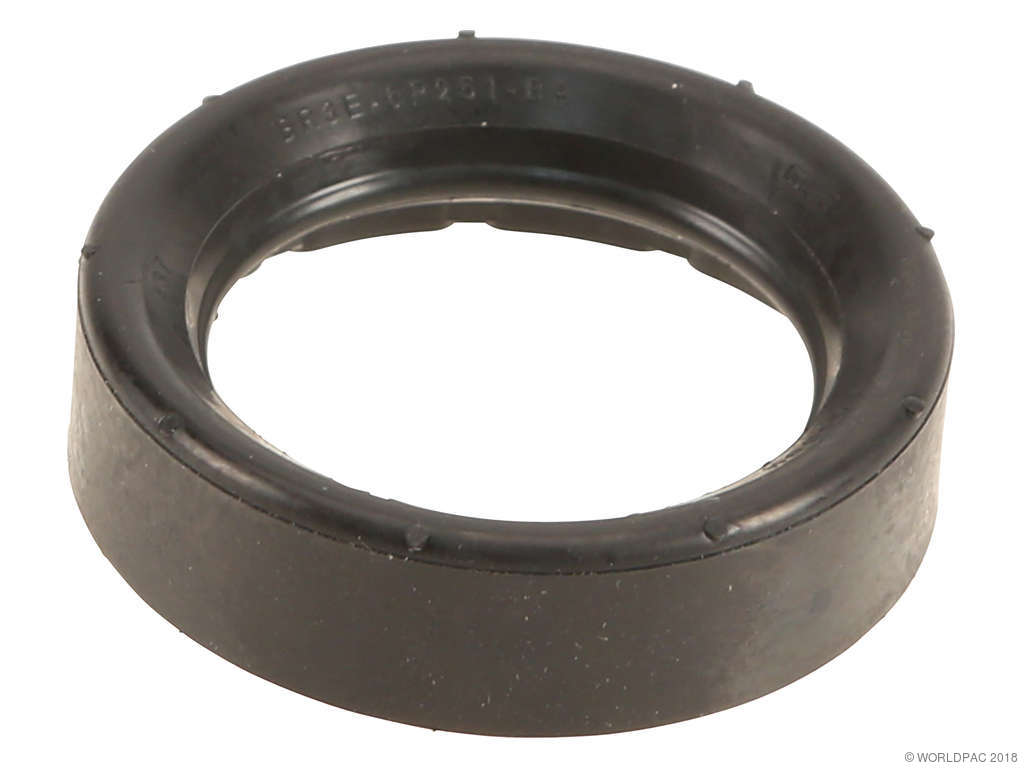
We Have This Part in Stock


The information in this article is provided for general reference and educational purposes only. Vehicle specifications, procedures, and part compatibility can vary by production date, trim level, and region. Always consult your vehicle's factory service manual and verify part numbers before purchasing or performing repairs. Safety-critical components such as airbags, seat belts, and braking systems should be installed by a qualified professional.
- Ford FOCUS:
- 🧭 Diagnostic Flowchart
- 🎬 Helpful Videos
- 🛍️ Shop This Part
- What's Unique About the 2015-2018 Ford FOCUS
- Symptoms You May Notice
- Most Likely Causes
- Rare But Worth Checking
- Diagnosis Steps
- Parts You'll Likely Need
- Related Codes That Often Appear With This One
- Technical Service Bulletins (TSBs) & Recalls
- Platform-Specific Known Issues
- Mechanic-Grade Diagnostic Values
- Scan Tool Commands That Help
- Wiring & Ground Locations
- Real Owner Repair Stories
- OEM Part Supersession History
- Model Year Variations Within This Range
- 🎟️ Get 5% Off