

P0025 on 2017-2019 Ford Fusion Sport: 2.7L EcoBoost Exhaust Cam Timing Fixes
On a 2017-2019 Ford Fusion Sport with the 2.7L V6, code P0025 almost always points to a faulty exhaust VCT (Variable Camshaft Timing) solenoid for Bank 2, located on the front valve cover (closer to the radiator). This is often caused by dirty engine oil or simple solenoid failure. Replacing the solenoid is a common DIY fix costing between $30 and $80 for the part.
- P0025 on a 2015-2020 Fusion is specific to the 2017-2019 Fusion Sport with the 2.7L V6 engine.
- The most likely cause is a sticking exhaust VCT solenoid on the driver's side of the engine (Bank 2).
- Always check your engine oil level and condition first; low or dirty oil is a primary trigger for VCT problems.
- Replacing the VCT solenoid is an affordable and accessible DIY repair that often solves the problem.
- Do not immediately assume a major timing chain issue; diagnose the simple and common causes first.
What's Unique About the 2015-2020 Ford FUSION
This code is highly specific to the Ford Fusion Sport models (2017-2019), as they were the only Fusions in this year range equipped with the 2.7L EcoBoost V6 engine. The more common 1.5L, 2.0L, and 2.5L four-cylinder engines only have one cylinder bank and therefore cannot generate a 'Bank 2' code like P0025. Ford has issued Technical Service Bulletins (TSBs) like SSM 50067 that specifically mention P0025 on these engines, noting that debris in the oil can cause the VCT solenoid to stick, making it a well-documented issue. This problem is also common on other Ford and Lincoln vehicles using the same 2.7L engine, such as the Ford Edge Sport and Lincoln MKZ.
🎬 Watch: Learn about common issues on the Ford Edge platform.Diagnostic Flowchart
Tap your situation to follow the diagnostic path that matches what you're seeing on this vehicle.
Symptoms You May Notice
- Check Engine Light is on
- Rough or unstable idle, sometimes stalling at stops
- Reduced engine power and poor acceleration
- Decreased fuel economy
- Engine may be hard to start
- Engine rattling or ticking noises, especially at idle
- Replacing the camshaft position sensor. While it reports the timing, it rarely causes an over-retarded condition. The problem is usually with the components that control the timing (solenoid, phaser).
- Performing a full timing chain and phaser replacement before properly diagnosing the VCT solenoids and oil condition, which are far more common and cheaper to fix.
Most Likely Causes
- Dirty or Low Engine Oil 🔴 High Probability The VCT system is hydraulic and extremely sensitive to oil pressure and cleanliness. TSB SSM 50067 directly points to debris in the oil as a cause for VCT solenoid issues. Using oil that does not meet the Ford WSS-M2C946-A or WSS-M2C946-B1 specification can accelerate varnish buildup.
How to confirm: Check the oil dipstick for proper level and clarity. If the oil is dark, gritty, or below the 'add' line, this is the first step. An oil change is the cheapest and easiest first diagnostic step.
Typical fix: Perform an oil and filter change using a full synthetic oil meeting the correct Ford specification (typically SAE 5W-30 for the 2.7L EcoBoost) and a quality filter.
Est. part cost: $40-$80 - Faulty Exhaust VCT Solenoid (Bank 2) 🔴 High Probability → Shop Engine Variable Valve Timing (VVT) Solenoid As noted in TSB SSM 50067, these solenoids can stick due to small debris. It's the most common component failure for this code, with numerous owner reports on forums confirming it as the fix.
How to confirm: Use a scan tool to command the solenoid on and off while monitoring cam position data. A simpler and very effective method is to swap the Bank 2 exhaust solenoid with the Bank 2 intake solenoid (they are identical parts). Clear the codes. If the code changes to P0021 (Intake Camshaft Position Timing - Bank 2), the solenoid is confirmed bad.
Typical fix: Replace the Bank 2 exhaust VCT solenoid. It is located on the front valve cover (radiator side) and is typically held in by a single 8mm or 10mm bolt. 🎬 Watch: See how to replace VVT solenoids on this engine.
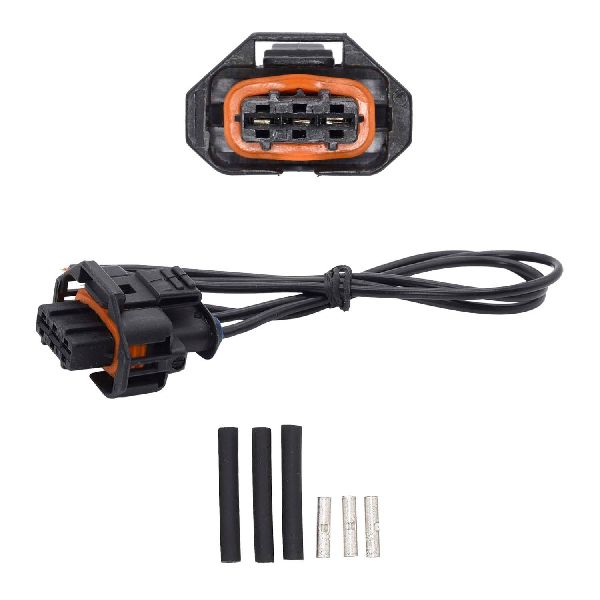
Est. part cost: $30-$80 - Wiring or Connector Issue at VCT Solenoid ⚪ Low Probability → Shop Engine Variable Valve Timing (VVT) Solenoid Oil can sometimes leak from the solenoid's seal and contaminate the electrical connector, causing a poor connection.
How to confirm: Visually inspect the wiring harness and connector leading to the Bank 2 exhaust VCT solenoid for any signs of damage, corrosion, or oil saturation. Use a multimeter to check for proper voltage and ground at the connector with the key on.
Typical fix: Clean the oil out of the connector with electrical contact cleaner and ensure a snug fit. Repair any damaged wiring.
Est. part cost: $5-$50 - Failed Camshaft Phaser ⚪ Low Probability → Shop Engine Camshaft While less common than a solenoid failure, the mechanical phaser itself can fail, getting stuck in the retarded position, especially on higher mileage engines or those with a history of infrequent oil changes.
How to confirm: This is an advanced diagnosis. If a new solenoid and clean oil do not fix the issue, and wiring is confirmed good, the timing cover may need to be removed to inspect the phaser and timing chain. This is usually a job for a professional.
Typical fix: Replace the camshaft phaser, which is a significant labor-intensive job.
Est. part cost: $100-$250
Rare But Worth Checking
- Stretched Timing Chain: → Shop Engine Timing Chain While rare on its own, a stretched timing chain can cause camshaft timing to be out of sync with the crankshaft, triggering this code. This is usually accompanied by rattling noises on startup and would likely trigger other timing correlation codes (like P0019) as well.
- Powertrain Control Module (PCM) Fault: This is extremely rare. The PCM should only be considered as the cause after all other possibilities (oil, solenoids, wiring, mechanical timing) have been exhaustively ruled out.
Diagnosis Steps
- Verify Oil Level and Condition: Check the dipstick. If the oil is low or dirty, perform an oil and filter change with the manufacturer-specified full synthetic oil (e.g., 5W-30). Clear the code and see if it returns. This is the cheapest first step.
- Scan Tool Analysis: Use an OBD-II scanner to monitor the desired vs. actual camshaft position for the Bank 2 exhaust cam. A significant and persistent lag between the desired and actual values confirms the timing issue.
- Inspect VCT Solenoid Connector: Check the electrical connector and wiring for the Bank 2 exhaust VCT solenoid (on the front valve cover) for damage, corrosion, or a loose connection. Ensure it is free of oil.
- Test the VCT Solenoid (Swap Method): The easiest and most definitive test is to swap the exhaust VCT solenoid with the intake VCT solenoid on the same bank (Bank 2). They are identical parts (FT4Z-6M280-C). They are each held in by a single 8mm or 10mm bolt. After the swap, clear the codes and run the engine. If the code changes to P0021 (Intake Over-Retarded, Bank 2), you have confirmed the solenoid is faulty.
- Test the VCT Solenoid (Electrical Method): Per TSB SSM 50067, a scan tool can be used to command the solenoid to cycle 10 times to try and clear debris. Alternatively, you can apply 12V directly to the solenoid's pins to listen for an audible click, indicating mechanical operation. 🎬 Watch: How to tell if your VVT solenoid is bad.
- Advanced Mechanical Diagnosis: If a new solenoid and clean oil do not fix the issue, the problem may be mechanical. This involves inspecting the camshaft phaser and timing chain, which typically requires professional service and removal of the engine's front cover.
Parts You'll Likely Need
- Variable Camshaft Timing (VCT) Solenoid
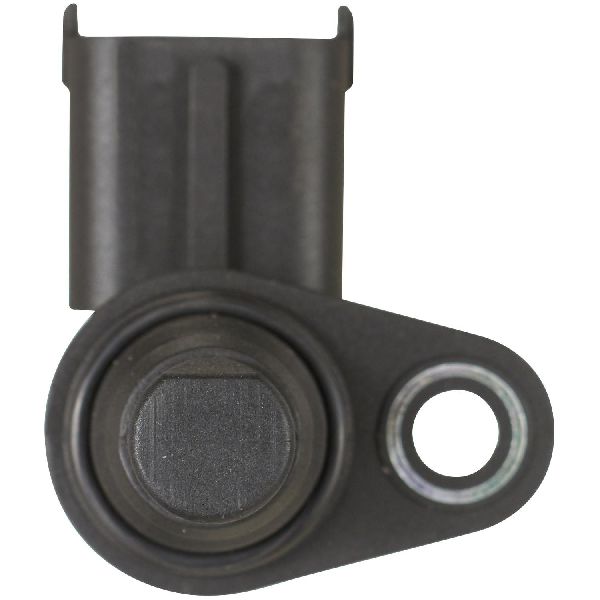
(OEM #FT4Z-6M280-C)— This is the most frequent failure point for code P0025 on this engine, as documented by TSBs and countless owner forums. It controls oil flow to the cam phaser and is prone to sticking from oil debris. The same part is used for both intake and exhaust solenoids.
Trusted brands: Motorcraft, Dorman
OEM price range: $50-$90
Aftermarket price range: $30-$60
Related Codes That Often Appear With This One
- P0019 — Crankshaft Position - Camshaft Position Correlation Bank 2 Sensor B - This code often appears with P0025 because if the exhaust cam is stuck retarded, its correlation with the crankshaft will also be incorrect.
- P054D — Cold Start 'B' Camshaft Position Timing Over-Retarded (Bank 2) - A more specific version of P0025 that points to the issue occurring during cold starts, often a strong indicator of oil flow problems or a sticky solenoid before it has warmed up.
- P0300, P0304, P0305, P0306 — Random/Multiple Misfire Detected, and misfires on cylinders 4, 5, and 6 (Bank 2). Incorrect exhaust cam timing on Bank 2 can disrupt the combustion process for all cylinders in that bank, leading to misfires.
- P0024 — 'B' Camshaft Position - Timing Over-Advanced (Bank 2) - This can appear if the VCT solenoid is sticking intermittently, causing both over-retarded and over-advanced conditions at different times.
Technical Service Bulletins (TSBs) & Recalls
- SSM 50067: Notes that P0025 may be due to small debris causing the VCT solenoid to stick and advises diagnosis, including cycling the solenoid, before component replacement.
- SSM 54366: Mentions an update to the pinpoint diagnostic tests in the workshop manual for a group of VCT codes including P0025.
Platform-Specific Known Issues
- Real-World Repair Story: An owner of a 2017 Fusion Sport experienced a rough idle, stalling at red lights, and a check engine light with codes P0025 and P0019. Following advice from online forums, the owner first performed an oil change, which did not resolve the issue. The next step was to swap the Bank 2 (front) intake and exhaust VCT solenoids. After clearing the codes and driving, a new code, P0021, appeared. This confirmed the original exhaust solenoid was faulty. The owner purchased a new Motorcraft solenoid (FT4Z-6M280-C), installed it in the exhaust position, and the problem was resolved.
- TSB SSM 50067: Notes that P0025 can be caused by small debris causing the VCT solenoid to stick. It recommends using a scan tool to cycle the affected solenoid 10 times to attempt to clear the debris before replacing the component.
- TSB SSM 54366: This bulletin indicates that the official diagnostic procedure, Pinpoint Test HK, was updated in the workshop manual for a group of VCT-related codes including P0025. This suggests mechanics should refer to the latest version of the service manual for the most accurate testing steps.
Mechanic-Grade Diagnostic Values
- VCT Solenoid internal resistance — expected: 6.9 to 7.9 Ohms at 68°F (20°C). Failure: An open circuit (infinite resistance) or a reading outside the specified range indicates a faulty solenoid coil.
- Voltage at VCT Solenoid Connector (Key On, Engine Off) — expected: Greater than 10.5 Volts. Failure: Voltage below 10.5V indicates an open or short in the power supply (VPWR) circuit leading to the solenoid.
- Scan Tool PID: VCT_EXH_DIF2 (Bank 2 Exhaust Camshaft Timing Error) — expected: Close to 0 degrees at stable idle. Failure: Large, persistent, or slow-to-correct deviations from 0 indicate a problem. For example, if the PCM commands a 10-degree retard and the actual position lags significantly or overshoots, it points to a sticking solenoid or phaser issue.
Scan Tool Commands That Help
- FORScan: VCT..._CMD (Variable Cam Timing Commanded Percentage) & VCT..._ERR (Variable Cam Timing Error in degrees) — Use the live data (oscilloscope) mode in FORScan to graph the commanded VCT duty cycle versus the actual camshaft angle error. A healthy solenoid will show the error (ERR) quickly returning to near zero after the command (CMD) changes. A slow response or large, lingering error value points to a sticking solenoid or oil flow issue.
- Ford IDS (or high-end scan tool): VCT Solenoid On/Off State Command — This is the bidirectional test mentioned in TSB SSM 50067. It allows a technician to command the solenoid to cycle on and off multiple times (e.g., 10 times) with the engine running to potentially dislodge small debris causing it to stick, possibly fixing the issue without part replacement.
Wiring & Ground Locations
- VCT Solenoid Connector — On the Bank 2 (front, radiator side) valve cover, connected to the top of the exhaust VCT solenoid.. This connector is the primary interface for the solenoid. It should be checked for oil contamination from a leaking solenoid seal, which can degrade the connection. The pins should be tested for power (VPWR circuit) and ground to rule out a wiring fault before condemning the solenoid.
- Engine Harness Ground Points — Multiple ground points exist for the engine harness. One common area for chafing on Ford V6 engines is where the harness routes over the back of the engine or near the passenger side inner fender/splash shield.. A single damaged wire in the main harness, particularly a sensor ground or power wire, can cause multiple, seemingly unrelated codes, including VCT faults. A visual inspection for wires rubbing against brackets or the chassis is a crucial step if multiple codes are present or if direct solenoid testing is inconclusive.
Real Owner Repair Stories
- Ford F150 Forum (with 2.7L EcoBoost) (2015-2020 Ford F-150 with 2.7L EcoBoost) — Engine misfire feel, harsh shifting, shudder after long highway drives. Rough idle and stalling at stops. Threw code P0022 (Bank 2 Intake, but same diagnostic principle).
❌ Tried (didn't work) Initial diagnosis was uncertain between VCT solenoid and the more expensive cam phaser.
✅ What actually fixed it The user analyzed FORScan data, specifically the VCT_INT_DIF2 PID (Cam timing error). The graph showed the timing was slow to react and would overshoot the commanded position. This behavior is characteristic of a sticking solenoid, not a completely failed mechanical phaser. Replacing the VCT solenoid resolved the issue. - YouTube (SmashingPunkFan) (2012 Ford F-150 with 3.5L EcoBoost (different engine, but demonstrates a critical wiring failure pattern)) — Nine different engine codes appeared at once after splashing through water. Loss of power, horrific engine sounds.
❌ Tried (didn't work) Checking all fuses., Checking individual sensors, which all tested good.
✅ What actually fixed it The owner found a single wire (navy blue with a brown stripe) in the main engine harness on the passenger side that had chafed against a metal bracket. When water splashed on the exposed wire, it shorted/grounded the circuit that powered multiple sensors. Repairing that one wire fixed all nine codes instantly without needing to clear the computer.
OEM Part Supersession History
FT4Z-6M280-A→FT4Z-6M280-B— Part revision by the manufacturer, likely for improved durability or material changes.
Heads up: The new part number FT4Z-6M280-B is a direct replacement for the older -A version and is fully compatible. Note: Some parts catalogs may show AT4Z-6M280-C, but this is typically for the 3.5L engine and may have a different connector color (blue), so verifying the part for the 2.7L is critical.
Model Year Variations Within This Range
- 2017-2019: The Ford Fusion Sport with the 2.7L V6 was only produced for the 2017, 2018, and 2019 model years. It was discontinued for the 2020 model year. There are no known major variations in the VCT system or common causes for P0025 within this 3-year production run.
Helpful Videos


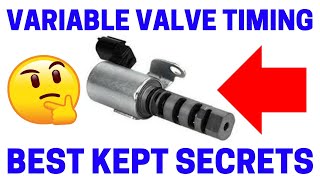
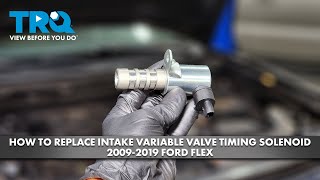
We Have This Part in Stock

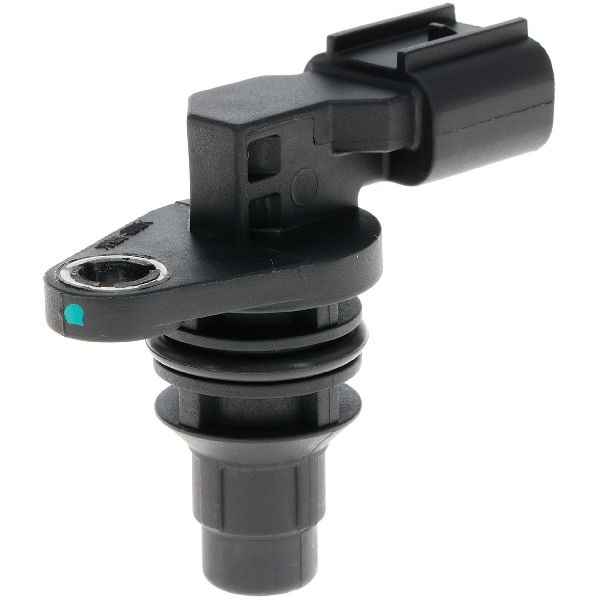
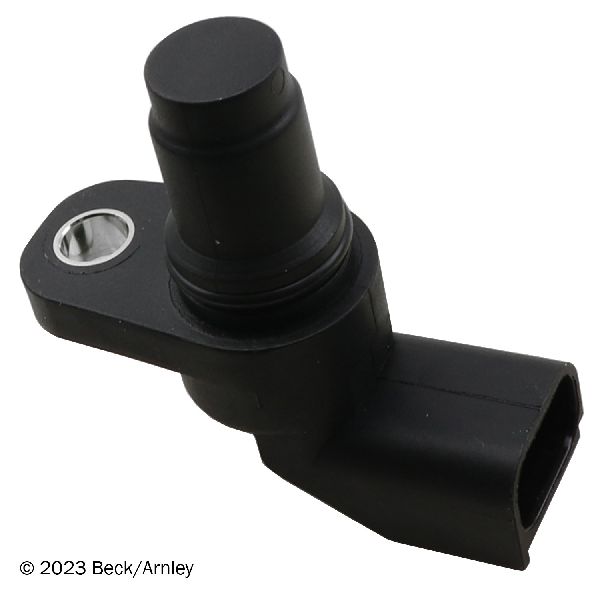

The information in this article is provided for general reference and educational purposes only. Vehicle specifications, procedures, and part compatibility can vary by production date, trim level, and region. Always consult your vehicle's factory service manual and verify part numbers before purchasing or performing repairs. Safety-critical components such as airbags, seat belts, and braking systems should be installed by a qualified professional.
- Ford FUSION:
- 🧭 Diagnostic Flowchart
- 🎬 Helpful Videos
- 🛍️ Shop This Part
- What's Unique About the 2015-2020 Ford FUSION
- Symptoms You May Notice
- Most Likely Causes
- Rare But Worth Checking
- Diagnosis Steps
- Parts You'll Likely Need
- Related Codes That Often Appear With This One
- Technical Service Bulletins (TSBs) & Recalls
- Platform-Specific Known Issues
- Mechanic-Grade Diagnostic Values
- Scan Tool Commands That Help
- Wiring & Ground Locations
- Real Owner Repair Stories
- OEM Part Supersession History
- Model Year Variations Within This Range
- 🎟️ Get 5% Off