

P0026 on 2013-2015 Jaguar XF: VVT Solenoid Fault or Major Timing Problem?
On 3.0L V6 and 5.0L V8 engines, P0026 often points to a failing intake VVT solenoid on Bank 1, costing ~$150-$350 to replace. However, it can also be an early warning of serious timing chain guide wear, a repair that can exceed $4,000. Always check oil level and for a cold-start rattle first, as low/dirty oil is a primary cause of VVT system issues.
- P0026 on a V6/V8 Jaguar XF requires immediate attention and should not be ignored.
- Always start diagnosis by checking the engine oil level and condition.
- Listen for a 2-5 second rattle when starting the engine cold; its presence strongly suggests a developing timing chain problem.
- A simple solenoid swap is a good diagnostic step, but be prepared for the possibility of a much larger mechanical issue.
- If you own the 2.0L 4-cylinder model, the cause is more likely a failed VVT actuator (phaser) per a manufacturer TSB.
What's Unique About the 2013-2015 Jaguar XF
While P0026 can be a simple solenoid failure on any car, on the Jaguar 3.0L V6 (AJ126) and 5.0L V8 (AJ133) engines, it must be taken more seriously. These engines are known for premature failure of their timing chain guides and tensioners. The original guides were made of aluminum with a plastic surface, which wears down under pressure from the steel tensioner plunger. This wear creates plastic and aluminum debris that contaminates the oil, clogging the fine mesh screens of the VVT solenoids and triggering a P0026 code as a symptom of the much larger, more expensive timing system problem. Therefore, this code should prompt an immediate check for other signs of timing failure, like a cold-start rattle.
Diagnostic Flowchart
Tap your situation to follow the diagnostic path that matches what you're seeing on this vehicle.
Symptoms You May Notice
- Check Engine Light illuminated
- Rough or erratic idle
- Lack of engine power and poor acceleration
- Engine may stall when coming to a stop
- A distinct metallic rattle or 'diesel-like' knock from the front of the engine lasting 2-5 seconds on a cold start. This is the sound of the slack timing chain before the oil-pressurized tensioner takes over.
- Increased fuel consumption
- Persistent low oil pressure warnings, even if the oil level is correct.
- Replacing only the VVT solenoid without checking for signs of timing chain wear. If the code returns shortly after, the underlying cause is likely mechanical timing failure or a clogged oil passage. One forum user reported replacing the solenoid under warranty, only to have the fault return immediately, indicating a deeper issue.
Most Likely Causes
- Low or Dirty Engine Oil 🔴 High Probability The VVT system is entirely dependent on clean oil at the correct pressure. Extended oil change intervals or using non-specified oil leads to sludge that clogs the small passages in the VVT solenoids and cam phasers.
How to confirm: Check the engine oil level and condition. If it is low, dark, or sludgy, this is a likely contributor. Multiple VVT codes appearing at once strongly suggest an oil level or pressure issue.
Typical fix: Perform an engine oil and filter change using Jaguar-specified full synthetic oil (e.g., SAE 0W-30 or 5W-30 meeting STJLR.03.5005 spec). Clear codes and see if the issue returns.
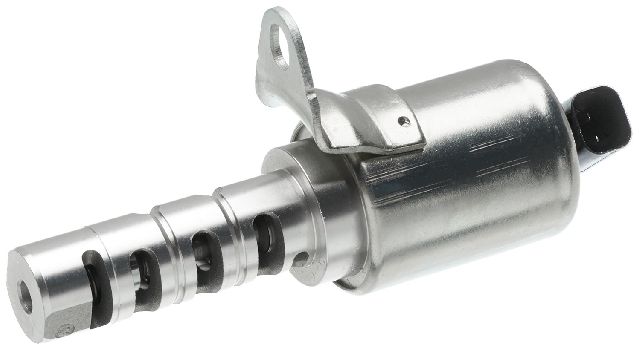
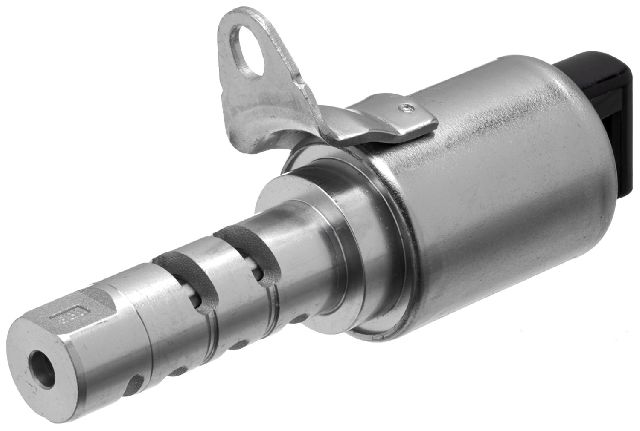
Est. part cost: $80-$150 - Failing Intake VVT Solenoid (Bank 1) 🔴 High Probability The solenoid itself can fail electrically or become mechanically stuck or clogged with debris from oil sludge or failing timing components.
How to confirm: Swap the Bank 1 intake solenoid with the Bank 2 intake solenoid. Clear the codes and run the engine. If the code changes to P0028 (the Bank 2 equivalent), the solenoid is confirmed faulty. The solenoids are located on the front of the valve covers.
Typical fix: Replace the Bank 1 intake VVT solenoid. The OEM part number is often cited as C2D51453 (or older C2Z28265 which may be a gasket).
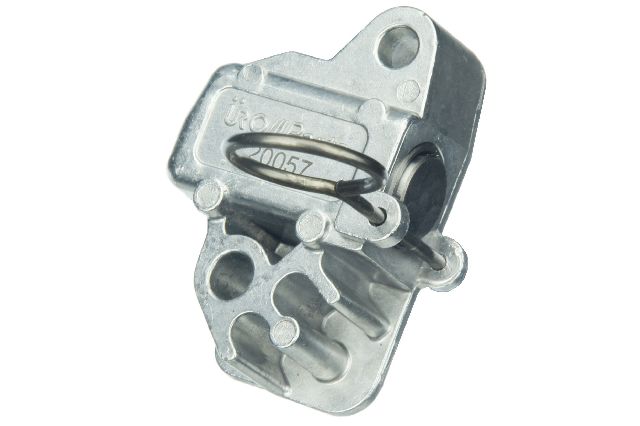
Est. part cost: $70-$180 - Worn Timing Chain, Guides, and Tensioners 🟡 Medium Probability → Shop Engine Timing Chain The AJ126 and AJ133 engines used aluminum timing chain guides that are known to wear down from the steel tensioner plunger, causing chain slack. This wear creates debris and sludge that can clog oil passages and the VVT solenoids. The updated guides have a steel insert to prevent this wear.
How to confirm: Listen for a distinct 2-5 second rattle on cold starts. Scan for accompanying codes like P0016 or P0017 (cam/crank correlation errors). An inspection of the oil filter for metallic or plastic debris can also be an indicator.
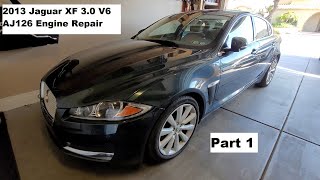
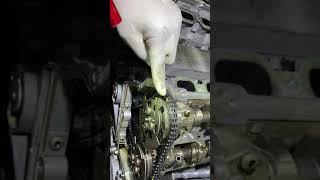
Typical fix: This is a major engine-out or front-cover-off repair requiring replacement of all timing chains, guides, and tensioners with the updated parts. This is a job for a professional specialist. TSB LTB00474 provides guidance on this repair. 🎬 Watch: A detailed teardown of the AJ126 engine repair process.
Est. part cost: $800-$1500
Rare But Worth Checking
- Damaged Wiring or Connector: The wiring harness to the VVT solenoid can become brittle from heat and vibration, causing an open or short circuit. Visually inspect the connector and wires leading to the Bank 1 intake solenoid before replacing parts.
- Clogged Camshaft Oil Passage / Filter: → Shop Engine Camshaft At the end of the camshaft, behind the VVT phaser, there is a small filter screen. This screen can become clogged with sludge or debris, starving the phaser of oil pressure and causing timing codes even if the solenoid is good. These should be inspected and cleaned during any major timing service.
- Failing Engine Control Module (ECM): This is extremely rare. The ECM should only be considered if all other possibilities, including mechanical timing, have been exhaustively ruled out by a professional.
Diagnosis Steps
- Check engine oil level and condition. Top up or change if necessary, using JLR-specified oil.
- Scan for all DTCs. Note if any correlation codes (P0016, P0017) or misfire codes are present, as this points strongly to a mechanical timing issue.
- Listen carefully for a metallic rattle from the front of the engine during a cold start. Record a video if possible for a mechanic to review.
- Inspect the wiring and connector for the Bank 1 (passenger side) intake VVT solenoid for any damage.
- Swap the Bank 1 intake VVT solenoid with the Bank 2 (driver side) intake VVT solenoid. Clear codes and see if the fault moves to Bank 2 (P0028). If it does, the solenoid is bad.
- If the code remains P0026 after the swap, the problem lies in the circuit or, more likely, a mechanical issue.
- Test the circuit for proper voltage and ground at the solenoid connector using a multimeter.
- If the solenoid and circuit are good, inspect the oil filter for plastic or metallic debris. Finding debris confirms a mechanical failure, likely the timing guides.
- If no definitive cause is found, the vehicle must be inspected by a specialist for timing chain, guide, and tensioner wear. This is a professional-level job.
Parts You'll Likely Need
- Intake Variable Valve Timing (VVT) Solenoid
(OEM #C2D51453 (supercedes C2Z28265, which may be a related gasket))— This is the component directly identified by the code and is a common failure point due to electrical fault or clogging.
Trusted brands: Genuine Jaguar, Bosch, Standard Motor Products
OEM price range: $120-$180
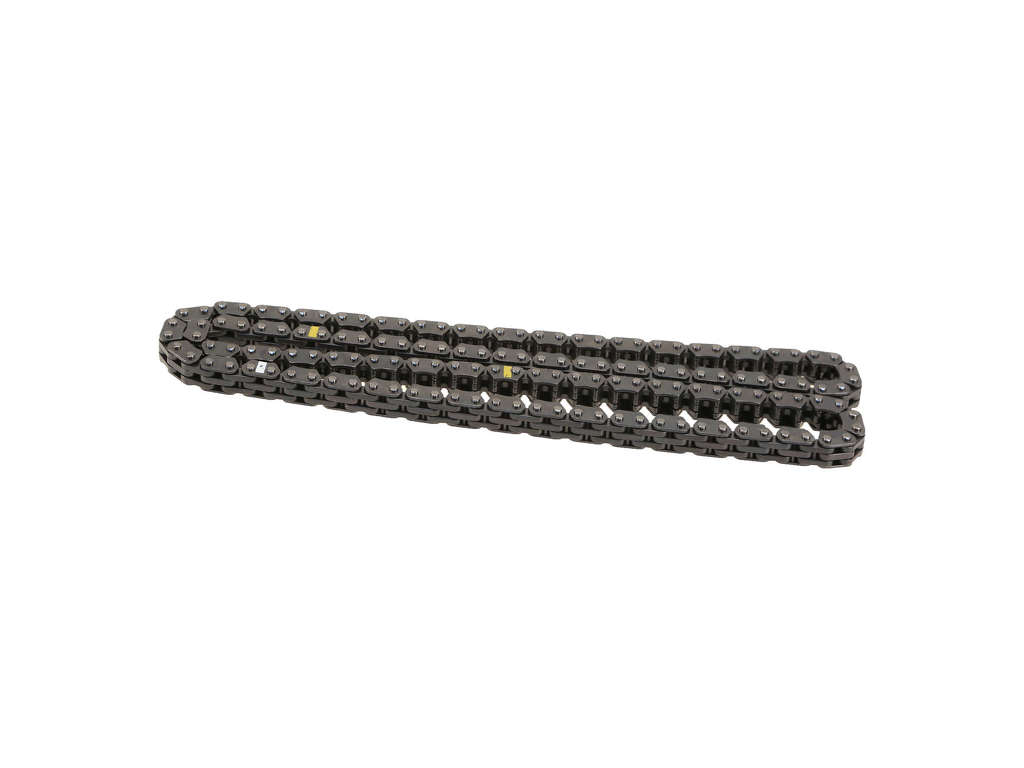
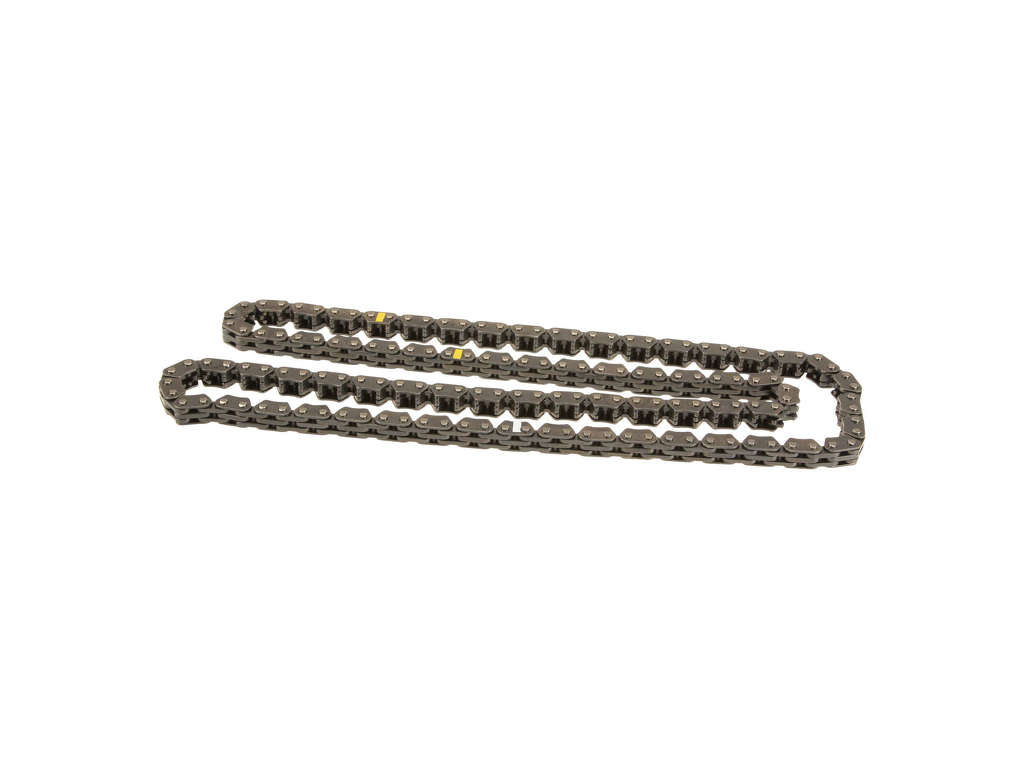
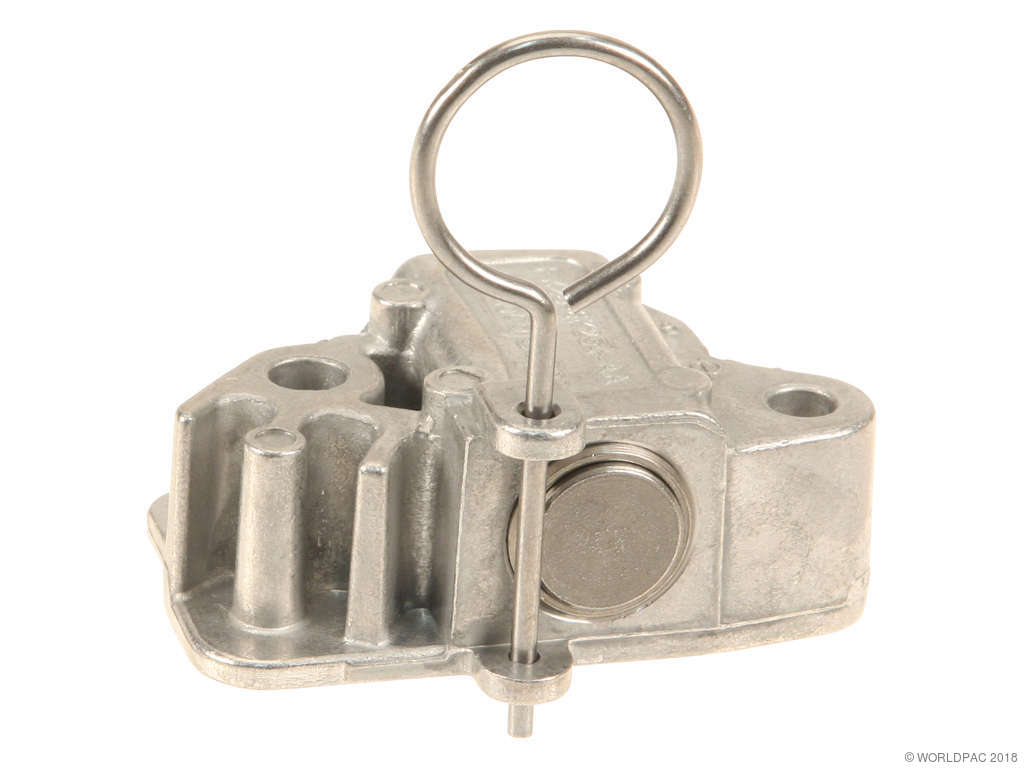
Aftermarket price range: $70-$110 - Timing Chain Kit (Chains, Guides, Tensioners)
(OEM #C2Z31666 (example kit number, confirm with VIN))— This is the necessary fix for the known timing system weakness on AJ126/AJ133 engines, which is often the root cause of VVT-related codes. The kit must include the updated guides with steel reinforcement. 🎬 See this walkthrough for timing chain and guide replacement.
Trusted brands: Genuine Jaguar Land Rover, INA
OEM price range: $800-$1500
Aftermarket price range: $500-$900
Related Codes That Often Appear With This One
- P0016 — Crankshaft/Camshaft Position Correlation Bank 1 Sensor 'A'. This code strongly suggests the timing chain has stretched or jumped a tooth due to guide/tensioner failure.
- P0017 — Crankshaft/Camshaft Position Correlation Bank 1 Sensor 'B'. Similar to P0016, this points to a mechanical timing issue on Bank 1.
- P0341 — Camshaft Position Sensor 'A' Circuit Range/Performance Bank 1. This code can be logged alongside P0026 when a timing chain issue is present, as noted in JLR TSB LTB00916NAS2.
- P0300, P0301, P0302, P0303 — Random or specific cylinder misfires on Bank 1 can occur when the valve timing is incorrect, leading to poor combustion.
Technical Service Bulletins (TSBs) & Recalls
- JTB00480NAS2: While this TSB lists P0026, it is specific to the 2.0L GTDi engine and addresses a failed VCT actuator, not the V6/V8 engines.
- LTB00474 / SSM71893: Addresses repeat engine noise after a timing chain repair, emphasizing the need to re
Platform-Specific Known Issues
- Note for 2.0L GTDi Engine Owners: The 2013-2015 XF was also available with a 2.0L 4-cylinder engine. For this specific engine, TSB #JTB00916NAS2 indicates that P0026 can be caused by a failure of the intake VCT (VVT) actuator itself, where an internal 'stopper' becomes detached. This may also be accompanied by a rattle. The fix is to replace the VCT actuator (cam phaser), not just the solenoid.
- Timing Chain Guide Failure (V6/V8): The primary issue for the 3.0L and 5.0L engines is the design of the timing chain guides. The steel tensioner plunger wears a groove or hole into the softer aluminum guide body, causing a loss of tension, chain slack, and eventually, jumped timing. Updated guides feature a steel insert at the contact point to prevent this wear, a fix detailed in TSBs like LTB00474.
Mechanic-Grade Diagnostic Values
- VVT Solenoid Coil Resistance — expected: Approximately 7 to 12 Ohms.. Failure: A significantly higher reading (e.g., 26 Ohms) or an open circuit (infinite resistance) indicates a failed solenoid coil. A reading below 7 Ohms may also indicate a problem.
- VVT Solenoid Harness Voltage — expected: Approximately 12V (battery voltage) at one pin with ignition on, engine off.. Failure: No voltage suggests a problem with the wiring or the Engine Control Module (ECM) driver circuit, not the solenoid itself.
- VVT Solenoid Bench Test — expected: Applying a 9V or 12V source to the solenoid's pins should produce an audible 'click' or 'clack' as the internal plunger moves.. Failure: No sound or movement indicates the solenoid is mechanically seized or electrically dead.
Wiring & Ground Locations
- Engine Ground Strap — Often cited as running from the transmission bellhousing to the vehicle underbody/frame. It is exposed to the elements and prone to corrosion.. A poor main engine ground can cause a host of unpredictable electrical issues and incorrect sensor readings. Ensuring this connection is clean and tight is a crucial step in diagnosing any electrical fault.
- Engine Bay Ground Studs — Look for ground wires attached to an abutment on the firewall/bulkhead, near where the diagonal engine bay bracing rods attach.. These points provide the ground path for numerous engine bay components. Corrosion or looseness here can affect the ECM and its sensor circuits, potentially triggering false codes.
Real Owner Repair Stories
- Jaguar Forums user (Jaguar XF with 5.0L V8 engine (inferred from context)) — Malfunction Indicator Lamp (MIL) was on with DTC P0026.
❌ Tried (didn't work) The user went straight to diagnosis rather than replacing parts randomly.
✅ What actually fixed it The user diagnosed a faulty Bank 1 VVT solenoid by comparing its resistance to the one on Bank 2. The faulty solenoid read 26 Ohms, while the good one read ~7 Ohms. A bench test using a 9V battery confirmed the diagnosis; the good solenoid clicked, but the bad one did not. Replacing the faulty Bank 1 VVT solenoid resolved the code.
When the Usual Fixes Don't Work
- While the standard fix is to replace the solenoid with a direct-fit OEM part, this may not always be possible. In one documented case for the 5.0L V8, the original VVT solenoid part number was discontinued, forcing the owner to use an alternative part from a different model (Range Rover Sport). This alternative part had an incompatible electrical connector, requiring the owner to splice a new pigtail into the engine harness to complete the repair. This highlights that even for common jobs, part sourcing can require unexpected wiring modifications.
OEM Part Supersession History
C2P13996 (for 5.0L V8)→Discontinued by Jaguar (as of 2018).— End of life for the specific part number.
Heads up: This part number for the 5.0L V8 VVT solenoid was reported as discontinued. A common workaround is to use a solenoid intended for a Range Rover Sport (available from brands like Standard Motor Products or Dorman), but this requires cutting the factory harness and splicing in a new pigtail connector (e.g., Standard Motor Products S2034) to match the new solenoid.
Helpful Videos
We Have This Part in Stock

The information in this article is provided for general reference and educational purposes only. Vehicle specifications, procedures, and part compatibility can vary by production date, trim level, and region. Always consult your vehicle's factory service manual and verify part numbers before purchasing or performing repairs. Safety-critical components such as airbags, seat belts, and braking systems should be installed by a qualified professional.
- Jaguar XF:
- 🧭 Diagnostic Flowchart
- 🎬 Helpful Videos
- 🛍️ Shop This Part
- What's Unique About the 2013-2015 Jaguar XF
- Symptoms You May Notice
- Most Likely Causes
- Rare But Worth Checking
- Diagnosis Steps
- Parts You'll Likely Need
- Related Codes That Often Appear With This One
- Technical Service Bulletins (TSBs) & Recalls
- Platform-Specific Known Issues
- Mechanic-Grade Diagnostic Values
- Wiring & Ground Locations
- Real Owner Repair Stories
- When the Usual Fixes Don't Work
- OEM Part Supersession History
- 🎟️ Get 5% Off