

P0030 on 2007-2013 Acura MDX: Heater Circuit Fault Causes and Fixes
This code indicates a fault in the heater circuit of the Bank 1, Sensor 1 oxygen sensor. On the J37A1 V6, this is the upstream sensor on the rear cylinder bank (near the firewall). The most common fix is replacing the sensor itself, which costs about $60-$150 for the part. Access is tight, often requiring removal of the front strut tower brace.
- P0030 on a 2007-2013 MDX points to a problem with the heater in the rear, upstream oxygen sensor (Bank 1, Sensor 1).
- The most likely cause, by far, is a failed sensor. Check the 'A/F Heater' fuse first to save time and money.
- Bank 1 is the cylinder bank against the firewall. Access can be tight but is a manageable DIY job for many, though removal of the strut tower brace may be required.
- Use a quality replacement sensor from brands like Denso (p/n 234-9076) or NTK (p/n 24325), as Honda/Acura vehicles can be sensitive to off-brand electronics.
- Ignoring this code will lead to poor gas mileage and a guaranteed failed emissions test.
What's Unique About the 2007-2013 Acura MDX
On Honda and Acura's J-series V6 engines, like the J37A1 in your MDX, 'Bank 1' is always the cylinder bank closer to the firewall (the rear bank). 'Sensor 1' is the upstream sensor, also called an Air/Fuel Ratio Sensor, located in the exhaust manifold before the catalytic converter. While the code itself is standard, knowing this specific location is key to avoiding the replacement of the wrong sensor. The rear sensor can be difficult to access, often requiring the removal of the front strut tower brace for better reach. A 22mm or 7/8" offset oxygen sensor socket is highly recommended for this job.
Symptoms You May Notice
- Check Engine Light is on
- Decreased fuel economy
- Failure to pass an emissions test
- Slightly rough idle or hesitation on a cold start
- Engine may enter a 'fixed' or 'default' fuel mixture mode, impacting performance.
- Replacing the wrong oxygen sensor (e.g., Bank 2 Sensor 1, or a downstream Sensor 2).
- Replacing the sensor without first checking the associated fuse.
Most Likely Causes
- Failed Air/Fuel Ratio Sensor (Bank 1, Sensor 1) 🔴 High Probability → Shop Oxygen Sensor The internal heater element is a common failure point due to constant and extreme heat cycles, similar to a light bulb filament burning out. This is the most frequent cause for P0030.
How to confirm: After checking fuses, test the resistance of the heater circuit at the sensor's connector using a multimeter. A good sensor typically has a resistance between 2-5 Ohms. An open circuit (infinite resistance or 'OL') confirms the heater element has failed.
Typical fix: Replace the Bank 1, Sensor 1 Air/Fuel Ratio sensor. On this engine, it is the upstream sensor on the rear bank (firewall side).
Est. part cost: $60-$150 - Blown Fuse or Faulty Relay 🟡 Medium Probability
How to confirm: Locate the fuse box in the engine bay and/or the passenger side interior fuse box. Check the fuse labeled for the A/F Heater or O2 Heater. On many MDX models, this is a 15A fuse in the under-hood box. Visually inspect the fuse or test for continuity with a multimeter.
Typical fix: Replace the blown fuse. If the fuse blows again immediately, it indicates a short circuit in the wiring or the sensor itself that needs to be diagnosed.
Est. part cost: $1-$5 - Damaged Wiring or Connector ⚪ Low Probability The wiring harness for the rear oxygen sensor is routed in a high-heat area and can be susceptible to damage over time from rubbing against engine components or from rodent damage.
How to confirm: Visually inspect the wiring and connector for the Bank 1, Sensor 1 O2 sensor. Look for any signs of melting, chafing, corrosion, or rodent damage. Check for 12V power and ground at the connector with the key on.
Typical fix: Repair the damaged section of wiring or replace the connector pigtail.
Est. part cost: $15-$40
Rare But Worth Checking
- Faulty Powertrain Control Module (PCM): → Shop Engine Control Module (ECM) This is extremely rare. The PCM should only be considered after all other possibilities, including the sensor, fuse, and wiring, have been exhaustively tested and ruled out. A failure of the ECM's internal driver for the heater circuit can cause this code.
Diagnosis Steps
- Retrieve the trouble code P0030 with an OBD-II scanner.
- Identify the correct sensor: Bank 1, Sensor 1 is the upstream (pre-catalytic converter) sensor on the rear cylinder bank, near the firewall.
- Check the fuse for the oxygen sensor heater circuit. This is often labeled 'A/F Heater' and is typically a 15A fuse in the under-hood fuse box. Replace if blown.
- If the fuse is good, visually inspect the sensor's wiring harness and connector for any signs of melting, corrosion, or physical damage.
- Disconnect the sensor and test the resistance of the heater circuit pins on the sensor side. A reading between 2-5 Ohms is typical for a good sensor. A reading of infinite resistance (OL) indicates a failed heater element, and the sensor must be replaced.
- If resistance is within spec, test for 12-volt power and a good ground at the vehicle-side harness connector with the ignition on. The ECM typically controls the ground side.
- If power or ground is missing, the wiring between the connector and the PCM/fuse box is faulty. If power and ground are present and the sensor's resistance is good, the issue may be an intermittent connection or, very rarely, the PCM.
- Replace the Air/Fuel Ratio sensor if its heater circuit is confirmed to be open. Using an offset 22mm (7/8") oxygen sensor socket is recommended for removal and installation.
- Clear the code and perform a test drive to ensure the repair was successful.
Parts You'll Likely Need
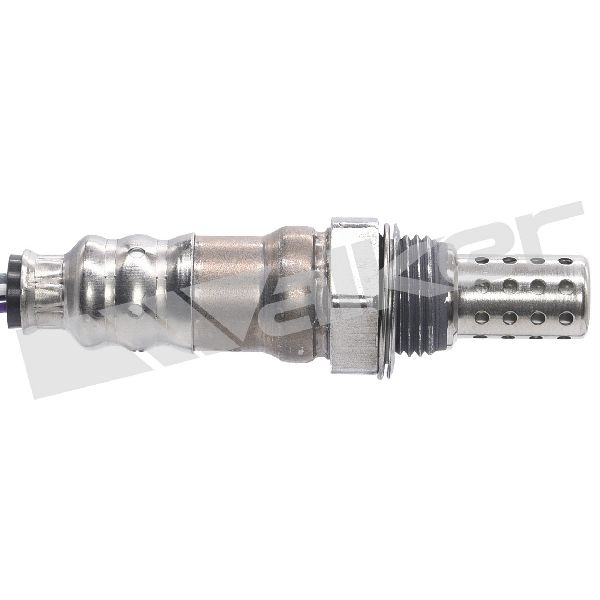
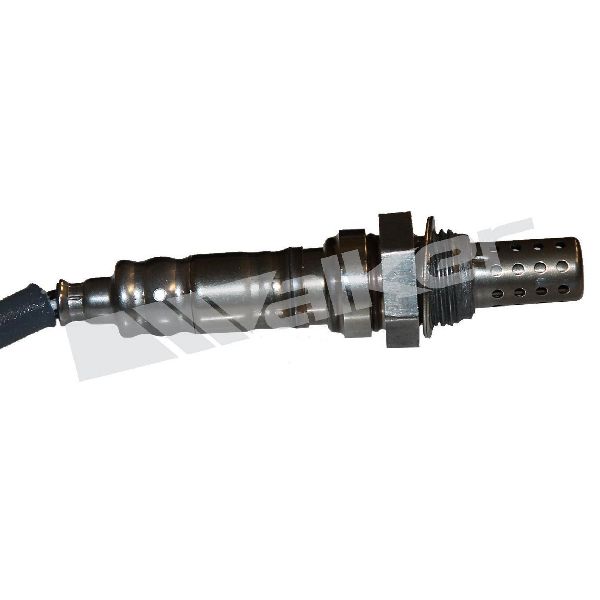
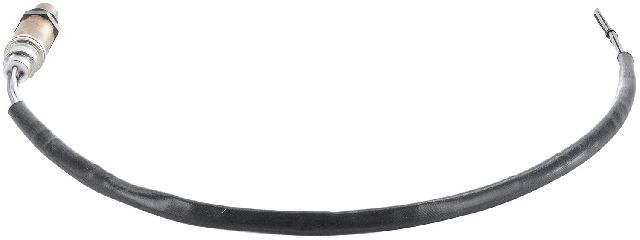
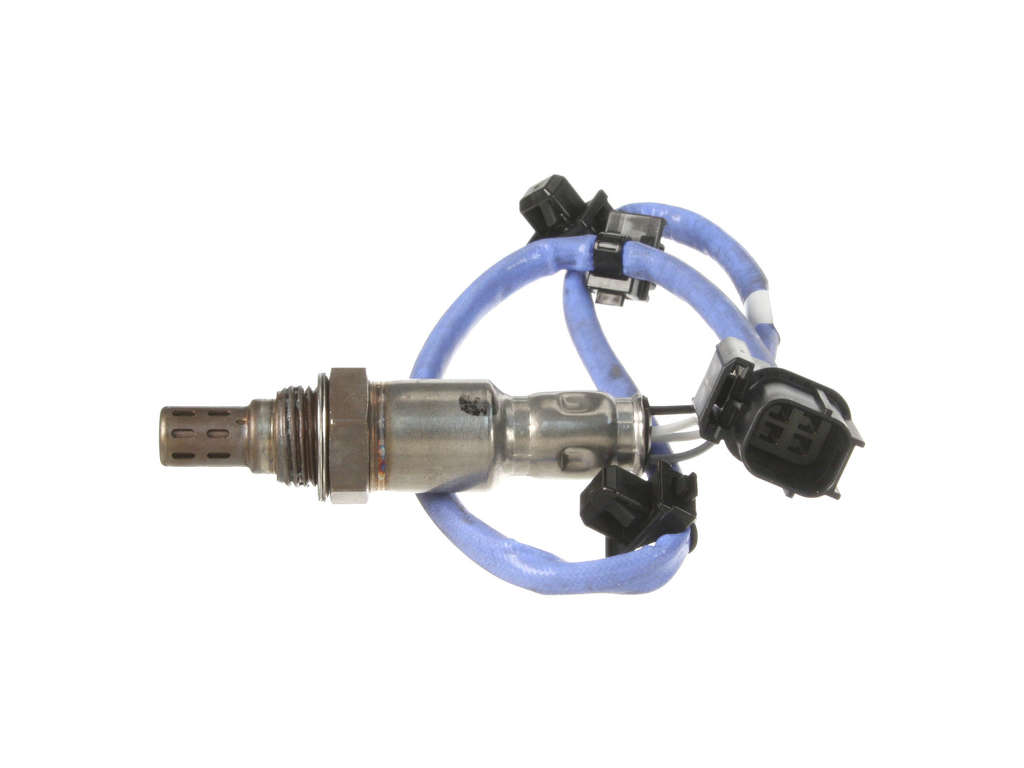
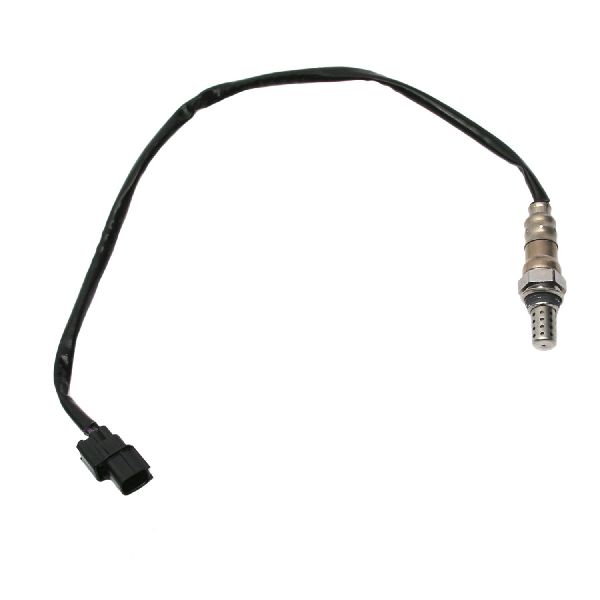
- Air/Fuel Ratio Sensor (Bank 1, Sensor 1)
(OEM #36531-RYE-A01)— This is the upstream oxygen sensor for the rear bank. Its internal heater element is the most common failure point for code P0030. It is highly recommended to use an OEM supplier brand for this critical sensor.
Trusted brands: Denso (OEM supplier, Part #234-9076), NTK (OEM supplier, Part #24325)
OEM price range: $120-$180
Aftermarket price range: $60-$150
Related Codes That Often Appear With This One
- P0031: HO2S Heater Control Circuit Low (Bank 1 Sensor 1)
- P0032: HO2S Heater Control Circuit High (Bank 1 Sensor 1)
- P0135: O2 Sensor Heater Circuit Malfunction (Bank 1 Sensor 1) - an alternative code for the same fault.
Platform-Specific Known Issues
- Difficult Access to Rear Sensor: The Bank 1 (rear) sensor is located near the firewall and can be difficult to reach. Many owners and mechanics find it necessary to remove the front strut tower brace that runs across the engine bay to gain adequate access and leverage.
Mechanic-Grade Diagnostic Values
- A/F Sensor Heater Circuit Current Draw — expected: 0.5 to 1.5 amps with the engine running and heater commanded on.. Failure: Zero amps indicates an open circuit (blown fuse, bad relay, broken wire, or failed heater). Significantly higher amperage indicates a short circuit.
- Voltage at Harness Connector (Heater Power Pin) — expected: Approximately 12V (battery voltage) with the key on, engine off.. Failure: Zero or low voltage points to a blown fuse, faulty relay, or an open in the power supply wire from the fuse/relay box.
- Voltage Drop on Heater Ground Circuit — expected: < 0.2V (200mV) when measured between the sensor's ground wire and the negative battery terminal with the circuit active.. Failure: A higher voltage reading indicates excessive resistance in the ground circuit, which could be a corroded ground point (like G101) or damaged wiring back to the PCM.
- Live Data: HO2S Heater Duty Cycle (%) — expected: Should show a percentage value greater than 0% when the PCM is commanding the heater on (typically on a cold start).. Failure: A steady 0% when the engine is cold indicates a command issue from the PCM or a problem with the enabling conditions (e.g., PCM doesn't see a cold engine).
Scan Tool Commands That Help
- Honda Diagnostic System (HDS) or equivalent: A/F Sensor Heater ON/OFF Status or Active Test — This bidirectional command allows a technician to manually turn the heater circuit on and off. It is used to verify the integrity of the wiring, relay, and PCM driver. If the heater can be activated with the scan tool but doesn't work automatically, it points to a PCM logic issue rather than a hard failure of the sensor or wiring.
Wiring & Ground Locations
- G101 — On the right side of the engine compartment, typically on or near the intake manifold plenum.. This is a primary ground distribution point for the PCM and multiple engine sensors, including the A/F sensor. While a poor G101 ground often causes multiple, erratic codes, it can in some cases cause an isolated issue like P0030 by creating high resistance in the sensor's ground path controlled by the PCM.
- A/F Sensor Connector (C122) — Clipped to a metal bracket on the rear of the engine (firewall side), near the top of the transmission bellhousing. The sensor wire routes up to it.. This is the primary test point for diagnosing P0030. All voltage, ground, and resistance tests are performed here. The two same-colored wires (typically black) are for the heater circuit. Technicians must test both the sensor side and the harness side of this connector.
Real Owner Repair Stories
- MDXers.org Forum User (2008 Acura MDX) — Check Engine Light with code P0030.
❌ Tried (didn't work) Replaced the Bank 1, Sensor 1 A/F sensor with a new Denso part., Cleared the code, but it returned after a few drive cycles.
✅ What actually fixed it The user found a partially broken wire inside the insulation about 4 inches from the main harness connector (C122). The wire was intact enough to show continuity sometimes but would lose connection with engine vibration. Repairing the broken wire and securing the harness away from a nearby bracket permanently resolved the code.
OEM Part Supersession History
36531-RYE-A01→This part number remains the current OEM number for the 2007-2009 MDX.— N/A
Heads up: Note that while the sensor may physically fit, the 2010-2013 MDX uses a different part number (36531-R70-A01) due to the change to a 6-speed transmission and potential PCM calibration differences. Using the wrong year sensor can cause fuel trim issues even if it resolves the P0030 code.
Model Year Variations Within This Range
- 2010-2013: The 2010 model year introduced a mid-cycle refresh which included a new 6-speed automatic transmission (replacing the 5-speed). While the J37A1 engine is fundamentally the same, the PCM and its software were updated. This led to a different A/F sensor part number (36531-R70-A01) for these later years. While the P0030 diagnostic process is identical, using the correct part number for the specific year range is critical.
Diagnostic Flowchart
Other Known Issues on This Vehicle
Issues unrelated to this code that are worth knowing about as an owner of this generation:
- Excessive Engine Oil Consumption 🔴 High — Common on J37 engines, particularly 2010-2013 models. Caused by carbon buildup on oil control rings. (Ref: Acura TSB 19-006 (supersedes 18-009) extended the warranty to 8 years/125,000 miles for this issue.)
- Torque Converter Judder/Shudder 🟠 Medium — Felt as a vibration or shudder during light acceleration between 20-60 mph. Common across many Honda/Acura V6 models of this era. (Ref: Acura TSB 12-029 and others (e.g., 16-044) address this with a PCM software update and potential torque converter replacement under an extended warranty (8 years/105,000 miles).)
- Timing Belt Replacement 🟠 Medium — Not a failure, but a critical and expensive maintenance item. The J37A1 is an interference engine. The maintenance minder typically indicates replacement around 100,000-105,000 miles.
- HFL (Hands-Free Link) Module Failure 🟡 Low — A common issue where the Bluetooth module fails, causing a parasitic battery drain that can kill the battery overnight.
Used vs. New Parts: Buying Guide for This Vehicle
When a used part is the smart pick: For this specific repair, buying used parts is generally not recommended. The primary failure is the sensor itself, which is a wear-and-tear item. A used sensor has unknown remaining life. A used wiring harness pigtail from a junkyard could be a cost-effective option if only the connector is damaged, but verifying its condition is crucial.
Donor-vehicle mileage cap: roughly under 50000 miles for the part to have meaningful remaining life.
What to inspect on the donor part:
- For a pigtail: check for brittle plastic, stretched/kinked wires, or any signs of previous repair.
- Ensure the donor vehicle was not in a front-end collision that could have stressed the engine wiring harness.
- Avoid parts from vehicles in salt-belt regions if possible, due to higher risk of corrosion on connectors.
OEM-only on this vehicle (don't cheap out):
- Air/Fuel Ratio Sensor
Aftermarket brands forum-validated for this vehicle:
- Denso (OEM Supplier)
- NTK (OEM Supplier)
Brands owners have reported issues with on this vehicle:
- Generic, unbranded sensors from online marketplaces. Honda/Acura engine management systems are notoriously sensitive to the specific resistance and response curves of the A/F sensor, and off-brand parts are a common cause of persistent or new trouble codes.
Real Owner Stories
Aggregated from forums and TSBs cited above. Mileages and costs reflect what owners reported in those sources.
2007-2013 Acura MDX J37A1
Symptoms: Check Engine Light on; confirmed the code was P0030. Discussed the difficulty of reaching the sensor due to its location near the firewall.
What fixed it: Replaced the Bank 1 Sensor 1 with a Denso or NTK unit after removing the strut tower brace for better access.
Source hint: MDXers.org: Forum threads confirm that P0030 is a very common code and that replacing the Denso or NTK sensor is the typical fix. Users share experiences confirming the firewall-side location for Bank 1 Sensor 1.
2007-2013 Acura MDX J37A1
Symptoms: Difficulty accessing the rear sensor to perform the repair.
What fixed it: Removed the front strut tower brace that runs across the engine bay to gain adequate access and leverage.
Source hint: AcuraZine - Acura Enthusiast Community: Corroborated the location of Bank 1 on Acura V6 engines as the rear bank, near the firewall. Multiple threads discuss the difficulty of access and the need to remove the strut tower brace.
Related OBD-II Codes
Frequently Asked Questions
Where is the Bank 1, Sensor 1 Air/Fuel Ratio sensor located on my MDX?
I'm having trouble reaching the rear sensor; is there a trick to accessing it?
Which brand of sensor should I buy for my 2007-2013 MDX to ensure the code stays off?
Does TSB 19-006 regarding oil consumption relate to my P0030 code?
What is the correct resistance for a healthy A/F sensor heater on this vehicle?
Could a blown fuse be the cause of my Check Engine Light?
Helpful Videos

We Have This Part in Stock


The information in this article is provided for general reference and educational purposes only. Vehicle specifications, procedures, and part compatibility can vary by production date, trim level, and region. Always consult your vehicle's factory service manual and verify part numbers before purchasing or performing repairs. Safety-critical components such as airbags, seat belts, and braking systems should be installed by a qualified professional.
- Acura MDX:
- 🧭 Diagnostic Flowchart
- 🎬 Helpful Videos
- 🛍️ Shop This Part
- What's Unique About the 2007-2013 Acura MDX
- Symptoms You May Notice
- Most Likely Causes
- Rare But Worth Checking
- Diagnosis Steps
- Parts You'll Likely Need
- Related Codes That Often Appear With This One
- Platform-Specific Known Issues
- Mechanic-Grade Diagnostic Values
- Scan Tool Commands That Help
- Wiring & Ground Locations
- Real Owner Repair Stories
- OEM Part Supersession History
- Model Year Variations Within This Range
- Other Known Issues on This Vehicle
- Used vs. New Parts: Buying Guide for This Vehicle
- Real Owner Stories
- 2007-2013 Acura MDX J37A1
- 2007-2013 Acura MDX J37A1
- Related OBD-II Codes
- Frequently Asked Questions
- 🎟️ Get 5% Off