

P0030 on 2009-2012 Audi Q5 3.2L: HO2S Heater Control Circuit Causes and Fixes
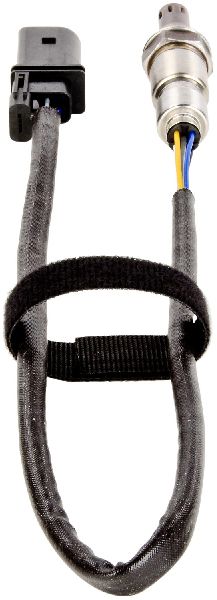
On a 2009-2012 Audi Q5 with the 3.2L V6, code P0030 almost always means the internal heater for the Bank 1, Sensor 1 oxygen sensor has failed. Bank 1 is the passenger side. The most common fix is replacing the sensor itself. The OEM part number is 06E906265S, with Bosch (part #17356) being a common OE equivalent. Expect to pay $100-$200 for an aftermarket part and $250-$350 for an OEM sensor. DIY difficulty is 3/5, requiring a 22mm oxygen sensor socket.
- P0030 on your 3.2L Q5 points directly to a problem with the heater in the upstream oxygen sensor on the passenger side.
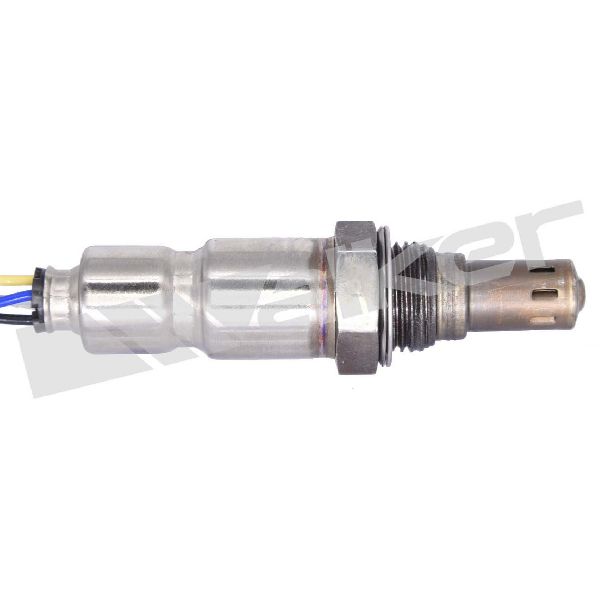
- The most probable fix is to replace the Bank 1, Sensor 1 oxygen sensor. The OEM part is 06E906265S, and a common aftermarket equivalent is Bosch 17356.
- Before buying parts, take a moment to check the fuse (likely 10A or 15A in the driver-side or rear fuse panels) and inspect the sensor's wiring for any visible damage.
What's Unique About the 2009-2017 Audi Q5
The Audi Q5 with the 3.2L CALB V6 engine uses a sophisticated 5-wire wideband oxygen sensor for precise fuel control. Bank 1 is on the passenger side of the vehicle (for LHD models), and Sensor 1 is the pre-catalytic converter sensor. While the sensor itself is the most common failure point, the wiring is routed in a hot, tight engine bay, making it susceptible to heat damage. Access to the Bank 1 sensor is more challenging than Bank 2, often requiring removal of the airbox for better access. The 3.2L engine was only offered in the Q5 from 2009 to 2012 before being replaced by the 3.0T supercharged V6, so this guide is most relevant to those specific model years.
Generation note: The 2009-2017 Audi Q5 covers the first generation (Typ 8R). However, the 3.2L CALB engine was only available in North America from model years 2009 through 2012. Later models used different engines.
Symptoms You May Notice
- Check Engine Light is on
- Decreased fuel economy
- Vehicle may fail an emissions test
- Slightly rough running or hesitation during the first few minutes after a cold start
- Sooty or black exhaust tips may be more noticeable
- Replacing the wrong oxygen sensor (e.g., the downstream Sensor 2, or the sensor on Bank 2, which is the driver's side). P0030 is specifically for Bank 1, Sensor 1 (passenger side, upstream).
Most Likely Causes
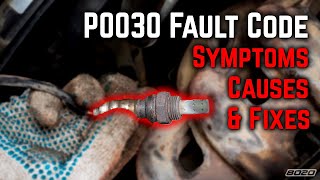
- Failed Bank 1, Sensor 1 Oxygen Sensor 🔴 High Probability → Shop Oxygen Sensor The internal heater element is a common failure point in oxygen sensors due to constant heat cycles and vibration. This is the most likely cause of a P0030 code. 🎬 Watch: A breakdown of what P0030 means and how to fix it.
How to confirm: Disconnect the sensor and measure the resistance between the two heater circuit pins (usually the two same-colored wires, often white). A healthy heater should have a low resistance, typically between 2-10 ohms. An open circuit (infinite resistance) or a very high reading confirms a failed heater element. A specific value for some sensors is approximately 9.0Ω at 20°C (68°F).
Typical fix: Replace the Bank 1, Sensor 1 (upstream, passenger side) oxygen sensor. A 22mm (7/8") slotted oxygen sensor socket is highly recommended for removal. 🎬 See this DIY walkthrough for replacing the 3.2L oxygen sensor.
Est. part cost: $100-$350 - Damaged Wiring or Connector 🟡 Medium Probability The sensor wiring is close to hot exhaust components and can become brittle, melted, or frayed over time. The connector, located on a bracket near the firewall on the passenger side, can also suffer from corrosion or loose pins.
How to confirm: Visually inspect the wiring harness and connector leading to the O2 sensor for any signs of melting, chafing, or corrosion. Perform a continuity test on the heater circuit wires from the ECM to the sensor connector. Check for battery voltage on the power wire and a good ground on the ground wire at the harness-side connector with the key on.
Typical fix: Repair the damaged section of the wiring harness or replace the connector pigtail.
Est. part cost: $20-$100 - Blown Fuse ⚪ Low Probability A short circuit in the heater element or its wiring can cause the corresponding fuse to blow.
How to confirm: Locate the fuse boxes in the vehicle (driver's side dash, passenger's side dash, and rear cargo area) and check the fuse related to the oxygen sensor heaters. While a specific fuse number is not consistently documented for just the heater, it is often tied to other engine component fuses. Check the 10A and 15A fuses in the left-side (driver) dash panel and the luggage compartment panel.
Typical fix: Replace the blown fuse. If the new fuse blows immediately, a short circuit is present and must be diagnosed.
Est. part cost: $1-$5
Rare But Worth Checking
- Faulty Engine Control Module (ECM): → Shop Engine Control Module (ECM) This is very rare. The ECM's internal driver for the heater circuit can fail. This should only be considered after all other possibilities (sensor, wiring, fuses) have been exhaustively ruled out.
Diagnosis Steps
- Verify the code with an OBD-II scanner. Confirm that P0030 is the active code and check for any other related codes. The VAG-specific version of this code is 16414/P0030/000048.
- Locate the fuse boxes. The Q5 has panels on the driver's and passenger's sides of the dashboard, and in the right side of the luggage compartment. Inspect the fuses for the O2 sensor heater circuit, typically a 10A or 15A fuse. Consult the owner's manual or fuse diagram for your specific vehicle.
- If the fuse is good, safely raise and support the vehicle to access the exhaust. Locate Bank 1 (passenger side) and Sensor 1 (the upstream sensor before the catalytic converter).
- Visually inspect the sensor's wiring harness and connector for any obvious signs of damage, such as melting, fraying, or corrosion.
- Disconnect the sensor. Using a multimeter, measure the resistance across the two heater pins on the sensor side (often the two white wires). A reading between 2-10 ohms is typical for a good sensor. A reading of infinite resistance (OL) indicates an open circuit and a failed sensor.
- With the key on and engine off, use a multimeter to check for battery voltage (approx. 12V) and a good ground on the corresponding pins of the vehicle-side harness connector. Lack of voltage or ground points to a wiring, fuse, or ECM issue.
- If the sensor's heater circuit has proper resistance and the harness has correct voltage and ground, the issue may be intermittent. Wiggle the harness while monitoring voltage to check for a loose connection.
- If all wiring and the sensor check out, the fault could be with the ECM, but this is extremely unlikely and should be confirmed by a professional.
Parts You'll Likely Need
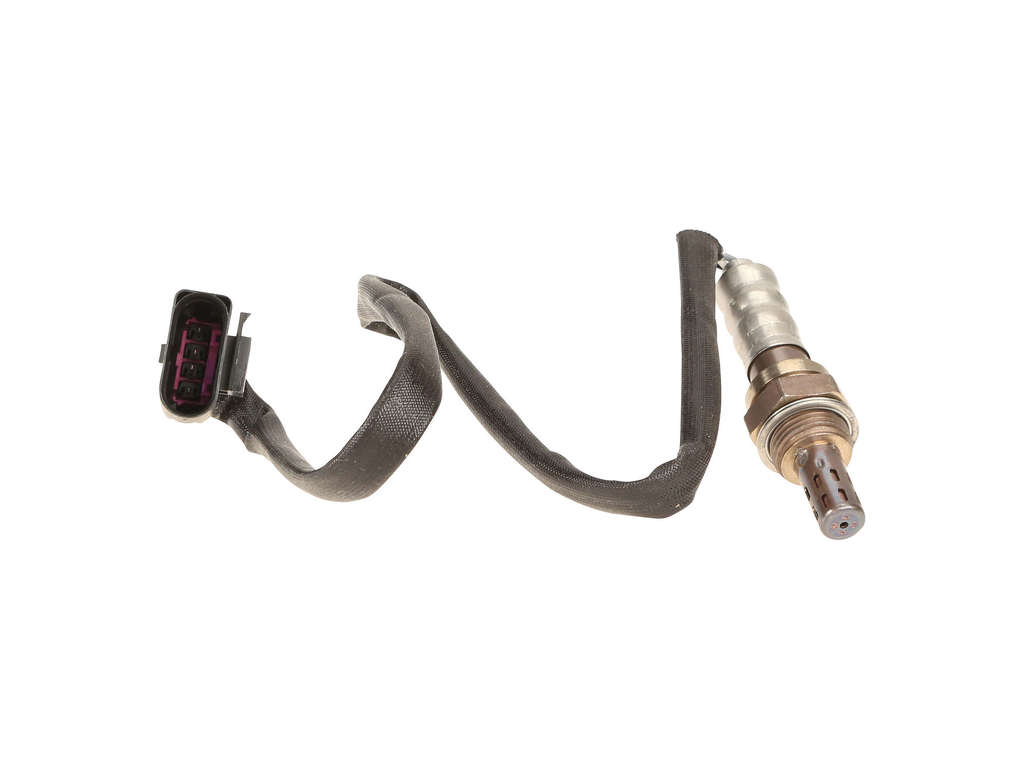
- Bank 1 Sensor 1 Oxygen Sensor (Upstream, Passenger Side)
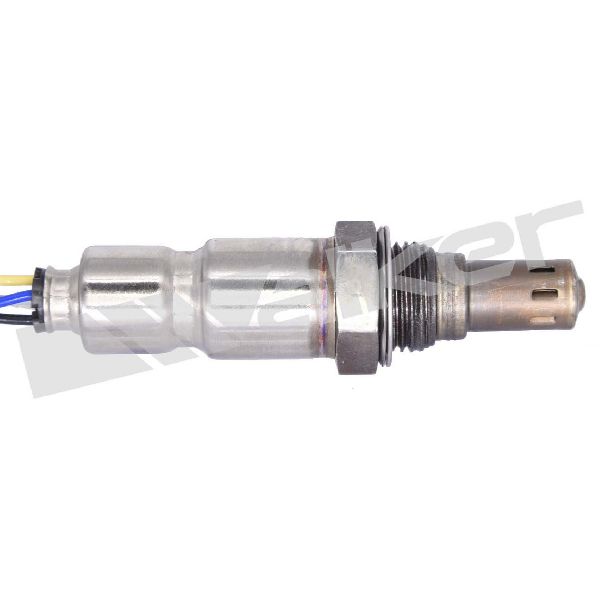
(OEM #06E906265S)— This is the most common failure for code P0030, as the internal heater element burns out.
Trusted brands: Bosch (OEM supplier, part #17356), NGK, Denso
OEM price range: $250-$350
Aftermarket price range: $100-$200
Platform-Specific Known Issues
- { "title": "Accessing Bank 1 Sensor", "description": "On the 3.2L Q5, the Bank 1 (passenger side) upstream sensor is more difficult to access than Bank 2. Forum users on AudiWorld report that removing the airbox provides significantly better access 🎬 Watch: Tips for removing a stubborn 3.2L oxygen sensor. to the sensor and its connector from above." }
Mechanic-Grade Diagnostic Values
- O2 Sensor Heater Element Resistance — expected: 2-30 Ohms (general), ~9.0 Ohms @ 20°C (specific example). Failure: Infinite resistance (OL) indicates an open circuit (failed heater).
- ECM Heater Circuit Voltage Reading (for setting fault code) — expected: Normal operation is outside this range.. Failure: The ECM will set P0030 (Open Circuit) if it detects a heater voltage between 2.34 V and 3.59 V. A voltage < 2.34 V sets P0031 (Short to Ground), and > 3.59 V sets P0032 (Short to B+).
- Heater Circuit Power Supply at Harness Connector — expected: ~12V (Battery Voltage) with Key On, Engine Off. Failure: Zero or very low voltage indicates a blown fuse, faulty relay, or break in the power supply wire.
Wiring & Ground Locations
- Ground Connection (12) — In the engine compartment, on the left side.. A poor engine ground can cause a variety of electrical issues, including erratic sensor behavior. While not specific to the heater circuit, it's a primary ground to check.
- Ground Connection (609) — In the plenum chamber, on the right side.. This ground is located on the same side of the vehicle as Bank 1 and is a potential source for grounding issues affecting components in that area.
- Ground Connection (685) — On the right front long member, behind the wheel housing liner.. This is a key chassis ground point on the passenger side (Bank 1) of the vehicle. Corrosion or looseness here could affect the O2 sensor's heater ground path.
OEM Part Supersession History
06E906265F→06E906265S— Standard part revision and improvement by the manufacturer.
Heads up: None. The newer part number 'S' is a direct replacement for the older 'F' version and is fully compatible.
Diagnostic Flowchart
Other Known Issues on This Vehicle
Issues unrelated to this code that are worth knowing about as an owner of this generation:
- Intake Valve Carbon Buildup 🔴 High — Common on all FSI/TSI direct injection engines, typically requires cleaning every 60,000-80,000 miles. Symptoms include rough idle, misfires, and reduced power. (Ref: Audi issued an extended warranty for carbon buildup on some models, but this may have expired.)
- Upper Timing Chain Tensioner Failure 🔴 High — Less common than on the 2.0T, but still a known issue. The plastic guides on the upper tensioners can fail, causing a rattling noise on startup. If ignored, it can lead to jumped timing and catastrophic engine damage.
- Thermostat and Water Pump Failure 🟠 Medium — Like many VW/Audi products, the water pump (with a plastic housing) and thermostat are common failure points, often leading to coolant leaks or overheating. Replacement is recommended every 80,000-100,000 miles as preventative maintenance.
- PCV Valve Failure 🟠 Medium — The Positive Crankcase Ventilation (PCV) valve can fail, leading to high oil consumption, a rough idle, and various lean-condition fault codes (e.g., P2187).
Used vs. New Parts: Buying Guide for This Vehicle
When a used part is the smart pick: For this repair, a used part is NOT recommended. Oxygen sensors are wear items with a finite lifespan. The internal heater element is the most common failure point, and a used sensor has an unknown number of heat cycles and remaining life.
What to inspect on the donor part:
- Not applicable as used sensors are not advised.
OEM-only on this vehicle (don't cheap out):
- While not strictly 'OEM-only', using a direct-fit sensor from a reputable OE supplier is highly recommended. Avoid 'universal' sensors that require splicing wires. Splicing can introduce resistance and potential points of failure, and some sensors draw reference air through the wiring sheath, which can be blocked by solder.
Aftermarket brands forum-validated for this vehicle:
- Bosch (OEM supplier for Audi)
- NTK
- Denso
Brands owners have reported issues with on this vehicle:
- Unnamed or generic 'white box' brands that often have incorrect heater resistance or slow response times, leading to the code returning or other performance issues.
Real Owner Stories
Aggregated from forums and TSBs cited above. Mileages and costs reflect what owners reported in those sources.
2009 Audi Q5 3.2L
Symptoms: Owner experienced a heater fault code (P1196) for the Bank 1 sensor, which is the same sensor involved in P0030.
What fixed it: Confirmed Bank 1 is the passenger side and replaced the sensor. The owner noted that removing the airbox is the key to gaining easier access to the sensor and its connector.
Source hint: AudiWorld Forums thread titled 'P1196 Bank 1 O2 sensor heater fault'
Audi V6 (B6 platform)
Symptoms: P0030 HO2 Bank 1 Sen 1 Heater Circuit failure.
What fixed it: Replacement of the passenger side upstream oxygen sensor using a 22mm wrench.
Source hint: AudiWorld Forums thread titled 'fault code p0030 ho2 bank 1 sen 1 heater circuit exaplain please'
Related OBD-II Codes
Frequently Asked Questions
Where is the Bank 1 Sensor 1 located on my 3.2L V6 Q5?
What is the VAG-specific fault code for P0030 on my Audi?
Can I use a universal oxygen sensor to fix the P0030 code?
What resistance should I see when testing the heater circuit on the 06E906265S sensor?
Is there a specific fuse for the O2 sensor heater on the Q5?
Does Audi offer an extended warranty for issues related to this engine's emissions system?
Helpful Videos
We Have This Part in Stock

The information in this article is provided for general reference and educational purposes only. Vehicle specifications, procedures, and part compatibility can vary by production date, trim level, and region. Always consult your vehicle's factory service manual and verify part numbers before purchasing or performing repairs. Safety-critical components such as airbags, seat belts, and braking systems should be installed by a qualified professional.
- Audi Q5:
- 🧭 Diagnostic Flowchart
- 🎬 Helpful Videos
- 🛍️ Shop This Part
- What's Unique About the 2009-2017 Audi Q5
- Symptoms You May Notice
- Most Likely Causes
- Rare But Worth Checking
- Diagnosis Steps
- Parts You'll Likely Need
- Platform-Specific Known Issues
- Mechanic-Grade Diagnostic Values
- Wiring & Ground Locations
- OEM Part Supersession History
- Other Known Issues on This Vehicle
- Used vs. New Parts: Buying Guide for This Vehicle
- Real Owner Stories
- 2009 Audi Q5 3.2L
- Audi V6 (B6 platform)
- Related OBD-II Codes
- Frequently Asked Questions
- 🎟️ Get 5% Off