

P0030 on 2013-2019 Cadillac ATS 2.0L Turbo: HO2S Heater Circuit Causes and Fixes
This code points to a failure in the heater circuit of the upstream oxygen sensor (Bank 1, Sensor 1). The most common fix is replacing the sensor itself, which costs around $50-$100 for an aftermarket part or more for OEM. Before replacing, always check the related fuse (F34 in the engine compartment fuse box for 2013-2015 models) and wiring for damage.
- P0030 specifically refers to a problem in the heater circuit of the upstream oxygen sensor (Bank 1, Sensor 1).
- The most likely cause, in over 80% of cases, is a failed heater element inside the sensor itself.
- Before buying a new sensor, always check the O2 sensor heater fuse (F34 or F39 in the engine bay fuse box) and visually inspect the wiring for any obvious damage like melting or fraying.
- Driving with this code is possible, but it will lead to poor fuel economy and a guaranteed failed emissions test.
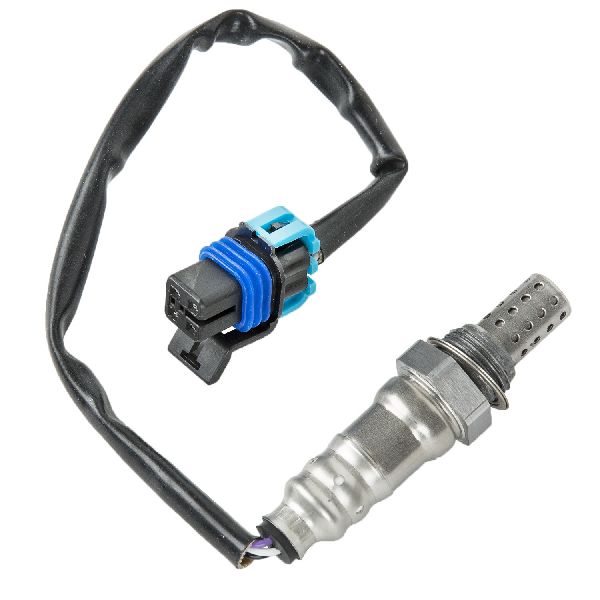
- The correct part is the 'upstream' or 'pre-catalyst' sensor. For the 2.0L Turbo, the ACDelco OE part number is 12645561.
What's Unique About the 2013-2019 Cadillac ATS
For the 2.0L LTG Turbo I4 engine in the Cadillac ATS, there is only one bank of cylinders, so "Bank 1" refers to the single exhaust stream. "Sensor 1" is the upstream sensor, also known as an air-fuel ratio sensor, located in the exhaust manifold or just after the turbocharger, before the catalytic converter. While the code itself is common across many vehicles, the primary cause on the ATS is almost always a failed heater element within the sensor itself, rather than more complex wiring or computer issues.
Symptoms You May Notice
- Check Engine Light (Malfunction Indicator Lamp) is on.
- Decreased fuel economy by 5-10%.
- Vehicle will automatically fail an emissions test.
- Rough or unstable idle on cold starts.
- Potential for a rotten egg or fuel smell from the exhaust, although less common.
- Replacing the downstream (post-catalyst) oxygen sensor instead of the upstream (pre-catalyst) sensor.
- Replacing the catalytic converter, which is unrelated to a heater circuit fault.
- Assuming an exhaust leak is the cause. While leaks can cause other O2 sensor codes, P0030 is specific to the electrical heater circuit.
Most Likely Causes
- Failed Oxygen Sensor Heater Element 🔴 High Probability → Shop Oxygen Sensor The internal heater coil is a common failure point in oxygen sensors due to constant, rapid heat cycles. Over time, the element can burn out, creating an open circuit which the ECM detects.
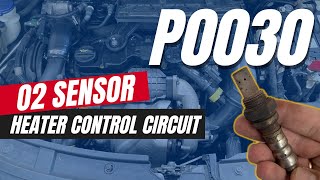
How to confirm: Disconnect the sensor and use a multimeter to measure the resistance between the two heater circuit wires (often the two same-colored wires, e.g., two black wires). A reading of infinite resistance (OL) indicates an open circuit and a failed heater. 🎬 Watch: How to test and fix the P0030 heater circuit A normal reading for a GM sensor is typically between 3-15 ohms.
Typical fix: Replace the Bank 1, Sensor 1 (upstream) oxygen sensor.
Est. part cost: $50-$150 - Blown Fuse for Heater Circuit 🟡 Medium Probability A short in the sensor's internal heater element or its wiring can cause the corresponding fuse to blow as a protective measure.
How to confirm: Locate the engine compartment fuse box on the passenger side. For 2013-2015 models, inspect fuse F34, a 15A MINI fuse labeled 'Oxygen Sensor'. For 2016-2019 models, check fuse F39, labeled '02 sensor/Emissions'. Visually inspect the fuse or test for continuity with a multimeter.
Typical fix: Replace the blown fuse. If the new fuse blows immediately, it indicates a persistent short circuit in the wiring or the sensor itself that must be found and repaired.
Est. part cost: $1-$5 - Damaged Wiring or Connector ⚪ Low Probability The wiring harness for the upstream O2 sensor is routed near very hot exhaust and turbocharger components. Over time, the protective loom can degrade, allowing wires to melt, chafe, or break, leading to a short or open circuit.
How to confirm: Visually inspect the entire wiring harness leading to the upstream O2 sensor. Look for any signs of melting, chafing, corrosion in the connector, or broken wires. Pay close attention to where the harness may contact the engine or exhaust components.
Typical fix: Repair the damaged section of the wiring harness or replace the connector pigtail.
Est. part cost: $15-$50
Rare But Worth Checking
- Faulty Engine Control Module (ECM): → Shop Engine Control Module (ECM) This is very rare. The ECM's internal driver for the heater circuit can fail, but this should only be considered after all other possibilities (sensor, fuse, wiring) have been exhaustively ruled out. GM has issued TSBs for ECM replacements for other issues, but it's not a common cause for P0030 specifically.
Diagnosis Steps
- Scan for any other trouble codes. If other codes are present, address them first, especially codes like P0031, P0032, or P0135 which are directly related.
- Visually inspect the Bank 1, Sensor 1 (upstream) oxygen sensor's wiring harness and connector for any signs of melting, chafing, or corrosion. The sensor is located on the exhaust downpipe just after the turbocharger.
- Locate and inspect the fuse for the oxygen sensor heater circuit in the engine compartment fuse box. For 2013-2015 models, this is typically fuse F34. For 2016-2019, check F39.
- If the fuse is good, disconnect the O2 sensor. With the ignition on and engine off, use a multimeter to check for 12V power and a good ground at the vehicle-side connector. This confirms the circuit from the fuse box to the sensor is intact.
- Using a multimeter set to ohms, measure the resistance of the heater circuit on the sensor itself (between the two heater wires, usually same color). An open circuit (infinite resistance/OL) or very low resistance (short) confirms the sensor has failed. A good GM sensor should read between 3-15 ohms.
- If the sensor's resistance is within spec and power/ground are present at the connector, there may be an intermittent wiring issue or, in very rare cases, a problem with the ECM.
Parts You'll Likely Need
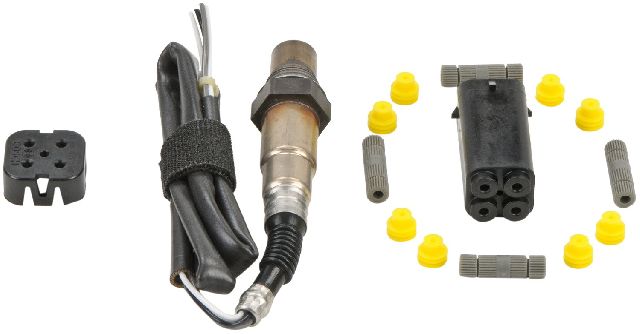
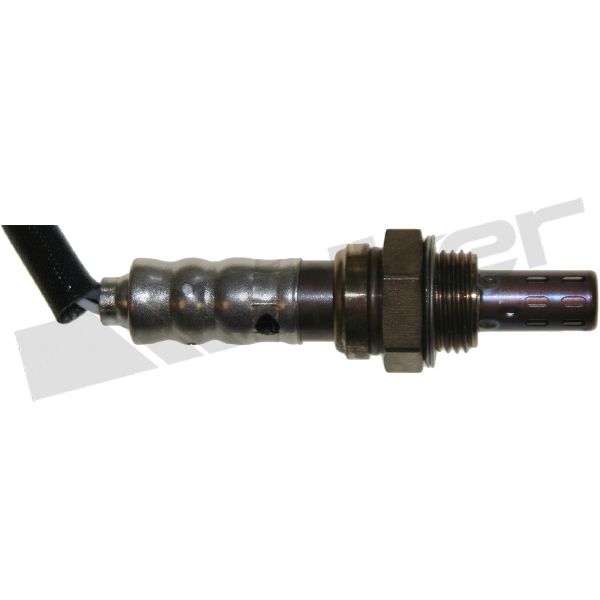
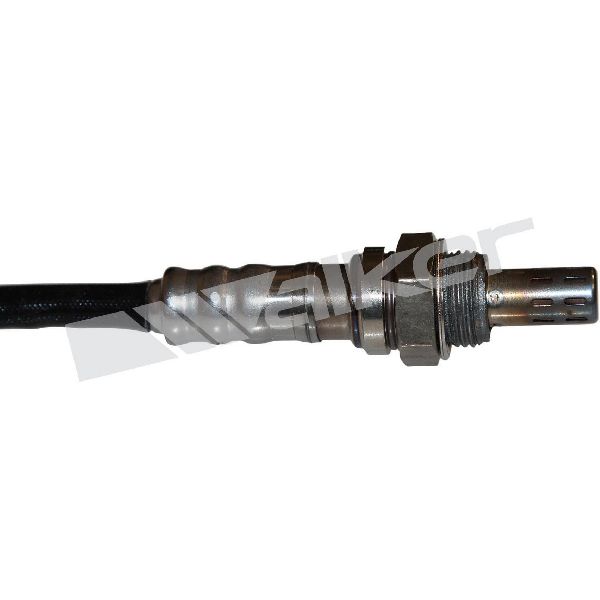
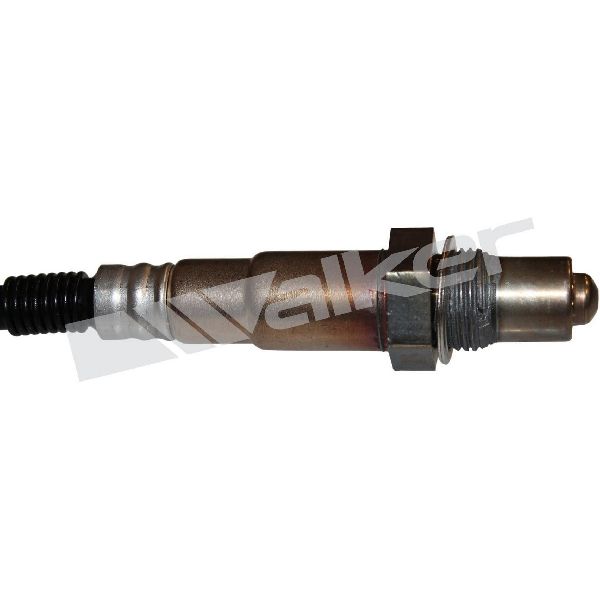
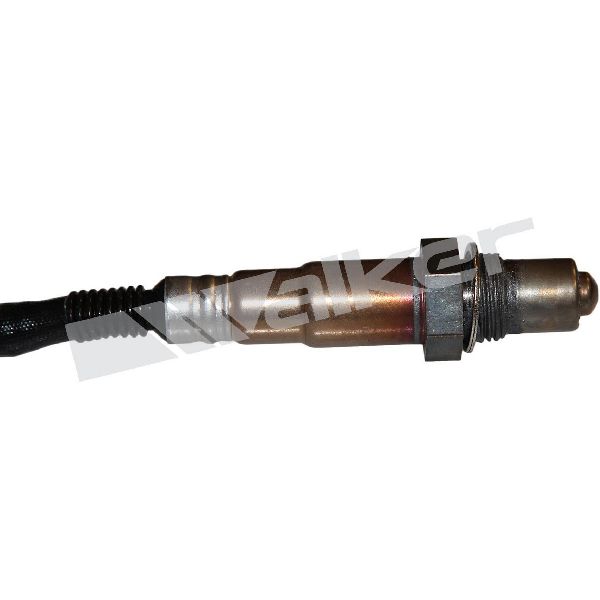
- Upstream Oxygen Sensor (Air/Fuel Ratio Sensor)
(OEM #12645561)— The internal heater element is the most common point of failure for code P0030. This is Bank 1, Sensor 1. Part number 12645561 is the specified GM Original Equipment part. 🎬 See this walkthrough on how to change the ATS oxygen sensor
Trusted brands: ACDelco (GM OE), Denso, Bosch, NGK
OEM price range: $120-$180
Aftermarket price range: $50-$100
Related Codes That Often Appear With This One
- P0031 — Indicates the heater control circuit signal is low, often pointing to a short to ground.
- P0032 — Indicates the heater control circuit signal is high, often pointing to a short to power.
- P0135 — A similar generic code for O2 Sensor Heater Circuit Malfunction (Bank 1 Sensor 1). Some systems may log both, as they point to the same fundamental fault.
- P0134 — Indicates 'No Activity Detected' from the sensor. This can be logged alongside P0030 because if the heater fails, the sensor may not reach operating temperature and therefore won't produce a signal.
Technical Service Bulletins (TSBs) & Recalls
- GM Customer Satisfaction Program #14332: Addresses potential piston damage from pre-ignition on 2013 models by reprogramming the ECM and installing colder spark plugs. While not directly for P0030, it's a critical TSB for early LTG engines.
- GM TSB #PI1178F: Provides diagnostic guidance for a rough running engine (P0300) with low compression caused by cracked pistons on 2013-2018 LTG engines.
Mechanic-Grade Diagnostic Values
- Upstream O2 Sensor Heater Circuit Resistance — expected: 3 to 15 Ohms. Failure: Infinite resistance (OL) indicates an open circuit; near-zero indicates a short. A reading outside the 3-15 Ohm range suggests a faulty heater element.
- Heater Circuit Power Supply at Connector — expected: ~12V (Battery Voltage). Failure: 0V indicates a blown fuse, wiring issue, or problem with the power source (fuse block/ECM).
- Heater Circuit Ground at Connector — expected: Good ground (near 0V and low resistance to chassis ground).. Failure: High voltage or high resistance to ground indicates a problem with the ground circuit, which is often controlled by the ECM.
- Oxygen Sensor Torque Specification — expected: 42 N.m (31 lb ft). Failure: Improper torque can lead to exhaust leaks (if too loose) or damaged threads (if too tight).
Scan Tool Commands That Help
- GDS2 (GM Global Diagnostic System): O2 Sensor Heater Test — This bidirectional command manually activates the O2 sensor's internal heater. It is used after checking the fuse and wiring to verify the integrity of the entire heater circuit (power, ground, and ECM control) without having to remove the sensor. If the command fails to activate the heater, it points definitively to a circuit or sensor fault.
Wiring & Ground Locations
- G104 — On the lower rear of the cylinder head for the 2.0L LTG engine.. This is a primary engine-to-chassis ground point. While not exclusively for the O2 sensor, a poor connection at G104 can cause a variety of sensor and ECM-related issues, including intermittent or incorrect readings for circuits that rely on a solid engine ground reference. It's a critical location to check for corrosion or looseness if electrical issues are suspected.
Real Owner Repair Stories
- YouTube User Comment (2013 Cadillac ATS) — P2097 (Post Catalyst Fuel Trim System Too Rich), poor idle, and engine stalling after getting an initial O2 sensor code.
❌ Tried (didn't work) Replacing both upstream and downstream O2 sensors with a cheap 2-pack from Amazon.
✅ What actually fixed it Reinstalling the original factory (OEM) upstream O2 sensor fixed the stalling and drivability issues. This indicated the new, cheap aftermarket upstream sensor was faulty right out of the box, sending incorrect signals and causing the ECM to over-fuel.
OEM Part Supersession History
12632174→12690512— This is for the Vapor Canister Purge Valve, not the O2 sensor. However, a faulty purge valve is a common cause of fuel trim issues on the LTG engine which can sometimes be misdiagnosed as an O2 sensor problem. It's a relevant part to be aware of during diagnosis.N/A→12645561— 12645561 is the current, widely specified OEM part number for the upstream oxygen sensor for the 2.0L LTG engine in this vehicle. Some parts vendors note that this part may require special setup procedures, though this is not consistently reported.
Model Year Variations Within This Range
- 2013-2015 vs 2016-2019: The fuse location for the oxygen sensor heater circuit changes. For 2013-2015 models, it is fuse F34 in the engine compartment fuse box. For 2016-2019 models, it is fuse F39.
Diagnostic Flowchart
Other Known Issues on This Vehicle
Issues unrelated to this code that are worth knowing about as an owner of this generation:
- Cracked Pistons 🔴 High — More common on early 2013-2015 models, but can occur on later years. Often presents as a misfire (P0300) and low compression in one cylinder. (Ref: GM TSB #PI1178F, Customer Satisfaction Program #14332)
- CUE Infotainment Screen Delamination/Failure 🟠 Medium — Extremely common across 2013-2017 models. The screen becomes unresponsive, shows 'ghost touches', or develops a spiderweb-like appearance due to internal gel drying out.
- Rear Differential Failure 🔴 High — Commonly reported issue, characterized by a whining, grinding, or humming noise from the rear of the vehicle. Often caused by clogged breather vents leading to seal failure and fluid loss.
- PCV System Component Cracking 🟡 Low — The hard plastic PCV lines and fittings can become brittle from heat cycles and crack, causing vacuum leaks. Mentioned by owners in forum discussions.
- Timing Cover Oil Leaks 🟡 Low — A known source for oil leaks on the LTG engine. Often starts as a slow seep before becoming a more noticeable leak.
Used vs. New Parts: Buying Guide for This Vehicle
When a used part is the smart pick: For an oxygen sensor, buying used is almost never recommended. O2 sensors are wear items with a finite lifespan (typically up to 100,000 miles). The cost savings of a used part are minimal compared to the risk of installing a sensor that is already near the end of its life, leading to a repeat failure.
Donor-vehicle mileage cap: roughly under 30000 miles for the part to have meaningful remaining life.
What to inspect on the donor part:
- Verify the part number on the sensor body matches the OEM number (12645561).
- Inspect the sensor tip for heavy carbon buildup, white deposits (coolant contamination), or oily residue (oil contamination). A clean tip is preferred.
- Check the wiring and connector for any signs of melting, fraying, or corrosion.
- If possible, test the heater circuit resistance with a multimeter before purchase; it should be between 3-15 ohms.
OEM-only on this vehicle (don't cheap out):
- While not strictly 'OEM-only', using a GM Genuine (ACDelco) or a reputable OE-supplier brand (Denso, NTK) for the upstream oxygen sensor is highly recommended. As seen in repair stories, cheap, unbranded aftermarket sensors are a common source of immediate or premature failure.
Aftermarket brands forum-validated for this vehicle:
- Denso
- NTK
- Bosch
Brands owners have reported issues with on this vehicle:
- Unbranded, 'white-box' sensors, or those sold in cheap multi-packs from online marketplaces have a high reported failure rate on this platform.
Real Owner Stories
Aggregated from forums and TSBs cited above. Mileages and costs reflect what owners reported in those sources.
2014 Chevrolet Camaro 2.0L LTG
Symptoms: The owner reported getting codes P0030 and P0134 immediately following an exhaust modification.
What fixed it: Replacing the upstream O2 sensor to fix a faulty heater circuit.
Source hint: Camaro5 Chevy Camaro Forum thread titled 'P0134 and P0030 help'
Related OBD-II Codes
Frequently Asked Questions
Which fuse should I check for a P0030 code on my 2014 Cadillac ATS 2.0L?
I have a 2017 ATS 2.0L; is the O2 sensor heater fuse in the same location as the older models?
Does GM Customer Satisfaction Program #14332 cover my P0030 error?
What is the correct resistance for a replacement AC Delco upstream sensor on the LTG engine?
Can I use a sensor from a 2.0L Turbo Camaro if I find one at a salvage yard?
Is there a TSB for the rough idle I'm experiencing alongside P0030?
Helpful Videos

We Have This Part in Stock

The information in this article is provided for general reference and educational purposes only. Vehicle specifications, procedures, and part compatibility can vary by production date, trim level, and region. Always consult your vehicle's factory service manual and verify part numbers before purchasing or performing repairs. Safety-critical components such as airbags, seat belts, and braking systems should be installed by a qualified professional.
- Cadillac ATS:
- 🧭 Diagnostic Flowchart
- 🎬 Helpful Videos
- 🛍️ Shop This Part
- What's Unique About the 2013-2019 Cadillac ATS
- Symptoms You May Notice
- Most Likely Causes
- Rare But Worth Checking
- Diagnosis Steps
- Parts You'll Likely Need
- Related Codes That Often Appear With This One
- Technical Service Bulletins (TSBs) & Recalls
- Mechanic-Grade Diagnostic Values
- Scan Tool Commands That Help
- Wiring & Ground Locations
- Real Owner Repair Stories
- OEM Part Supersession History
- Model Year Variations Within This Range
- Other Known Issues on This Vehicle
- Used vs. New Parts: Buying Guide for This Vehicle
- Real Owner Stories
- 2014 Chevrolet Camaro 2.0L LTG
- Related OBD-II Codes
- Frequently Asked Questions
- 🎟️ Get 5% Off