

P0030 on 2008-2012 Chevrolet Malibu 2.4L: O2 Sensor Heater Circuit Causes and Fixes
On a 2008-2012 Malibu with the 2.4L engine, P0030 almost always points to a failed upstream oxygen sensor. Before replacing it, check the 10A 'EMISS 1' fuse in the under-hood fuse box, as this is a common and much cheaper fix. If codes P0036 and P0443 are also present, the fuse is almost certainly the culprit. A new sensor typically costs $40-$120.
- Always check the 10A 'EMISS 1' fuse in the under-hood fuse box before buying any parts. It's a very common cause for P0030 on this vehicle.
- If P0036 and P0443 appear alongside P0030, the 'EMISS 1' fuse is almost certainly the problem.
- If the fuse is good, the upstream oxygen sensor (Bank 1, Sensor 1) has most likely failed and needs to be replaced.
- The upstream sensor is located on the rear side of the engine in the exhaust manifold, before the catalytic converter.
What's Unique About the 2008-2012 Chevrolet Malibu
For the 2.4L Ecotec engine in this generation of Malibu, the P0030 code is a very common and straightforward issue. A notable characteristic is that a single blown fuse in the under-hood fuse box, often labeled 'EMISS 1' (Emissions 1), can cause P0030 along with other codes like P0036 (downstream O2 heater) and P0443 (EVAP purge valve), because they share the same power circuit. Owners often find that checking this fuse first can save them from unnecessarily replacing parts. A Reddit user with a 2011 Malibu confirmed that a cluster of codes including P0030, P0036, and P0443 was resolved by replacing the 'Emission 1 Fuse 6'.
Symptoms You May Notice
- Check Engine Light is on
- Slightly reduced fuel economy
- Vehicle may fail an emissions test
- Replacing the oxygen sensor without first checking the 'EMISS 1' fuse. This is a cheap and easy check that can save significant time and money.
- Replacing the wrong oxygen sensor. P0030 is specifically for Bank 1, Sensor 1 (upstream). The 2.4L engine only has one bank, so you need to distinguish between the upstream (Sensor 1, in the manifold) and downstream (Sensor 2, after the catalytic converter).
- Using a cheap or incompatible aftermarket oxygen sensor. Owners on forums frequently report that some aftermarket brands, particularly certain Bosch models, fail to resolve O2 sensor codes on this platform and that using an OEM ACDelco or NTK/NGK sensor is the reliable fix.
Most Likely Causes
- Failed Upstream Oxygen Sensor (Bank 1, Sensor 1) 🔴 High Probability → Shop Oxygen Sensor The internal heater element is a common failure point in oxygen sensors due to constant, extreme heat cycles. This is the most frequent cause for P0030 when it appears alone. The 2.4L Ecotec's known oil consumption issues can also foul the sensor with deposits, leading to premature failure.
How to confirm: After confirming the fuse is good and there is power at the connector, test the resistance of the heater circuit pins on the sensor itself with a multimeter. An open circuit (infinite resistance) confirms the heater has failed. The heater circuit pins are typically the two wires of the same color. A good sensor should read between 3 and 15 ohms.
Typical fix: Replace the upstream oxygen sensor. It is located on the back of the engine in the exhaust manifold, which may require removing the heat shield for access.
Est. part cost: $40-$120 - Blown 'EMISS 1' Fuse 🟡 Medium Probability This 10A fuse in the under-hood fuse box powers the heater circuits for both oxygen sensors and the EVAP purge solenoid. A short in any of these components or their wiring can cause it to blow. This is a very common scenario on this platform.
How to confirm: Visually inspect the 10A 'EMISS 1' fuse in the under-hood fuse box. If other codes like P0036 and P0443 are present, a blown fuse is highly likely.
Typical fix: Replace the 10A fuse. If it blows again, there is a short circuit in the wiring or one of the connected components (upstream O2, downstream O2, or purge solenoid) that must be diagnosed.
Est. part cost: $1-$5 - Damaged Wiring or Connector ⚪ Low Probability The wiring for the oxygen sensor is close to the hot exhaust manifold and can become brittle, melt, or chafe over time, leading to a short or open circuit. GM issued TSBs like #PIP4924C and #PI0296 for related wiring chafe issues on the 2.4L Ecotec harness, highlighting a known vulnerability in this area.
How to confirm: Visually inspect the wiring harness and connector leading to the upstream O2 sensor for any signs of melting, chafing, or corrosion. Check for 12V power (often a pink wire on GM vehicles) and ground at the connector with the key on.
Typical fix: Repair the damaged section of wiring or replace the connector pigtail.
Est. part cost: $10-$30
Rare But Worth Checking
- Faulty Engine Control Module (ECM): → Shop Engine Control Module (ECM) This is extremely rare. The ECM's internal driver for the heater circuit can fail, but all other possibilities should be exhausted before considering ECM replacement.
Diagnosis Steps
- Scan for any other trouble codes. If P0036 and/or P0443 are present, go directly to step 2.
- Locate and inspect the 10A 'EMISS 1' fuse in the fuse box under the hood. Replace if blown and see if the code returns.
- If the fuse is good, visually inspect the wiring harness and connector for the upstream oxygen sensor. Look for any signs of melting, corrosion, or physical damage, paying attention to known chafe points near the intake and alternator.
- Using a multimeter, disconnect the sensor and check for 12-volt power on the power wire in the harness connector (with the ignition on, engine off). This is often a pink wire in GM harnesses.
- Check the resistance of the heater circuit on the oxygen sensor itself. A reading of infinite resistance (OL) indicates a failed, open heater element. A good heater typically reads between 3 and 15 ohms.
- If the fuse, wiring, and power supply are all good, the oxygen sensor has most likely failed and should be replaced.
- For the replacement, it is often necessary to remove the exhaust heat shield (10mm bolts) to gain access to the sensor.
Parts You'll Likely Need
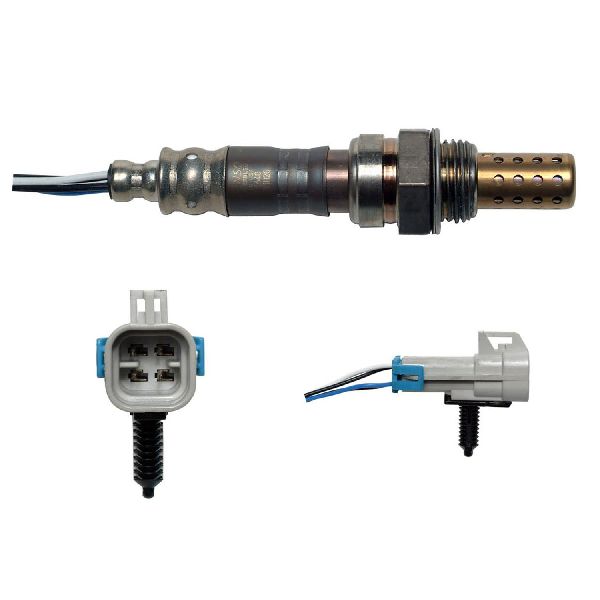
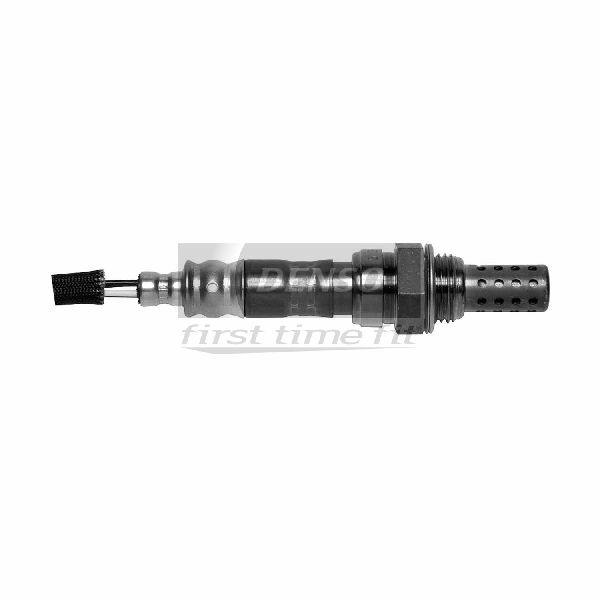
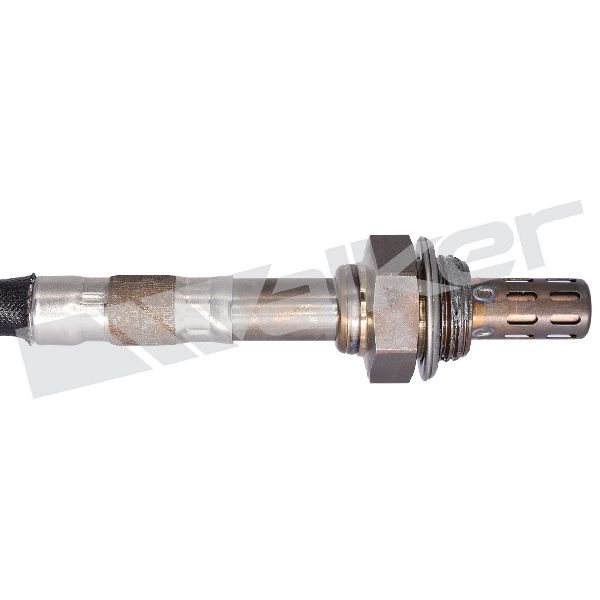
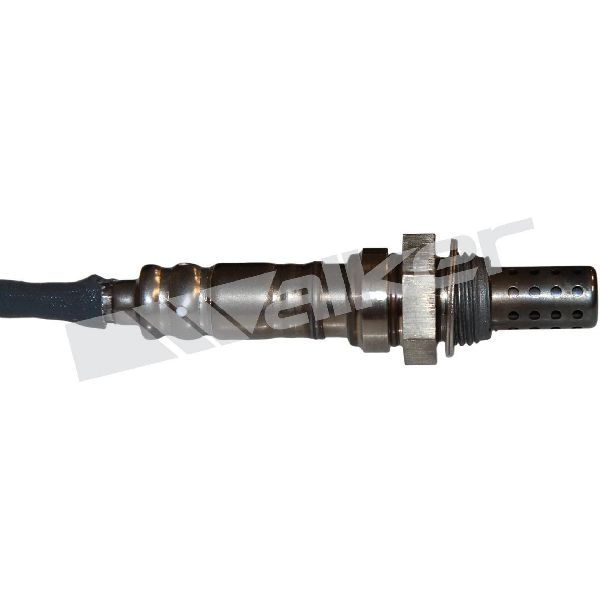
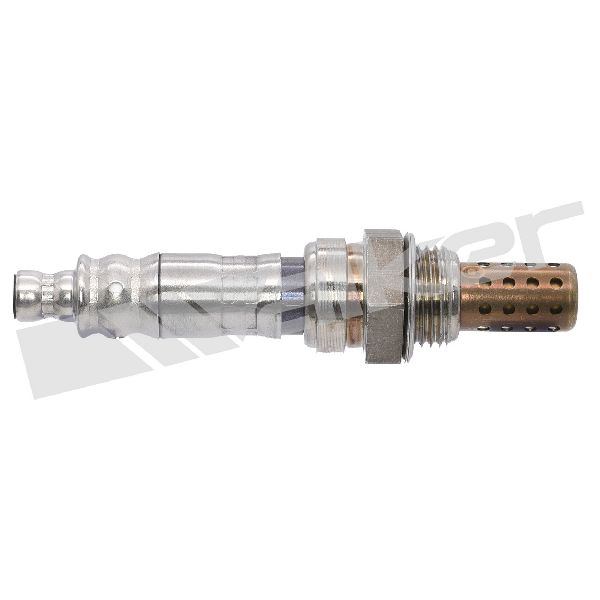
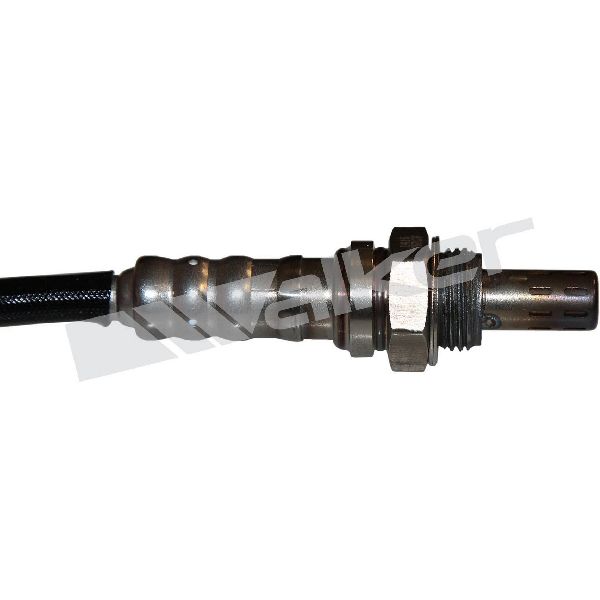
- Upstream Oxygen Sensor (Bank 1, Sensor 1)
(OEM #213-3237)— The internal heater element is the most common point of failure for this code after ruling out a blown fuse.
Trusted brands: ACDelco, Denso, NGK, Bosch
OEM price range: $80-$120
Aftermarket price range: $40-$75
Related Codes That Often Appear With This One
- P0036 — This code is for the Bank 1, Sensor 2 (downstream) heater circuit. If it appears with P0030, it strongly suggests the shared 'EMISS 1' fuse has blown.
- P0443 — This code is for the EVAP Purge Control Valve circuit. This component also shares the 'EMISS 1' fuse, so seeing it with P0030 points directly to a blown fuse.
Platform-Specific Known Issues
- Owner Experience: Fuse was the culprit: A user on a Reddit forum with a 2011 Malibu reported getting P0030, P0036, P0102, P0135, P0141, and P0443 simultaneously. The fix was simply replacing the 'Emission 1 Fuse 6' in the under-hood fuse box, which resolved all codes at once.
- Repair Story: DIY Replacement: A YouTube video for a 2011 Malibu shows a successful DIY replacement of the upstream O2 sensor. The key steps involved removing the engine cover and the exhaust heat shield (using a 10mm socket) to gain access. The old sensor was then removed with a 7/8" wrench. The new sensor came with anti-seize compound for the threads, which is critical for future removal.
Mechanic-Grade Diagnostic Values
- O2 Sensor Heater Circuit Resistance — expected: 3 to 15 Ohms at room temperature.. Failure: A reading of infinity (OL) indicates an open circuit, while a reading near zero indicates a short circuit.
- Heater Circuit Power Supply Voltage — expected: Approximately 12V (battery voltage) at the harness connector's power feed pin (typically Pink/Black) with the key on, engine off.. Failure: Zero or low voltage indicates a problem upstream, such as a blown fuse or wiring issue.
- Engine Ground Voltage Drop — expected: Less than 50 mV between the engine block (near a ground point like G107) and the negative battery terminal with the engine running.. Failure: A reading higher than 50 mV suggests a poor engine ground connection, which can cause various electrical faults, including sensor circuit codes.
Scan Tool Commands That Help
- GM Tech 2 / GDS2: HO2S Heater Test (Bi-Directional Control) — After verifying the fuse is good, this command allows a technician to manually turn the O2 sensor heater on and off. While commanding it on, the technician can monitor live data for heater current. If current flows when commanded, it confirms the ECM driver, wiring, and heater element are all functional.
- GM Tech 2 / GDS2: HO2S Heater Resistance Learn Reset — After replacing an oxygen sensor, this function should be performed to clear the old learned resistance value from the ECM's memory, ensuring it correctly monitors the new sensor.
Wiring & Ground Locations
- EMISS 1 (Fuse #6) — In the under-hood fuse block (UEC).. This 10A fuse provides 12V power to the heater circuits for both O2 sensors and the EVAP purge solenoid. A short in any of these components or their shared wiring will blow this fuse, often setting codes P0030, P0036, and P0443 simultaneously.
- G107 (2.4L Engine) — On the lower left side of the engine block.. This is a primary engine ground point. The ECM relies on a solid engine ground for accurate sensor readings and driver operations. Corrosion or a loose connection here can cause erratic electrical behavior and phantom codes.
- G103 — At the left rear of the engine compartment on the cowl, above the brake booster (2010-2012 models).. This is a critical chassis ground for the Body Control Module (BCM) and Data Link Connector (DLC). While not directly tied to the heater circuit, a poor connection here can cause widespread communication errors that may complicate diagnosis.
- HO2S B1S1 Connector — A 4-pin gray connector attached to the upstream O2 sensor, located on the exhaust manifold at the rear of the engine.. This is the primary point for testing. The heater circuit uses two wires (often the same color) to receive 12V power from the EMISS 1 fuse and a switched ground from the ECM.
Technical Service Bulletins (TSBs) & Recalls
- Manufacturer Bulletin #PIT5336: This bulletin provides information for technicians regarding vehicles with a Service Engine Soon lamp and may include Diagnostic Trouble Codes P0030, P0031, P0036, and P0050 among others.
Real Owner Repair Stories
- YouTube channel 'Dan's Auto Diagnostics and Repair' (2011 Chevrolet Malibu 2.4L LE5) — Check Engine Light with P0030 among other codes.
✅ What actually fixed it The wiring harness for the upstream O2 sensor was found to be completely severed and partially burned from making contact with a hot exhaust component. Repairing the damaged wires resolved the code. - Reddit user in r/MechanicAdvice (2011 Chevy Malibu 2.4L with 210,000 miles) — Sudden onset of multiple codes: P0030, P0036, P0102, P0135, P0141, P0443. The car ran very poorly.
❌ Tried (didn't work) Replacing the Mass Air Flow (MAF) sensor had no effect.
✅ What actually fixed it The issue was a single blown 10A fuse labeled 'Emission 1 Fuse 6' in the under-hood fuse box. Replacing the fuse cleared all codes. - NHTSA ODI #11560268: An owner reported that a dealership diagnosed multiple faults including P0030, P0031, P0403, and P0443. The technician found that a 15 AMP fuse was blown and referenced TSB 21-NA-116.
- NHTSA ODI #11632222: A report describes a "Reduced Propulsion" message on the dash with fault codes P0030, P0031, P0135, and P0443. A technician found a blown fuse [F03] for the EGR valve.
- NHTSA ODI #11681144: An owner noted a list of CEL codes including P0030, P0031, P0403, and P0443, which were reportedly the result of an EGR failure to circulate coolant properly.
- NHTSA ODI #11448862: A report mentions the engine would eventually stop with a message saying "engine offline" while displaying error codes P0030, P0031, P0135, and P0443.
OEM Part Supersession History
12594452 (GM)→213-3237 (ACDelco)— Standard part number rebranding and updates from GM Genuine Parts to the ACDelco line.
Heads up: ACDelco 213-3237 is the direct-fit, recommended OE replacement. Denso part 234-4668 is also a widely accepted high-quality alternative. Forum users report issues with some universal-fit and certain Bosch aftermarket sensors on this platform, recommending sticking to a direct-fit ACDelco, NTK, or Denso sensor.
Model Year Variations Within This Range
- 2009-2012: Introduction of the E85-capable LE9 engine variant alongside the standard LE5. For the purposes of diagnosing P0030, the O2 sensor, its heater circuit, fuse, and wiring are functionally identical between the LE5 and LE9 engines.
Diagnostic Flowchart
Other Known Issues on This Vehicle
Issues unrelated to this code that are worth knowing about as an owner of this generation:
- Excessive Oil Consumption 🔴 High — Very common, particularly on 2010-2013 models with the direct-injected 2.4L. Caused by a poor piston ring design leading to oil blow-by. GM issued special coverage adjustments (e.g., N192291100) for some models. (Ref: 13-06-01-003I)
- Stretched Timing Chain / Failed Tensioners 🔴 High — Common, often occurs around 100,000 miles. This is frequently a direct result of the oil consumption issue starving the chain/tensioners of lubrication. Failure can cause catastrophic engine damage as it is an interference engine. (Ref: PIP4548C)
- Power Steering Loss 🔴 High — Common on 2008-2012 models. A sudden loss of electric power steering assist can occur, making the vehicle very difficult to steer. Often triggers a 'Power Steering' warning on the dash. (Ref: Recall for some 2008-2009 models)
- Harsh Shifting / Transmission Problems (4T45-E / 6T40) 🟠 Medium — Frequently reported by owners. Symptoms include hard shifts, hesitation, and in some cases, failure of the 3-5-R wave plate in 6-speed models. A broken transmission shift cable bushing is also a common, simpler failure point.
- Cracked Exhaust Manifold 🟡 Low — The original cast iron manifold on the 2.4L engine is prone to cracking, causing a loud exhaust leak that sounds like a tractor.
Used vs. New Parts: Buying Guide for This Vehicle
When a used part is the smart pick: A used part is generally not recommended for this repair, with one exception: the under-hood fuse box. If diagnosis points to an internal failure or corrosion of the fuse box itself, a used unit from a donor vehicle with the exact same engine and options can be a cost-effective replacement.
Donor-vehicle mileage cap: roughly under 120000 miles for the part to have meaningful remaining life.
What to inspect on the donor part:
- For a used fuse box, inspect for any signs of water intrusion, corrosion on terminals, or melted plastic around fuse/relay sockets.
- Ensure the part number and all options (e.g., with/without fog lamps) on the donor vehicle match your own exactly.
- Avoid parts from vehicles with signs of fire, flood, or major front-end collision damage.
Aftermarket brands forum-validated for this vehicle:
- ACDelco (OEM)
- Denso
- NTK/NGK
Brands owners have reported issues with on this vehicle:
- Universal 'splice-in' oxygen sensors
- Some forum members have reported compatibility issues and premature failures with certain Bosch aftermarket sensors on this specific GM platform.
Real Owner Stories
Aggregated from forums and TSBs cited above. Mileages and costs reflect what owners reported in those sources.
2011 Chevrolet Malibu 2.4L
Symptoms: Check engine light came on with multiple codes: P0030, P0036, P0102, P0135, P0141, and P0443 simultaneously.
What fixed it: Replacing the 'Emission 1 Fuse 6' in the under-hood fuse box.
Source hint: Reddit r/MechanicAdvice thread titled 'Check engine light came on 2011 Chevy Malibu LT'
2011 Chevrolet Malibu 2.4L
Symptoms: Check engine light on; required sensor replacement.
What fixed it: DIY replacement of the upstream O2 sensor. The process involved removing the engine cover and exhaust heat shield (10mm socket), then using a 7/8" wrench to swap the sensor.
Source hint: YouTube video for a 2011 Malibu shows a successful DIY replacement of the upstream O2 sensor
Related OBD-II Codes
Frequently Asked Questions
I have a 2011 Malibu with P0030 and several other codes like P0036 and P0443. Do I need to replace all these sensors?
Where is the 'EMISS 1' fuse located on my 2008-2012 Malibu?
Is there a TSB for wiring issues that might cause P0030 on my 2.4L Ecotec engine?
How do I access the Bank 1, Sensor 1 oxygen sensor on this vehicle?
Could my Malibu's oil consumption issue be related to the P0030 code?
What should the resistance be for a healthy O2 sensor heater on a 2012 Malibu?
Helpful Videos
We Have This Part in Stock

The information in this article is provided for general reference and educational purposes only. Vehicle specifications, procedures, and part compatibility can vary by production date, trim level, and region. Always consult your vehicle's factory service manual and verify part numbers before purchasing or performing repairs. Safety-critical components such as airbags, seat belts, and braking systems should be installed by a qualified professional.
- Chevrolet Malibu:
- 🧭 Diagnostic Flowchart
- 🎬 Helpful Videos
- 🛍️ Shop This Part
- What's Unique About the 2008-2012 Chevrolet Malibu
- Symptoms You May Notice
- Most Likely Causes
- Rare But Worth Checking
- Diagnosis Steps
- Parts You'll Likely Need
- Related Codes That Often Appear With This One
- Platform-Specific Known Issues
- Mechanic-Grade Diagnostic Values
- Scan Tool Commands That Help
- Wiring & Ground Locations
- Technical Service Bulletins (TSBs) & Recalls
- Real Owner Repair Stories
- OEM Part Supersession History
- Model Year Variations Within This Range
- Other Known Issues on This Vehicle
- Used vs. New Parts: Buying Guide for This Vehicle
- Real Owner Stories
- 2011 Chevrolet Malibu 2.4L
- 2011 Chevrolet Malibu 2.4L
- Related OBD-II Codes
- Frequently Asked Questions
- 🎟️ Get 5% Off