

P0030 on 2009-2017 Chevrolet Traverse 3.6L: O2 Sensor Heater Circuit Causes and Fixes
On a 2009-2017 Chevrolet Traverse, the P0030 code almost always indicates a failed internal heater in the Bank 1, Sensor 1 oxygen sensor. This is the upstream sensor on the firewall side of the engine. Replacing the sensor is the most common fix, with parts costing between $40 and $150. Access to this specific sensor is very difficult and is the primary challenge of the repair.
- P0030 on a Traverse points directly to a problem with the heater in the upstream oxygen sensor on the firewall side of the engine.
- The most likely fix is replacing the Bank 1, Sensor 1 O2 sensor.
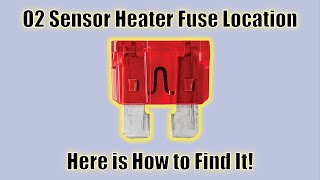
- Before buying parts, always check the O2 sensor heater fuse in the engine bay fuse box.
- Be prepared for a difficult replacement due to the sensor's location. The DIY difficulty is high due to poor access.
- For 2016-2017 models, inspect for power steering fluid leaks above the sensor before starting the repair.
What's Unique About the 2009-2017 Chevrolet Traverse
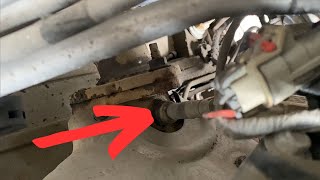
For the first-generation Traverse and its platform mates (GMC Acadia, Buick Enclave), the primary challenge with a P0030 code is not the diagnosis, but the physical access to the sensor. Bank 1 is located on the rear of the engine against the firewall, making the upstream Sensor 1 very difficult to reach from either the top or bottom of the vehicle. Mechanics and DIYers often report needing to access it from underneath the vehicle, and even then, the space is extremely tight. This difficult 🎬 Watch: See how to access the difficult Bank 1 sensor. location can turn a simple part replacement into a more time-consuming and frustrating job compared to the easily accessible Bank 2 sensor at the front of the vehicle.
Generation note: The 2009-2017 year range covers the entire first generation of the Chevrolet Traverse. However, there was an engine change. The LLT 3.6L V6 was used from 2009-2012, and the LFX 3.6L V6 was used from 2013-2017. The meaning of P0030 and the diagnostic process are identical for both engines, but the specific oxygen sensor part number may differ. Always verify the part number for your specific year and engine.
Symptoms You May Notice
- Check Engine Light is on
- Decreased fuel economy
- Rough idle on cold starts
- Failure to pass an emissions test
- Replacing the wrong oxygen sensor (e.g., Bank 2 instead of Bank 1, or Sensor 2 instead of Sensor 1).
- Replacing the oxygen sensor without first checking the fuse.
- Replacing the sensor when the actual fault is a corroded connector or damaged wiring.
Most Likely Causes
- Failed Oxygen Sensor Heater Element 🔴 High Probability → Shop Oxygen Sensor The internal heater element is a resistor that undergoes constant, extreme heat cycles, making it the most common failure point for this code on any vehicle, including the Traverse.
How to confirm: After checking the fuse, test the resistance of the heater circuit at the sensor's connector using a multimeter. A healthy sensor will have a low resistance, typically between 2-10 ohms, with a cold reading around 6 ohms being common for GM sensors. A reading of 'OL' (Open Loop) or infinite resistance indicates a broken heater element.
Typical fix: Replace the Bank 1, Sensor 1 oxygen sensor. Note: GM service information advises against soldering O2 sensor wiring as it can impede the sensor's air reference path.
Est. part cost: $40-$150 - Blown Fuse 🟡 Medium Probability A short circuit in the sensor's heater element or its wiring can cause the protective fuse to blow.
How to confirm: Locate the fuse box in the engine compartment on the passenger side. Check the 15A fuses labeled 'EMISSION 1' and 'EMISSION 2', as one of these typically protects the O2 sensor heater circuits. A visual inspection or continuity test will confirm if it's blown.
Typical fix: Replace the blown fuse. If it blows again immediately, there is an underlying short circuit in the wiring or the sensor itself that must be found.
Est. part cost: $1-$5 - Damaged Wiring or Connector ⚪ Low Probability The wiring harness for the O2 sensor is routed near hot exhaust components. Over time, the plastic loom and insulation can become brittle and break, or melt, leading to shorts or open circuits. Connectors can also become corroded.
How to confirm: Visually inspect the entire length of the wiring harness from the sensor to the main engine harness. Look for any signs of melting, chafing, or corrosion on the connector pins. Check for pushed-out pins within the connector itself.
Typical fix: Repair the damaged section of wire or replace the connector pigtail.
Est. part cost: $10-$40
Rare But Worth Checking
- Faulty Engine Control Module (ECM): → Shop Engine Control Module (ECM) This is extremely rare. The ECM's internal driver for the heater circuit can fail, but all other possibilities should be exhaustively ruled out before considering ECM replacement.
- Power Steering Fluid Leak (2016-2017 models): A known issue covered by TSB 18-NA-009 involves a power steering hose leaking fluid directly onto the Bank 1 O2 sensor connector and harness. This contamination can cause various O2 sensor codes, including P0030. The TSB indicates the fix may require replacing the power steering hose, the O2 sensor, and the entire engine wiring harness.
Diagnosis Steps
- Verify the presence of code P0030 with an OBD-II scanner.
- Locate the engine compartment fuse box on the passenger side and inspect the 15A fuses for 'EMISSION 1' and 'EMISSION 2'. Replace if blown.
- If the fuse is good, raise and safely support the vehicle.
- Locate the Bank 1, Sensor 1 oxygen sensor. It is on the rear exhaust manifold, near the firewall, and must be accessed from underneath.
- Inspect the sensor's wiring harness and connector for any signs of melting, chafing, or corrosion. For 2016-2017 models, specifically check for signs of power steering fluid contamination from the hose above, per TSB 18-NA-009.
- Disconnect the sensor. With the key on and engine off, use a multimeter to check for 12V power on the heater circuit supply wire at the harness connector.
- Check for a good ground on the ground wire of the heater circuit at the harness connector.
- If power and ground are present, measure the resistance across the two heater circuit pins on the sensor itself (usually the two same-colored wires). A healthy sensor will have a low resistance (typically 2-10 ohms). An infinite resistance ('OL') reading means the heater element is broken and the sensor must be replaced.
- If power or ground is missing at the connector, the wiring harness must be traced back to the ECM to find the break or short.
- If all wiring and the sensor check out, the issue may be a rare failure of the ECM driver circuit.
Parts You'll Likely Need
- Bank 1, Sensor 1 Oxygen Sensor (Upstream, Rear)
(OEM #12609457 (ACDelco 213-4229) for LLT engines, 12639692 (ACDelco 213-4768) for LFX engines - verify by VIN)— The internal heater element failing is the most common cause of P0030. The sensor is a single unit and must be replaced.
Trusted brands: ACDelco, Denso, NGK, Bosch
OEM price range: $80-$150
Aftermarket price range: $40-$100
Related Codes That Often Appear With This One
- P0031 — This code indicates 'HO2S Heater Control Circuit Low,' suggesting a short to ground in the heater circuit, which could be caused by the same wiring faults or a blown fuse.
- P0032 — This code indicates 'HO2S Heater Control Circuit High,' suggesting a short to power in the heater circuit, often from melted wiring. This code is specifically mentioned in TSB 18-NA-009 related to power steering fluid contamination.
Technical Service Bulletins (TSBs) & Recalls
- TSB 18-NA-009: Relates to a potential power steering fluid leak contaminating the Bank 1 O2 sensor connector on 2016-2017 models, potentially requiring replacement of the sensor, hose, and engine wiring harness.
- Bulletin #PIT5336: Provides information regarding vehicles exhibiting a Service Engine Soon Malfunction Indicator Lamp, specifically noting that technicians may find Diagnostic Trouble Code P0030 among several other oxygen sensor heater and control circuit codes.
Platform-Specific Known Issues
- The location of the Bank 1 Sensor 1 on the rear of the engine against the firewall makes access extremely difficult. It must be reached from underneath the vehicle, and even then, space is very limited. This significantly increases the labor time and difficulty of the repair.
- On 2016-2017 models, TSB 18-NA-009 notes that a leaking power steering hose can drip fluid onto the O2 sensor connector, causing failure that may require replacing the hose, sensor, and engine wiring harness.
Mechanic-Grade Diagnostic Values
- O2 Sensor Heater Element Resistance — expected: 3 to 10 Ohms when tested across the two same-colored wires on the sensor connector.. Failure: A reading of infinite resistance (OL) indicates an open circuit (failed heater). A reading significantly outside the 3-10 Ohm range also indicates a faulty sensor.
- Heater Circuit Power Supply Voltage — expected: Approximately 12 Volts (or battery voltage) at the harness-side connector pin for the heater power supply.. Failure: Zero or significantly low voltage points to a blown fuse (EMISSION 1 or 2) or a break in the power wire from the fuse block.
- Heater Control Circuit to Ground Resistance — expected: High resistance or Open Loop (OL).. Failure: Low resistance or continuity to ground indicates a short in the control wire between the ECM and the sensor connector.
Wiring & Ground Locations
- G110 — Right front of the engine, mounted to the cylinder head.. This is a primary engine ground. While not directly for the O2 sensor, a poor connection at G110 can introduce electrical noise and voltage issues that affect the ECM and its sensor readings.
- G113 — Left side of the engine, at an engine-to-transmission stud.. This is another critical engine block ground. A loose or corroded connection here can cause intermittent and hard-to-diagnose electrical faults for various sensors, including oxygen sensors.
- Heater Circuit Power Wire — Pink wire with a black stripe (PNK/BLK) at the B1S1 connector, originating from the 'EMISSION 1' or 'EMISSION 2' 15A fuse in the underhood fuse block.. This is the specific wire that supplies the 12V power to the heater element. Technicians must verify voltage on this pin to rule out a power supply issue before condemning the sensor.
- Heater Control Wire — Tan wire (TAN) at the B1S1 connector, running to the Engine Control Module (ECM).. The ECM uses this wire to control and monitor the heater circuit. A short or open on this wire will directly cause a P0030 code.
Real Owner Repair Stories
- YouTube user comment on '2012 Chevy Traverse O2 Sensor code' video (2012 Chevrolet Traverse) — Check Engine Light with multiple O2 sensor codes including P0036, P2271, P0140, and P0138.
❌ Tried (didn't work) Replacing the oxygen sensor did not solve the problem.
✅ What actually fixed it The problem was found in the vehicle's main wiring harness connector that plugs into the O2 sensor. The wires were pulled out or damaged inside the connector housing, causing a poor connection. Replacing the connector pigtail resolved the codes.
OEM Part Supersession History
12609457→Current— This is the longstanding GM part number for the sensor used in many LLT V6 applications.
Heads up: This part number is often listed for downstream positions on other GM V8 vehicles, but it is specified for the upstream position on the Traverse 3.6L LLT. Always verify fitment with VIN. The ACDelco service part number is 213-4229.
Model Year Variations Within This Range
- 2009-2012 vs 2013-2017: The engine changed from the LLT (2009-2012) to the LFX (2013-2017). While the P0030 code diagnosis is the same, the specific upstream oxygen sensor part number is different. The LLT uses GM #12609457 (ACDelco #213-4229), while the LFX uses GM #12639692 (ACDelco #213-4768).
Diagnostic Flowchart
Other Known Issues on This Vehicle
Issues unrelated to this code that are worth knowing about as an owner of this generation:
- Premature Timing Chain Stretch (LLT Engine) 🔴 High — Very common on 2009-2012 models, typically between 70,000 and 120,000 miles. Linked to long oil change intervals from the original Oil Life Monitor calibration. (Ref: TSB #12-06-01-009; Special Coverage Adjustment #14582 (Expired))
- 6T70/6T75 Transmission 3-5-R Wave Plate Failure 🔴 High — Common on 2009 models, leading to a sudden loss of 3rd, 5th, and Reverse gears. Failure can occur just outside the warranty period. (Ref: Special Coverage Adjustment #14404B (Expired))
- Power Steering System Failures (Pump, Rack, Hoses) 🟠 Medium — Widespread across all years. Symptoms include whining noise, fluid leaks, and intermittent loss of power assist at low speeds. Onset can be from 50,000 miles onward. (Ref: TSB #10-02-32-002A, TSB #13-02-32-001G, Special Coverage Adjustment #14329 (Expired))
- Carbon Buildup on Intake Valves 🟠 Medium — A common issue for the direct-injection LLT and LFX engines, causing misfires (P0300), rough idle, and poor performance, especially on cold starts. Typically requires cleaning every 60,000-80,000 miles.
Used vs. New Parts: Buying Guide for This Vehicle
When a used part is the smart pick: For this repair, using a used part is almost never a good idea. The primary failure is the internal heater element, which is a wear item. A used sensor has an unknown amount of life left and the labor to access the Bank 1 sensor is too high to risk an early failure. A used wiring harness pigtail from a junkyard is a viable option if only the connector is damaged.
Donor-vehicle mileage cap: roughly under 30000 miles for the part to have meaningful remaining life.
What to inspect on the donor part:
- For a connector pigtail, inspect for any signs of melting, brittleness, or corrosion on the pins.
- Ensure the locking tab on the connector is intact and functional.
- Cut the pigtail with as much wire as possible to facilitate splicing.
OEM-only on this vehicle (don't cheap out):
- While not strictly 'OEM-only', using a reputable OE-supplier brand is highly recommended for oxygen sensors due to the high labor cost of replacement on this vehicle.
Aftermarket brands forum-validated for this vehicle:
- ACDelco (Original Equipment)
- Denso
- NTK (part of NGK)
- Bosch
Brands owners have reported issues with on this vehicle:
- Unknown, no-name brands from online marketplaces should be avoided as their quality control and lifespan are questionable, and the difficult labor for this specific sensor location makes doing the job twice very undesirable.
Real Owner Stories
Aggregated from forums and TSBs cited above. Mileages and costs reflect what owners reported in those sources.
2009 Chevrolet Traverse 3.6L V6
Symptoms: O2 sensor codes, specifically the bank two lower O2 sensor voltage was stuck high at 1.250 volts. Diagnostic check found 5 volts on the ground wire for the sensor.
What fixed it: The final diagnosis was a faulty PCM. A temporary fix was implemented by running a substitute ground wire to the O2 sensor, which allowed the vehicle to pass inspection.
Source hint: youtube_comment: South Main Auto LLC
2010 Buick Enclave 3.6L V6
Symptoms: High fuel consumption and code P0030.
What fixed it: Replacing a corroded O2 sensor connector.
Source hint: carly.com/blog/en/buick-enclave-oxygen-sensor-issue/
2016-2017 Chevrolet Traverse 3.6L V6
Symptoms: O2 sensor failure caused by fluid contamination.
What fixed it: Replacing the power steering hose, the O2 sensor, and the engine wiring harness due to power steering fluid leaking onto the connector.
Source hint: TSB 18-NA-009
Related OBD-II Codes
Frequently Asked Questions
I have a 2017 Traverse and the O2 sensor connector is covered in oil. Is there a known issue for this?
Where are the 'EMISSION' fuses located on the 2009-2017 Traverse?
Can I just solder the wires to fix a broken O2 sensor connector on my Traverse?
Why is the labor for Bank 1 Sensor 1 so much higher than other sensors on this V6?
What should the resistance be for a healthy O2 sensor heater on a GM vehicle?
My 2010 Traverse has a rough idle on cold starts along with P0030. Could it be something else?
Helpful Videos
We Have This Part in Stock


The information in this article is provided for general reference and educational purposes only. Vehicle specifications, procedures, and part compatibility can vary by production date, trim level, and region. Always consult your vehicle's factory service manual and verify part numbers before purchasing or performing repairs. Safety-critical components such as airbags, seat belts, and braking systems should be installed by a qualified professional.
- Chevrolet Traverse:
- 🧭 Diagnostic Flowchart
- 🎬 Helpful Videos
- 🛍️ Shop This Part
- What's Unique About the 2009-2017 Chevrolet Traverse
- Symptoms You May Notice
- Most Likely Causes
- Rare But Worth Checking
- Diagnosis Steps
- Parts You'll Likely Need
- Related Codes That Often Appear With This One
- Technical Service Bulletins (TSBs) & Recalls
- Platform-Specific Known Issues
- Mechanic-Grade Diagnostic Values
- Wiring & Ground Locations
- Real Owner Repair Stories
- OEM Part Supersession History
- Model Year Variations Within This Range
- Other Known Issues on This Vehicle
- Used vs. New Parts: Buying Guide for This Vehicle
- Real Owner Stories
- 2009 Chevrolet Traverse 3.6L V6
- 2010 Buick Enclave 3.6L V6
- 2016-2017 Chevrolet Traverse 3.6L V6
- Related OBD-II Codes
- Frequently Asked Questions
- 🎟️ Get 5% Off