

P0030 on 2010-2012 Ford Fusion Hybrid: Heater Circuit Causes and Fixes
This code almost always means the upstream oxygen sensor (Bank 1, Sensor 1) has a failed internal heater. The most common fix is to replace the sensor itself. Expect to pay $60-$120 for an aftermarket sensor or $150+ for an OEM Motorcraft part. It's a DIY-friendly job, but the sensor can be difficult to remove.
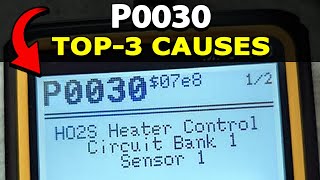
- P0030 on a 2010-2012 Fusion Hybrid points to a fault in the heater circuit of the upstream oxygen sensor (Bank 1, Sensor 1).
- The most likely cause is a failed sensor, which is a common wear-and-tear item.
- Before replacing the sensor, always check the corresponding fuse and visually inspect the wiring for damage, as this can save time and money.
- The sensor is located on the exhaust manifold behind the engine. While it can be unscrewed from the top, you may need to get under the car to disconnect its electrical plug.
- This is a DIY-friendly repair, but you will need a special O2 sensor socket and potentially a breaker bar to remove the old sensor.
What's Unique About the 2010-2012 Ford Fusion Hybrid
For the 2010-2012 Fusion Hybrid, the P0030 code is a straightforward issue with no unique platform-specific quirks or widespread problems noted in TSBs. The repair is typical for this type of sensor, though access can be slightly tight. The sensor is located on the exhaust manifold behind the engine, and while it can be reached from the top, the electrical connector is often easier to access from underneath the vehicle. Manufacturer service bulletin TSB 16-0143 specifically notes that Fusion Hybrid, Milan Hybrid, and MKZ Hybrid vehicles may exhibit an illuminated MIL with DTC P0030 and/or P0130, directing technicians to follow specific service procedures to correct the condition.
Symptoms You May Notice
- Check Engine Light is on
- Decreased fuel economy
- Rough idle, especially when the engine is cold
- Failure to pass an emissions test
- Replacing the downstream (Bank 1, Sensor 2) oxygen sensor instead of the upstream (Bank 1, Sensor 1) sensor.
Most Likely Causes
- Failed Upstream Oxygen Sensor 🔴 High Probability → Shop Oxygen Sensor The internal heating element of an O2 sensor is a common failure point over time due to constant heat cycles and exposure to exhaust gases. The heater element is essentially like a light bulb filament that burns out.
How to confirm: After confirming the fuse and wiring are intact, test the resistance of the heater circuit at the sensor's connector using a multimeter. The two wires for the heater circuit are typically the same color (e.g., two white wires). A reading that is out of specification (often showing an open circuit or 'OL') indicates the internal heater has failed.
Typical fix: Replace the Bank 1, Sensor 1 (upstream) oxygen sensor. The sensor is located on the exhaust manifold behind the engine.
Est. part cost: $60-$180 - Damaged Wiring or Connector 🟡 Medium Probability The sensor wiring is located in a high-heat area near the exhaust manifold, making it susceptible to becoming brittle, melting, or corroding over time. The heat from the exhaust is a primary cause of wiring-related failures for this code.
How to confirm: Visually inspect the wiring harness and connector leading to the upstream O2 sensor for any signs of melting, chafing, corrosion, or loose pins. Check for 12-volt power at the connector with the key on, engine off.
Typical fix: Repair the damaged section of the wiring harness or replace the connector pigtail. Ensure the wiring is properly secured away from hot exhaust components.
Est. part cost: $15-$50 - Blown Fuse ⚪ Low Probability
How to confirm: Locate the fuse for the O2 sensor heater circuit in the vehicle's fuse box. For the 2010-2012 Fusion, this is typically in the engine compartment fuse box (Power Distribution Box). While a specific fuse isn't universally labeled 'O2 Heater', it is often tied to the PCM power or emissions system fuses. Check the owner's manual for fuses labeled 'PCM', 'Emissions', or 'HO2S'. Visually inspect the fuse or test it for continuity with a multimeter.
Typical fix: Replace the blown fuse. If the new fuse blows immediately, it indicates a short circuit in the wiring or the sensor itself that must be diagnosed.
Est. part cost: $1-$5
Rare But Worth Checking
- Faulty Powertrain Control Module (PCM): → Shop Engine Control Module (ECM) This is extremely rare. Before condemning the PCM, all other possibilities (sensor, wiring, fuses) must be exhaustively ruled out by a professional. A faulty PCM driver for the heater circuit can cause this code. Bulletin #TSB-14-0129 notes that DTC P0030 can be stored in the PCM memory and cause the MIL to illuminate, requiring a diagnostic check of the module.
Diagnosis Steps
- Retrieve the code with an OBD-II scanner to confirm P0030 is the primary code.
- Check the fuse for the O2 sensor heater circuit in the engine compartment fuse box. Replace if blown and re-test.
- Visually inspect the wiring harness and connector for the upstream O2 sensor. Look for any signs of melting, fraying, or corrosion, paying close attention to areas near the hot exhaust manifold.
- If the wiring appears okay, disconnect the sensor. With the ignition on (engine off), use a multimeter to verify there is 12V+ power being supplied to the heater circuit at the harness connector. Lack of voltage points to a wiring or fuse issue.
- With the sensor still disconnected, measure the resistance (ohms) across the two heater circuit pins on the sensor itself (usually the two same-colored wires). A reading of 'OL' (over-limit) or infinite resistance means the heater element inside the sensor is broken and the sensor must be replaced. A good sensor will typically have a low resistance, often between 2 and 30 ohms, depending on the manufacturer.
- If power is present and the sensor's resistance is within spec, there may be an issue with the ground side of the circuit or, rarely, the PCM.
Parts You'll Likely Need
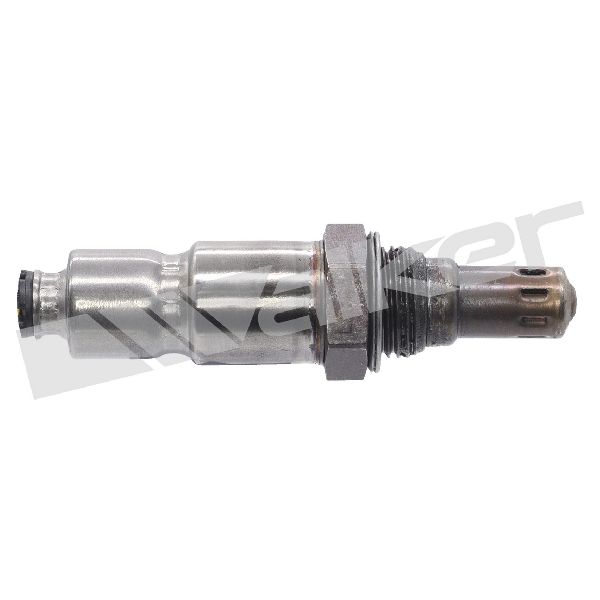
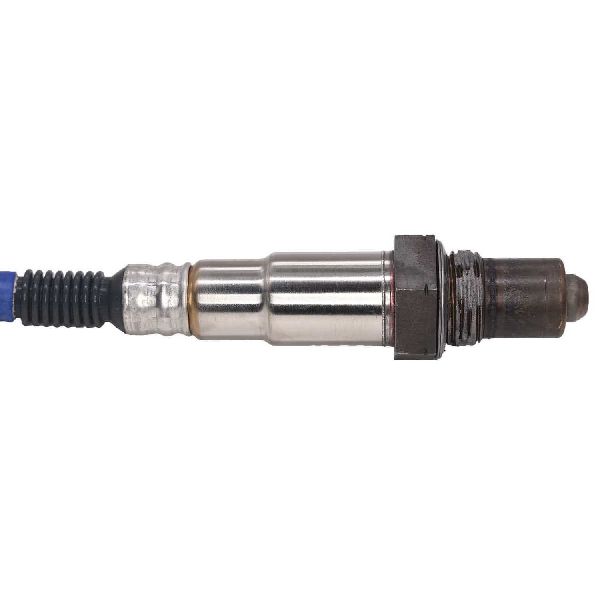
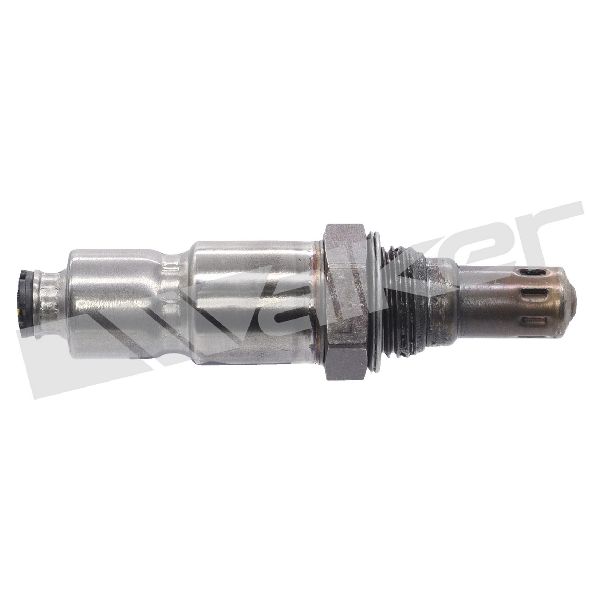
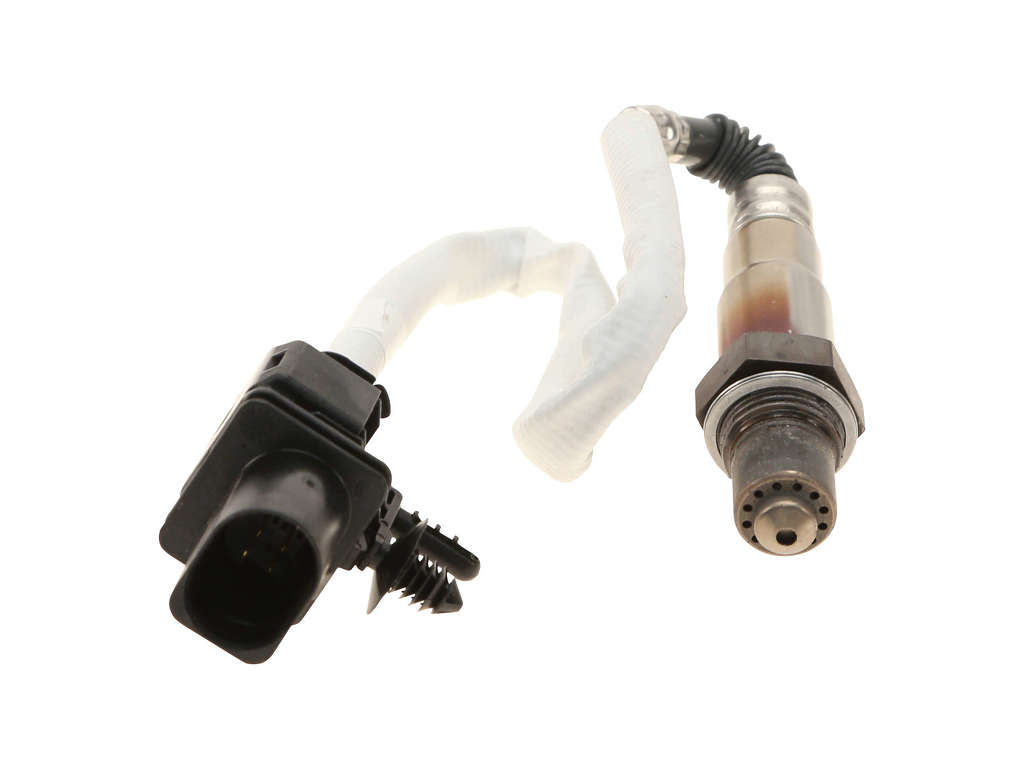
- Upstream Oxygen Sensor (Bank 1, Sensor 1)
(OEM #Motorcraft DY-1141 (Ford P/N: 9E5Z-9F472-D))— This is the component that contains the heating element reported as faulty by the P0030 code. The internal heater failing is the most common cause.
Trusted brands: Motorcraft, Bosch, Denso, NGK/NTK
OEM price range: $150-$200
Aftermarket price range: $60-$120
Mechanic-Grade Diagnostic Values
- Upstream O2 Sensor (HO2S 11) Heater Element Resistance — expected: 2 to 30 Ohms. Failure: A reading of 'OL' (Over Limit/Open Loop) or near zero Ohms indicates a failed heater element.
- HO2S Heater Circuit Power Supply — expected: 12V+ (Battery Voltage) at the harness connector with Key On, Engine Off.. Failure: No voltage or significantly low voltage points to a blown fuse or a break in the power wire from the PCM/fuse box.
- HO2S Heater Circuit Ground Resistance — expected: Less than 0.2V on the ground wire when back-probed with the sensor connected and Key On, Engine Off.. Failure: A reading above 0.2V indicates excessive resistance in the ground circuit, often due to corrosion or a bad ground point.
- Live Data - HO2S Heater Current (Amps) — expected: Typically 0.5 to 1.5 Amps during warm-up.. Failure: Zero amps indicates an open circuit (bad sensor, wiring, or fuse). Abnormally high amps suggest a short circuit.
Scan Tool Commands That Help
- Ford IDS (Integrated Diagnostic System): Datalogger - PID Monitoring — Use the datalogger to monitor PIDs like 'HO2S Heater Current' and 'O2 Sensor Temperature' during a cold start. This allows you to watch the heater circuit's performance in real-time. A slow temperature rise or zero current draw confirms a fault in the heater circuit, helping to distinguish between a sensor and a wiring issue without extensive manual testing.
- Ford IDS (Integrated Diagnostic System): Retrieve Continuous Memory DTCs — This function can reveal intermittent codes that may not be active but were stored previously. For a P0030, this can help see if other related circuit codes have been triggered in the past, pointing towards a more complex wiring issue rather than a simple sensor failure.
Wiring & Ground Locations
- HO2S 11 Connector Pins (Heater Circuit) — On the upstream oxygen sensor connector.. The heater circuit wires are typically the two wires of the same color (e.g., two black or two white wires). These are the pins to use for resistance testing on the sensor and for voltage/ground checks on the harness side.
- G105 — Right front of the engine compartment.. Wiring diagrams for the 2.5L Hybrid indicate that G105 is a ground point used by the PCM and various engine sensors, including potentially the HO2S circuit. A corroded or loose G105 can cause high resistance in the ground side of the heater circuit, triggering a P0030 even with a good sensor.
OEM Part Supersession History
9E5Z-9F472-D→9E5Z-9F472-E— Standard part revision and update by Ford.
Heads up: The corresponding Motorcraft part number is DY-1141. Some sources may list DY-1174 for the 2012 model, which is a 5-wire wideband sensor; ensure you are purchasing the correct sensor based on your vehicle's specific emissions system and connector.
Diagnostic Flowchart
Other Known Issues on This Vehicle
Issues unrelated to this code that are worth knowing about as an owner of this generation:
- Electronic Throttle Body (ETB) Failure 🔴 High — A very common issue. Can occur at any mileage, often reported between 60k-100k miles. Causes sudden loss of power ('limp mode') which is a safety hazard. (Ref: Ford issued Customer Satisfaction Program 13N03 for non-hybrid models, but many hybrid owners report the same failure without coverage.)
- ABS Hydraulic Control Unit (HCU) Failure 🔴 High — Widespread reports of sudden brake failure where the pedal goes soft or to the floor. The issue is often a failed ABS module. A recall (19S54) was issued for non-hybrid models for a similar issue, but hybrid models with different HCU behavior are also affected. (Ref: Recall 09S09 / NHTSA campaign 09V399000 addresses a valve issue in the HCU. Owners report failures beyond the scope of the recall.)
- eCVT / HF35 Transmission Failure 🔴 High — Less common than ETB or ABS issues, but failures are catastrophic and expensive. Symptoms include harsh shifting, delayed engagement, and eventual total failure. Problems are noted more on the 2013+ models but still occur on the first generation.
- Inconsistent Brake Pedal Feel 🟡 Low — Common complaint where the transition between regenerative and hydraulic braking feels unnatural or 'mushy'. This is often considered a characteristic of the system but can be alarming. (Ref: Ford issued a TSB early on to reprogram the brake software to make the transition smoother.)
Used vs. New Parts: Buying Guide for This Vehicle
When a used part is the smart pick: Never. Oxygen sensors are wear-and-tear items with a finite lifespan. The heating element is subjected to thousands of heat cycles and exhaust gas exposure. A used sensor has an unknown amount of life left and is a very poor value, as the labor to install it is the same whether it's new or used.
What to inspect on the donor part:
- Not applicable. Do not buy a used oxygen sensor.
OEM-only on this vehicle (don't cheap out):
- While not strictly 'OEM-only', using the OEM Motorcraft sensor (DY-1141) is highly recommended for guaranteed compatibility and performance. Some aftermarket sensors can have slightly different heater resistances or response times that may not work perfectly with the Ford PCM's specific calibration.
Aftermarket brands forum-validated for this vehicle:
- Denso
- NTK (NGK)
- Bosch
Brands owners have reported issues with on this vehicle:
- Generic, unbranded 'white-box' parts from online marketplaces. These often fail prematurely or have incorrect heater resistance, causing the P0030 code to return.
Real Owner Stories
Aggregated from forums and TSBs cited above. Mileages and costs reflect what owners reported in those sources.
2011 Ford Fusion Hybrid 2.5L
Symptoms: Engine warning light with error code P0030; user was investigating if the oxygen sensor was the definitive cause.
What fixed it: The source identifies the Bank 1 Sensor 1 location on the exhaust manifold behind the engine for replacement.
Source hint: Ford Owners Club: Ford Fusion Lambda Sensor Fault (P0030)
2010-2012 Ford Fusion Hybrid 2.5L
Symptoms: Persistent P0030 fault code even after the oxygen sensor was replaced.
What fixed it: The report highlights that a sensor replacement alone may not work, suggesting the need to diagnose wiring and grounds for a deeper electrical problem.
Source hint: Ford Fusion Club: P0300 & P0030 fault codes
Ford Fusion Owner Report
Symptoms: An owner reported that for some reason their car wouldn't start. After running a diagnostic, they found numerous codes including P0300, P0301, P0302, P0303, P0304, P0030, C0014, P0047, and P0141.
What fixed it: The owner began troubleshooting by looking for loose wires and checking fuses and plugs (NHTSA ODI #11404251).
Related OBD-II Codes
Frequently Asked Questions
Where is the Bank 1, Sensor 1 oxygen sensor located on my 2010-2012 Fusion Hybrid?
I replaced the sensor but P0030 is still there. What else should I check on this Ford platform?
Which fuse controls the O2 sensor heater circuit in the 2010-2012 Fusion Hybrid?
Are there any specific tools recommended for changing the sensor on the 2.5L Duratec Hybrid?
Does the 2010-2012 Fusion Hybrid share this P0030 issue with other vehicles?
Can I use a used oxygen sensor from a salvage yard to save money?
Helpful Videos
We Have This Part in Stock


The information in this article is provided for general reference and educational purposes only. Vehicle specifications, procedures, and part compatibility can vary by production date, trim level, and region. Always consult your vehicle's factory service manual and verify part numbers before purchasing or performing repairs. Safety-critical components such as airbags, seat belts, and braking systems should be installed by a qualified professional.
- Ford Fusion Hybrid:
- 🧭 Diagnostic Flowchart
- 🎬 Helpful Videos
- 🛍️ Shop This Part
- What's Unique About the 2010-2012 Ford Fusion Hybrid
- Symptoms You May Notice
- Most Likely Causes
- Rare But Worth Checking
- Diagnosis Steps
- Parts You'll Likely Need
- Mechanic-Grade Diagnostic Values
- Scan Tool Commands That Help
- Wiring & Ground Locations
- OEM Part Supersession History
- Other Known Issues on This Vehicle
- Used vs. New Parts: Buying Guide for This Vehicle
- Real Owner Stories
- 2011 Ford Fusion Hybrid 2.5L
- 2010-2012 Ford Fusion Hybrid 2.5L
- Ford Fusion Owner Report
- Related OBD-II Codes
- Frequently Asked Questions
- 🎟️ Get 5% Off