

P0030 on 2010-2017 GMC Terrain 2.4L: HO2S Heater Circuit Causes and Fixes
On a 2010-2017 GMC Terrain with the 2.4L engine, code P0030 almost always means the upstream oxygen sensor (Bank 1, Sensor 1) has failed. Before replacing it, check the 15A fuse #43 in the under-hood fuse box. A new OEM-quality sensor from ACDelco or Denso costs about $40-$90.
- P0030 points to a problem with the heater inside your upstream O2 sensor.
- Before buying any parts, check the 15A fuse #43 in the fuse box under the hood. It's a simple check that could save you time and money.
- If the fuse is good, the most likely culprit is the oxygen sensor itself, which fails from normal wear and tear.
- Replacing the sensor is a DIY-friendly job with basic tools and an O2 sensor socket.
- This issue is identical on the 2010-2017 Chevrolet Equinox with the same 2.4L engine.
What's Unique About the 2010-2017 GMC Terrain
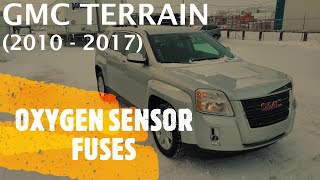
For the first-generation GMC Terrain and its platform-mate, the Chevrolet Equinox, with the 2.4L Ecotec engine, the P0030 code is a straightforward and common issue. There are no major platform-specific complexities. The most critical vehicle-specific detail is knowing to check fuse #43 (labeled 'pre-catalytic converter sensor') in the under-hood fuse box before spending 🎬 Watch: How to find and check the O2 sensor fuse money on a new sensor, as this is a simple and often overlooked step. Otherwise, the cause is typically a standard failure of the oxygen sensor's internal heating element due to age and heat cycles. A less common but notable issue with this engine is excessive oil consumption, which can foul O2 sensors over time, though this typically presents with other codes first.
Generation note: The 2010-2017 model years cover the entire first generation of the GMC Terrain. The information for this code is consistent across all years in this range and also applies to its direct platform mate, the 2010-2017 Chevrolet Equinox with the 2.4L engine.
Symptoms You May Notice
- Check Engine Light is on
- Decreased fuel economy
- Rough idle, especially on cold starts
- Failing an emissions test
- Hesitation on acceleration before the engine is fully warm
- Replacing the oxygen sensor without first checking the 15A fuse #43. If the fuse is blown, a new sensor will not work either and the code will return immediately.
- Assuming the O2 sensor is bad when the real issue is a melted wire or damaged connector harness from proximity to the exhaust.
Most Likely Causes
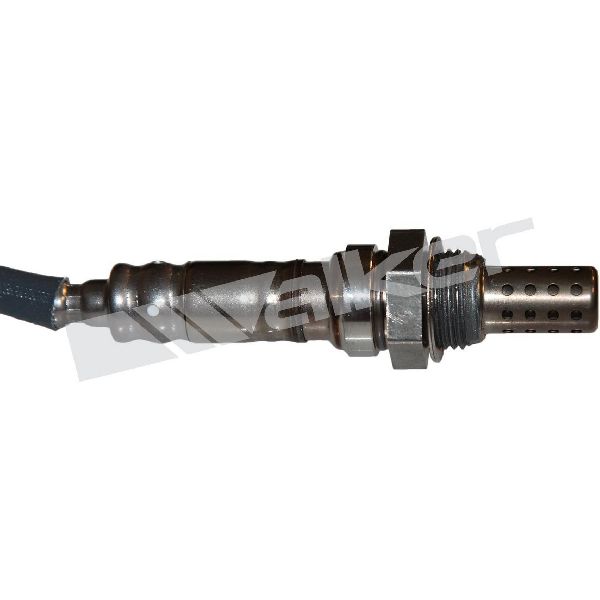
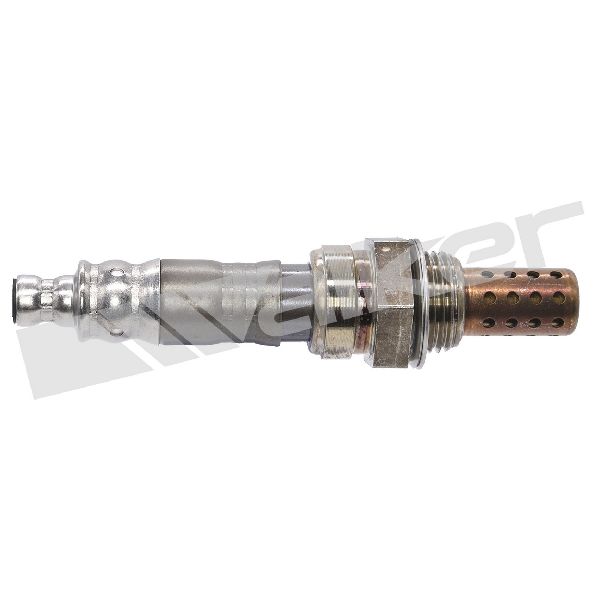
- Failed Upstream Oxygen Sensor (Bank 1, Sensor 1) 🔴 High Probability → Shop Oxygen Sensor The internal heating element of the sensor has a finite lifespan and is subjected to extreme heat cycles, causing it to eventually burn out or develop high resistance. This is a common wear-and-tear item.
How to confirm: After confirming the fuse and wiring are good, test the resistance of the heater circuit pins on the sensor itself using a multimeter set to Ohms. The two heater wires are typically the same color (e.g., two black wires). A reading of 'OL' (over-limit/open) or infinite resistance indicates a failed heater. A good heater should have low resistance, typically between 2-3 ohms for a similar GM vehicle, though a range of 4-25 ohms is generally considered acceptable for many sensors.
Typical fix: Replace the upstream oxygen sensor, which is located on the exhaust manifold. An O2 sensor socket is recommended for 🎬 See this step-by-step guide to replacing the sensor removal and installation.
Est. part cost: $40-$120 - Blown Oxygen Sensor Fuse 🟡 Medium Probability → Shop Oxygen Sensor A short in the sensor's heater circuit or its wiring can cause the dedicated fuse to blow as a protective measure.
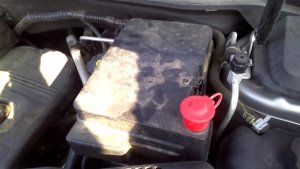
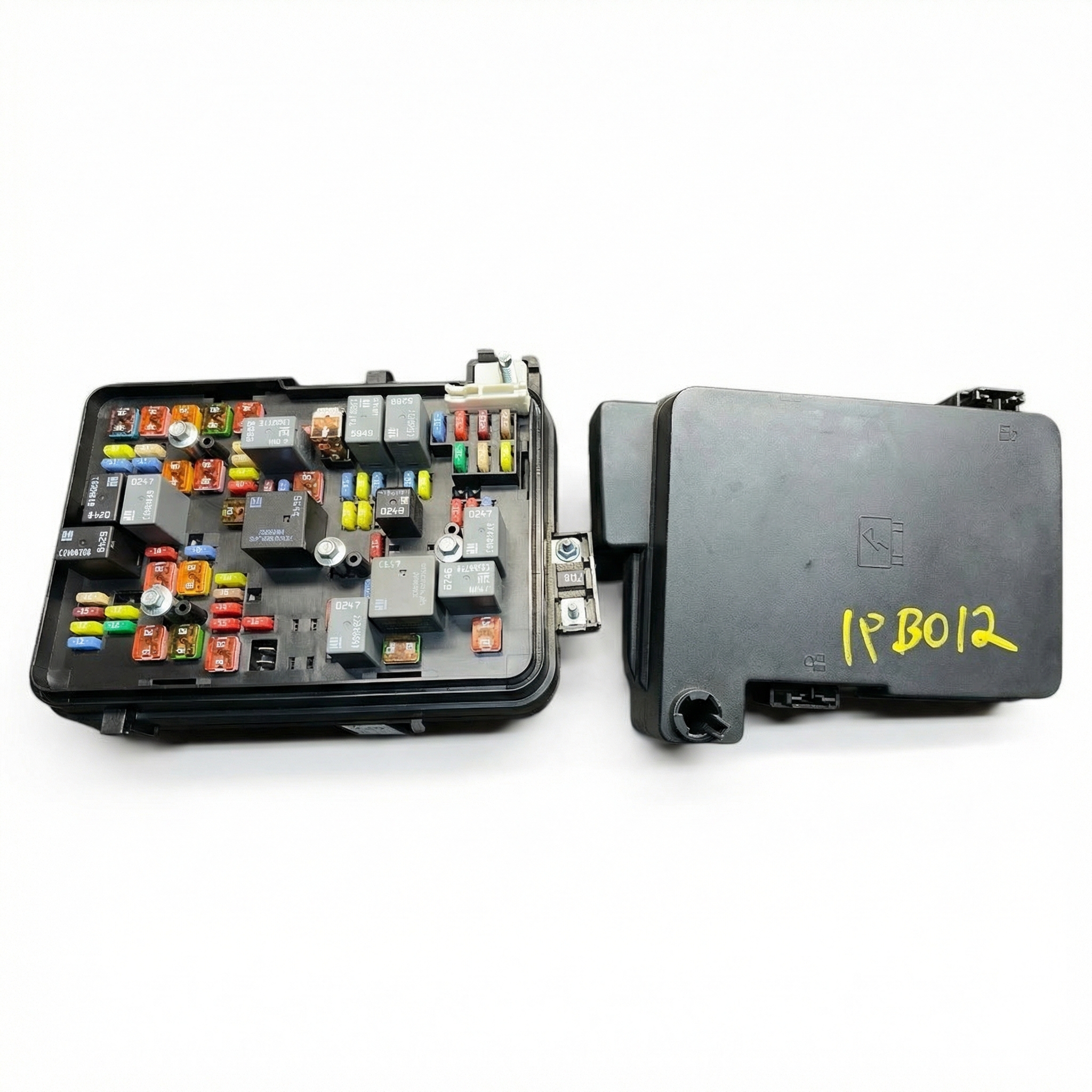
How to confirm: Locate the fuse box in the engine bay on the driver's side. Remove fuse #43 (a 15A blue fuse) and visually inspect if the metal strip inside is broken. This fuse is for the 'pre-catalytic converter' sensor.
Typical fix: Replace the blown 15A fuse. If it blows again immediately, there is a short circuit in the wiring or the new sensor that must be diagnosed. Do not install a larger fuse.
Est. part cost: $1-$5 - Damaged Wiring or Connector ⚪ Low Probability The sensor wiring is close to the hot exhaust manifold and can become brittle, melt, or get damaged during other engine repairs. The connector itself can also accumulate dirt and moisture, leading to poor contact.
How to confirm: Visually inspect the wiring harness leading to the upstream O2 sensor. Look for any signs of melting, chafing, or corrosion on the connector pins. Check for 12V power at the connector's heater circuit power wire (often a pink/black wire on these models) with the key on, engine off.
Typical fix: Repair the damaged section of wire or replace the connector pigtail. Ensure the repaired harness is secured away from the hot exhaust manifold.
Est. part cost: $10-$30
Rare But Worth Checking
- Faulty Engine Control Module (ECM): → Shop Engine Control Module (ECM) This is very rare. The ECM's internal driver for the heater circuit can fail. This should only be considered after all other possibilities (sensor, fuse, wiring) have been definitively ruled out. A professional diagnosis is recommended before condemning the ECM.
Diagnosis Steps
- Read the code with an OBD-II scanner 🎬 Watch: Diagnosing P0030 and related engine light codes to confirm P0030 is present.
- Open the hood and locate the main fuse box on the driver's side of the engine compartment.
- Find and inspect fuse #43, a 15A fuse for the pre-cat (upstream) O2 sensor. If it's blown, replace it, clear the codes, and see if the code returns. If it blows again, suspect a short circuit.
- If the fuse is good, locate the upstream oxygen sensor. It is on the exhaust manifold, visible at the back of the engine.
- Inspect the sensor's wiring harness for any visible damage, such as melting, chafing, or frayed wires. Pay close attention to where it might contact the engine or exhaust.
- Disconnect the sensor. With the ignition key on (engine off), use a multimeter to check for 12-volt power at the heater power pin on the vehicle-side connector.
- With the sensor still disconnected, use the multimeter to measure the resistance between the two heater circuit pins on the sensor itself (usually the two wires of the same color). A good sensor will have a low resistance reading (typically 4-25 ohms). An infinite resistance or 'OL' reading means the heater is broken and the sensor must be replaced.
- If the fuse, wiring, power supply, and sensor resistance all check out, the problem may be with the ECM's control circuit or ground, but this is highly unlikely and requires advanced diagnostics.
Technical Service Bulletins (TSBs) & Recalls
- TSB Bulletin #PIT5336: While originally issued for the GMC Acadia, this manufacturer bulletin provides information to technicians regarding vehicles with a Service Engine Soon Malfunction Indicator Lamp on. It notes that technicians may find Diagnostic Trouble Code P0030 along with other oxygen sensor heater and circuit codes (such as P0031, P0036, and P0134).
Parts You'll Likely Need
- Upstream Oxygen Sensor (Bank 1, Sensor 1)
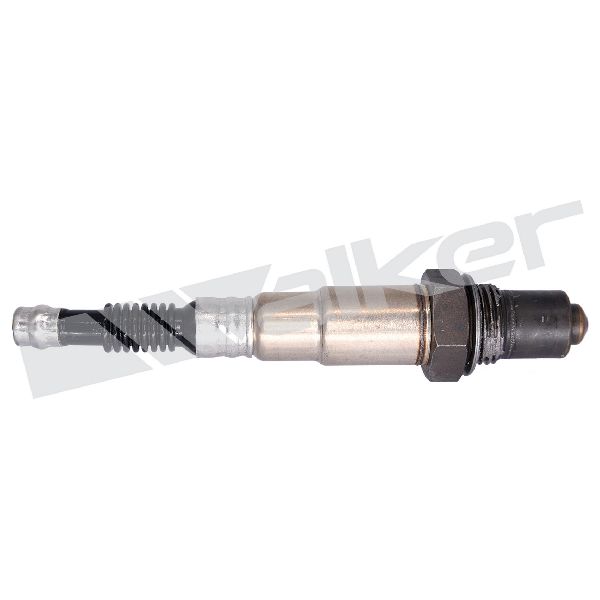
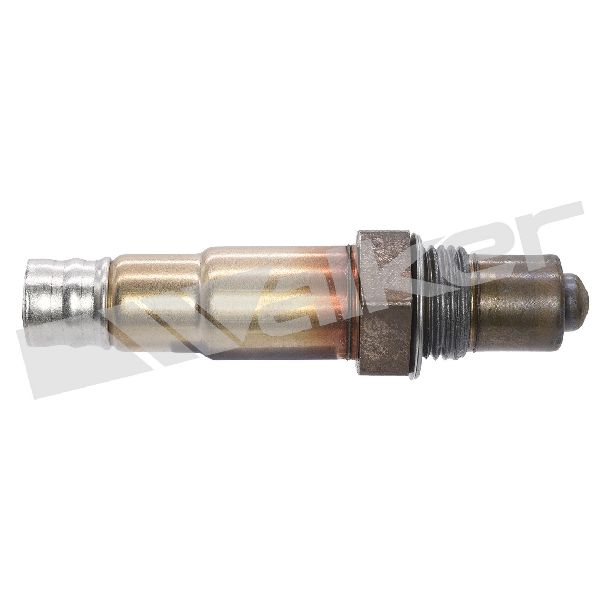
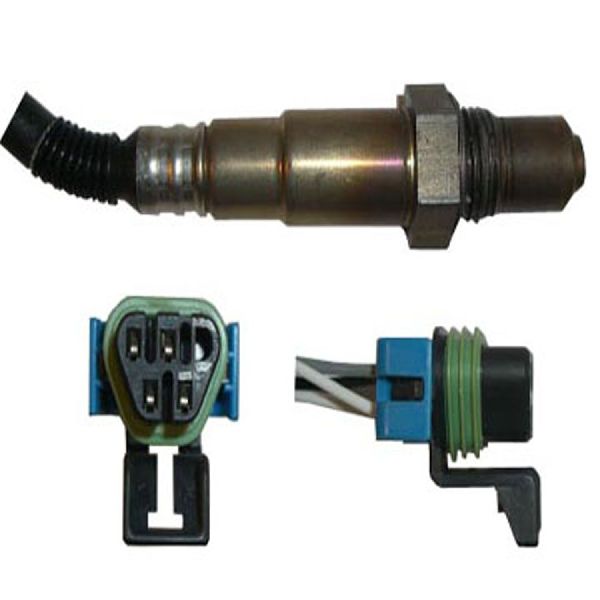
(OEM #ACDelco 213-4537 or GM 12640453 (Part numbers can supersede, always verify with VIN))— This is the most common failure point. The internal heater element burns out, triggering the P0030 code.
Trusted brands: ACDelco, Denso, Bosch, NTK
OEM price range: $70-$150
Aftermarket price range: $40-$90 - 15 Amp Mini Fuse
(OEM #N/A)— The fuse protecting the heater circuit may blow due to a short in the sensor or wiring.
Trusted brands: Bussmann, Littlefuse
OEM price range: $1-$5
Aftermarket price range: $1-$5
Related Codes That Often Appear With This One
- P0134 — P0134 (O2 Sensor Circuit No Activity Detected) can appear with P0030 because if the sensor isn't heating up, it won't produce a signal for a while after a cold start, which the ECM interprets as 'no activity'.
- P0132 — P0132 (O2 Sensor Circuit High Voltage) can sometimes be triggered alongside heater circuit codes if there's a short in the wiring or within the sensor itself.
- P0135 — P0135 is the generic OBD-II code for 'O2 Sensor Heater Circuit Malfunction (Bank 1 Sensor 1)'. P0030 is the GM-specific equivalent. They mean the same thing and you may see either depending on the scanner used.
- P0053 — P0053 indicates that the heater resistance is out of range. This is a more specific version of the P0030 fault and directly points to an electrical failure within the sensor's heating element, confirming it needs replacement.
Platform-Specific Known Issues
- Excessive Oil Consumption: The 2.4L Ecotec engine in these vehicles is known for a class-action lawsuit related to excessive oil consumption due to faulty piston rings. While not a direct cause of P0030, burning oil can contaminate and prematurely fail oxygen sensors over time. If your vehicle consumes a lot of oil, fixing the oil consumption issue may be necessary for a long-term O2 sensor fix.
Mechanic-Grade Diagnostic Values
- Upstream O2 Sensor Heater Element Resistance — expected: Between 4 and 25 Ohms is a general acceptable range. Some sources cite a tighter range of 2-3 Ohms for similar GM sensors.. Failure: A reading of OL (Over Limit/infinite) or near zero ohms indicates a failed heater element.
- Voltage at O2 Sensor Connector (Vehicle Side) — expected: Approximately 12 Volts (battery voltage) at the heater power supply pin with Key On, Engine Off.. Failure: No voltage indicates a blown fuse or a break in the power supply wire from the fuse box.
Wiring & Ground Locations
- Fuse #43 — Under-hood fuse box, located on the driver's side of the engine compartment.. This 15A fuse provides power specifically to the pre-catalytic converter (upstream) O2 sensor heater circuit. It is the first and easiest electrical component to check.
- Fuse #41 — Under-hood fuse box, located on the driver's side of the engine compartment.. This 15A fuse powers the post-catalytic converter (downstream) O2 sensor. While not directly related to P0030, knowing its location is useful for comprehensive emissions system diagnosis.
- Heater Circuit Power Wire — At the upstream O2 sensor connector.. This wire, often Pink/Black (PNK/BLK) on this model, should have 12V with the key on. Verifying voltage here confirms the integrity of the circuit from the fuse box to the sensor.
Real Owner Repair Stories
- AliExpress Review / Guide (2013 Chevrolet Equinox 2.4L (platform mate)) — Check Engine Light with code P0135 (heater circuit malfunction, equivalent to P0030).
❌ Tried (didn't work) A cheap universal oxygen sensor from a local auto parts store.
✅ What actually fixed it The universal sensor caused a new code (P0141) within two weeks because its heater was too slow. Replacing it with a Genuine OE equivalent part (12639692) with the correct connector and heating element resistance resolved all codes and improved fuel economy by 1.2 MPG.
OEM Part Supersession History
ACDelco 213-4537→GM 12640453 is often listed as the superseding or equivalent GM Genuine part.— GM often consolidates part numbers or updates designs. GM Genuine Parts are the true OE parts validated by General Motors, and some may have formerly been sold under the ACDelco GM Original Equipment brand.
Heads up: Some part listings indicate that programming or special setup procedures may be required for part 12640453, though this is less common for a simple O2 sensor and may be boilerplate text.
Model Year Variations Within This Range
- 2013-2017: In 2013, the optional 3.0L V6 was replaced by a more powerful 3.6L V6. The standard 2.4L I4 engine, which is the subject of this article, remained consistent throughout the entire 2010-2017 generation, as did the associated P0030 fault.
- 2016: The 2016 model year received a minor cosmetic refresh (new grille, wheels, gear selector) but no changes were made to the powertrain or emissions components that would affect the diagnosis of P0030.
Diagnostic Flowchart
Used vs. New Parts: Buying Guide for This Vehicle
When a used part is the smart pick: A used part is generally NOT recommended for the oxygen sensor itself, as it is a wear-and-tear item with a finite lifespan. However, sourcing a used connector pigtail from a junkyard is an excellent, cost-effective option if only the connector or a small section of wiring is damaged.
Donor-vehicle mileage cap: roughly under 100000 miles for the part to have meaningful remaining life.
What to inspect on the donor part:
- For a connector pigtail, inspect for clean, corrosion-free pins.
- Ensure the plastic connector body is not brittle, cracked, or melted.
- Check that the wire insulation is flexible and not hardened or frayed.
OEM-only on this vehicle (don't cheap out):
- Oxygen Sensor
Aftermarket brands forum-validated for this vehicle:
- ACDelco (Professional or GM Original Equipment)
- Denso
- NTK
Brands owners have reported issues with on this vehicle:
- Unbranded 'universal' sensors that require splicing wires. These often have incorrect heater resistance or response times, leading to persistent or new codes, as documented in real-world repair stories.
Real Owner Stories
Aggregated from forums and TSBs cited above. Mileages and costs reflect what owners reported in those sources.
2012 Chevrolet Equinox 2.4l
Symptoms: Check engine light on with 12 codes (including P0030). Car runs a little rough; with a new MAP sensor it ran worse, idle would go up and down and then the engine would die while in park.
What fixed it: No definitive fix was reported by the owner. Community advice pointed towards checking for a blown fuse or bad grounds, as many of the sensors shared a common power or reference circuit.
Source hint: Reddit r/MechanicAdvice
Related OBD-II Codes
Frequently Asked Questions
Where is the fuse for the upstream oxygen sensor on my 2.4L Terrain?
What resistance should I see when testing the Bank 1 Sensor 1 heater on my Terrain?
I have a 2015 Chevy Equinox with the 2.4L engine, not a Terrain. Does this P0030 information still apply?
My 2.4L Terrain burns a lot of oil. Could this be causing the P0030 code?
Where exactly is the Bank 1, Sensor 1 oxygen sensor located on the 2.4L engine?
My scanner shows P0030. What is the very first and easiest thing to check on my Terrain?
Helpful Videos
Used OEM Parts in Stock
New Aftermarket Parts Available


The information in this article is provided for general reference and educational purposes only. Vehicle specifications, procedures, and part compatibility can vary by production date, trim level, and region. Always consult your vehicle's factory service manual and verify part numbers before purchasing or performing repairs. Safety-critical components such as airbags, seat belts, and braking systems should be installed by a qualified professional.
- GMC Terrain:
- 🧭 Diagnostic Flowchart
- 🎬 Helpful Videos
- 🛍️ Shop This Part
- What's Unique About the 2010-2017 GMC Terrain
- Symptoms You May Notice
- Most Likely Causes
- Rare But Worth Checking
- Diagnosis Steps
- Technical Service Bulletins (TSBs) & Recalls
- Parts You'll Likely Need
- Related Codes That Often Appear With This One
- Platform-Specific Known Issues
- Mechanic-Grade Diagnostic Values
- Wiring & Ground Locations
- Real Owner Repair Stories
- OEM Part Supersession History
- Model Year Variations Within This Range
- Used vs. New Parts: Buying Guide for This Vehicle
- Real Owner Stories
- 2012 Chevrolet Equinox 2.4l
- Related OBD-II Codes
- Frequently Asked Questions
- 🎟️ Get 5% Off