

P0030 on 2011-2015 Kia Optima 2.4L: Heater Circuit Failure Causes and Fixes
This code means the heater inside your upstream oxygen sensor has failed. The most common fix is to replace the Bank 1, Sensor 1 oxygen sensor, located on the exhaust manifold. Expect to pay $80-$150 for an aftermarket sensor or $150-$200 for an OEM part, with DIY replacement being a common and cost-effective option.
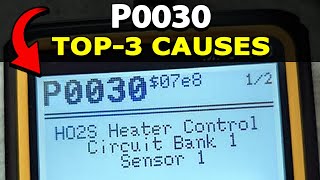
- P0030 almost always means you need a new upstream oxygen sensor (Bank 1, Sensor 1).
- This is a DIY-friendly repair; the sensor is easy to access on top of the engine, and a special O2 sensor socket is the only special tool needed.
- Before buying a new sensor, check the 15A 'SENSOR 1' fuse in the engine bay fuse box to avoid an unnecessary repair.
- Using a quality aftermarket brand like Denso or NGK/NTK can save money without sacrificing reliability.
- Do not ignore this code, as it will hurt your gas mileage and can eventually damage your catalytic converter.
What's Unique About the 2011-2015 Kia Optima
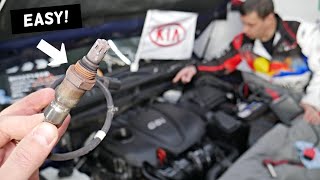
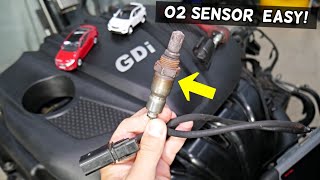
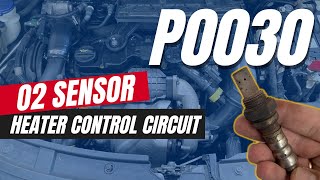
For the 2.4L GDI engine in the third-generation Optima (2011-2015), the P0030 code is a straightforward and common issue. The upstream O2 sensor is very accessible at the top rear of the engine bay, screwed directly into the exhaust manifold, 🎬 Watch: Step-by-step upstream O2 sensor replacement for the 2.4L GDI. making it a popular DIY repair. While this specific code is not tied to the more serious Theta II engine recalls concerning bearing wear and fire risk, owners should still be aware of those campaigns and check their vehicle's VIN for any outstanding safety recalls.
Symptoms You May Notice
- Check Engine Light is on
- Decreased fuel economy
- Rough idle or engine hesitation, especially shortly after starting
- Failing an emissions test
- Potential rotten egg smell from the exhaust due to inefficient fuel burn
- Replacing the downstream (Bank 1, Sensor 2) oxygen sensor instead of the upstream (Bank 1, Sensor 1) sensor.
Most Likely Causes
- Failed Bank 1, Sensor 1 Oxygen Sensor 🔴 High Probability → Shop Oxygen Sensor The internal heater element is a common failure point in oxygen sensors due to constant, rapid heat cycles. This can cause the element to develop high resistance or an open circuit.
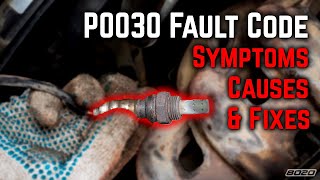
How to confirm: After confirming the fuse is good, test the resistance of the heater circuit within the sensor using a multimeter. 🎬 See how to test the O2 sensor heater circuit yourself. An open circuit (infinite resistance or 'OL') indicates a failed heater element. The heater circuit pins are typically the two wires of the same color on the sensor's connector.
Typical fix: Replace the upstream oxygen sensor (Bank 1, Sensor 1). Applying anti-seize to the threads of the new sensor is recommended for easier future removal.
Est. part cost: $80-$200 - Blown Fuse ⚪ Low Probability
How to confirm: Locate the fuse for the O2 sensor heater circuit in the engine bay fuse box. On this platform, it is often a 15A fuse labeled 'SENSOR 1'. Visually inspect the fuse or test for continuity with a multimeter.
Typical fix: Replace the blown fuse. If it blows again, this indicates a short circuit in the wiring or the sensor itself that needs to be diagnosed.
Est. part cost: $1-$5 - Damaged Wiring or Connector ⚪ Low Probability
How to confirm: Visually inspect the wiring harness and connector leading to the upstream oxygen sensor for any signs of melting, corrosion, or physical damage. The harness can sometimes come loose from its holders and make contact with the hot exhaust manifold.
Typical fix: Repair the damaged section of the wiring harness or replace the connector pigtail. In some older Kia models, a TSB was issued to replace the terminal pins in the connector with ones that provide better tension, suggesting that poor connections can be a root cause.
Est. part cost: $10-$40
Rare But Worth Checking
- Faulty Engine Control Module (ECM): → Shop Engine Control Module (ECM) This is extremely rare. The ECM should only be considered after all other possibilities, including the sensor and its entire circuit (power, ground, and signal wires), have been thoroughly tested and ruled out.
Diagnosis Steps
- Read the code with an OBD-II scanner to confirm P0030 is the active fault.
- Locate the engine compartment fuse box and inspect the 15A fuse for the oxygen sensor heater circuit, often labeled 'SENSOR 1'. Replace if blown.
- If the fuse is good, locate the upstream oxygen sensor (Bank 1, Sensor 1) on the exhaust manifold at the rear of the engine bay.
- Inspect the sensor's electrical connector and wiring for any visible damage, melting, or corrosion. Ensure the connector is securely plugged in.
- Disconnect the sensor and use a multimeter to measure the resistance across the two heater circuit pins (they are often the same color). A reading of 'OL' or infinite resistance confirms the heater element has failed. A good heater should have a low resistance (typically under 20 ohms, but check manufacturer specs).
- If the sensor's heater circuit has resistance within spec, check for 12V power at the harness connector with the ignition on. The PCM provides a pulse-width modulated ground, so checking for ground may require a test light or scope.
- If power is missing, trace the wiring back to the fuse/relay. If power is present but the sensor tested good, the issue may lie in the ground control circuit from the PCM, which is a rare fault.
- If the sensor has failed its resistance test, replace it. An O2 sensor socket is highly recommended for removal.
Parts You'll Likely Need
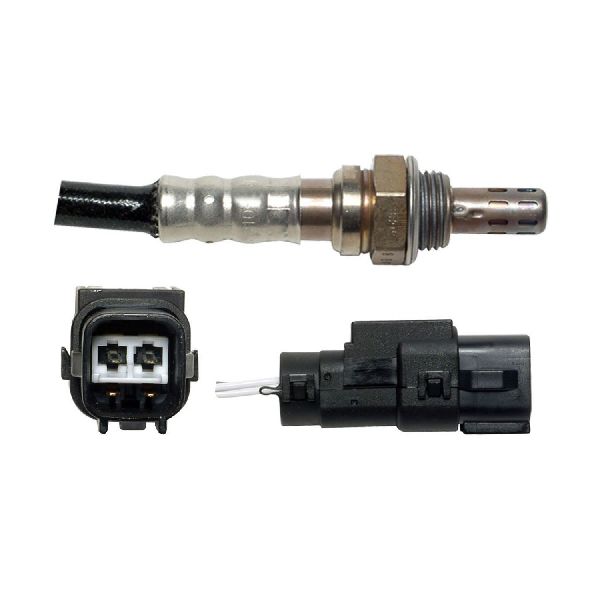
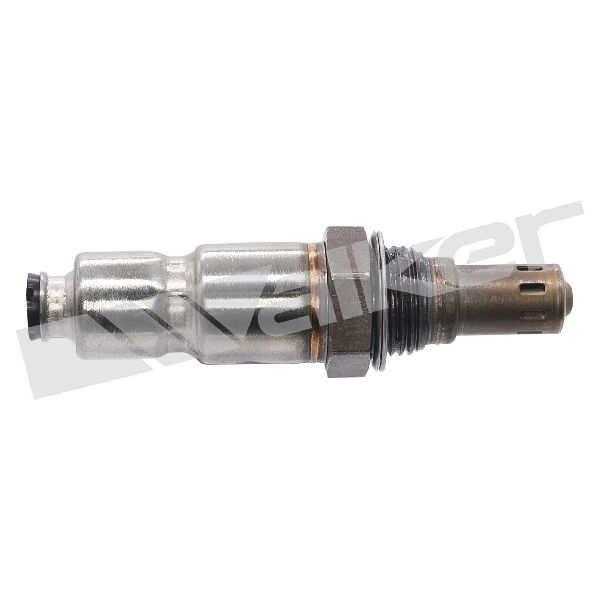
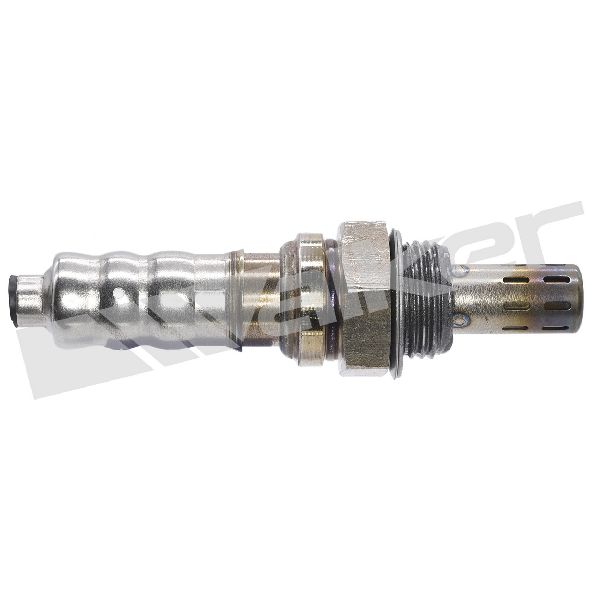
- Upstream Oxygen Sensor (Bank 1, Sensor 1)
(OEM #39210-2G200)— This is the component that contains the heater circuit reported as faulty by the P0030 code. This part number is listed for many 2.4L Kia/Hyundai applications in this era.
Trusted brands: Denso, NGK/NTK, Bosch
OEM price range: $140-$200
Aftermarket price range: $80-$150
Related Codes That Often Appear With This One
- P0031 — This code indicates the heater circuit signal is too low (short to ground), which is another failure mode of the same component.
- P0032 — This code indicates the heater circuit signal is too high (short to power), which is functionally similar to the open circuit detected by P0030.
Technical Service Bulletins (TSBs) & Recalls
- While no specific TSB for the 2011-2015 Optima and P0030 was found, an older Kia TSB for a similar code on a Spectra involved replacing the terminal pins in the wiring harness connector to provide better contact, suggesting that poor connections can be a root cause.
Platform-Specific Known Issues
- The 2.4L GDI Theta II engine in this vehicle was subject to major recalls (like NHTSA recall 17V-224) for premature engine bearing wear that could lead to engine seizure. While unrelated to the P0030 code, it's a critical issue for any owner of this vehicle to be aware of.
- A user on kia-forums.com with a 2012 Optima EX reported getting the P0030 code, replacing the sensor, and having the code return. The ultimate fix was discovering a blown fuse, highlighting the importance of checking fuses first before replacing parts. (Source: kia-forums.com, thread title 'P0030 Code after replacing O2 sensor').
- The wiring for the O2 sensor can sometimes become brittle from heat cycles or get dislodged from its clips, allowing it to touch the hot exhaust manifold and melt, causing a short.
Mechanic-Grade Diagnostic Values
- O2 Sensor Heater Circuit Resistance — expected: 5 to 10 Ohms when cold.. Failure: A reading of infinite resistance ('OL') indicates an open circuit and a failed heater. A reading significantly outside the expected range also indicates a faulty sensor.
- Voltage at Harness Connector Power Pin — expected: 12V+ with ignition on, engine off.. Failure: A reading of 0V indicates a blown fuse or a break in the power supply wire from the main relay/fuse box.
Scan Tool Commands That Help
- Kia GDS (Global Diagnostic System): Actuation Test for HO2S Heater — After verifying power and ground are good at the harness, this command forces the PCM to activate the heater circuit. A technician can monitor current draw with an amp clamp or check for heat at the sensor to confirm if the PCM driver and the sensor's heater are functioning under command.
- Kia GDS (Global Diagnostic System): Resetting Adaptive Values — After replacing the oxygen sensor, it is good practice to use this special function to clear the old learned fuel trim values from the ECM, allowing it to adapt more quickly to the new, correctly functioning sensor.
Wiring & Ground Locations
- Heater Circuit Wires (on Sensor) — On the pigtail of the oxygen sensor itself.. For testing resistance, you must probe the correct pins. On most 4-wire universal and many OEM-style sensors (like those from NTK), the two heater wires will be the same color, typically both white. The other two wires (e.g., black for signal, gray for ground) are for the sensor reading itself.
OEM Part Supersession History
39210-2G100→39210-2G200— Likely a minor revision or change in supplier for the part.
Heads up: Parts are generally interchangeable for the specified 2.4L Theta II engine, but using the latest part number (39210-2G200) is always recommended.
Diagnostic Flowchart
Used vs. New Parts: Buying Guide for This Vehicle
When a used part is the smart pick: For this repair, buying a used oxygen sensor is NOT recommended. O2 sensors are wear items with a finite lifespan, and their performance degrades over time. A used sensor from a junkyard may fail shortly after installation or provide inaccurate readings, causing persistent fuel economy and performance issues.
What to inspect on the donor part:
- Not applicable as used sensors are not advised.
OEM-only on this vehicle (don't cheap out):
- While not strictly 'OEM-only', using a genuine Kia/Hyundai sensor or one from a known OEM supplier is highly recommended. Some owners report that budget aftermarket sensors can be incompatible, fail prematurely, or not meet the precise specifications required by the ECM, leading to the code returning.
Aftermarket brands forum-validated for this vehicle:
- NTK (also known as NGK)
- Denso
Brands owners have reported issues with on this vehicle:
- Generic, unbranded, or 'white-box' sensors sold at unusually low prices should be avoided as they are a common source of repeat failures for this code.
Real Owner Stories
Aggregated from forums and TSBs cited above. Mileages and costs reflect what owners reported in those sources.
2012 Optima EX
Symptoms: The Check Engine Light came on with a P0030 code.
What fixed it: After initially replacing the O2 sensor without success, the owner discovered the actual problem was a blown fuse. Replacing the fuse resolved the code.
Source hint: kia-forums.com, thread title 'P0030 Code after replacing O2 sensor'
2011-2015 Kia Optima (2.4L GDI)
Symptoms: Check Engine Light is the primary symptom. May also include decreased fuel economy and rough idle on cold starts.
What fixed it: Replacing the upstream oxygen sensor (Bank 1, Sensor 1).
Cost: $70-$120
Source hint: Go-Parts (Aggregated Owner Experience)
Kia Optima — 90000 miles
Symptoms: Check engine light on for P0030, car died while driving, cranks but won't turn over.
What fixed it: The owner was seeking advice. A mechanic suggested the no-start condition was likely a separate, more severe issue like a broken timing belt, and not directly caused by the P0030 fault.
Source hint: YourMechanic
Related OBD-II Codes
Frequently Asked Questions
I have a P0030 code on my 2012 Optima. Should I just replace the upstream oxygen sensor right away?
Where is the Bank 1, Sensor 1 oxygen sensor located on my 2.4L GDI Optima?
Is the P0030 code related to the major engine seizure recall (NHTSA 17V-224) on the Theta II engine?
What should I check if the P0030 code comes back after I've replaced the oxygen sensor?
What's the correct way to test the oxygen sensor's heater circuit on this vehicle?
Are other Kia or Hyundai models with the 2.4L engine also prone to this P0030 issue?
Helpful Videos

We Have This Part in Stock



The information in this article is provided for general reference and educational purposes only. Vehicle specifications, procedures, and part compatibility can vary by production date, trim level, and region. Always consult your vehicle's factory service manual and verify part numbers before purchasing or performing repairs. Safety-critical components such as airbags, seat belts, and braking systems should be installed by a qualified professional.
- Kia Optima:
- 🧭 Diagnostic Flowchart
- 🎬 Helpful Videos
- 🛍️ Shop This Part
- What's Unique About the 2011-2015 Kia Optima
- Symptoms You May Notice
- Most Likely Causes
- Rare But Worth Checking
- Diagnosis Steps
- Parts You'll Likely Need
- Related Codes That Often Appear With This One
- Technical Service Bulletins (TSBs) & Recalls
- Platform-Specific Known Issues
- Mechanic-Grade Diagnostic Values
- Scan Tool Commands That Help
- Wiring & Ground Locations
- OEM Part Supersession History
- Used vs. New Parts: Buying Guide for This Vehicle
- Real Owner Stories
- 2012 Optima EX
- 2011-2015 Kia Optima (2.4L GDI)
- Kia Optima — 90000 miles
- Related OBD-II Codes
- Frequently Asked Questions
- 🎟️ Get 5% Off