

P0030 on 2008-2009 Kia Sorento 3.3L: O2 Sensor Heater Circuit Causes and Fixes
On a 2008-2009 Sorento 3.3L, P0030 almost always means the heater inside the Bank 1, Sensor 1 oxygen sensor has failed. This is the upstream sensor on the passenger side, near the firewall. The most common fix is replacing the sensor, but always check the 15A 'SENSOR 1' fuse first. Expect to pay $70-$150 for an aftermarket sensor or $150-$250 for an OEM part. Access to the sensor is notoriously difficult.
- P0030 points directly to a problem with the heater circuit in the upstream oxygen sensor on the passenger side (Bank 1).
- Before buying any parts, always check the 15A 'SENSOR 1' fuse in the engine bay fuse box.
- The most likely fix is replacing the Bank 1, Sensor 1 O2 sensor itself.
- This specific sensor is very difficult to access on the 3.3L V6 Sorento, so be prepared for a challenging repair or higher labor costs.
- Using a quality OEM or equivalent brand sensor (NTK, Denso) is recommended for longevity.
What's Unique About the 2008-2009 Kia Sorento
For the first-generation (BL) Kia Sorento with the 3.3L Lambda V6, the engine has a longitudinal (rear-wheel-drive style) layout. This means Bank 1 is the cylinder bank on the passenger side of the vehicle. The Bank 1 Sensor 1 is located on the exhaust manifold on this passenger side, tucked near the firewall, making it notoriously difficult to access for diagnosis and replacement. Owners on forums specifically mention the tight space and the need to work by feel.
Symptoms You May Notice
- Check Engine Light is on
- Decreased fuel economy
- Possible hesitation or rough engine performance, especially when cold
- Failing an emissions test
- Replacing the downstream (Bank 1, Sensor 2) oxygen sensor. P0030 specifically refers to the upstream Sensor 1.
- Replacing the oxygen sensor without first checking the 'SENSOR 1' fuse. If the fuse is blown, the new sensor's heater will not work, and the code will return immediately.
- Replacing the wrong bank's sensor (Bank 2, driver's side). P0030 is specific to Bank 1 (passenger side).
Most Likely Causes
- Failed Oxygen Sensor Heater Element 🔴 High Probability → Shop Oxygen Sensor The internal heating element is a common failure point in oxygen sensors due to constant, extreme heat cycles. This is the most frequent cause for P0030. 🎬 Watch: Learn the common causes and fixes for code P0030
How to confirm: Disconnect the sensor and measure the resistance across the two heater circuit pins (usually the two same-colored wires). An open circuit (infinite resistance) or a reading far outside the manufacturer's specification of 2.5-4.0 ohms confirms failure.
Typical fix: Replace the Bank 1, Sensor 1 oxygen sensor.
Est. part cost: $70-$250 - Blown O2 Sensor Heater Fuse 🟡 Medium Probability → Shop Oxygen Sensor A short circuit in the sensor or its wiring can cause the fuse to blow as a protective measure. A failing sensor can sometimes short internally and blow the fuse upon failure.
How to confirm: Locate the fuse box in the engine bay and inspect the fuse labeled 'SENSOR 1' (typically 15A). A visual inspection or a continuity test with a multimeter will show if it's blown.
Typical fix: Replace the blown fuse. If it blows again immediately, there is an underlying short circuit in the wiring or the new sensor itself that must be found.
Est. part cost: $1-$5 - Damaged Wiring or Connector ⚪ Low Probability The sensor wiring is close to the hot exhaust manifold and can be susceptible to melting, chafing, or corrosion over time, especially given the tight access near the firewall.
How to confirm: Visually inspect the wiring harness and connector leading to the Bank 1, Sensor 1 O2 sensor for any signs of melting, frayed wires, or corrosion on the pins.
Typical fix: Repair the damaged section of wiring or replace the connector pigtail.
Est. part cost: $10-$50
Rare But Worth Checking
- Faulty Engine Control Module (ECM): → Shop Engine Control Module (ECM) This is very rare. The ECM's internal driver for the heater circuit can fail. All other possibilities, especially the sensor, fuse, and wiring, should be exhaustively ruled out before considering the ECM as the cause.
Diagnosis Steps
- Verify the code with an OBD-II scanner.
- Locate the engine bay fuse box and inspect the 15A fuse, often labeled 'SENSOR 1'. Replace it if it is blown.
- If the fuse is good, locate the Bank 1, Sensor 1 oxygen sensor. It is the upstream sensor on the passenger-side exhaust manifold, tucked between the engine and the firewall. Access is very tight.
- Visually inspect the sensor's wiring harness and connector for any signs of melting, chafing, corrosion, or loose connections. Ensure the wire is secured in its clips to prevent contact with the exhaust.
- Disconnect the sensor. Use a multimeter to measure the resistance between the two heater pins on the sensor side of the connector (these are typically the two wires of the same color). A normal reading is typically between 2.5 and 4.0 ohms. An infinite reading (OL) indicates a failed open heater circuit. 🎬 See how to test the O2 sensor heater circuit with a multimeter
- With the key on and engine off, check the harness-side connector for battery voltage (~12V) on the power supply pin. This confirms the circuit from the fuse box is intact. The other heater pin is a duty-cycled ground controlled by the ECM.
- If the sensor's heater circuit resistance is out of spec, replace the oxygen sensor. If the circuit tests are good but the code persists, the issue may be an intermittent wiring problem, a poor engine ground connection, or a rare ECM fault.
Parts You'll Likely Need
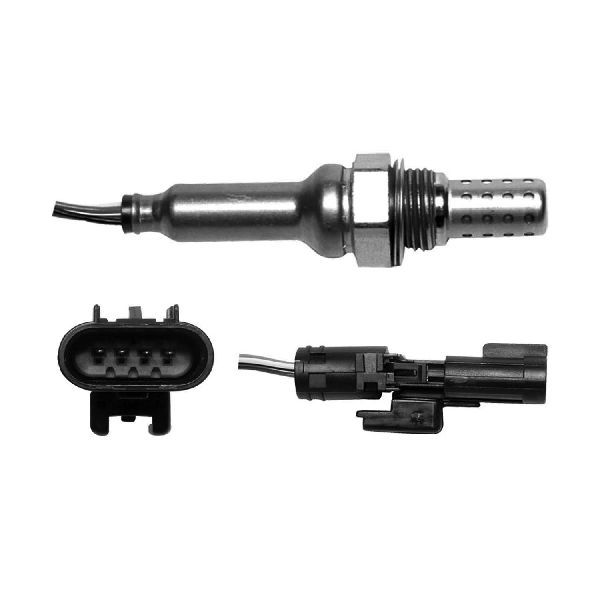
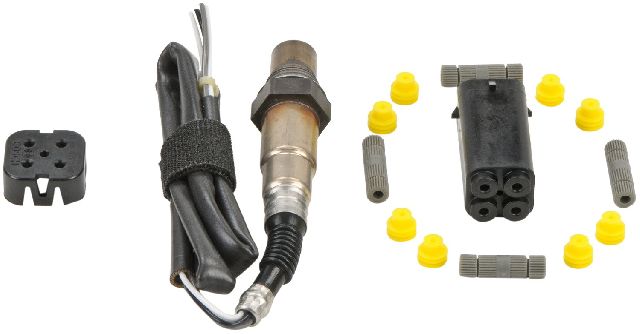
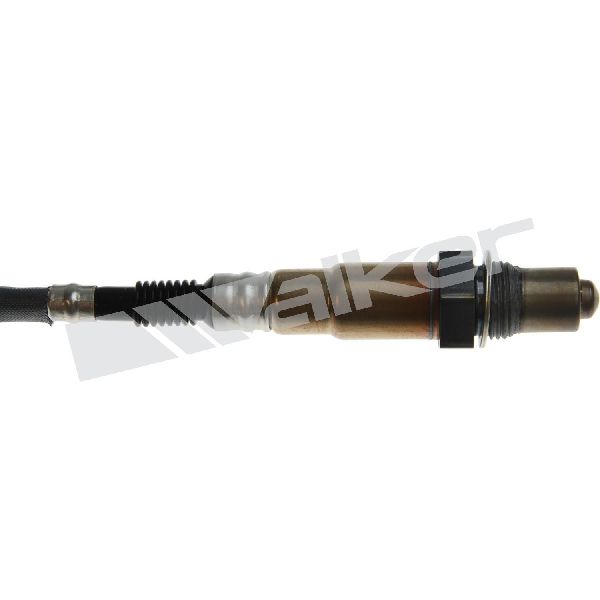
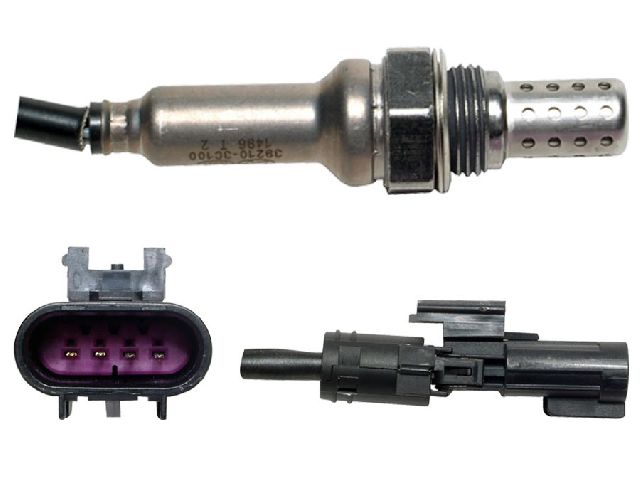
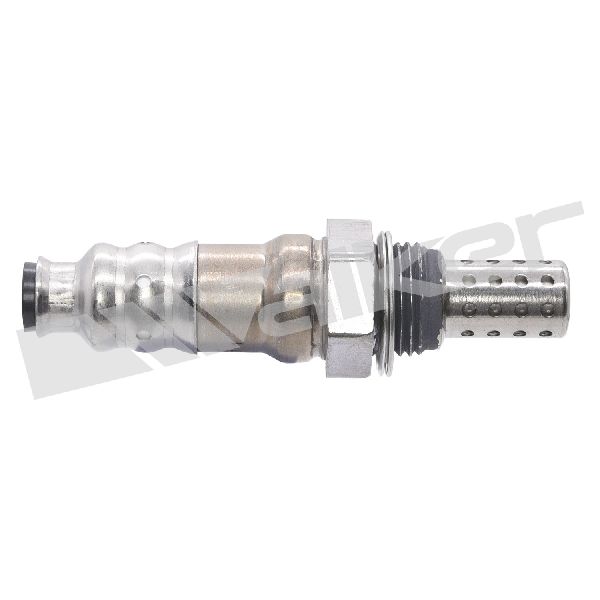
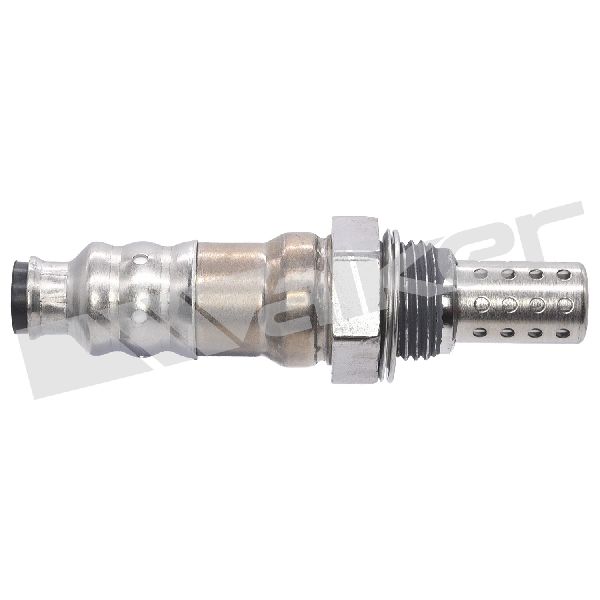
- Upstream Oxygen Sensor (Bank 1, Sensor 1)
(OEM #39210-3C900)— This is the most common failure point for code P0030, as the internal heater element burns out over time.
Trusted brands: NTK, Denso, Bosch, Kia/Hyundai (OEM)
OEM price range: $150-$250
Aftermarket price range: $70-$150
Related Codes That Often Appear With This One
- P0031 — This code indicates 'HO2S Heater Circuit Low', which is a more specific fault within the same circuit, often pointing to a short in the heater element or wiring.
- P0032 — This code indicates 'HO2S Heater Circuit High', which is another specific fault in the same circuit, often pointing to an open circuit or a break in the heater element or wiring.
Technical Service Bulletins (TSBs) & Recalls
- TSB ENGINE 028 (April 2008): While not for P0030, this TSB is relevant for owners as it describes engine noises from the 3.3L/3.8L Lambda engine, particularly a timing chain rattle on cold starts. It helps differentiate a common, sometimes benign, engine noise from other issues.
Platform-Specific Known Issues
- The location of the Bank 1 Sensor 1 on the 3.3L V6 is near the firewall on the passenger side, and access is extremely limited. This makes the replacement significantly more difficult and time-consuming than on many other vehicles, contributing to a higher DIY difficulty rating and potentially higher labor costs at a shop.
- Real Owner Repair Story: An owner on Kia-Forums.com with a 2008 Sorento 3.3L confirmed getting a P0030 code and successfully replacing the Bank 1 Sensor 1. They noted the extreme difficulty in accessing the sensor, stating it was 'a bear to get to' and required working mostly by feel from the top of the engine bay. 🎬 Watch: Locate and replace the Bank 1 Sensor 1 on your Kia Despite the challenge, the replacement fixed the code.
Mechanic-Grade Diagnostic Values
- Bank 1 Sensor 1 O2 Sensor Heater Element Resistance — expected: 2.5 to 4.0 Ω at 20°C (68°F). Failure: A reading of 'OL' (infinite resistance) indicates an open circuit. A reading near 0 Ω indicates a short circuit.
- Heater Circuit Power at Harness Connector (Key On, Engine Off) — expected: Battery Voltage (~12V) on the power supply pin.. Failure: 0V indicates a problem upstream, such as a blown 'SENSOR 1' fuse or a break in the power wire.
- Scan Tool Live Data: Heater Duty Cycle — expected: A percentage value greater than 0% when the engine is cold and the ECM is commanding the heater on.. Failure: A steady 0% reading while the engine is cold can indicate an ECM command issue.
Scan Tool Commands That Help
- Kia GDS (Global Diagnostic System): Actuation Test — To manually command the O2 sensor heater circuit on and off from the scan tool. This verifies the integrity of the wiring from the ECM to the sensor and confirms the ECM's driver is capable of controlling the circuit, helping to isolate the fault to the sensor itself or the wiring.
- Kia GDS (Global Diagnostic System): Data Analysis / Live Data — To monitor the real-time status, voltage, and current of the O2 sensor heater circuit as the ECM commands it. This is useful for catching intermittent faults that may not be present during a static resistance test.
Wiring & Ground Locations
- B1S1 Connector — On the wiring harness connecting to the Bank 1 Sensor 1 O2 sensor, tucked between the firewall and the passenger side of the engine.. This is the primary test point for checking for 12V power on the harness side and for measuring resistance on the sensor side.
- ECM Ground (Intake Manifold) — A ground wire bolted directly to the upper intake manifold.. This is a primary ground point for the ECM. Corrosion or a loose connection here can create high resistance, causing erratic sensor readings and potentially triggering false sensor codes.
- Chassis Ground (Driver's Fender) — A main ground strap from the negative battery terminal to the chassis on the driver's side inner fender, near the battery.. This is the main ground for the vehicle's entire electrical system. Corrosion or looseness here can cause widespread low voltage and communication issues across all modules, including the ECM's control of the O2 sensor heater.
Real Owner Repair Stories
- Go-Parts article citing a common platform issue (2003-2009 Kia Sorento) — Vehicle would not start, scan tool showed U0100 (Lost Communication with ECM).
❌ Tried (didn't work) Replacing the battery, Replacing the ECM relay
✅ What actually fixed it The issue was resolved by cleaning the main ground point on the driver's side fender. This highlights the importance of checking major ground points for corrosion or looseness when diagnosing any electrical fault, including sensor circuit codes like P0030.
OEM Part Supersession History
39210-3C300, 39210-3C800 (and others)→39210-3C900— Part consolidation and updates by the manufacturer.
Heads up: Using a sensor intended for a different bank, position (downstream), or even a different Kia/Hyundai model with a Lambda engine can result in persistent codes, as heater resistance and sensor characteristics can vary. 39210-3C900 is the confirmed part for the Bank 1 (Right/Passenger side) Upstream position for the 2008-2009 Sorento 3.3L.
Diagnostic Flowchart
Other Known Issues on This Vehicle
Issues unrelated to this code that are worth knowing about as an owner of this generation:
- Timing Chain Tensioner Rattle on Cold Start 🔴 High — Commonly reported between 80,000-150,000 miles. A 2-4 second rattle or growl at startup after the vehicle has sat for hours is the primary symptom. (Ref: TSB ENGINE 028 (Revised April 2008) addresses this exact noise, noting that if it lasts longer than 3-4 seconds, timing chain tensioner replacement (P/N 24410-3C300) is recommended.)
- Crankshaft Position Sensor Failure 🔴 High — A common failure item leading to no-start conditions or sudden stalling while driving. It often triggers code P0335. (Ref: No specific recall, but a very widely documented failure point for this engine generation.)
- Driveshaft / Axle Spline Corrosion 🟠 Medium — Splined connections in the 4WD system (propeller shaft, CV joints) are prone to corrosion due to lack of lubrication, leading to knocking or clunking noises. Regular lubrication is required to prevent wear.
- Timing Chain Cover Oil Leak 🟠 Medium — The sealant for the timing chain cover can fail over time, leading to persistent oil leaks from the front of the engine. Repair is labor-intensive.
- Faulty Brake Light Switch 🟠 Medium — A malfunctioning switch could cause brake lights to fail or stay on, prevent cruise control deactivation, and illuminate the ESC light. (Ref: Recall SC077 (NHTSA 09V130000) was issued to replace the switch free of charge.)
Used vs. New Parts: Buying Guide for This Vehicle
When a used part is the smart pick: Generally not recommended for oxygen sensors due to their nature as a wear item. A used part should only be considered as a last resort from a documented, very low-mileage donor vehicle (<20,000 miles).
Donor-vehicle mileage cap: roughly under 20000 miles for the part to have meaningful remaining life.
What to inspect on the donor part:
- Inspect the wiring and connector for any signs of melting, fraying, or corrosion.
- Test the heater circuit resistance with a multimeter before purchase; it must be within the 2.5-4.0 ohm specification.
- Avoid parts from vehicles in salt-belt regions, as corrosion can damage the sensor body and threads.
OEM-only on this vehicle (don't cheap out):
- While not strictly 'OEM-only', using a genuine Kia/Hyundai sensor or a top-tier OEM-supplier brand is highly recommended to avoid compatibility issues.
Aftermarket brands forum-validated for this vehicle:
- NTK (often the original equipment manufacturer)
- Denso
- Bosch
Brands owners have reported issues with on this vehicle:
- Unnamed, 'white-box' or ultra-low-cost online marketplace brands are frequently reported on forums to fail quickly or be out-of-spec from the factory.
Real Owner Stories
Aggregated from forums and TSBs cited above. Mileages and costs reflect what owners reported in those sources.
2008 Kia Sorento 3.3L V6
Symptoms: Check engine light with code P0030. The owner noted the sensor was 'a bear to get to' and required working mostly by feel from the top of the engine bay.
What fixed it: Replacement of the Bank 1 Sensor 1 oxygen sensor.
Source hint: Kia-Forums.com - Thread titled 'P0030 Code on 08 Sorento'
Related OBD-II Codes
Frequently Asked Questions
Where is the Bank 1 Sensor 1 located on my 2008-2009 Kia Sorento 3.3L?
Which fuse should I check for a P0030 code on my Sorento?
What is the correct resistance specification for the O2 sensor heater on the Lambda V6?
Does TSB ENGINE 028 relate to my P0030 check engine light?
Is there a recall for the brake light issues on my 2008-2009 Sorento?
Can I use a used oxygen sensor from a salvage yard to fix P0030?
Helpful Videos

We Have This Part in Stock

The information in this article is provided for general reference and educational purposes only. Vehicle specifications, procedures, and part compatibility can vary by production date, trim level, and region. Always consult your vehicle's factory service manual and verify part numbers before purchasing or performing repairs. Safety-critical components such as airbags, seat belts, and braking systems should be installed by a qualified professional.
- Kia Sorento:
- 🧭 Diagnostic Flowchart
- 🎬 Helpful Videos
- 🛍️ Shop This Part
- What's Unique About the 2008-2009 Kia Sorento
- Symptoms You May Notice
- Most Likely Causes
- Rare But Worth Checking
- Diagnosis Steps
- Parts You'll Likely Need
- Related Codes That Often Appear With This One
- Technical Service Bulletins (TSBs) & Recalls
- Platform-Specific Known Issues
- Mechanic-Grade Diagnostic Values
- Scan Tool Commands That Help
- Wiring & Ground Locations
- Real Owner Repair Stories
- OEM Part Supersession History
- Other Known Issues on This Vehicle
- Used vs. New Parts: Buying Guide for This Vehicle
- Real Owner Stories
- 2008 Kia Sorento 3.3L V6
- Related OBD-II Codes
- Frequently Asked Questions
- 🎟️ Get 5% Off