

P0030 on 2009-2013 Subaru Forester: Front O2 Sensor Heater Circuit Failure Causes and Fixes
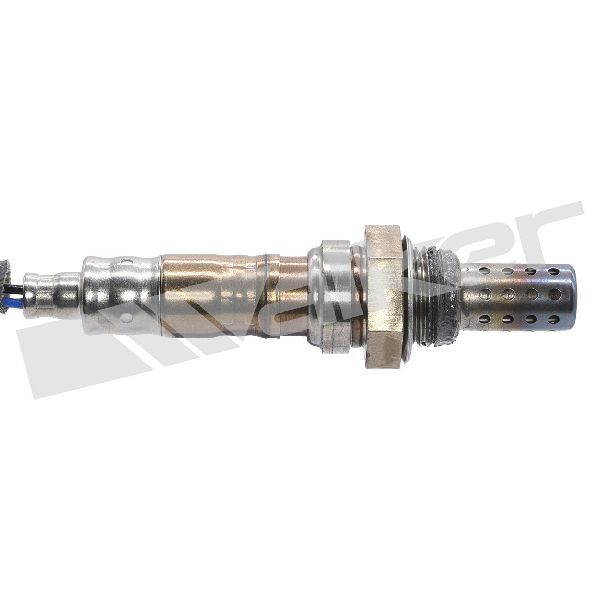
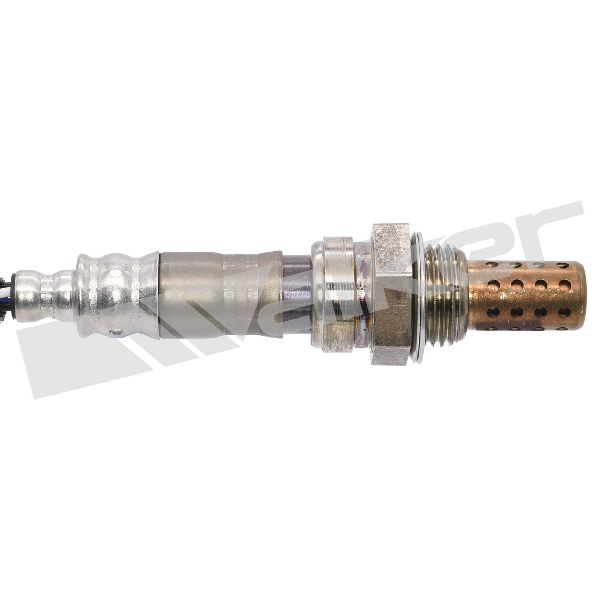
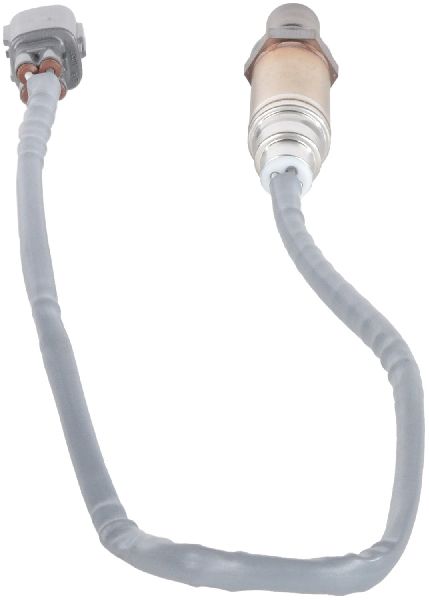
For a 2009-2010 Forester with the 2.5L EJ25 engine, code P0030 almost always means the front air/fuel ratio sensor's internal heater has failed. The most reliable fix is replacing the sensor with a Denso 234-9123. Expect to pay $100-$150 for this OEM-quality aftermarket sensor and around $200-$250 for a Subaru-branded OEM part. It's a straightforward DIY job with a 22mm (or 7/8") oxygen sensor socket.
- P0030 on your 2009-2010 Forester almost certainly means the front oxygen sensor (A/F sensor) needs to be replaced.
- The problem is with the sensor's internal heater, which is essential for quick, efficient engine operation.
- This is a DIY-friendly job with a special (but inexpensive) oxygen sensor socket. The sensor is accessible from the top of the engine bay after removing the plastic air intake snorkel.
- Always check the related fuse before buying parts. A blown fuse is less likely but much cheaper to fix.
- Stick with a Denso or OEM sensor for the best compatibility and longevity. Denso part 234-9123 is a commonly cited direct-fit replacement.
What's Unique About the 2009-2013 Subaru Forester
The 2009-2013 Forester range covers the third generation (SH). Crucially, the specified 2.5L EJ25 SOHC engine was used in the non-turbo models for the 2009 and 2010 model years. Starting in 2011, Subaru transitioned to the newer FB25 engine, which has different characteristics. While the code's meaning is the same, this guide is specifically tailored to the EJ25 engine found in the 2009-2010 models. On these engines, the front A/F sensor is a very common failure item as the vehicle ages, with the internal heater circuit being the typical point of failure. Denso is the original equipment manufacturer (OEM), and using a Denso-branded replacement (part number 234-9123) is the most common and recommended fix in enthusiast communities for reliability and to avoid compatibility issues.
Symptoms You May Notice
- Check Engine Light is on
- Decreased fuel economy
- Rough or unstable idle, especially when cold
- Engine may feel sluggish or hesitate on acceleration
- Strong smell of gasoline from the exhaust due to a rich fuel mixture
- Failing an emissions test
- Replacing the rear oxygen sensor (Sensor 2). P0030 is specific to Sensor 1, the upstream sensor.
- Replacing the sensor without checking the fuse first. A simple fuse check can save time and money.
- Assuming the sensor is bad without testing the wiring for power and ground. A wiring issue will cause the new sensor to not work either.
- Using a cheap, 'universal' or non-Denso/NTK oxygen sensor. Subaru ECUs are notoriously picky and often reject non-OEM or non-Denso sensors, causing the code to return.
Most Likely Causes
- Failed Front Air/Fuel Ratio Sensor 🔴 High Probability → Shop Oxygen Sensor The internal heater element of the sensor is a common failure point due to age and constant exposure to extreme heat cycles. It's a widely reported issue on Subaru forums for vehicles of this vintage, often failing after 100,000 miles.
How to confirm: Disconnect the sensor's electrical connector. Use a multimeter set to Ohms to test the resistance between the two heater circuit pins (typically the two wires of the same color, often black). A reading of 'OL' (Open Line) or infinite resistance indicates a broken heater element. 🎬 See how to test the sensor heater with a multimeter. A normal reading is typically low, around 2-5 ohms when cold.
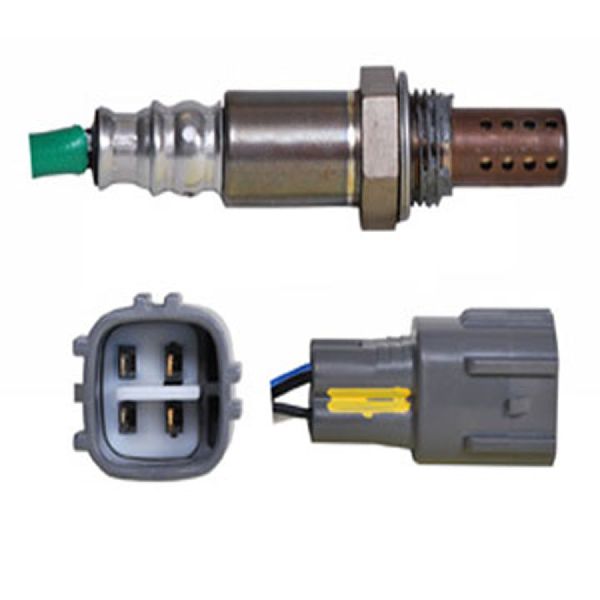
Typical fix: Replace the front (upstream) Air/Fuel Ratio sensor. It is highly recommended to use an OEM (Subaru part #22641AA480) or a direct-fit Denso sensor (part #234-9123) to avoid compatibility issues.
Est. part cost: $100-$250 - Blown Fuse ⚪ Low Probability
How to confirm: Locate the fuse box in the engine bay. Check the owner's manual or fuse box diagram for the fuse labeled for the A/F or O2 sensor heater (often marked 'A/F HTR'). Visually inspect the fuse to see if the internal wire is broken or test for continuity with a multimeter. On some models, this may be a 15A fuse.
Typical fix: Replace the blown fuse with a new one of the same amperage. If the new fuse blows immediately, it indicates a short circuit in the wiring that must be diagnosed.
Est. part cost: $1-$5 - Damaged Wiring or Connector ⚪ Low Probability The wiring harness is located in the engine bay and can be susceptible to heat damage from the exhaust, physical damage from road debris, or corrosion at the connector pins. The connector is located near the passenger side, close to the radiator hose, and can be vulnerable.
How to confirm: Visually inspect the entire wiring harness from the sensor to the main engine harness. Look for any signs of melting, chafing, breaks, or corrosion on the connector pins. With the key on (engine off), you can use a multimeter to verify that battery voltage (approx. 12V) is reaching the heater circuit pins on the harness side of the connector.
Typical fix: Repair or replace the damaged section of wiring. If the connector is corroded or damaged, it may need to be cleaned or replaced.
Est. part cost: $10-$50
Rare But Worth Checking
- Faulty Engine Control Module (ECM): → Shop Engine Control Module (ECM) This is extremely rare. The ECM is the last thing to suspect. All other possibilities, including the sensor, fuse, and wiring, should be exhaustively tested before considering a faulty ECM. A failure of the driver circuit within the ECM that grounds the heater can cause this code. One user on a forum confirmed this was the issue after multiple new sensors failed to fix the code.
Diagnosis Steps
- Retrieve the code P0030 using an OBD-II scanner and confirm it is the only code present. 🎬 Watch: This step-by-step diagnosis and repair for the Forester. Note if P0134 is also present, as this strongly indicates sensor failure.
- Visually inspect the front A/F sensor's wiring harness and connector for any obvious damage, melting, or corrosion. The connector is located on the passenger side of the engine, near the radiator hose.
- Check the fuse for the A/F sensor heater circuit in the engine bay fuse box (often labeled 'A/F HTR'). Replace if blown.
- If the fuse is good, disconnect the sensor's electrical connector. With the ignition ON (engine OFF), use a multimeter to verify 12V power is present at the harness-side connector on the heater circuit pins.
- Test the resistance of the heater circuit on the sensor itself. Using a multimeter, measure the resistance between the two heater pins (usually the two same-colored wires). A good sensor will have a low resistance (typically 2-5 ohms), while a bad sensor will show infinite resistance (open circuit).
- If the sensor's heater circuit tests bad, replace the front Air/Fuel Ratio sensor. Pre-soaking the sensor threads with penetrating oil can make removal much easier.
- If the sensor tests good but there is no power at the harness, the wiring between the fuse box and the sensor needs to be traced and repaired.
- After repair, clear the trouble code with the scanner and perform a drive cycle to ensure the code does not return.
Parts You'll Likely Need
- Front Air/Fuel Ratio Sensor
(OEM #22641AA480)— The internal heater element is the most common point of failure, making sensor replacement the definitive fix for this code in over 90% of cases.
Trusted brands: Denso (OEM supplier, part #234-9123), NGK/NTK
OEM price range: $200-$250
Aftermarket price range: $100-$150 - Oxygen Sensor Socket — A special 22mm (or 7/8") socket with a cutout for the wire is required to remove and install the sensor properly.
Trusted brands: Lisle, OEMTOOLS
Aftermarket price range: $10-$20
Related Codes That Often Appear With This One
- P0134 — P0134 means 'O2 Sensor Circuit No Activity Detected (Bank 1 Sensor 1)'. If the heater fails (P0030), the sensor may not get hot enough to start sending a signal, which can trigger P0134. These two codes appearing together almost always confirms a dead front A/F sensor.
- P0032 — P0032 means 'HO2S Heater Control Circuit High (Bank 1 Sensor 1)'. This can indicate a short in the heater circuit, which is another failure mode of the same component or wiring related to P0030.
Platform-Specific Known Issues
- Replacement Sensor Clip May Break: A common owner experience is that the small plastic clip on the new sensor's wiring harness, which secures it to a metal bracket on the engine, is fragile or doesn't come with the new part. The old clip often breaks upon removal. A simple zip tie is a common and effective solution to secure the new wire away from hot or moving parts.
- Seized Sensor Removal: Due to its location in the exhaust manifold, the sensor can become seized from rust and heat cycles. It is highly recommended to spray the base of the old sensor with a quality penetrating oil (like PB Blaster or Liquid Wrench) and let it soak, ideally while the exhaust is warm but not hot. This significantly increases the chance of removal without damaging the threads. 🎬 Watch: A helpful breakdown of what this code actually means.
Mechanic-Grade Diagnostic Values
- Front A/F Sensor Heater Element Resistance — expected: 2.0 to 5.0 Ohms when cold.. Failure: A reading of OL (Open Line) or infinite resistance indicates a broken internal heater element.
- Voltage at Harness Connector (Heater Power Pin) — expected: Approximately 12V (Battery Voltage) with key on, engine off.. Failure: Less than 12V indicates a problem with the power supply from the A/F sensor relay or fuse.
- Live Data - A/F Sensor Voltage (Equivalence Ratio) — expected: A properly functioning sensor will show fluctuating voltage as it corrects the air-fuel mixture. On some scan tools, this is represented as an equivalence ratio that cycles around 1.0.. Failure: A static voltage reading (e.g., stuck at 3.79V) indicates the sensor is not responsive, often due to the heater failure.
Scan Tool Commands That Help
- Subaru Select Monitor (SSM): Current Data Display > O2 Heater Diagnosis — The dealer-level scan tool can be used to check the status of the oxygen sensor heater monitor to see if it has completed its self-test, which can help confirm if the ECM is recognizing the circuit's operation after a repair.
Wiring & Ground Locations
- Front A/F Sensor Connector (E22) — On the passenger side of the engine bay, clipped to a bracket near the upper radiator hose.. This is the primary test point. It's a 4-pin connector. With the lock tab facing up, the two heater circuit wires are typically the bottom two pins. One pin should have ~12V power (Key On), and the other is the ground control from the ECM.
- A/F Sensor Relay — Located in the main fuse and relay block in the engine compartment.. This relay supplies the 12V power to the heater circuit. A failure of this relay would cut power to the sensor heater, triggering P0030.
- Engine Ground (GE-1) — On the right side of the engine. Subarus often have critical grounds on the intake manifold as well.. While the sensor heater is grounded through the ECM, a poor main engine ground can cause a variety of sensor and ECM issues, including floating grounds that can lead to erroneous sensor codes. Ensuring the main engine-to-chassis grounds are clean and tight is a critical step in diagnosing persistent electrical issues.
Real Owner Repair Stories
- ultimatesubaru.org forum user (Subaru with recurring P0030) — Check Engine Light with P0030.
❌ Tried (didn't work) Replacing the front A/F sensor multiple times.
✅ What actually fixed it The ground driver circuit within the Engine Control Module (ECM) had failed. The user confirmed this by swapping in a known-good ECM, which resolved the code permanently. - YouTube channel 'carsntoys' (2011 Subaru Outback 2.5L (similar EJ engine architecture and sensor)) — Check Engine Light with P0030, P0031, or P0032.
✅ What actually fixed it Testing the old sensor revealed a resistance of 5.0 ohms, which was borderline but technically within spec. However, the vehicle required a new catalytic converter, and as a best practice, the front A/F sensor was replaced simultaneously with a new Denso unit, which resolved the heater circuit codes.
When the Usual Fixes Don't Work
- While a failed front A/F sensor is the most common cause of P0030, there are documented cases where the fault was not the sensor itself. In one instance on a Subaru forum, a user replaced the sensor multiple times only to find the issue was a failed ground driver inside the ECM. This is a rare but important possibility to consider if a new, high-quality (Denso/OEM) sensor does not resolve the code, and all wiring tests check out.
OEM Part Supersession History
22641AA381→22641AA480— Part number update/revision by Subaru.
Heads up: Both part numbers are associated with the front A/F sensor for this engine family, but 22641AA480 is the most current and correct number for the specified vehicle.
Model Year Variations Within This Range
- 2011-2013: Starting in the 2011 model year, the non-turbo Forester switched from the EJ25 engine to the new FB25 engine. While the P0030 code still applies to the front O2 sensor heater, the sensor itself is a different part number (Denso 234-9108 or 234-9109 depending on emissions) and is located in a different position on the exhaust. This guide is specific to the 2009-2010 models with the EJ25 engine.
Diagnostic Flowchart
Used vs. New Parts: Buying Guide for This Vehicle
When a used part is the smart pick: For this repair, a used part is almost never a smart choice. The A/F sensor is a wear-and-tear component with a finite lifespan. A used sensor from a junkyard has unknown history and remaining life, making it a poor value proposition even if it's cheap.
Donor-vehicle mileage cap: roughly under 20000 miles for the part to have meaningful remaining life.
What to inspect on the donor part:
- If forced to use a used sensor, source it from a very low-mileage wreck.
- Inspect the sensor tip for heavy carbon deposits or white contamination, which indicate a rough life.
- Ensure the wiring and connector are completely intact with no signs of melting or brittleness.
OEM-only on this vehicle (don't cheap out):
- Air/Fuel Ratio Sensor
Aftermarket brands forum-validated for this vehicle:
- Denso (OEM supplier)
- NTK
Brands owners have reported issues with on this vehicle:
- Bosch: While a major OEM for many European brands, forum consensus among Subaru owners is that their ECUs are very sensitive and often have issues with Bosch sensors, leading to persistent codes or poor performance.
- Generic/unbranded 'eBay' or 'Amazon' sensors: These are frequently incompatible and fail quickly.
Real Owner Stories
Aggregated from forums and TSBs cited above. Mileages and costs reflect what owners reported in those sources.
2010 Subaru Forester
Symptoms: Check Engine Light with codes P0030 and P0134. Scanner showed no milliamp reading from the air fuel sensor.
What fixed it: Replaced the front oxygen (air fuel) sensor with a Denso 234-9123 after verifying 12V power at the sensor connector.
Source hint: youtube_comment from 'How to: 2010 Subaru Forester P0134 and P0030 Code Diagnosis and Repair Bank 1 Sensor 1 Replacement'
2010 Subaru Forester
Symptoms: Running rough and the exhaust smells rich, with CEL codes P0030 and P0134.
What fixed it: The owner was advised that the symptoms pointed to the front A/F sensor being unplugged or dead. A final confirmation of the fix was not provided in the source.
Source hint: reddit from 'r/subaruforester'
Subaru with EJ25 engine — ~110000 miles
Symptoms: Recurring P0030 code even after replacing the sensor.
What fixed it: In a rare case, the final diagnosis was a failed ground driver in the ECM (Engine Control Module), which was confirmed by swapping in a spare ECU.
Source hint: ultimatesubaru.org - 'P0030 Upstream O2 Sensor keeps failing...'
Related OBD-II Codes
Frequently Asked Questions
What are the recommended replacement part numbers for the front Air/Fuel Ratio sensor on my 2009-2013 Forester?
I have both P0030 and P0134 codes showing. What does this mean for my Subaru?
Where is the fuse for the A/F sensor heater located on this vehicle?
The old A/F sensor is seized in the exhaust manifold. How can I get it out?
The plastic clip on my new sensor's wiring harness broke. What's the best way to secure it?
How can I test the old sensor to confirm it's bad before buying a new one?
Are other Subarus from this era also prone to the P0030 code?
Helpful Videos

We Have This Part in Stock


The information in this article is provided for general reference and educational purposes only. Vehicle specifications, procedures, and part compatibility can vary by production date, trim level, and region. Always consult your vehicle's factory service manual and verify part numbers before purchasing or performing repairs. Safety-critical components such as airbags, seat belts, and braking systems should be installed by a qualified professional.
- Subaru Forester:
- 🧭 Diagnostic Flowchart
- 🎬 Helpful Videos
- 🛍️ Shop This Part
- What's Unique About the 2009-2013 Subaru Forester
- Symptoms You May Notice
- Most Likely Causes
- Rare But Worth Checking
- Diagnosis Steps
- Parts You'll Likely Need
- Related Codes That Often Appear With This One
- Platform-Specific Known Issues
- Mechanic-Grade Diagnostic Values
- Scan Tool Commands That Help
- Wiring & Ground Locations
- Real Owner Repair Stories
- When the Usual Fixes Don't Work
- OEM Part Supersession History
- Model Year Variations Within This Range
- Used vs. New Parts: Buying Guide for This Vehicle
- Real Owner Stories
- 2010 Subaru Forester
- 2010 Subaru Forester
- Subaru with EJ25 engine — ~110000 miles
- Related OBD-II Codes
- Frequently Asked Questions
- 🎟️ Get 5% Off