

P0030 on 2007-2011 Toyota Camry Hybrid: A/F Sensor Heater Circuit Causes and Fixes
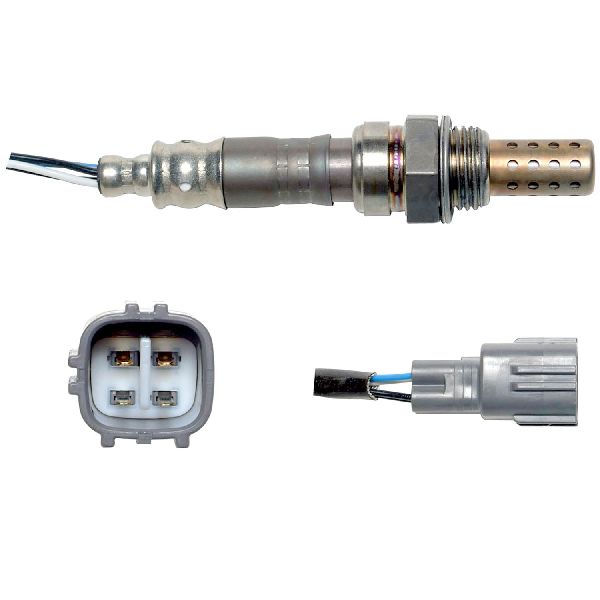
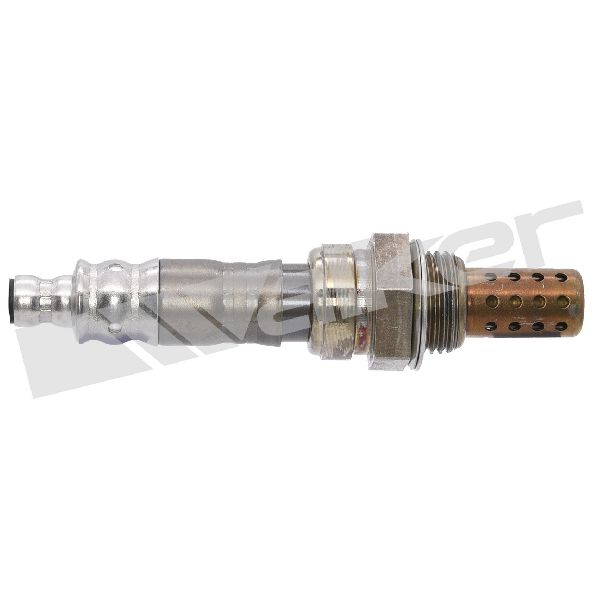
On a 2007-2011 Camry Hybrid, code P0030 almost always means the heater inside the upstream Air/Fuel Ratio (A/F) sensor has failed. The most common fix is replacing the sensor, which is a DIY-friendly job. Expect to pay around $70-$120 for an OEM-quality aftermarket sensor (like Denso) and $150-$220 for a genuine Toyota part.
- P0030 on your Camry Hybrid points to a problem with the heater in the upstream Air/Fuel Ratio sensor.
- The most probable cause is a failed sensor, which is a common wear-and-tear item.
- Before buying any parts, always check the 25A 'A/F' or 'EFI NO.1' fuse in the engine bay fuse box first.
- The repair is DIY-friendly and typically requires a 22mm (or 7/8") oxygen sensor socket.
- Using an OEM-quality brand like Denso (part #234-9041) for the replacement sensor is highly recommended for reliability.
What's Unique About the 2007-2011 Toyota Camry Hybrid
The 2007-2011 Camry Hybrid with the 2AZ-FXE engine is known for its reliability, and this code is typically straightforward. The issue is almost always a simple failure of the original Denso Air/Fuel Ratio sensor due to age and countless heat cycles. Unlike V6 models where this sensor can be difficult to access, on the 4-cylinder hybrid, it is located on the front exhaust manifold, making it relatively easy to reach and replace for a DIY mechanic.
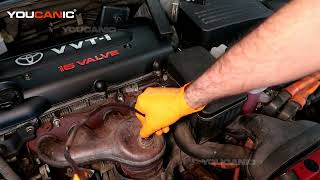
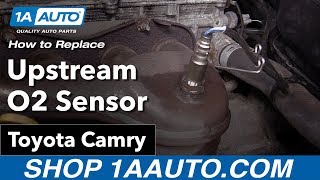
🎬 Watch: Step-by-step upstream sensor replacement on a Camry Hybrid.Symptoms You May Notice
- Check Engine Light is on
- Slightly decreased fuel economy
- Failure to pass an emissions/smog test
- Hesitation on acceleration during the first few minutes of driving
- Replacing the downstream oxygen sensor (Bank 1, Sensor 2). P0030 specifically refers to the upstream sensor (Sensor 1) before the catalytic converter.
- Replacing the sensor without first checking the 'A/F' or 'EFI NO.1' fuse. A 2-minute fuse check can save you the cost of an unnecessary sensor replacement.
Most Likely Causes
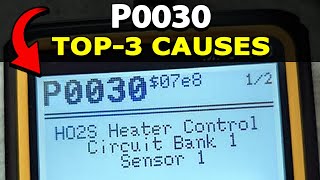
- Failed Air/Fuel Ratio Sensor (Bank 1, Sensor 1) 🔴 High Probability → Shop Oxygen Sensor The internal heater element is a common wear item that fails after many years and heat cycles. This is the most frequent cause of P0030. 🎬 See this video for common causes and fixes for P0030.
How to confirm: Disconnect the sensor and use a multimeter to measure the resistance between the two heater pins (usually the two same-colored wires). A healthy sensor will have a low resistance (typically between 2 and 30 ohms when cold), while a failed one will read as an open circuit (infinite resistance or 'OL'). A more precise range for many Toyota sensors is 2-5 Ohms.
Typical fix: Replace the upstream Air/Fuel Ratio sensor located on the exhaust manifold. Using penetrating oil and a 22mm (or 7/8") oxygen sensor socket is highly recommended for removal.
Est. part cost: $70-$220 - Blown A/F Heater Fuse ⚪ Low Probability
How to confirm: Locate the fuse box in the engine bay and check the 25A fuse labeled 'A/F' or 'EFI NO.1'. Visually inspect it or test for continuity with a multimeter. The fuse box is on the driver's side of the engine bay.
Typical fix: Replace the blown fuse. If the new fuse blows immediately, it indicates a short circuit in the wiring that needs to be found and repaired.
Est. part cost: $1-$5 - Damaged Wiring or Connector ⚪ Low Probability
How to confirm: Visually inspect the wiring harness leading to the A/F sensor for any signs of melting, chafing against other components, or corrosion in the connector pins. Check for 12V power and a good ground at the harness-side of the connector with the key on, engine off.
Typical fix: Repair the damaged section of wire or replace the connector pigtail.
Est. part cost: $10-$50
Rare But Worth Checking
- Faulty A/F Sensor Heater Relay: The relay supplies power to the heater circuit. If the fuse is good but there's no 12V power at the sensor connector (with the key on), the relay is the next component to test.
- Faulty Engine Control Module (ECM): → Shop Engine Control Module (ECM) This is extremely rare. The ECM's internal driver for the heater circuit can fail, but all other possibilities should be exhaustively ruled out before considering ECM replacement.
Diagnosis Steps
- Read the trouble codes with an OBD-II scanner to confirm P0030 is present. 🎬 Watch: How to diagnose and fix the heater control circuit.
- Locate the fuse box in the engine compartment on the driver's side and inspect the 25A 'A/F' or 'EFI NO.1' fuse. Replace it if it's blown.
- If the fuse is good, perform a thorough visual inspection of the A/F sensor's wiring and connector. Look for any signs of melting from contact with the exhaust, corrosion, or physical damage.
- Disconnect the sensor's electrical connector. With the ignition key in the 'ON' position (engine off), use a multimeter to verify that one pin in the harness-side connector has 12V power and another has a good ground.
- Using the multimeter set to Ohms, measure the resistance across the two heater pins on the sensor itself (these are often the two wires of the same color). A reading of infinite resistance ('OL') or a value outside the typical 2-30 ohm range confirms the internal heater has failed. A more specific range for many Denso sensors is 2-5 ohms.
- If the sensor's resistance is within spec but the code persists, the problem likely lies in the wiring, the relay, or, rarely, the ECM.
Parts You'll Likely Need
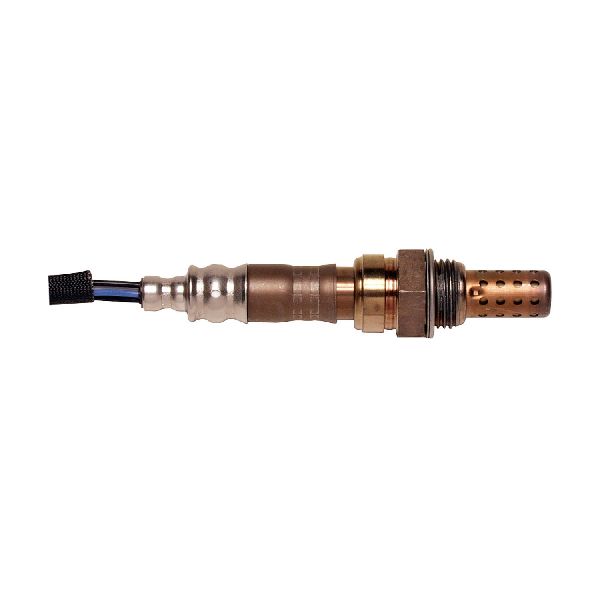
- Air/Fuel Ratio Sensor (Bank 1 Sensor 1)
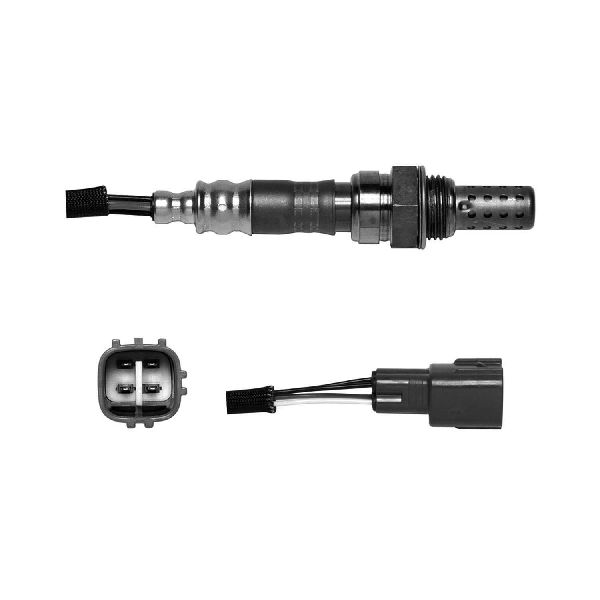
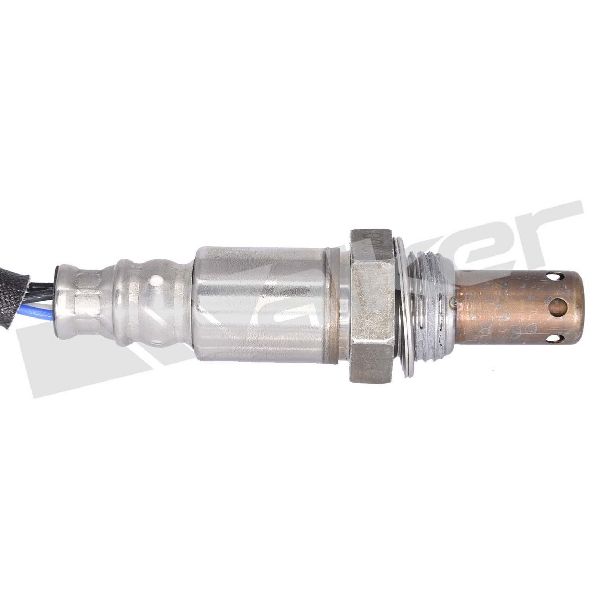
(OEM #89467-33080, 89467-06030)— This is the upstream sensor located in the exhaust manifold. Its internal heater element is the most common failure point for code P0030. Verify the exact part number with your vehicle's VIN.
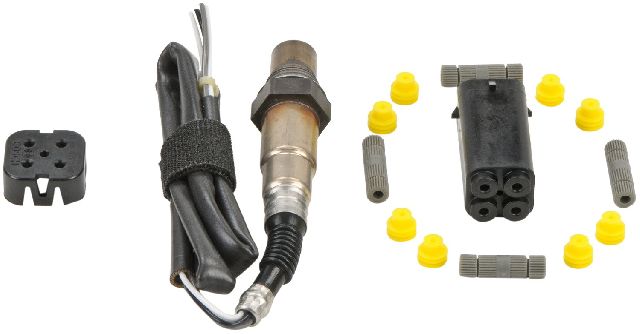
Trusted brands: Denso (OEM Manufacturer), NGK, Bosch
OEM price range: $150-$220
Aftermarket price range: $70-$120
Platform-Specific Known Issues
- While the repair is straightforward, the sensor can be seized in the exhaust manifold due to rust. Generous application of a penetrating oil like PB Blaster hours before attempting removal is highly recommended.
- Owners report that using a dedicated 22mm (7/8") offset oxygen sensor socket makes the job significantly easier than trying to use a standard wrench, especially for getting proper torque on the new sensor.
Mechanic-Grade Diagnostic Values
- A/F Sensor (Bank 1, Sensor 1) Heater Circuit Resistance — expected: 2-5 Ohms at 68°F (20°C). Failure: A reading of 'OL' (Open Loop/infinite resistance) or a value significantly outside the specified range indicates a failed heater element.
- Techstream Live Data: A/F Heater Duty (B1S1) — expected: A duty cycle percentage commanded by the ECM. Will be high on a cold start and decrease as the sensor warms up.. Failure: A 0% duty cycle command when the engine is cold could indicate an ECM or wiring issue. A high duty cycle with low current draw suggests high resistance in the circuit or a failed heater.
- Techstream Live Data: A/F Heater Current (B1S1) — expected: Shows the actual current being drawn by the heater circuit.. Failure: Low or zero current when the duty cycle is high confirms an open circuit (bad heater, wiring, fuse, or relay).
Scan Tool Commands That Help
- Toyota Techstream: Active Test: A/F Control — After repairing a P0030 code, this test can verify the overall health of the new A/F sensor. It allows the technician to manually command the fuel mixture rich or lean (+/- 12.5% or 25%) and observe the sensor's response, confirming it is reading correctly now that the heater is functional.
- Advanced OBD-II Scanners (Autel, Thinkdiag, etc.): Actuation Test: O2 Sensor Heater (Bank 1 Sensor 1) — This is a direct bidirectional test to command the A/F sensor heater ON. It can be used to verify if the heater circuit (wiring, relay, fuse, and heater element) is capable of functioning when commanded by a scanner, helping to isolate the fault.
Wiring & Ground Locations
- Engine Harness Ground — On the 2AZ-FE/FXE, a critical engine harness ground attaches to a boss on the side of the cylinder head, underneath the throttle body area.. While the A/F sensor has its own ground wire within its harness, a poor main engine-to-chassis or harness-to-engine ground can cause floating voltages and erratic behavior in multiple sensors, including the A/F sensor, potentially leading to incorrect codes.
- A/F Heater Relay — Located in the main fuse/relay box in the engine compartment.. This relay provides the 12V power to the A/F sensor's heater circuit. A failure of this relay will cut power to the heater and directly cause a P0030, even if the fuse and sensor are good.
Real Owner Repair Stories
- Go-Parts / ToyotaNation Forum User (2003 Toyota Camry 2.4L (2AZ-FE), similar platform) — Check Engine Light with code P0031 (Heater Circuit Low), which is a related fault to P0030.
❌ Tried (didn't work) Replaced the upstream A/F sensor with a new Denso part.
✅ What actually fixed it The user discovered a broken wire in the harness near the sensor connector. The wire was broken internally with no visible damage to the outer insulation. Repairing the wire resolved the code.
OEM Part Supersession History
89467-33080→89467-06030— Standard part revision, likely for improved durability or manufacturing process changes.
Heads up: The new part number (89467-06030) is a direct, fully compatible replacement for the original.
Model Year Variations Within This Range
- 2007-2009: The 2007-2009 Camry (non-hybrid) used the 2.4L 2AZ-FE engine, which had known issues with excessive oil consumption. While the Camry Hybrid uses the related 2AZ-FXE, it's important for owners to be aware of issues on the base engine family. For the 2010-2011 model years, the non-hybrid 4-cylinder Camry was updated to the more reliable 2.5L 2AR-FE engine.
Diagnostic Flowchart
Other Known Issues on This Vehicle
Issues unrelated to this code that are worth knowing about as an owner of this generation:
- Excessive Oil Consumption 🔴 High — Common on 2007-2009 models with the 2AZ-FE/FXE engine. Caused by faulty piston ring design. (Ref: TSB T-SB-0094-11 and Warranty Enhancement Program ZE7 addressed this issue, but they are now expired. The fix involves replacing pistons and rings.)
- Brake Actuator Assembly Failure 🔴 High — A well-documented issue across all 2007-2011 Camry Hybrids, causing multiple brake warning lights and a loud buzzing noise. (Ref: Toyota issued a Warranty Enhancement Program (ZE1) extending coverage to 10 years or 150,000 miles, but this has expired for most vehicles.)
- Inverter Coolant Pump Failure 🟠 Medium — The electric pump that cools the hybrid system's inverter can fail, leading to a 'Check Hybrid System' warning and potential overheating of expensive components. (Ref: No specific recall, but it is a widely recognized failure point. Diagnosis involves checking for coolant circulation in the inverter reservoir.)
- Melting / Sticky Dashboard 🟡 Low — Common in hot climates. The dashboard material can degrade under UV exposure, becoming shiny, sticky, or cracking. (Ref: A past Customer Support Program addressed this, but it is now expired. The only fix is dashboard replacement.)
Used vs. New Parts: Buying Guide for This Vehicle
When a used part is the smart pick: For this specific repair, a used Air/Fuel Ratio sensor is almost never a smart choice. A/F sensors are wear-and-tear items with a finite lifespan, similar to spark plugs or brake pads. The heater element is the most common failure point, and a used sensor from a donor vehicle has an unknown number of heat cycles and remaining life.
Donor-vehicle mileage cap: roughly under 30000 miles for the part to have meaningful remaining life.
What to inspect on the donor part:
- If buying used is unavoidable, source from the lowest-mileage donor vehicle possible.
- Visually inspect the sensor's wiring for any brittleness, melting, or cracking.
- Check the connector for corrosion or bent pins.
- Ask the seller if they can test the heater resistance with a multimeter before purchase; it should be within 2-5 ohms.
Aftermarket brands forum-validated for this vehicle:
- Denso (This is the Original Equipment Manufacturer; part #234-9041 is the direct equivalent to the Toyota-branded part).
- NGK / NTK
Brands owners have reported issues with on this vehicle:
- Generic, unbranded, or 'white-box' sensors from online marketplaces are frequently reported on forums to fail prematurely or be dead-on-arrival.
Real Owner Stories
Aggregated from forums and TSBs cited above. Mileages and costs reflect what owners reported in those sources.
2010 Camry Hybrid 2.4L
Symptoms: Check engine light with codes; diagnostic tools initially flagged a 'catalyst efficiency below threshold' issue.
What fixed it: Replaced the upstream oxygen sensor with part number 89467-48050.
Source hint: AliExpress Article/Review: Is the 89467 48050 Lambda Probe the Right Oxygen Sensor for Your Lexus or Toyota Hybrid?
2007 Camry V6
Symptoms: P0030 and P0050 codes present.
What fixed it: Replacing the correct Bank 1, Sensor 1 A/F sensor using the Denso brand.
Source hint: Toyota Nation Forum: p0030-and-p0050-on-my-07-camry-v6
Related OBD-II Codes
Frequently Asked Questions
Is there a specific TSB for the P0030 code on my 2007-2011 Camry Hybrid?
Which fuse should I check for a P0030 code on my Camry Hybrid?
What is the correct resistance for a new Air/Fuel Ratio sensor on this 2.4L engine?
Can I use a standard wrench to replace the sensor on my 2AZ-FXE?
Will the Toyota Warranty Enhancement Program ZE7 cover my P0030 repair?
Is there a specific part number recommended for the upstream sensor?
Helpful Videos

We Have This Part in Stock

The information in this article is provided for general reference and educational purposes only. Vehicle specifications, procedures, and part compatibility can vary by production date, trim level, and region. Always consult your vehicle's factory service manual and verify part numbers before purchasing or performing repairs. Safety-critical components such as airbags, seat belts, and braking systems should be installed by a qualified professional.
- Toyota Camry Hybrid:
- 🧭 Diagnostic Flowchart
- 🎬 Helpful Videos
- 🛍️ Shop This Part
- What's Unique About the 2007-2011 Toyota Camry Hybrid
- Symptoms You May Notice
- Most Likely Causes
- Rare But Worth Checking
- Diagnosis Steps
- Parts You'll Likely Need
- Platform-Specific Known Issues
- Mechanic-Grade Diagnostic Values
- Scan Tool Commands That Help
- Wiring & Ground Locations
- Real Owner Repair Stories
- OEM Part Supersession History
- Model Year Variations Within This Range
- Other Known Issues on This Vehicle
- Used vs. New Parts: Buying Guide for This Vehicle
- Real Owner Stories
- 2010 Camry Hybrid 2.4L
- 2007 Camry V6
- Related OBD-II Codes
- Frequently Asked Questions
- 🎟️ Get 5% Off