

P0030 on 2004-2009 Toyota Prius: A/F Sensor Heater Circuit Causes and Fixes
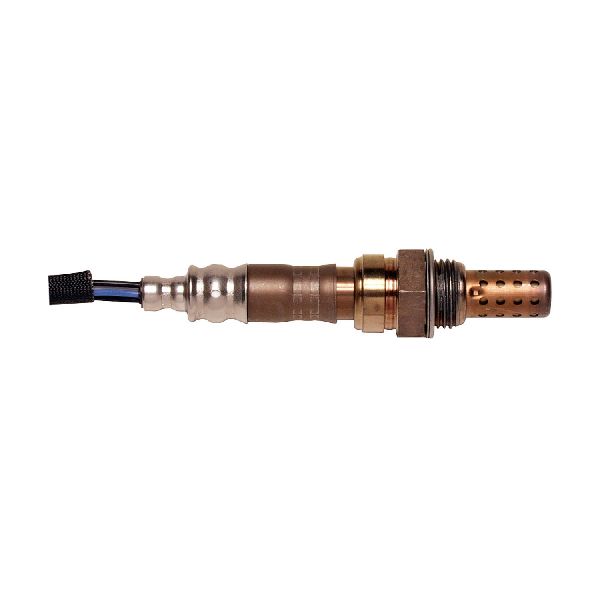
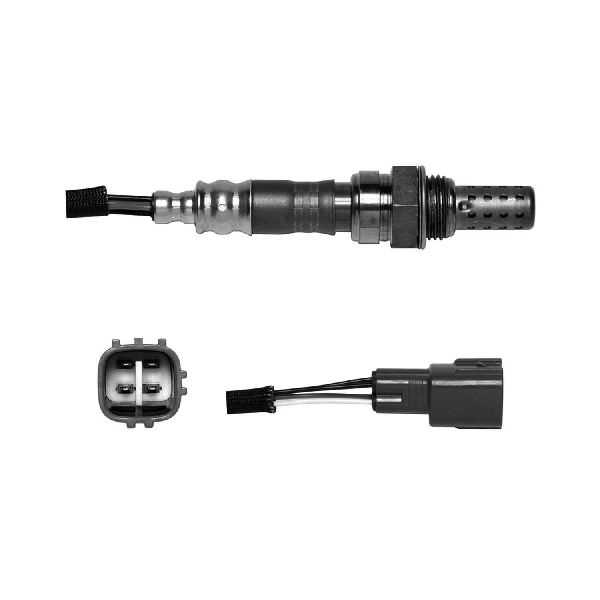
On a 2004-2009 Prius, code P0030 almost always means the upstream Air/Fuel Ratio (A/F) sensor's internal heater has failed. Before replacing it, check the 15A 'A/F HTR' fuse in the engine bay fuse box. The fix is a new Denso sensor (part #234-9056), which is the OEM equivalent and costs about $120-$160. This is a common and straightforward repair.
- P0030 on a Gen 2 Prius points directly to a problem with the upstream A/F sensor's heater circuit.
- The most likely fix is replacing the upstream A/F sensor with the OEM-equivalent Denso part # 234-9056.
- Always check the 15A 'A/F HTR' fuse in the engine bay fuse box before buying any parts, as it's a quick and cheap potential fix.
- This is a DIY-friendly repair for most home mechanics, requiring basic tools and a 22mm O2 sensor socket.
What's Unique About the 2004-2009 Toyota Prius
The 2004-2009 Prius (second generation) is generally very reliable, but like any vehicle, its sensors have a finite lifespan. The P0030 code is a straightforward and common maintenance issue on this platform, typically indicating the original Denso A/F sensor's heater element has burned out after many years and heat cycles. There are no widespread design flaws or complex TSBs associated with this code; it's usually a simple case of a part wearing out as expected. It is critical to use the correct Denso replacement, as the Prius's hybrid system is sensitive to the precise voltage readings from this sensor.
Symptoms You May Notice
- Check Engine Light is on
- Noticeable decrease in fuel economy (MPG)
- Guaranteed failure of an emissions/smog test
- Vehicle may run slightly rough on a cold start
- You may smell gasoline on cold starts due to a rich fuel mixture.
- Replacing the downstream oxygen sensor (Sensor 2). P0030 specifically refers to the upstream sensor (Sensor 1) in the exhaust manifold.
- Replacing the sensor without first checking the 15A 'A/F HTR' fuse.
- Using a cheap, non-Denso universal sensor. These often have incorrect heater resistance or response characteristics, leading to persistent codes or poor performance.
Most Likely Causes
- Failed Air/Fuel Ratio Sensor Heater Element 🔴 High Probability → Shop Oxygen Sensor The internal heating element is a resistor that simply burns out over time from thousands of heat cycles, similar to a light bulb filament. This is the most common failure point by a wide margin for the P0030 code.
How to confirm: Unplug the sensor and use a multimeter to test the resistance between the two heater pins (the two black wires on the sensor's connector). A healthy sensor should have a low resistance, typically between 1.8 and 3.4 ohms at room temperature. A reading of 'OL' (Open Loop) or infinite resistance means the heater circuit is broken and the sensor is bad.
Typical fix: Replace the upstream Air/Fuel Ratio sensor (Bank 1, Sensor 1). An O2 sensor socket 🎬 Watch: How to test and replace the A/F sensor is highly recommended for removal.
Est. part cost: $120-$200 - Blown A/F HTR Fuse 🟡 Medium Probability A short circuit in the sensor's wiring or an internal failure in the sensor itself can cause the fuse to blow as a protective measure. It is a crucial first check.
How to confirm: Locate the main fuse box in the engine compartment, near the driver's side. Find the fuse labeled 'A/F HTR' (it is a 15A fuse) and visually inspect it or test for continuity with a multimeter.
Typical fix: Replace the blown fuse. If it blows again immediately, a short circuit exists in the wiring harness or the A/F sensor that must be diagnosed and repaired.
Est. part cost: $1-$5 - Damaged Wiring or Connector ⚪ Low Probability The wiring harness is located near the hot exhaust manifold and can become brittle, melted, or frayed over many years. Rodents are also known to chew on the soy-based wire insulation used in many modern cars.
How to confirm: Visually inspect the entire wiring harness from the sensor connector back as far as possible. Look for melted insulation, chafed wires, or green/white corrosion inside the connector pins. Check for rodent damage like chew marks.
Typical fix: Repair the damaged section of wire using solder and heat-shrink tubing or replace the connector pigtail.
Est. part cost: $10-$30
Rare But Worth Checking
- Faulty Engine Control Module (ECM): → Shop Engine Control Module (ECM) This is extremely rare. The driver circuit inside the ECM that powers the heater can fail, but this should only be considered after all other possibilities (sensor, fuse, wiring) have been definitively ruled out. A professional diagnosis is recommended before condemning the ECM.
Diagnosis Steps
- Read the code with an OBD-II scanner to confirm P0030 is the primary code.
- Open the hood and locate the main fuse box in the engine compartment. Find the 15A fuse labeled 'A/F HTR' and check if it's blown. Replace if necessary. If it blows again, a short circuit exists that needs to be found.
- If the fuse is good, locate the upstream A/F sensor. It is screwed into the exhaust manifold, visible at the front of the engine, below the plastic engine cover.
- Inspect the sensor's wiring harness and connector for any signs of melting, chafing, or corrosion.
- Disconnect the sensor. Use a multimeter set to Ohms (Ω) to measure the resistance across the two black wires on the sensor side of the connector.
- A good sensor will read between 1.8 and 3.4 Ω at 68°F (20°C). If the multimeter reads infinite resistance ('OL'), the heater element has failed, and the sensor must be replaced.
- If the resistance is within spec, the problem may lie in the wiring providing power and ground from the ECM. This requires more advanced electrical diagnosis using a wiring diagram.
- To replace the sensor, use a 22mm (or 7/8") oxygen sensor socket, which has a slot for the wire. Apply anti-seize compound to the threads of the new sensor if not pre-applied.
- After repair, clear the trouble code with the scanner and perform a drive cycle to ensure the Check Engine Light does not return.
Parts You'll Likely Need
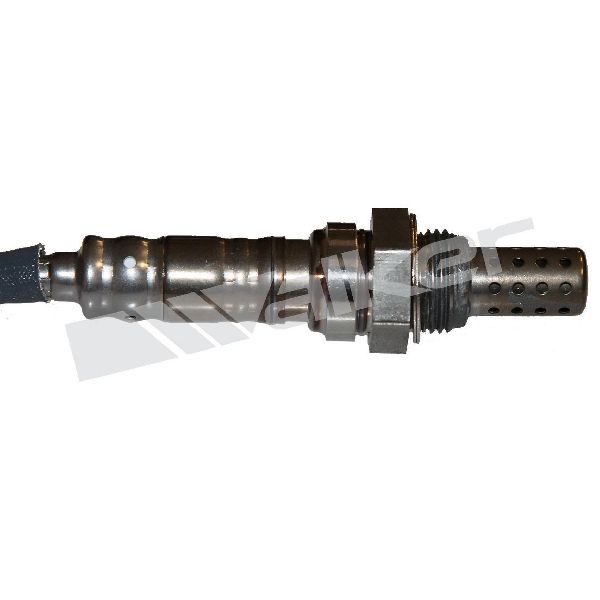
- Air/Fuel Ratio Sensor (Upstream)
(OEM #89467-47010)— This is Bank 1, Sensor 1. The internal heater element is the component that fails, triggering the P0030 code. The entire sensor must be replaced. It is highly recommended to use the OEM Denso part, as other brands may not be calibrated correctly for the Prius hybrid system.
Trusted brands: Denso (OEM)
OEM price range: $180-$220
Aftermarket price range: $120-$160 (Denso 234-9056)
Platform-Specific Known Issues
- Owners on PriusChat forums consistently report that using a non-Denso brand sensor can lead to the code returning or other performance issues. Sticking with the Denso 234-9056 is the community-accepted best practice.
Mechanic-Grade Diagnostic Values
- A/F Sensor Heater Circuit Voltage Supply — expected: 11 to 14 V (Battery Voltage). Failure: 0V or significantly less than battery voltage indicates a problem with the power supply (fuse, EFI relay, or wiring).
- A/F Sensor Heater Current (Live Data) — expected: 0.8 A to 10 A. Failure: Current outside this range will trigger a DTC.
- A/F Sensor Signal Voltage (Live Data) — expected: Fluctuates around a central point of 3.3V (Lambda 1.0). Typical operating range is 1.8V (rich) to 3.8V (lean).. Failure: A static, unchanging voltage, or voltage stuck at either extreme after warmup, indicates a faulty sensor.
Hidden / Shadow Codes Worth Checking
- MID:$41 TID:$0c: This is the Mode $06 monitor for the O2 Heater Monitor Bank 1 - Sensor 1. A failure reported here points directly to an issue with the A/F sensor heater circuit performance, even if a standard DTC has not yet set. (see via An OBD-II scan tool capable of displaying Mode $06 data, such as the Torque Pro app or professional-grade scanners.)
Scan Tool Commands That Help
- Toyota Techstream: Active Test: A/F Control — This function allows a technician to command changes in the air-fuel mixture and observe the A/F sensor's response in real-time. It helps confirm if the sensor is responding correctly to commands, which is useful for differentiating between a bad sensor and a wiring issue after basic checks are complete.
Wiring & Ground Locations
- ECM Pin HA1A — On the 1NZ-FXE, this is Pin 109 in connector C20 at the Engine Control Module (ECM).. This is the specific ECM pin that provides the 12V+ power (duty-cycled) to the A/F sensor heater. A voltage check here can confirm if the ECM's driver circuit is functioning.
- ECM Pin E04 — On the 1NZ-FXE, this is Pin 46 in connector C20 at the Engine Control Module (ECM).. This is the ground control pin for the A/F sensor heater circuit. Checking for continuity to ground from the sensor harness can diagnose a break in this wire.
- EFI Relay — Located in the engine compartment fuse/relay box.. The EFI relay supplies the main power to the A/F sensor heater circuit (via the A/F HTR fuse). A faulty EFI relay can cut power to the heater, causing P0030, and likely other engine-related issues.
OEM Part Supersession History
89467-47010→89467-47010 (no supersession)— N/A
Heads up: This part number is specific to the 2004-2009 Prius. Do not use other Toyota A/F sensors like 89467-52060 (Gen 3 Prius) or 89467-28090 (Prius Plug-in), even if they appear physically similar. They are not interchangeable.
Model Year Variations Within This Range
- 2004-2005: On the earlier Gen 2 models, the upstream A/F sensor may be more easily accessed from underneath the vehicle. On later 2006-2009 models, access is primarily from the top after removing engine covers. The part itself remains the same.
Diagnostic Flowchart
Other Known Issues on This Vehicle
Issues unrelated to this code that are worth knowing about as an owner of this generation:
- Combination Meter Failure 🟠 Medium — Very common, especially on 2004-2007 models. The dashboard display for the speedometer and fuel gauge goes blank intermittently or permanently. (Ref: T-SB-0172-09; Toyota also had a Warranty Enhancement Program (ZE1) that has since expired.)
- Inverter Coolant Pump Failure 🔴 High — Common failure across all Gen 2 model years. Leads to overheating of the hybrid inverter and can cause the car to shut down. (Ref: A safety recall (NHTSA #12V536000) and Limited Service Campaign were issued to replace the pump.)
- Excessive Oil Consumption 🟠 Medium — Frequently develops in higher-mileage engines (typically over 100k-150k miles). Caused by carbon buildup on low-tension piston rings designed for efficiency. (Ref: No TSB or recall, but it is a widely documented issue. Toyota considers consumption up to 1.1 qt per 600 miles to be within spec.)
- HID Headlight Failure 🟡 Low — Common on models equipped with factory HID headlights. The bulbs or ballasts fail, causing flickering or complete loss of one or both headlights.
- Hybrid Battery (HV) Degradation 🔴 High — Inevitable with age and mileage (typically 10-15 years or 150k-200k+ miles). Individual cells fail, triggering the P0A80 code and master warning light. (Ref: No recall, as it's a wear item. The battery is covered by an 8-year/100,000-mile or 10-year/150,000-mile warranty depending on the state.)
Used vs. New Parts: Buying Guide for This Vehicle
When a used part is the smart pick: A used part is only recommended for sourcing a wiring harness connector/pigtail if the original is damaged. The sensor itself should always be purchased new.
Donor-vehicle mileage cap: roughly under 150000 miles for the part to have meaningful remaining life.
What to inspect on the donor part:
- For a wiring pigtail, inspect for any signs of brittleness, cracking, or melted plastic.
- Ensure connector pins are clean, straight, and free of green or white corrosion.
- Check for any evidence of rodent damage (chew marks) on the wires.
OEM-only on this vehicle (don't cheap out):
- Air/Fuel Ratio Sensor
Aftermarket brands forum-validated for this vehicle:
- Denso (part #234-9056) is the OEM supplier and the only community-trusted brand for this specific sensor on this vehicle.
Brands owners have reported issues with on this vehicle:
- Bosch
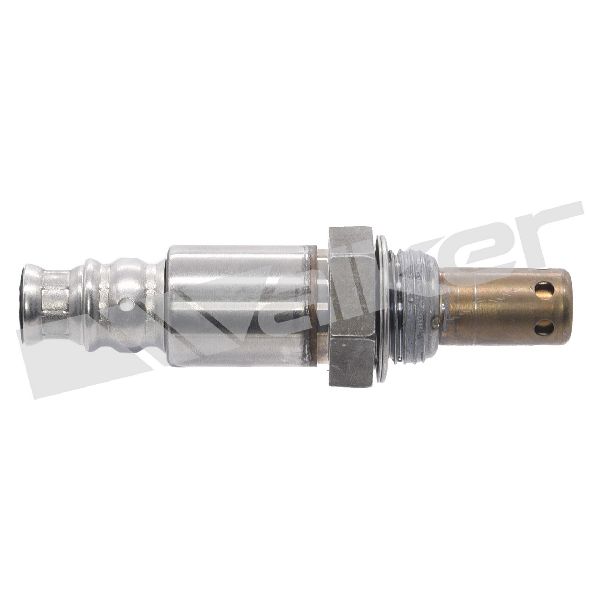
- Walker
- NGK
- Any unbranded or 'universal' sensor. While these brands may be suitable for other vehicles, PriusChat forums are filled with reports of them causing persistent codes or performance issues on the Gen 2 Prius.
Real Owner Stories
Aggregated from forums and TSBs cited above. Mileages and costs reflect what owners reported in those sources.
2004-2009 Toyota Prius 1.5L
Symptoms: The Check Engine Light was on and I needed to confirm if the A/F sensor was actually the problem before buying an expensive replacement.
What fixed it: Tested the resistance across the two black wires on the sensor side of the connector; found the heater circuit was within the 1.8 to 3.4 ohms specification, indicating the sensor itself was good and the issue was elsewhere in the circuit.
Source hint: PriusChat.com thread titled 'O2 and air/fuel ratio sensors'
2004-2009 Toyota Prius 1.5L
Symptoms: Discussion regarding the interchangeability of Air/Fuel Ratio sensors and the risk of the code returning with non-OEM brands.
What fixed it: Confirmed that part number 89467-47010 is the specific part for the Gen 2 Prius and used the Denso 234-9056 as the direct equivalent to resolve the issue.
Source hint: PriusChat.com thread titled 'Is There Interchangeability Between AF Ratio Sensors 89467-47010, etc?'
Related OBD-II Codes
Frequently Asked Questions
Can I use a generic oxygen sensor from a local auto parts store for my Gen 2 Prius?
Is there a specific fuse I should check for the P0030 code on my 2004-2009 Prius?
What resistance should I see when testing the A/F sensor heater on my 1.5L 1NZ-FXE?
Is the P0030 code related to the Inverter Coolant Pump recall (NHTSA #12V536000)?
Could my Prius's high oil consumption be causing this sensor failure?
Can I swap the A/F sensor from a Toyota Echo since it also has a 1NZ engine?
Helpful Videos

We Have This Part in Stock


The information in this article is provided for general reference and educational purposes only. Vehicle specifications, procedures, and part compatibility can vary by production date, trim level, and region. Always consult your vehicle's factory service manual and verify part numbers before purchasing or performing repairs. Safety-critical components such as airbags, seat belts, and braking systems should be installed by a qualified professional.
- Toyota Prius:
- 🧭 Diagnostic Flowchart
- 🎬 Helpful Videos
- 🛍️ Shop This Part
- What's Unique About the 2004-2009 Toyota Prius
- Symptoms You May Notice
- Most Likely Causes
- Rare But Worth Checking
- Diagnosis Steps
- Parts You'll Likely Need
- Platform-Specific Known Issues
- Mechanic-Grade Diagnostic Values
- Hidden / Shadow Codes Worth Checking
- Scan Tool Commands That Help
- Wiring & Ground Locations
- OEM Part Supersession History
- Model Year Variations Within This Range
- Other Known Issues on This Vehicle
- Used vs. New Parts: Buying Guide for This Vehicle
- Real Owner Stories
- 2004-2009 Toyota Prius 1.5L
- 2004-2009 Toyota Prius 1.5L
- Related OBD-II Codes
- Frequently Asked Questions
- 🎟️ Get 5% Off