

P0031 on 2016-2024 Chevrolet Camaro 6.2L LT1: Causes and Fixes for the O2 Sensor Heater Circuit
This code almost always means the driver's side upstream oxygen sensor has failed or its wiring is damaged. The internal heater element burns out, or the harness melts from proximity to the exhaust manifold. A new OEM sensor costs about $50-$90, and it's a DIY-friendly fix for most owners.
- P0031 points to the driver's side upstream O2 sensor heater.
- The most likely fix is replacing the sensor itself, which is a manageable DIY job.
- Before buying parts, always inspect the sensor's wiring harness for melting or damage, as this is a known issue, especially with aftermarket headers.
- Check the O2 sensor fuse in the engine bay fuse box (F63 on many models) before replacing parts.
What's Unique About the 2016-2024 Chevrolet Camaro
For the 6th generation Camaro's LT1 V8, the P0031 code is a common and straightforward issue. While the sensor itself can fail, the primary vehicle-specific concern is the wiring. The O2 sensor harness is routed very close to the hot exhaust manifold. Over time, or especially after installing aftermarket headers, this wiring can melt or become brittle, causing a short or open circuit. A GM Technical Service Bulletin (TSB) for a similar V8 truck engine highlights this exact issue of mis-routed harnesses melting on the exhaust, making a wiring inspection a critical first step for Camaro owners.
Symptoms You May Notice
- Check Engine Light is on.
- Slightly reduced fuel economy.
- Vehicle may fail an emissions test.
- Rough idle on a cold start that smooths out as the engine warms up.
- In rare cases, no noticeable adverse conditions other than the Check Engine Light.
- Replacing the wrong O2 sensor (e.g., the passenger side or downstream sensor). P0031 specifically refers to Bank 1 (driver's side) and Sensor 1 (upstream, before the catalytic converter).
- Replacing the O2 sensor without first inspecting the wiring harness for damage. A melted harness will cause the new sensor to throw the same code.
Most Likely Causes
- Failed Bank 1, Sensor 1 Oxygen Sensor 🔴 High Probability → Shop Oxygen Sensor The internal heater element is a common failure point for all O2 sensors over time due to constant, rapid heat cycles. It's the most frequent cause for this code.
How to confirm: With the engine off, unplug the sensor and measure the resistance between the two heater circuit pins on the sensor side (often two same-colored wires). A reading of 'OL' or infinite resistance indicates the heater has burned out. A good heater will have a low resistance, typically between 2 and 30 ohms.
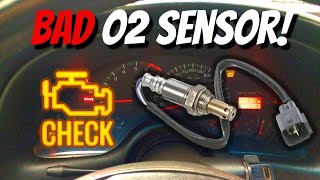
Typical fix: Replace the Bank 1, Sensor 1 (driver's side, upstream) oxygen sensor. 🎬 Watch: This 5-minute walkthrough shows you how to replace the sensor.
Est. part cost: $50-$90 - Damaged Wiring or Connector 🟡 Medium Probability The sensor wiring is routed close to the exhaust manifold. A GM TSB for other V8 engines confirms that harnesses can be mis-routed and melt against the hot exhaust. This is especially common after installing aftermarket headers, where owners report the harness burning through the loom and melting wires.
How to confirm: Visually inspect the entire wiring harness for the driver's side upstream O2 sensor from the sensor connector to where it joins the main engine harness. Look for any signs of melting, chafing, or broken wires, especially where it passes near the exhaust manifold or engine block.
Typical fix: Repair the damaged section of the wiring harness and re-route it away from heat sources using high-temperature loom and zip ties. If the connector is damaged, it may need to be replaced.
Est. part cost: $10-$30 - Blown Fuse ⚪ Low Probability A short in the wiring or a faulty sensor can sometimes blow the fuse that powers the O2 sensor heater circuit.
How to confirm: Consult the owner's manual or online diagrams for the engine bay fuse box. For the 2016-2018 Camaro, this is often fuse F63, labeled 'NON WALK O2' or similar. Visually inspect the fuse to see if it is blown. Multiple O2 heater codes appearing at once strongly suggests a blown fuse.
Typical fix: Replace the blown fuse. If the new fuse blows immediately, it indicates a persistent short circuit in the wiring that must be found and repaired.
Est. part cost: $1-$5
Rare But Worth Checking
- Faulty Engine Control Module (ECM): This is extremely rare. The ECM's internal driver for the heater circuit can fail, but this should only be considered after all other possibilities, including the sensor, wiring, and fuses, have been thoroughly tested and ruled out.
Diagnosis Steps
- Verify the code with an OBD-II scanner. Note any other codes present. Multiple O2 heater codes (e.g., P0050, P0051) point towards a shared power or fuse issue.
- Locate the engine bay fuse box and check the fuse for the O2 sensor heaters. On a 2017 Camaro, this is fuse F63 ('NON WALK O2'). Replace if blown.
- Raise the vehicle safely. Locate the Bank 1, Sensor 1 O2 sensor. It is on the driver's side, in the exhaust manifold before the catalytic converter.
- Thoroughly inspect the sensor's wiring harness and connector for any signs of melting, chafing, or physical damage. Pay close attention to where the harness is near the exhaust. This is a very common failure point, especially with aftermarket headers.
- If the wiring looks good, disconnect the sensor. Use a multimeter set to Ohms (Ω) to test the resistance across the two heater pins on the sensor itself. A reading of 'OL' (Open Loop) or infinite resistance confirms the sensor's heater is broken. A good sensor should read a low resistance, typically between 2-30 Ohms.
- If the sensor's resistance is within spec, test the vehicle-side connector. With the ignition on (engine off), use a multimeter to verify there is ~12V power on one pin and a good ground on another. A lack of voltage points to a fuse or wiring issue upstream.
- If power and ground are present at the connector and the sensor tested good, the issue may be an intermittent wiring fault or, in very rare cases, the ECM driver circuit.
Parts You'll Likely Need
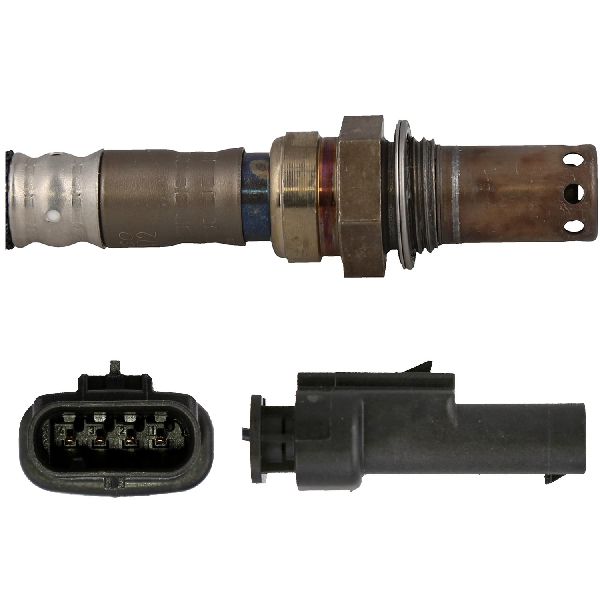
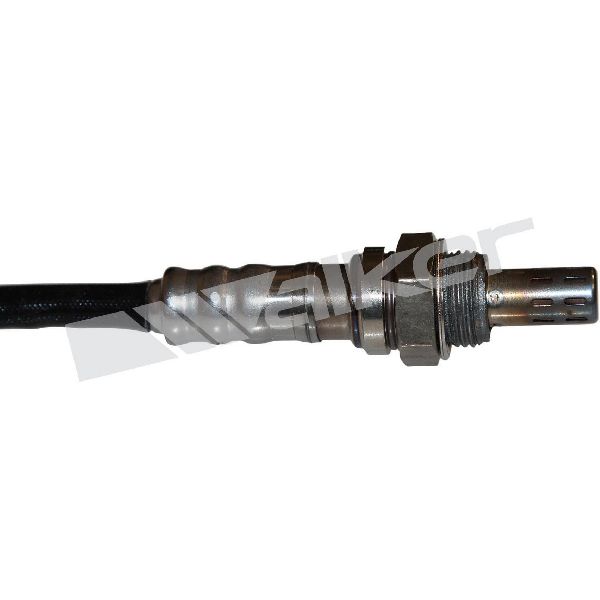
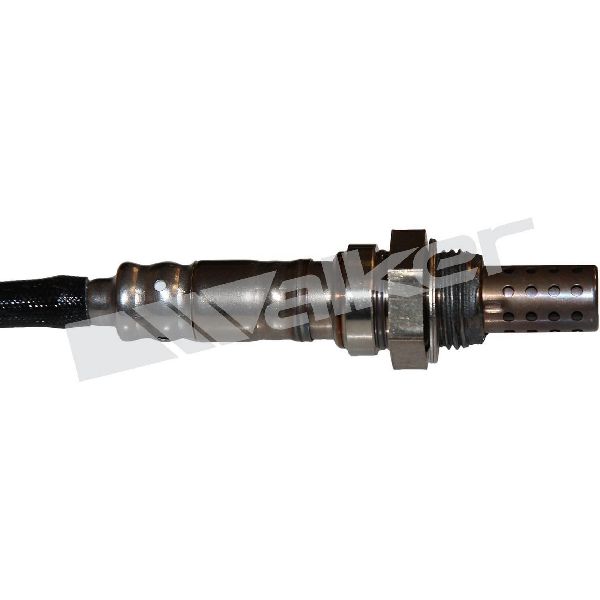
- Upstream Oxygen Sensor (Bank 1, Sensor 1)
(OEM #12655677)— The internal heater element failing is the most common cause of P0031. This is the upstream sensor for the driver's side. This part number fits both left and right upstream positions.
Trusted brands: ACDelco (GM Genuine), Denso, Bosch, NTK
OEM price range: $50-$90
Aftermarket price range: $40-$95
Related Codes That Often Appear With This One
- P0030 — P0030 is a general fault for the same HO2S Heater Control Circuit (Bank 1, Sensor 1). P0031 specifies a 'low' circuit condition, and they often appear together, especially after header installations.
- P0135 — P0135 indicates a heater performance issue for the same sensor. It's another code pointing to the heater element not working correctly and is frequently seen with P0031.
Technical Service Bulletins (TSBs) & Recalls
- 24-NA-042: While for 2024 Silverado/Sierra trucks, this GM TSB documents a condition where the Bank 1 Sensor 1 O2 sensor harness is mis-routed, contacts the exhaust, and causes heater circuit codes including P0031. This demonstrates a known issue pattern on GM V8s that is highly relevant to the Camaro.
Platform-Specific Known Issues
- Owners who have installed aftermarket long-tube headers are highly susceptible to O2 sensor wiring issues. The use of cheap wire extensions or failure to properly secure the harness away from the new, hotter header pipes can lead to melted wires and trigger this code.
- A user on Camaro6.com with a 2017 2SS installed Speed Engineering headers and immediately got P0030, P0031, and other related codes. The community advised checking for melted wiring insulation as the most likely cause, a problem that cannot be 'tuned out'.
Mechanic-Grade Diagnostic Values
- O2 Sensor Heater Element Resistance — expected: 2 to 30 Ohms. Failure: A reading of 'OL' (Open Loop) or infinite resistance indicates a burned-out heater element.
- O2 Sensor Heater Circuit Voltage (at connector) — expected: Approximately 12 Volts (battery voltage) with key on, engine off.. Failure: Voltage below 11V confirms a low-circuit condition and points to a wiring or fuse issue upstream of the sensor.
- Live Data: O2 Sensor Heater Voltage (Bank 1 Sensor 1) — expected: Should be above 11V when the engine is warm.. Failure: A value consistently below 11V on a scan tool confirms the low circuit condition reported by the code.
Wiring & Ground Locations
- Bank 1 Sensor 1 Connector Pins — On the driver's side exhaust manifold, before the catalytic converter.. Testing for power and ground occurs at this connector. A 2019 wiring diagram shows the heater circuit wires are typically VIO/BLU (Violet/Blue) for the control signal from the ECM and GRY/WHT (Gray/White) for the low reference/ground. Verifying 12V power and ground continuity on the harness side of this connector is a key diagnostic step.
- G102 / G110 / G112 — Various points on the cylinder heads (rear of left head, rear of right head).. The engine block and heads serve as the primary ground path for many sensors. While not a direct cause for a single O2 sensor code, a loose or corroded engine ground strap can cause a variety of intermittent electrical issues and sensor faults. There are multiple ground points on the LT1 engine block and heads.
- G103 — On older GM V8s, this was a critical ECM ground on the engine block. On newer platforms, it may be located on the cowl above the brake booster.. This is a major ground point for the Body Control Module (BCM) and other critical electronics. A fault here would likely cause many codes, not just P0031, but it's a known trouble spot on GM vehicles that can cause erratic electronic behavior.
Real Owner Repair Stories
- CorvetteForum user (C7 Corvette (shares LT1 engine with Camaro)) — Sudden shudder, loss of power, flashing Check Engine Light, and engine missing, feeling like limp mode.
❌ Tried (didn't work) Initial thought was a major mechanical issue due to the severe symptoms.
✅ What actually fixed it The issue was diagnosed as an 'infant failure' of the Bank 1 O2 sensor's internal heater element. The wildly incorrect data from the failed sensor caused the engine controller to enter a safe mode. Replacing the sensor resolved all symptoms.
OEM Part Supersession History
12639692→12655677— Standard part number update by GM. The ACDelco service part number for 12655677 is 213-4768.
Heads up: The upstream sensors (Sensor 1) are the same for the left and right banks on the LT1.
Model Year Variations Within This Range
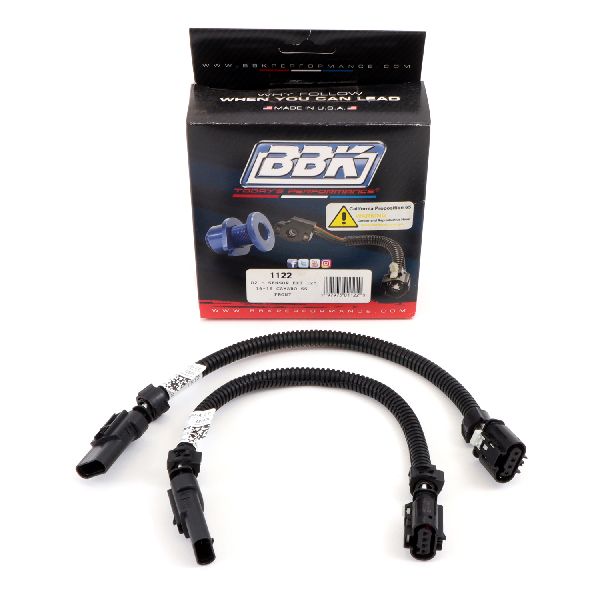
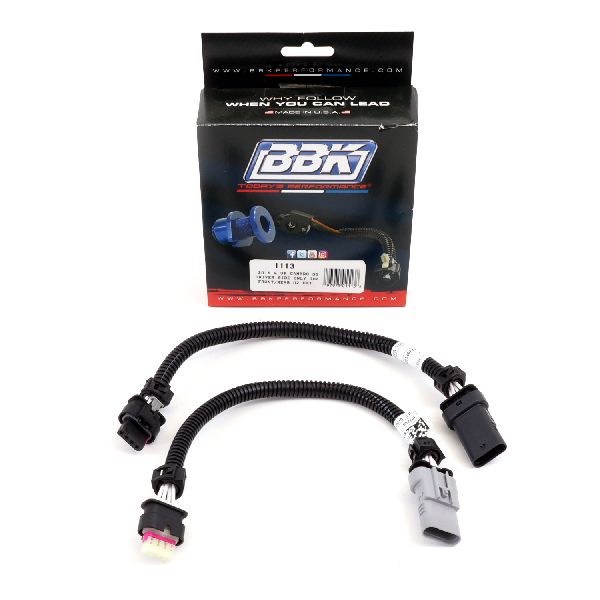
- 2019-2024: While the part number for the sensor itself did not change, some aftermarket header and O2 extension harness manufacturers list different parts for 2019+ automatic transmission models, suggesting a possible minor change in harness length or connector keying after the 2019 model year refresh. This is most relevant for modified cars.
Diagnostic Flowchart
Other Known Issues on This Vehicle
Issues unrelated to this code that are worth knowing about as an owner of this generation:
- A8 (8-Speed Auto) Transmission Shudder 🟠 Medium — Very common on 2016-2019 models with the 8L90/8L45 automatic transmission. Often appears between 4,000 and 40,000 miles. (Ref: TSB 18-NA-355 advises a triple fluid flush with an updated Mobil 1 Synthetic LV ATF HP fluid. If shudder persists, torque converter replacement may be necessary.)
- AFM/DFM Lifter Failure 🔴 High — A known issue across many modern GM V8s with Active/Dynamic Fuel Management, including the LT1. Can occur at various mileages, sometimes under 50,000 miles. Symptoms include a ticking or knocking noise, misfires, and eventual engine damage if not addressed. (Ref: Multiple TSBs exist for related engines. While not a recall, it's a widely documented failure mode.)
- Slow Crank When Hot / Heat Soak 🟡 Low — Common complaint where the engine cranks slowly after being shut down hot, sounding like a weak battery. This is due to the starter's proximity to the hot exhaust, increasing its electrical resistance. (Ref: No official TSB, but a common owner fix is to add a supplemental, larger gauge ground wire from the battery negative terminal to the engine block or chassis to improve the ground path.)
Used vs. New Parts: Buying Guide for This Vehicle
When a used part is the smart pick: A used wiring harness pigtail from a junkyard is a viable option if only your connector is damaged and the rest of the wiring is intact. It is strongly advised NOT to use a salvaged O2 sensor itself.
Donor-vehicle mileage cap: roughly under 80000 miles for the part to have meaningful remaining life.
What to inspect on the donor part:
- For a wiring pigtail, ensure the connector is not cracked or brittle.
- Check for at least 6-8 inches of clean, unmelted wire attached to the pigtail.
- Verify the locking tab on the connector is intact and functional.
OEM-only on this vehicle (don't cheap out):
- While not strictly 'OEM-only', using a GM Genuine (ACDelco) or a reputable OEM supplier like Denso or NTK for the oxygen sensor is highly recommended. Some cheaper aftermarket sensors are known to have short lifespans or cause compatibility issues.
Aftermarket brands forum-validated for this vehicle:
- Denso
- NTK (NGK)
- Bosch (though some forum users report mixed results with Bosch on GM platforms)
Brands owners have reported issues with on this vehicle:
- Generic, unbranded sensors from online marketplaces are frequently cited as unreliable and a common cause of recurring codes.
Real Owner Stories
Aggregated from forums and TSBs cited above. Mileages and costs reflect what owners reported in those sources.
2017 Chevrolet Camaro SS 6.2L V8
Symptoms: Multiple check engine light codes (P06DB, P0030, P0031, P0050, P0051, P0132, P0135, P0152, P0155, P0178, P0443) appeared after hitting the bottom of the car in a parking garage. The car drove fine but oil pressure was slightly higher.
What fixed it: The cause was identified as a common power feed issue (likely a blown fuse) because it is highly unlikely all sensors failed at once.
Source hint: camaro6.com thread '02 sensor codes please help!!!!'
2017 Chevrolet Camaro 2SS 6.2L V8
Symptoms: Immediately after installing Speed Engineering headers, the vehicle triggered P0030, P0031, and other related codes.
What fixed it: Checking for melted wiring insulation near the hot header pipes, as the harness was not properly secured away from the heat source.
Source hint: camaro6.com discussion cited in vehicle_specific_issues
2014-2019 Chevrolet Corvette (C7) 6.2L V8
Symptoms: Check engine light with codes P0030 and P0031.
What fixed it: Replacement of the O2 sensor due to an infant failure of the internal heater element.
Source hint: CorvetteForum discussion
Related OBD-II Codes
Frequently Asked Questions
I just installed long-tube headers on my 2017 Camaro SS and now I have a P0031 code. Can I just tune this out?
Which fuse should I check for the O2 sensor heater circuit on my 2016-2018 Camaro?
Where is the Bank 1, Sensor 1 oxygen sensor located on the LT1 6.2L V8?
What resistance reading should I see when testing the O2 sensor heater pins?
Does GM have any TSBs regarding O2 sensor wiring issues on V8 engines?
My Camaro has multiple O2 heater codes like P0031 and P0051 at the same time. Is it likely both sensors failed?
Helpful Videos
We Have This Part in Stock

The information in this article is provided for general reference and educational purposes only. Vehicle specifications, procedures, and part compatibility can vary by production date, trim level, and region. Always consult your vehicle's factory service manual and verify part numbers before purchasing or performing repairs. Safety-critical components such as airbags, seat belts, and braking systems should be installed by a qualified professional.
- Chevrolet Camaro:
- 🧭 Diagnostic Flowchart
- 🎬 Helpful Videos
- 🛍️ Shop This Part
- What's Unique About the 2016-2024 Chevrolet Camaro
- Symptoms You May Notice
- Most Likely Causes
- Rare But Worth Checking
- Diagnosis Steps
- Parts You'll Likely Need
- Related Codes That Often Appear With This One
- Technical Service Bulletins (TSBs) & Recalls
- Platform-Specific Known Issues
- Mechanic-Grade Diagnostic Values
- Wiring & Ground Locations
- Real Owner Repair Stories
- OEM Part Supersession History
- Model Year Variations Within This Range
- Other Known Issues on This Vehicle
- Used vs. New Parts: Buying Guide for This Vehicle
- Real Owner Stories
- 2017 Chevrolet Camaro SS 6.2L V8
- 2017 Chevrolet Camaro 2SS 6.2L V8
- 2014-2019 Chevrolet Corvette (C7) 6.2L V8
- Related OBD-II Codes
- Frequently Asked Questions
- 🎟️ Get 5% Off