

P0031 on 2012-2018 Chevrolet Sonic 1.8L: O2 Sensor Heater Circuit Low Causes and Fixes
On a 2012-2018 Sonic 1.8L, code P0031 almost always means the heater inside the upstream oxygen sensor (Bank 1, Sensor 1) has failed. Replacing the sensor is the most common fix. Before buying a new sensor, check the 10A 'O2 SEN' fuse (position F24) in the under-hood fuse box.
- P0031 on your Sonic 1.8L points directly to an issue with the heater circuit for the upstream O2 sensor, located on the front of the exhaust manifold.
- The most likely cause is a failed heater element inside the sensor itself, requiring sensor replacement.
- Before replacing any parts, always check the 10A O2 sensor fuse (F24) in the under-hood fuse box.
- Also, inspect the wiring harness near the sensor for any signs of heat damage or oil contamination from a potential valve cover gasket leak, as this is a common secondary cause.
- This is a DIY-friendly repair with basic tools; a 22mm (7/8") O2 sensor socket is highly recommended.
What's Unique About the 2012-2018 Chevrolet Sonic
The 1.8L Ecotec (LUW) engine in the Sonic is also used in the Chevrolet Cruze and some Chevrolet Trax models, so repair information and parts are widely shared. For this code, the issue is rarely unique to the platform itself but rather a common failure of the oxygen sensor's internal heater element. The upstream sensor's location on the front of the exhaust manifold makes it more accessible for diagnosis and replacement compared to many other vehicles.
Symptoms You May Notice
- Check Engine Light is illuminated
- Reduced fuel economy
- Rough or unstable idle, especially on a cold start
- Possible hesitation during acceleration
- Failure to pass an emissions test
- "Reduced Propulsion" or similar power-loss messages on the dashboard (as noted in NHTSA ODI #11632222)
- Replacing the downstream (Bank 1, Sensor 2) oxygen sensor instead of the upstream (Bank 1, Sensor 1) sensor.
- Replacing the oxygen sensor without first checking the fuse and wiring, leading to the new sensor also not working.
- Confusing an oil leak from the valve cover gasket that fouls the sensor with a primary sensor failure.
Most Likely Causes
- Failed Upstream Oxygen Sensor (Bank 1, Sensor 1) 🔴 High Probability → Shop Oxygen Sensor The internal heater element is a common failure point on oxygen sensors due to constant, rapid heat cycles.
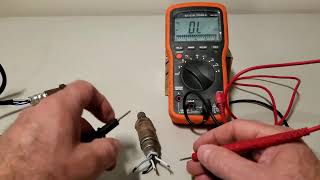
How to confirm: Disconnect the sensor and measure the resistance across the two heater circuit pins (often the two same-colored wires, typically black). A reading of 'OL' (infinite resistance) confirms a broken heater. 🎬 Watch: How to test if your oxygen sensor heater is bad. A good sensor should have a resistance between 2 and 30 Ohms when cold.
Typical fix: Replace the upstream oxygen sensor. A 22mm (or 7/8") oxygen sensor socket is highly recommended for removal.
Est. part cost: $30-$130 - Blown Fuse 🟡 Medium Probability A short circuit in the heater element or wiring can cause the corresponding fuse to blow as a protective measure.
How to confirm: Locate the fuse for the oxygen sensor heater circuit in the under-hood fuse box. On the Sonic, this is typically the 10A fuse in position F24. Check for continuity. If the fuse is blown, a short circuit is likely present.
Typical fix: Replace the blown fuse. If it blows again immediately, a short circuit is present in the wiring or the sensor itself and must be found before replacing the fuse again.
Est. part cost: $1-$5 - Damaged Wiring or Connector ⚪ Low Probability The wiring harness is close to the hot exhaust manifold and can become brittle, melt, or fray over time. The connector can also accumulate dirt or moisture.
How to confirm: Visually inspect the entire wiring harness leading to the oxygen sensor for signs of melting, chafing, or broken wires. Check the connector for corrosion, moisture, or pushed-out pins. With the key on and engine off, check for 12V power at the harness-side connector.
Typical fix: Repair the damaged section of the wiring harness or replace the connector pigtail.
Est. part cost: $15-$40
Rare But Worth Checking
- Faulty Engine Control Module (ECM): This is very rare. All other possibilities, including the sensor, wiring, and fuses, must be exhaustively ruled out before considering the ECM as the cause.
Diagnosis Steps
- Retrieve the trouble code with an OBD-II scanner to confirm P0031 is present.
- Locate the under-hood fuse box and inspect the 10A fuse for the O2 sensor heater circuit at position F24. Replace if blown.
- Visually inspect the wiring harness and connector for the upstream oxygen sensor, which is located on the front of the exhaust manifold. Look for any signs of melting, fraying, or corrosion.
- If the visual inspection passes, disconnect the sensor's electrical connector.
- With the ignition key in the 'On' position (engine off), use a multimeter to verify that there is battery voltage (approx. 12V) at the power pin on the harness-side connector. Also, check for a good ground on the ground pin.
- If power and ground are present, use the multimeter set to Ohms to measure the resistance of the heater circuit on the sensor itself (usually across the two same-colored wires). A reading of infinite resistance ('OL') means the sensor's internal heater has failed. A good sensor should read between 2-30 Ohms.
- If the sensor's resistance is within spec and the wiring has power and ground, there may be a rare issue with the signal wire to the ECM or the ECM itself.
- After repair, clear the codes with the scanner and perform a drive cycle to ensure the check engine light does not return.
Parts You'll Likely Need
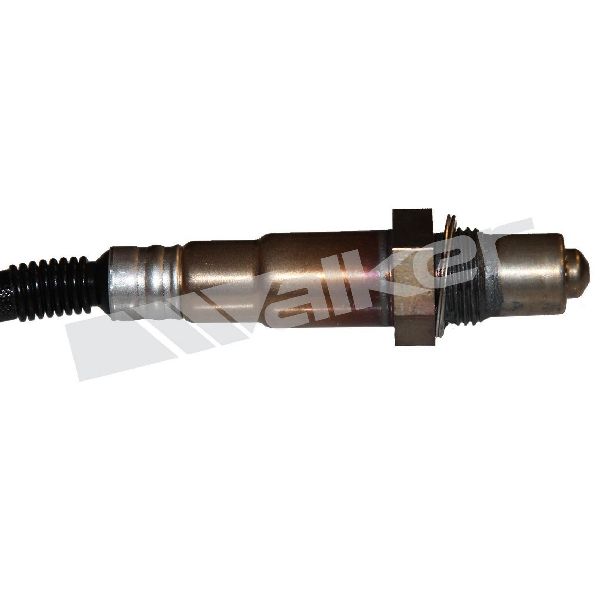
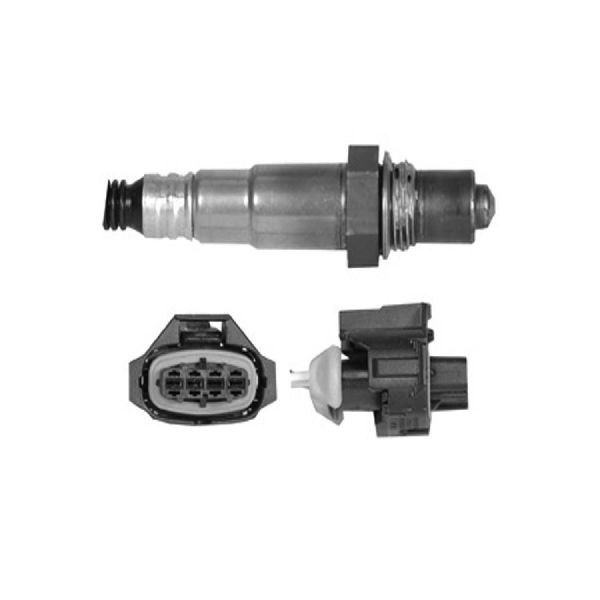
- Upstream Oxygen Sensor (Bank 1, Sensor 1)
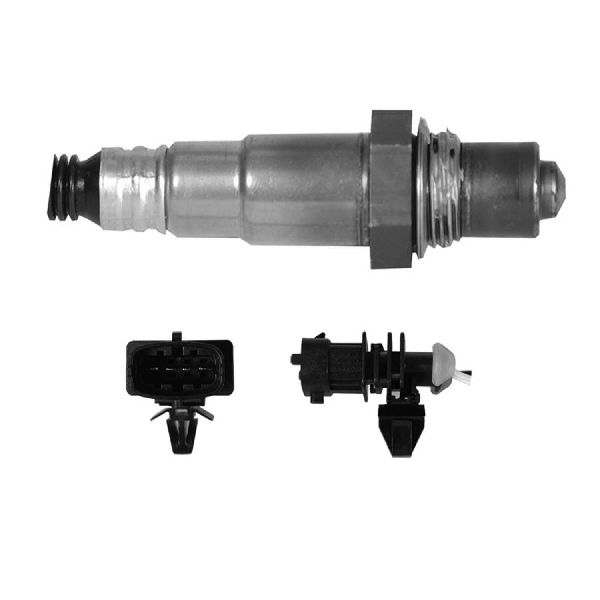
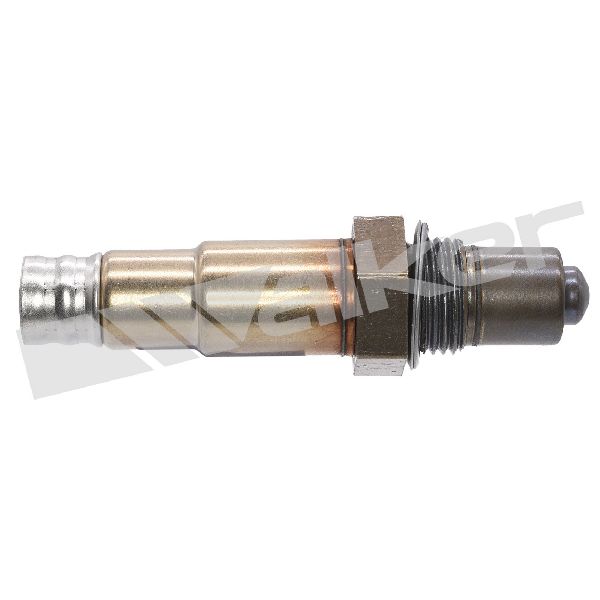
(OEM #55572993 (supersedes 55566649), ACDelco 213-4764)— The internal heater element is the most common point of failure for this code.
Trusted brands: ACDelco, Bosch, Denso, NGK/NTK
OEM price range: $70-$130
Aftermarket price range: $30-$90
Related Codes That Often Appear With This One
- P0030 — P0030 indicates a general fault in the same heater control circuit, while P0031 specifically points to a 'low' or short circuit condition. They often appear together as they relate to the same component's heater function.
- P0135 — This is another generic code for 'O2 Sensor Heater Circuit Malfunction (Bank 1 Sensor 1)'. It is functionally very similar to P0030 and P0031 and points to the same root causes.
- P0131 — P0131 (O2 Sensor Circuit Low Voltage) can appear alongside P0031 because if the sensor fails to heat up, it cannot produce the correct voltage signal, causing the PCM to see a low voltage reading from the sensor's signal circuit.
Platform-Specific Known Issues
- A known issue on the 1.8L engine is a leaking valve cover gasket, which can drip oil onto the O2 sensor and its wiring, potentially causing a short or fouling the sensor. Inspect the valve cover area above the exhaust manifold for any signs of oil seepage.
- Manufacturer Bulletin #PIT5336 alerts technicians to vehicles exhibiting a Service Engine Soon Malfunction Indicator Lamp with P0031 and related O2 sensor heater codes stored in the system.
Mechanic-Grade Diagnostic Values
- Upstream O2 Sensor (B1S1) Heater Circuit Resistance — expected: 10.5 - 12.5 Ohms for an OEM sensor; general acceptable range is 2-30 Ohms.. Failure: A reading of 'OL' (Open Loop/infinite resistance) or a value significantly outside the 2-30 Ohm range.
- O2 Sensor Heater Power Supply Voltage — expected: Approximately 12V (battery voltage) with Key On, Engine Off.. Failure: Zero or significantly low voltage, indicating a blown fuse, bad relay, or open in the power supply wire.
- O2 Sensor Heater Ground Circuit Continuity — expected: Near 0 Ohms resistance when testing between the ground pin on the harness connector and a known good chassis ground.. Failure: High or infinite ('OL') resistance, indicating a broken ground wire.
Wiring & Ground Locations
- G104 — Lower right rear of the engine block.. This is a primary engine ground. While not directly for the O2 sensor heater (which is often grounded through the ECM), a poor connection at G104 can cause a variety of sensor and module issues, including erratic readings that could indirectly affect this circuit. Some owners have reported that insufficient grounds cause widespread electrical issues on this platform.
- Upstream O2 Sensor Connector (Harness Side) — Connected to the B1S1 O2 sensor, located on the front of the exhaust manifold.. This is where all electrical tests for the circuit are performed. Pin 1 (Pink/Blue wire) is the 12V power supply from the F24 fuse. Pin 2 (Brown/Blue wire) is the heater control signal wire from the ECM (Pin 48 on connector X2). Pins 3 and 4 are for the sensor signal itself.
- ECM Connector X2, Pin 48 — The Engine Control Module (ECM) is located on the left side of the engine compartment. X2 is one of the main connectors.. This is the specific pin on the ECM that provides the ground-side control for the O2 sensor heater circuit. A continuity test from this pin to Pin 2 at the O2 sensor connector can verify the integrity of the control wire.
Real Owner Repair Stories
- CruzeTalk.com forum user (2012 Chevrolet Cruze 1.8L (shared engine)) — Check Engine Light with code P0031.
❌ Tried (didn't work) Replaced the upstream O2 sensor, but the code returned., Checked the F24 fuse, which was good.
✅ What actually fixed it The user noticed oil dripping from the valve cover directly onto the O2 sensor's wiring harness. The oil had saturated the connector, causing a short. Replacing the leaking valve cover gasket and cleaning the connector with electrical contact cleaner permanently resolved the P0031 code. - NHTSA ODI #11632222 — An owner reported a "Reduced Propulsion" message on the dash along with code P0031 and several other faults. The technician found a blown fuse for the EGR valve, which was likely linked to the circuit failure.
OEM Part Supersession History
55566649→55572993— Standard part revision for improved durability or manufacturing process.
Heads up: The parts are interchangeable for the specified model years. The ACDelco service part number is 213-4764, which corresponds to the latest GM part number.
Model Year Variations Within This Range
- 2012-2018: The 1.8L engine has two RPO codes: LUW and LWE. The LWE version, introduced for PZEV (Partial Zero-Emission Vehicle) states, adds a secondary air injection system but uses the same fundamental engine and O2 sensor for this circuit. The 1.8L engine was discontinued for the Sonic starting in the 2019 model year.
Diagnostic Flowchart
Other Known Issues on This Vehicle
Issues unrelated to this code that are worth knowing about as an owner of this generation:
- Cracked/Leaking Plastic Thermostat Housing 🔴 High — Very common, often occurs between 60,000-100,000 miles. Can lead to overheating if not addressed. (Ref: No TSB, but widely documented. Aftermarket metal housings are a popular upgrade.)
- Leaking Engine Oil Cooler / Housing Gaskets 🔴 High — Common failure, causing oil to mix with coolant ('milkshake' in coolant reservoir) or external oil leaks.
- PCV System Failure (Valve Cover) 🟠 Medium — The PCV diaphragm integrated into the valve cover can rupture, causing a large vacuum leak, rough idle, and oil consumption.
- Timing Belt Replacement Interval 🔴 High — The 1.8L engine uses a timing belt that requires replacement at a 100,000-mile interval. Failure to replace it will result in catastrophic engine damage. (Ref: Standard maintenance item, not a defect.)
- Cracked Coolant Reservoir Tank 🟠 Medium — The plastic coolant overflow tank is prone to developing hairline cracks over time, leading to slow, hard-to-find coolant leaks.
Used vs. New Parts: Buying Guide for This Vehicle
When a used part is the smart pick: A used part is generally not recommended for the oxygen sensor itself, as it is a wear item with a finite lifespan. However, sourcing a used wiring harness pigtail or a complete under-hood fuse box from a junkyard can be a cost-effective solution if those components are the root cause of the failure.
Donor-vehicle mileage cap: roughly under 80000 miles for the part to have meaningful remaining life.
What to inspect on the donor part:
- For a wiring pigtail, ensure the insulation is not brittle, cracked, or melted.
- Check connector pins for corrosion, moisture, or signs of being pushed out.
- For a fuse box, inspect for any signs of water intrusion, heavy corrosion on terminals, or melted plastic around fuse/relay sockets.
Aftermarket brands forum-validated for this vehicle:
- Denso (often the original OE manufacturer for GM)
- NGK/NTK
- Bosch (ensure it is the direct-fit OEM-style, not a universal sensor)
Brands owners have reported issues with on this vehicle:
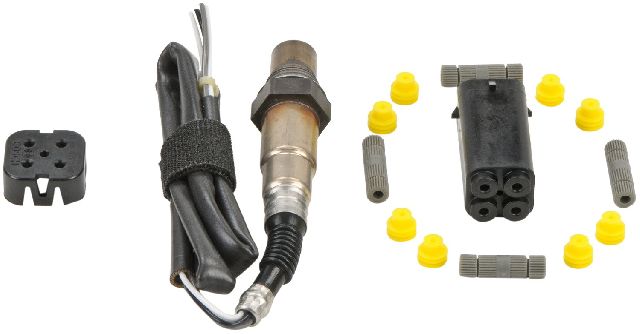
- Unnamed 'universal' sensors that require splicing wires. These often have incorrect heater resistance values and can cause the code to persist or return quickly.
Real Owner Stories
Aggregated from forums and TSBs cited above. Mileages and costs reflect what owners reported in those sources.
2012-2018 Chevrolet Sonic 1.8L
Symptoms: Check engine light on; users discussed the commonality of O2 sensor failure and the importance of checking the fuse first.
What fixed it: Simple replacement of the oxygen sensor and/or checking the F24 fuse.
Source hint: CruzeTalk.com & SonicOwnersForum.com - Numerous threads discuss P0030/P0031
2012-2018 Chevrolet Sonic 1.8L
Symptoms: Oil leaks around the valve cover, leading to concerns about the PCV valve and potential fouling of the O2 sensor located below it.
What fixed it: Addressing oil leaks from the valve cover area to prevent secondary problems like O2 sensor fouling.
Source hint: Reddit r/ChevySonic - A thread titled 'Is this my pcv valve going out? 1.8 L'
Documented NHTSA Reports
Symptoms: Owners have reported the vehicle losing power on the highway and eventually stopping with a message on the console stating "engine offline" alongside code P0031 (NHTSA ODI #11448862). Another report (NHTSA ODI #11681144) describes P0031 appearing as part of a larger failure where the EGR failed to circulate coolant properly.
Related OBD-II Codes
Frequently Asked Questions
Which fuse should I check first for a P0031 code on my Chevrolet Sonic?
Can an oil leak from my 1.8L engine's valve cover cause this O2 sensor code?
What specific resistance should I look for when testing the upstream O2 sensor on my Sonic?
Are there any specific brands of oxygen sensors recommended for the 1.8L Ecotec engine?
Is the P0031 code common on other vehicles besides the Sonic?
What tool do I need to remove the upstream oxygen sensor on the 1.8L Sonic?
Helpful Videos
We Have This Part in Stock


The information in this article is provided for general reference and educational purposes only. Vehicle specifications, procedures, and part compatibility can vary by production date, trim level, and region. Always consult your vehicle's factory service manual and verify part numbers before purchasing or performing repairs. Safety-critical components such as airbags, seat belts, and braking systems should be installed by a qualified professional.
- Chevrolet Sonic:
- 🧭 Diagnostic Flowchart
- 🎬 Helpful Videos
- 🛍️ Shop This Part
- What's Unique About the 2012-2018 Chevrolet Sonic
- Symptoms You May Notice
- Most Likely Causes
- Rare But Worth Checking
- Diagnosis Steps
- Parts You'll Likely Need
- Related Codes That Often Appear With This One
- Platform-Specific Known Issues
- Mechanic-Grade Diagnostic Values
- Wiring & Ground Locations
- Real Owner Repair Stories
- OEM Part Supersession History
- Model Year Variations Within This Range
- Other Known Issues on This Vehicle
- Used vs. New Parts: Buying Guide for This Vehicle
- Real Owner Stories
- 2012-2018 Chevrolet Sonic 1.8L
- 2012-2018 Chevrolet Sonic 1.8L
- Documented NHTSA Reports
- Related OBD-II Codes
- Frequently Asked Questions
- 🎟️ Get 5% Off