

P0031 on 2011-2023 Dodge Charger: O2 Sensor Heater Circuit Low (Bank 1 Sensor 1) Causes & Fixes
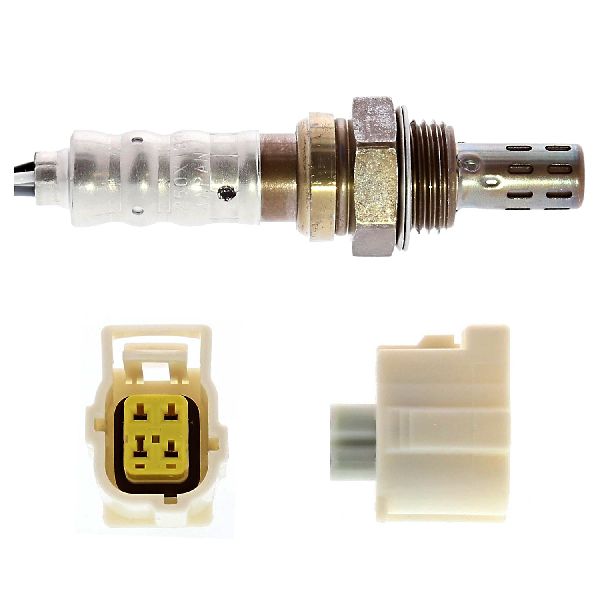
For a Dodge Charger, code P0031 almost always means the upstream oxygen sensor's internal heater has failed. On V8 HEMI engines, this is the driver's side sensor; on the 3.6L V6, it's the passenger's side. Replacing the sensor is the typical fix. It is critical to use an OEM (Mopar) or quality OE-style (NTK, Denso) sensor, as these vehicles are known to reject other brands like Bosch. The part costs $40-$80 for aftermarket or $100-$180 for OEM Mopar.
- P0031 points to a fault in the heater circuit for the upstream O2 sensor (Sensor 1).
- Crucially, identify 'Bank 1' correctly: it's the passenger side for the 3.6L V6 and the driver's side for V8 HEMI engines.
- The most likely fix is replacing the sensor itself, but always inspect the wiring for melting/damage and check the
What's Unique About the 2011-2023 Dodge Charger
The most critical platform-specific detail for a Dodge Charger is the location of 'Bank 1'. On V8 HEMI engines (5.7L, 6.2L, 6.4L), Bank 1 is the driver's side. On the 3.6L Pentastar V6 engine, Bank 1 is the passenger's side. Misidentifying the bank is a very common mistake. Furthermore, Chrysler PCMs are notoriously sensitive to the brand of oxygen sensor used. Numerous owner reports confirm that using non-specified brands, particularly Bosch, may not fix the code. It is highly recommended to use OEM Mopar or OE-equivalent brands like NTK or Denso for a successful repair.
Generation note: This guide covers the second generation (LD) Dodge Charger, which had a major refresh in 2015. The fundamental causes and diagnostic steps for P0031 are the same for all 2011-2023 models. However, fuse locations and specific O2 sensor part numbers may vary slightly between the 2011-2014 and 2015-2023 model years. For 2015+ models, the ASD relay is often R63 in the front fuse box, and relevant fuses include F31, F34, and F37.
Symptoms You May Notice
- Check Engine Light illuminated
- Decreased fuel economy
- Rough or unstable idle
- Hesitation or reduced engine performance
- Failing a vehicle emissions test
- Replacing the wrong oxygen sensor (e.g., replacing the Bank 2 sensor on the opposite side of the engine, or the downstream Sensor 2 after the catalytic converter).
- Replacing the oxygen sensor without first checking the fuse, ASD relay, and inspecting the wiring for obvious damage.
- Installing an incompatible brand of oxygen sensor (e.g., Bosch), which causes the code to return.
Most Likely Causes
- Failed Bank 1, Sensor 1 Oxygen Sensor 🔴 High Probability → Shop Oxygen Sensor The internal heater element is a common failure point due to constant heat cycles. Brand sensitivity is also a major factor; using non-OEM equivalent sensors (like Bosch) can cause the code to persist even with a new part.
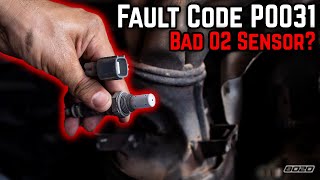
How to confirm: Disconnect the sensor and test the resistance between the two heater pins (often the two same-colored wires) using a multimeter. A healthy sensor should read between 4 and 10 ohms at room temperature. An open circuit (infinite resistance or 'OL') confirms the heater has failed and the sensor needs replacement. 🎬 Watch: Diagnosing O2 sensor heater circuit issues
Typical fix: Replace the Bank 1, Sensor 1 oxygen sensor with a Mopar, NTK, or Denso part. Ensure you are replacing the correct sensor: upstream, on the driver's side for V8s or passenger's side for V6s. 🎬 Watch: 3.6L Pentastar O2 sensor replacement walkthrough
Est. part cost: $40-$180 - Damaged Wiring or Connector 🟡 Medium Probability The wiring harness is routed near the hot exhaust and transmission, making it susceptible to melting, chafing, or physical damage, which can cause a short to ground.
How to confirm: Visually inspect the entire wiring harness for the O2 sensor, from the connector back as far as possible. Look for melted plastic, frayed wires, or corrosion in the connector pins. A forum user reported this exact issue after a sensor replacement didn't fix the code.
Typical fix: Repair the damaged section of the wiring harness or replace the connector pigtail. Use heat-resistant loom and secure the wiring away from heat sources.
Est. part cost: $10-$50 - Blown Fuse or Faulty ASD Relay ⚪ Low Probability A short circuit in the sensor or its wiring can cause the corresponding fuse to blow. The O2 heater circuits are often powered via the Auto Shutdown (ASD) relay, which can also fail and cut power to the heaters.
How to confirm: Check the fuse box in the engine bay (and potentially the trunk). For the 3.6L V6, this is often fuse F70 (15A). For V8 models, check fuses related to engine controls or O2 sensors in the owner's manual, such as F31, F34, and F37 for 2015+ models. 🎬 See: How to locate the O2 sensor fuses If fuses are good, consider swapping the ASD relay (often R63 in the engine bay fuse box for 2015+ models) with a similar one to test for failure, especially if multiple heater codes are present.
Typical fix: Replace the blown fuse or faulty relay. If a new fuse blows immediately, it confirms a persistent short circuit in the wiring or sensor that must be found and fixed.
Est. part cost: $1-$20
Rare But Worth Checking
- Faulty Powertrain Control Module (PCM): This is very rare. Suspect this only if multiple O2 heater codes (e.g., P0031, P0037, P0051, P0057) are present simultaneously and persist after replacing the sensors and verifying the wiring and power supply (fuse/relay) are good. TSB 18-059-16 also notes that a PCM reflash may be needed for some 2011 3.6L models.
Diagnosis Steps
- Verify the code with an OBD-II scanner.
- CRITICAL: Identify the correct location of Bank 1 for your engine. (V8 = Driver's Side, V6 = Passenger's Side).
- Perform a thorough visual inspection of the Bank 1 Sensor 1 wiring harness and connector. Look for any signs of melting, chafing, or corrosion.
- Check the fuse for the O2 sensor heater circuit in the engine bay fuse box (e.g., F70 for 3.6L). Also, check the Auto Shutdown (ASD) relay, which often powers the circuit.
- If the fuse and wiring are good, disconnect the O2 sensor connector.
- With the ignition on (engine off), use a multimeter to test for 12V power on the vehicle-side harness connector.
- Test the resistance of the heater element on the sensor itself. A reading between 4-10 ohms is good. A reading of infinite resistance ('OL') means the sensor's heater is broken and the sensor must be replaced.
- If the sensor tests good but power is missing at the harness, trace the wiring back to the PCM to find the open circuit.
- If all wiring and the sensor are good, and the code persists, consider the possibility of a PCM issue, especially if other heater codes are present.
Parts You'll Likely Need
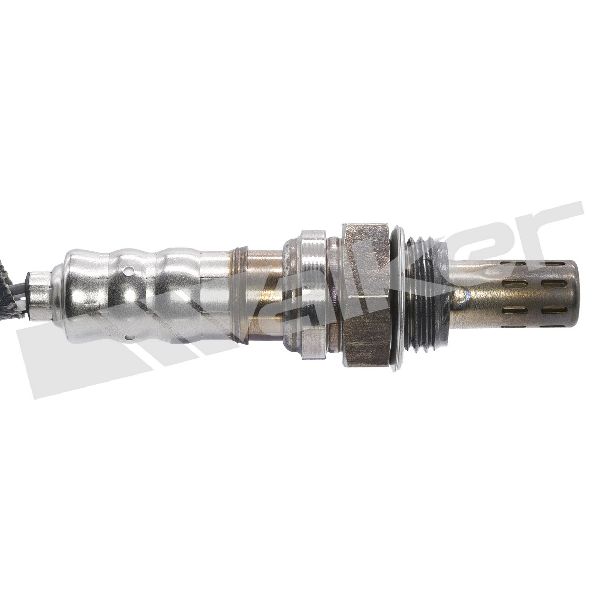
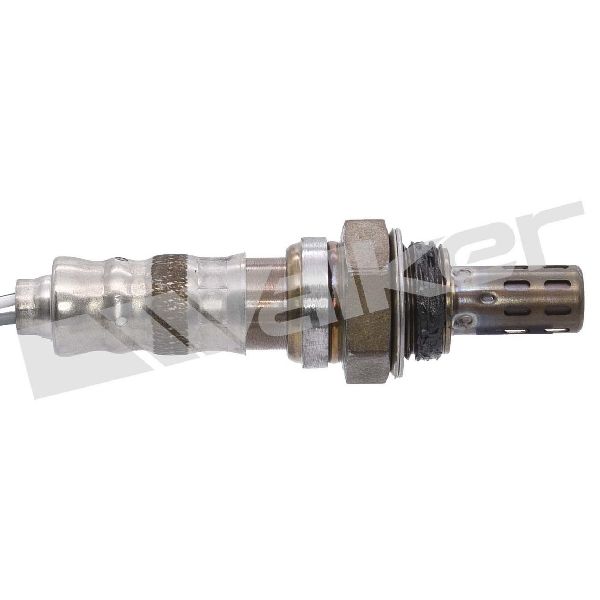
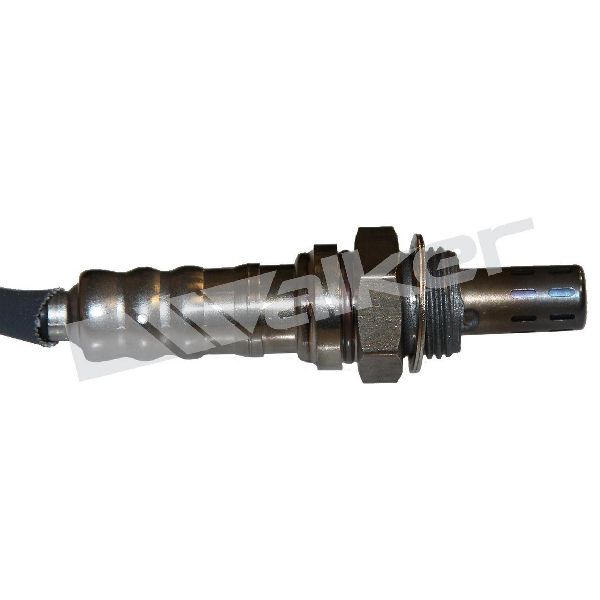
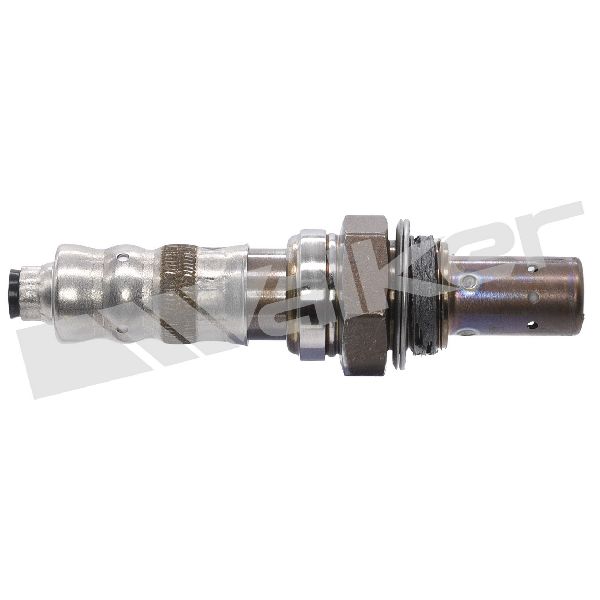
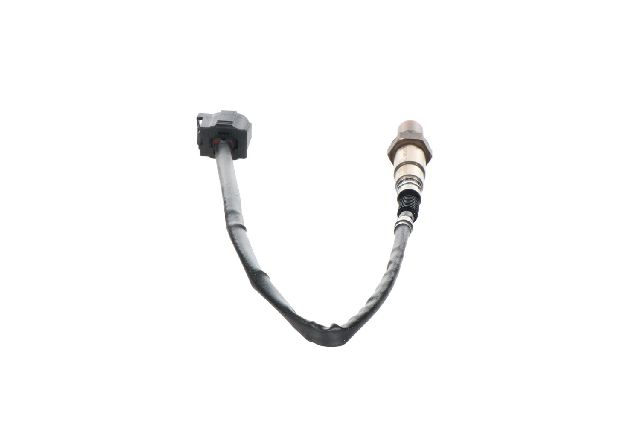
- Oxygen Sensor (Bank 1, Sensor 1)
(OEM #5149171AB (V6/V8), 68090640AB (V8), 56029049AA (5.7L HEMI))— This is the most common failure. The internal heater element burns out, triggering the code. Brand choice is critical for a lasting repair.
Trusted brands: Mopar (OEM), NTK (Recommended), Denso (Recommended)
OEM price range: $100-$180
Aftermarket price range: $40-$80
Related Codes That Often Appear With This One
- P0051 — This is the equivalent code for Bank 2, Sensor 1. Seeing P0031 and P0051 together could point to a shared power supply issue (like a fuse or ASD relay) or a problem with the PCM.
- P0032 — This indicates a heater circuit *high* condition for the same sensor. Seeing both intermittently could suggest a faulty PCM or a very erratic wiring short.
- P0037, P0057 — These are the heater circuit low codes for the downstream sensors. If all four heater codes appear at once, the cause is almost certainly a global power supply problem or a failed PCM, not four bad sensors.
Technical Service Bulletins (TSBs) & Recalls
- 18-059-16: Flash: Powertrain Diagnostic And System Enhancements for 2011 models with 3.6L engine, addressing multiple O2 sensor heater circuit DTCs.
- TSB Bulletin #18-092-15: Notes that P0031 (O2 Sensor 1/1 Heater Circuit Low) may be present alongside other heater circuit high or low codes such as P0037, P0051, and P0057.
- TSB Bulletin #25-002-14: Identifies P0031 as O2 Sensor 1/1 Heater Circuit Low, often appearing with other O2-related codes like P014D (Slow Response) or P0030.
- TSB Bulletin #25-004-12: Lists P0031 as a specific heater circuit low fault for the 1/1 oxygen sensor, potentially occurring in conjunction with soot-related codes.
- TSB Bulletin #25-003-13: Confirms P0031 indicates O2 Sensor 1/1 Heater Circuit Low and may be accompanied by P0032 (Heater Circuit High) or P0036 (Heater Circuit Malfunction).
Platform-Specific Known Issues
- TSB 18-059-16 was issued for some 2011 models with the 3.6L engine, which involves reprogramming the PCM if multiple O2 sensor heater circuit codes (including P0031) are present.
Mechanic-Grade Diagnostic Values
- O2 Sensor Heater Element Resistance — expected: 4 to 10 Ohms at room temperature. Failure: A reading of 'OL' (infinite resistance) indicates an open circuit/failed heater. A reading near 0 Ohms indicates an internal short.
- O2 Heater Power Supply at Harness Connector — expected: ~12V (Battery Voltage) with Key On, Engine Off (KOEO). Failure: A reading near 0V indicates a lack of power from the ASD relay/fuse or a break in the power supply wire.
- O2 Heater Circuit Current Draw (Advanced) — expected: 0.8 to 1.5 Amps when commanded on. Failure: Current draw significantly below 0.8 Amps can trigger a 'low circuit' code like P0031. This is best measured with a low-amp clamp.
- PCM Heater Control Signal (Advanced) — expected: The PCM grounds the circuit with a duty cycle (pulse). A test light connected to the control circuit should flash or pulse when the heater is active.. Failure: A constantly lit test light indicates a short to ground in the control wire or a failed PCM driver. No light indicates an open control wire or failed PCM driver.
Scan Tool Commands That Help
- wiTECH or equivalent professional scanner: O2 Sensor Heater Test / Actuator Test — This bidirectional command manually activates the O2 sensor heater circuit. It is used to verify that the PCM, relay, fuse, and wiring are capable of delivering power to the sensor. If the test activates a test light connected to the harness, it proves the circuit integrity up to the sensor, strongly suggesting the sensor itself has failed.
Wiring & Ground Locations
- O2 Sensor Heater Wires — Within the 4-wire O2 sensor connector, the two heater wires are typically the same color (e.g., two white wires or two black wires).. These are the specific pins that must be probed to measure the heater element's resistance on the sensor side and to check for power/ground on the harness side.
- Engine Ground Strap — A primary ground strap typically runs from the rear of the engine (often a threaded hole on the cylinder head) to the firewall.. While not a direct cause, a poor engine ground can create floating voltages and erratic behavior in various sensors, including O2 sensors. Ensuring this connection is clean and tight is a good practice during any electrical diagnosis.
- PCM Ground — The PCM has multiple ground points. For a 2006 model, a key ground splice (S116) is located at the right rear of the engine compartment.. The PCM provides the ground for the O2 heater control circuit. A fault in the PCM's own ground can cause it to misinterpret sensor data or fail to operate drivers correctly.
Real Owner Repair Stories
- YouTube channel 'Robinson's Automotive Specialist' (2004 Jeep Grand Cherokee (similar Chrysler electrical architecture)) — Persistent P0031 code, Check Engine Light.
❌ Tried (didn't work) Replacing the Bank 1 Sensor 1 oxygen sensor (twice, by two different shops).
✅ What actually fixed it The technician found that the heater control wire was shorted to ground near the PCM connector. This caused the heater to be on constantly, which the PCM interpreted as a low circuit fault. The fix was to repair the shorted wire; no parts were required.
OEM Part Supersession History
5149171AA, 68066160AA→5149171AB— Standard part revision and consolidation.
Heads up: Part 5149171AB is a widely used Mopar O2 sensor for many V6 and V8 applications across Chrysler, Dodge, and Jeep from roughly 2011 onwards. Always verify fitment with a VIN, but this is the most common modern replacement part.
Model Year Variations Within This Range
- 2015-2023: The underhood fuse box (Front Power Distribution Center) layout was updated. For P0031, the ASD (Auto Shutdown) relay is typically in position R63, and relevant fuses to check for the O2 heater circuits include F31, F34, and F37.
- 2011-2014: Fuse locations may differ from the 2015+ refresh. For the 3.6L V6, fuse F70 (15A) in the front fuse box is commonly cited as the power source for the O2 sensor heaters.
Diagnostic Flowchart
Other Known Issues on This Vehicle
Issues unrelated to this code that are worth knowing about as an owner of this generation:
- Cracked Oil Filter/Cooler Housing (3.6L V6) 🔴 High — Extremely common on 2011-2013 models. The original plastic housing becomes brittle and cracks, causing a major oil leak into the engine valley. Often misdiagnosed as a rear main seal leak.
- HEMI Lifter Failure / Camshaft Damage (5.7L V8) 🔴 High — A widely known issue, often called the 'HEMI tick'. It stems from a combination of lifter design and lubrication issues, particularly in engines with the Multi-Displacement System (MDS). If not addressed, a ticking noise can escalate to a misfire (P030X codes) and destruction of the camshaft.
- Uconnect 8.4" Screen Delamination & Ghost Touch 🟠 Medium — Common on 2017 and newer models. The screen's adhesive fails, causing bubbling and erratic 'ghost touches' where the system acts on its own. It is a well-known issue but not subject to a formal recall, though dealer communications (STAR Case S2108000130) exist. (Ref: NHTSA ID 10223465 (Communication S2108000130))
- Electronic 'Monostable' Shifter Rollaway Risk 🔴 High — Specific to 2012-2014 models. The unintuitive design of the electronic shifter made it easy for drivers to exit the vehicle without it being in Park, leading to rollaway incidents. This prompted a major safety recall. (Ref: NHTSA Recall 16V240 (FCA Recall T43))
- Premature Alternator Failure 🔴 High — Particularly prevalent on 2011-2014 models. The alternator can fail suddenly, sometimes preceded by a burning smell, causing the vehicle to stall and lose all electrical power. This was subject to a recall. (Ref: NHTSA Recall 14V634)
Used vs. New Parts: Buying Guide for This Vehicle
When a used part is the smart pick: For this repair, used parts are generally not recommended for the sensor itself. However, sourcing a used wiring harness connector (pigtail) from a junkyard is a viable and cost-effective option if only the connector is melted or damaged.
Donor-vehicle mileage cap: roughly under 100000 miles for the part to have meaningful remaining life.
What to inspect on the donor part:
- For a wiring pigtail, inspect for any signs of melting, brittleness, or corrosion on the pins.
- Ensure the locking tab on the connector is intact and functional.
- Cut the pigtail with as much wire as possible to allow for easier splicing.
OEM-only on this vehicle (don't cheap out):
- Oxygen Sensor: While not strictly 'OEM-only', using a non-Mopar, NTK, or Denso sensor is highly discouraged due to PCM sensitivity issues that often cause the code to return.
Aftermarket brands forum-validated for this vehicle:
- NTK
- Denso
Brands owners have reported issues with on this vehicle:
- Bosch (frequently reported by owners to be incompatible with Chrysler/Dodge PCMs for this application)
Real Owner Stories
Aggregated from forums and TSBs cited above. Mileages and costs reflect what owners reported in those sources.
2007 Dodge Charger 5.7L HEMI
Symptoms: Codes P0031 and P0051 persisted even after installing brand new aftermarket sensors.
What fixed it: Replacing the new Bosch sensors with NTK-branded sensors resolved the issue, as the platform is sensitive to sensor brands.
Source hint: LXForums
2011-2023 Dodge Charger
Symptoms: P0031 code remained active even after the oxygen sensor was replaced with a new unit.
What fixed it: A thorough wiring inspection revealed melted wiring shorting to the engine block.
Source hint: ChargerForums
Related OBD-II Codes
Frequently Asked Questions
I have a 2011 Charger with the 3.6L engine and multiple O2 heater codes. Is there a software fix?
Which side of the engine is Bank 1 on my Dodge Charger?
Can I use a Bosch oxygen sensor to fix P0031 on my Charger?
Which fuse should I check for the O2 sensor heater on a 3.6L V6 Charger?
My 2015+ Charger has P0031; which fuses and relays are involved?
Could a ticking noise in my 5.7L HEMI be related to P0031?
Helpful Videos
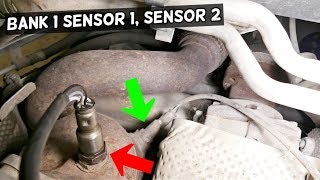
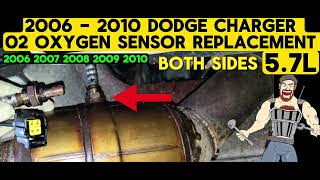
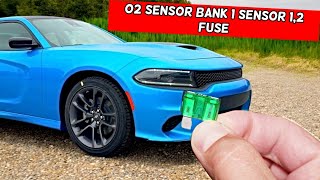
We Have This Part in Stock

The information in this article is provided for general reference and educational purposes only. Vehicle specifications, procedures, and part compatibility can vary by production date, trim level, and region. Always consult your vehicle's factory service manual and verify part numbers before purchasing or performing repairs. Safety-critical components such as airbags, seat belts, and braking systems should be installed by a qualified professional.
- Dodge Charger:
- 🧭 Diagnostic Flowchart
- 🎬 Helpful Videos
- 🛍️ Shop This Part
- What's Unique About the 2011-2023 Dodge Charger
- Symptoms You May Notice
- Most Likely Causes
- Rare But Worth Checking
- Diagnosis Steps
- Parts You'll Likely Need
- Related Codes That Often Appear With This One
- Technical Service Bulletins (TSBs) & Recalls
- Platform-Specific Known Issues
- Mechanic-Grade Diagnostic Values
- Scan Tool Commands That Help
- Wiring & Ground Locations
- Real Owner Repair Stories
- OEM Part Supersession History
- Model Year Variations Within This Range
- Other Known Issues on This Vehicle
- Used vs. New Parts: Buying Guide for This Vehicle
- Real Owner Stories
- 2007 Dodge Charger 5.7L HEMI
- 2011-2023 Dodge Charger
- Related OBD-II Codes
- Frequently Asked Questions
- 🎟️ Get 5% Off